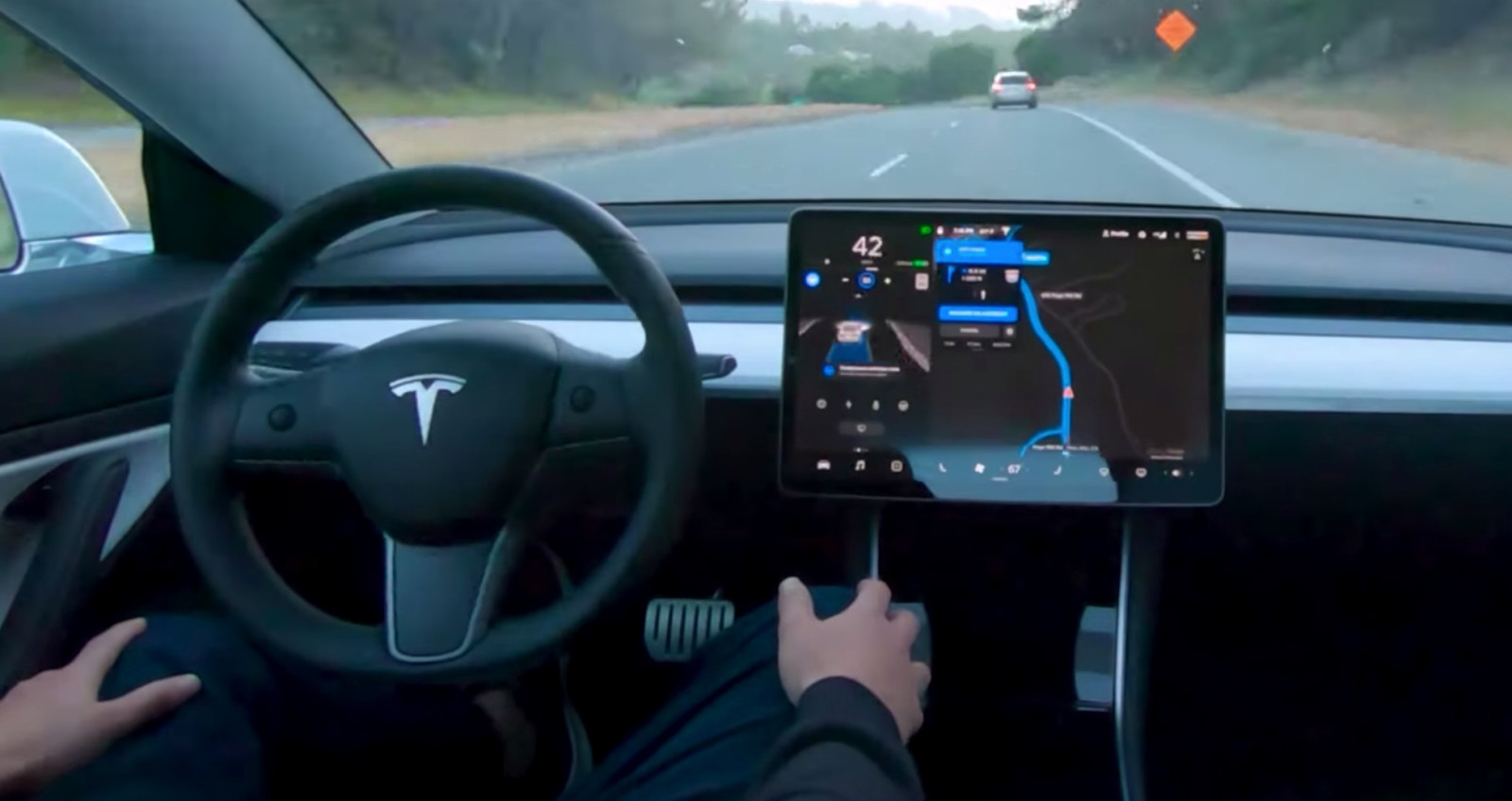
After an extended dispute with California regulators, Tesla has agreed to discontinue use of the “Autopilot” term within the state, thereby avoiding a proposed 30-day suspension that would have halted sales in its largest U.S. market, where it recorded nearly 180,000 deliveries last year.
The California Department of Motor Vehicles (DMV) challenged Tesla’s marketing language, arguing that terms such as “Autopilot” and “Full Self Driving Capability”, later revised to “Full Self-Driving (Supervised)”, implied a level of autonomy the vehicles do not possess.
According to the DMV, Tesla’s systems neither currently function nor have ever functioned as fully autonomous driving technologies.
Formal charges were filed in 2023, though regulators traced the issue to promotional language dating back to May 2021.
At that time, Tesla described the system as capable of managing both short and long-distance journeys without driver intervention. The DMV concluded that this characterization exceeded legal boundaries by overstating the technology’s capabilities.
A judge sided with regulators and proposed suspending Tesla’s dealer and manufacturer licenses in California for one month.
Such a suspension would have been particularly disruptive as the company continues to promote future autonomous initiatives, including robotaxis.
The DMV granted Tesla a 60-day window to correct the issue before enforcement began. Rather than contesting the ruling further, Tesla opted to comply.
“The DMV is committed to safety throughout all California’s roadways and communities,” said DMV Director Steve Gordon. “The department is pleased that Tesla took the required action to remain in compliance with the State of California’s consumer protections.”
As a result, the Autopilot branding has been removed in California, though it remains in use in other regions.
The company had previously modified “Full Self Driving” to “Full Self Driving Supervised” to clarify that driver oversight is required. By meeting the regulatory deadline, Tesla preserved its sales operations in a critical market.
The change extends beyond terminology. Tesla has already begun eliminating the previously standard Autopilot feature from new vehicles, replacing it with Traffic-Aware Cruise Control.
Customers seeking lane-centering functionality are now encouraged to subscribe to the $99-per-month Full Self Driving package.
Capabilities that competitors often include as standard equipment are now placed behind a subscription model.
Autopilot has long been central to Tesla’s public image, even as the company positions its more advanced Full Self Driving system as the long-term objective.
With regulatory pressure mounting, the brand has adjusted its messaging, at least in California, to align more closely with the current limits of its driver-assistance technology.