Nissan’s VC-Turbo engine continues to face mounting scrutiny. Last year, nearly 444,000 Nissan and Infiniti models were recalled due to manufacturing defects involving engine bearings.
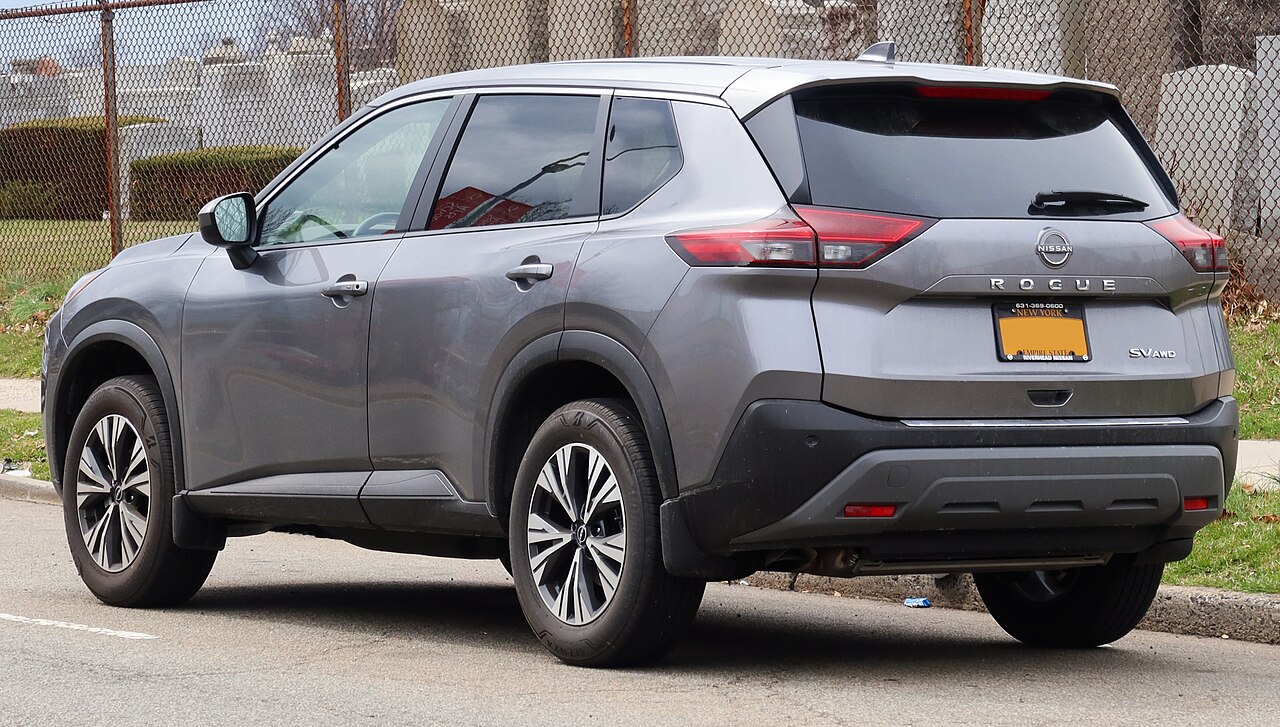
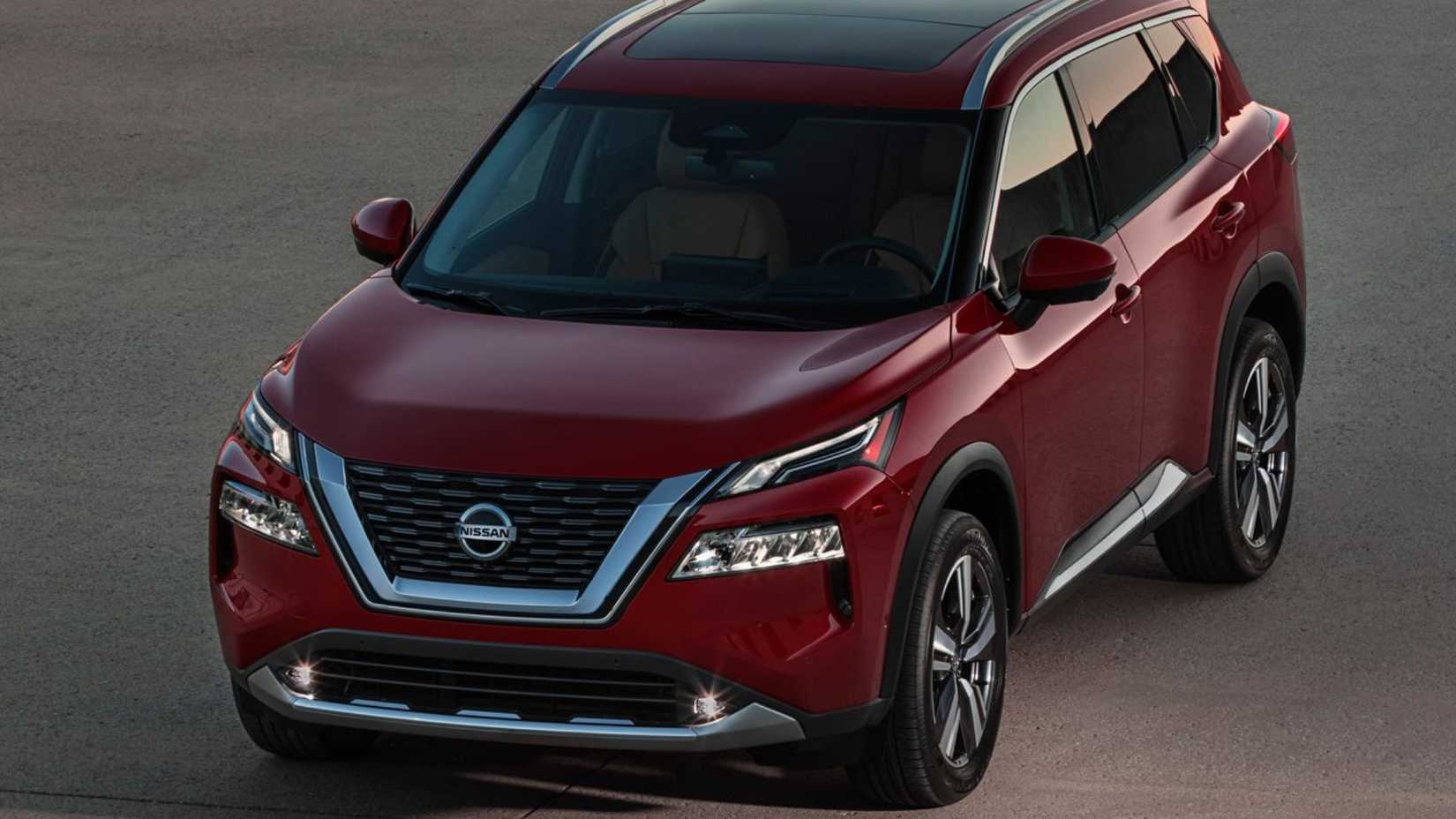
Now, the automaker has initiated two additional recalls targeting 2023–2025 Nissan Rogue SUVs equipped with the three-cylinder 1.5-liter variable-compression engine.
According to filings with the National Highway Traffic Safety Administration (NHTSA), the first recall concerns potential failures within the electronic throttle body assembly.
Specifically, gears inside the assembly may fracture, which could result in reduced engine power or prevent the vehicle from engaging gears when restarting.
The second recall revisits bearing-related failures, an issue Nissan attempted to remedy previously. In severe cases, faulty bearings can lead to catastrophic engine damage and even increase the risk of a fire.
Notably, this round of recalls applies exclusively to the 1.5-liter KR15DDT engine and does not include the 2.0-liter KR20DDET unit.
The throttle body-related recall affects 318,781 Rogue models from the 2024 and 2025 model years. The separate bearing-related recall encompasses 323,917 vehicles spanning the 2023–2025 model years.
Documentation submitted to the NHTSA indicates that the throttle body issue stems from engine control module (ECM) programming.
Upon startup, the electronic throttle chamber (ETC) performs a diagnostic routine, rotating internal gears to a fully closed position where they contact a fixed stopper.
However, defective ECM software “may cause the internal gear within the ETC assembly to weaken and fracture.” In effect, the programming may overextend the internal components, eventually leading to breakage.
Nissan’s corrective action involves reprogramming the ECM and conducting an engine inspection. If damage to the electronic throttle chamber is identified, the component will be replaced.
The inspection is estimated to take approximately one hour, while replacing a faulty ETC assembly may add an additional 30 minutes. These repairs will be performed at no cost to vehicle owners.
The bearing-related recall presents a more consequential risk. Despite the earlier corrective campaign, Nissan has identified further instances of bearing seizure, abnormal engine noise, hard starting, and engine stalling.
The NHTSA report indicates that Nissan’s internal investigation included detailed teardowns of the VC-Turbo engines.
The company determined that elevated engine oil temperatures may serve as an “additional contributing factor” in the bearing failures.
Excessively high oil temperatures reduce oil viscosity, compromising lubrication and increasing friction within the engine.
This can accelerate bearing wear, further raise operating temperatures, and potentially culminate in complete engine failure. In extreme cases, there is a risk of fire.
As with the throttle body issue, Nissan’s remedy begins with ECM reprogramming, followed by a diagnostic scan and road test. If abnormalities are detected, technicians may inspect the oil pan for metal debris.
Should contamination be found, the repair escalates significantly, from an approximately one-hour inspection to a full engine replacement requiring up to 15 hours of labor.
Beyond these engine concerns, the Rogue, marketed as the X-Trail in certain global markets, has also encountered transmission-related complaints.
Nissan is preparing to introduce its e-Power hybrid system, which may help restore consumer confidence.
However, given that the VC-Turbo engine was promoted as the world’s first mass-produced variable-compression engine, some customers may remain cautious about adopting relatively new and complex powertrain technology.