A federal judge has declined to overturn a $243 million jury verdict against Tesla stemming from a fatal 2019 crash involving Autopilot, reaffirming a finding that the automaker bore partial responsibility alongside the driver.
At the center of the case was a crash in Key Largo, Florida, in which George McGee was operating a Tesla Model S with Autopilot engaged.
According to court records, McGee looked down to retrieve his phone while the vehicle continued through an intersection at highway speed and struck a parked SUV. The collision resulted in the death of Naibel Benavides Leon and serious injuries to Dillon Angulo.
Although Tesla’s driver-assistance systems, including Autopilot and Full Self-Driving (FSD), are classified as SAE Level 2, meaning the driver must remain attentive and in control, the plaintiffs argued that the system’s design contributed to driver inattention.
Lawsuits filed in 2021 and 2022 culminated in an August jury verdict that assigned 33 percent of the blame to Tesla and awarded $243 million in damages.
U.S. District Judge Beth Bloom rejected Tesla’s motion to set aside the verdict, concluding that the evidence presented at trial sufficiently supported the jury’s decision. According to reports, the court found that Tesla had not introduced new arguments or facts that would justify overturning the outcome.
The damages awarded include $19.5 million to Benavides’ estate, $23.1 million to Angulo, and $200 million in punitive damages divided between them.
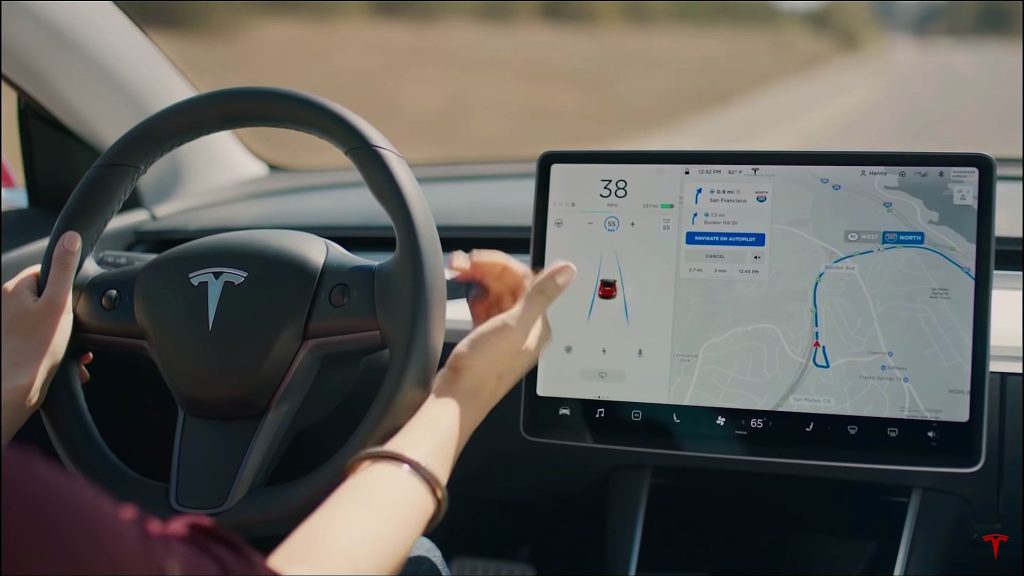
The jury determined that Tesla’s rollout and marketing of Autopilot contributed to enabling driver disengagement. McGee previously reached a settlement with the plaintiffs. It has also been reported that Tesla declined a pretrial settlement offer of $60 million.
Tesla argued that it should not be held accountable for a distracted driver’s actions and contended that the punitive damages were inconsistent with Florida law. Judge Bloom disagreed. While Tesla has not issued a formal response to the ruling, the company is expected to pursue an appeal.
The decision adds further scrutiny to Tesla’s driver-assistance technologies. Under the leadership of CEO Elon Musk, Tesla has aggressively promoted its self-driving ambitions, though many legal challenges have arisen in connection with Autopilot-related incidents.
In recent years, Tesla has adjusted its marketing language in certain jurisdictions, moving away from the “Autopilot” branding and emphasizing terms such as “Traffic Aware Cruise Control,” while continuing to stress that Full Self-Driving requires active driver supervision.
The ruling does not prohibit Tesla’s technology but underscores the legal and financial risks associated with how advanced driver-assistance systems are designed, marketed, and monitored. As similar cases continue to surface, courts are increasingly being asked to define the boundaries of responsibility between human drivers and automated systems.
Also Read: Tesla Robotaxi Data Highlights Gap Between Autonomy and Human Driving