
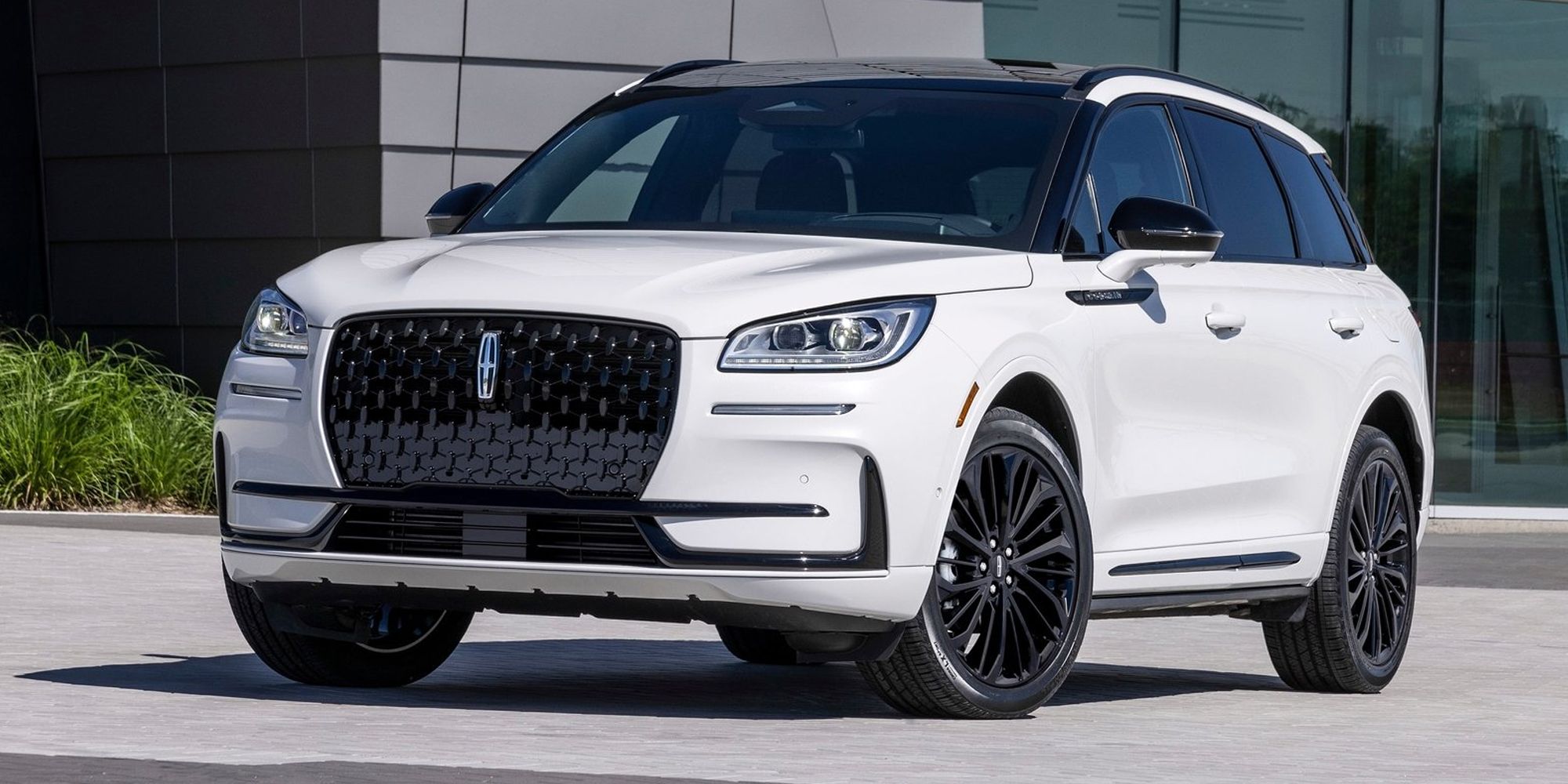
The next-generation Ford Bronco could serve as the foundation for a new Lincoln SUV aimed at rivals such as the Land Rover Defender and Lexus GX.
Luxury off-road SUVs remain a strong-performing segment. Lexus delivered 37,180 GX units in the United States last year, while the Defender continues to generate consistent demand. Infiniti is also reportedly preparing two new body-on-frame models, signaling continued investment in rugged platforms with upscale positioning.
Lincoln appears intent on entering this competitive space. The brand is evaluating a new body-on-frame SUV derived from the Ford Bronco, potentially launching in 2029 or 2030.
Given the timeline, speculation suggests the vehicle could align with the next-generation Bronco, reportedly due in 2031. While concrete details remain limited, early indications describe a two-row body-on-frame SUV positioned against higher-end off-roaders such as the Mercedes-Benz G-Class and the Land Rover Range Rover.
That competitive framing may be ambitious. Based on the Bronco’s footprint and market positioning, a more direct comparison would likely place the vehicle in the same arena as the Defender and GX rather than the significantly more expensive G-Class. For context, the 2026 Bronco carries a price range of $40,495 to $79,995, with the more upscale Outer Banks trim starting at $48,090.
Lincoln models typically command a $20,000 to $30,000 premium over their Ford equivalents. Applying that spread suggests a projected starting price in the $60,000 to $70,000 range. That figure remains well below the G-Class, which begins at $153,900.
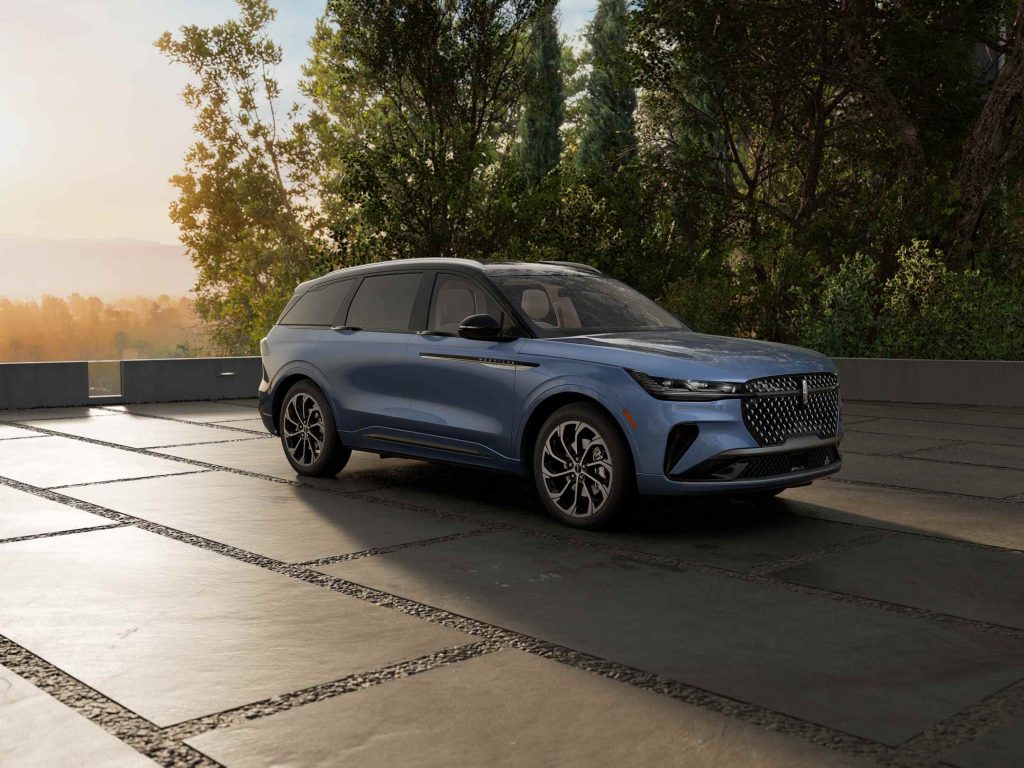
Although the report remains speculative, Autoweek suggested the potential SUV “could affect the future of the unibody Nautilus.” The Lincoln Nautilus starts at $53,995 and recently became Lincoln’s top-selling vehicle, with 33,744 units sold last year.
However, the Nautilus is manufactured in China, exposing it to significant tariff pressures amid ongoing trade tensions. A North America-built, body-on-frame Lincoln SUV could serve both as a portfolio expansion and as a strategic hedge against geopolitical uncertainty.
