
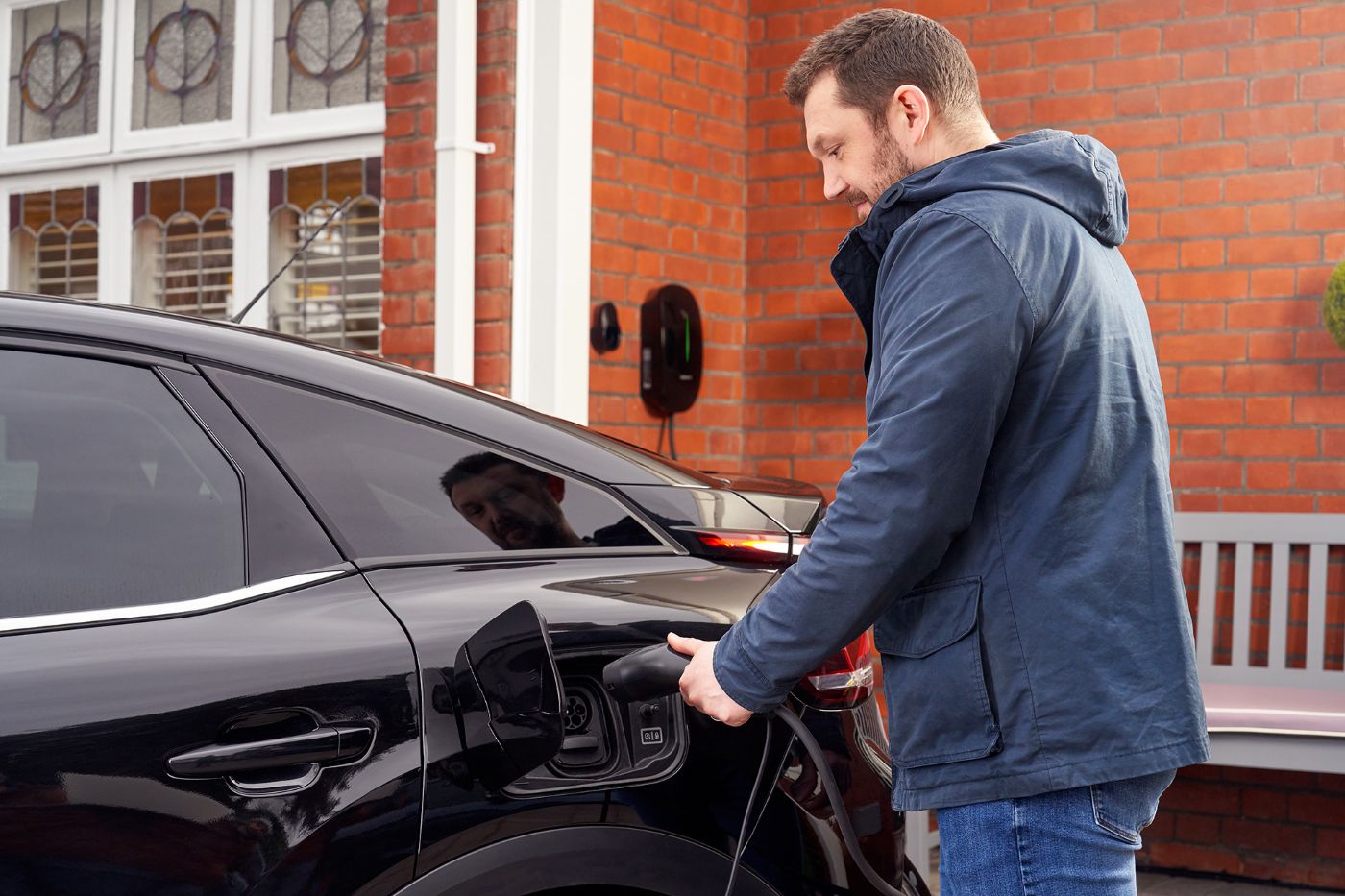
The Department for Transport has confirmed that its EV charge point grant will increase to £500 from April 1, extending support for renters, landlords and businesses for another year.
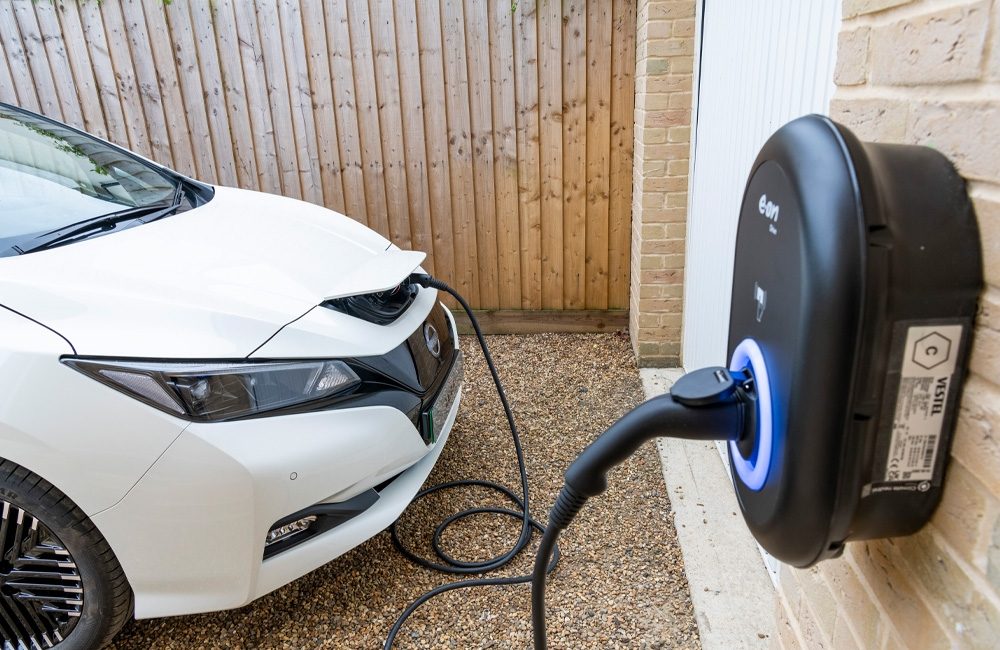
Under the revised scheme, eligible applicants will be able to claim up to 50% of the cost of installing a home electric vehicle charger, capped at £500 per socket. The maximum grant rises from the current £350 level and will remain in place until March 2027. The Government said the uplift is intended to cover nearly half the cost of a typical installation.
Automotive retailers had pushed for broader measures, particularly to support used EV buyers installing home charging. However, the Department for Transport indicated that the higher grant is designed to help more drivers benefit from cheaper domestic electricity tariffs, making EV ownership more financially viable.
The expansion of home charging access forms part of a wider strategy to accelerate EV adoption, especially among households without private driveways and businesses preparing for greater electrification. According to Government figures, EV drivers charging at home can save up to £1,400 in annual running costs compared with a comparable petrol vehicle.
The revised grant sits within a broader effort to reduce two primary barriers to EV uptake: high upfront purchase costs and limited charging availability.
More than 55,000 motorists have already received support through the £2 billion Electric Car Grant, which provides discounts of up to £3,750 on eligible new models.
Keir Mather, aviation, maritime and decarbonisation minister, said: “We’re taking action to make EV ownership the affordable choice for everyone, not just those with driveways.
“Bigger grants mean families, flat owners, renters and small businesses can now install a charger for almost half the usual cost, with home charging costing as little as 2p a mile.
“Combined with our Electric Car Grant and funding for our national public charging network, we’re backing the EV revolution for drivers, businesses, and industry.”
Alongside the increase in grant value, the Government will consolidate eight existing EV charge point schemes into five, with the aim of simplifying access and improving transparency for applicants.
From April, eligibility will extend to renters, flat owners, residential landlords, households relying on on-street parking and businesses. Schools will also qualify for grants of up to £2,000 per socket, building on the 3,700 sockets already installed through previous funding.
The revised programme complements a £25 million initiative launched last year to support residents without driveways. Delivered via local authorities, the scheme funds the installation of pavement channels that allow charging cables to run safely across footpaths to homes with on-street parking. This funding operates in addition to the expanded charge point grant.
In January, the Department for Transport launched its ‘Get that electric feeling’ campaign to encourage EV uptake and highlight potential savings of up to £1,400 in running costs.
Sue Robinson, chief executive of the National Franchised Dealers Association (NFDA), said: “We’ve been calling for greater support to make home and workplace EV charging more accessible, and today’s increase in grants is a welcome result.
“Dealers are well placed to guide drivers, landlords, and businesses through the options, helping them access the funding and make the switch to electric vehicles with confidence.
“With early preparation, retailers can ensure customers understand the savings and practical steps, supporting wider EV adoption and a sustainable motoring sector.”
Jarrod Birch, head of policy at ChargeUK, described the increase as a positive step but highlighted continuing cost pressures in the public charging sector.
Birch said: “Most drivers use a blend of home and public charging, so the UK’s 88,500-strong public network is a vital part of the EV driving puzzle.
But policy-driven costs mean public charging is more expensive than it needs be, with standing charges alone rising by 462% since 2021.
The Government’s review into the cost of public charging is the opportunity to address this by levelling VAT with home and tackling the soaring charges that have increased prices. Making driving an EV affordable for all is the route to keeping the transition on track.
Ben Beadle, chief executive of the National Residential Landlords Association, also welcomed the changes, stating: “Almost nine in 10 landlords with a suitable property would install EV charge points if a tenant asks them to undertake this work.
“Given the extent of landlords’ willingness to provide them, we welcome the Government’s plans to encourage more widespread installation of these points across the sector.
“We urge landlords to make best use of the grants now available where it is feasible for them to do so.”
Matt Waller, general manager of The Charge Scheme, said the increased grant level could further stimulate EV interest ahead of the March plate change.
Waller said: “This positive step forward from the DfT should lead to an increase in searches for EVs in the coming weeks and months, as households and businesses take advantage of the lower costs offered by the combination of the grants and salary sacrifice for EV purchases and charging.”
