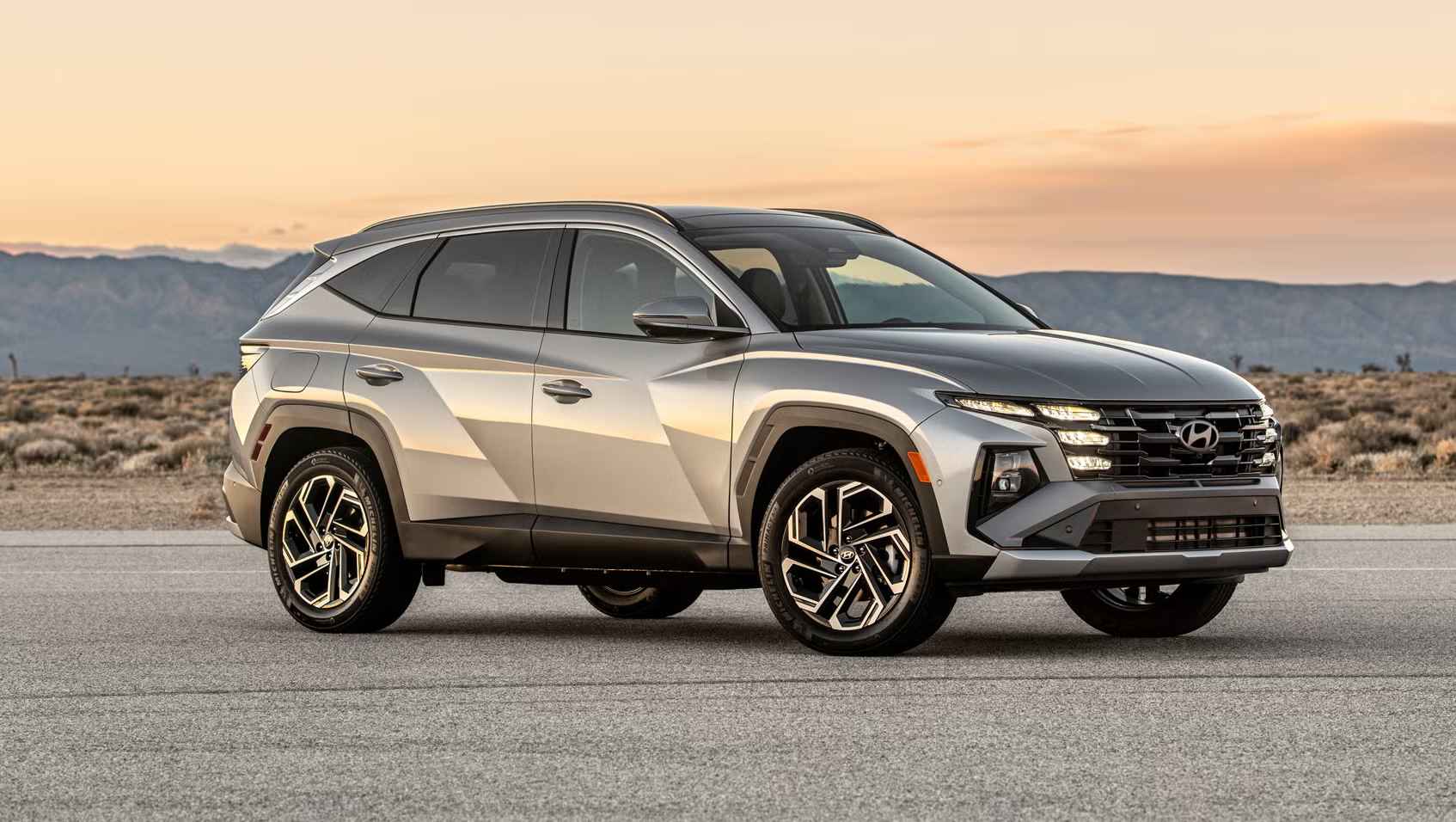
Hyundai is facing a proposed class action lawsuit alleging that certain Hyundai Tucson vehicles experience phantom braking events tied to their forward collision-avoidance system.
Forward collision-avoidance technology is intended to reduce the likelihood or severity of crashes by automatically applying the brakes when an imminent impact is detected.
However, a newly filed lawsuit in the United States contends that the Tucson’s system can activate without cause, allegedly initiating abrupt braking even when no obstacle is present.
The complaint was submitted to the US District Court for the Central District of California. The named plaintiff, Dennis Sperling, asserts that his Tucson has repeatedly applied the brakes autonomously despite unobstructed road conditions.
Although he reports that no collisions or injuries resulted from these incidents, he alleges that Hyundai introduced the system despite being aware of underlying defects.
The lawsuit references language contained in the 2025 Tucson owner’s manual. Hyundai states that “Forward Collision-Avoidance Assist may turn off or may not operate properly or may operate unnecessarily depending on the road conditions and surroundings.”
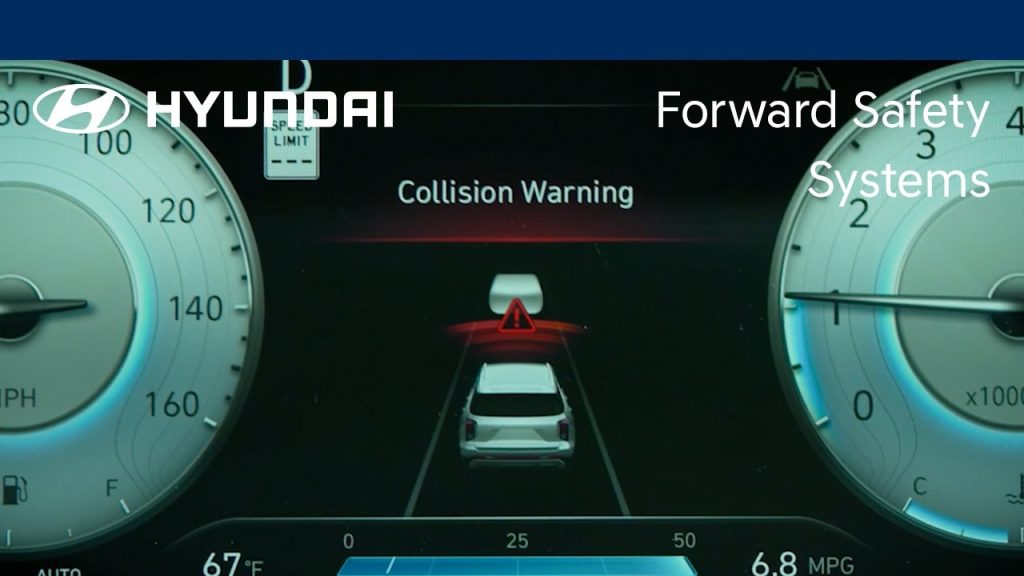
The manual further identifies several environmental variables that may influence system behavior.
These include reflections from wet pavement, variations in the ground clearance of a vehicle ahead, temperature fluctuations affecting the front radar unit, and operation while traveling through tunnels or over iron bridges.
Additional passages note that the system may activate if “the vehicle in front has an unusual shape,” or “the vehicle in front is driving uphill or downhill.”
According to the complaint, such disclosures demonstrate prior awareness of potential irregularities in system performance. The plaintiff contends that Hyundai nonetheless proceeded with market release.
The filing also challenges Hyundai’s caution that the system “may not operate properly,” arguing that this phrasing serves to “downplay the potential severity and consequences of sudden unintended braking when the car is driving at a high rate of speed.”
The matter now proceeds through the judicial process, where the court will determine how the case advances. Regardless of the outcome, the litigation introduces further scrutiny of advanced driver-assistance systems and their real-world reliability.