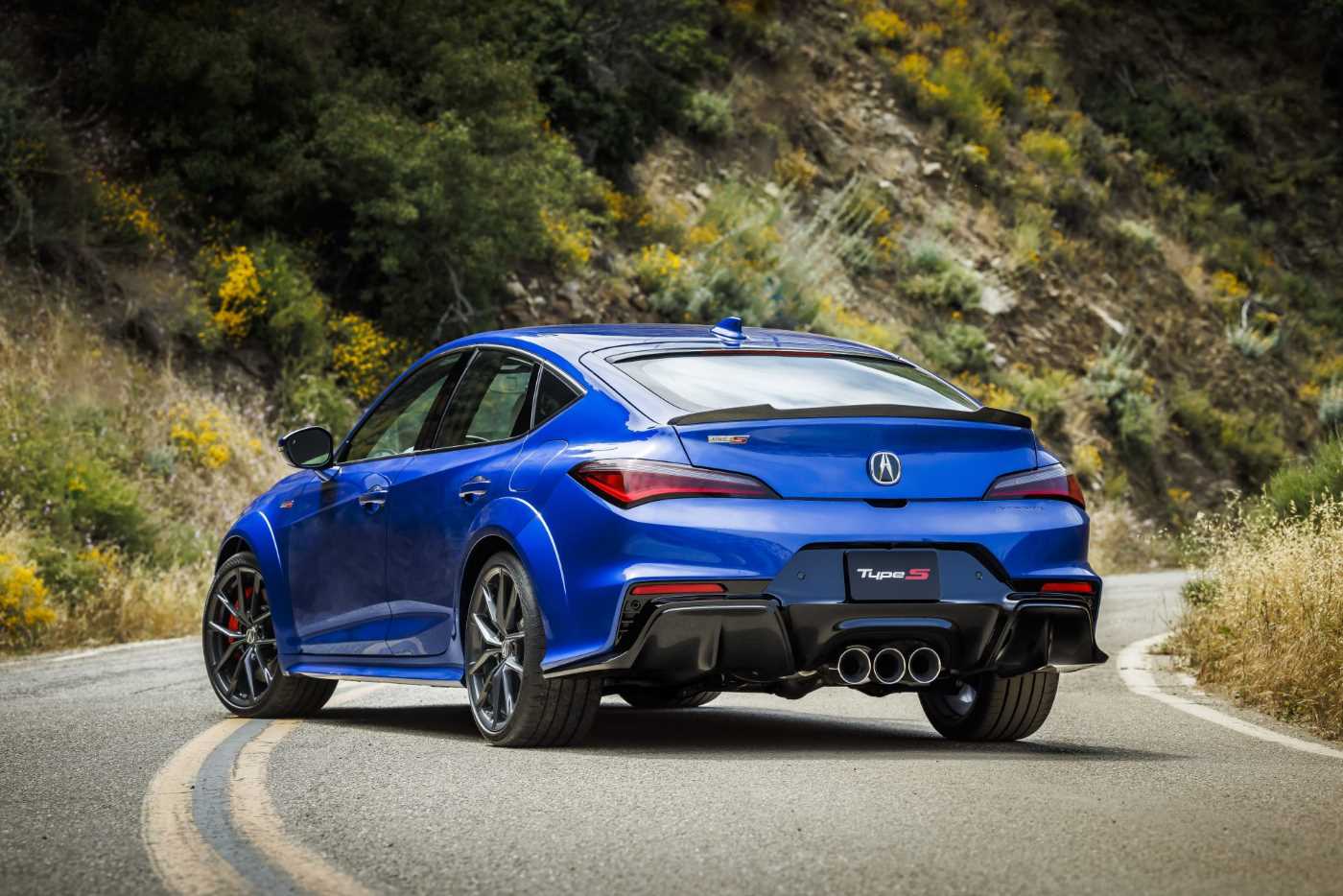
For the first time since the brand’s launch, a U.S.-built Acura will be officially exported to Japan.
Nearly four decades after Acura’s debut as Honda’s North American luxury division, Honda Motor Co. will begin exporting U.S.-built Acura models to Japan.
Historically, Acura vehicles were never sold there under the Acura nameplate. Instead, equivalent products were marketed domestically as Hondas.
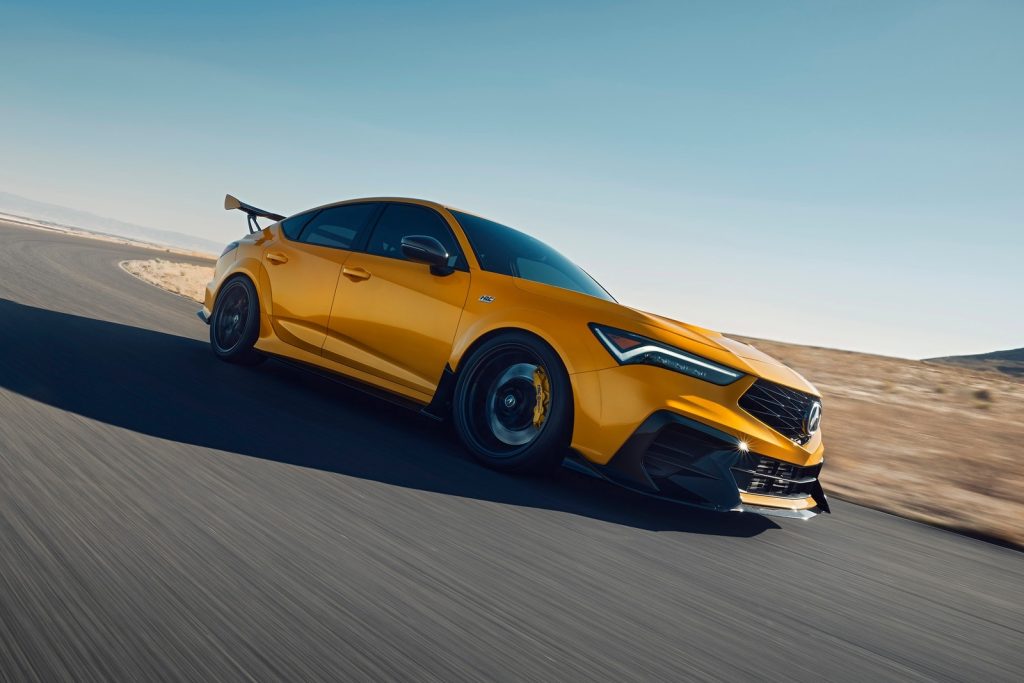
The first model confirmed for export is the Acura Integra Type S, a 320-horsepower performance variant of the revived Integra. It will be joined by the Honda Passport TrailSport Elite, one of Honda’s more rugged SUV offerings in the American market.
According to reports, exports of both vehicles are scheduled to begin in the second half of 2026. A previous industry report also suggested that the Honda Ridgeline pickup could follow at a later stage.
Both vehicles will be shipped in full U.S. specification, retaining left-hand-drive layouts despite Japan being a right-hand-drive market.
That configuration will inherently limit broad consumer appeal. Sam Fiorani, Vice President at AutoForecast Solutions, projects combined annual sales in Japan of approximately 5,000 to 6,000 units.
Honda has cited “anticipated customer demand” as one of the motivations behind the move, although it has not publicly released detailed sales projections. The export initiative also carries trade implications.
According to United Nations Comtrade data, vehicles valued at roughly $34 billion were exported from Japan to the United States last year, compared with approximately $1 billion flowing in the opposite direction. While modest in scale, the new exports may contribute incrementally toward balancing that disparity.
The plan has not been universally welcomed within Honda’s U.S. retail network. Andy Wright, managing partner of Vinart Dealerships in eastern Pennsylvania, expressed reservations. “Honda dealers need every resource at our disposal to maximize market share in a very competitive U.S. marketplace,” he stated.
At present, Honda is exporting only two specific trims rather than entire model lines, reducing the likelihood of major supply disruptions domestically. However, dealer concerns could intensify if the company expands the program in future years.
Honda’s 2025 performance in the U.S. was challenged by factors including microchip shortages, constrained dealer inventories, and softer passenger car sales.
Although the company closed the year with 1.43 million units sold, its strongest annual result since 2021, supply chain pressures remain a recent memory for retailers.
The strategy appears targeted rather than volume-driven. Exporting a limited number of U.S.-spec Acuras and Hondas positions the vehicles as niche offerings for Japanese buyers seeking differentiation.
The Integra Type S, in particular, may attract enthusiasts interested in a left-hand-drive performance model carrying the Acura badge for the first time domestically.
Beyond product positioning, the move signals a subtle shift in brand identity. Acura, long exclusive to North America, is effectively reintroducing itself to its home market, albeit selectively.
The decision may also influence other Japanese manufacturers. Reports indicate that Toyota and Nissan are evaluating similar export strategies, supported by simplified inspection procedures recently introduced by Japan’s transport ministry for U.S.-built vehicles.
While volumes will remain modest, the symbolic value of U.S.-built Acuras returning to Japan after 40 years is substantial.
Also Read: Top 8 Used 4x4s That Are Reliable Enough for Daily Commuting