
Chinese electric vehicle manufacturer BYD has revealed its next-generation Blade Battery 2.0, a major update to its battery technology that promises both longer driving range and dramatically faster charging times.
The company says the new battery can deliver over 1,000 km (621 miles) of range under CLTC testing while also enabling ultra-fast charging that takes only minutes.
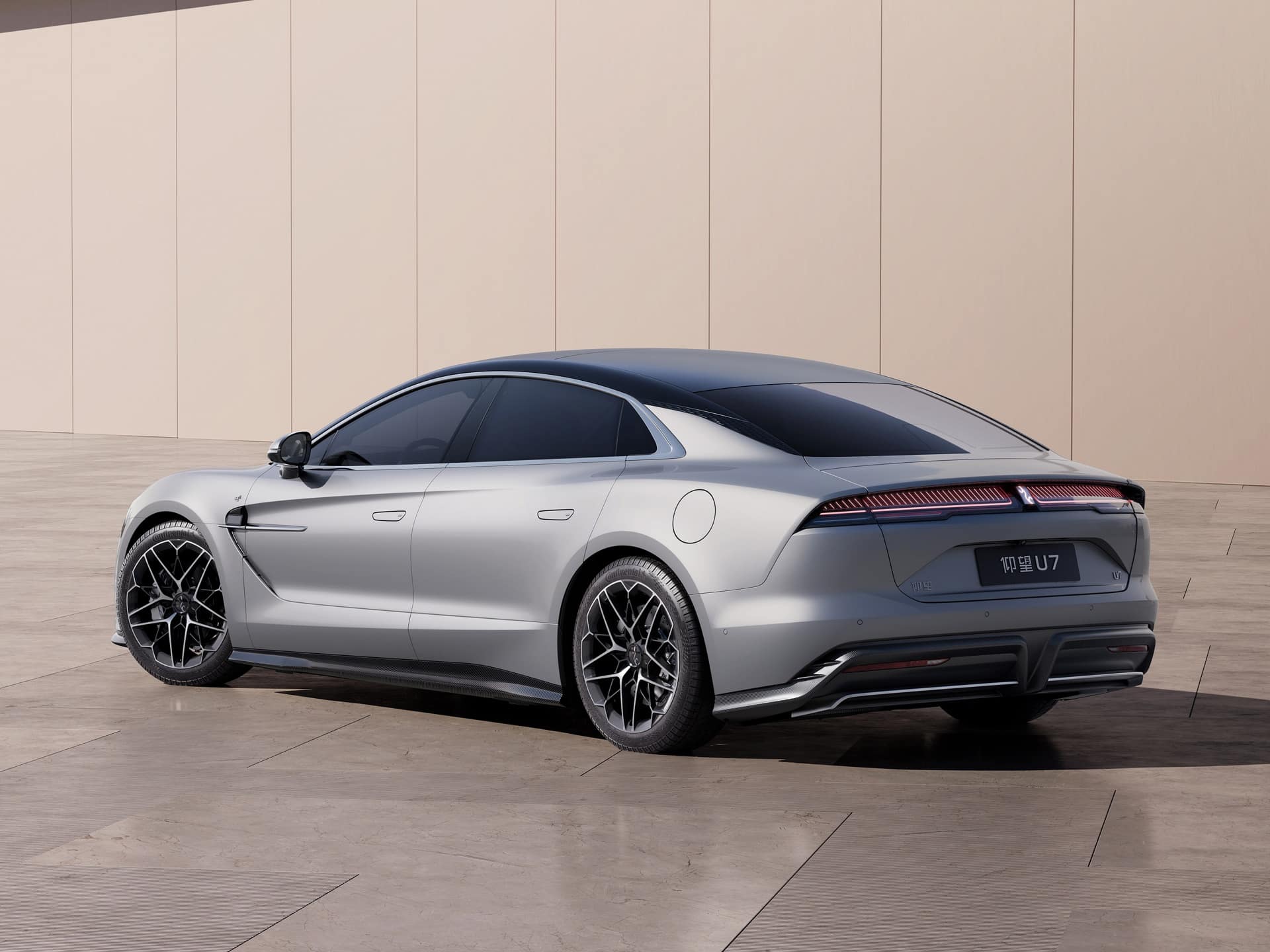
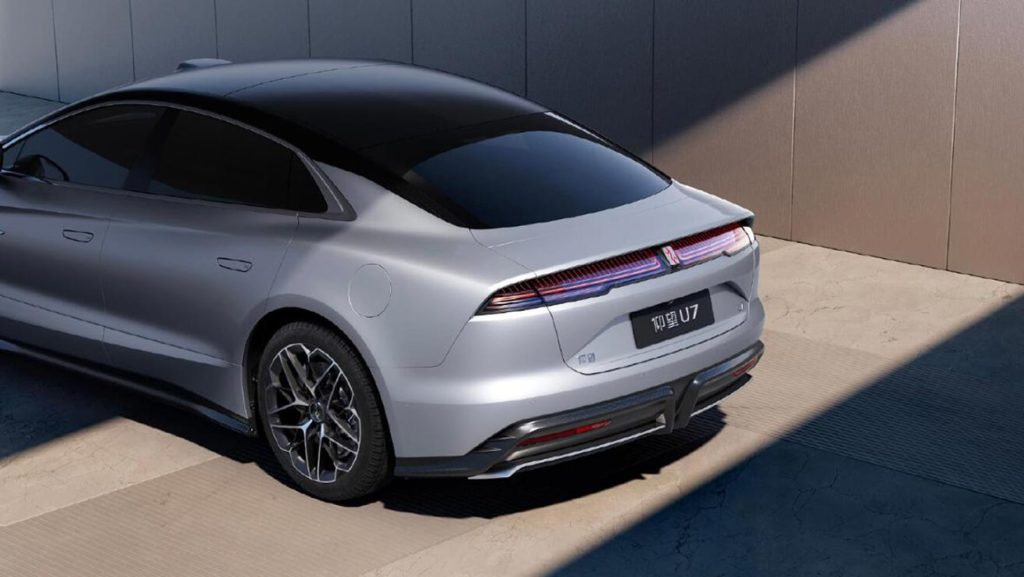
The new battery was introduced during BYD’s “Disruptive Technology” event and will make its debut in the Yangwang U7, the company’s flagship luxury electric sedan. According to BYD, vehicles equipped with the Blade Battery 2.0 can charge from 10% to 70% in approximately five minutes and reach 97% charge in about nine minutes under optimal conditions.
Despite rapid growth in electric vehicle adoption over the past decade, two major concerns continue to slow wider acceptance: driving range and charging time. Many potential buyers remain worried about running out of battery during long trips or waiting too long at charging stations.
Automakers have repeatedly promised technologies that would allow EVs to recharge nearly as quickly as refueling a gasoline vehicle. While several companies are developing ultra-fast charging systems, many of these solutions are only beginning to appear in production models.
BYD believes its Blade Battery 2.0 could represent a meaningful step toward closing that gap by combining extended range with significantly faster charging capability.
Improvements Over the Original Blade Battery
The Blade Battery 2.0 builds upon BYD’s original Blade Battery, which debuted in 2020 and quickly gained attention for its safety and durability. The updated version introduces a 150 kWh battery pack, enhanced high-voltage architecture, and improved thermal management systems designed to support both performance and rapid charging.
This technology will first appear in the Yangwang U7, BYD’s premium electric sedan, which the company says can achieve 1,006 km (625 miles) of CLTC range on a single charge.
One long-standing concern with ultra-fast charging has been battery degradation. Charging at extremely high speeds can potentially shorten battery life over time. Battery manufacturers have been working to address this issue, and some claim that modern battery packs may be capable of handling frequent fast charging for over a million miles with minimal performance loss.
BYD also emphasizes that the Blade Battery 2.0 has passed strict safety evaluations, including nail penetration tests and bottom impact tests, which are designed to demonstrate the battery’s resistance to damage and overheating.
Lithium Batteries Continue to Advance
Although the performance figures are impressive, the Blade Battery 2.0 still relies on lithium battery technology rather than the highly anticipated solid-state batteries many automakers are researching.
Solid-state batteries are often described as the future of electric vehicles because they could offer even longer driving range, faster charging times, and improved safety. However, industry experts say widespread commercial production of solid-state batteries could still be several years away due to manufacturing complexity and cost challenges.
In the meantime, advancements like BYD’s new battery highlight how rapidly conventional lithium battery technology is evolving. A 1,000 km driving range combined with sub-10-minute charging would represent a significant improvement compared with most current EVs on the market.
Charging Infrastructure Remains a Key Factor
While vehicle technology continues to improve, the broader charging ecosystem will also play a crucial role in determining how quickly ultra-fast charging becomes practical.
Even if EVs can accept extremely high charging speeds, many charging stations, particularly in regions such as the United States, do not yet have the electrical capacity needed to support those levels of power delivery.
As a result, the future of electric mobility may depend not only on breakthroughs in battery technology but also on ongoing upgrades to global charging infrastructure. Instead of a single dramatic leap forward, the EV industry may continue advancing through steady improvements in both vehicles and charging networks.
