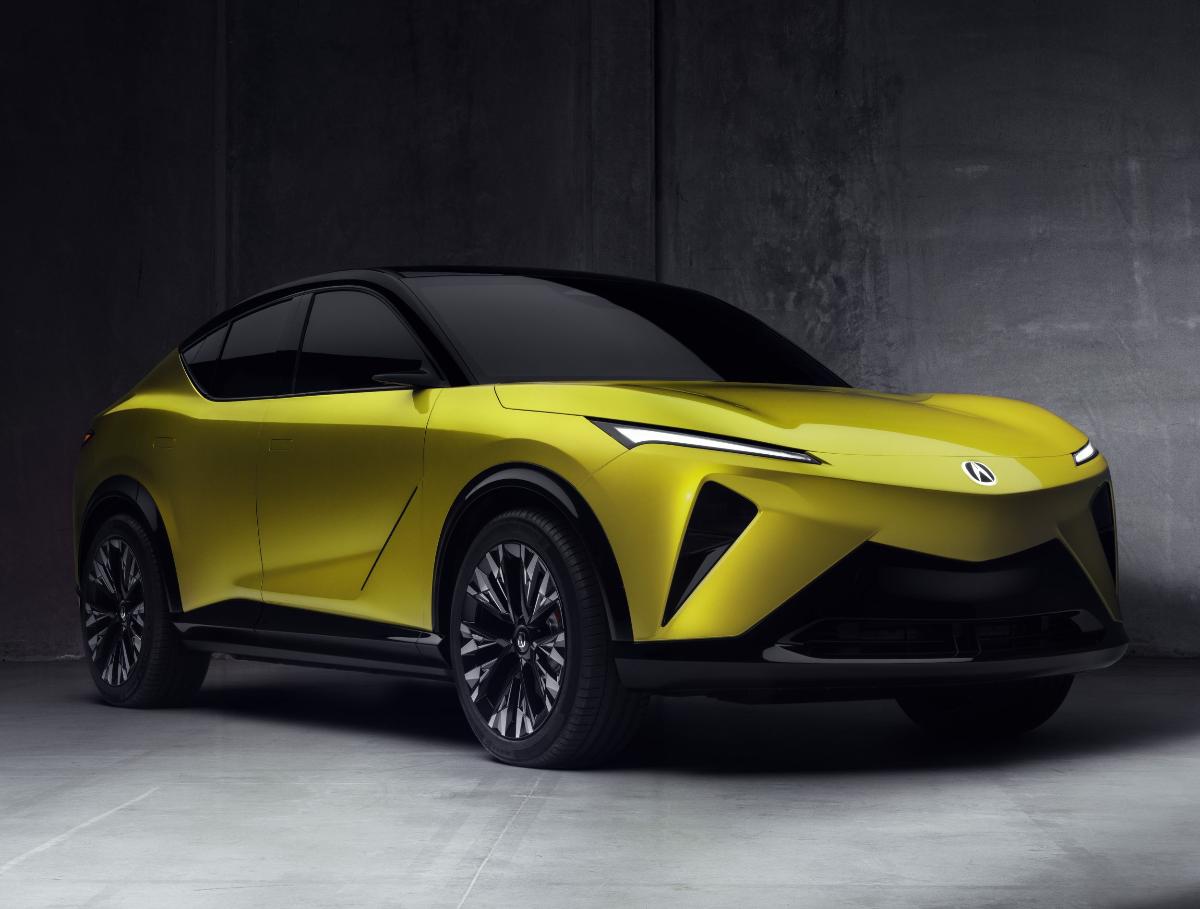
Honda had planned to introduce three new electric vehicles in the United States this year, but those launches will no longer move forward.
The Japanese automaker confirmed Tuesday that it has abandoned plans to introduce three EV models in the U.S., which had been scheduled for production later this year at the company’s EV Hub in Ohio.
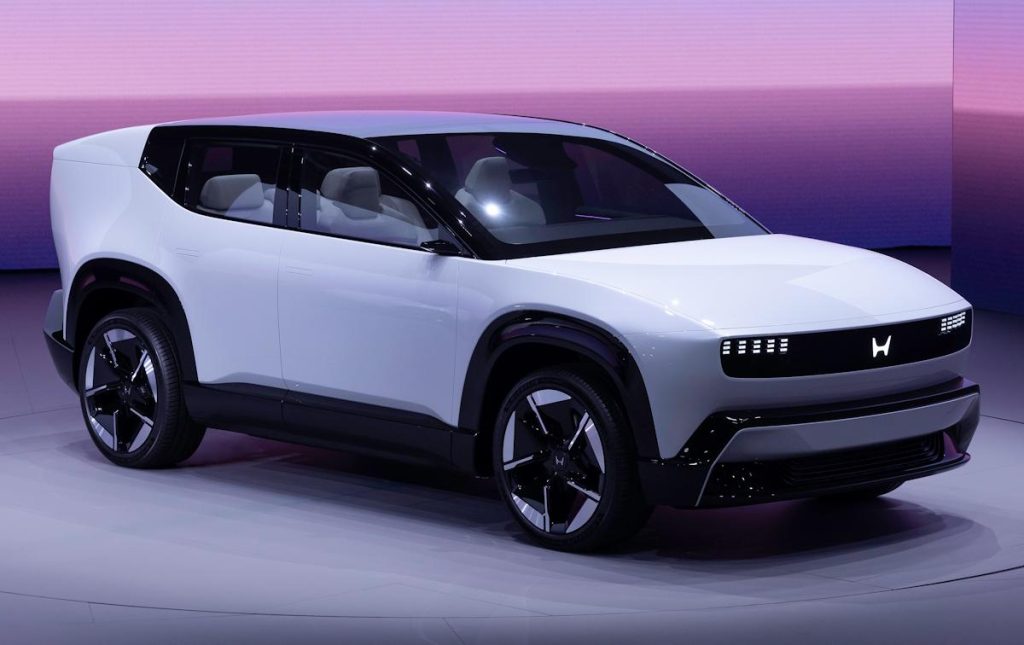
The canceled vehicles include the Honda 0 Series SUV, the Honda 0 Series sedan (Saloon), and the Acura RSX. All three models were intended to ride on Honda’s internally developed “Zero” EV platform.
That platform differs from the one used by the Honda Prologue and Acura ZDX, which were developed in collaboration with General Motors and share the Ultium architecture used by the Chevy Equinox EV and Cadillac Lyriq.
Honda said the decision was driven by “the current business environment where the demand for EVs is declining significantly,” prompting the company to reassess its electric vehicle strategy.
The financial consequences of the restructuring could reach as much as 2.5 trillion yen ($15.7 billion) worldwide, Honda warned. If realized, it would represent the company’s first annual loss in nearly seven decades.
Honda noted that its profitability is being squeezed by U.S. import tariffs and growing competitive pressure in Asia, where an expanding number of Chinese EV startups are entering the market with more technologically advanced and efficient vehicles.
Within the U.S., Honda said electric vehicle sales have slowed in recent months. According to the company, the slowdown is occurring “due to several factors including the easing of fossil fuel regulations and revisions to EV incentives.”
“Honda was unable to deliver products that offer value for money better than that of newer EV manufacturers, resulting in a decline in competitiveness,” the company said in a statement.
In response, Honda plans to shift greater focus toward the development of next-generation hybrid vehicles in order to restore profitability. The company indicated it will continue monitoring long-term market conditions and profitability trends, with the intention of introducing new EV models in the future “flexibly” as circumstances evolve.
Like most people that have turned to EVs, I will never go back to ICE. Not having to pay for gas anymore (especially in this economy), is incredibly rewarding. I just can’t believe that Honda threw multiple years of development down the drain.
Worse, Honda’s EV teams are going to be even less knowledgeable going forward than they already are, meaning that if you drive a Prologue (like me), then hopefully you’re leasing.
At the end of the day, Honda has seen to it that every Prologue owner will now go elsewhere for their next EV. Last thing anyone wants is to continue driving an EV from a company that wants nothing to do with them.
Honda’s move adds to a growing list of automakers that have either postponed or canceled new electric vehicle projects in the United States following policy shifts under the Trump administration.
Several major manufacturers, including Hyundai, Kia, Volkswagen, and Ford, have scaled back or halted EV initiatives after regulatory and incentive changes, reducing the number of electric options available to American consumers.
At the same time, gasoline prices continue to rise, creating additional financial pressure for drivers. Honda previously invested more than $4.4 billion to establish the Ohio EV Hub, one of the largest economic development projects in the state, designed to support a North American supply chain for electric vehicle manufacturing.
Hyundai has also committed significant investment to U.S. EV production, spending more than $12.6 billion in Georgia to build electric vehicle and battery manufacturing facilities.
Critics argue that the rollback of EV incentives and the loosening of fossil fuel regulations are not only slowing the transition to electrification in the United States but also placing the country behind global competitors such as China, South Korea, and Europe, while creating broader economic ripple effects that ultimately impact consumers.