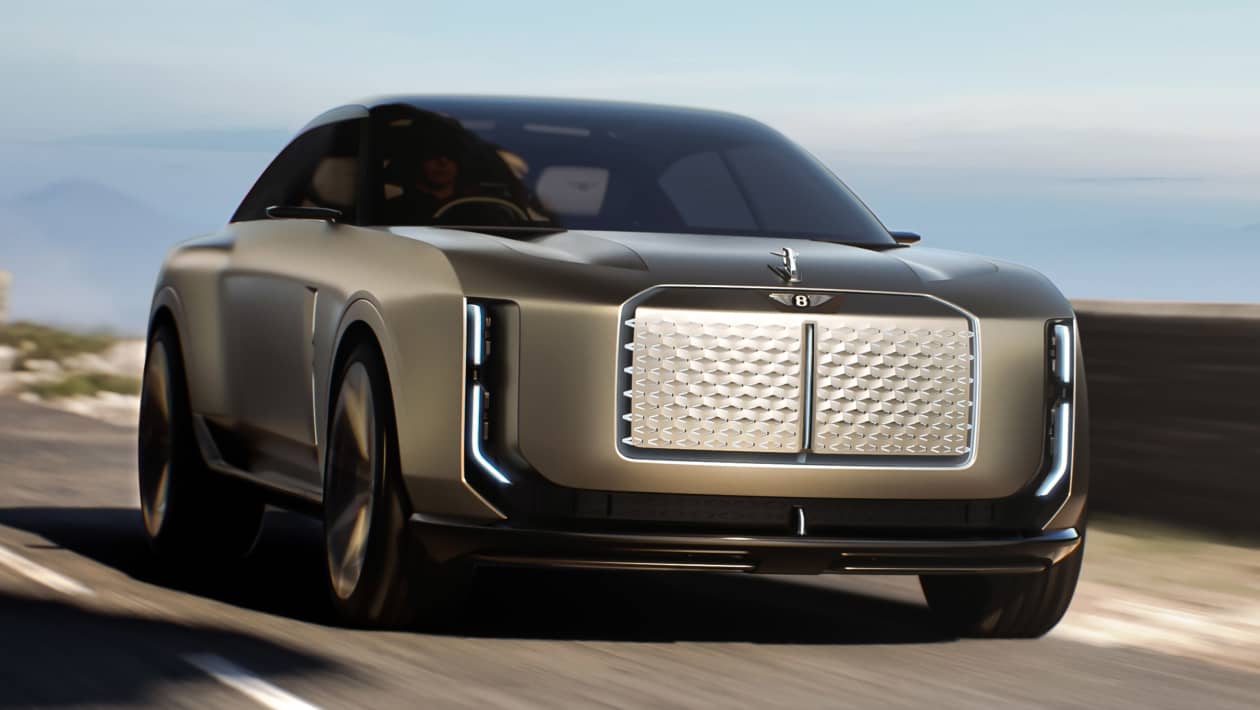
Luxury automaker Bentley is standing firmly behind its electric vehicle strategy, even as several rivals slow down their EV plans or shift focus toward hybrid technology. The company has made it clear that its upcoming SUV will launch as a fully electric model, emphasizing that it has “no intention” of stepping away from battery-powered vehicles.
The statement comes at a time when the high-end EV market is facing uncertainty. A recent report revealed that U.S. registrations for Rolls-Royce’s Spectre EV, currently the brand’s only electric model, have dropped by 20 percent.
Lamborghini has also chosen to cancel its first planned EV after seeing limited customer demand. Despite these developments, Bentley is pressing ahead with its electrification roadmap.
Bentley’s first electric vehicle will use the Volkswagen Group’s Premium Platform Electric architecture, the same platform that underpins the upcoming Porsche Cayenne EV.
While the platform could theoretically support other powertrain options, Bentley has made it clear that it will remain dedicated to an all-electric setup. However, Bentley’s long-term product plan will still include a mix of powertrain technologies.
The company confirmed that its second fully electric model will not arrive until after 2030. In the meantime, Bentley intends to continue producing plug-in hybrid vehicles similar to those currently available in the Continental GT and Flying Spur.
One model that could eventually receive such an update is the Bentayga. The luxury SUV remains Bentley’s best-selling vehicle, and while a next-generation version is expected in the future, Walliser indicated that it will not arrive next year. Given the continued popularity of the current model, Bentley appears in no rush to replace it.
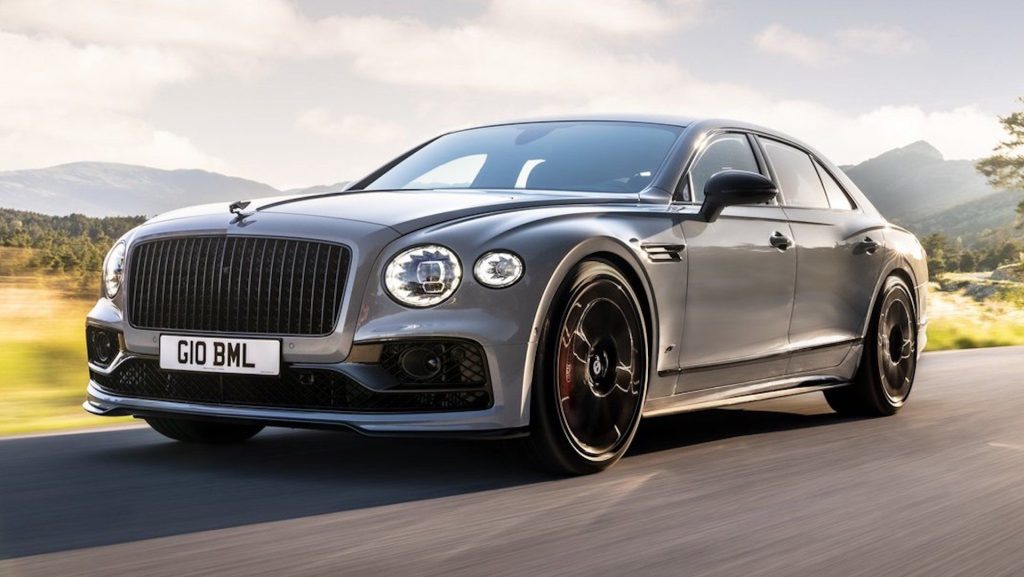
The company is also seeing continued demand for traditional gasoline-powered vehicles. Customer interest in gas-only cars remains strong, prompting Bentley to consider producing exclusive models powered purely by internal combustion engines. These would likely be limited-production vehicles designed for collectors and enthusiasts willing to pay a premium.
Financially, Bentley continues to perform well despite broader industry challenges. The brand has recorded its seventh consecutive year of profitability, demonstrating resilience in the luxury market. Still, the company is facing some operational pressures, and as many as 275 jobs at Bentley Motors could potentially be affected as it adapts to the changing automotive landscape.
Bentley’s upcoming electric SUV, currently referred to as the “Urban SUV,” remains largely under wraps. The company has revealed only a few technical targets so far, including the ability to recover about 100 miles of driving range in just seven minutes of charging.
Although the new SUV will be smaller than the Bentayga, its performance could be significant. Because it shares its platform with the Porsche Cayenne EV, the vehicle could potentially deliver up to 1,139 horsepower. Its positioning as an urban-focused model suggests that extreme driving range may not be its primary focus, with the design instead targeting city-based luxury buyers.
At a time when EV adoption in the United States has shown signs of slowing, registrations fell by 41 percent year-over-year in January, Bentley’s first electric SUV will need to offer a compelling combination of performance, technology, and prestige.
With powerful output, ultra-fast charging capability, and the brand’s iconic Flying B badge, Bentley hopes the model will attract affluent buyers willing to invest in its electric future.
The company is expected to reveal the new SUV later in 2026, with its official market launch scheduled for 2027.
Also Read: Top 8 Engines That Feature Low Maintenance Hydraulic Valve Lifters