
There is limited commercial rationale for exporting US-produced Muranos back to Japan, but the move represents a relatively low-cost method of building goodwill with the United States. By Stewart Burnett
Nissan has aligned itself with an increasing number of Japanese automakers that are reverse-importing vehicles manufactured in the United States for sale in their home market. This shift has been enabled by streamlined certification rules recently introduced by Japan’s Ministry of Land, Infrastructure, Transport and Tourism.
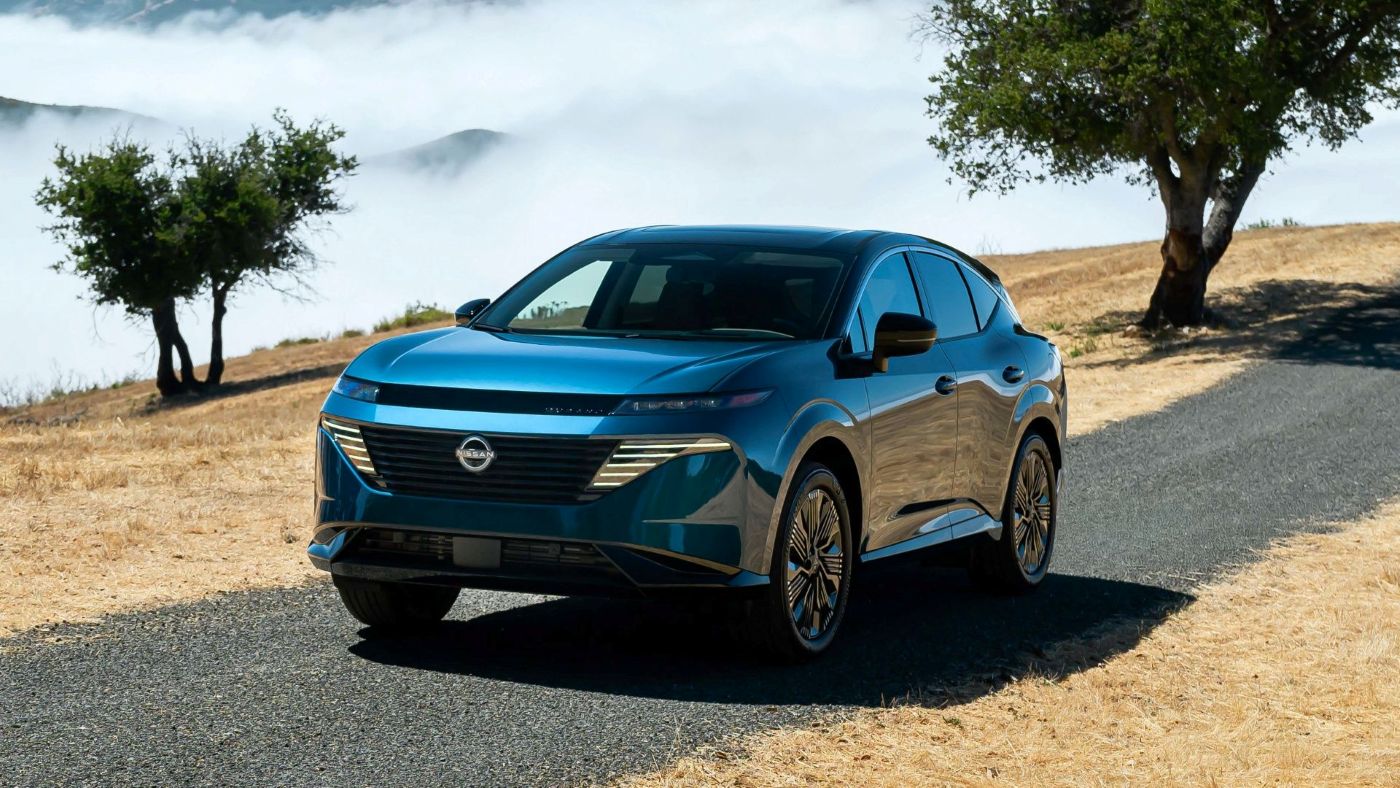
The Murano, assembled in Tennessee alongside models such as the Rogue, Pathfinder, Leaf, and Infiniti QX60, has not been available in Japan for more than ten years but is scheduled to return in limited quantities in 2027.
The Murano was originally discontinued in Japan due to its relatively large size and rising costs, factors that made it less suited to the country’s typically narrower road infrastructure. Its reintroduction is expected to target a niche audience, with sales volumes likely to remain modest.
The vehicle will undergo minimal localization for the Japanese market; notably, it will be offered in left-hand drive, which is standard in the US but atypical for domestic consumers.
This development is supported by a revised certification system introduced under the 2025 trade agreement between Japan and the United States.
Under the new framework, US-built vehicles can gain approval for sale in Japan through document-based evaluation rather than the previously required, time-intensive physical testing process. The policy aims to help address the US trade deficit with Japan by making exports of American-manufactured vehicles more viable.
US President Donald Trump has repeatedly expressed a desire to see more American-built pickup trucks sold in Japan, with particular emphasis on models like Ford’s F-150. However, analysts in Japan point out that such vehicles are largely incompatible with local road conditions, especially outside major highways, due to their size.
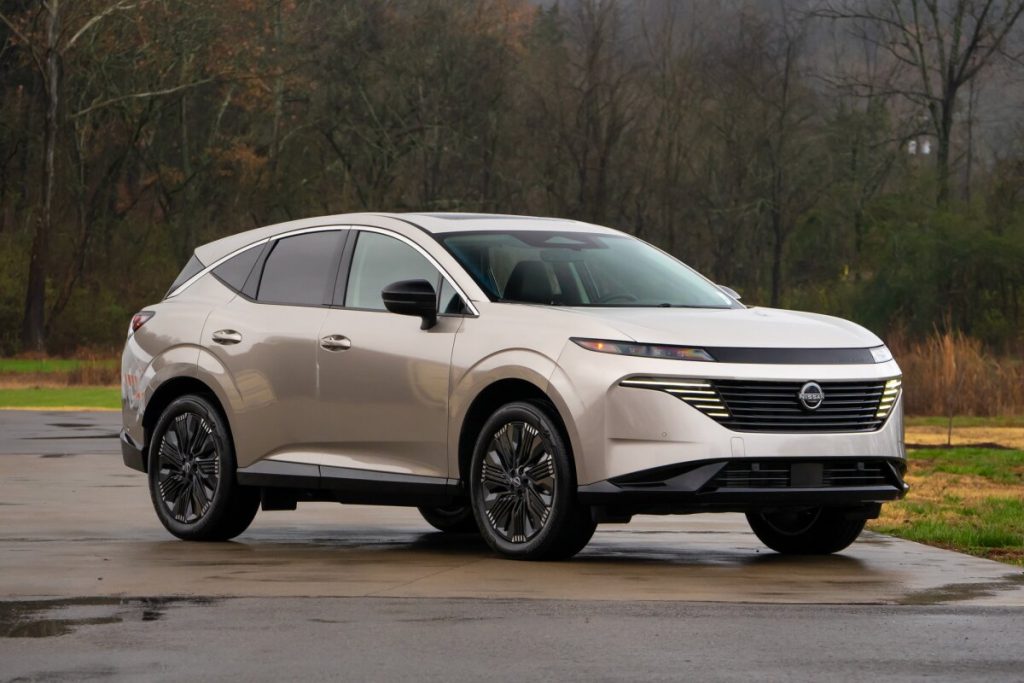
While the Murano is significantly smaller than the F-150, even it approaches the upper limits of practicality for everyday use in Japan. The Nissan Murano will not be adapted from left-hand drive for Japanese consumers.
Nissan has indicated that it intends to leverage the new certification pathway to expand its domestic portfolio, especially as some dealerships have raised concerns about the lack of strong-selling models in its current Japanese lineup. The company joins several other Japanese manufacturers responding to US trade pressure by experimenting with reverse imports.
Toyota announced in December 2025 that it would begin bringing three US-built models, the Camry, Highlander, and Tundra, into Japan in 2026. Honda has similarly confirmed plans to export the Acura Integra Type S and Passport TrailSport Elite later in the year.
From a commercial perspective, these initiatives appear to be driven more by diplomatic considerations than by direct financial returns. Japan’s automotive market has long been dominated by domestically produced vehicles, which account for roughly 95% of total sales. This leaves a relatively small import segment of fewer than 250,000 units annually.
Within that segment, US brands have traditionally maintained only a minor presence, with approximately 8,700 Jeep units and around 500 Cadillacs representing some of the most visible examples. Reverse-imported Japanese models are expected to remain low-volume offerings, serving more as brand-enhancing halo products than significant contributors to revenue.
The Trump administration has placed considerable emphasis on reducing the trade imbalance with Japan. Japanese automakers, many of which operate substantial manufacturing facilities in the United States, are therefore in a position to signal cooperation through export activities that carry political significance without necessitating major changes to their production strategies.
In other words, there might not be much money in shipping a Tennessee-built Murano to Tokyo, but it is one of the cheaper ways to curry favour with a volatile US administration.
