
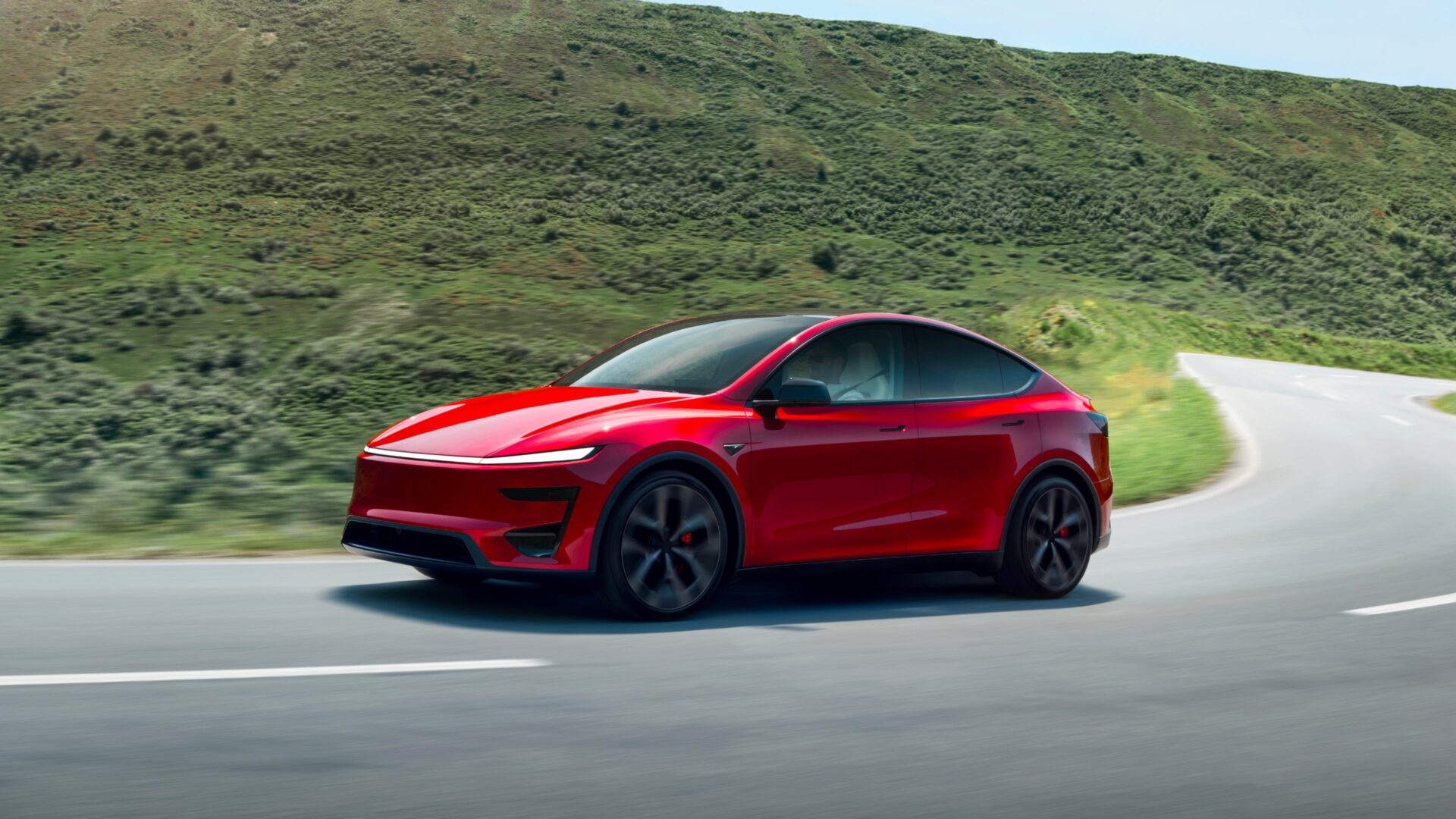
Tesla has secured a regulatory reprieve in the United States after federal safety authorities declined to pursue a large-scale recall tied to its one-pedal driving feature. However, the decision arrives at a time when scrutiny of the company’s Full Self-Driving (FSD) technology is accelerating, potentially posing a far greater long-term risk to its autonomous ambitions.
The National Highway Traffic Safety Administration (NHTSA) confirmed it would not move forward with a recall of approximately 2.26 million Tesla vehicles following a petition that alleged safety concerns linked to one-pedal driving. The complaint, initially filed in 2023, argued that Tesla’s regenerative braking system could confuse drivers and lead to unintended acceleration events.
After conducting a detailed review, regulators determined there was no evidence of a design defect or systemic safety issue. The agency pointed to a limited number of reported incidents and concluded that vehicle behavior remained consistent with intended functionality.
NHTSA also noted that one-pedal driving is not unique to Tesla but is widely implemented across the broader electric vehicle sector, reducing the likelihood that the feature itself represents an inherent safety flaw.
While the outcome represents a clear regulatory win for Tesla, it was overshadowed by a parallel development involving its most critical technology, Full Self-Driving.
Federal Investigation Into FSD Enters Critical Phase
In a separate action, NHTSA escalated its ongoing investigation into Tesla’s FSD system, moving it into the engineering analysis stage. This phase is widely regarded as the final step before regulators determine whether a mandatory recall is necessary.
The scope of the investigation has expanded to cover an estimated 3.2 million Tesla vehicles equipped with FSD-related features. At the center of the probe is Tesla’s camera-only approach to automated driving, which has increasingly drawn concern from safety regulators.
According to the agency’s findings, Tesla’s system may fail to adequately detect hazardous situations or provide timely driver alerts when camera visibility is impaired.
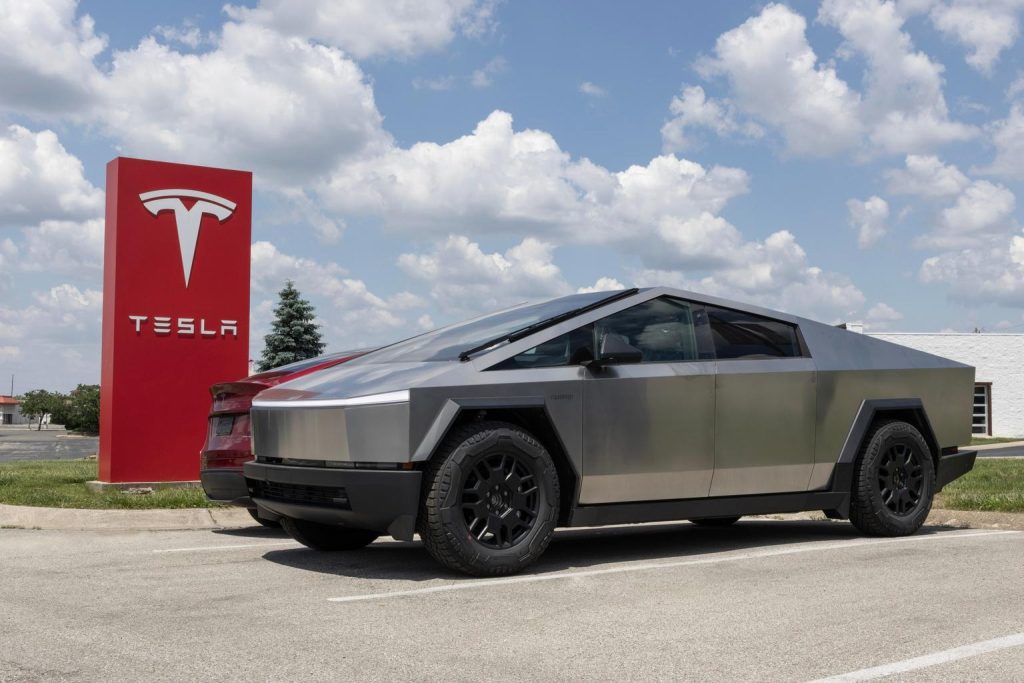
Environmental conditions such as sun glare, fog, and airborne dust have been identified as key factors that can degrade system performance. In certain cases, warnings are issued only seconds before a potential collision, while in others, no warning is delivered at all.
NHTSA has linked nine crashes to these limitations, including one fatal incident, and is currently reviewing six additional cases for potential connections. The findings add to a growing body of evidence suggesting that Tesla’s vision-based system may struggle in real-world scenarios where sensor reliability is compromised.
The current investigation is not isolated. A separate NHTSA probe involving 2.88 million Tesla vehicles is examining more than 50 reports of traffic safety violations allegedly associated with FSD. Preliminary findings indicate that, in some cases, the system may have contributed to vehicle behavior that violated traffic laws, raising further questions about its readiness for broader deployment.
Regulatory Pressure Mounts on Tesla’s Autonomy Strategy
The engineering analysis phase typically takes up to 18 months to complete. At its conclusion, NHTSA will decide whether to close the investigation or proceed with enforcement measures, which could include a recall order. Should a recall be issued, Tesla would likely address the issue through over-the-air software updates, a method the company has used previously to resolve safety concerns without requiring physical service visits.
However, the implications extend beyond regulatory compliance. Tesla’s long-term valuation and strategic positioning are closely tied to its progress in autonomous driving. The company has repeatedly emphasized its vision of a large-scale robotaxi network, which it argues could unlock significant new revenue streams and reshape urban mobility.
Ongoing federal scrutiny introduces uncertainty into that narrative. Each investigation not only raises technical and safety questions but also affects investor confidence in Tesla’s ability to deliver a fully autonomous system at scale.
Industry analysts note that while Tesla has successfully avoided a costly recall in this instance, the more consequential challenge lies ahead. The outcome of the FSD investigation could influence not only regulatory policy but also the competitive landscape of autonomous vehicle development, where rivals often rely on multi-sensor approaches that include radar and lidar in addition to cameras.
For now, Tesla has avoided one of the largest potential recalls in recent automotive history. But with federal attention increasingly focused on the limitations of its self-driving technology, the company faces a more complex and potentially defining test in the months ahead.
