
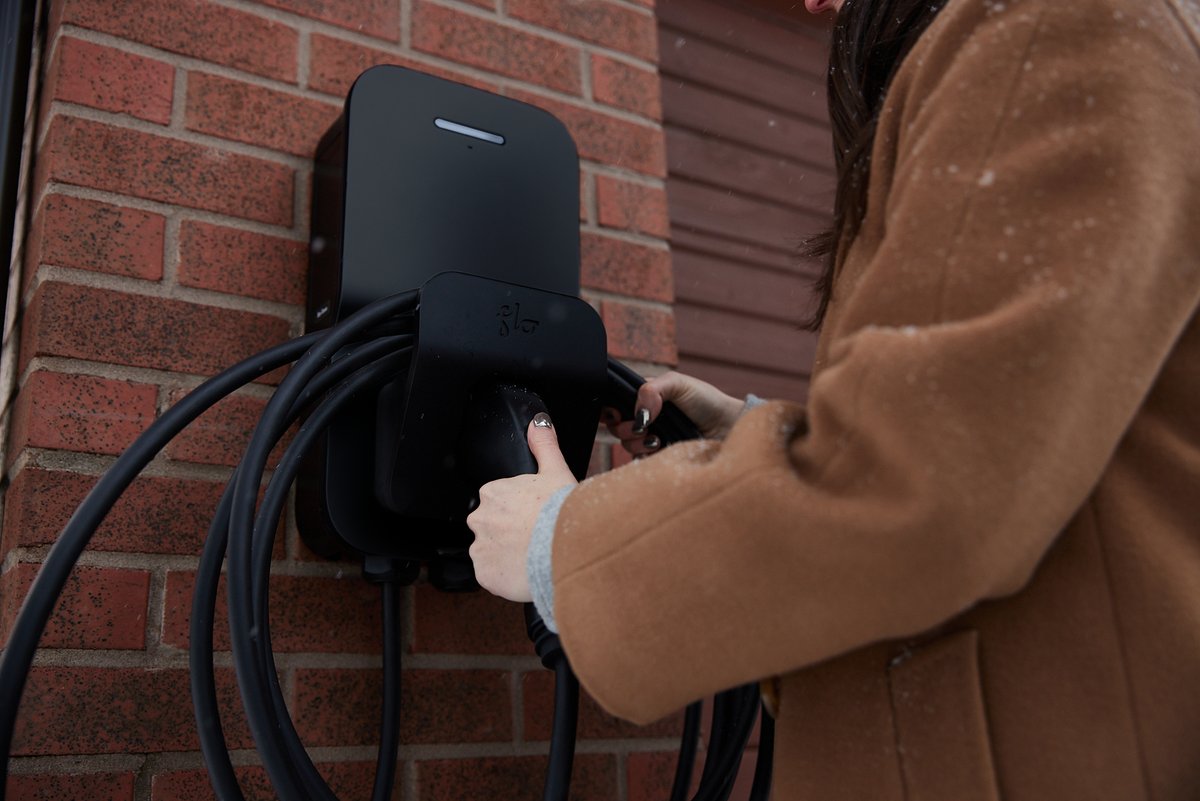
Electric vehicle owners in the United States are paying more to charge at home, and satisfaction levels are slipping as a result, according to JD Power’s 2026 U.S. Electric Vehicle Experience (EVX) Home Charging Study. The report shows average monthly home charging costs have increased to $63, up $5 compared to the previous year, contributing to a noticeable drop in owner sentiment.
Satisfaction with charging costs declined by 11 points year-over-year, falling to 687 on a 1,000-point scale. Broader satisfaction metrics also show erosion across charging types.
Level 1 portable chargers experienced the steepest drop, down 12 points to 569, while Level 2 portable chargers fell four points to 710. In contrast, Level 2 permanently mounted chargers remained stable, holding a score of 733, suggesting a more consistent user experience for fixed installations.
One of the study’s key findings highlights underutilization of scheduled charging, despite its clear cost-saving potential. Nearly half of EV owners, 46%, report that they never schedule home charging sessions, while only 38% consistently do so.
Among those who take advantage of off-peak electricity rates, the difference in cost is measurable. Owners who always schedule charging reported spending an average of $65 over a 30-day period, compared to $71 for those who never schedule.
Adoption of smart charging programs also remains limited. Although 69% of EV owners are aware of such programs, only 12% have enrolled, indicating a gap between awareness and actual usage. This disconnect suggests that while the tools for cost optimization exist, they are not being effectively leveraged by a majority of users.
On the hardware side, Level 2 permanently mounted chargers reported 44.2 problems per 100 units, an increase of 5.2 compared to the previous year.
The rise in issues is largely linked to connectivity challenges, particularly with Wi-Fi and mobile app integration on more advanced charging systems. As chargers become more feature-rich, reliability in these connected functions appears to be an emerging concern.
