
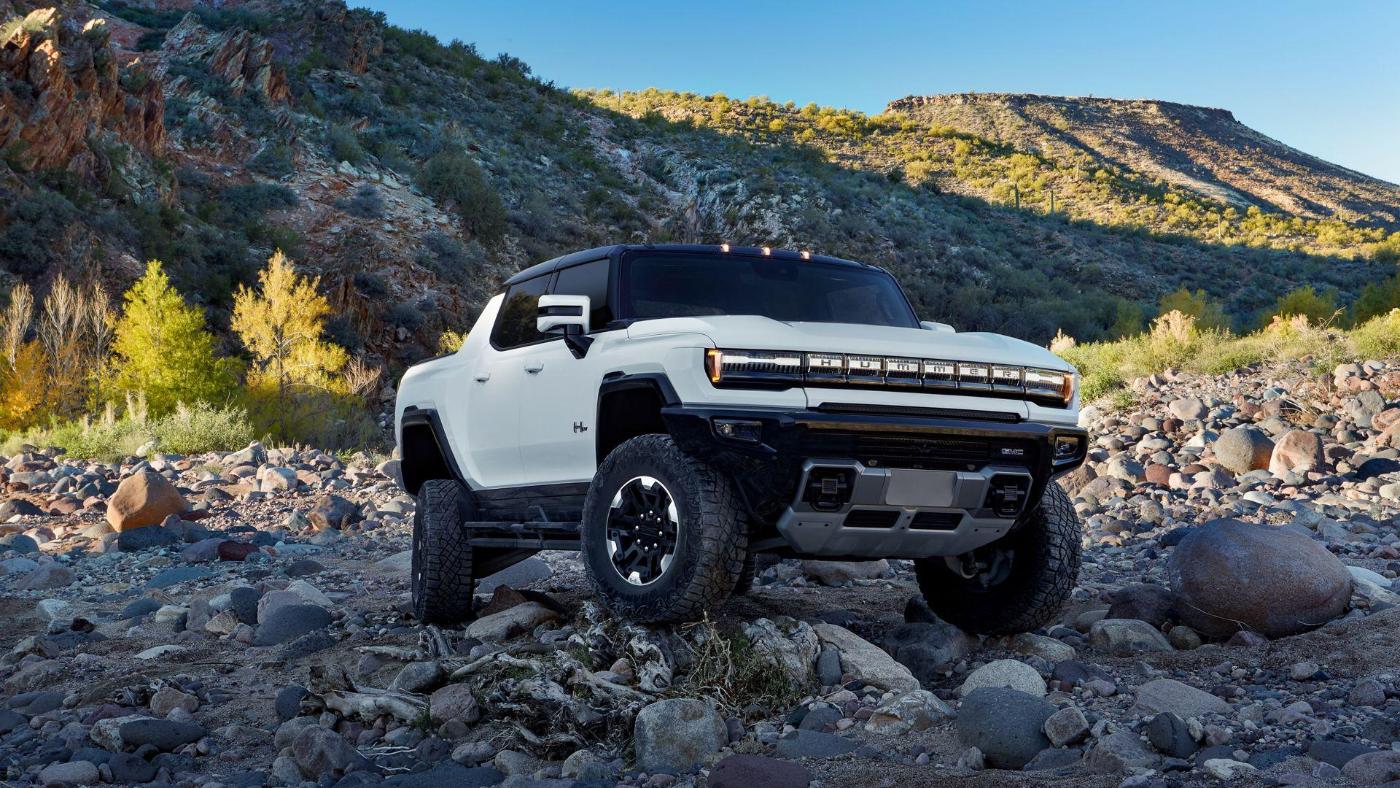
General Motors has once again paused operations at its flagship electric vehicle production facility, signaling ongoing turbulence in the U.S. EV market. The automaker’s Factory Zero plant in Detroit, Michigan, once promoted as a cornerstone of its electric future, has been temporarily shut down as demand for electric trucks and large EVs continues to soften.
The Detroit-Hamtramck facility, rebranded as Factory Zero after a $2.2 billion overhaul in 2021, is responsible for producing several of GM’s most high-profile electric models. These include the GMC Hummer EV, GMC Sierra EV, Chevrolet Silverado EV, and the Cadillac Escalade IQ, all of which represent the company’s push into premium electric trucks and SUVs.
The most recent shutdown affects approximately 1,300 workers, who were instructed to remain at home starting March 16. According to the United Auto Workers union, employees are expected to return to the plant on April 13. This marks the latest in a series of disruptions at the facility, reflecting broader uncertainty in EV adoption rates.
This is not the first time Factory Zero has gone offline. In October 2025, GM reduced operations by eliminating one of the plant’s two production shifts, effectively cutting output in half. That move also led to the permanent layoff of around 1,200 workers. Shortly afterward, the plant was idled again between late October and late November of the same year.
The impact of these adjustments has extended beyond Detroit. GM also temporarily laid off 1,550 workers at battery production facilities in Tennessee and Ohio, while an additional 550 employees were placed on indefinite layoff. These measures collectively highlight the company’s attempt to recalibrate production levels amid weaker-than-expected EV demand.
“Factory Zero will temporarily adjust production to align EV production with market demand,” a GM spokesperson told Crain’s Detroit Business. “Impacted employees will be placed on a temporary layoff and may be eligible for subpay and benefits in accordance with the GM-UAW national contract.”
While EV production slows in Detroit, GM is accelerating efforts elsewhere. Roughly 30 miles north, the Orion Assembly plant is being retooled to build gasoline-powered pickup trucks and Cadillac Escalade SUVs.
This pivot underscores a notable shift in strategy compared to GM’s earlier ambitions, when Factory Zero was presented as a symbol of an all-electric future. At that time, the company even planned to produce the Cruise Origin autonomous vehicle at the site, a project that has since been shelved.
Union leadership remains cautiously optimistic despite the setbacks. “I just hope we can bounce back, especially when gas prices are rising,” said James Cotton, UAW Local 22 President. “I think EVs are the future.”
General Motors had previously outlined aggressive electrification goals, including a $35 billion investment in electric and autonomous vehicle development and a target of launching more than 30 EV models globally by 2025.
However, the company has faced multiple challenges in achieving those objectives. Its autonomous vehicle ambitions have faltered, and sales of its large electric pickups, key products for Factory Zero, have not met initial expectations.
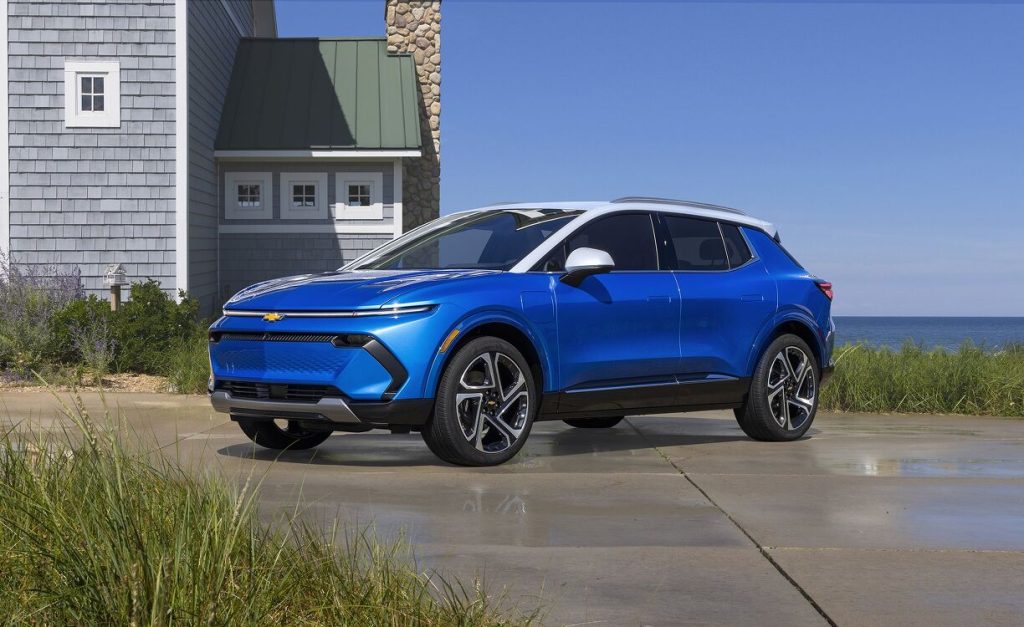
Even so, GM retains a strong position in the U.S. EV market. It currently ranks as the second-largest EV seller in the country, trailing only Tesla. This standing is largely supported by more accessible models such as the Chevrolet Equinox EV and Cadillac Lyriq, which have seen stronger consumer uptake compared to the company’s larger, more expensive electric trucks.
Policy changes have also added pressure to GM’s EV strategy. The Trump Administration’s decision to eliminate the $7,500 federal tax credit for new electric vehicles, along with a rollback of emissions regulations, has reduced incentives for consumers to switch to EVs. In response, GM has scaled back some of its electrification plans and reported $7.6 billion in writedowns tied to its EV programs.
The repeated shutdowns at Factory Zero illustrate the challenges automakers face in balancing long-term electrification goals with short-term market realities. While GM continues to invest in electric technology, fluctuating demand and shifting policy landscapes are forcing the company to proceed with greater caution.
