
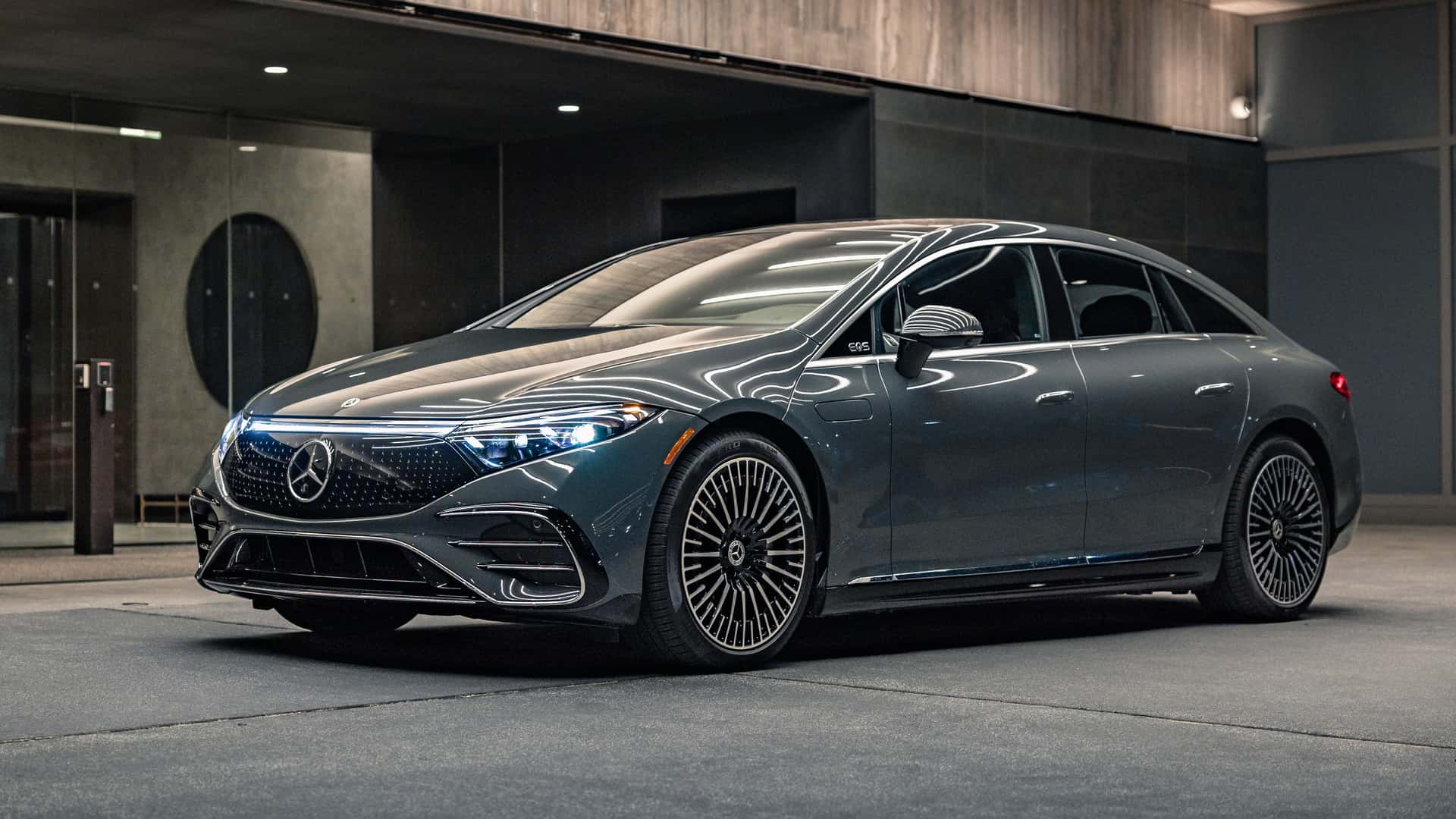
The Mercedes-Benz EQS is set to receive a significant overhaul for the 2027 model year, as Mercedes-Benz prepares to introduce a steer-by-wire system paired with a yoke-style steering interface, along with a range of technical and design updates.
Since its debut, the EQS has struggled to gain strong traction in the market despite its advanced engineering and flagship status in Mercedes-Benz’s electric lineup. While the model introduced cutting-edge technology, consumer response has been mixed, making it one of the slower-selling vehicles in the brand’s portfolio.
Mercedes-Benz, however, is continuing to invest in the platform. Following a styling update in 2025 aimed at making the design more conventional, the automaker is now preparing more substantial changes for the 2027 iteration, which could be revealed later this year.
The most notable upgrade is the adoption of a steer-by-wire system. This setup eliminates the traditional mechanical connection between the steering wheel and the front wheels, replacing it with electronic controls.
As part of this change, the conventional steering wheel will be replaced by a yoke, a design increasingly associated with steer-by-wire implementations.
With no physical steering column, the system allows for a fully variable steering ratio that adjusts based on speed.
At lower speeds, the system enables sharper wheel angles for easier maneuverability, while at higher speeds, it reduces sensitivity to enhance stability. The system also integrates with rear-axle steering to further improve handling.
Mercedes-Benz states that the technology offers “completely new steering feel and superior control with virtually no effort required” and “easier maneuvering and parking as well as even greater driving stability and agility.” In the event of a system issue, stability control systems act as a backup to maintain a degree of steering capability.
Beyond steering, the 2027 EQS will also benefit from an upgraded electrical architecture. The shift to an 800-volt system is expected to significantly reduce charging times while improving overall energy efficiency.
Additionally, the updated model will feature new eATS 2.0 electric motors, which are expected to deliver improved performance and refinement compared to the current setup.
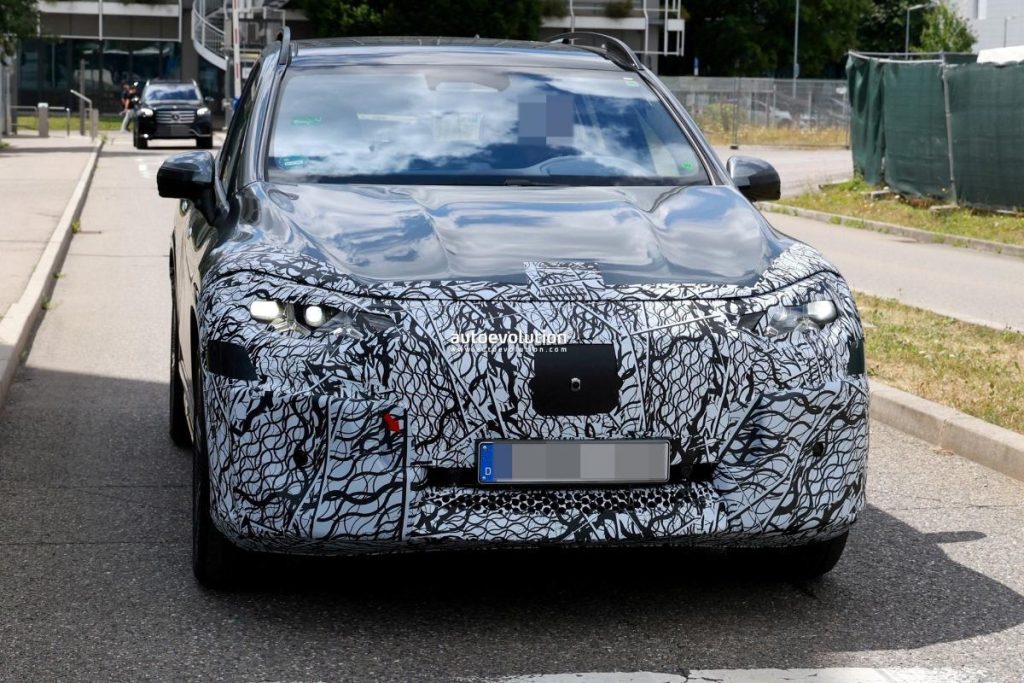
Exterior changes are anticipated as well, although heavily camouflaged prototypes suggest that the overall silhouette will remain largely unchanged.
Inside, the EQS is expected to adopt newer infotainment technologies inspired by the latest developments in the Mercedes-Benz S-Class, potentially enhancing user experience and in-car functionality.
While the EQS’s distinctive design has been a point of debate since its launch, the upcoming updates indicate that Mercedes-Benz is focusing on technological advancements rather than a complete redesign.
For buyers more interested in these innovations within a more traditional form factor, future electric models, potentially an EQS successor aligned closer to the S-Class, may incorporate similar features.
The 2027 EQS represents a continued effort by Mercedes-Benz to refine its flagship EV, combining experimental steering technology with meaningful performance and efficiency upgrades.
