
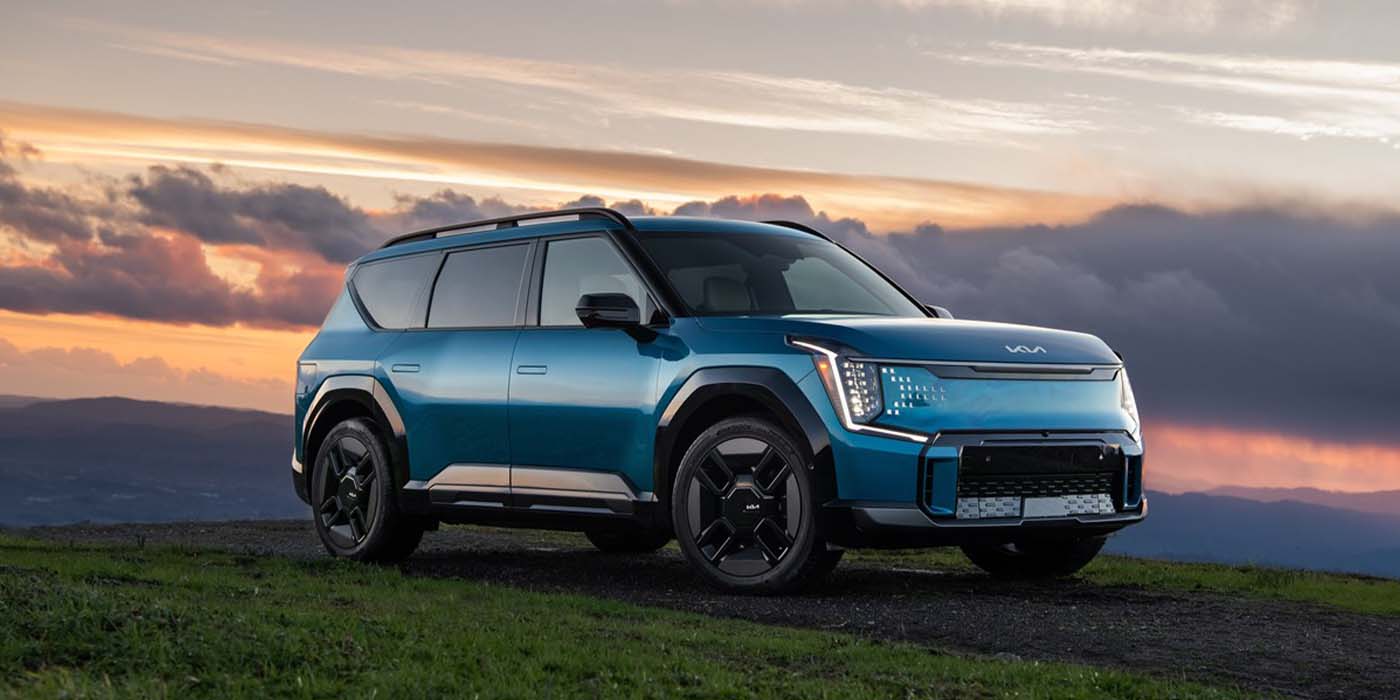
Kia has delayed the launch of its first software-defined vehicle while increasing its investment in future technologies, underscoring both the complexity and importance of its transition toward software-driven mobility.
The company confirmed that its SDV rollout has been pushed back by about one year. The first model is now expected to arrive in 2028, rather than the previously planned 2027 launch.
This initial vehicle will feature semi-automated highway driving capabilities, with more advanced urban autonomous functions scheduled to follow in 2029.
The delay reflects broader challenges in developing advanced vehicle software and autonomous systems, particularly as competition intensifies from companies like Tesla and emerging Chinese automakers.
Internal restructuring within Hyundai Motor Group’s software division has also contributed to the revised timeline, as the company works to strengthen its development capabilities.
Despite the setback, Kia is increasing its financial commitment to long-term innovation. The automaker plans to invest approximately 41.4 trillion won, or around $28 billion, between 2026 and 2029.
This represents a 30 percent increase compared to its previous investment plan and will be directed toward electrification, software platforms, artificial intelligence, and new mobility solutions.
As part of this strategy, Kia is also expanding partnerships with major technology companies to accelerate progress in software and autonomous driving. These collaborations are expected to play a key role in closing the gap with more advanced competitors in the SDV space.
At the same time, the company is adjusting its expectations for electric vehicle growth. Kia has lowered its 2030 EV sales target by roughly 20 percent to 1 million units, citing softer demand and changes in government incentives in key markets. Its overall global sales target has also been slightly reduced to 4.13 million vehicles by the end of the decade.
In response to these shifting market conditions, Kia is placing greater emphasis on hybrid vehicles in the near term. The company now aims to achieve annual hybrid sales of 1.1 million units by 2030, reflecting a more balanced approach between fully electric models and conventional powertrains.
Kia’s updated strategy highlights a recalibration rather than a retreat. While the delay in its software-defined vehicle timeline points to ongoing technical and organizational challenges, the increased investment signals a continued long-term commitment to competing in an increasingly software-focused automotive industry.
