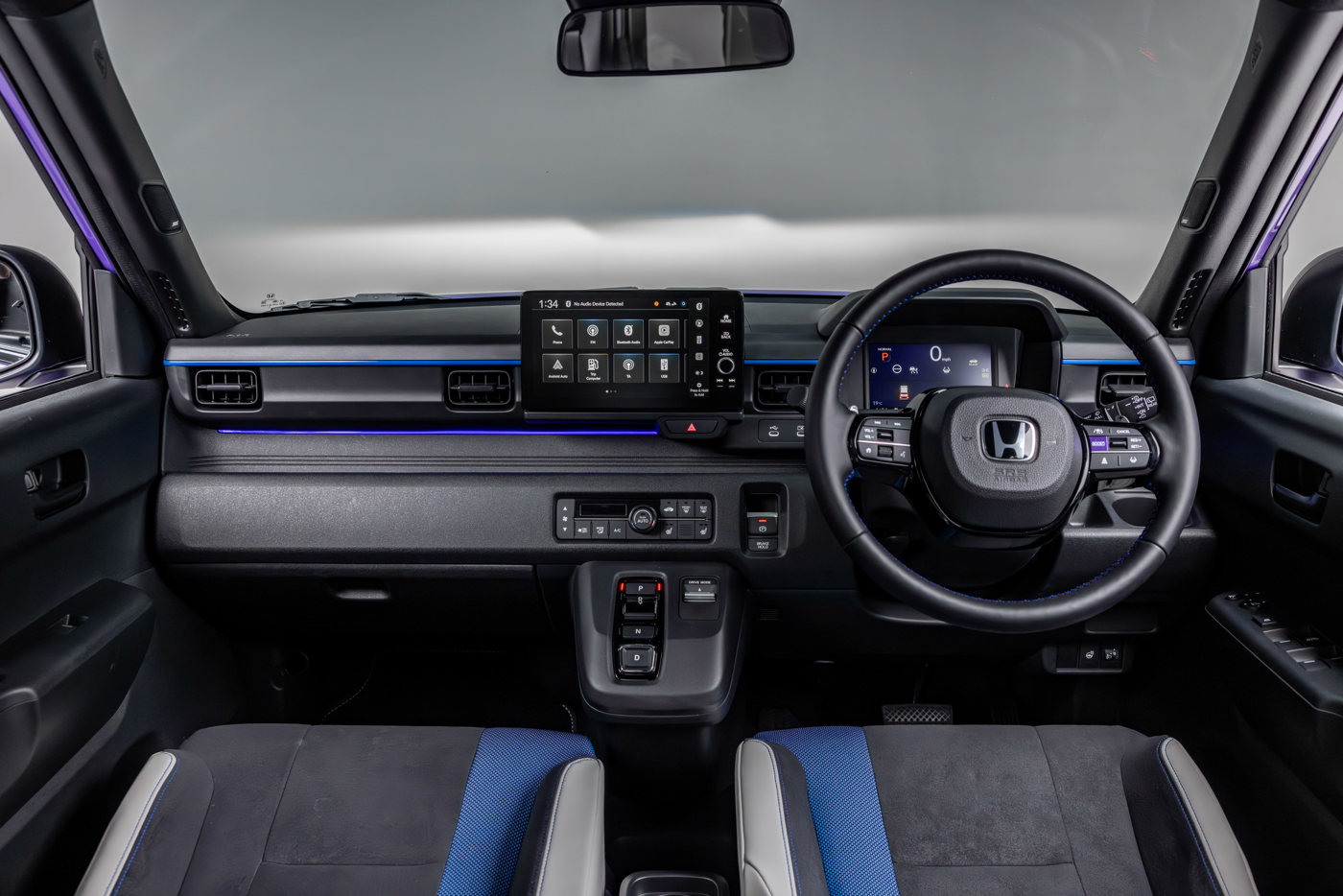
Honda is expanding its presence in the affordable electric vehicle segment with the launch of the Honda Super-N, a small, retro-inspired EV that is heading to the UK market later this year.
Designed as a modern reinterpretation of Japan’s kei car philosophy, the Super-N combines compact dimensions, low cost, and a focus on driving enjoyment, an approach that sets it apart from many utilitarian urban EVs.
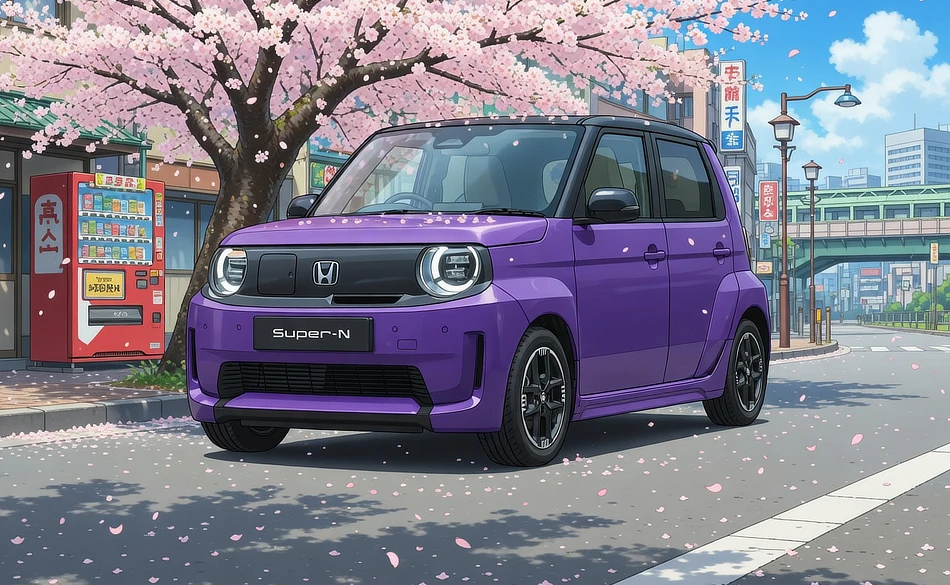
The Super-N is based on the long-running Honda N-One platform, a popular microcar in Japan, but it has been significantly reworked for global markets. The body has been widened, and the styling leans heavily into retro influences, particularly the 1980s Honda City Turbo.
Flared wheel arches, aggressive bumpers, and a wider stance give the tiny hatchback a surprisingly sporty presence despite its modest footprint. At just over 3.4 meters in length, it remains one of the smallest electric cars available in Europe, making it ideal for dense urban environments.
Affordability is a central part of the Super-N’s appeal. Honda has confirmed that the car will start at under £20,000 in the UK, positioning it as one of the most accessible EVs in the market.
This pricing strategy directly addresses a major gap in the current EV landscape, where many electric vehicles remain significantly more expensive than their internal combustion counterparts. By targeting entry-level buyers, Honda is attempting to revive interest in small electric cars after the limited commercial success of the earlier Honda e.
Under the skin, the Super-N features a relatively small battery, estimated at around 29 kWh, delivering a WLTP-rated range of approximately 128 miles in combined driving conditions.
While this figure may seem modest compared to larger EVs, it aligns well with the car’s intended use as a city commuter. In urban settings, where daily distances are shorter and charging opportunities are more frequent, this range is generally sufficient.
Performance is modest but not without character. The electric motor produces around 63 horsepower, with a temporary boost mode increasing output to roughly 94 horsepower when needed.
However, the most distinctive feature is not outright power, but how the car delivers it. Honda has equipped the Super-N with a simulated gear-shifting system paired with artificial engine sounds. This setup mimics the sensation of a traditional multi-gear transmission, adding a layer of engagement that is typically absent in electric vehicles.
This focus on driver engagement reflects Honda’s broader philosophy of maintaining “driving fun,” even in entry-level EVs. The simulated shifting system, combined with lightweight construction and compact dimensions, is intended to make the Super-N feel more dynamic and interactive than its competitors.
Despite its strengths, the Super-N is unlikely to be offered in the United States. Its small size, limited range, and relatively low power output make it better suited to European and Asian markets, where compact cars are more widely accepted. Instead, it will compete with other affordable city-focused EVs such as the Renault Twingo and similar budget-friendly models.
The Honda Super-N represents a strategic shift toward simplicity and accessibility. Rather than chasing high performance or long-range benchmarks, Honda is focusing on affordability, efficiency, and driving character. In doing so, it may help redefine what an entry-level electric vehicle can be in an increasingly crowded market.