
America has always had a deep love affair with automobiles. The road culture here is unlike anywhere else wordwide. Cars are not just machines they are statements, personalities, and sometimes, deceptions on four wheels.
Some cars look like they were built to break the sound barrier. They have aggressive bodywork, massive spoilers, and wide stances that scream performance. But pop the hood or hit the gas, and the truth is disappointing. These are the wolves in wolves’ clothing that turn out to be harmless puppies underneath.
Then there is the opposite breed. Some cars look completely ordinary even boring. They blend into parking lots like they have nowhere important to be. Nobody gives them a second glance on the highway. But when the light turns green, these sleepers leave everyone in shock.
This fascinating divide between appearance and performance is what makes car culture so entertaining. The automotive world is full of surprises. Manufacturers design cars for many reasons styling trends, market appeal, budget constraints, and pure engineering ambition.
In this article, we explore six cars that look devastatingly fast but disappoint on the road, and six cars that look completely ordinary but will humble almost anything beside them at a traffic light. Buckle up.
6 Fast Looking Slow Cars in the USA
These cars turn heads with aggressive styling, sporty body kits, large wheels, and bold design cues that suggest high performance. However, beneath the surface, they often come with modest engines and tuning focused more on efficiency than speed. While they may look like performance machines, their real-world acceleration and power delivery can feel underwhelming, making them more about appearance than actual driving excitement.
1. Dodge Charger SXT (Base Model)
When most Americans hear the name Dodge Charger, their pulse quickens. The Charger is one of the most iconic muscle car names in American automotive history. Its wide body, aggressive front fascia, and muscular proportions make it look like it owns every road it drives on.
The Charger’s exterior design is genuinely intimidating. It sits wide and low with a hood that appears ready to swallow the road ahead. The large grille, quad headlights, and sculpted body lines all communicate raw power before the engine even starts.
But here is the painful truth about the base SXT model. It comes equipped with a 3.6-liter Pentastar V6 engine producing just 292 horsepower. That number sounds decent on paper, but the Charger is a heavy car. It weighs over 4,000 pounds, which means that V6 has a lot to pull.
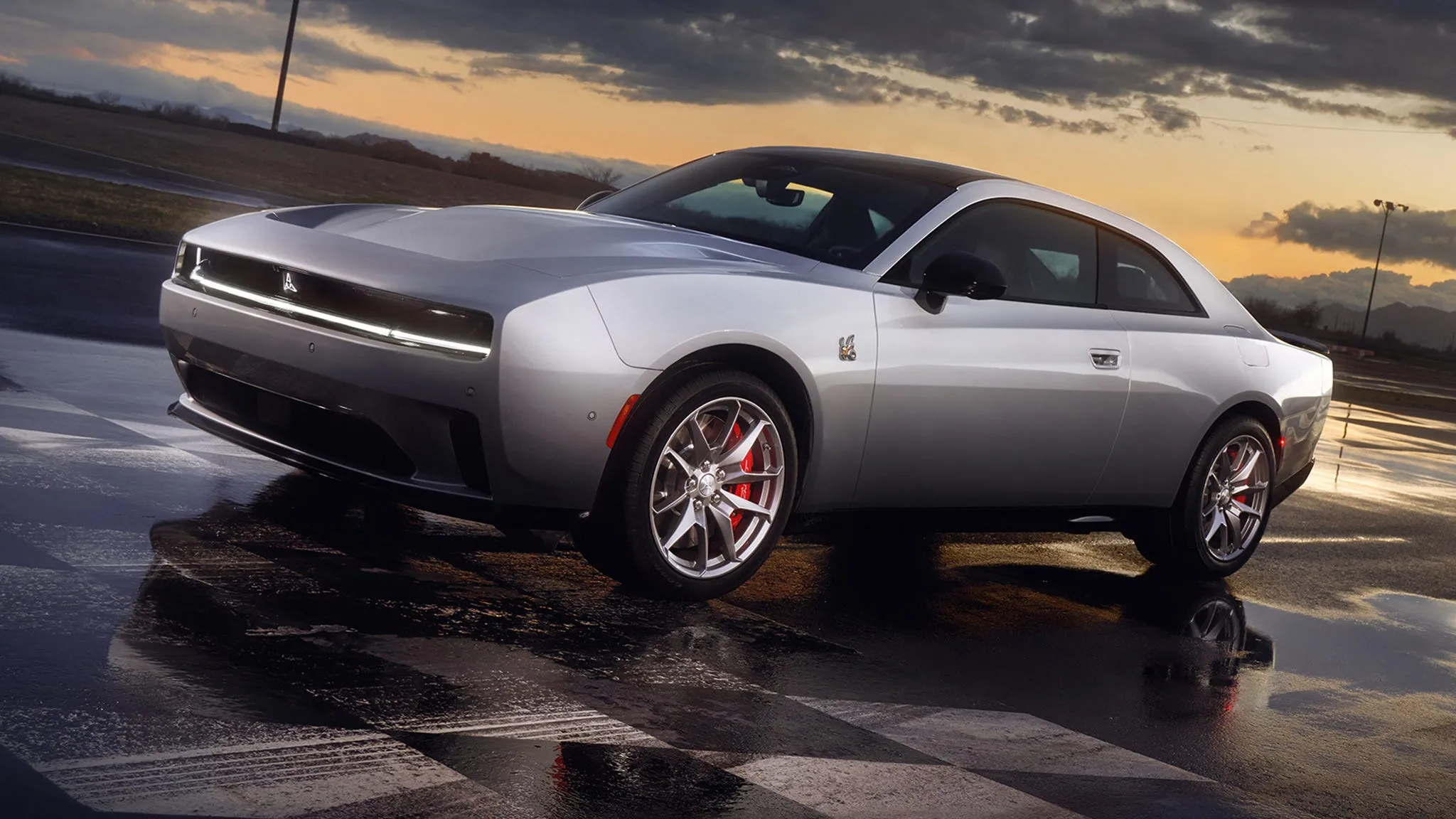
The 0-60 mph time for the base Charger SXT sits around 6.4 seconds. That is not terrible for everyday driving. But it is nowhere near the savage performance that the car’s body language promises.
Many unsuspecting drivers have pulled up beside a Charger SXT at a red light expecting a battle. They are surprised when a Honda Civic or a Subaru WRX leaves it behind. The gap between appearance and reality is enormous here.
The Charger nameplate carries the legacy of the 440 Magnum and the 426 Hemi from the golden age of American muscle. Those historical associations make the SXT feel even more underwhelming by comparison. The badge writes checks the engine simply cannot cash.
Dodge does offer far more powerful versions of the Charger. The R/T, Scat Pack, and the legendary Hellcat variants are genuinely terrifying machines. But the SXT, which is the most commonly seen Charger on American roads, is mostly style over substance.
The interior does not help the case either. Base models come with fairly standard features that feel disconnected from the dramatic exterior. It is a car that promises a thunderstorm and delivers a light drizzle.
To be fair, the Charger SXT is a comfortable and practical sedan. It has a large trunk, a spacious back seat, and decent fuel economy for its size. It serves its purpose well as a family car. It just should not be mistaken for a performance vehicle.
In the grand theatrical production that is American car culture, the base Charger SXT plays the role of a convincing villain with no actual powers. It looks the part perfectly. It just cannot perform the role when the curtain rises.
2. Ford Mustang EcoBoost (Base 4-Cylinder)
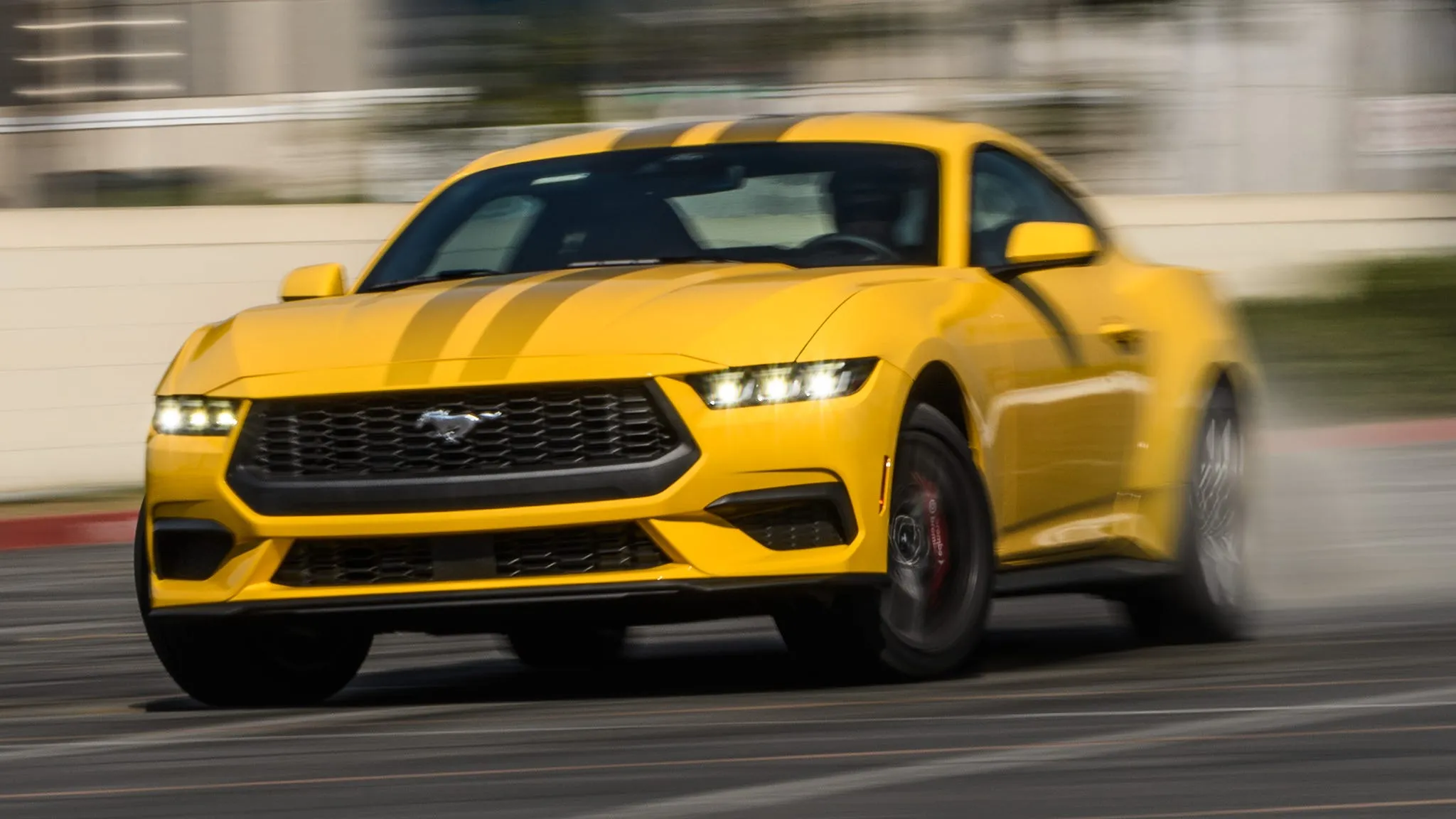
The Ford Mustang is perhaps the most recognizable sports car silhouette in American history. For over five decades, the Mustang name has been synonymous with freedom, speed, and raw American muscle. The sight of a Mustang fastback in your rearview mirror used to mean trouble.
The modern Mustang’s design carries that legacy beautifully forward. The long hood, short rear deck, aggressive roofline, and wide haunches all look exactly like a car that means business. It sits at the traffic light like a predator waiting to pounce.
Then Ford decided to put a 2.3-liter turbocharged four-cylinder engine under that glorious hood. The EcoBoost Mustang produces 315 horsepower, which is actually a reasonable number. But this is a Mustang. The expectations are sky-high the moment you look at it.
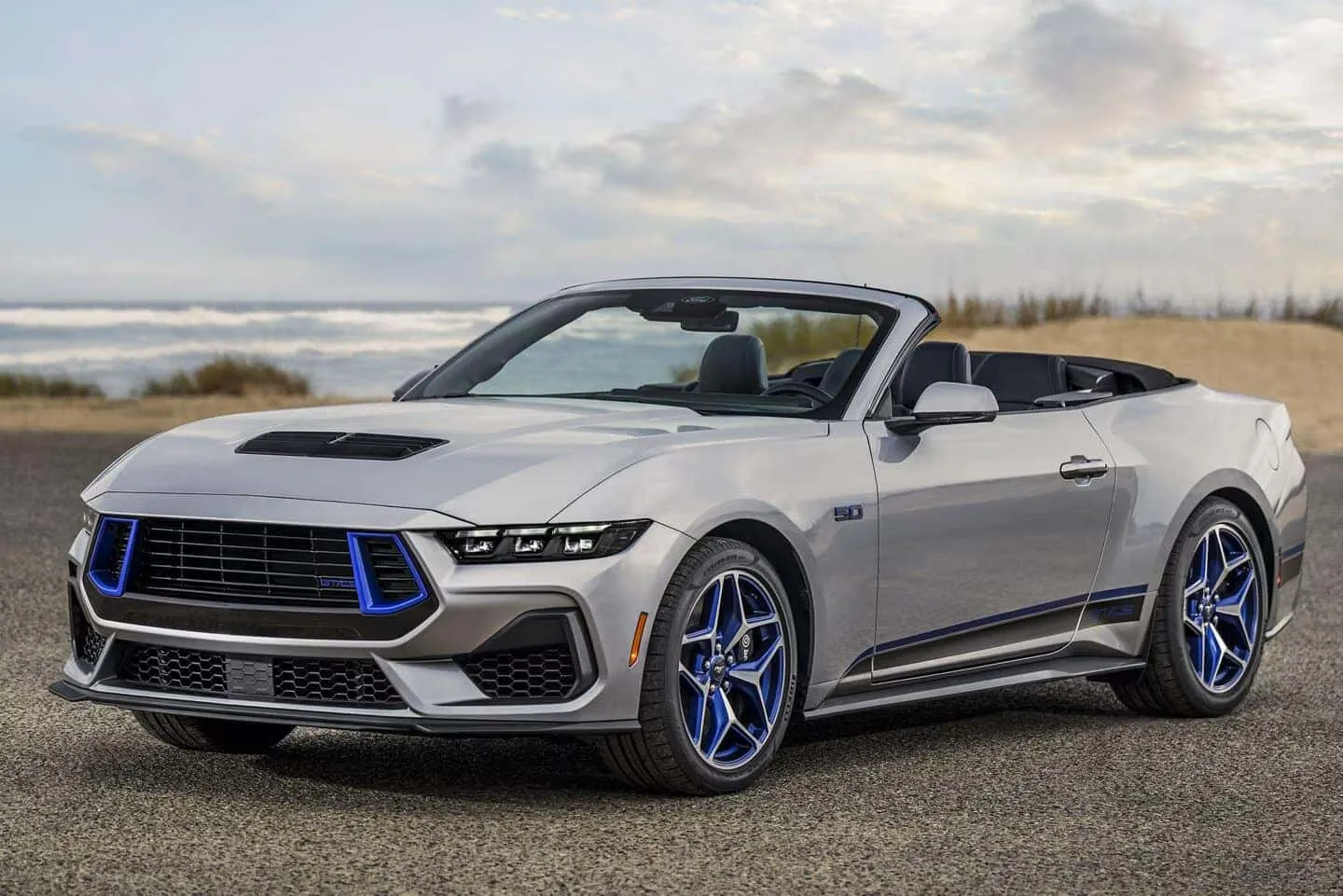
The EcoBoost Mustang hits 0-60 mph in about 5.1 seconds. That is genuinely quick by normal car standards. But it lacks the soul and sound that the Mustang badge demands. A four-cylinder Mustang simply does not feel right to enthusiasts.
The exhaust note from the EcoBoost is its biggest betrayal. It sounds thin, buzzy, and completely unworthy of the pony car legend it sits beneath. The visual drama of the Mustang body is undermined immediately when you hear that four-cylinder song.
Mustang culture is deeply tied to the sound and fury of V8 power. The GT’s 5.0-liter Coyote V8 represents what the Mustang truly is. The EcoBoost is a compromise built for fuel economy and accessibility, not for thrilling performance.
That said, on a racetrack with proper tuning, the EcoBoost can be surprisingly competitive in corners. Its lighter front end actually helps with handling compared to the V8. But casual drivers will never explore those capabilities on public roads.
From a distance at a car show, nobody can tell you have the four-cylinder. The Mustang looks identical to the GT model in many trim levels. Only the badge on the rear gives it away, if you know to look.
Enthusiasts call the EcoBoost Mustang a “secretary’s car” and while that is unfair and somewhat unkind, it captures the sentiment perfectly. The look is legendary. The performance, in street driving terms, is forgettable.
Ford made a smart business decision offering an affordable entry into the Mustang family. But when that iconic pony car body rolls up next to you and the light turns green, you expect thunder not a polite tap on the shoulder.
3. Chevrolet Camaro LS (Base V6)
The Camaro has been one of GM’s most enduring performance icons since 1966. It has battled the Mustang across drag strips, race circuits, and American imaginations for generations. The current generation Camaro is, by any objective measure, one of the best-looking cars on the road today.
GM’s design team went all-in on aggression with the sixth-generation Camaro. The wide front splitter, sculpted hood, massive wheel arches, and fastback roofline create a silhouette that looks genuinely race-ready. It is a stunning machine to look at from any angle.
The base LS model, however, ships with a 3.6-liter V6 producing 335 horsepower. The number sounds reasonable, but the Camaro faces the same problem as the Charger SXT its looks demand more than its engine delivers. The expectation gap is real and painfully wide.
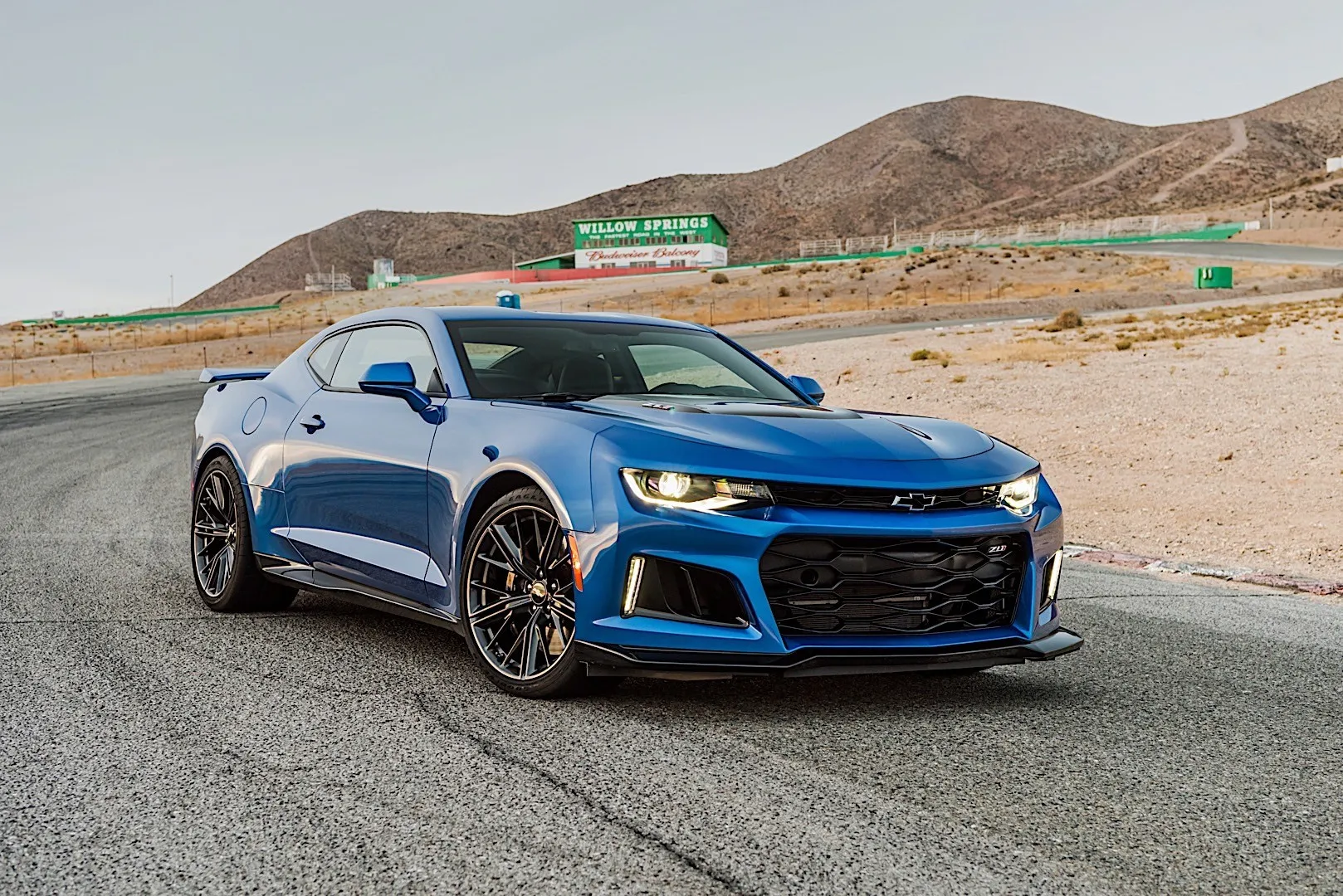
The 0-60 time for the V6 Camaro sits around 5.4 seconds. That is not slow in absolute terms. However, when someone in a tuned Honda Civic Type R challenges you at a light and wins, the drama of the Camaro body feels like a costume, not a truth.
The Camaro also has one of the worst outward visibility ratings of any car on the road. The thick pillars and low roofline make driving it a somewhat claustrophobic experience. This is a car better admired from the outside than experienced from within.
Many rental car companies stock V6 Camaros specifically because they look exciting to tourists. They get all the visual drama of a sports car with the operating costs of a standard vehicle. The rental Camaro has become something of an internet meme for exactly this reason.
Chevrolet does offer the Camaro SS with a 6.2-liter V8 and the terrifying ZL1 with a supercharged 650-horsepower monster. Those cars are legitimately frightening. The LS is, by comparison, a beautiful painting of a sports car rather than the real thing.
The worst part is the sound. The V6 Camaro produces a respectable exhaust note, but it cannot replicate the deep American muscle bark of the V8. You hear it approaching and think something exciting is about to happen. Then it passes and you feel mildly let down.
Buying the V6 Camaro makes financial sense if you love the style and need to manage a budget. It is a fun car in everyday driving. But calling it a performance machine is a stretch that requires significant imagination and a willingness to ignore what your right foot is telling you.
4. Dodge Challenger SXT
The Dodge Challenger is arguably the most dramatic-looking car in the American automotive market. Its retro muscle car proportions the long hood, wide body, and classic fastback shape are an unmistakable tribute to the original 1970 Challenger. It commands attention absolutely everywhere it goes.
The Challenger’s sheer size and presence is intimidating before a single engine revolution occurs. People step aside in parking lots. Other drivers give it extra room on the highway. The car has visual authority that almost no other vehicle on American roads can match.
Yet the base SXT Challenger carries the same 3.6-liter V6 that disappoints in the Charger. In a car that weighs over 4,200 pounds and looks like the automotive equivalent of a heavyweight boxer, 292 horsepower is essentially a broken promise in engineering form.
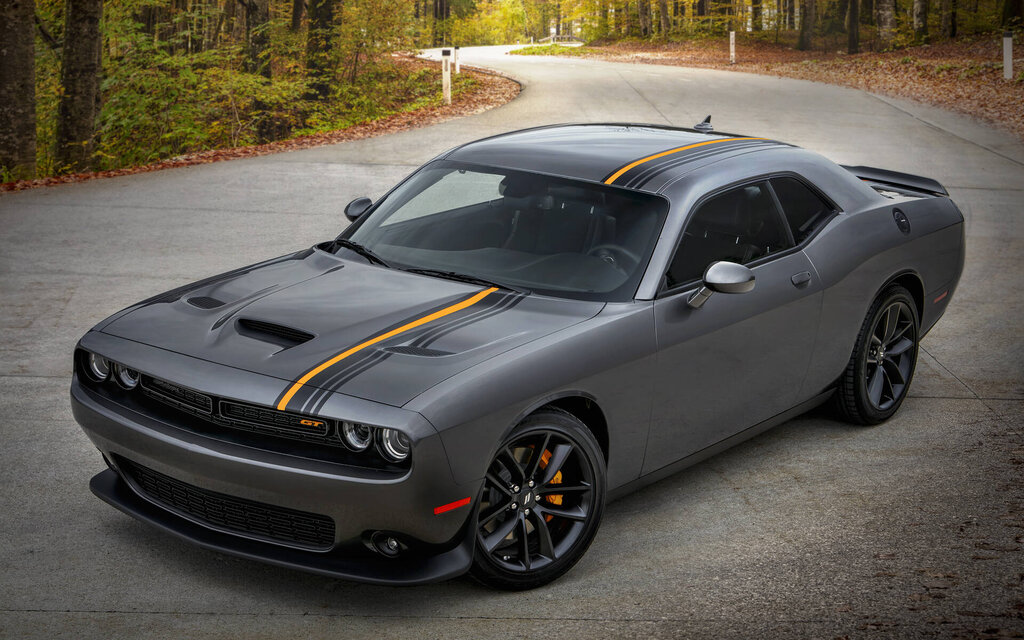
The 0-60 mph time is around 6.5 seconds slower than many modern crossover SUVs. The Toyota RAV4 Hybrid, a family utility vehicle, can match or beat a base Challenger in a straight-line drag. That fact alone captures everything wrong with the SXT’s performance credentials.
Dodge knows exactly what they are doing with this formula. The Challenger body sells the fantasy of muscle car ownership to people who want the style without the insurance premiums and fuel costs of a V8. It is a smart market strategy that works brilliantly as a business plan.
The retro interior design of the Challenger is genuinely charming. The circular gauges, classic steering wheel, and throwback styling cues are delightful. Inside the cabin, the illusion of classic muscle is maintained very effectively.
But the reality check comes every single time someone revs a real V8 nearby. The SXT Challenger cannot answer that call. It can only look on with its massive, aggressive body while something far less visually impressive leaves it behind.
The base Challenger has become the go-to choice for people who want to look like car enthusiasts without committing to actually being one. There is nothing wrong with that approach. But let us call it what it is a muscle car costume party where only the outfit is authentic.
Also Read: 5 SUVs With Durable Rubberized Floors vs 5 With Carpets That Stain Early
5. Mitsubishi Eclipse Cross
The name Eclipse carries enormous weight in American car culture. The original Mitsubishi Eclipse from the 1990s was a genuine performance icon. It starred in the original Fast and Furious film and defined an entire era of Japanese sport compact culture. The name alone generates excitement.
Mitsubishi brought the Eclipse name back in 2018, but attached it to something completely different. The Eclipse Cross is a compact crossover SUV with styling that attempts to borrow the sporty aggression of the original coupe. The sloping roofline and angular body try their best to evoke performance.
Under the hood lives a 1.5-liter turbocharged four-cylinder engine producing 152 horsepower. That is the same output as many basic economy sedans. For a car wearing the Eclipse badge a name that once represented tuner culture’s finest hour this is a genuine tragedy.
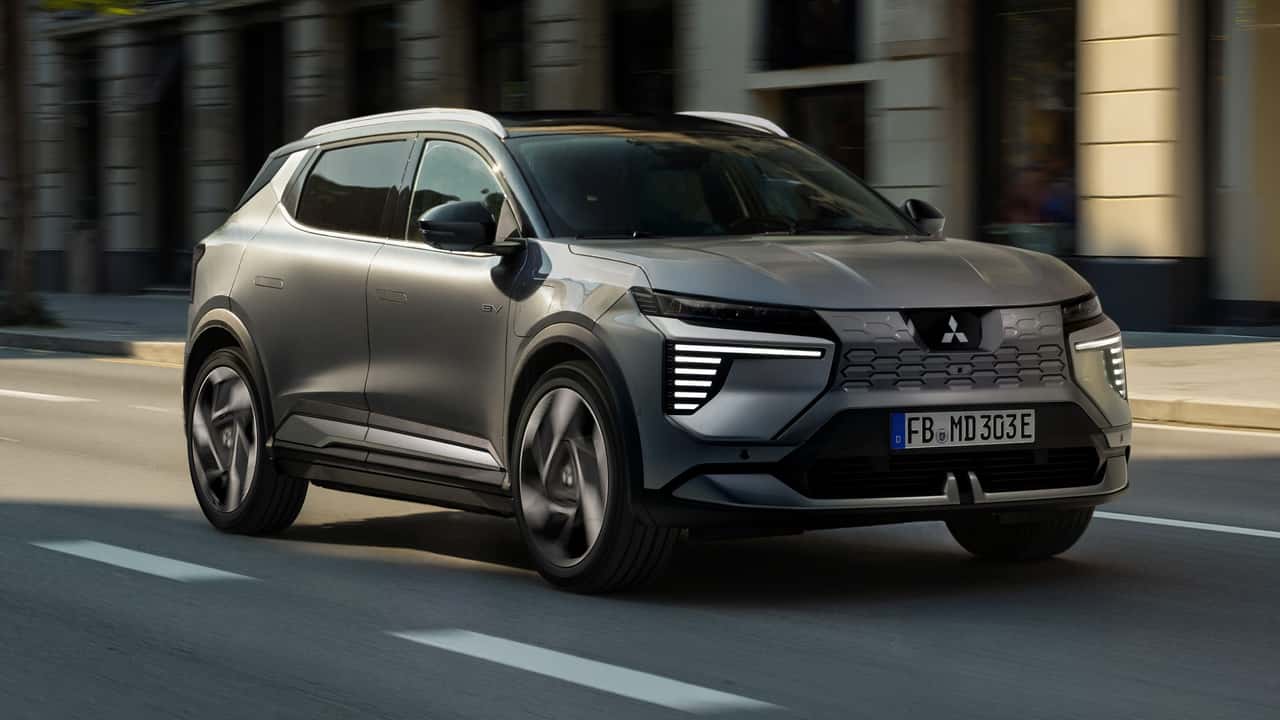
The 0-60 time for the Eclipse Cross is approximately 8.0 seconds. Many minivans can match or beat that figure. The sporty styling, coupe-like roofline, and aggressive headlights create expectations that the powertrain cannot begin to fulfill.
What makes this particularly stinging for automotive enthusiasts is the deliberate use of the Eclipse nameplate. Mitsubishi essentially borrowed decades of performance credibility and glued it onto a slow crossover to boost showroom appeal. It is brand equity being cashed out rather than earned.
The Eclipse Cross does offer decent standard equipment for its price point. The interior is reasonably well-appointed. As a practical daily driver crossover, it serves its owners adequately. The problem is purely the gap between the name’s promise and the product’s reality.
The styling actually looks quite sharp from certain angles. The rear end in particular is distinctive and aggressive-looking. From a distance, it almost convinces you. Then you see it struggling to merge onto a highway and the illusion collapses completely.
Japanese tuner culture built the Eclipse’s reputation through turbochargers, all-wheel drive, and driver engagement. The Eclipse Cross offers all-wheel drive as standard, which is a nod to that legacy. But a 152-horsepower crossover with eight-second 0-60 times is not what made the original Eclipse legendary.
This is the automotive equivalent of using a Hall of Fame athlete’s jersey number on a completely different player who plays an entirely different sport. The number means something. The new wearer simply does not live up to what it once represented.
6. Volkswagen Arteon
The Volkswagen Arteon is arguably one of the most beautiful four-door cars on American roads today. Its fastback silhouette, flush door handles, sweeping roofline, and elegant proportions give it the visual presence of a European grand touring machine. People consistently mistake it for something costing twice its price.
The Arteon looks like it belongs on the Autobahn at 150 mph. The design language is sleek, confident, and genuinely sophisticated in a way that few cars at its price point can claim. VW’s designers clearly wanted people to think of Porsche and Audi when they saw the Arteon.
However, the only powertrain available in the American market is a 2.0-liter turbocharged four-cylinder engine producing 300 horsepower. That number is not embarrassing, but the Arteon’s looks promise a 400-horsepower twin-turbo V6 at minimum. The reality feels underwhelming by comparison.
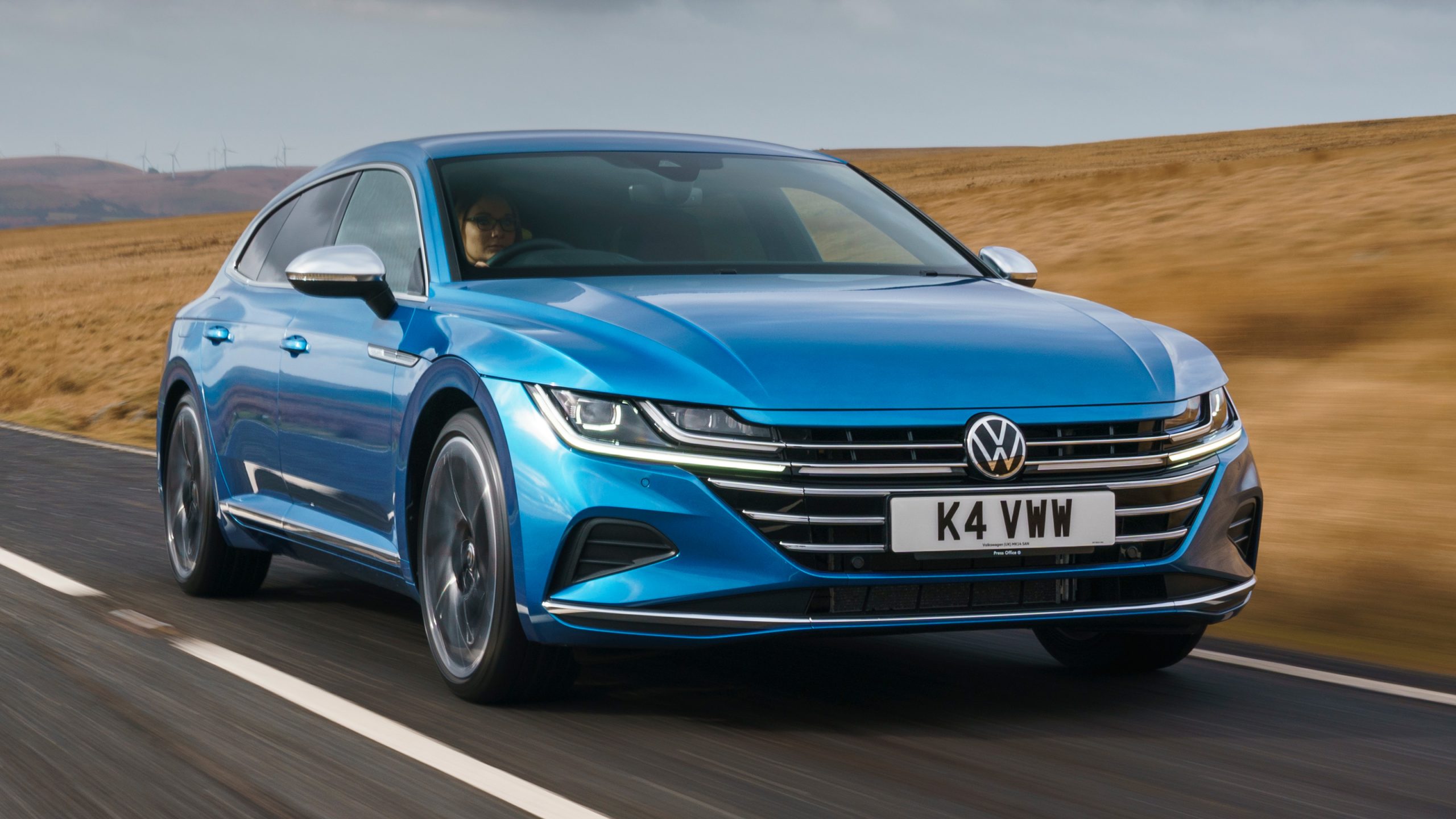
The 0-60 time comes in around 5.6 seconds with all-wheel drive. That is respectable performance for a family sedan. But the Arteon’s design creates expectations of something far more dramatic when the accelerator is pressed.
The Arteon also sits in a very difficult market position. It is too expensive to be a practical choice. It is too slow to satisfy performance buyers. It is too unknown to carry prestige. It occupies an automotive no-man’s-land despite its genuinely gorgeous appearance.
Enthusiasts in America have largely ignored the Arteon despite its visual appeal. Sales numbers have been consistently disappointing. The car simply cannot deliver on the promises its styling makes, and American buyers seem to sense that disconnect.
European markets get more powerful variants and even a shooting brake body style that makes the Arteon even more desirable. American buyers get one engine and one body style, which limits the car’s appeal considerably. It feels like VW brought the outfit but left the party at home.
The interior quality is excellent. The technology is modern and intuitive. As a daily driver with grand touring ambitions, the Arteon genuinely excels at long highway journeys. It is genuinely pleasant and refined in every measurable way.
But when the car next to you revs at a stoplight, the Arteon has no meaningful response. It can only gaze back with its beautiful face and suggest, politely, that perhaps you admire the design instead. It is all art and very little acceleration.
6 Slow Looking Fast Cars in the USA
These deceptively designed vehicles feature subtle, understated styling that doesn’t immediately hint at their true performance potential. With clean designs and minimal visual aggression, they often fly under the radar.
Yet under the hood, they pack powerful engines and strong acceleration, surprising drivers and enthusiasts alike. These cars deliver serious speed without drawing attention, making them true sleeper performers.
1. Dodge Charger Hellcat
Yes, the Charger appears twice on this list once as a slow car hiding behind a fast face, and now in its Hellcat form as a fast car that people underestimate because it looks like the ordinary Charger. Few automotive plot twists are as satisfying as this one.
From the outside, the Hellcat Charger looks virtually identical to the base SXT model. The differences are subtle slightly wider tires, Hellcat badges, and a functional hood scoop are the main distinguishing features. Parked next to an SXT, most people cannot spot the difference at first glance.
But underneath that familiar family sedan body lives a supercharged 6.2-liter V8 engine producing 717 horsepower in standard form, and 797 horsepower in the Redeye variant. These are numbers that belong in a racing context, not a four-door sedan that can fit five adults comfortably.
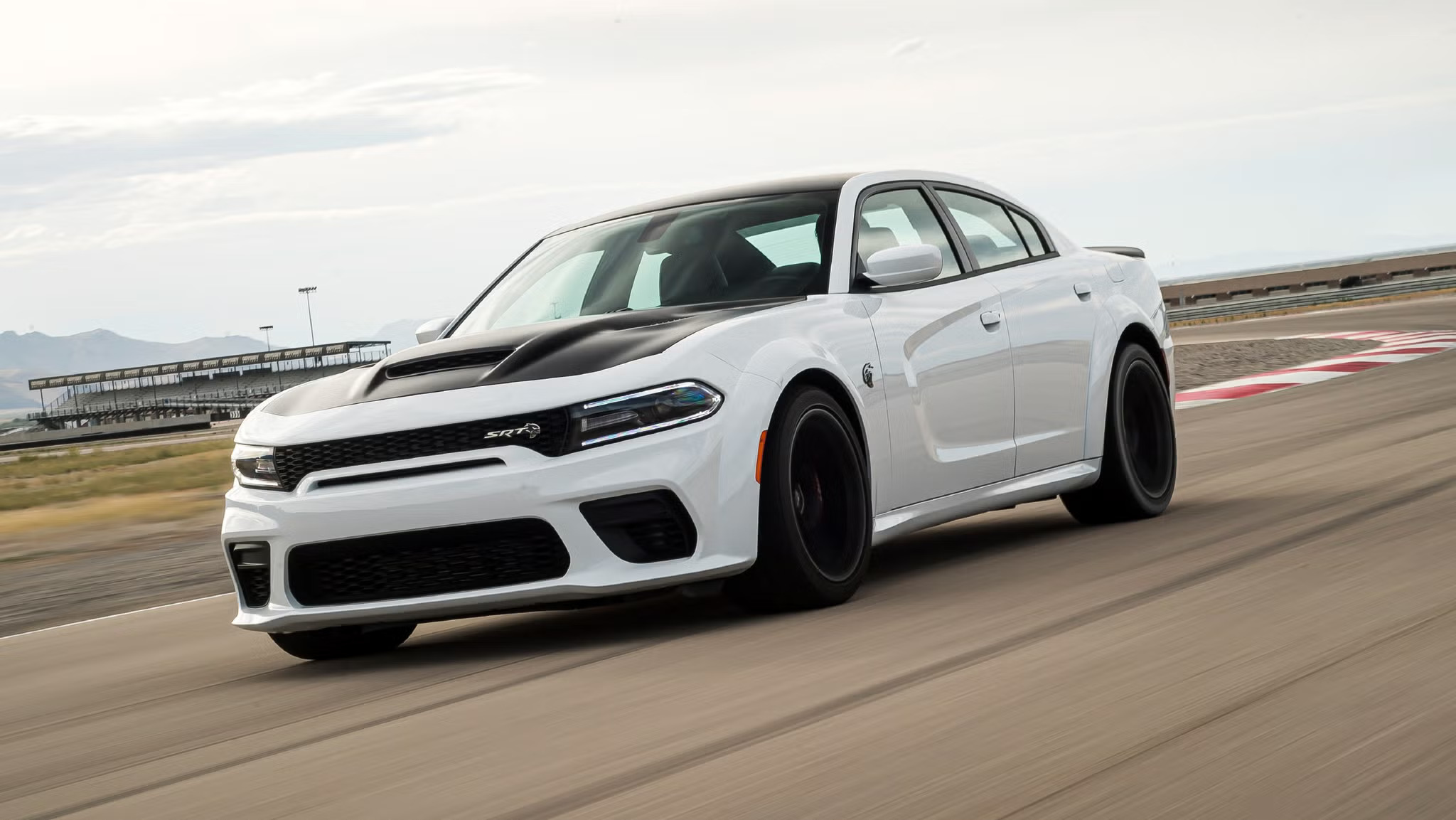
The Hellcat Charger launches to 60 mph in approximately 3.6 seconds. That is supercar territory faster than many dedicated sports cars costing twice or three times the price. A four-door family sedan with this kind of acceleration is genuinely shocking to witness in person.
The trap that unsuspecting drivers fall into is seeing what looks like a standard Charger and treating it accordingly. They pull up expecting easy prey. The moment the driver selects launch control and the supercharger whines, the terror sets in immediately.
The Hellcat’s exhaust note is one of the great sounds in American automotive history. That supercharged howl combined with V8 thunder creates a soundtrack that rewrites every assumption about what a big American sedan should sound like. It announces its intentions brutally and without apology.
Dodge deliberately maintains visual similarity across the Charger lineup for exactly this reason. They understand the sleeper appeal. A plain-looking four-door sedan that destroys Corvettes at the drag strip is one of the greatest car stories in modern America.
The tire wear on a Hellcat Charger is legendary among owners. The 717-horsepower output destroys rear tires with alarming enthusiasm during spirited driving. Budget for regular tire replacement if you intend to explore its capabilities regularly.
The Hellcat Charger is proof that America still understands how to build automotive weapons that hide in plain sight. It is the perfect American muscle car for the modern era brutal, massive, surprisingly practical, and utterly devastating when you least expect it.
2. Tesla Model S Plaid
Nobody walking past a Tesla Model S in a parking lot would describe it as threatening. It looks like a sophisticated, upscale electric sedan — the kind of car driven by tech executives on their way to important meetings. It is sleek, quiet, and radiates calm corporate efficiency.
The Model S design is handsome and elegant without being aggressive. There are no spoilers, no hood scoops, no visual cues suggesting that something dangerous lives within the bodywork. It looks expensive in a subtle, understated way that communicates success rather than speed.
Then someone mentions the Plaid variant’s performance numbers, and everything changes. The Model S Plaid produces approximately 1,020 horsepower through its tri-motor electric drivetrain. That figure requires a moment to process because it seems impossible for something that looks this composed.
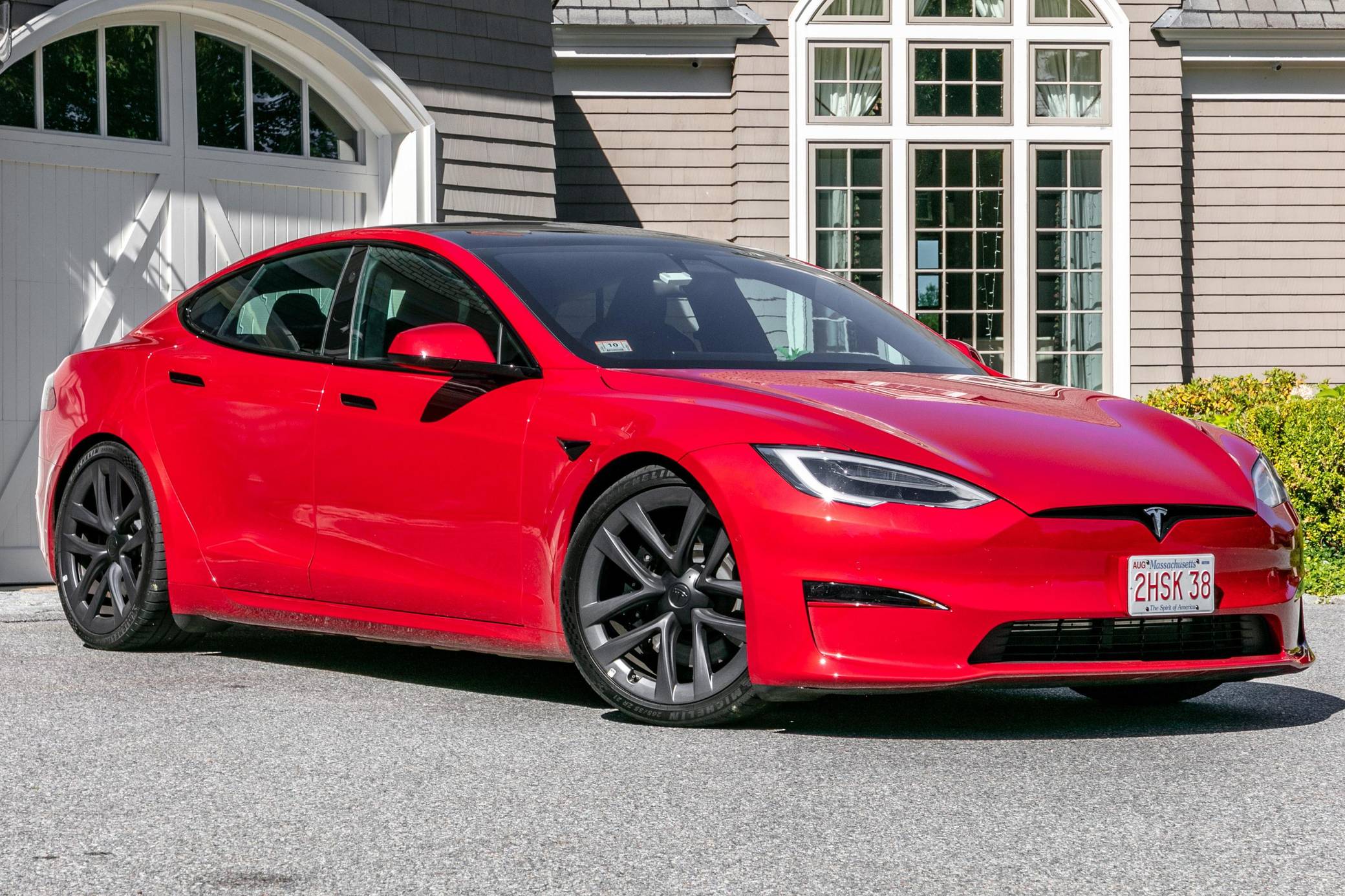
The Model S Plaid covers 0-60 mph in approximately 1.99 seconds. That is not a typo. Under two seconds to sixty miles per hour, in a full-size luxury sedan with a back seat that fits adults comfortably. It is one of the most staggering performance achievements in automotive history.
What makes the Plaid so effective as a sleeper is its complete silence. Internal combustion cars announce their performance intentions through sound. The Model S Plaid simply disappears in complete silence, leaving drivers of sports cars genuinely confused about what just happened.
Drag strips across America have witnessed the Model S Plaid humiliating Ferraris, Lamborghinis, and Porsches on a regular basis. The owners of those exotic cars see a family-looking sedan line up beside them and feel confident. That confidence evaporates in approximately two seconds.
The interior of the Model S is genuinely luxurious. The massive screen, premium materials, and spacious cabin provide a first-class travel experience. Nothing about sitting inside suggests you are in the fastest production sedan ever built. The contrast is extraordinary.
Range anxiety is the only real concern with electric vehicles, but the Model S Plaid offers over 390 miles of range. It is fast, practical, luxurious, and almost completely invisible as a performance machine. That combination makes it uniquely threatening in the best possible way.
The Model S Plaid has fundamentally changed what fast looks like in America. It proved that a sensible-looking four-door can be the quickest thing at any stoplight in the country, and nobody will see it coming.
3. BMW M5 (Current Generation)
The BMW M5 has been the definitive executive sleeper for decades. To the untrained eye, it looks exactly like a regular BMW 5 Series a tasteful, professional luxury sedan favored by lawyers, doctors, and business executives. It blends perfectly into corporate parking lots worldwide.
The M5’s visual modifications are deliberately restrained. Quad exhaust pipes, subtle M badges, wider body panels, and larger brake calipers are the only real giveaways. BMW understands that part of the M5’s charm is its invisibility among ordinary 5 Series sedans on the road.
The current M5 Competition packs a twin-turbocharged 4.4-liter V8 producing 617 horsepower. This engine, combined with BMW’s advanced M xDrive all-wheel drive system, creates a vehicle that defies every assumption about how a conservative-looking luxury sedan should perform.
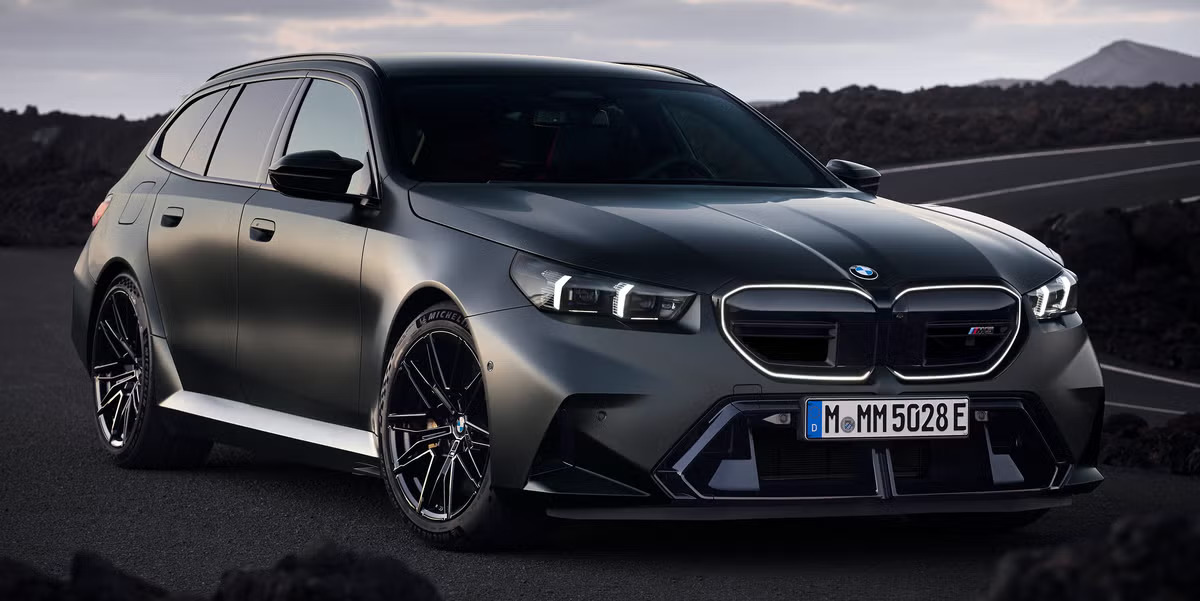
The 0-60 mph sprint takes approximately 3.1 seconds in Competition form. That is faster than most dedicated sports cars. The M5 will then continue accelerating with absolute conviction to a limited top speed of 190 mph in M Driver’s Package specification. These numbers are genuinely remarkable for something this anonymous-looking.
The M5’s handling is where the real sophistication emerges. It is not merely fast in a straight line it handles corners with the precision and balance of a true sports car. The M engineers have somehow made a large, heavy luxury sedan behave like something half its size.
Corporate America unknowingly funds some of the M5’s best sleeper moments. Executives who lease M5s purely for the prestige of the BMW badge occasionally discover what the car can truly do. The surprise on their own faces is reportedly quite something to witness.
The interior comfort is benchmark-setting. Heated and ventilated seats, premium audio, and genuine quality materials make every journey pleasant. You can drive it across the country in total comfort, then destroy a Porsche 911 at the next opportunity. The versatility is extraordinary.
The M5 is the car that automotive journalists reach for when defining the word “sleeper.” It has held that distinction with remarkable consistency across multiple generations. Each new M5 is faster, more refined, and somehow even less obvious than its predecessor.
For anyone wanting genuine supercar performance wrapped in complete anonymity, the BMW M5 remains the gold standard. It is the consummate executive sleeper fast enough to humble almost anything, subtle enough that nobody will ever know until it is too late.
4. Cadillac CT5-V Blackwing
Most people see a Cadillac sedan and think comfortable, quiet, and dignified. Cadillac has spent over a century cultivating an image of luxury and refinement. The CT5 looks like exactly what that brand promise suggests a large, comfortable American luxury sedan for discerning buyers.
The CT5’s styling is handsome and proportionate without being visually aggressive. It has Cadillac’s distinctive angular design language, vertical LED headlights, and a substantial presence. It looks expensive and tasteful, not fast and dangerous. Grandparents and executives both feel comfortable driving one.
The CT5-V Blackwing variant, however, contains a supercharged 6.2-liter V8 engine producing 668 horsepower. This engine derived from the Corvette Z06’s LS9 unit has no business being under the hood of something that looks this polite and well-mannered. Yet there it is.
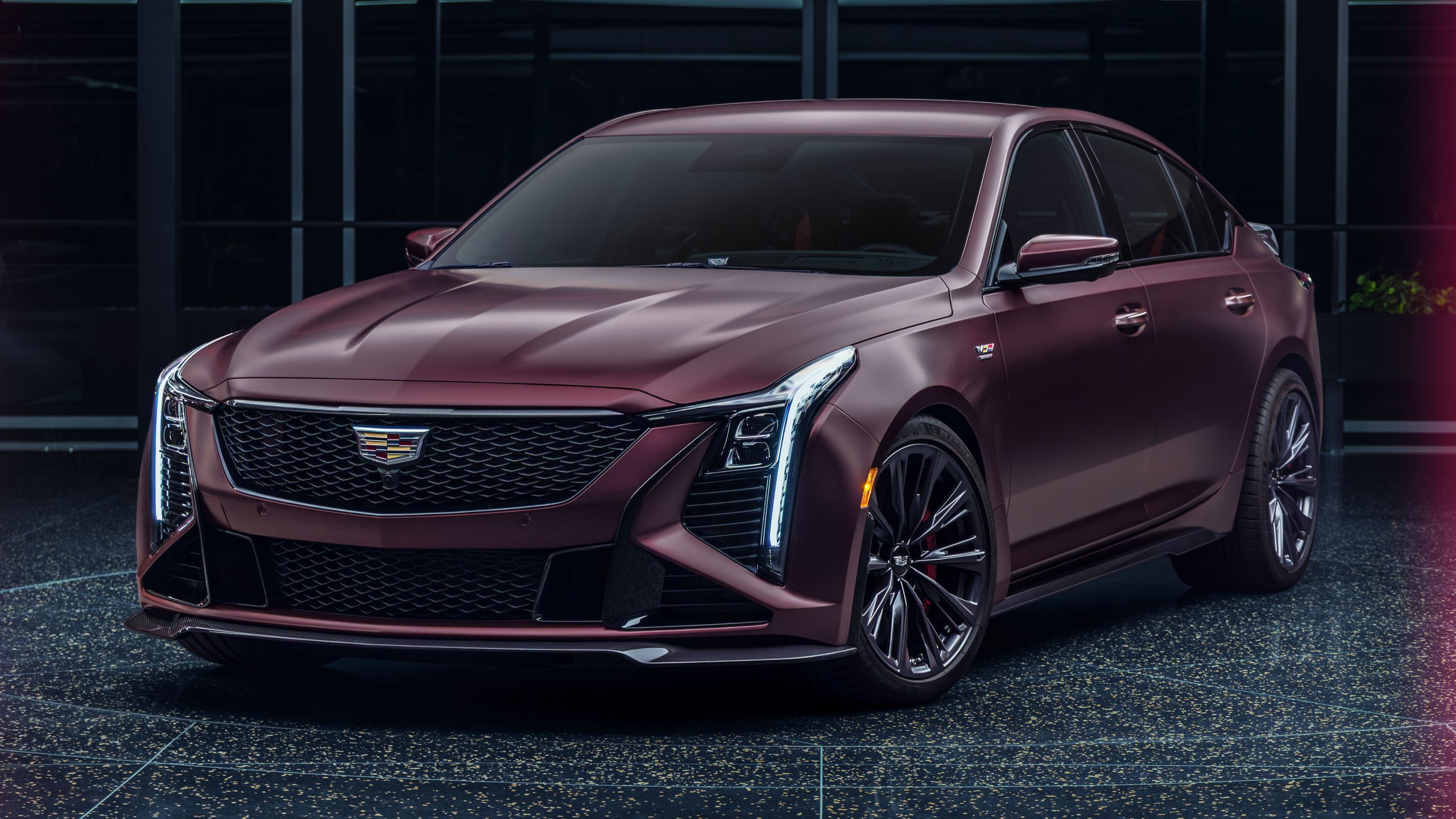
Zero to sixty mph arrives in approximately 3.4 seconds. The Blackwing is faster than many dedicated sports cars while simultaneously offering a trunk large enough for golf bags and a rear seat comfortable enough for long journeys. The contradiction is spectacular and wonderful.
General Motors engineers added a six-speed manual transmission option a remarkable decision in an era when most performance cars have abandoned the stick shift entirely. This makes the Blackwing the only supercharged V8 luxury sedan with a manual gearbox. It is an extraordinary commitment to driving engagement.
The Blackwing badge means nothing to ordinary people on the street. They see a Cadillac. They think comfortable highway cruiser. They have absolutely no idea that the car beside them at the red light can leave a Ferrari behind if the driver chooses to press the accelerator properly.
Cadillac positions the Blackwing as a competitor to the BMW M5 and Mercedes-AMG E63. In performance terms, it absolutely deserves that comparison. In terms of recognition and street credibility, however, ordinary Americans simply do not know what a CT5-V Blackwing represents. That anonymity is its greatest weapon.
The interior reflects Cadillac’s growing commitment to genuine luxury. The materials, technology, and attention to detail have improved dramatically in recent years. It is a genuinely pleasant place to spend time at any speed.
The CT5-V Blackwing is America’s finest sleeper sedan. It carries generations of comfortable, dignified brand heritage as camouflage while hiding one of the most potent performance powertrains available in any production car at any price. The deception is complete and absolutely delicious.
5. Honda Civic Type R
Nobody fears a Honda Civic. As America’s beloved economy car for generations, the Civic has built its reputation on reliability, affordability, and sensible transportation. Even people who care nothing about cars know what a Honda Civic is, and they do not associate the name with fear.
The current Civic Type R does have a large wing and aggressive styling that hints at performance. But the fundamental Civic identity is so deeply embedded in American automotive culture that most drivers still see the logo and think grocery getter. The red H badge does not immediately communicate danger.
What lives under that Civic hood is a 2.0-liter turbocharged four-cylinder engine producing 315 horsepower. This engine, connected to a short-ratio six-speed manual gearbox and an advanced limited-slip differential, produces performance that completely transcends the car’s humble origins and price bracket.
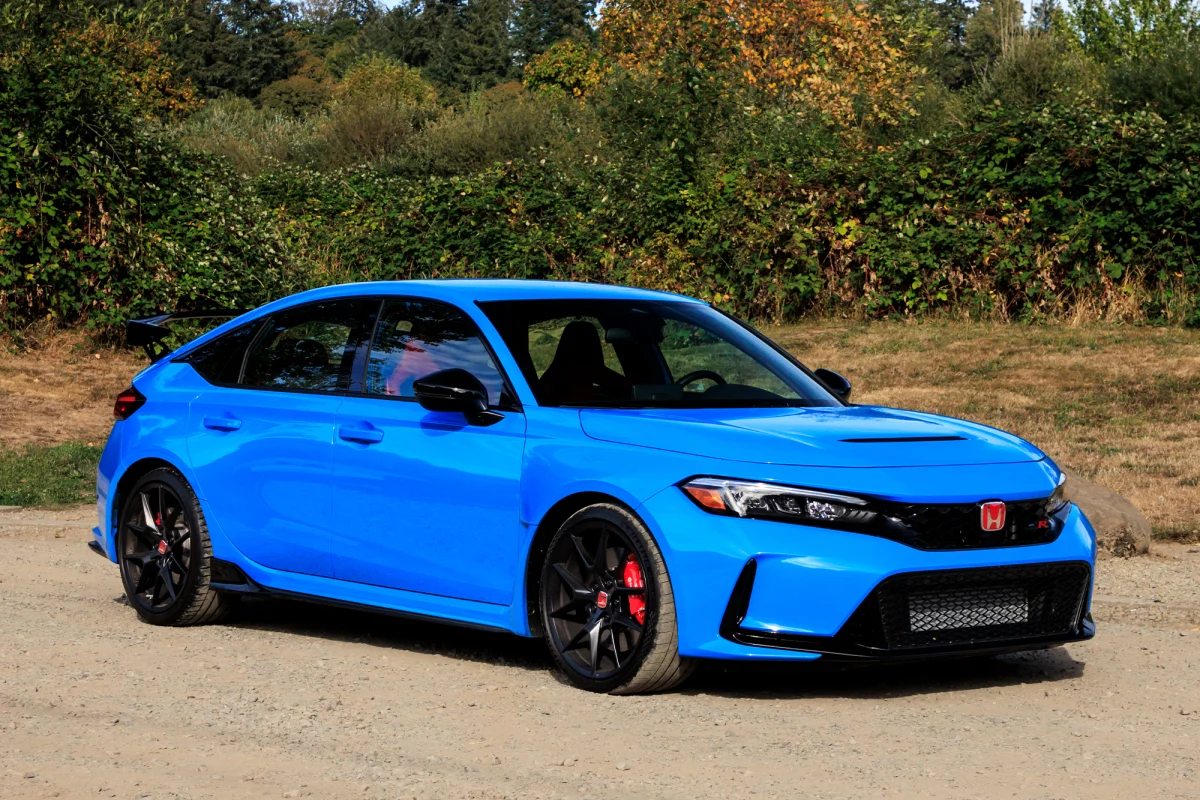
The Type R covers 0-60 mph in approximately 4.9 seconds. More impressively, it devastates dedicated sports cars in corner-to-corner lap time. It broke the front-wheel drive lap record at the Nürburgring the most demanding racetrack, multiple times across its generations.
Pulling up to a stoplight in what appears to be a sporty Honda sends a very specific message that does not include “I will humiliate your sports car.” That assumption works enormously in the Type R’s favor. The driver knows what the car can do. Nobody else at that intersection does.
The manual transmission in the Type R is one of the finest available in any car at any price. The short throws, precise gates, and satisfying mechanical feel make every gear change an event. Driving it is a deeply engaging experience that rewards skill and attention.
Honda’s engineering culture built on precision, efficiency, and continuous improvement is perfectly expressed in the Type R. It is not fast through brute force. It achieves its performance through engineering intelligence, weight management, and aerodynamic efficiency. It is fast the smart way.
Many American muscle car owners have embarrassingly underestimated the Civic Type R at traffic lights and on mountain roads. The look of confusion on their faces when a Honda stays with them through corners is reportedly one of life’s great small pleasures for Type R owners.
The Civic Type R proves that an economy car brand can produce a genuine performance weapon. It wears the Civic identity as perfect camouflage while delivering driving experiences that shame far more expensive and visually dramatic machines.
6. Volvo V90 T8 Polestar Engineered
When you think of Volvo, you think of safety, Scandinavian practicality, and sensible family transportation. Volvo has built its entire global brand identity around being responsible, safe, and trustworthy. A Volvo wagon parked on any American street communicates school runs and family vacations, not motorsport ambition.
The V90 wagon looks exactly like that brand promise suggests. It is tall, practical, beautifully designed in a restrained Nordic way, and radiates the kind of quiet confidence that appeals to architects and academics. Nothing about it says “please do not embarrass yourself by challenging this car.”
The T8 Polestar Engineered variant uses a plug-in hybrid powertrain combining a 2.0-liter turbocharged and supercharged four-cylinder engine with an electric motor on the rear axle. Combined system output reaches 415 horsepower and 494 pound-feet of torque. In a Volvo wagon. With a massive cargo area and rear seats that fold flat.
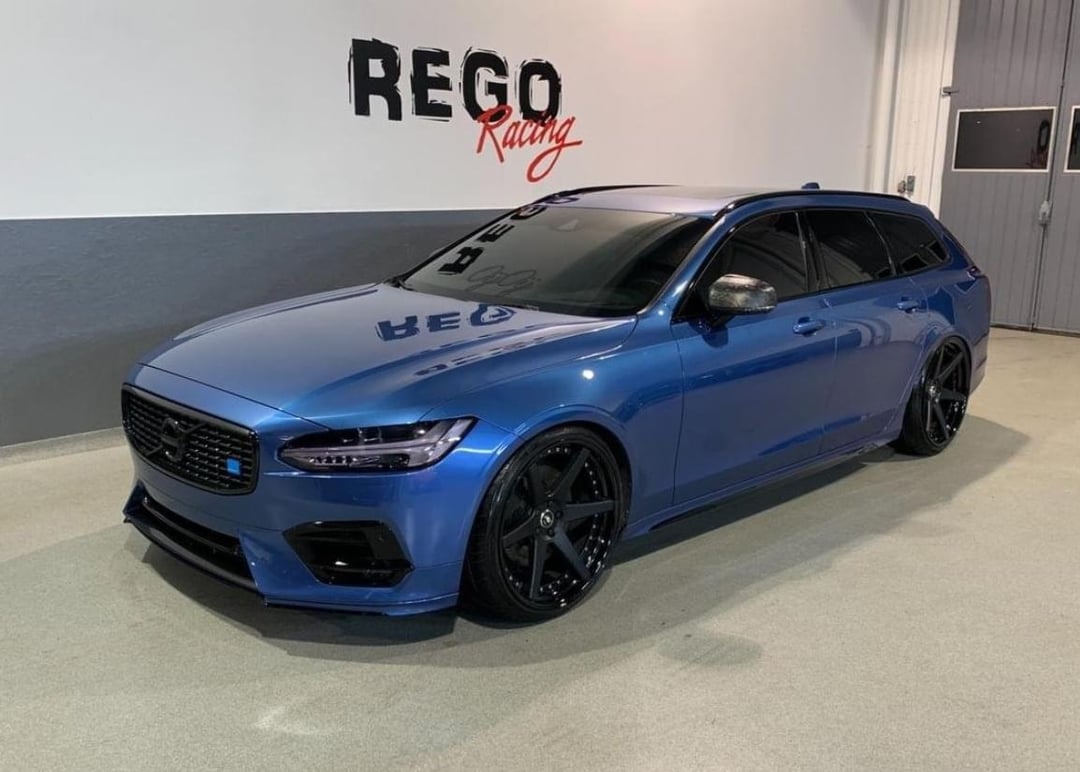
Zero to sixty mph arrives in approximately 4.4 seconds. That number does not adequately capture how shocking it feels when a Volvo family wagon silently and effortlessly disappears into traffic from a standing start. The sensation of instant electric torque from something this large and practical is deeply disorienting.
The Polestar Engineered name refers to Volvo’s performance division, which has calibrated the suspension, brakes, and engine management specifically for driving engagement. The V90 actually handles remarkably well for its size and shape. It is not just straight-line fast it responds to driver inputs with genuine precision.
The V90 T8 Polestar Engineered is perhaps the most complete sleeper on this list. It offers more practicality, more safety, more style, and more performance than its appearance suggests and it does all of it while looking exactly like the responsible family wagon you would never expect to race.
Also Read: 5 Trucks With Heavy Duty Cooling for Arizona Heat vs 5 That Overheat Fast
