

Car ownership comes with responsibilities that go beyond fueling up and driving. A vehicle like the Nissan Juke, known for its sporty look and compact size, can only serve well if it is properly maintained. Many drivers often focus on how stylish or efficient a car feels, but forget that proper care is what keeps a car running smoothly.
When a car begins to show signs of stress, it often means that routine attention has been ignored for too long. The Nissan Juke, just like any other modern car, depends on timely service, simple checks, and careful handling to stay reliable.
Drivers who depend on their Juke for daily commutes or longer trips know how frustrating a sudden breakdown can be. What may start as a small fault can grow into a major repair if not handled early.
Issues such as oil sludge, weak batteries, or faulty brakes can be avoided if preventive measures are put in place. The beauty of preventive care is that it reduces stress, saves money, and extends the life of the car.
To keep a Nissan Juke dependable, a driver must understand what actions preserve its condition. These are not tasks meant only for mechanics but also simple routines that an average driver can carry out. With the right attention, the Juke can serve its purpose for many years without constant trips to the repair shop.
By taking steps such as timely oil changes, tire care, and monitoring of fluid levels, the car remains trustworthy. What makes the difference is consistency and commitment to small actions that protect the car from wear.
We will show eight practical moves that help prevent the Nissan Juke from breaking down. Each of them plays a role in keeping the vehicle healthy, and each one can be adopted easily by drivers who want to protect their car from unnecessary trouble.
1. Regular Engine Oil Change
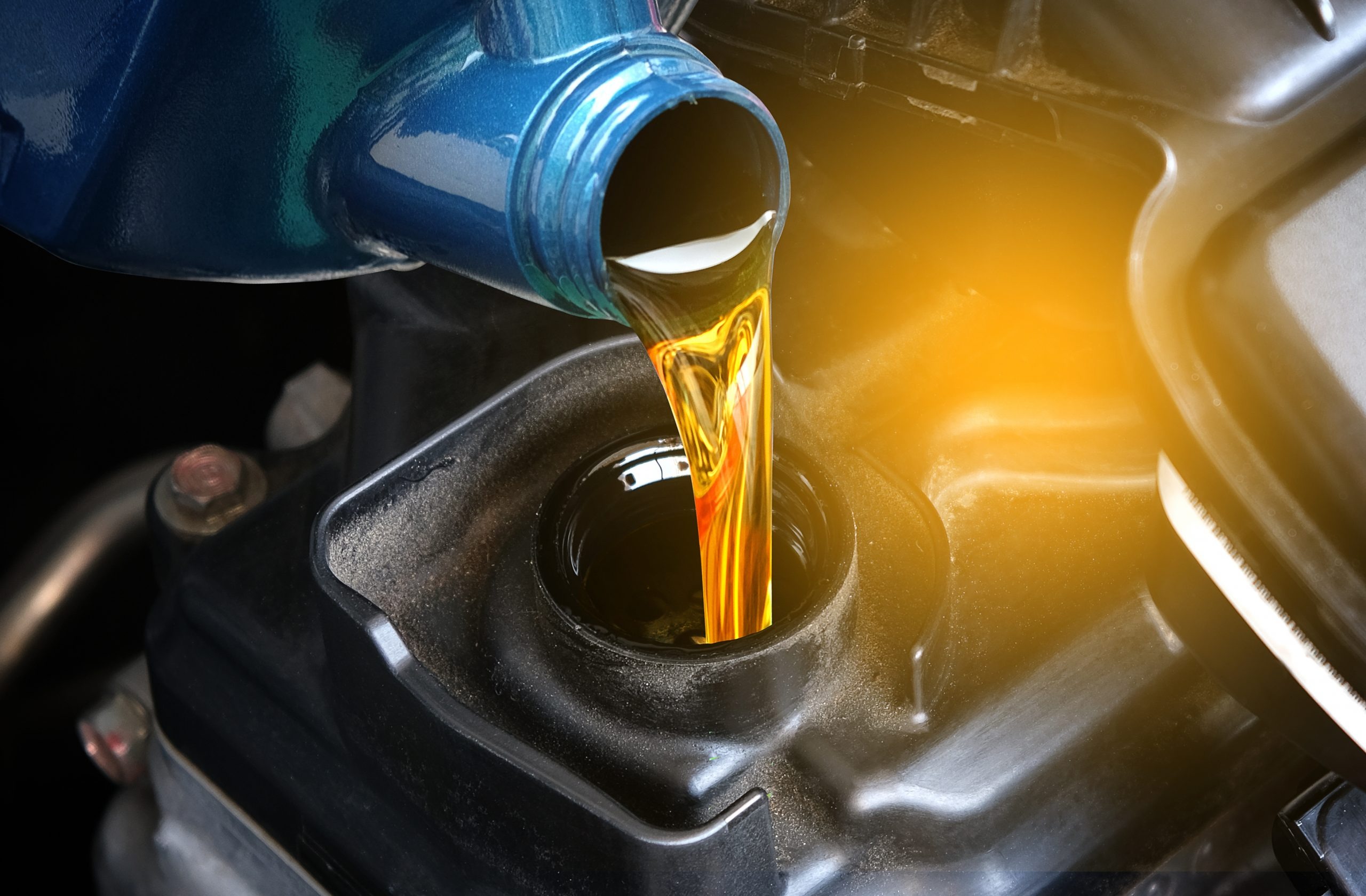
Engine oil is the lifeblood of a car’s engine. It keeps moving parts lubricated, reduces heat, and prevents friction from damaging the system. For a Nissan Juke, ignoring oil change schedules is one of the quickest ways to shorten the life of the engine.
When oil becomes dirty, it forms sludge that clogs important pathways, making the engine work harder than it should. Dirty oil loses its ability to protect the engine, which leads to wear and early damage. Car makers usually recommend specific intervals for oil changes, but drivers should also consider their driving habits.
If the Juke is often used in heavy traffic, short trips, or dusty environments, the oil will degrade faster. In such cases, it is wise to replace oil earlier than the normal schedule. Fresh oil keeps the engine smooth and ensures that power is delivered without stress.
Equally important is the oil filter, which traps dirt and prevents it from entering the system. Changing oil without replacing the filter reduces the benefit because old filters release trapped particles back into the oil. A driver who makes sure both the oil and filter are replaced together gives the engine proper protection.
Another point to consider is the type of oil. The Nissan Juke may require synthetic oil, semi-synthetic, or conventional oil depending on the model year and engine type. Using the right grade is critical because the wrong oil can either be too thin or too thick, reducing efficiency. Drivers should always confirm the recommended grade in their owner’s manual before making a choice.
By keeping oil fresh and filters clean, the Juke is shielded from many engine-related problems. A simple oil change routine can be the difference between an engine that runs for years and one that fails prematurely.
2. Monitoring Tire Condition and Pressure
Tires are the only part of a car that touches the road, yet many drivers overlook their condition. A Nissan Juke relies on healthy tires for stability, fuel efficiency, and safety. Poor tire maintenance can lead to blowouts, uneven wear, or poor grip, all of which may put the driver at risk. Checking tire pressure and inspecting for damage is a habit every Juke owner should adopt.
When tire pressure is too low, the car consumes more fuel because the engine has to work harder to push the vehicle forward. Low pressure also makes steering heavy and shortens the life of the tires.
Overinflated tires reduce grip and increase the chances of sliding on wet roads. Maintaining the pressure recommended by the manufacturer is the safest way to achieve a balance between performance and safety.
Uneven wear is another issue that weakens tires. This often comes from poor alignment, worn suspension, or failure to rotate the tires. Rotating the tires every few thousand miles ensures even wear, giving all four tires a longer lifespan. It also keeps the ride smooth and improves fuel economy.
Tire inspection should not stop at pressure and wear. Drivers should check for cuts, bulges, or nails that may have pierced the surface. Small damages, if ignored, can lead to sudden bursts while driving at high speed. Replacing worn or damaged tires immediately prevents accidents and keeps the Juke reliable.
Investing in good-quality tires is equally important. Cheap or poor-quality options may save money initially, but they wear faster and may not handle well during emergencies. A reliable set of tires is part of preventive care that saves both money and life. By giving tires the attention they deserve, a Nissan Juke owner strengthens one of the most important areas of the vehicle’s safety and durability.
Also Read: 10 Things That Keep a Nissan 370Z Reliable Forever
3. Keeping the Battery in Good Condition
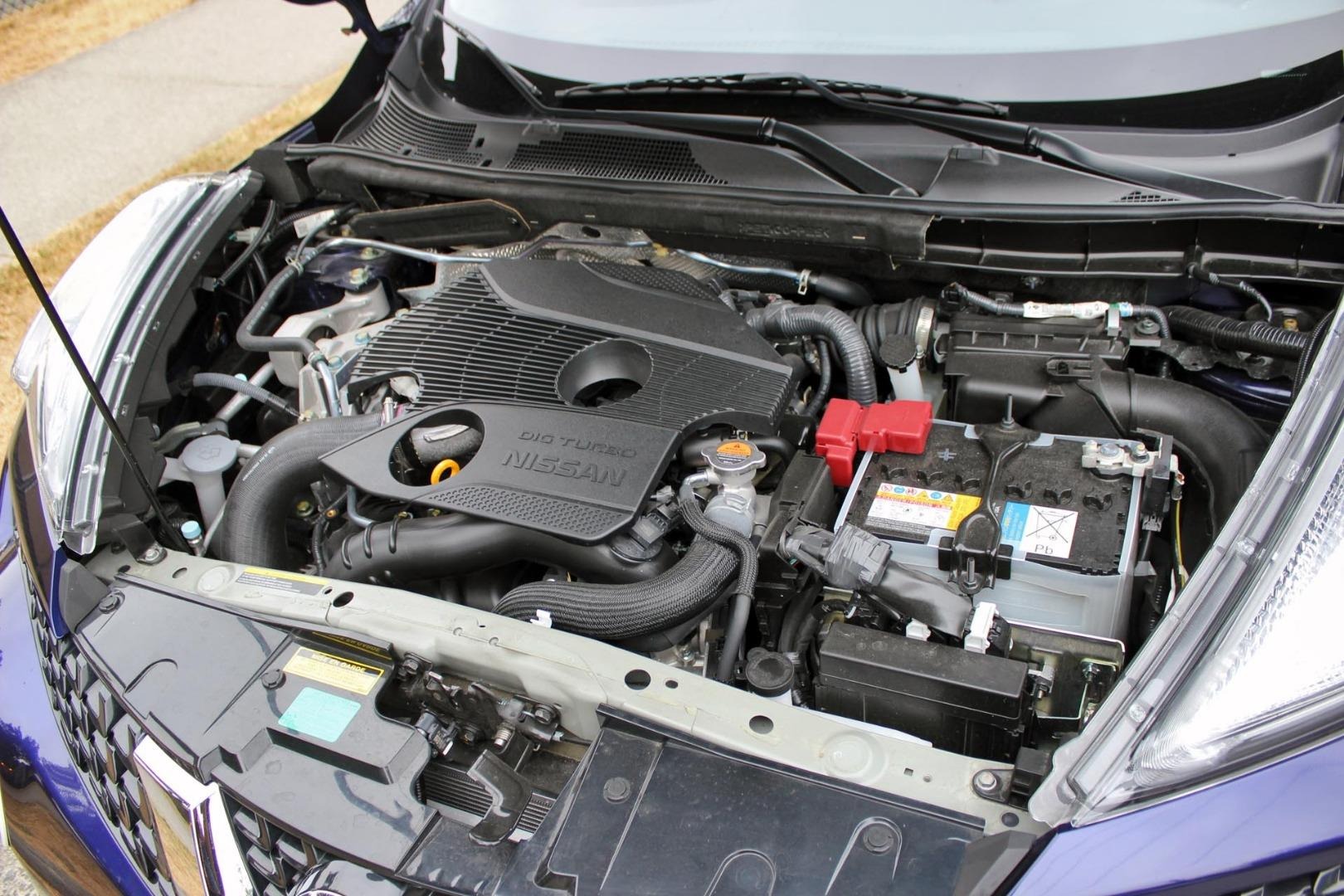
A healthy battery is what powers the starter motor, electronics, and many other features of the Nissan Juke. Without it, the car will not even come alive. Many drivers assume the battery will serve endlessly until one morning the car refuses to start. Preventing this situation requires simple but consistent habits that keep the battery in top shape.
Batteries usually have a limited life span of about three to five years, depending on use and climate. Hot weather, frequent short trips, or leaving lights on when the engine is off can drain it faster. One simple preventive step is to always switch off all electrical systems before turning off the ignition. This ensures the battery is not under unnecessary strain.
Regular inspection of battery terminals is another smart move. Corrosion often forms on the terminals, creating poor contact that affects performance. Cleaning the terminals with a brush and applying a protective spray or petroleum jelly keeps them in good shape. Loose connections should also be tightened to avoid a sudden loss of power.
For drivers who park their Juke for long periods, using a battery maintainer is wise. This device supplies a small amount of charge that keeps the battery alive without overcharging it. Allowing a car to sit idle for too long without care is one reason batteries fail earlier than expected.
Replacing the battery before it completely fails is also a safe practice. When it begins to struggle during ignition or shows signs of weakness, it is better to replace it rather than wait until the car stalls at an inconvenient time. By taking these measures, the battery will always be reliable, and the Juke will start smoothly every time.
4. Checking and Maintaining the Brake System
The braking system is one of the most crucial safety features of any vehicle, and the Nissan Juke is no different. A car can have the best engine or the strongest tires, but without reliable brakes, it cannot be considered safe. Many breakdowns and accidents are linked to brake neglect.
When drivers pay attention to their brake system regularly, they not only prevent sudden failures but also extend the lifespan of other parts. The brake system is made up of pads, rotors, calipers, fluid lines, and the master cylinder. Each of these components works together to stop the car.. As time goes on, brake pads wear out because of friction against the rotors.
Worn pads produce squealing sounds, longer stopping distances, or vibrations when pressing the pedal. Ignoring these early signs may cause damage to the rotors, which are more expensive to replace. Changing brake pads at the right time is a cheaper and safer option.
Brake fluid is another area that demands attention. This fluid transmits pressure from the pedal to the brake components. As it ages, it absorbs moisture and loses effectiveness. Moisture in the system also corrodes metal parts. Flushing and replacing brake fluid every two to three years keeps the system efficient. A spongy brake pedal is often a sign that the fluid needs attention.
Another step is to inspect brake lines for leaks and ensure that the parking brake engages properly. Many drivers forget about the parking brake until they park on a hill, only to find it does not hold. A quick test every few weeks can prevent such surprises.
When drivers hear grinding noises or notice reduced stopping power, it is better to address the problem immediately rather than delay repairs. Small issues grow into bigger repairs if ignored.
Safe driving depends on quick response during emergencies, and good brakes provide that confidence. By keeping the brake system clean, lubricated, and properly serviced, a Nissan Juke owner can reduce the risk of accidents and prevent costly failures.
5. Monitoring Cooling System and Radiator
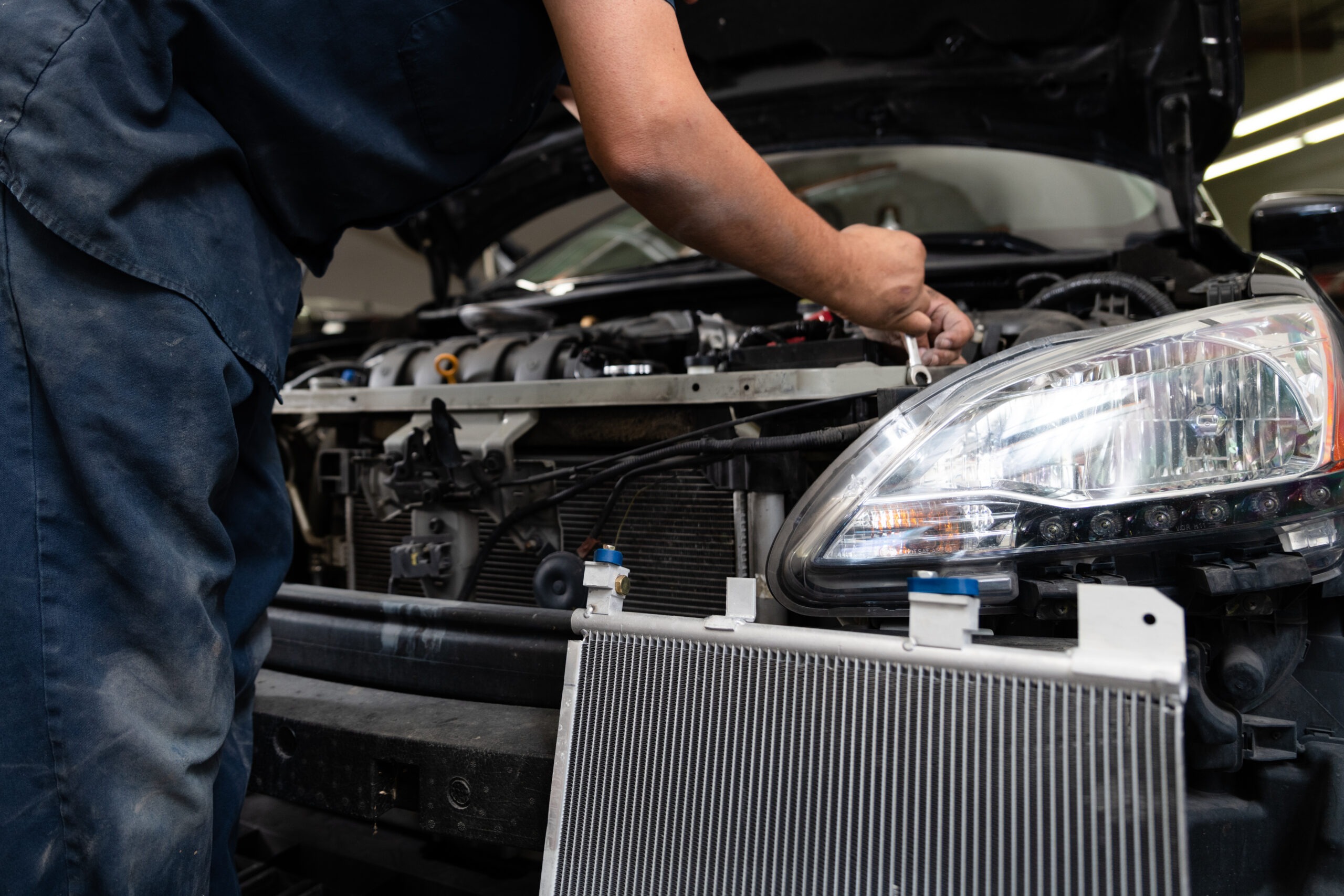
Engines generate heat every time they run, and without a cooling system, they would overheat quickly. The Nissan Juke depends on its radiator, coolant, hoses, and thermostat to regulate temperature.
When this system fails, the result can be a breakdown or severe engine damage. Preventive care of the cooling system is one of the smartest moves a driver can make to protect the vehicle. Coolant, often referred to as antifreeze, is the liquid that circulates through the engine to absorb heat. As time goes on, coolant breaks down and loses its ability to perform effectively.
Old coolant also causes corrosion inside the radiator and water pump. Replacing coolant at intervals recommended in the owner’s manual ensures the system remains efficient. Drivers should never use plain water alone because it cannot protect against rust or freezing.
Hoses connected to the radiator carry coolant to and from the engine. These hoses can develop cracks, bulges, or leaks after long use. A sudden burst hose can cause coolant loss and immediate overheating. Inspecting hoses for softness, swelling, or damage prevents surprises on the road. Replacing weak hoses before they burst is a preventive action that saves the engine.
The radiator itself should be kept clean. Dirt, insects, and debris often clog the fins, blocking airflow. Washing the radiator gently with water helps restore proper cooling. Drivers should also pay attention to the thermostat, which controls when coolant flows. A stuck thermostat may cause overheating or underheating, both of which reduce efficiency.
Another useful habit is to check the temperature gauge regularly while driving. If the needle rises above normal, it signals trouble. Pulling over quickly and turning off the engine can prevent permanent damage. Some drivers ignore warning lights or high temperature readings, which leads to blown head gaskets or warped engine parts.
By flushing the coolant system, inspecting hoses, and cleaning the radiator, the Juke’s cooling system will perform reliably. This preventive care gives peace of mind, especially during hot weather or long trips.
6. Transmission Care and Fluid Checks
Transmission problems are among the most expensive repairs a car owner can face. For the Nissan Juke, caring for the transmission is a smart move that saves money and stress. The transmission is responsible for transferring power from the engine to the wheels, and without it the car cannot move. Preventing transmission failure is possible through routine checks and maintenance.
Transmission fluid is essential for smooth shifting and for keeping internal parts lubricated. With time, this fluid collects dirt and loses its effectiveness. Dirty or low transmission fluid leads to hard changes, slipping gears, or delayed acceleration. Checking the fluid regularly and replacing it when it becomes dark or burnt is a preventive measure that extends transmission life.
Different Juke models may come with either manual or automatic transmissions. Automatic versions are more sensitive to fluid condition, while manual ones rely more on clutch health. Drivers of manual Jukes should avoid resting their foot on the clutch pedal, as this habit wears out the clutch faster. Automatic drivers should avoid constant stop-and-go acceleration, which stresses the system.
Transmission filters, where fitted, should also be replaced when servicing the car. These filters trap debris that could otherwise damage the system. Ignoring filter replacement reduces the benefit of fresh fluid.
Another important habit is to drive gently when the car is cold. At start-up, fluids are thick and need time to circulate properly. Accelerating too hard immediately after ignition stresses the transmission. Allowing the car to warm for a few minutes before heavy driving helps protect it.
Strange noises, grinding, or slipping should never be ignored. Seeking professional attention early prevents total failure. Some issues may only require a fluid top-up or minor adjustments if caught early.
Drivers who service their transmission on schedule enjoy smoother rides and avoid costly replacements. By treating the transmission as carefully as the engine, the Nissan Juke remains reliable for many years.
7. Paying Attention to Suspension and Steering
Comfort and control depend largely on the suspension and steering system. Many drivers only think about these parts when the ride becomes rough or the steering feels loose. The Nissan Juke, with its compact design, depends on a well-maintained suspension system to handle corners, bumps, and daily driving stress. Preventive care in this area reduces breakdowns and improves safety.
The suspension is made up of shocks, struts, springs, bushings, and control arms. Each part works to absorb road impact and keep the tires in contact with the ground. When shocks or struts wear out, the car begins to bounce excessively and loses stability. This not only reduces comfort but also affects braking distance. Replacing worn shocks restores stability and protects other parts from stress.
Bushings and ball joints wear out with time, leading to clunking noises or poor handling. Drivers should listen for unusual sounds when turning or driving over bumps. These are signs that suspension parts need attention. A worn suspension also causes uneven tire wear, which shortens tire life.
Steering fluid, for models equipped with hydraulic steering, should also be checked. Low fluid makes steering stiff and may damage the pump. For electric steering versions, paying attention to warning lights or unusual heaviness helps detect issues early.
Wheel alignment and balancing form another part of suspension care. Misalignment causes the car to pull to one side, reduces fuel efficiency, and wears tires unevenly. Getting alignment checked regularly keeps the ride smooth and prevents strain on the steering system.
Ignoring suspension problems makes driving unsafe and uncomfortable. The Juke is built to be agile, but without a healthy suspension, it loses that advantage. By inspecting suspension parts, replacing worn components, and keeping the steering system clean, drivers ensure that the Juke handles well on every trip.
Also Read: 10 Steps That Keep a Nissan Sentra Running Strong for Families

8. Practicing Smart Driving Habits
Even the best-maintained car can suffer if the driver handles it carelessly. Driving habits have a direct effect on how long the Nissan Juke lasts without breaking down. Preventive care is not only about replacing fluids or checking systems, but also about how the car is driven daily.
Aggressive driving, such as sudden acceleration, hard braking, or sharp cornering, puts stress on every part of the vehicle. The engine consumes more fuel, the brakes wear faster, and the suspension suffers from constant impact. By driving smoothly and anticipating stops, drivers reduce wear on many parts at once.
Another smart practice is to avoid overloading the car. The Juke is compact and has a weight limit that should not be exceeded. Carrying an excessive load strains the suspension, brakes, and engine. Even roof racks add wind resistance that reduces fuel economy. Keeping within weight limits extends the life of the car.
Idling for long periods is another habit that wastes fuel and puts unnecessary stress on the engine. Modern engines do not need long warm-ups. Starting the car, waiting briefly, and driving gently is better than leaving it idling for minutes.
Road choice also matters. Driving on rough or unpaved roads constantly without care wears out the suspension and tires faster. If such roads cannot be avoided, driving slowly helps reduce damage. Parking carefully also prevents damage to tires and suspension. Hitting curbs or potholes at high speed causes long-term harm.
Regular listening and observation are part of smart driving. Drivers should pay attention to unusual sounds, vibrations, or warning lights. These are early signs of problems. Addressing them quickly prevents bigger repairs. Driving with care and respect for the vehicle is one of the simplest ways to keep it reliable.
Keeping a Nissan Juke in strong condition is not about waiting for problems to appear but about preventing them through consistent care. Every step explained, from oil changes and brake checks to battery care and smart driving habits, works together to protect the car from unnecessary trouble.
When these actions are carried out regularly, the vehicle stays dependable and delivers comfort without frequent visits to a mechanic. Preventive maintenance saves both money and time.
Instead of spending heavily on major repairs, a driver invests in smaller and more affordable routines that secure the car’s health. A well-maintained Juke is not only safer but also more enjoyable to drive, giving the owner confidence on short city trips and long highway journeys.
What stands out is that these moves are not complicated or out of reach for an average driver. They simply require attention, discipline, and consistency. By staying ahead of small issues, the Nissan Juke owner creates peace of mind and avoids the stress that comes with sudden breakdowns. Preventive care ensures that the Juke remains a reliable companion for many years, proving that smart habits always keep a car at its best.
