
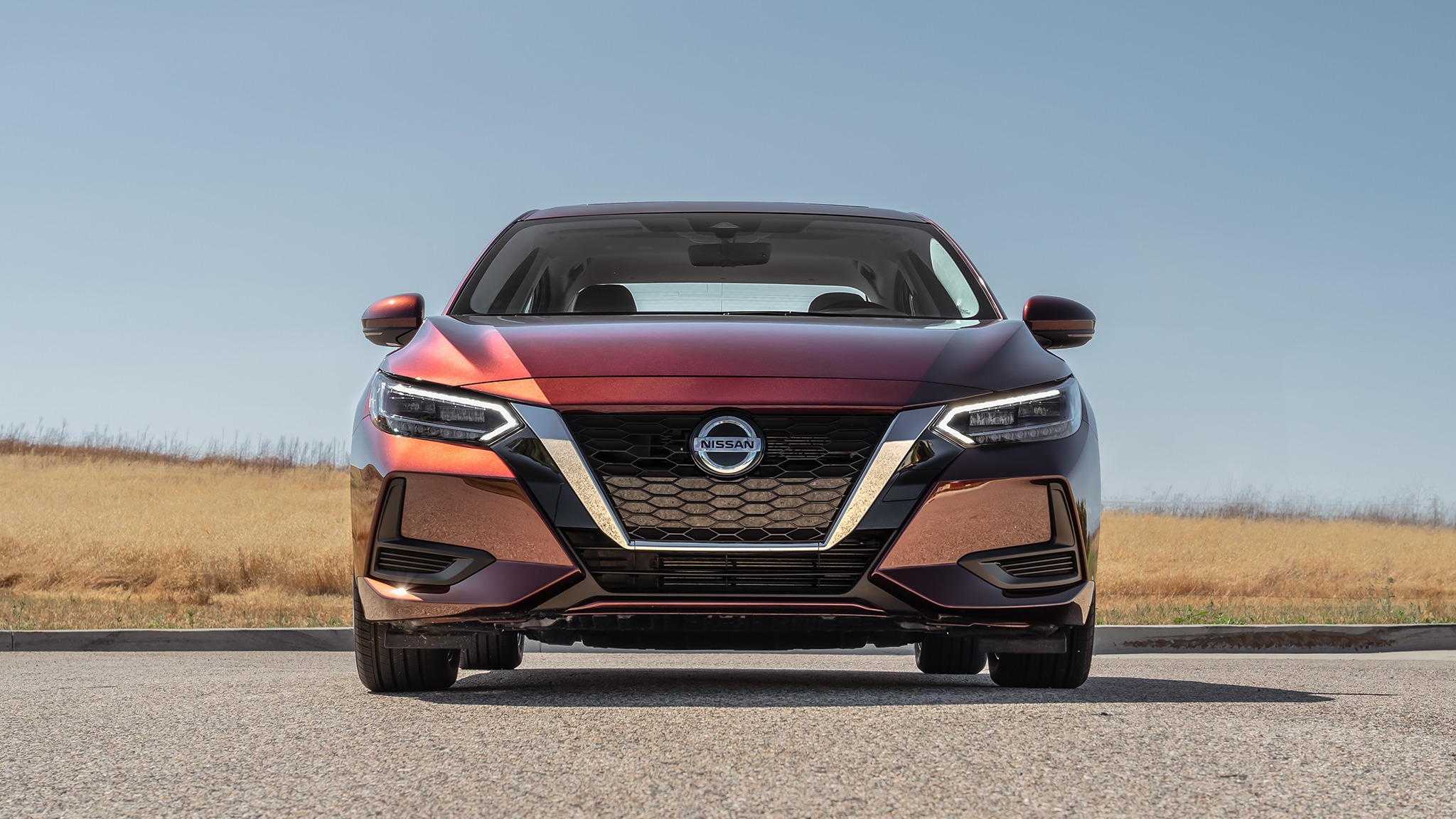
Car buyers usually want vehicles that can give them peace of mind without draining their wallets on frequent repairs. One popular choice for many drivers across the United States is the Nissan Sentra. This sedan has been around for decades and has served millions of households, young professionals, and even older drivers who prefer a small but reliable car.
While the Sentra has a reputation for being affordable and fuel-efficient, not every production year has been the same. Some model years have proven to be dependable companions, while others have developed reputations for constant trouble.
It is very important for buyers, especially those looking for a used car, to know the difference between reliable years and problematic ones. Choosing the right year can save a person thousands of dollars in repairs and maintenance.
Choosing a troubled year can leave an owner stuck with mechanical headaches, from failing transmissions to electrical faults that refuse to go away. Car reviewers, mechanics, and real-world owners have shared experiences about the performance of different Nissan Sentra years.
From these accounts, one can see that some Sentra years have engines that last long, gearboxes that shift smoothly, and interiors that remain strong even after years of use. At the same time, some years are almost like money pits, with parts breaking earlier than expected.
On this page, we will focus on five Nissan Sentra years that are praised for reliability and five that many drivers warn against because of their frequent breakdowns. Each section will carefully explain what makes a particular year either trustworthy or troublesome.
After reading, you will have a clear picture of which Sentra years to consider and which ones to avoid if you are thinking of buying used.
5 Nissan Sentra Years That Rarely Break
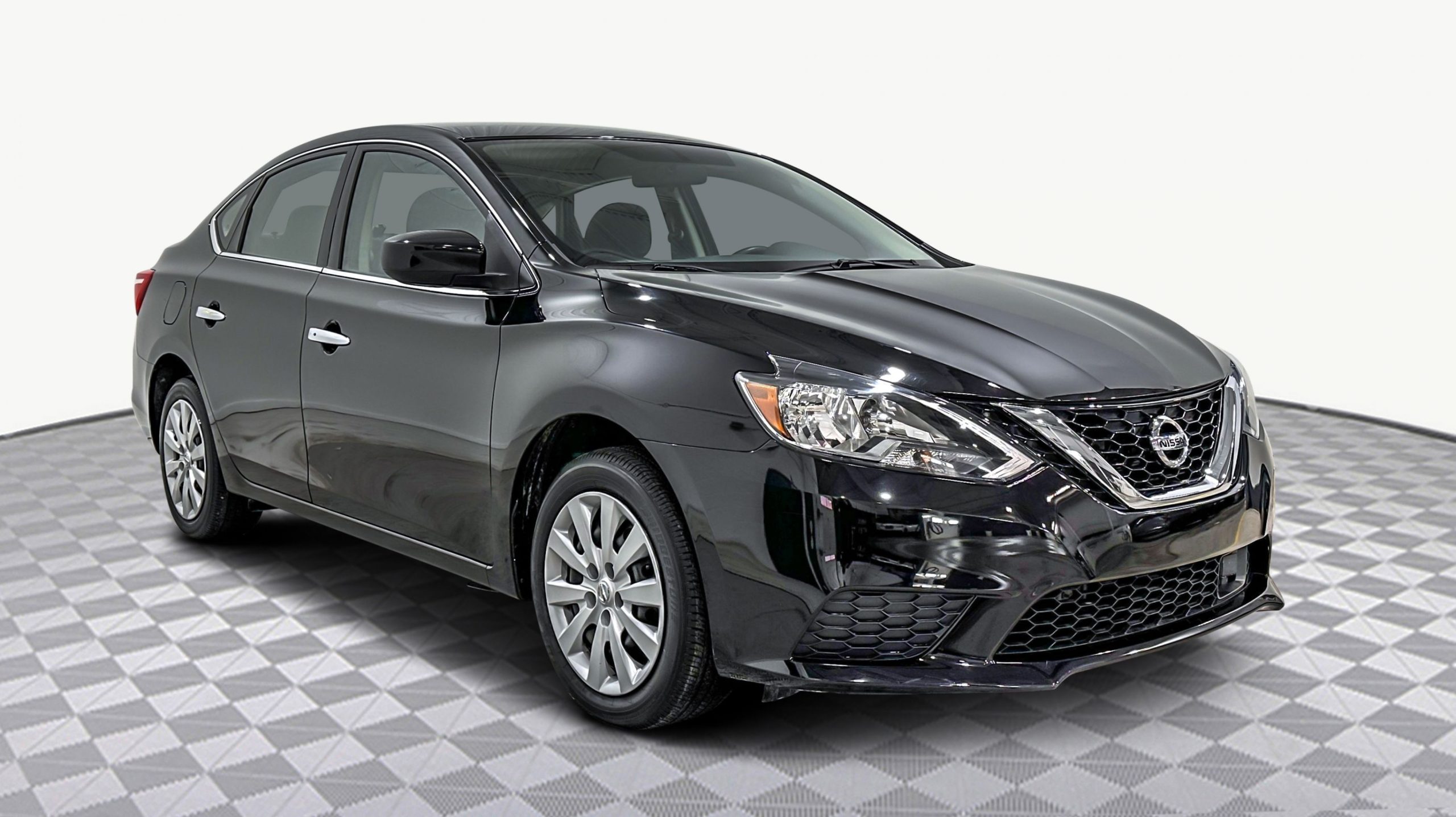
1. Nissan Sentra 2019
The 2019 Nissan Sentra stands as one of the most dependable modern versions of this sedan. Many owners praise it for its long-lasting engine and smooth driving quality. Unlike earlier years, when transmission complaints were very common, the 2019 model received a more refined version of Nissan’s continuously variable transmission system.
This update made gear changes smoother and reduced the chances of early transmission failure, something that was a big worry for older Sentra models. Drivers who bought this car new and later sold it as used confirm that maintenance costs remain affordable.
Basic servicing, like oil changes and brake replacements, is enough to keep it in good condition for years. Apart from regular wear and tear, there are not many reports of sudden breakdowns. This is why mechanics often recommend the 2019 Sentra to people looking for a stress-free small sedan.
Comfort inside the car is also another reason this model is appreciated. The seats provide enough support for long drives, and the interior materials feel better compared to some previous years. For families or individuals who want a balance of affordability and quality, the 2019 Sentra fits the bill.
Another strong point is fuel efficiency. Many owners achieve excellent fuel economy, which helps save money during daily commuting or road trips. With fuel prices constantly rising, this feature makes the 2019 model stand out as a good buy.
When looking at reliability data from different sources, the 2019 Sentra scores above average. Fewer recalls, fewer customer complaints, and positive ownership experiences all combine to make this year one of the best choices for people searching for a dependable Sentra.
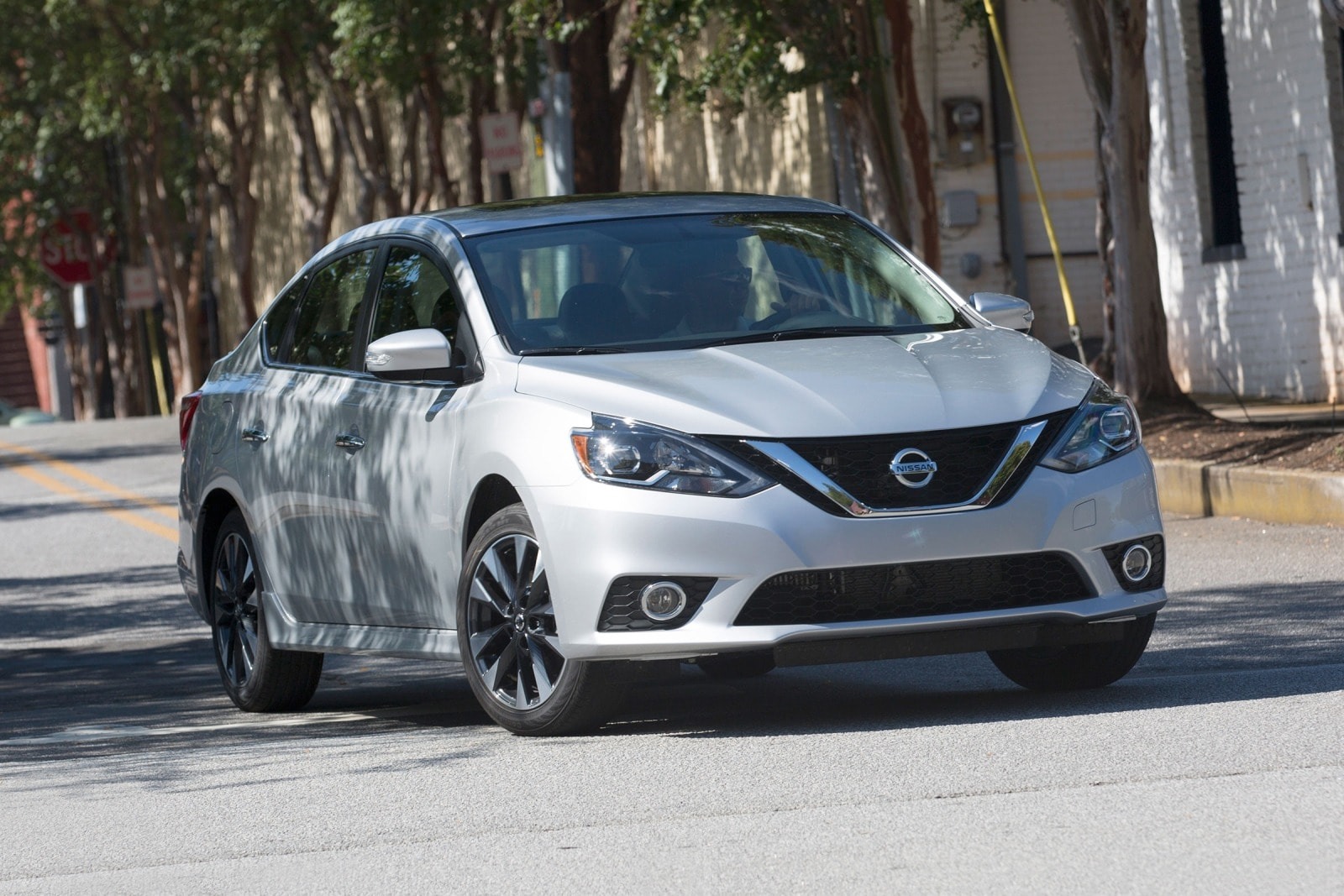
2. Nissan Sentra 2018
The 2018 Nissan Sentra continues to show why Nissan worked hard to improve this model in recent years. While not drastically different from the 2019 version, it offers nearly the same level of dependability.
Owners often report that the car rarely develops major issues when properly maintained. The engine used this year is well known for its durability, especially when paired with regular oil changes and quality fuel.
One of the major improvements noticed in 2018 was the general refinement of the driving experience. The steering feels more responsive, and the suspension handles rough roads better compared to older Sentras. This makes it suitable for drivers who spend a lot of time on highways as well as city roads filled with potholes.
Another reason this model earns a spot among reliable Sentra years is the low number of customer complaints. Unlike earlier Sentras that suffered from widespread transmission failures, the 2018 version does not record the same level of trouble. This makes it easier for owners to hold on to the car for longer without worrying about costly repairs.
The 2018 Sentra is also known for its spacious interior, especially the back seats. Families with children appreciate the extra room because it allows for comfortable seating even on long trips. The boot space is also generous for a compact sedan, making it practical for shopping, travel, or carrying work materials.
Fuel economy is another big plus for this year. Many drivers achieve impressive mileage on both city and highway driving. When fuel efficiency combines with low repair costs, it creates a car that saves money while still delivering reliable service. This explains why used car buyers continue to seek out the 2018 model even several years later.
Also Read: 8 Nissan Altima Years That Survive Heavy Driving
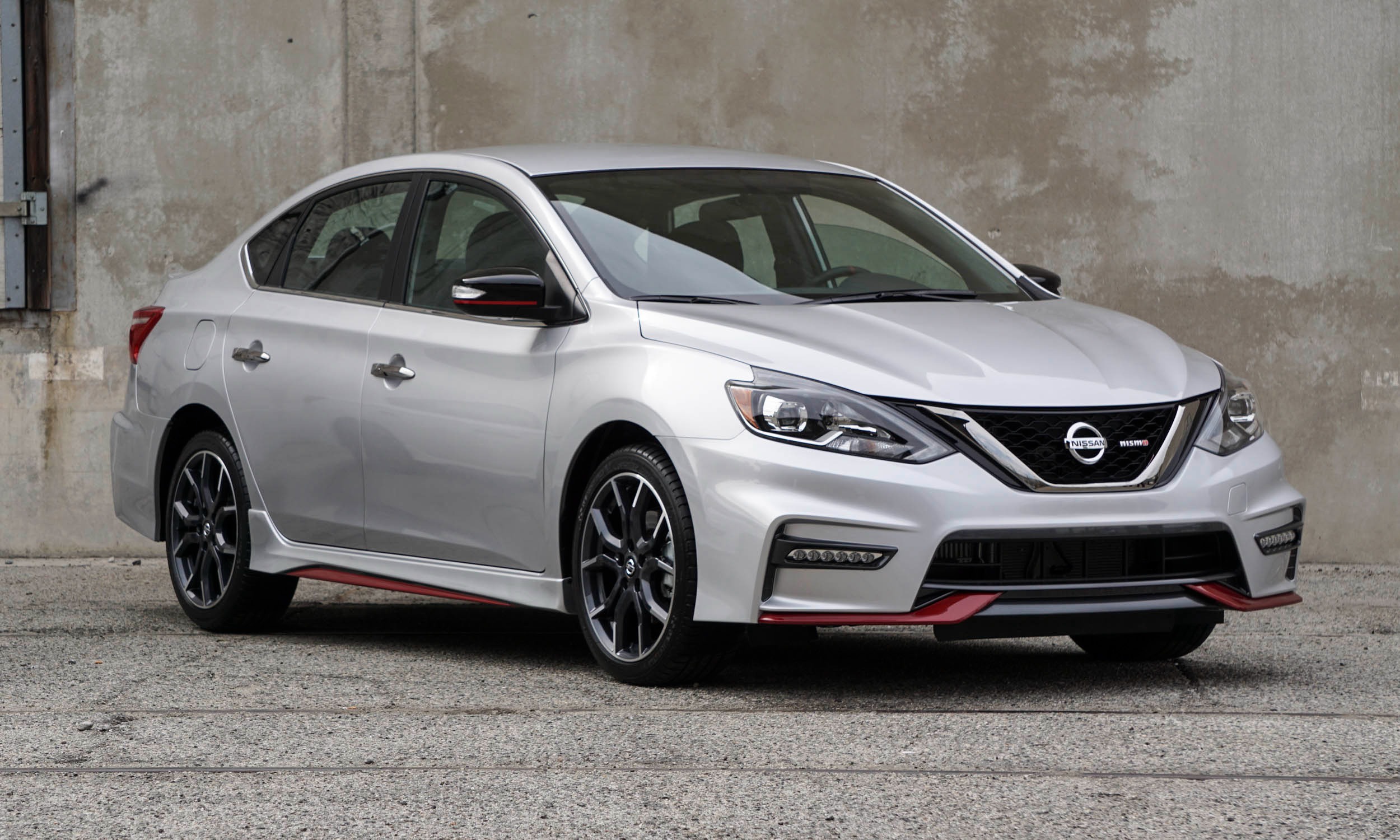
3. Nissan Sentra 2017
The 2017 Nissan Sentra is often described as a well-rounded sedan that does not disappoint when it comes to reliability. Owners say it performs well both in city driving and on long-distance journeys. The engine is not the most powerful in its class, but it is designed to last. When serviced properly, it can easily go beyond 150,000 miles without major engine trouble.
One of the highlights of the 2017 version is the affordable maintenance. Spare parts are widely available, and most repairs do not require huge expenses. Compared to older Sentras with fragile transmissions, this model is much improved. Nissan refined its CVT system to be less problematic, giving owners fewer reasons to visit workshops.
Comfort is another point of praise. The 2017 Sentra has supportive seats, decent sound insulation, and an infotainment system that satisfies most daily driving needs. For those who value a smooth ride, this year checks many boxes.
Another reason this year stands out is the low number of recalls compared to older Sentras. Owners have reported that electronic systems such as air conditioning, power windows, and safety features rarely fail. This is very important for buyers looking for a used car that does not demand constant attention.
Fuel economy is another area where the 2017 Sentra performs strongly. Drivers frequently record efficient fuel usage, which saves them money as time goes on. Combining this with its affordability on the used market, the 2017 model has become a strong choice for people who want a dependable and budget-friendly small sedan.
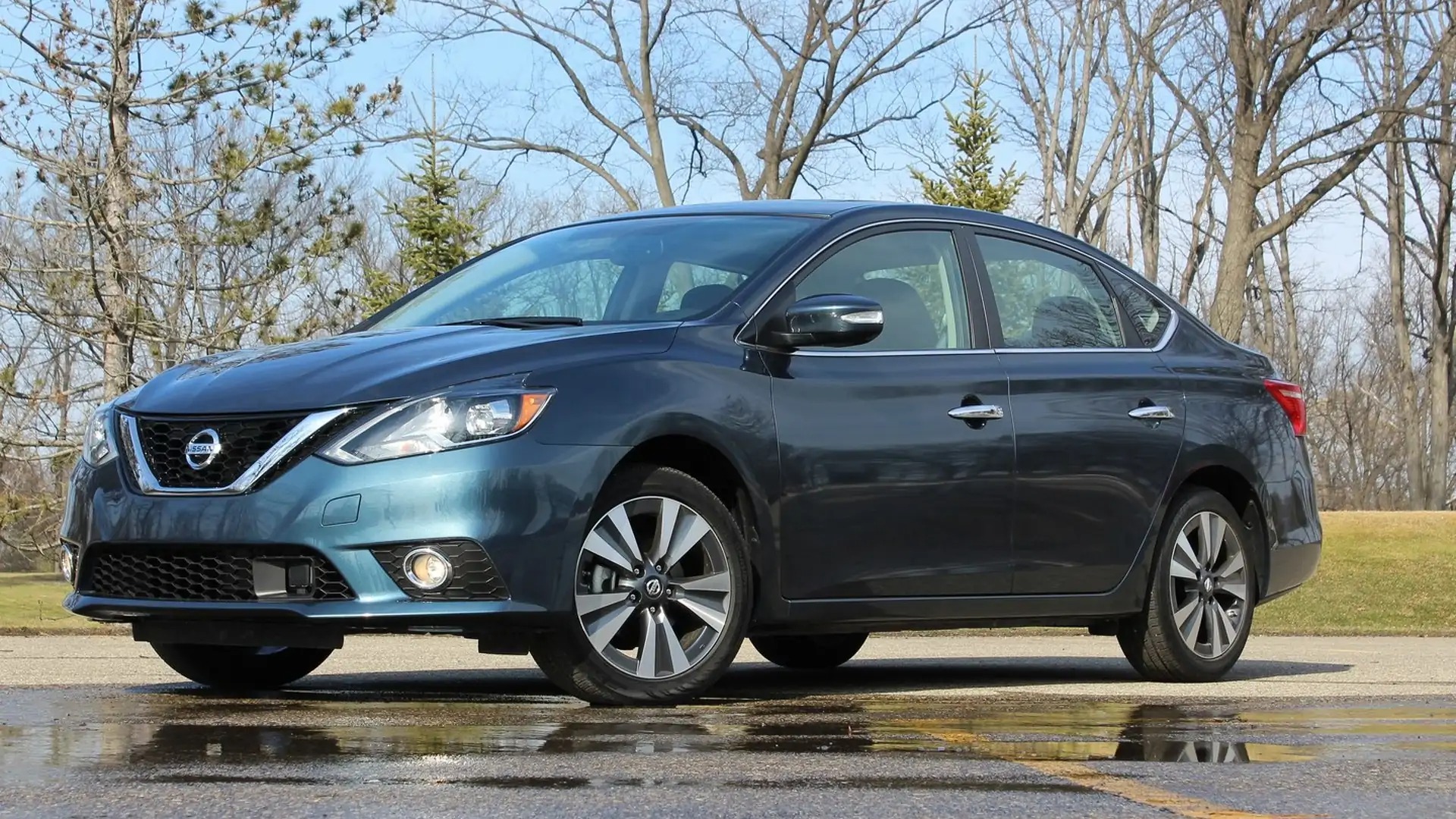
4. Nissan Sentra 2016
The 2016 Nissan Sentra is another dependable choice that rarely gives owners major trouble. Many drivers highlight its strong reliability record, especially when compared to the troublesome early 2010s Sentra models. The 2016 version came with a refreshed design that not only improved its looks but also brought better mechanical stability.
One of the most praised aspects of this model year is its engine durability. When maintained with regular servicing, the 2016 Sentra engine delivers steady performance for many years. Mechanics often say that this model does not suffer frequent overheating or head gasket problems, which are common issues in less reliable vehicles.
The transmission system also received improvements. While older CVT-equipped Sentras were criticized for early failures, the 2016 version performed much better. Drivers report smoother moves and fewer complaints about jerking or hesitation. This makes it a reliable option for daily commuting and long-distance driving.
Comfort and practicality are also strong points. The cabin feels roomy, and the boot provides enough space for luggage. For people who use their cars for both personal and family needs, the 2016 Sentra is very convenient. The interior materials are not luxury level, but they last well and remain in good shape after years of use.
Another reason buyers continue to choose the 2016 model is its affordability on the used market. It balances price, fuel economy, and low repair frequency, making it attractive for those seeking value for money. Owners also mention that most of the problems that do occur are minor, such as small electrical glitches or wear-and-tear items, rather than major breakdowns.
For these reasons, the 2016 Sentra remains one of the dependable years that buyers can confidently consider without worrying about constant mechanical troubles.
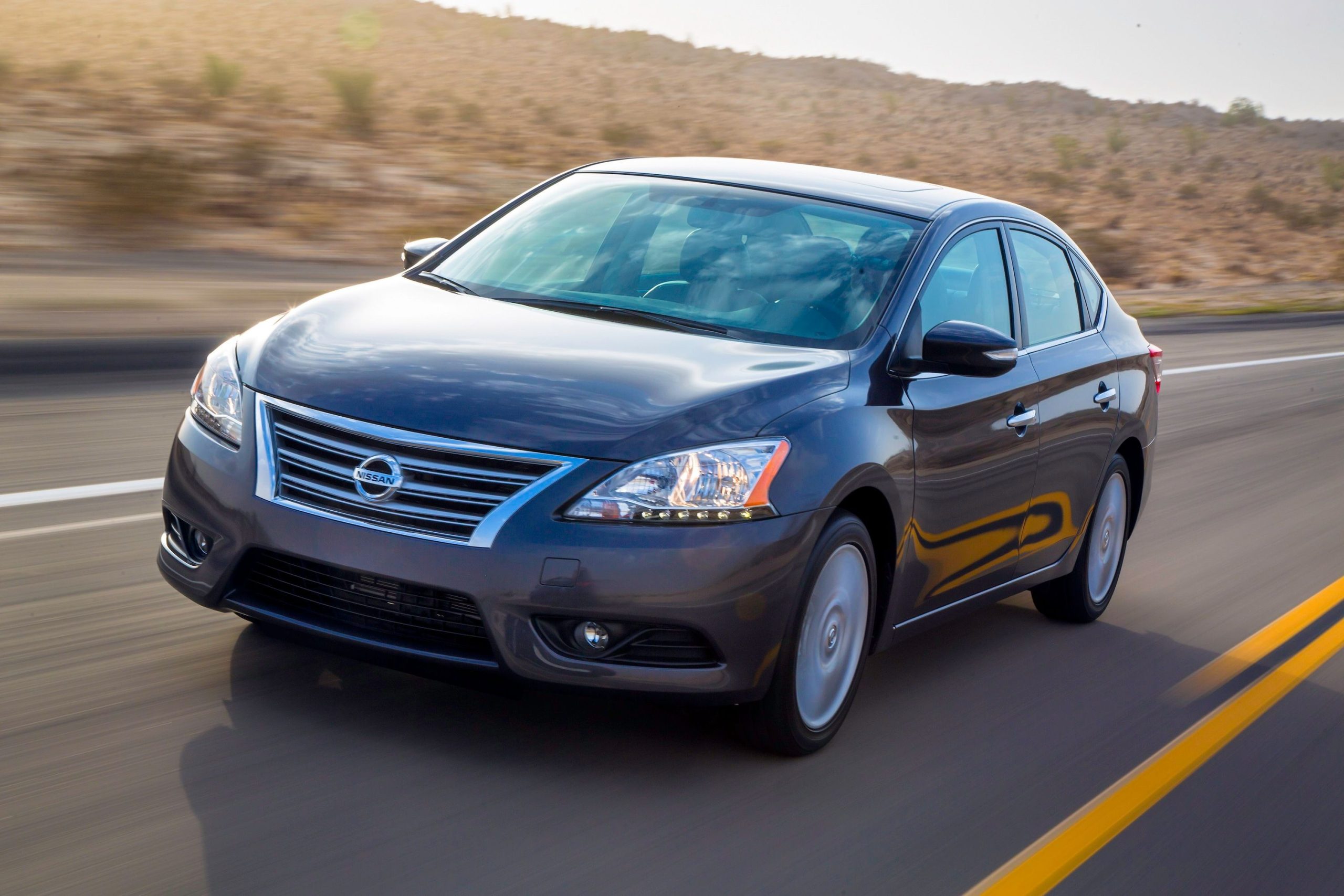
5. Nissan Sentra 2015
The 2015 Nissan Sentra completes the list of reliable years, standing as a solid option for anyone searching for a durable compact sedan. Many owners view this model as a turning point for Nissan, when the company started addressing complaints from earlier troubled years. The result is a car that delivers steady service with fewer mechanical surprises.
One of the strengths of the 2015 version is its low rate of expensive repairs. Owners often report that routine servicing such as brake pad replacements, oil changes, and tyre rotations, is all that is needed to keep the car running smoothly. Unlike some earlier models that suffered transmission failures, the 2015 CVT performs better and does not frequently break down when properly maintained.
Fuel economy is another area where the 2015 Sentra shines. Many drivers record impressive gas mileage both in city and highway conditions. This makes it attractive to students, office workers, and small families who want to cut down on fuel expenses.
The ride comfort is also respectable. While not luxurious, the cabin is quiet enough for daily use, and the seats are supportive. Families appreciate the space in the back seats, while the boot size is practical for travel and errands.
Another factor that makes the 2015 model desirable is the relatively low number of recalls and customer complaints compared to older Sentras. Many buyers looking for a used car in today’s market choose this year because it offers a dependable driving experience without the fear of sudden failures.
When compared with later models, the 2015 Sentra may not have all the latest technology, but its strength lies in reliability and cost-effectiveness. It remains one of the safe bets for people who want a used car that rarely breaks down.
5 Nissan Sentra Years That Constantly Do
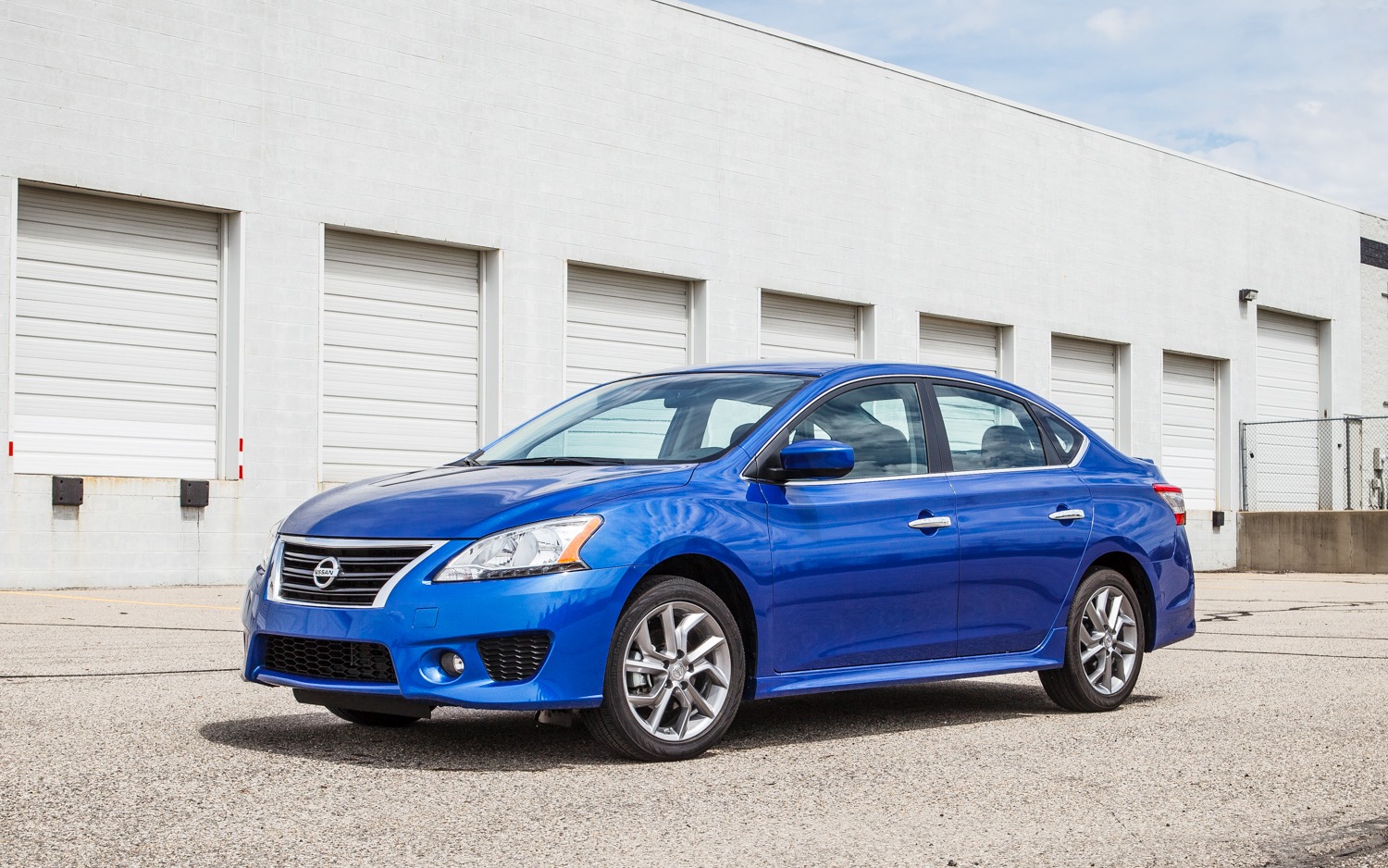
1. Nissan Sentra 2013
The 2013 Nissan Sentra is widely regarded as one of the most problematic years for this car. Many owners express frustration over constant breakdowns, making it one of the least recommended Sentras on the used market.
The main source of trouble is the transmission system, which fails at a high rate. Drivers often complain of jerking, hesitation, and sudden loss of power, sometimes before reaching even 70,000 miles.
Repairing or replacing the CVT transmission in the 2013 model is very expensive, often costing thousands of dollars. This alone has made many people avoid this year when shopping for a used car. Mechanics also warn customers about the high risk of repeated failures even after replacing parts.
Beyond transmission issues, the 2013 Sentra also struggles with electrical faults. Owners report that systems such as the air conditioning, radio, and dashboard lights frequently develop problems. While these may not stop the car from moving, they create annoyance and extra repair costs.
The build quality of the interior has also been criticized. Many drivers say the cabin materials wear out quickly, with seats losing shape and trim pieces breaking earlier than expected. This reduces comfort and lowers resale value.
Fuel economy is another disappointment. While Nissan advertised impressive mileage for this model, real-world owners often experienced lower numbers, especially once the transmission began showing problems.
Because of these repeated issues, the 2013 Sentra is often listed by experts as a year to avoid. Buying this model can lead to constant visits to the mechanic, high expenses, and frustration for the owner.
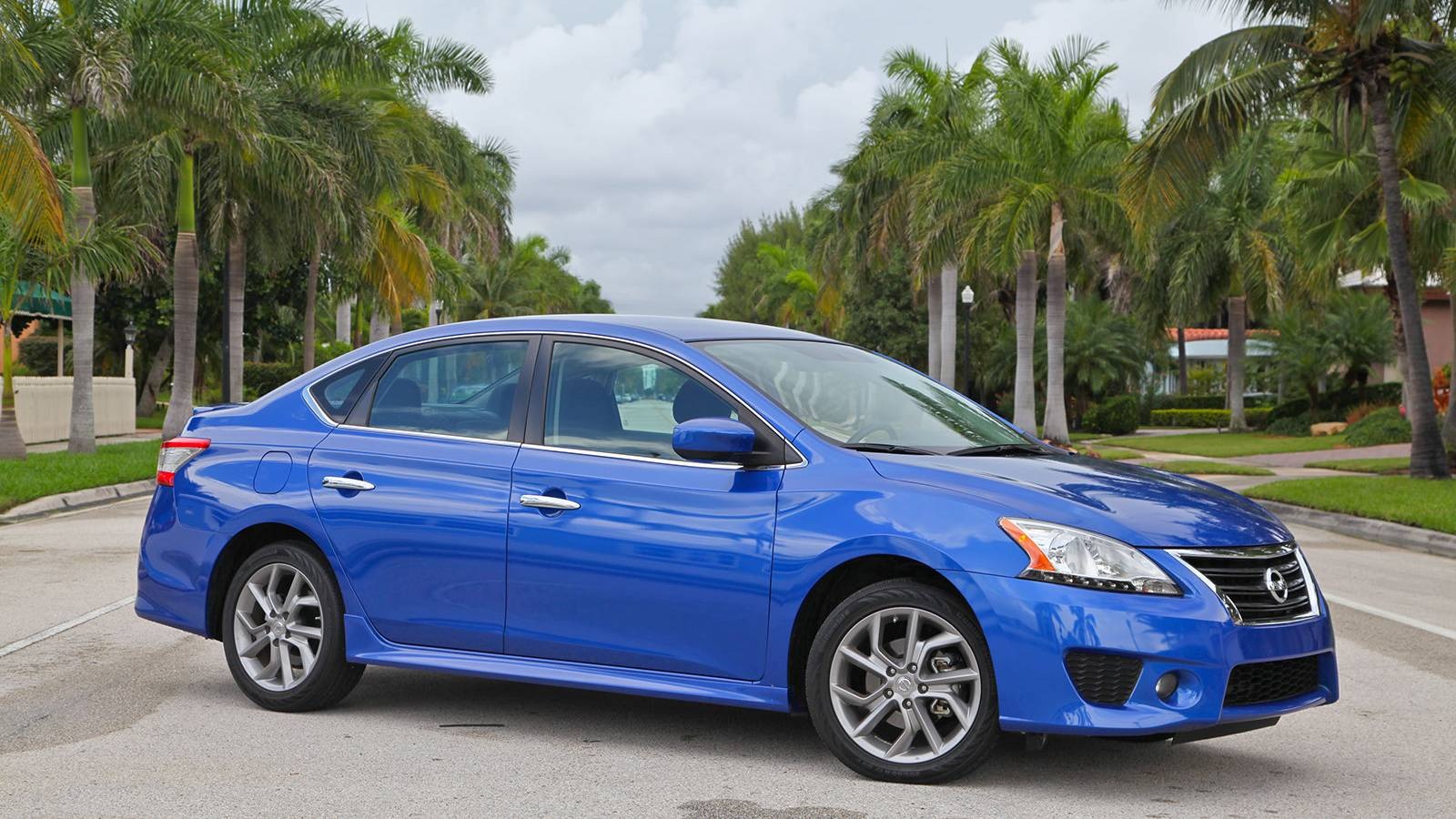
2. Nissan Sentra 2014
The 2014 Nissan Sentra is often grouped with the 2013 model because of the serious mechanical issues that many owners experienced. While Nissan attempted to improve the vehicle after the troubles of the 2013 model, this version still carried over most of the same weaknesses.
Transmission problems dominate the complaints, with many drivers reporting failure well before the car reached high mileage. The continuously variable transmission system in this year is known for producing shuddering, slipping, and hesitation during acceleration.
For some owners, the gearbox failed, leaving them with repair bills that cost almost as much as the car itself. Because of these issues, many experts advise used car buyers to stay away from the 2014 Sentra.
Beyond the transmission troubles, the 2014 version also faced criticism for weak performance. The engine is not very powerful, and combined with the faulty CVT, driving can feel sluggish and unsafe, especially during highway merging or overtaking. This poor driving experience makes the 2014 Sentra less appealing compared to rival compact sedans.
The interior build also received complaints. Owners noted rattling sounds inside the cabin after only a few years, with trim pieces loosening or breaking. The air conditioning system was also known to fail, adding extra repair costs.
Fuel economy, which Nissan advertised as a strong point, was often below expectations once the car began aging. Many drivers reported lower mileage than promised, especially when the transmission started giving trouble.
Because of these recurring faults, the 2014 Sentra has a poor reputation among mechanics and car reviewers. Anyone considering this model is usually advised to avoid it, since it is almost certain to lead to frequent repairs and high expenses.
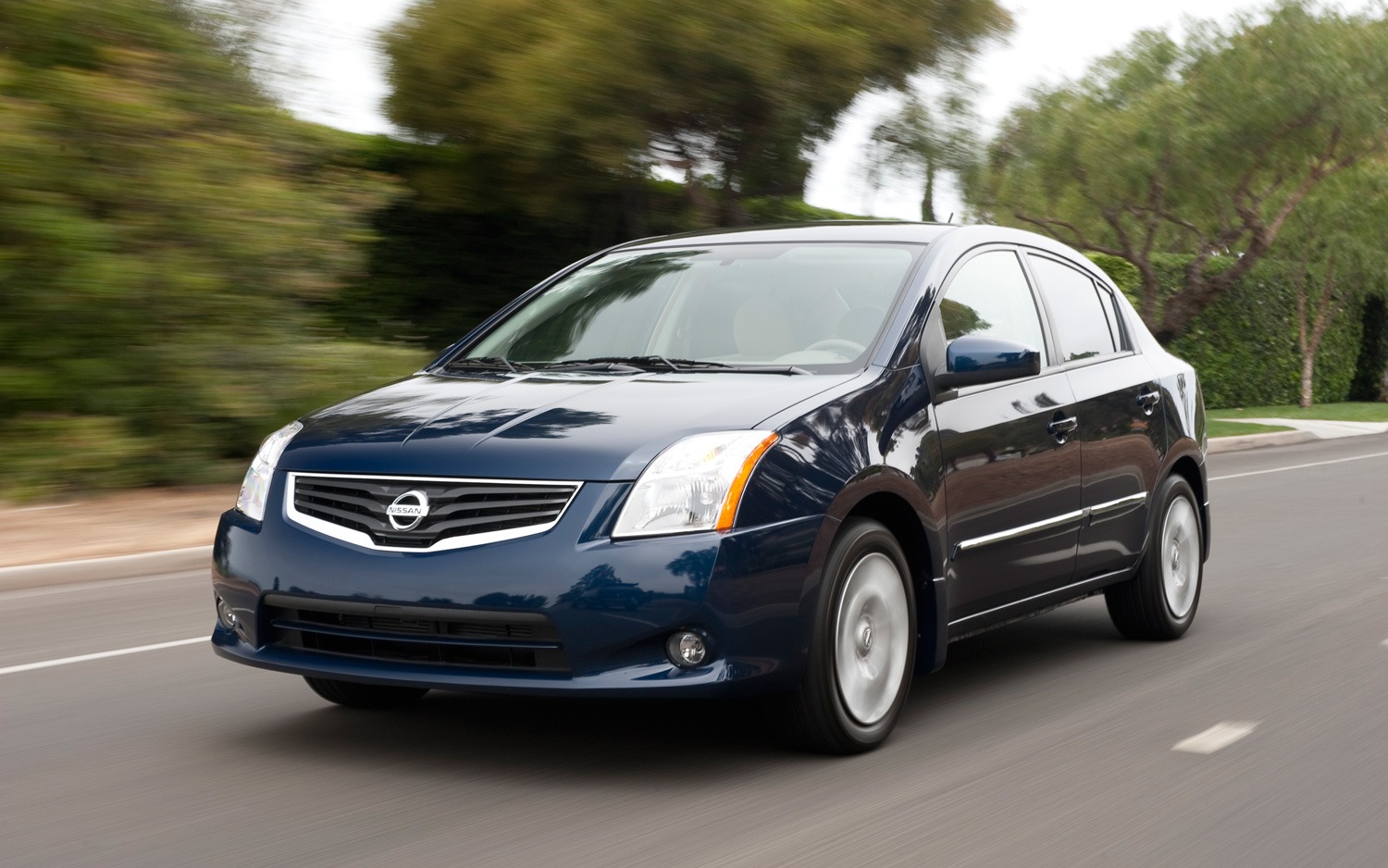
3. Nissan Sentra 2012
The 2012 Nissan Sentra also ranks among the unreliable years. Even though it predates the troubled 2013 redesign, this model still gave owners a lot of headaches. One of the most common complaints about the 2012 version is the transmission, which tends to fail much earlier than expected.
Many drivers reported that the CVT stopped working properly before reaching 80,000 miles, forcing them to replace or rebuild it at great cost. Apart from transmission problems, the 2012 Sentra also developed electrical issues.
Drivers complained about faulty sensors, malfunctioning air conditioning systems, and dashboard warning lights that appeared without reason. These electrical faults were often difficult to diagnose, leading to frustration and high labor costs at repair shops.
The 2012 Sentra’s interior was another weak point. The materials used were of poor quality, with many owners reporting that the seats wore out quickly and the plastic trims cracked or faded. This gave the car a cheap feel and reduced its resale value.
Performance was also a major complaint. The engine lacked strength, and when combined with the weak CVT, the driving experience was often described as underwhelming. This made the 2012 Sentra less competitive against other compact cars from the same period that offered stronger performance and better reliability.
Fuel economy also did not live up to expectations. While some drivers managed good mileage, others reported disappointing results, particularly once mechanical issues began affecting the car.
All these issues combined make the 2012 Sentra one of the least desirable models for buyers searching for a dependable used car. Mechanics often warn people that this year they to spend more time in workshops than on the road.
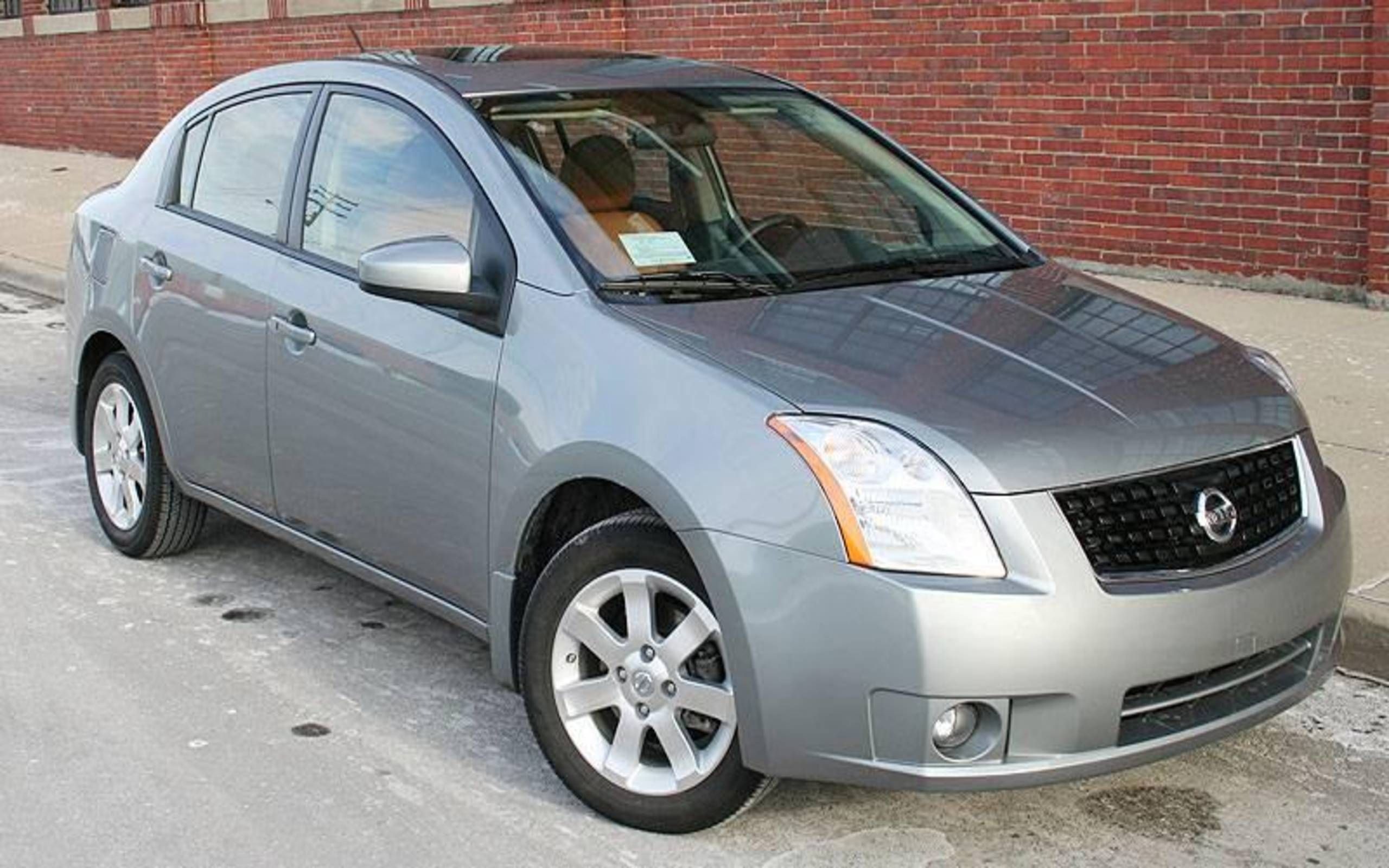
4. Nissan Sentra 2008
The 2008 Nissan Sentra is another year that gained a reputation for breaking down frequently. Owners often describe this version as one that constantly develops problems, especially with the engine and transmission.
Many drivers reported premature failure of the CVT, which was expensive to repair or replace. For a car marketed as affordable, these costs were a major disappointment. Engine problems were also widespread.
Complaints ranged from rough idling and stalling to complete engine failure in some cases. Mechanics pointed out that some of these issues were linked to poor engine design and weak components. This made the 2008 Sentra a risky choice for long-term ownership.
The suspension system was another area of concern. Drivers reported clunking noises and premature wear of suspension parts such as struts and bushings. These issues reduced ride comfort and made the car feel less stable on the road.
The interior design also drew criticism. The materials used were not durable, and many owners complained about cracking dashboards, loose panels, and fading fabric. This gave the car an old and worn-out look after only a few years of use.
Fuel efficiency was below expectations for many drivers. Although the car was supposed to deliver good mileage, real-world reports showed average performance that did not impress compared to rivals like the Toyota Corolla or Honda Civic.
Because of the combination of engine issues, transmission breakdowns, and poor build quality, the 2008 Sentra remains one of the least recommended years. Buyers searching for a reliable used vehicle are often told to avoid this year if they want to save themselves from frequent mechanical problems.
Also Read: 8 Nissan Maxima Years That Refuse to Die
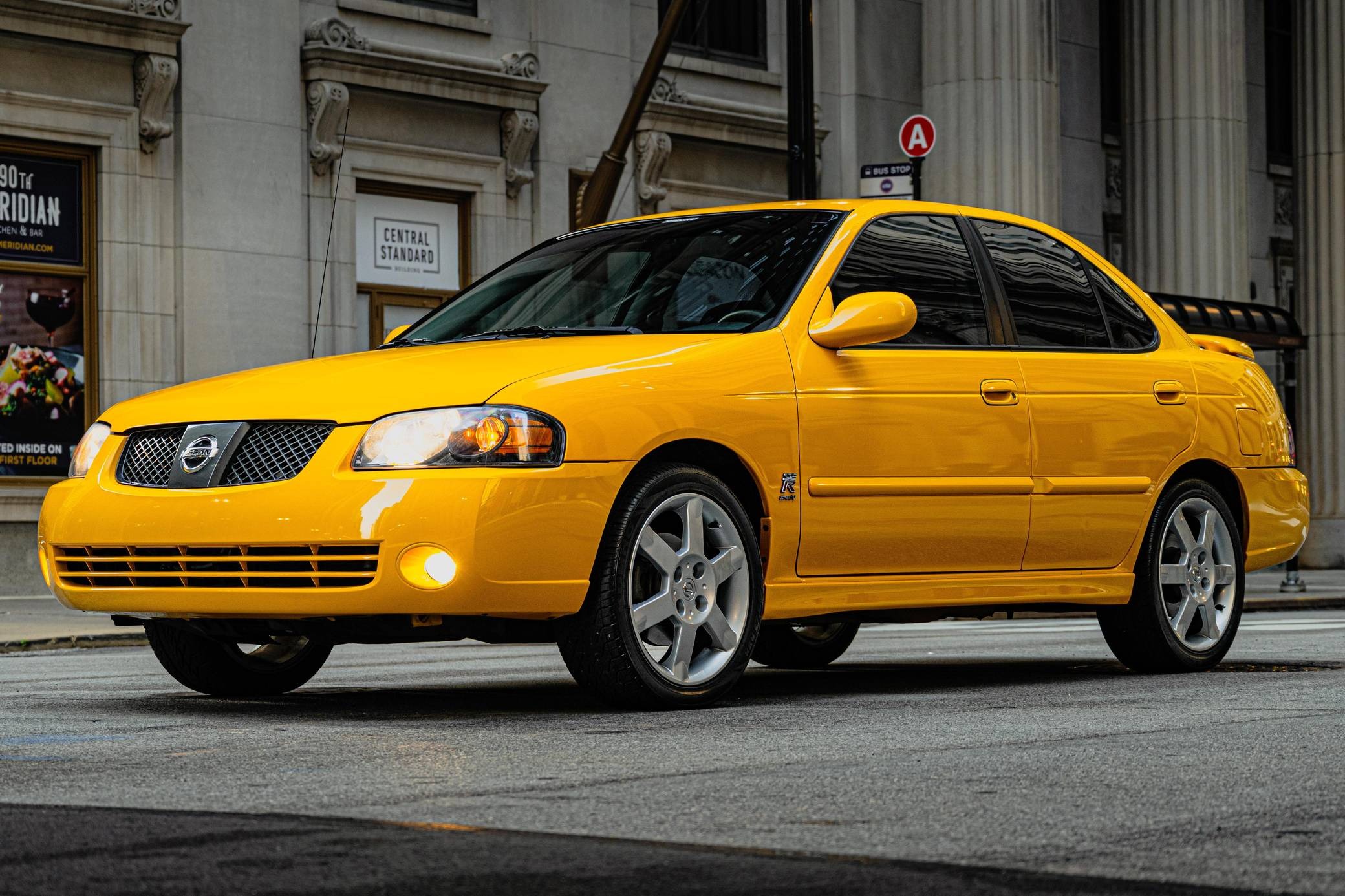
5. Nissan Sentra 2005
The 2005 Nissan Sentra also makes the list of unreliable years. Many owners of this model reported major problems that made ownership stressful and expensive. The biggest issue with the 2005 version was engine failure, especially related to a faulty head gasket.
Drivers complained that the engine would overheat, lose power, and in some cases, stop working completely. Repairing this problem was very costly, often leading owners to give up on the car entirely.
The transmission was another weak point. While not as problematic as later CVTs, the automatic transmission in the 2005 model was still known to fail earlier than expected. This left many drivers facing repair bills that were not worth the car’s value.
Electrical faults also troubled owners. Issues with sensors, warning lights, and even the car’s computer system were common. These electrical problems were difficult to diagnose, often requiring repeated trips to the mechanic.
The interior design of the 2005 Sentra did not help its case. Many owners described it as cheap and uncomfortable, with seats that wore out quickly and plastics that cracked easily. The ride quality was also poor, as the suspension failed to absorb bumps effectively.
Another major issue was safety. The 2005 Sentra did not perform very well in crash tests compared to other compact cars from the same period. This made it a less attractive option for families looking for peace of mind on the road.
Because of these repeated problems, the 2005 Sentra is often listed among the worst Nissan cars to buy used. Many mechanics and car experts advise potential buyers to stay away from this model year if they want to avoid constant breakdowns and costly repairs.
Buying a car is always a major decision, especially when looking at used models. The Nissan Sentra has been a popular option for many years, offering affordable prices and good fuel economy.
However, as this article has shown, not every model year provides the same experience. Some Sentras are dependable and easy to maintain, while others are plagued by constant problems that can empty a person’s wallet.
The years 2015, 2016, 2017, 2018, and 2019 are widely praised for their reliability, comfort, and fuel efficiency. Owners of these models often report trouble-free driving with only routine maintenance required.
The years 2005, 2008, 2012, 2013, and 2014 are best avoided because they suffer from repeated issues like failing transmissions, weak engines, and poor build quality. For anyone searching for a used Sentra today, understanding which years to consider and which ones to avoid is very important.
Choosing wisely can provide years of dependable service, while picking a troubled year may result in endless mechanical headaches. By focusing on the stronger models and staying away from the weak ones, buyers can make sure their investment brings them satisfaction rather than frustration.
