
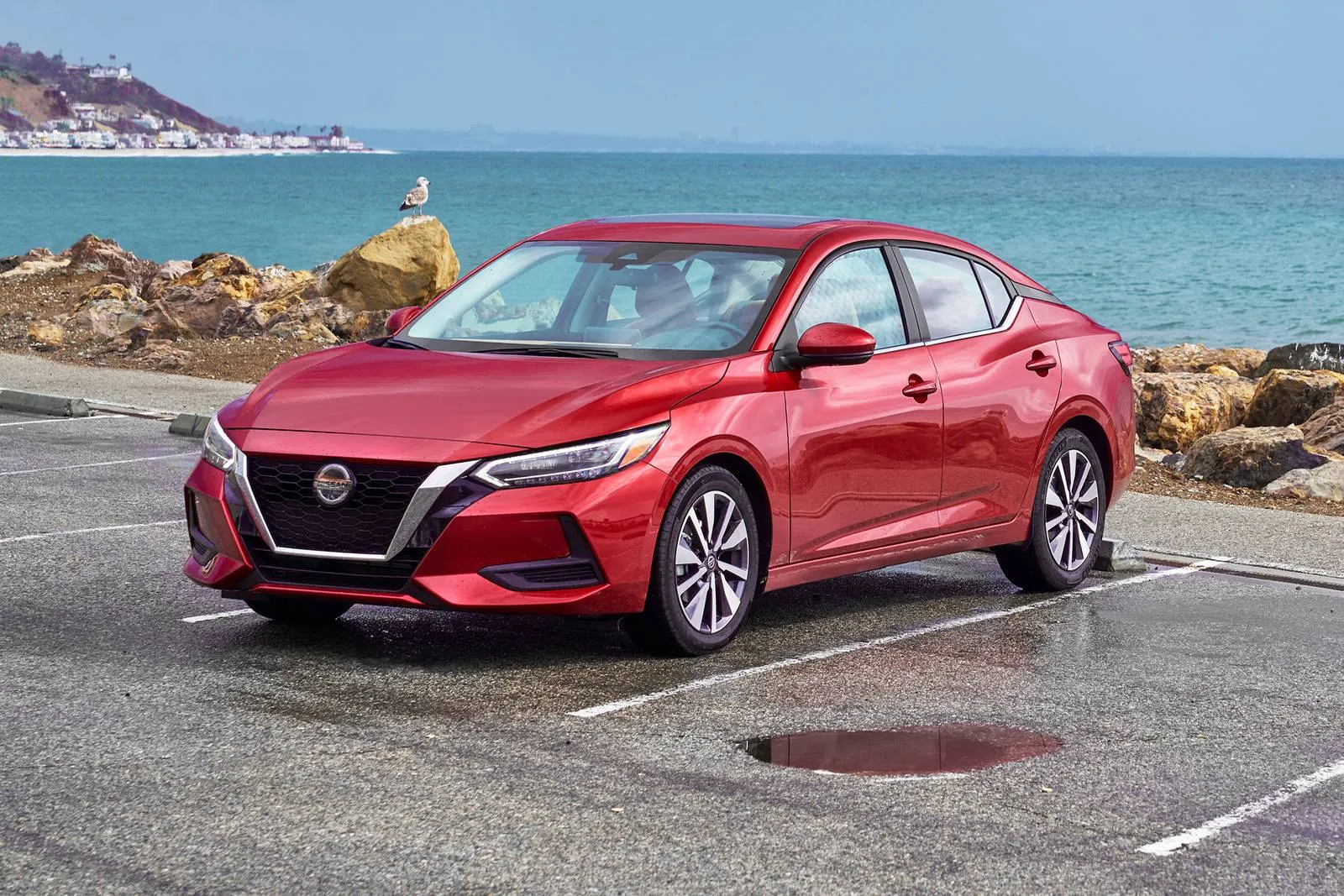
Nissan’s reputation varies dramatically depending on the model in question. Some of its cars showcase the company’s strengths, reliability, value for money, and well-balanced design, while others highlight its flaws, leaving owners frustrated and financially drained.
This inconsistency makes it difficult for potential buyers to know what to expect, since one Nissan might be a dependable daily companion while another becomes a costly mistake.
Savvy buyers understand that a familiar badge doesn’t automatically mean quality. What truly matters is how each model performs in the long run and whether it delivers on promises of durability, comfort, and affordability.
When Nissan gets it right, their vehicles provide years of faithful service, requiring little more than routine maintenance. These are the models that prove the brand’s ability to rival competitors in both engineering and practicality.
Unfortunately, not every Nissan fits that description. Some versions suffer from chronic reliability issues, weak resale values, and constant mechanical trouble.
What starts as an affordable purchase can quickly become a financial burden once repair bills begin piling up. These problematic models damage the brand’s reputation and frustrate owners who expected more from a major automaker.
Knowing how to distinguish the reliable options from the poor ones is essential to prevent regret. Not every vehicle with a Nissan badge deserves the same trust or investment.
Some options offer genuine value, protecting your money and providing dependable transportation, while others will leave you regretting the decision before the loan is even paid off.
Today, we will take a closer look at ten Nissan models that represent both sides of the spectrum. Five stand out as smart, reliable choices, while five others fall short in critical areas. Knowing the difference can help you make informed decisions and avoid costly ownership experiences in the future.
5 Nissans That Deliver Great Value
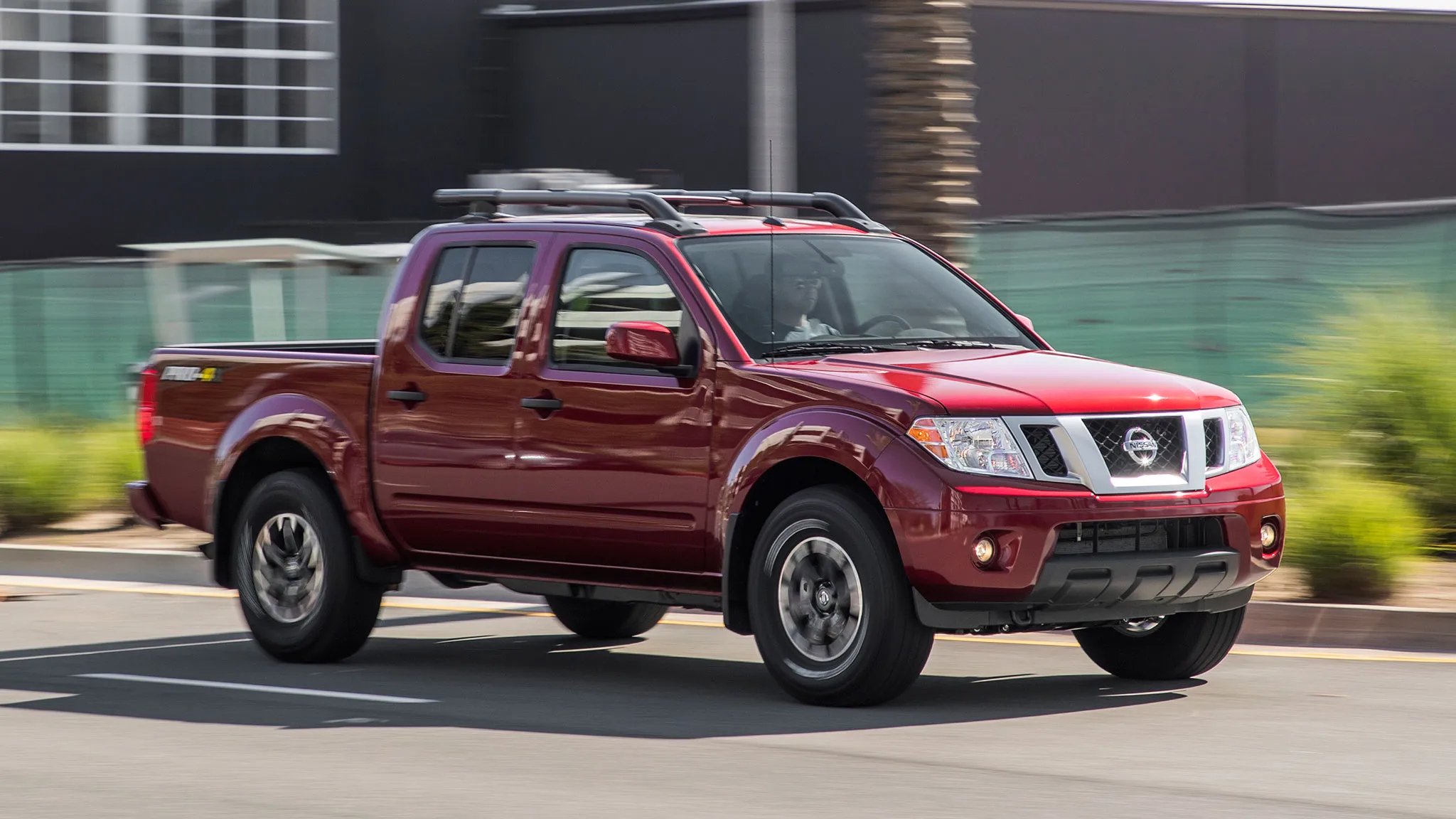
1. Nissan Frontier Pro-4X (2020-2024)
Mid-size trucks from Nissan prove that focusing on fundamentals creates vehicles worth buying. These third-generation Frontiers deliver capability and reliability that justify their prices while maintaining reasonable ownership costs. When Nissan builds vehicles properly, the results are products that compete successfully against established rivals.
Powerful V6 engines provide adequate performance for truck duties. That 3.8-litre motor produces 310 horsepower, enough to handle towing and hauling without feeling strained. Acceleration is brisk for mid-size trucks. Highway merging happens confidently. Everything performs as trucks should, delivering the capability that matches marketing promises.
Nine-speed automatic transmissions move smoothly and intelligently. Response is quick without harshness. Gearing suits both highway cruising and low-speed towing. This transmission represents proper execution that creates pleasant driving experiences rather than constant frustrations.
Four-wheel-drive systems work seamlessly when needed. Engagement happens smoothly without drama. Systems provide genuine capability rather than just marketing claims. These Frontiers handle varied conditions confidently, delivering utility that justifies truck purchases.
Interior quality is decent for this price range. Materials are durable and well-assembled. Design is functional without being exciting. Everything works as intended without feeling cheap. Seats are comfortable during extended drives. Controls are intuitive. Nothing feels premium, but nothing disappoints either.
Reliability has proven solid across these model years. Owners report minimal problems and low repair costs. This dependability creates value through reduced ownership expenses that compound annually. Nissan clearly focused on getting fundamentals right rather than chasing unnecessary features.
Resale values remain strong because buyers recognize Frontier quality. Demand stays healthy in used markets. This retained value protects your investment better than many competitors, creating long-term financial benefits that justify initial purchases.
Running costs stay reasonable throughout ownership. Fuel economy is decent for V6 trucks. Insurance rates are moderate. Parts are affordable when replacements become necessary. Mechanics are familiar with these powertrains. Everything combines to create manageable long-term expenses.
Safety features are comprehensive without being overwhelming. Driver assistance technology works reliably without annoying false alarms. Crash test ratings are excellent. Build quality feels solid. These Frontiers protect occupants genuinely rather than just claiming to.
What makes these Frontiers excellent value is Nissan’s focus on delivering capability and reliability without unnecessary complications. They built trucks that work properly and last, creating ownership experiences that justify every dollar spent.
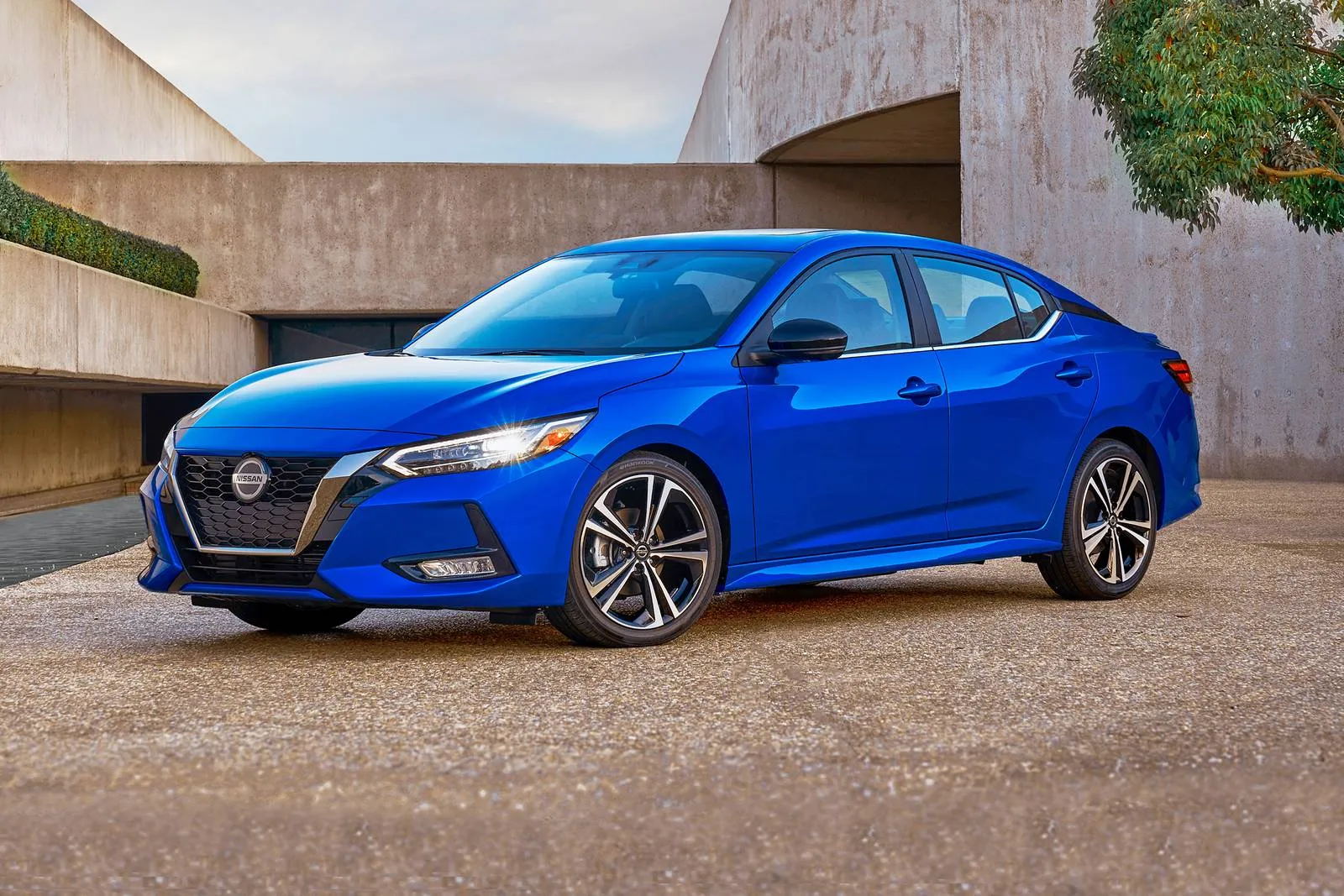
2. Nissan Sentra SV (2020-2024)
Nissan’s compact sedans highlight how strong results emerge when the company focuses on fundamentals. The eighth-generation Sentra proves that affordable cars can still feel well-rounded, offering dependable performance, sensible comfort, and useful technology without stretching budgets.
It’s a model built for everyday life rather than flashy statements, and that practicality makes it a smart choice for cost-conscious drivers.
The four-cylinder engine supplies just enough strength for daily driving. It isn’t thrilling, but it delivers steady power with excellent fuel efficiency, helping owners save money at the pump. When cared for properly, these engines run smoothly for years without the kind of major breakdowns that affect some rivals.
The continuously variable transmission, long a weak point for Nissan, performs noticeably better here. It responds quicker and operates more quietly, showing real improvement even if it still lacks the refinement of traditional automatics.
Inside, the Sentra feels more mature than its price suggests. The materials are sturdy, the layout is clean, and every control works as expected. There’s enough space for small families, and comfort holds up well on long commutes.
The infotainment system is simple to use, pairing easily with smartphones and running without frustrating lag. Safety technology is another strong point, with driver-assistance systems that function reliably and excellent crash-test performance giving peace of mind.
Long-term reliability also appears stronger than in older Nissan models. Owners report fewer mechanical issues, and maintenance costs remain manageable.
Depreciation isn’t extreme, and resale values hold respectably for a car in this category. Every day, running costs from fuel to insurance stay low, reinforcing the car’s value-focused identity.
The latest Sentra succeeds by keeping things honest. It delivers dependable, efficient transportation with no unnecessary pretense, proving that simple competence still matters in an age of overcomplicated cars.
Also Read: 12 Nissan Cars That Survive 300k Miles Without Issues
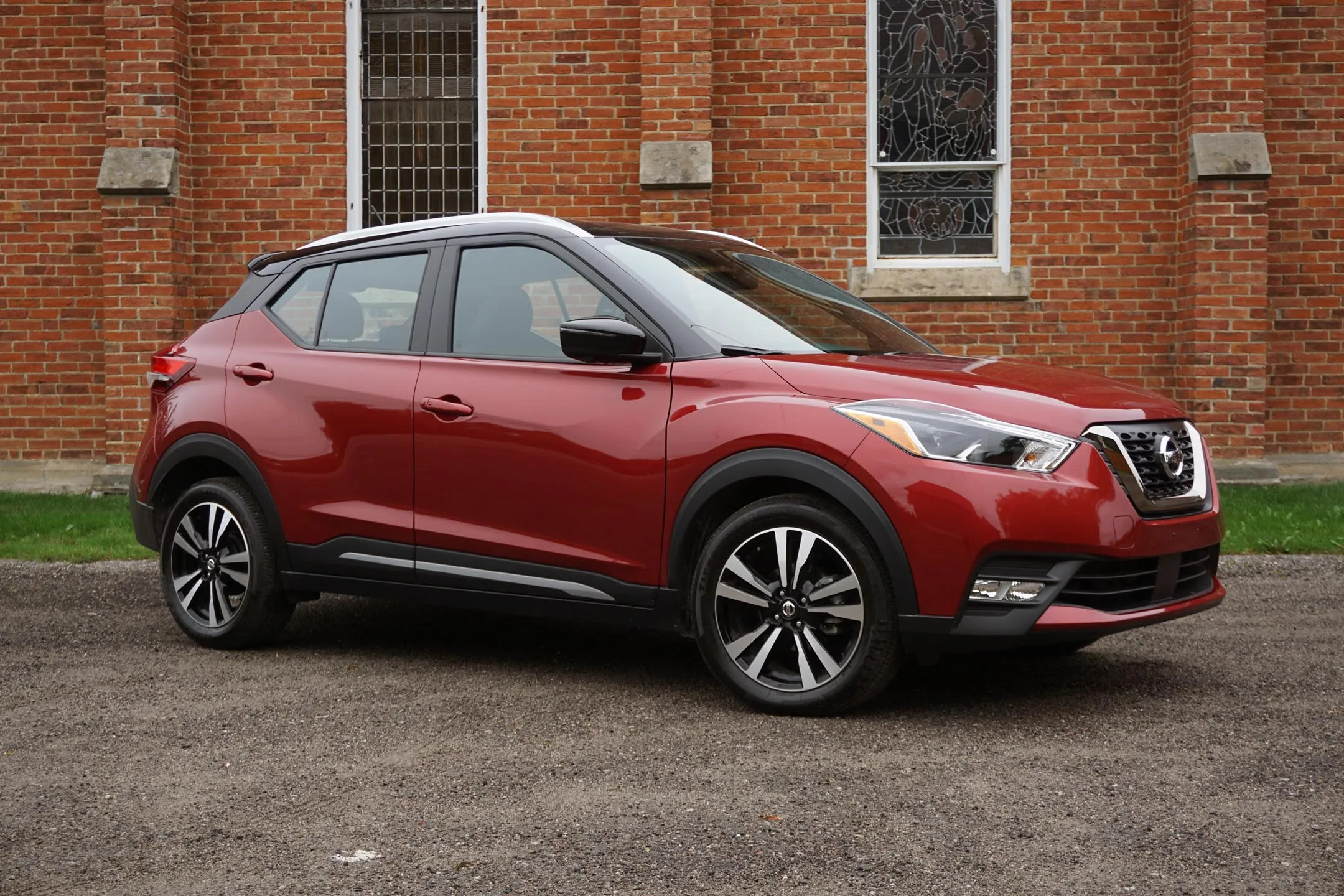
3. Nissan Kicks SR (2018-2024)
Subcompact crossovers from Nissan prove that small vehicles can deliver value. These affordable SUVs provide practicality and reliability that justify their budget pricing. When you need basic transportation wrapped in crossover packaging, these Kicks deliver exactly that without pretending otherwise.
Four-cylinder engines are adequately powerful for city driving. Highway performance is acceptable, though not impressive. Fuel economy is excellent, making these Kicks affordable to operate daily. Engines prove reliable when maintained, avoiding catastrophic failures.
CVT transmissions operate acceptably in these lightweight vehicles. Response is adequate, though not thrilling. Reliability seems decent based on owner reports. These gearboxes suit city driving better than highway passing.
Interior quality is acceptable for budget crossovers. Materials are basic but durable. Design is functional without excitement. Everything works as intended. Seats are comfortable enough for commuting. Space is adequate for small families or individuals.
Technology features are basic but functional. Systems work without excessive complications. Everything operates reliably rather than impressively. These Kicks don’t pretend to offer luxury features, focusing instead on essentials executed properly.
Safety equipment is adequate, with decent crash test ratings. Driver assistance features are basic but functional. Build quality is acceptable for this price range. These crossovers provide reasonable protection without advanced technologies.
Reliability has proven solid for these simple vehicles. Fewer complications mean fewer failures. Owners report minimal problems and low repair costs. This dependability creates value for buyers prioritizing affordability.
Resale values are moderate but acceptable. Depreciation is reasonable for this segment. Budget buyers recognize Kicks’ practicality, creating sufficient demand to protect investments adequately.
Running costs are impressively low. Fuel economy is excellent. Insurance rates are affordable. Parts are inexpensive. Repairs are simple and cheap. Everything about ownership stays budget-friendly throughout.
What makes these Kicks valuable is Nissan’s success in delivering basic transportation affordably. They created vehicles serving practical needs without expensive pretensions that inflate costs unnecessarily.
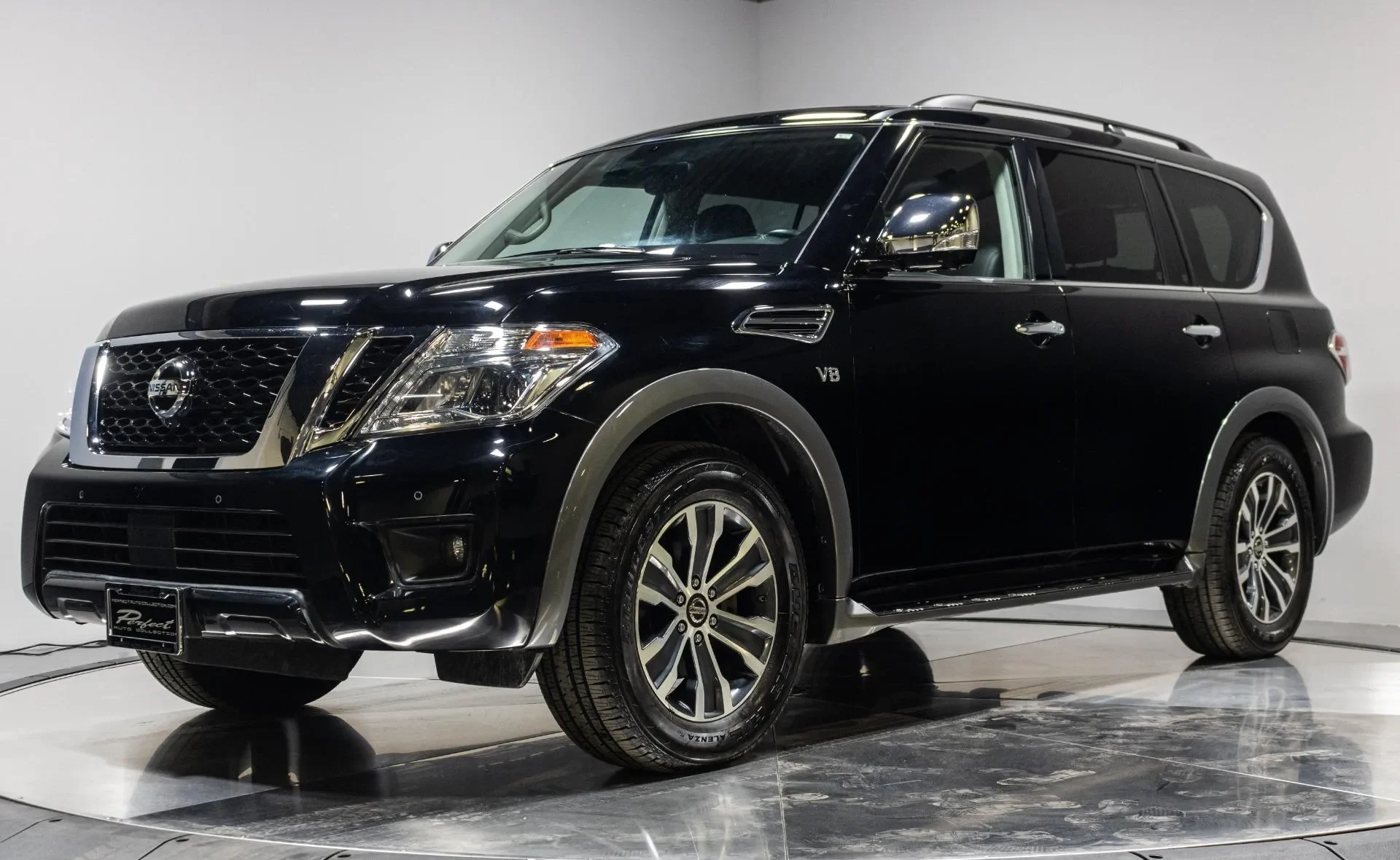
4. Nissan Armada SL (2017-2024)
Nissan’s full-size SUV lineup shows that practicality and strength can coexist when priced sensibly. The second-generation Armada embodies this balance, offering generous space, impressive muscle, and a family-friendly layout without the inflated costs associated with premium competitors.
It stands as a reminder that function and affordability can align when a vehicle is designed with purpose rather than prestige.
Under the hood, the 5.6-litre V8 engine delivers 400 horsepower, giving the Armada more than enough energy to haul heavy loads or tackle long trips with ease.
Acceleration feels confident, and towing capacity is robust, making it a dependable partner for work or leisure. The seven-speed automatic gearbox complements the engine perfectly, offering smooth transitions and quick responses suited to both city and highway use.
The four-wheel-drive system engages effortlessly, providing genuine traction in challenging conditions. It feels capable, not just for show, giving families the confidence to venture beyond smooth pavement when needed.
Inside, the Armada maintains solid build quality, with durable materials and enough seating for up to eight occupants. The spacious cabin feels thoughtfully arranged, ensuring comfort even during long drives.
Reliability remains one of its strongest attributes. With a straightforward mechanical layout, there’s less to go wrong, and owners report generally positive experiences over years of use. Maintenance and repair costs stay reasonable, helping preserve long-term value.
Fuel consumption is predictable for a large V8 SUV, thirsty but manageable given its power and capability. Insurance and servicing expenses are also fair, keeping ownership within reach for families seeking practicality over luxury flash.
The Armada’s strength lies in its honest execution. It delivers the essentials of a proper full-size SUV space, strength, and dependability without unnecessary extravagance, offering genuine value to buyers seeking substance over show.
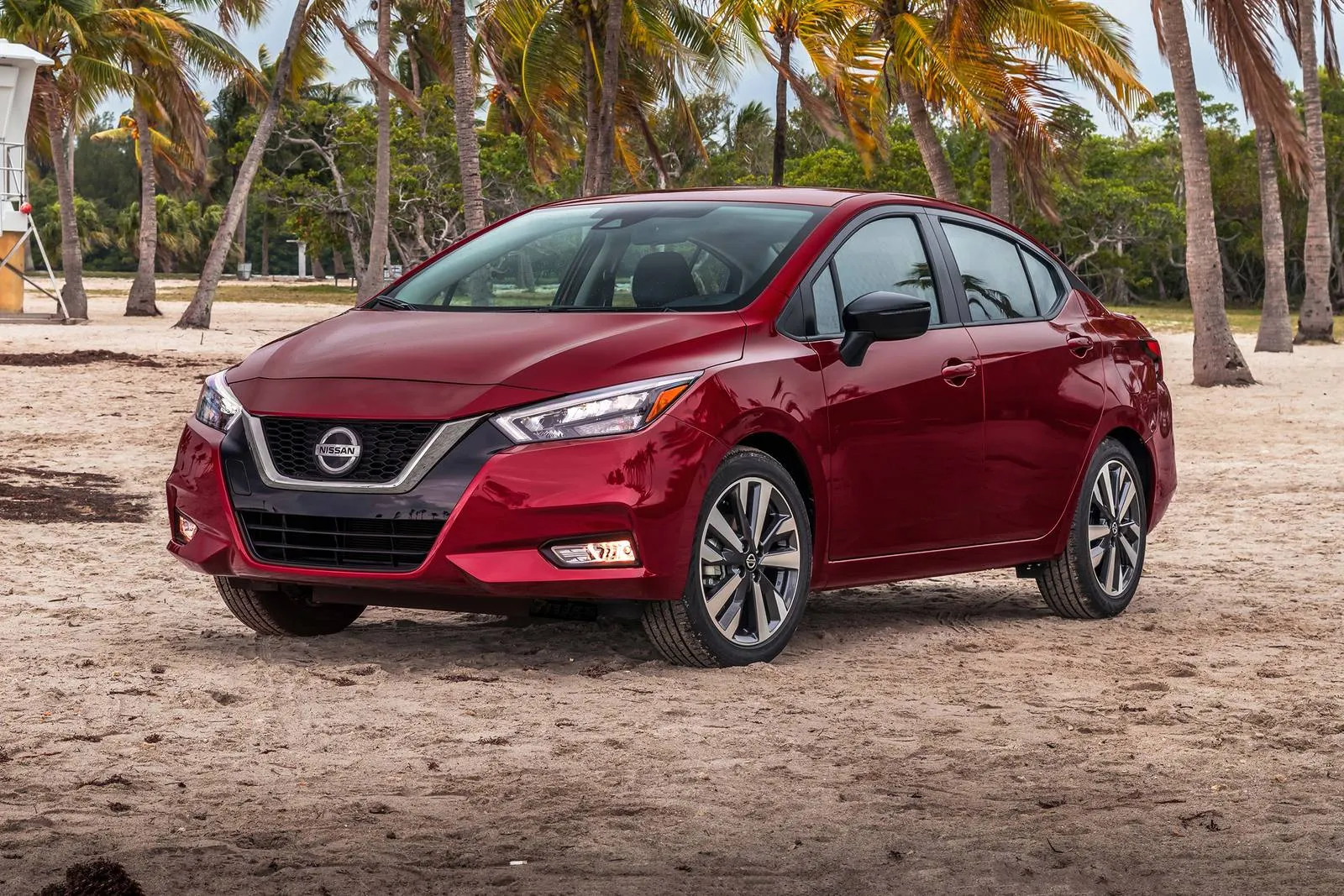
5. Nissan Versa S (2020-2024)
Budget sedans from Nissan deliver basic transportation at rock-bottom prices. These third-generation Versas provide essentials without frills, creating value for buyers prioritizing affordability above everything else. When you need reliable wheels without expensive features, these sedans deliver exactly that.
Four-cylinder engines are adequately powerful for commuting. Performance is acceptable, though not exciting. Fuel economy is excellent, making these Versas affordable to operate daily. Engines are simple and reliable, avoiding complications.
CVT transmissions operate acceptably in these lightweight sedans. Response is adequate for city driving. Reliability seems decent based on owner reports. These gearboxes suit budget vehicles reasonably well.
Interior quality is basic but functional. Materials are simple, though durable enough. Design prioritizes affordability. Everything works as intended. Seats are adequate for commuting. Space is acceptable for small families.
Technology features are minimal but functional. Systems work without complications. Everything operates reliably rather than impressively. These Versas focus on essentials executed adequately.
Safety equipment is basic but acceptable. Crash test ratings are decent. Build quality is adequate for this price point. These sedans provide reasonable protection without advanced features. Reliability is acceptable for simple vehicles. Fewer features mean fewer failures. Owners report minimal problems. This dependability creates value for budget buyers.
Resale values are poor but expected for this segment. Depreciation is heavy. However, initial prices are so low that total losses stay manageable. Running costs are remarkably low. Fuel economy is excellent. Insurance rates are minimal. Parts are cheap. Repairs are simple and affordable. Everything about ownership stays budget-friendly.
What makes these Versas valuable is Nissan’s success in delivering basic transportation affordably. They created vehicles serving practical needs at prices that truly budget-conscious buyers can actually afford.
5 Nissans That Don’t Deliver Value
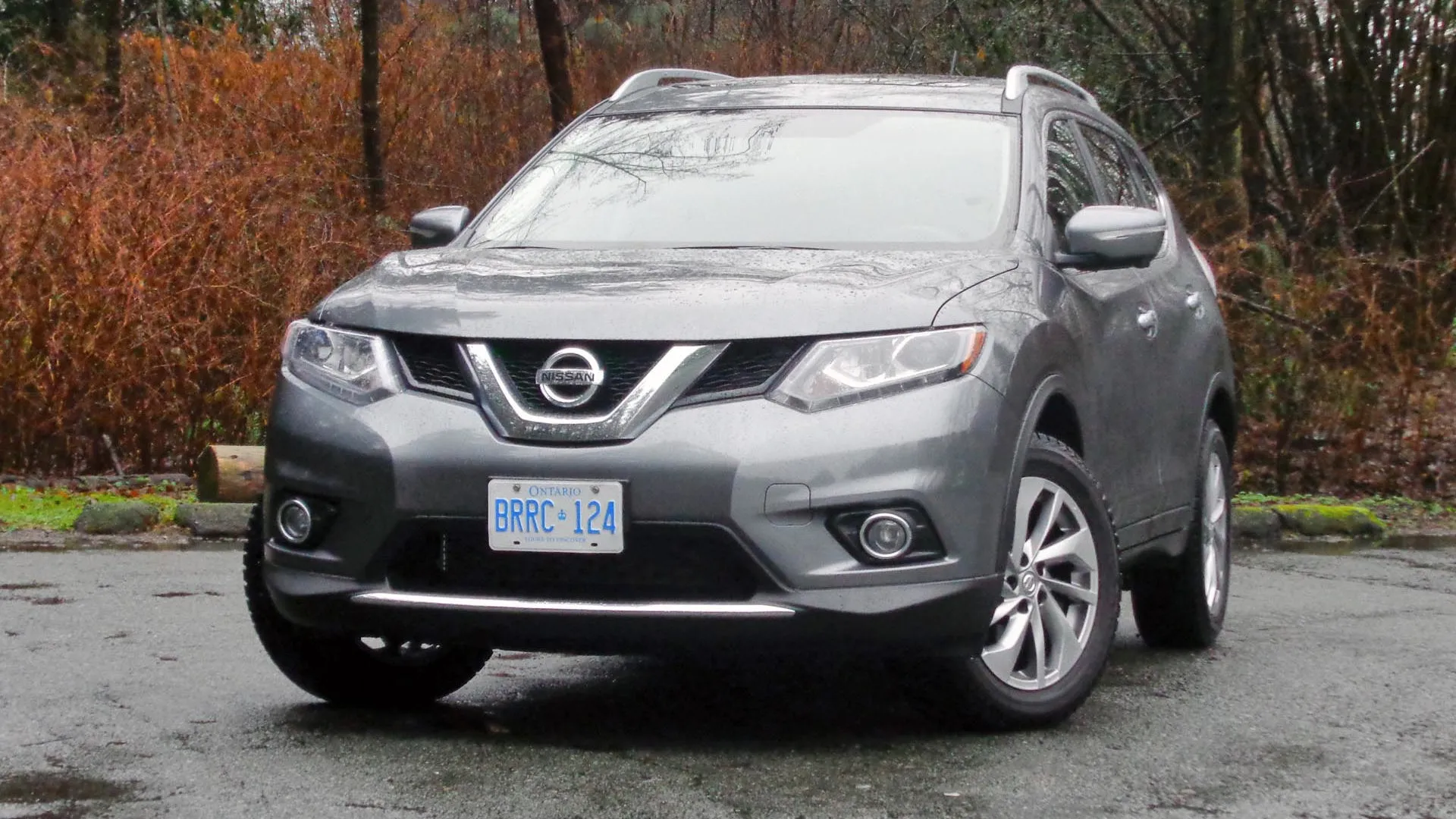
1. Nissan Rogue SL (2014-2020)
The Nissan Rogue entered the market as a reliable and family-friendly crossover, but its reputation soon crumbled due to persistent transmission issues. Drivers of the second and third generations learned the hard way that the continuously variable transmission (CVT) was its biggest weakness.
Instead of delivering the smooth and efficient performance promised, the gearbox often failed prematurely, leaving owners with costly repairs. What started as an appealing and budget-conscious option eventually became a financial headache that Nissan showed little effort to resolve.
The CVT’s reputation for unreliability defines the Rogue’s downfall. Drivers report constant shuddering, slipping, and jerking, followed by complete transmission failure.
Replacements are so expensive that many owners abandon their vehicles altogether, unable to justify repair costs higher than the car’s resale value. This issue alone destroys any long-term value or trust in the model.
Inside, early impressions of comfort quickly fade. Cabin materials wear out fast, and the build quality feels subpar once daily use begins. Rattles, loose panels, and seats that lose their shape make the experience feel cheap and rushed. What once looked refined soon feels neglected.
Behind the wheel, the Rogue delivers an uninspired experience. The transmission’s droning sound dominates every drive, and acceleration feels sluggish and unresponsive. Steering lacks precision, leaving little connection to the road. Combined with poor performance, the entire experience is joyless.
When the CVT eventually fails, the cost of repair or replacement can financially devastate owners. Even those who avoid breakdowns often live with constant fear of failure, turning ownership into a stressful ordeal.
Depreciation has been merciless, as word of these failures spread. Few buyers are willing to take the risk, and used prices have plummeted. Additional issues, such as electrical glitches and premature part wear, further damage confidence.
The Rogue’s story is one of lost trust. Nissan’s refusal to confront its transmission issues left loyal customers feeling betrayed, paying the price for engineering missteps that destroyed the model’s reputation.
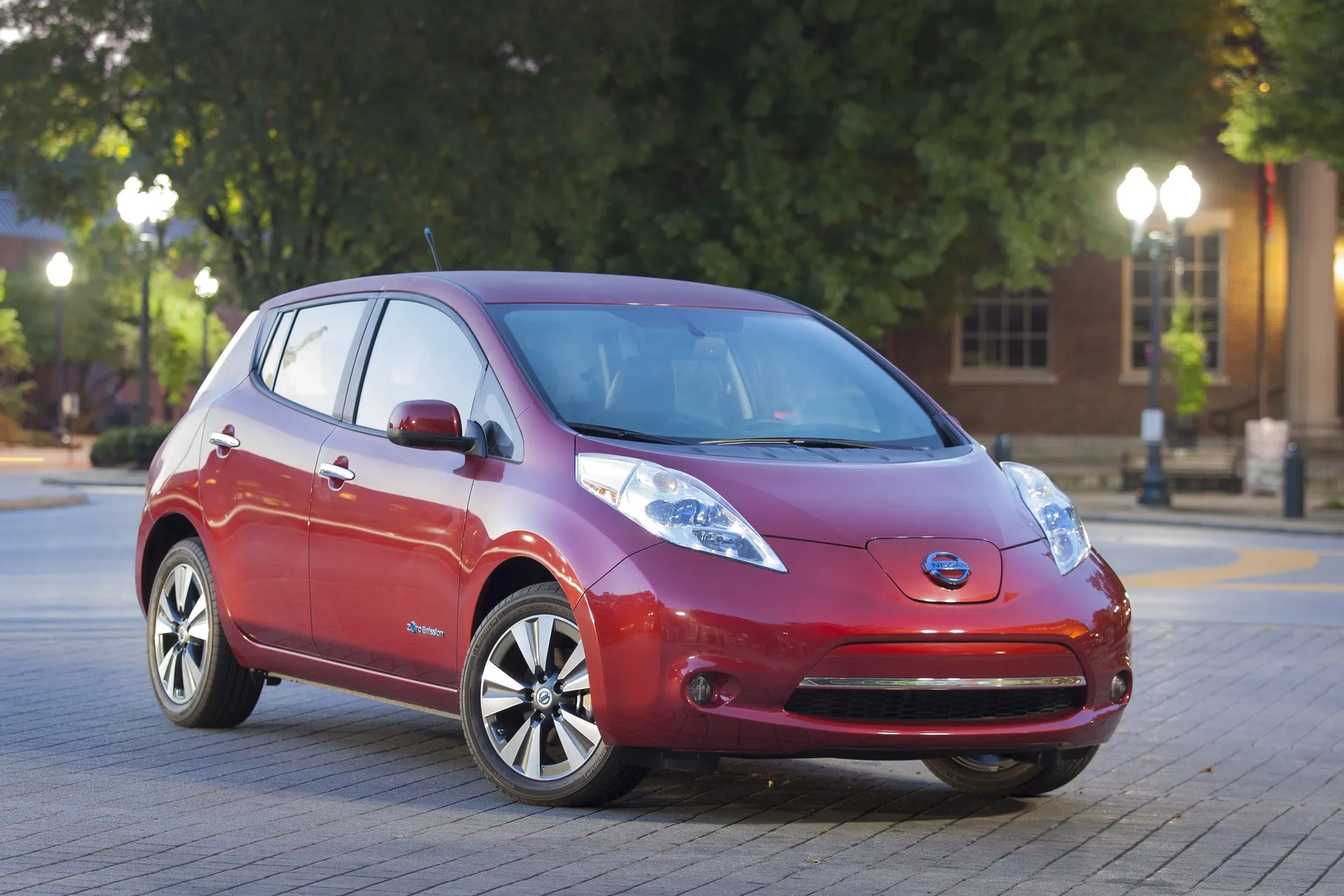
2. Nissan Leaf SV (2011-2017)
Early electric vehicles from Nissan demonstrate how battery technology failures destroy value. These first and second-generation Leafs suffer rapid battery degradation that makes them worthless. What seemed like environmentally conscious purchases become useless vehicles worth nothing.
Battery degradation happens catastrophically quickly. The range drops dramatically over the years. Hot climates accelerate failures. Replacement costs exceed vehicle values. This single issue destroys any value proposition completely.
The driving range is pathetically short, even when new. Real-world mileage disappoints constantly. Cold weather reduces the range further. Everything about the range creates anxiety and limits usefulness.
Interior quality is mediocre at best. Materials are basic and cheap-feeling. Design is dated and unappealing. Everything feels like economy cars despite premium electric pricing.
Technology features are dated and frustrating. Systems operate slowly with terrible interfaces. Everything feels ancient compared to modern alternatives. Updates don’t exist to improve experiences. Charging infrastructure limitations compound range problems. Finding stations is difficult. Charging times are excessive. Everything about refueling creates frustrations.
Resale values are catastrophic. Nobody wants these Leafs because battery degradation is inevitable. Depreciation is brutal, erasing massive percentages almost immediately. Some examples are literally worthless.
Running costs seem low initially, but battery replacement destroys any savings. When degradation becomes severe, vehicles become unusable. Replacement batteries cost more than vehicles are worth. Reliability beyond batteries is mediocre. Electrical issues develop. Other components fail. Nothing inspires confidence in long-term ownership.
What makes these Leafs a terrible value is how battery degradation destroys everything. Nissan’s use of air-cooled batteries rather than liquid-cooled systems betrayed customers, creating vehicles that become worthless rapidly.
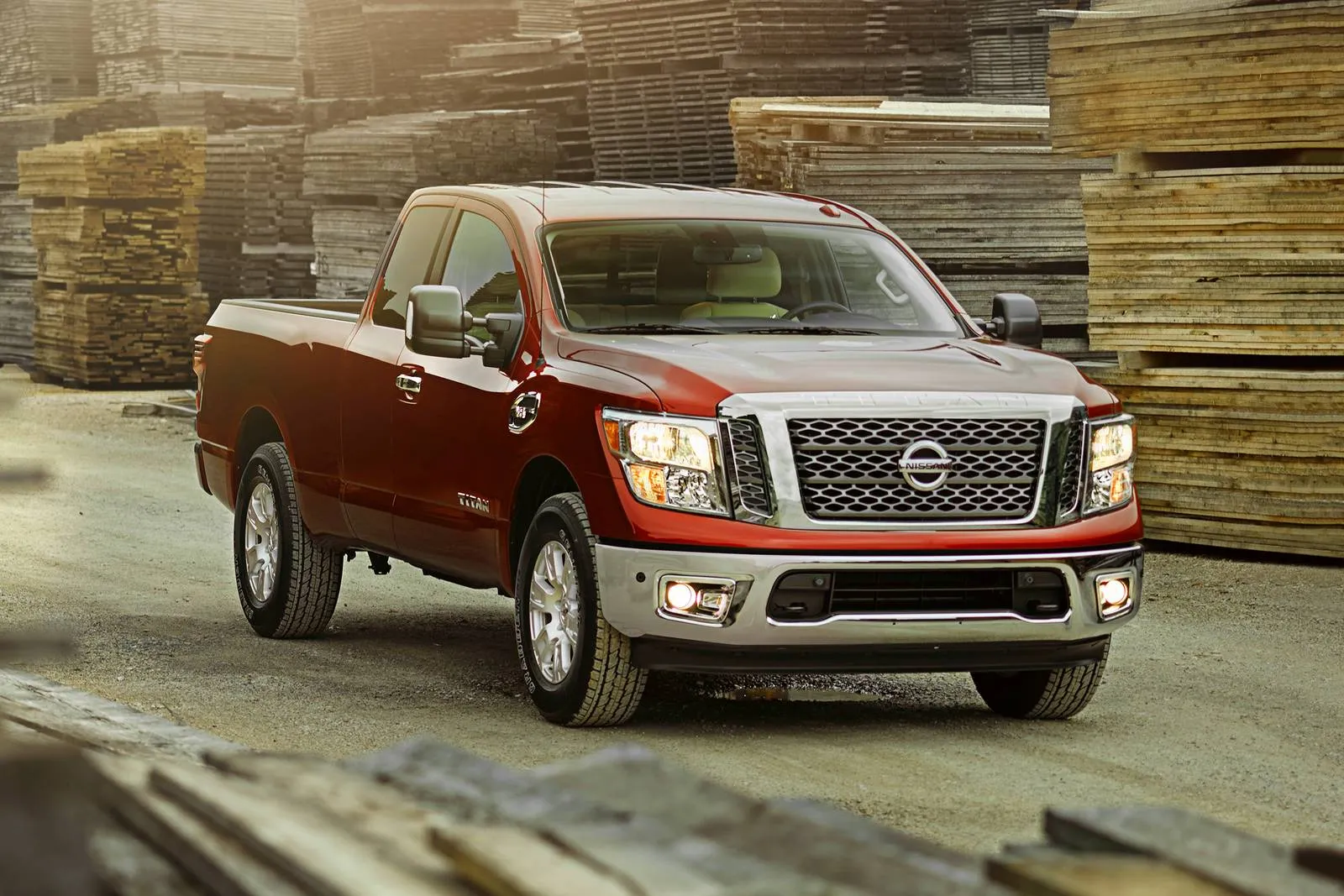
3. Nissan Titan XD SL (2016-2019)
The Nissan Titan XD set out to bridge the gap between light-duty and heavy-duty trucks, yet its execution left owners disappointed and wallets drained. On paper, the Cummins diesel engine promised strength, durability, and impressive towing capacity, but in reality, the truck struggled with reliability and excessive running costs.
What was intended to be a capable workhorse turned into one of Nissan’s most regrettable ventures. The diesel engine, though initially appealing, became the source of endless problems. Costly repairs, frequent emission system failures, and frustrating regeneration cycles made daily use burdensome.
Owners expecting the efficiency of a diesel were met instead with fuel economy barely better than standard gasoline trucks. The added maintenance and high fuel prices eliminated any financial advantage the diesel option was supposed to offer.
Inside, the Titan XD failed to meet expectations for its price tag. The interior design felt basic and uninspired, with materials that wore down quickly and did not reflect its premium cost. For a vehicle marketed toward truck enthusiasts and professionals, the entire presentation fell flat.
While towing and hauling figures seemed competitive on paper, real-world performance didn’t justify the complications or expense of diesel ownership. Gasoline-powered rivals offered comparable strength without the additional maintenance headaches. Reliability was another downfall, with both mechanical and electronic systems prone to issues.
Depreciation was severe, as used buyers avoided the Titan XD’s reputation for costly ownership. With parts for the discontinued diesel engine becoming harder to find, repair bills climbed even higher. Maintaining one of these trucks turned into an expensive ordeal rather than a practical investment.
The Titan XD’s downfall lies in Nissan’s overambition. The attempt to create a diesel-powered alternative to domestic heavy-duty trucks failed to deliver on performance, reliability, or value, leaving behind a legacy of disappointment and regret.
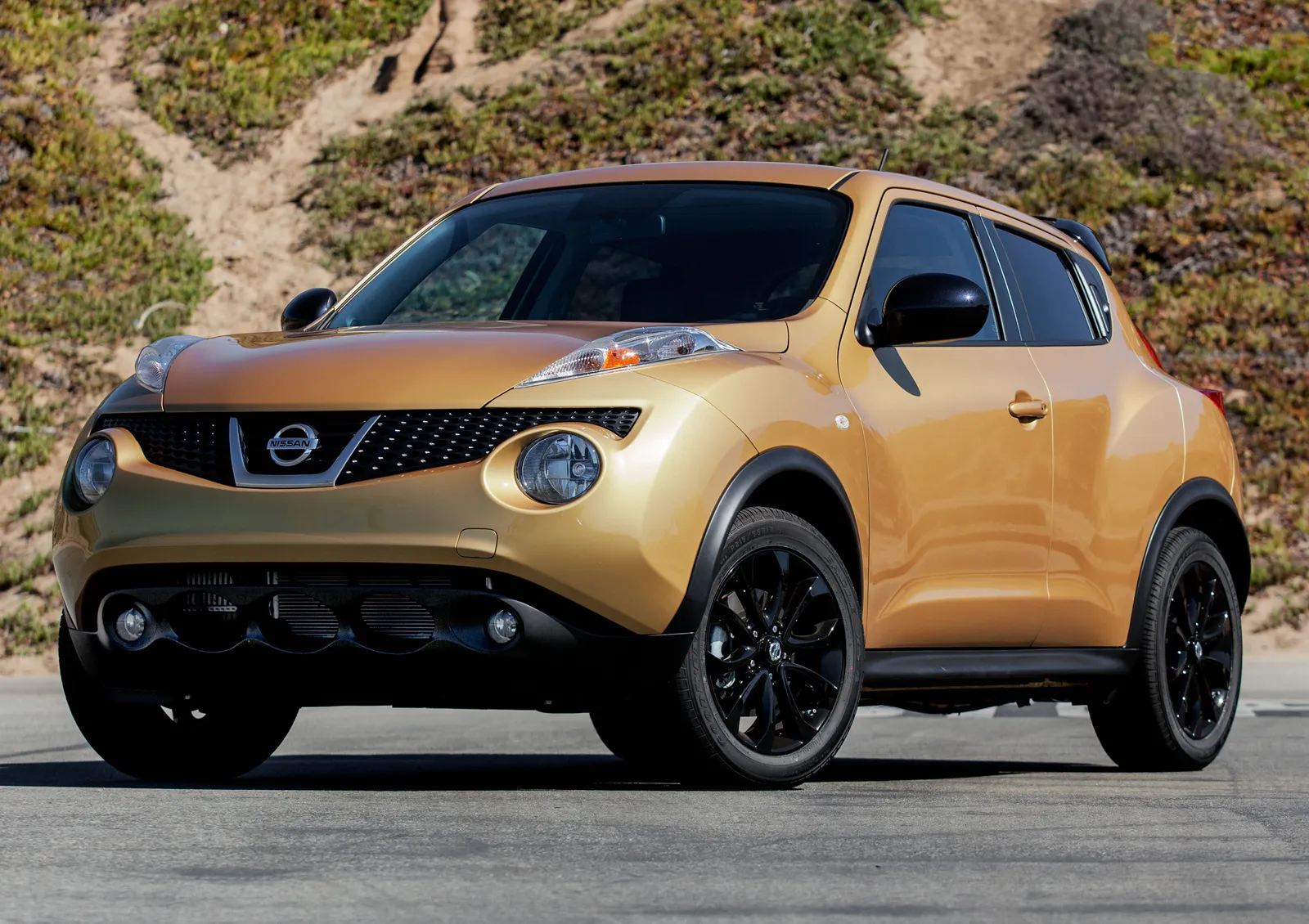
4. Nissan Juke SL (2011-2017)
Quirky styling can’t overcome terrible value propositions. These first-generation Jukes combine poor reliability with awful resale, creating ownership nightmares. What seemed like distinctive purchases became regrettable mistakes.
CVT transmissions fail regularly, just like other Nissans. Repairs are expensive. Reliability is terrible. This problem alone destroys any value. Interior quality is shockingly bad. Materials are cheap and nasty. Design is awkward. Everything feels poorly assembled. Nothing justifies pricing.
Driving experiences are terrible. Performance is sluggish. Handling is awkward. Visibility is poor. Everything about operating these Jukes is unpleasant. Fuel economy disappoints despite small size. Real-world mileage is mediocre. Savings don’t materialize as promised.
Reliability is terrible across all systems. Transmissions fail. Electrical problems develop. Everything breaks regularly. Ownership becomes constant repairs. Resale values are catastrophic. Nobody wants these ugly, problematic crossovers. Depreciation is brutal, erasing massive percentages rapidly.
Running costs spike through constant repairs. Everything breaks, requiring expensive fixes. Ownership becomes financially devastating. Practicality suffers despite crossover classification. Space is limited. Visibility is terrible. Everything about daily use is frustrating.
What makes these Jukes’ terrible value is how everything fails simultaneously. Nissan created distinctive-looking disasters that betray owners through terrible reliability and worthless resale.
Also Read: 12 Nissan SUVs That Prove Durable in 2025
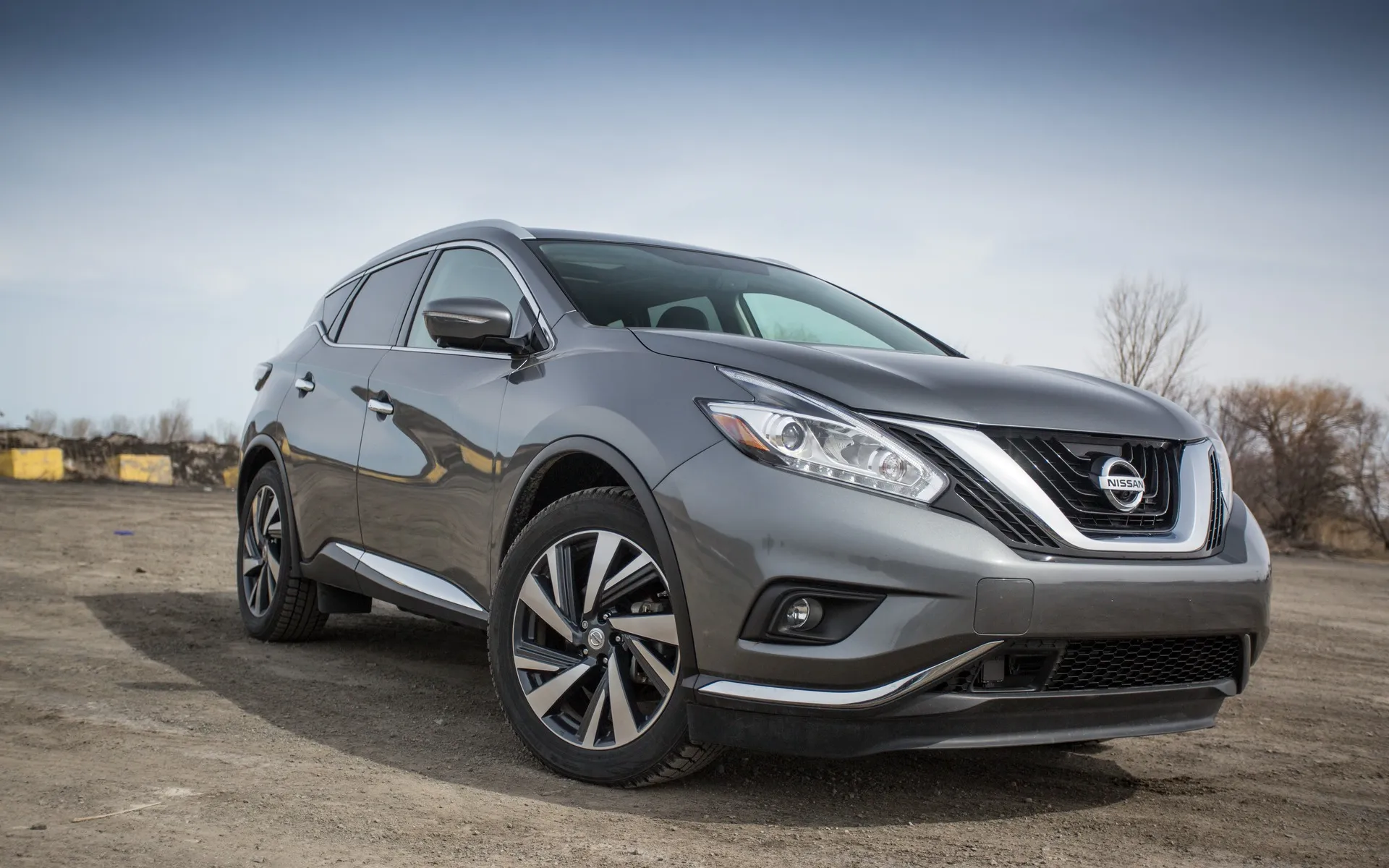
5. Nissan Murano Platinum (2015-2022)
The Nissan Murano Platinum from 2015 to 2022 aimed to blend upscale comfort with practicality, but instead became a costly disappointment for many owners.
Marketed as a luxury crossover, it offered sleek styling and premium features, yet beneath the surface lay one of Nissan’s most notorious weaknesses, the continuously variable transmission.
What began as an appealing purchase for families seeking refinement often turned into a financial burden filled with mechanical trouble.
The CVT, shared across much of Nissan’s lineup, remains the Murano’s biggest downfall. Premature transmission failures are common, and the cost of repair or replacement often exceeds the car’s market value.
This single flaw wipes out any sense of value or reliability. Even the cabin, which was intended to feel high-end, shows its weaknesses quickly. Interior materials wear down early, panels creak, and the entire build quality fails to meet expectations for a vehicle positioned as premium.
Behind the wheel, the driving experience feels dull and disconnected. The CVT creates a constant droning sound, robbing the engine of character and making highway travel tiresome.
Steering lacks feedback, and the suspension prioritizes softness at the expense of engagement. Despite modest power, fuel economy falls short of what buyers might expect from a crossover of this size.
Long-term dependability is another major issue. Beyond transmission breakdowns, owners report problems with electronics, infotainment glitches, and premature wear across major systems.
The combination of poor reliability and weak resale value makes ownership financially punishing. Depreciation is steep, with the CVT’s bad reputation ensuring used models lose value rapidly.
The Murano Platinum’s promise of affordable luxury collapses under the weight of its engineering flaws. Nissan’s continued neglect of its transmission issues leaves loyal buyers feeling deceived, transforming what should have been a comfortable family crossover into a regrettable investment.
