

The debate over whether the U.S. should ban gasoline cars sooner than 2035 has gained momentum as concerns about climate change and environmental sustainability intensify. With the transportation sector being a significant contributor to greenhouse…
Why the U.S. Should Tax Gas Guzzlers More Heavily
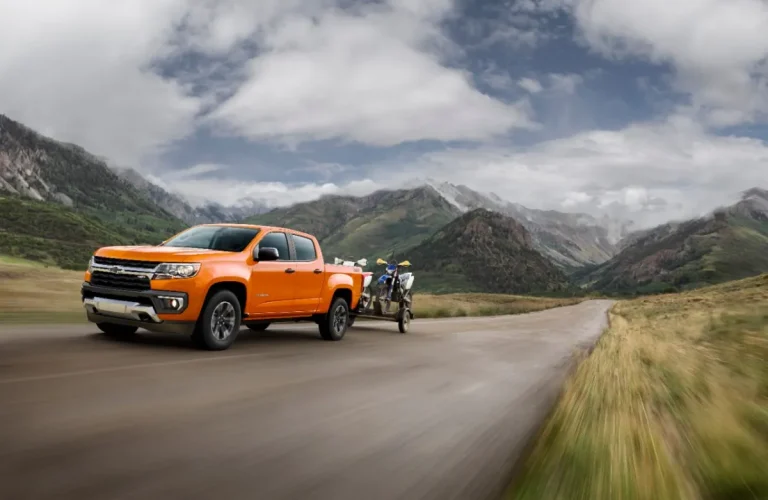
The current fuel-economy standards are akin to a dilapidated vehicle desperately in need of repairs. Although these rules, introduced in 1975, have led to more oil consumption and pollution than originally intended, a revision of…
Is the SUV Craze Ruining U.S. Fuel Efficiency Progress?
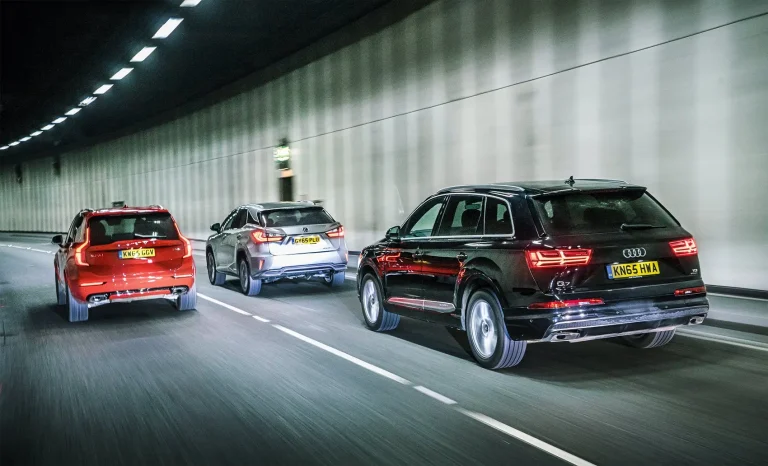
The US experienced significant improvements in fuel efficiency last year, yet it still falls short of the targets set to meet looming deadlines. Due to a strong preference for large vehicles, American automakers are trailing…
Is America’s Slow Adoption of EVs a Cultural Problem?
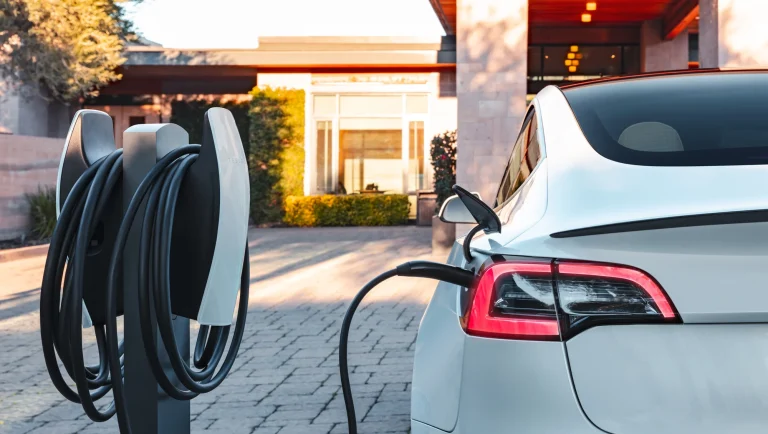
Energy news is currently dominated by discussions surrounding Tesla’s strategic direction—whether it should prioritize a high-volume, mass-market vehicle or fully commit to autonomous robotaxis. Additionally, the increasing competition from BYD and other Chinese automakers, along…
Are American EV Chargers Designed for Profit Over Accessibility?
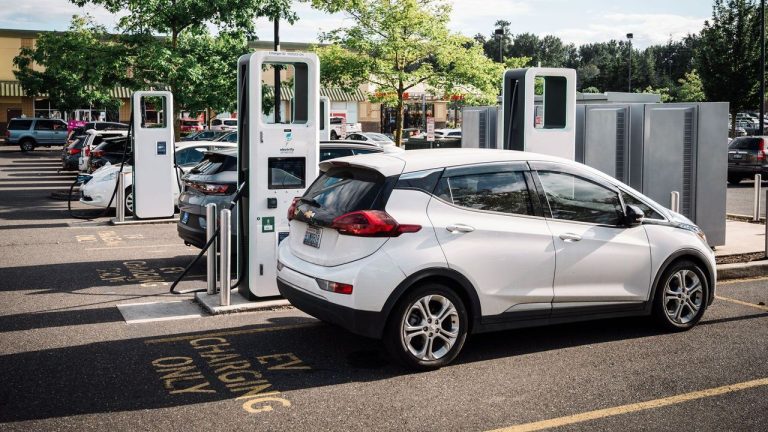
Electric vehicles (EVs) are becoming increasingly visible on American roads. According to data from Kelley Blue Book, over one million EVs were sold in the U.S. last year—the first time sales have reached this milestone…
Are Americans Ready for Subscription-Based Road Usage Fees?
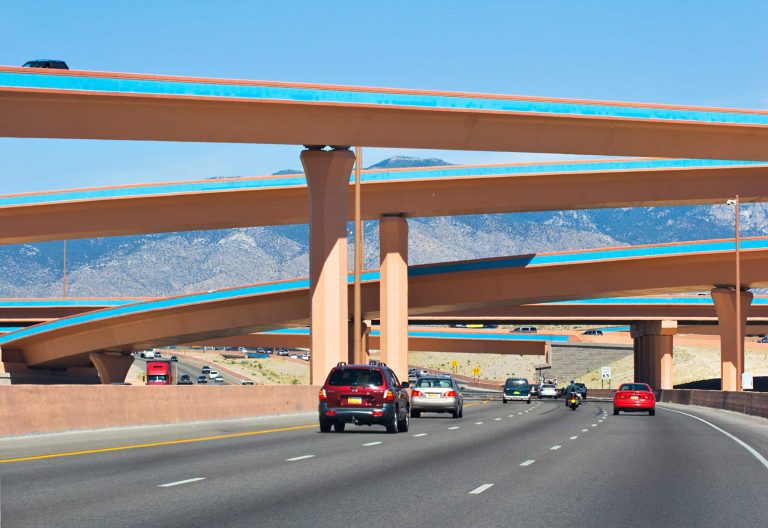
Road usage charging (RUC), also referred to as mileage-based user fees (MBUF), vehicle miles traveled (VMT), or distance-based user fees (DBF), is a government initiative that imposes fees based on miles driven rather than fuel…
The Decline of the Sedan: Why It’s a Problem for American Consumers?
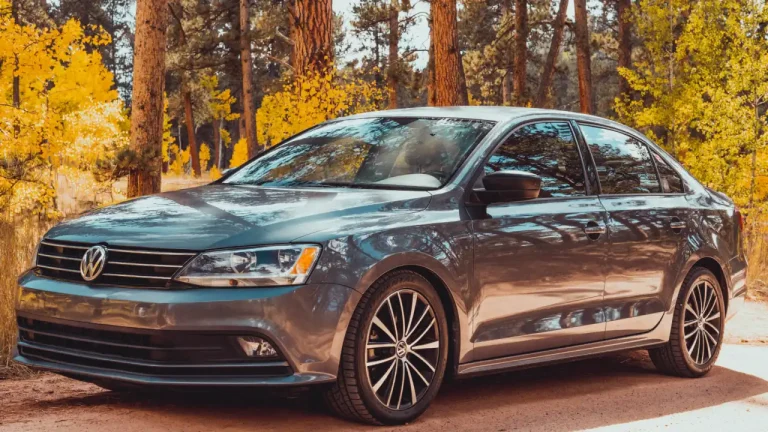
Sedans have been a cornerstone of the automotive industry for decades. However, their appeal has been waning among many drivers. With sedan sales experiencing a significant decline, the question on everyone’s mind is, “Are sedans…
Is the Rise of Luxury EVs Creating a New Social Divide in the U.S.?
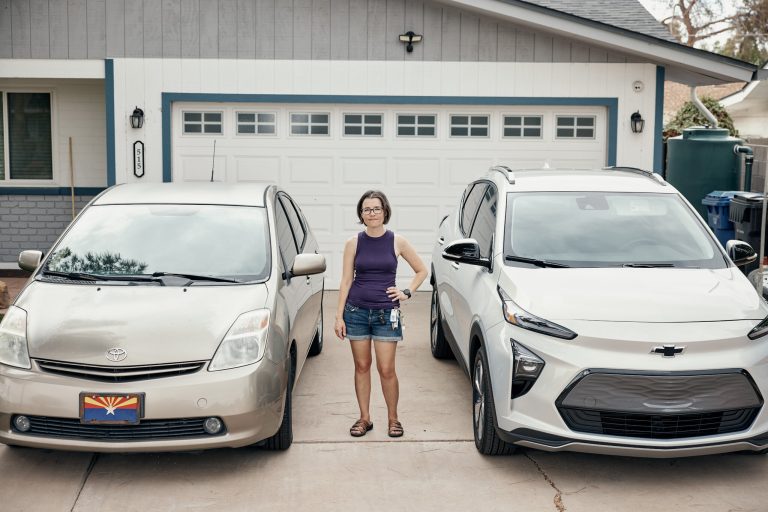
Electric and hybrid-electric vehicles (EVs) are rapidly gaining popularity across the globe. It’s becoming increasingly rare to find an urban area without at least a few electric scooters zipping by or a fuel station that…
The Impact of Uber and Lyft on America’s Car Ownership Trends
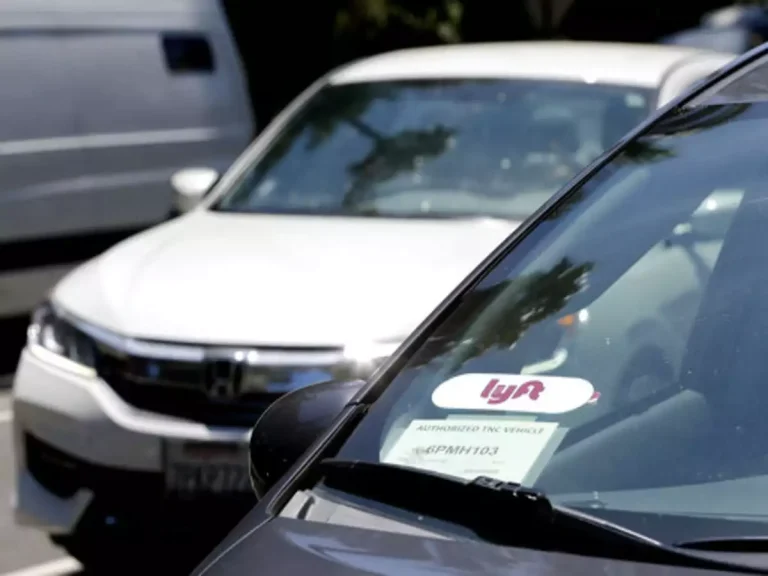
Ride-sharing services such as Uber, Lyft, and Didi Chuxing have transformed modern transportation, offering a convenient, cost-effective, and efficient alternative to taxis and personal vehicles. As these services grow in popularity, they are reshaping car…
Should Classic Cars Be Banned From American Roads to Cut Emissions?
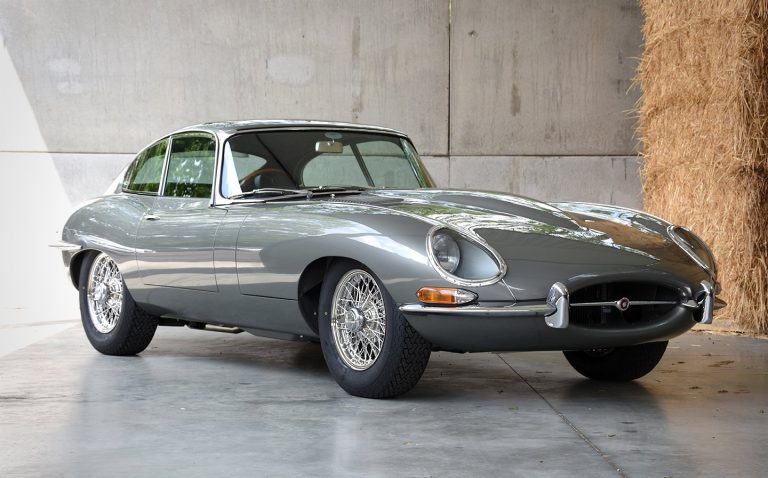
Anentertainment industry publication, recently published an op-ed titled “Should Old Cars Be Banned to Combat Pollution?” In the piece, it is argued that eliminating old cars would reduce pollution and carbon emissions, ultimately aiding in…
Why Smaller Cars Are a Big Missed Opportunity in the U.S. Market
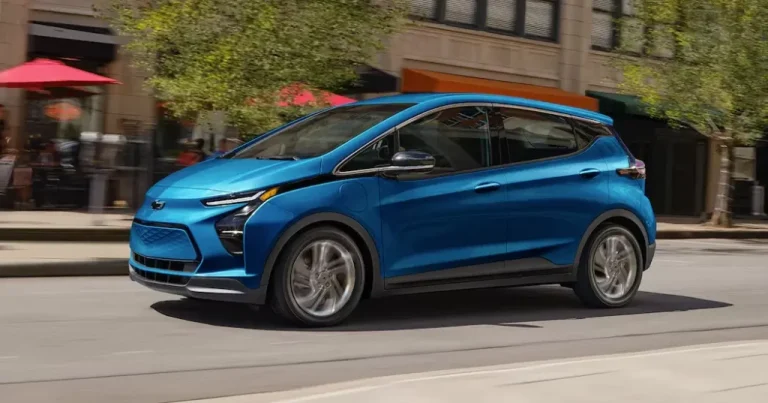
Ford is shifting its focus towards smaller electric vehicles (EVs), but the question remains: will a nation that loves its SUVs actually embrace them? Currently, the company produces only one “car,” the Mustang, but it…
America’s Car Dependency: Rising Costs, Inequities, and Sustainable Transportation Alternatives
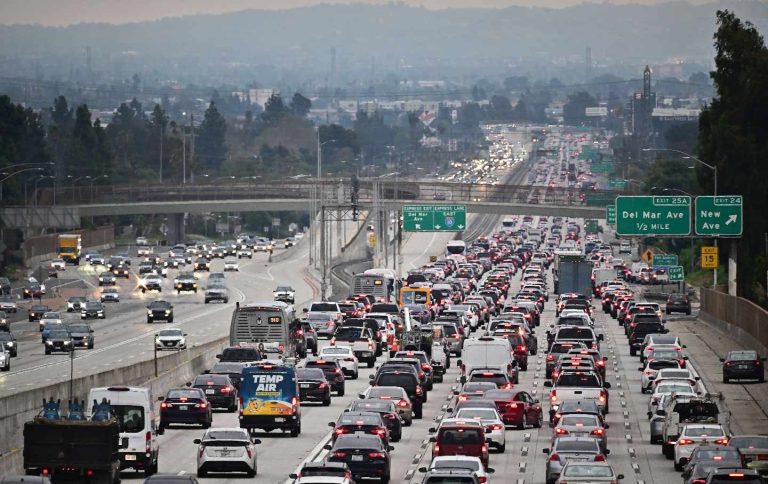
Car dependency has become deeply ingrained in American society, stemming from infrastructure and transportation planning that prioritizes cars above all else. The construction of the interstate highway system after World War II, combined with zoning…
Why Instant EV Rebates Matter More to Americans Than Delayed Tax Credits
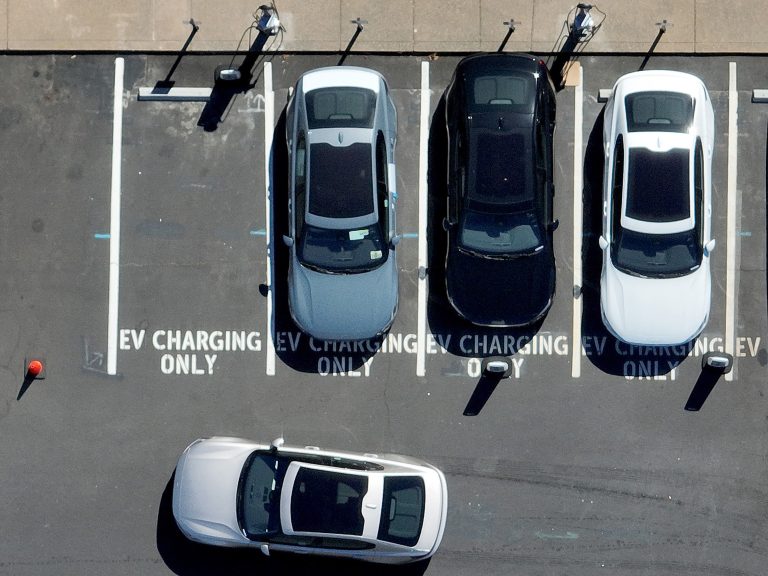
A study in the journal Environmental Research Letters reveals that American consumers prefer immediate financial incentives for purchasing electric vehicles (EVs). The study, which surveyed 2,170 individuals, found that cash rebates—discounts off the vehicle’s sticker…
Why Gas Cars Will Still Be Around as the EPA Pushes for an Electric Future

The Environmental Protection Agency (EPA) has proposed new emissions regulations aimed at accelerating the shift toward electric vehicles (EVs). According to the agency’s projections, by 2032, two-thirds of light-duty vehicle sales—such as cars, SUVs, and…
Why Manual Transmissions Are Disappearing from American Roads but Still Thrill Enthusiasts

The manual transmission is becoming increasingly rare, with many drivers opting for more modern, automated gear-shifting systems. In a recent drive through Southern California’s winding mountain roads in a 2019 Mazda MX-5 RF convertible, the…
Lawmaker Pushes Pedestrian Safety Act as SUVs and Trucks Grow in Size and Roadway Fatalities Rise
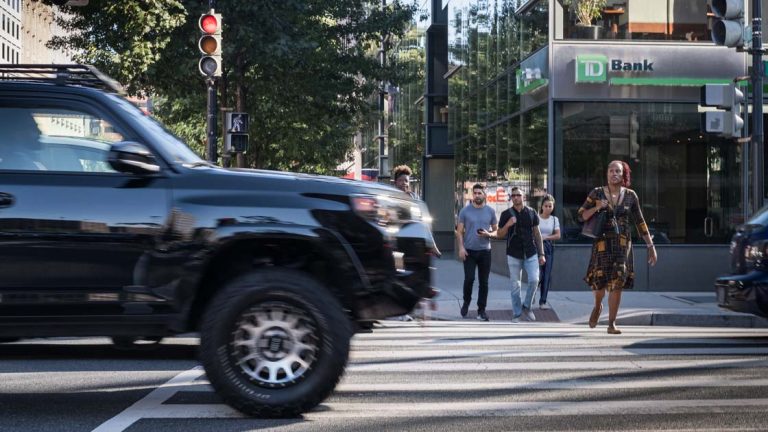
Over the past decade, the size of cars and trucks in the United States has increased significantly, contributing to a rise in roadway fatalities, particularly for pedestrians and cyclists. The average U.S. passenger vehicle has…
How Culdesac’s Car-Free Community Redefines Urban Living in America with Walkability and Sustainability

Traffic congestion is a common frustration for many, leading people to fantasize about a world without the daily grind of driving. The idea of a car-free community has captured the imagination of many, offering a…
How Larger Vehicles and Safety Tech Impact Pedestrian and Cyclist Safety on American Roads

Ensuring walkability in urban spaces goes beyond road design; vehicle design significantly impacts pedestrian and cyclist safety. Factors such as vehicle size, shape, visibility, and technological advancements play a crucial role in reducing road fatalities.…
Revisiting the Legacy of Los Angeles’ Traffic Ordinance and Its Impact on Urban Transportation
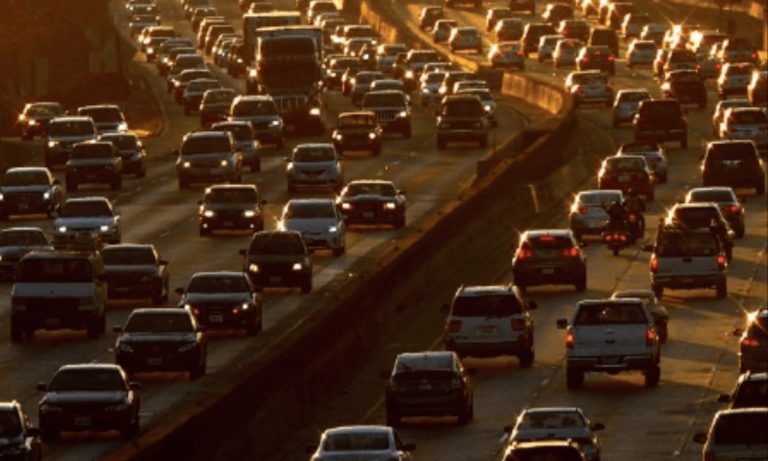
Los Angeles marked a significant milestone with the 100th anniversary of the Traffic Ordinance, passed on January 24, 1925. While wildfires continue to dominate the conversation about climate change and the transportation sector’s responsibility for…
The Role of Car Ads in Glorifying Reckless Driving in America
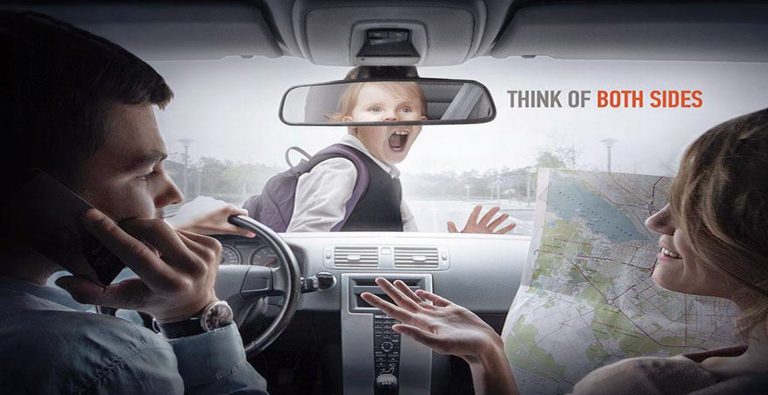
Car advertisements have a significant impact on consumer behavior and perceptions, often shaping societal attitudes toward driving. In America, car ads frequently depict thrilling driving experiences, emphasizing speed, power, and control. These portrayals can glorify…
Is Owning Multiple Cars a Status Symbol or a Burden?
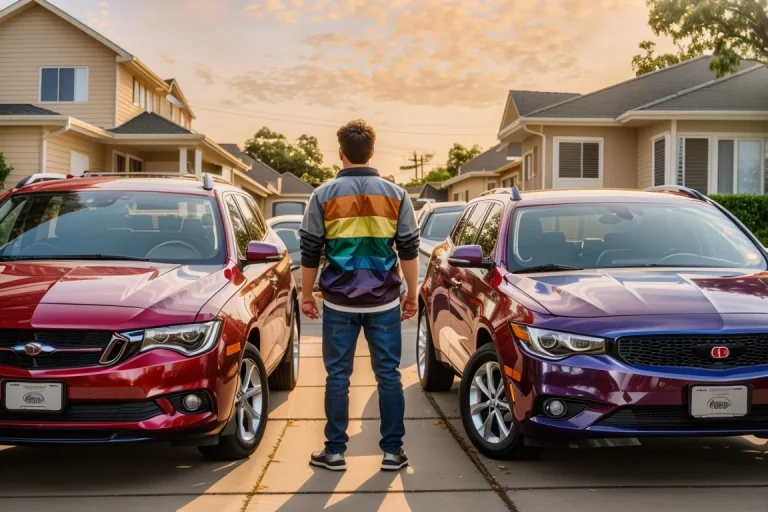
Owning multiple cars is a topic that evokes mixed opinions, shaped by personal values, economic circumstances, and societal norms. For some, it represents the pinnacle of success and wealth, while for others, it is viewed…
Automakers Target Supply Chain Sustainability to Reduce CO₂ Emissions and Accelerate Electric Vehicle Adoption
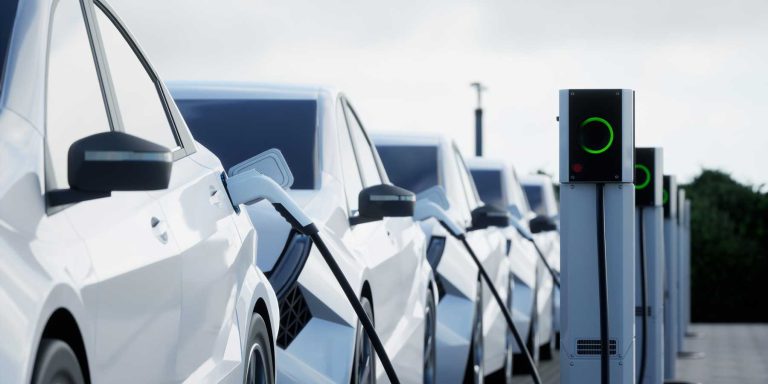
The automotive industry plays a significant role in global CO₂ emissions, with road transport contributing to 16% of human-made carbon dioxide emissions, according to the International Organisation of Motor Vehicle Manufacturers (OICA). The sector’s impact…
Should U.S. Cities Impose Congestion Charges? Traffic Fee For Peak Time

Urban congestion is a growing issue in many U.S. cities, leading to increased traffic, pollution, and economic inefficiencies. One potential solution to this problem is the implementation of congestion charges, a system where drivers are…
Electric Vehicle Adoption Faces Affordability Barriers for Middle- and Low-Income U.S. Households in 2025
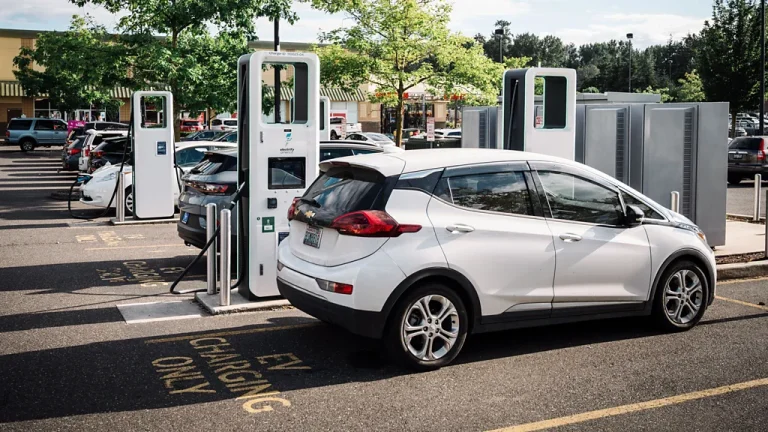
The transition to electric vehicles (EVs) in the U.S. has gained notable momentum in recent years, with electric and hybrid cars making up a record one in five vehicles sold in 2024. Of these, nearly…
Is the U.S. Ready for EV Recycling Challenges? What Happens When Lithium Batteries Reach End Of Life?
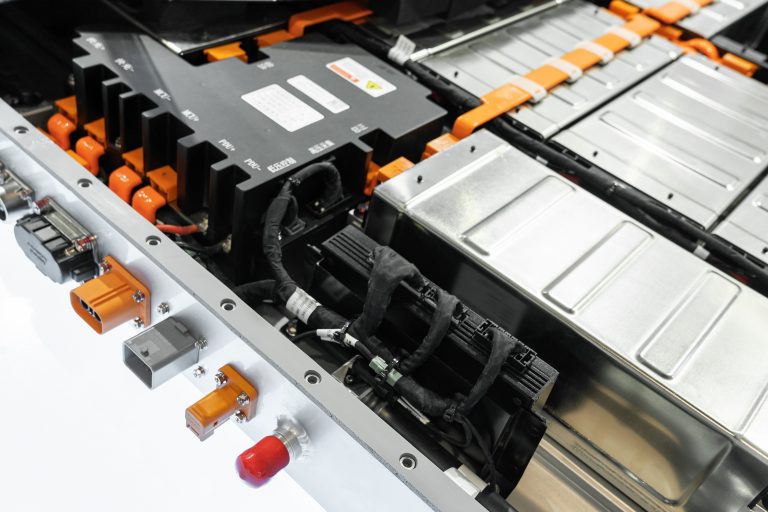
The rise of electric vehicles (EVs) heralds a new era in sustainable transportation. However, as the number of EVs on American roads continues to grow, so do the challenges associated with recycling their batteries. EV…