Sports cars have always been symbols of excitement, style, and pure driving fun. They capture attention with sleek shapes, powerful engines, and thrilling speed. Over time, some of these cars gain legendary status, becoming treasures collectors are willing to pay big money for.
Not every sports car ages the same way. While some remain admired for decades, others fade from memory. Their designs may look outdated, their performance may no longer impress, or their reputation may suffer from reliability problems that turn away even the most loyal fans.
A “collector-proof” sports car is one that remains highly desirable no matter how many years pass. These cars have a combination of style, engineering, and history that keeps enthusiasts talking about them. Many even increase in value instead of losing it.
On the other side, there are sports cars that age badly. These might have been exciting when new, but flaws in design, performance, or quality kept them from earning a permanent place in automotive history. Over time, they simply lost both charm and buyer interest.
Car collectors and enthusiasts often look at details such as rarity, performance potential, cultural impact, and design beauty when deciding which models are worth keeping. These qualities can make the difference between a valuable classic and a forgotten used car.
By understanding what makes certain sports cars stand the test of time, we can see why some become beloved icons while others turn into cautionary tales. Whether you’re a fan, a buyer, or just curious, the lessons are clear.
Also read: 10 Best-Selling Cars in the U.S. and What Makes Them Stand Out
5 Sports Cars That Are Collector-Proof
Most sports cars dream of becoming collector darlings, the ones that get bubble-wrapped, babied, and flipped at auctions for absurd money. But let’s be real: not every coupe with a spoiler is destined for a cult following.
Some cars, no matter how fast or flashy, will never earn that “blue-chip collectible” status. They depreciate like microwaves, age into Craigslist fodder, and make their owners realize the only people chasing them are parts hunters.
1) Porsche 911
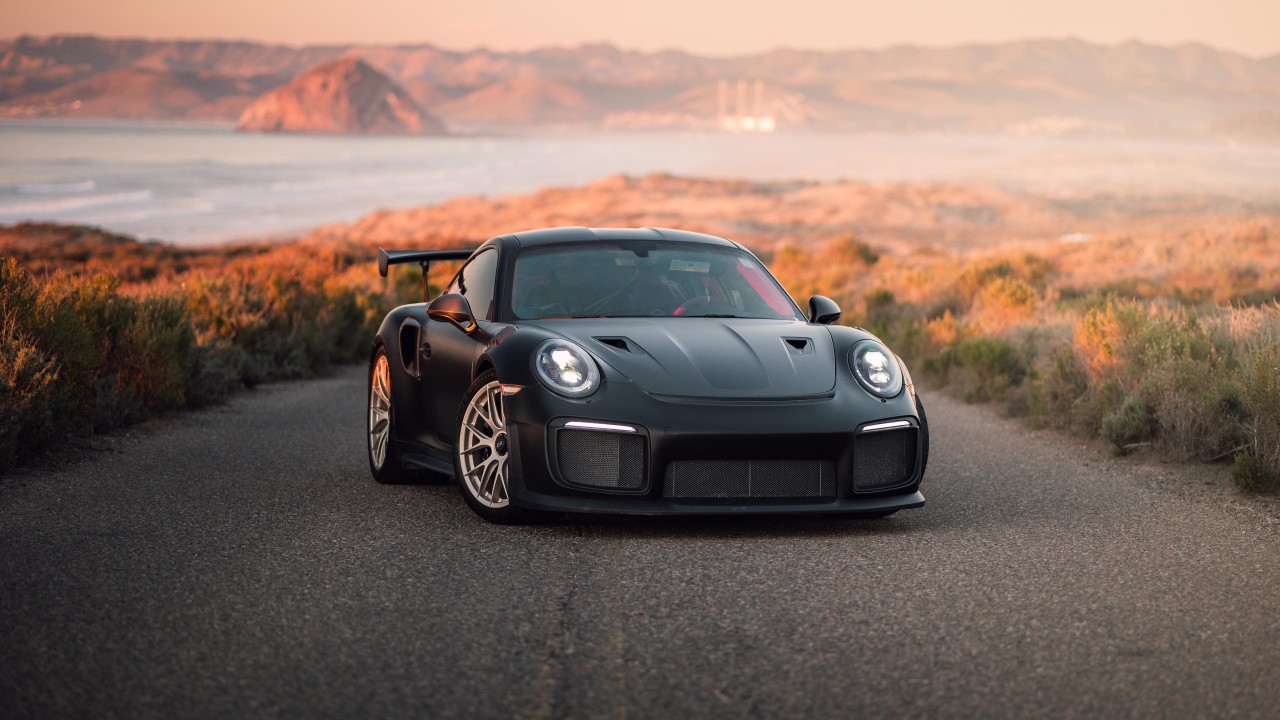
The Porsche 911 is one of the most famous sports cars in the world. Over the decades, it has built a reputation for speed, style, and engineering excellence. Among its many versions, the air-cooled models are especially treasured by collectors.
Air-cooled Porsche 911s were built between 1964 and 1998. Instead of using water to keep the engine cool, they relied on air, giving them a distinctive sound and character. This engineering choice also made them lighter and added to their unique driving feel.
These models are loved not only for their performance but also for their timeless design. The rounded headlights, sloping roofline, and simple yet elegant body have remained iconic. Even today, their shape is instantly recognizable and admired by car enthusiasts everywhere.
Another reason air-cooled 911s are so desirable is their connection to a purer driving experience. Without heavy electronics or overly complicated systems, they give drivers a raw and direct feel of the road, something modern cars often lack.
Collectors also value them because they represent the end of an era. When Porsche switched to water-cooled engines in 1999, the unique sound and mechanical simplicity of the air-cooled era disappeared, making these earlier cars even more special and rare.
Prices for well-kept air-cooled Porsche 911s have been climbing steadily. Models like the Carrera RS, 930 Turbo, and 993 are now worth far more than they originally sold for, proving that they are truly “collector-proof” investments in the sports car world.
Part of their value also comes from Porsche’s racing heritage. The company’s long history in motorsport adds prestige to every 911, and the air-cooled models benefit from this reputation for performance, durability, and engineering excellence.
Classic sports cars, few names carry the weight and respect of the air-cooled Porsche 911. They are more than just vehicles, they are pieces of automotive history. For collectors, owning one is not just about driving, but preserving a legend.
2) Mazda MX-5 Miata
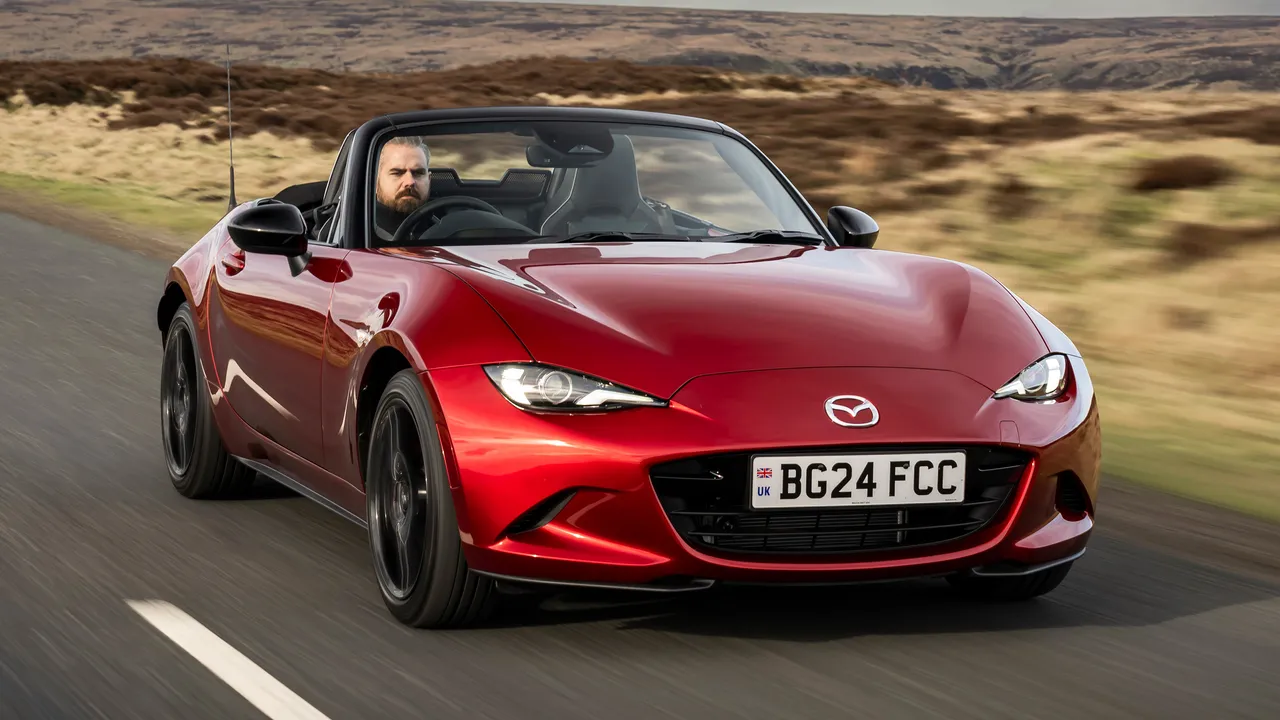
The Mazda MX-5 Miata is one of the most loved sports cars ever made. First released in 1989, the NA generation became an instant hit. It was light, fun to drive, and surprisingly affordable for a sports car.
The NA Miata stood out because it brought back the simple roadster spirit of the 1960s. With rear-wheel drive, a manual gearbox, and a balanced chassis, it offered pure driving joy without needing huge horsepower or advanced technology.
Its lightweight design made it agile and easy to handle. Enthusiasts often say that driving an NA Miata is about connection, feeling every curve, every shift, and every bit of feedback from the road through the steering wheel.
One of its most charming features was the pop-up headlights. They gave the car a playful personality that matched its fun character. Combined with its compact size, the Miata became instantly recognizable and beloved by drivers around the world.
Another reason it became so popular is its reliability. While many sports cars of the time required expensive upkeep, the NA Miata was simple to maintain. Parts were affordable, and the car’s basic mechanical design made it easy for owners to work on.
Over the years, the NA Miata built a strong community of fans. Clubs, events, and online groups keep the love for this little roadster alive, with owners sharing tips, stories, and modifications to keep their cars running and looking great.
Collectors value the NA Miata for its originality and honesty. It was never about showing off, it was about enjoying the drive. Today, well-preserved examples are becoming more sought after, and their values are slowly climbing in the classic car market.
The first-generation Miata proved that driving pleasure doesn’t need to come from huge engines or luxury badges. Its mix of affordability, reliability, and pure fun ensures it will remain a forever favorite. For many, it’s not just a car, it’s a lifelong companion.
3) Toyota Supra A80
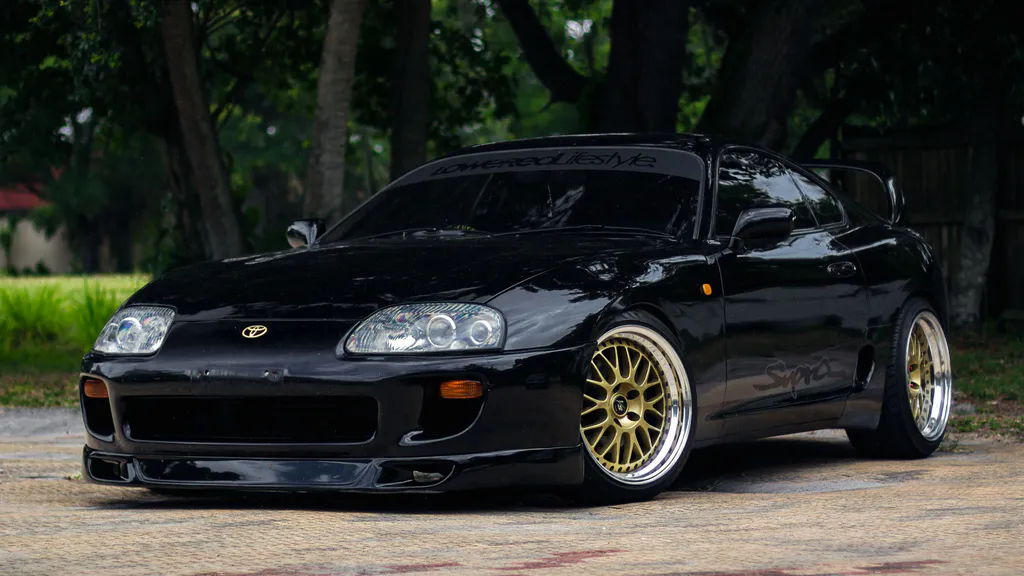
The Toyota Supra A80, built from 1993 to 2002, is one of the most famous Japanese sports cars ever made. Known for its powerful engine, sleek design, and huge tuning potential, it has become a legend in car culture.
At the heart of the A80 Supra is the 2JZ-GTE engine—a twin-turbocharged inline-six that is both incredibly strong and highly tunable. This engine’s ability to handle extreme horsepower made it a favorite among racers and performance enthusiasts worldwide.
Its design was equally striking. The smooth curves, large rear wing, and aggressive stance gave the A80 a distinct presence on the road. Even today, it still looks modern and turns heads wherever it goes.
The Supra also gained global fame thanks to movies and video games. Its role in the Fast & Furious franchise turned it into a pop culture icon, boosting its popularity far beyond traditional car enthusiast circles.
One reason collectors love the A80 Supra is its durability. The 2JZ engine is known for lasting hundreds of thousands of miles with proper care, and the car’s build quality reflects Toyota’s engineering excellence from the 1990s.
Because of its rarity, especially factory twin-turbo, manual transmission models, prices have skyrocketed in recent years. Well-preserved examples often sell for far more than their original sticker price, and demand continues to rise among enthusiasts and investors alike.
The A80 Supra also represents the peak of Toyota’s sports car engineering before stricter emissions rules and rising costs changed the industry. This connection to a golden era of performance cars adds even more value and nostalgia.
Japanese performance legends, the A80 Supra stands alongside icons like the Nissan GT-R and Mazda RX-7. Its blend of style, power, and cultural impact ensures it will remain a collector-proof classic for decades to come.
4) Ferrari F40
The Ferrari F40 is one of the most iconic supercars ever built. Introduced in 1987 to celebrate Ferrari’s 40th anniversary, it was the last Ferrari personally approved by Enzo Ferrari himself, which gives it a very special place in history.
The F40 was designed with a pure focus on performance. It had a twin-turbocharged V8 engine producing nearly 480 horsepower, making it one of the fastest cars of its time. Its top speed exceeded 200 mph, an incredible achievement then.
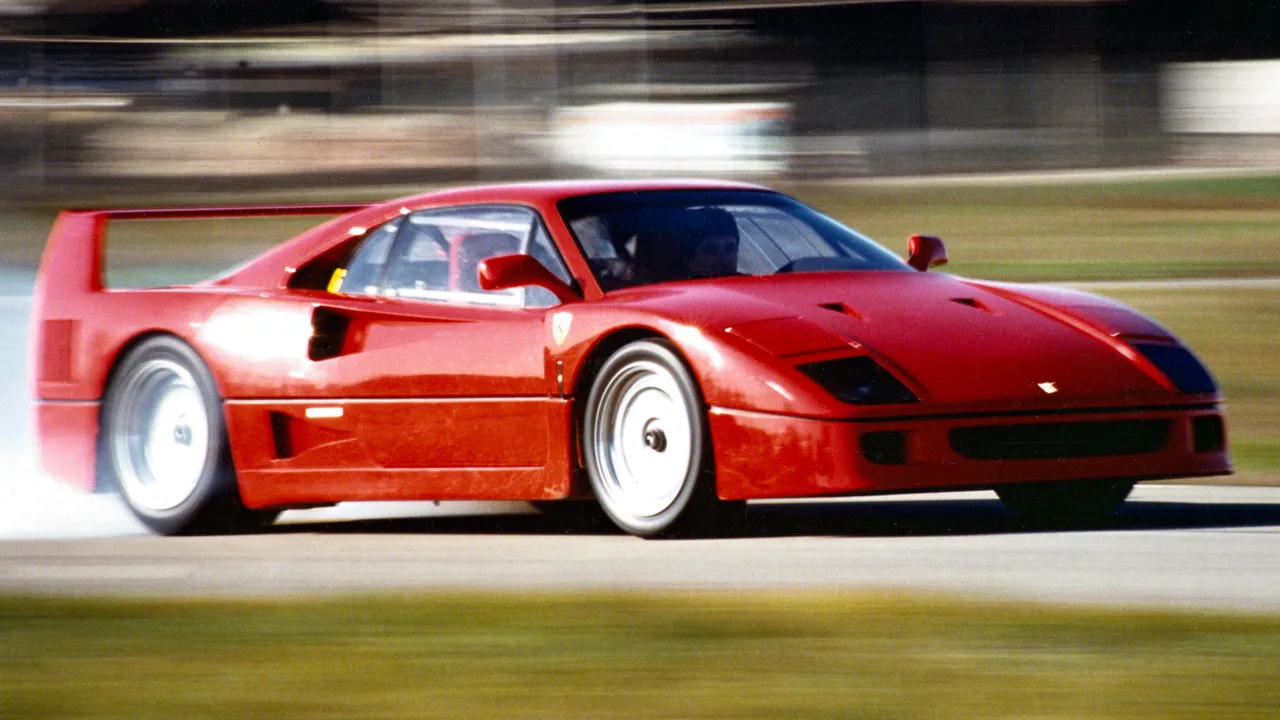
What made the F40 different from other supercars was its raw and uncompromising nature. It had no luxury features, no fancy electronics, and no distractions. It was built with carbon fiber and Kevlar to keep weight low and speed high.
Its appearance matched its performance. The sharp lines, wide stance, and huge rear wing gave it an aggressive look. Even today, decades later, the Ferrari F40’s design still looks powerful, purposeful, and instantly recognizable among car enthusiasts worldwide.
Driving an F40 was a thrilling but challenging experience. The turbos delivered power suddenly, demanding skill and focus from the driver. This made it more than just a fast car, it was a true test of ability behind the wheel.
Collectors value the Ferrari F40 because it represents the end of an era. After Enzo Ferrari’s passing, no other car carried quite the same personal connection to the company’s founder, making the F40 a symbol of Ferrari’s golden age.
With limited production numbers, the F40 is extremely rare. Combined with its performance, history, and legendary status, its value has skyrocketed. Today, well-preserved examples often sell for millions of dollars, and demand remains strong among collectors worldwide.
supercars, few models are as respected as the Ferrari F40. It is more than a machine—it is a piece of automotive art, history, and passion. For many enthusiasts, the F40 is the ultimate dream car.
5) Nissan GT-R R34
The Nissan GT-R R34, produced between 1999 and 2002, is one of the most legendary Japanese sports cars ever made. Known as “Godzilla” by fans, it combined advanced technology, incredible performance, and iconic styling, making it a dream car worldwide.
At the heart of the R34 is the RB26DETT engine, a twin-turbocharged inline-six with huge tuning potential. This engine was strong, reliable, and capable of handling much more power than it produced from the factory, making it a tuner favorite.
The R34 also stood out for its advanced technology. It featured the ATTESA E-TS all-wheel-drive system and the Super-HICAS rear steering system, giving it excellent grip and handling. For its time, it was considered ahead of almost every rival.
Its design played a big role in its fame. The sharp lines, wide stance, and aggressive front end gave it a commanding road presence. The distinctive round taillights became a signature look, instantly recognizable by car fans everywhere.
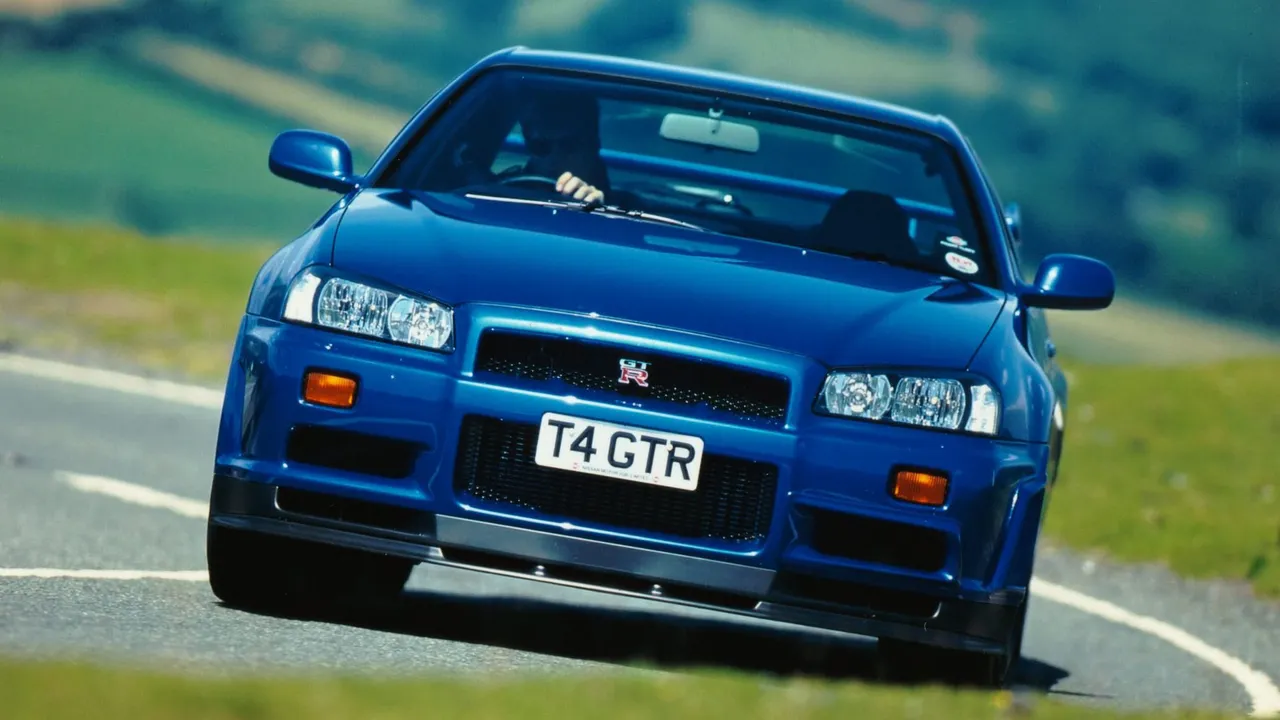
Pop culture boosted its reputation even further. The R34 GT-R appeared in movies, video games, and anime, cementing its status as a global icon. The Fast & Furious franchise, in particular, turned it into a superstar among younger enthusiasts.
Because the R34 was never officially sold in many markets, including the United States, it became even more desirable. Import laws restricted ownership for years, but as rules changed, prices began to rise sharply, making the car highly collectible.
Collectors value the R34 not just for its performance but also for what it represents: the peak of Nissan’s engineering in the 1990s. It balanced raw power with advanced technology, a combination that few sports cars achieved at the time.
Today, the Nissan GT-R R34 is seen as a symbol of Japanese performance culture. With its rarity, heritage, and fan following, it has proven to be truly collector-proof. For many enthusiasts, owning one is like owning a piece of history.
Also read: 5 Performance Cars That Are Also Safe vs 5 Sports Cars That Lack Safety Nets
5 Sports Cars That Aged Horribly
Some sports cars roll off the line as instant classics. Others… not so much. And then there are the ones that looked hot in their heyday but aged like milk left out in the sun.
Maybe it was the styling that went from futuristic to flat-out embarrassing, maybe the build quality couldn’t survive a decade of real-world use, or maybe the performance got blown out of the water by cheaper, faster rivals. Whatever the reason, these are the cars that used to turn heads and now mostly turn stomachs.
1)Mitsubishi Eclipse
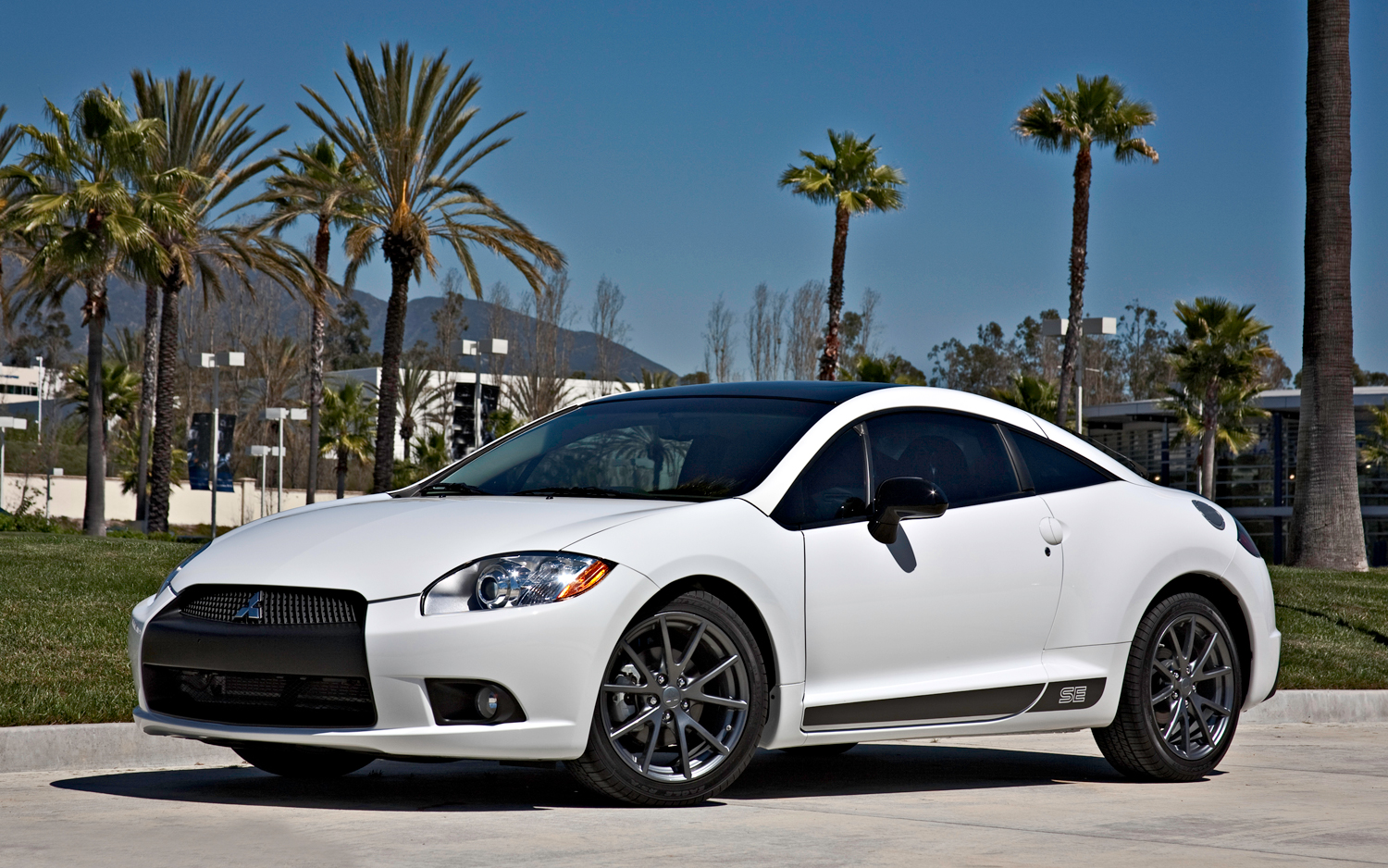
The Mitsubishi Eclipse, once a beloved affordable sports car in the 1990s, struggled badly in its later years. The 2006–2012 generation marked a major shift in design and character, and unfortunately, it aged poorly compared to its earlier, more exciting versions.
This generation of the Eclipse became heavier and bulkier. Instead of focusing on nimble handling and sporty driving fun, it leaned more toward comfort and style. As a result, enthusiasts felt it lost the very spirit that made it popular.
The engines, while offering decent power on paper, failed to impress in real-world driving. Competitors in the same price range were faster, more refined, or more engaging to drive. The Eclipse simply couldn’t match up to the growing competition.
Its styling also did not hold up well. The design looked flashy when new but quickly began to feel outdated. Unlike timeless sports cars with lasting appeal, the Eclipse’s look belonged to a specific era that enthusiasts didn’t care to revisit.
Reliability and build quality were also concerns. Owners often reported issues with the car’s interior materials and long-term durability. These weaknesses further damaged its reputation, making it less appealing to collectors or buyers in the used car market.
Another problem was Mitsubishi’s declining presence in the sports car segment during this time. Without strong brand support or motorsport involvement, the Eclipse lacked cultural importance. It became just another car, rather than a symbol of performance or passion.
Today, the 2006–2012 Eclipse is rarely seen at enthusiast events. Unlike earlier models that built a loyal following, this generation failed to earn collector interest. Its values remain low, and few people see it as worth preserving.
The final-generation Mitsubishi Eclipse serves as a cautionary tale. When a sports car loses its original identity and becomes too heavy, underwhelming, or dated, it struggles to remain desirable. Sadly, this once-popular nameplate ended its journey on a disappointing note.
2) Pontiac Solstice
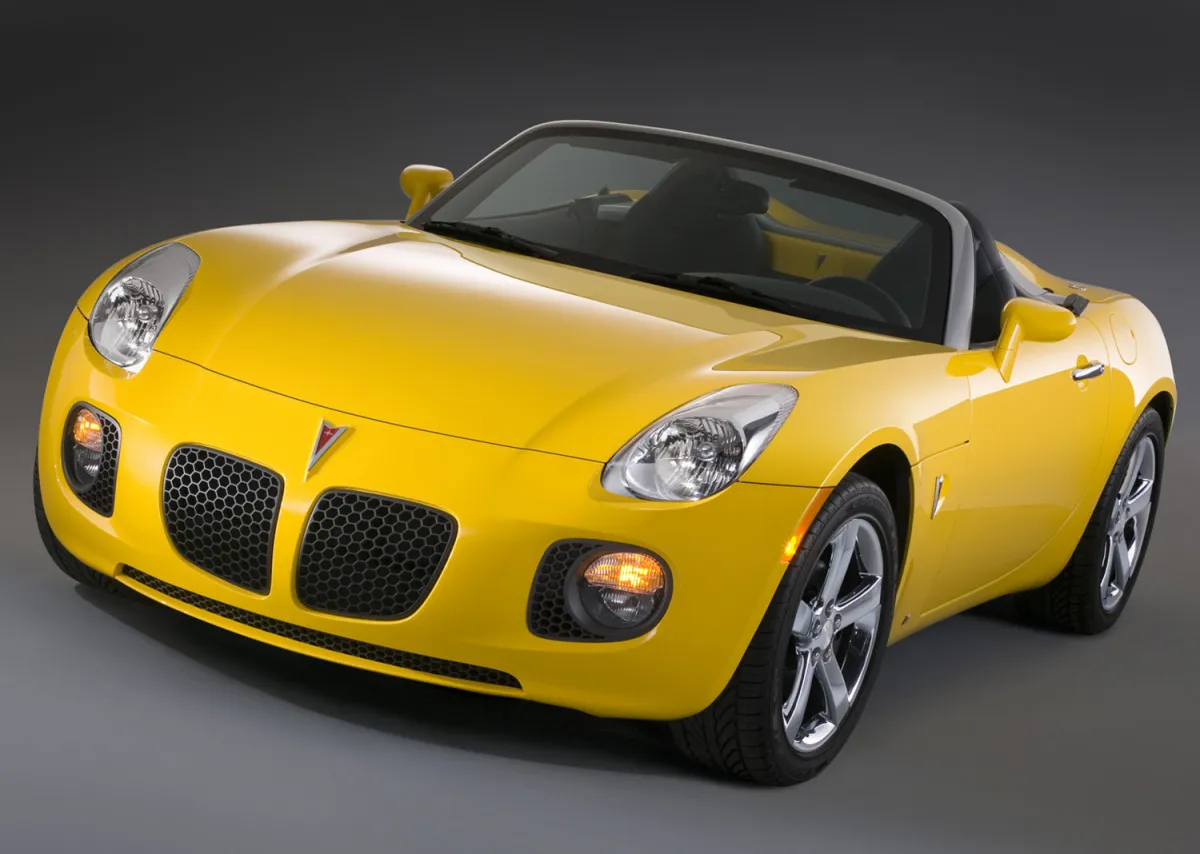
The Pontiac Solstice was introduced in 2006 with hopes of reviving Pontiac as a fun, sporty brand. On the surface, it had the right ingredients: a two-seater roadster with sleek styling and an affordable price. Sadly, it aged very poorly.
When it first launched, the Solstice looked promising. Its curvy design and compact proportions gave it the appearance of a serious sports car. Many people admired its looks, and it created excitement as an American alternative to the Mazda Miata.
Unfortunately, the driving experience did not live up to the promise. The base model was underpowered, and while the turbocharged GXP version added more excitement, it still lacked the precision and balance that true enthusiasts expected from a lightweight roadster.
Build quality was another major weakness. The interior felt cheap, with materials that wore out quickly. Mechanical issues also became common, hurting the car’s long-term reliability and making it less attractive to collectors or people looking for dependable weekend fun.
Another issue was timing. The Solstice arrived just before the global financial crisis and Pontiac’s eventual shutdown in 2010. With the brand disappearing, support for the car faded quickly, leaving owners without a strong community or lasting brand identity.
The Solstice also suffered from practicality problems. Its tiny trunk space, awkward convertible top, and cramped interior made it difficult to live with. While roadsters aren’t usually practical, this car felt especially inconvenient for everyday use or long trips.
Collectors today rarely seek out the Solstice. Even the GXP versions, while more powerful, do not inspire the same passion as rivals like the Miata or classic European roadsters. Its short production run only highlighted Pontiac’s decline as a performance brand.
The Pontiac Solstice is a reminder that good looks alone are not enough for a sports car to stand the test of time. Without strong performance, reliability, or cultural impact, it quickly faded into obscurity, aging poorly compared to true classics.
3) BMW Z3 Coupe
The BMW Z3 Coupe, produced between 1998 and 2002, was one of the most unusual sports cars ever made. Nicknamed the “Clown Shoe” because of its odd shape, it aimed to blend performance with practicality, but it aged poorly over time.
At launch, the Z3 Coupe stood out from typical roadsters and coupes. Its hatchback design offered more cargo space than the convertible version, but the styling divided opinions. Some loved its quirky look, while many others found it unattractive and strange.
Performance was decent, especially in the higher-performance M Coupe models with stronger engines. However, the base versions were less inspiring, leaving buyers disappointed. Compared to rivals, the Z3 Coupe often felt less exciting and not as balanced on the road.
Interior quality was another weak point. The cabin materials looked and felt cheap compared to BMW’s reputation for luxury. With age, many interiors showed heavy wear, which made the cars look tired and less desirable to collectors in the long term.
Another issue was that the Z3 Coupe never built a large fan following. While some enthusiasts appreciated its rarity, it lacked the broad appeal of other BMW models. Without cultural impact or motorsport success, it failed to secure lasting popularity.
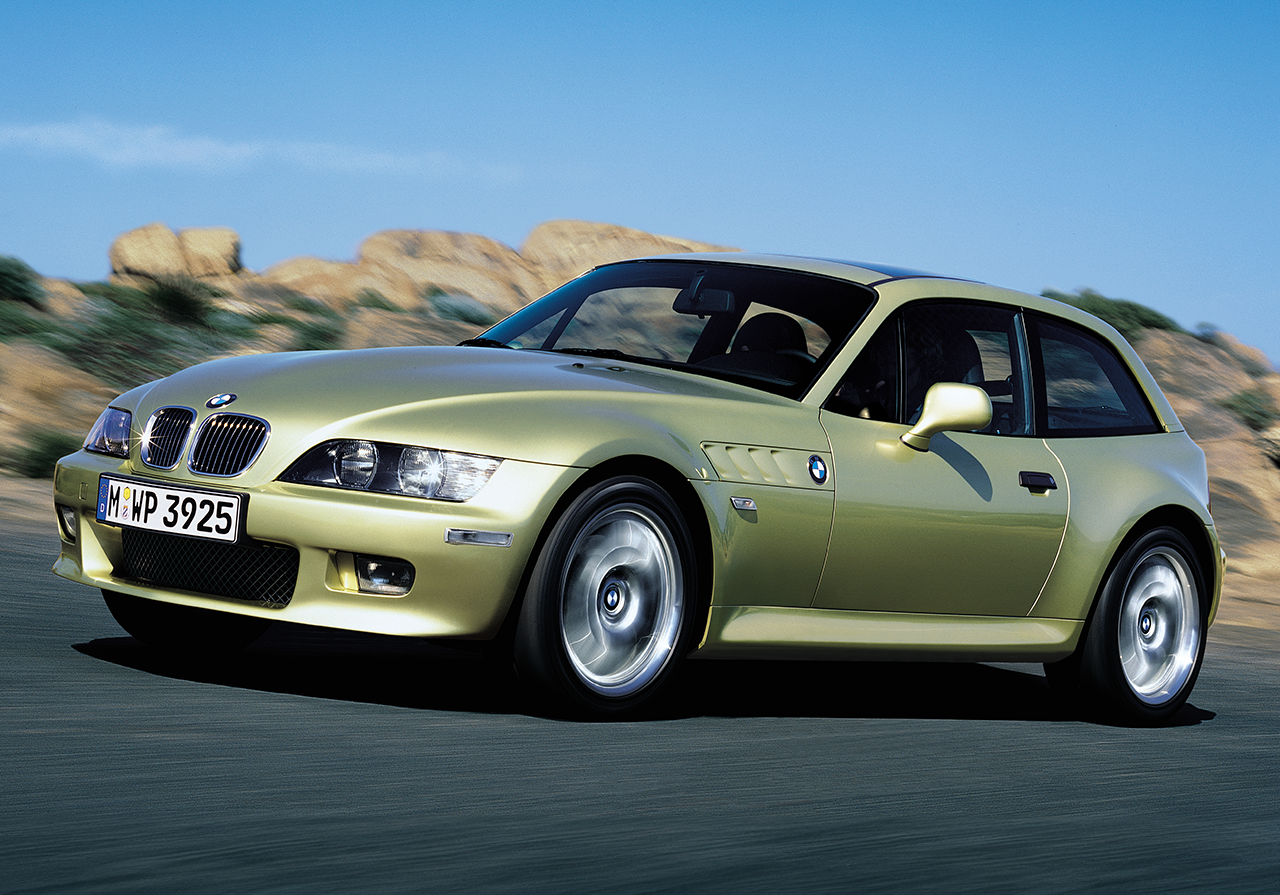
Maintenance costs also turned away potential buyers. Like many BMWs, repair bills were high, and the car’s unusual design sometimes made finding parts more difficult. Over time, owners found it harder to justify keeping these cars on the road.
Today, only the rare high-performance M Coupe versions have seen collector interest, and even then, prices remain far lower than classic rivals. The standard Z3 Coupe models have mostly faded into the background, rarely celebrated at car shows or events.
The BMW Z3 Coupe shows how risky unusual designs can be. While it tried to be unique, its awkward styling, mixed performance, and weak reputation hurt its future. Instead of becoming a classic, it is remembered as a strange experiment.
4) Chevrolet SSR
The Chevrolet SSR, produced between 2003 and 2006, was one of the strangest vehicles ever to wear a Chevrolet badge. It was designed as a mix between a retro-styled pickup truck and a convertible roadster, but it aged very poorly.
When it first launched, the SSR drew attention with its bold, nostalgic design. Inspired by 1950s Chevy trucks, it featured smooth curves, wide fenders, and a folding hardtop roof. On paper, it sounded like a unique and exciting concept.
Unfortunately, the reality did not live up to the promise. The SSR was very heavy, which made it slow and clumsy to drive. Even with a V8 engine, it lacked the sharp handling and speed expected from a sporty vehicle.
Its practicality was also questionable. While it looked like a truck, the bed was small and limited. As a convertible, it was less fun than cheaper sports cars, leaving it stuck between categories without excelling in either one.
The SSR was also very expensive when new. Buyers were asked to pay premium prices for a car that looked unusual but didn’t deliver performance or everyday usefulness. This combination quickly pushed many customers away, hurting sales and reputation.
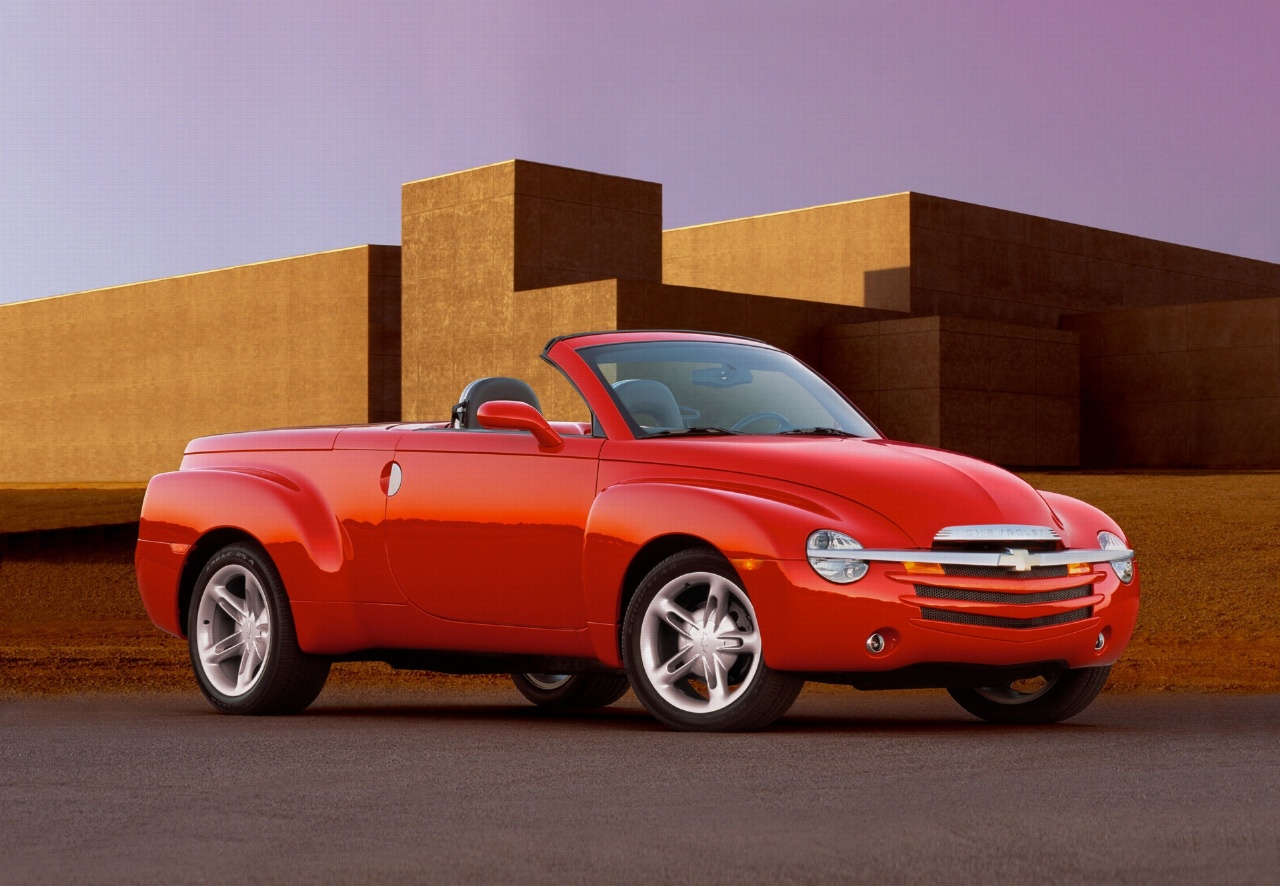
Over time, the SSR’s styling lost its novelty. What once looked bold and different soon appeared cartoonish and outdated. Unlike timeless designs that age gracefully, the SSR’s appearance felt locked in a specific era of forced retro experiments.
Collectors today show little interest in the Chevrolet SSR. While a few enthusiasts enjoy its rarity and quirky charm, most see it as a failed attempt at blending multiple vehicle types into one. Its values remain low, and demand is weak.
The Chevrolet SSR stands as an example of how risky it can be to chase style over substance. Without strong performance, practicality, or lasting appeal, it quickly faded from memory. Instead of becoming a classic, it became a curious misstep.
5) Jaguar XJS
The Jaguar XJS was introduced in 1975 as the successor to the legendary E-Type. Expectations were high, but instead of becoming a timeless classic, the XJS aged poorly. Its design, performance, and reliability issues kept it from earning true sports car respect.
At launch, the styling divided opinions. The sharp, boxy lines were a big departure from the elegant curves of the E-Type. Many enthusiasts felt disappointed, as the XJS looked more like a luxury cruiser than a beautiful, athletic sports car.
Performance was another weakness. While some models had V12 engines, they were heavy and not very responsive. The car’s handling felt sluggish compared to rivals, making it more of a comfortable grand tourer than an exciting driver’s machine.
Reliability problems further damaged its reputation. Jaguars of this era were known for electrical issues, oil leaks, and costly repairs. Owning an XJS often meant constant trips to the mechanic, which frustrated owners and drove away potential long-term enthusiasts.
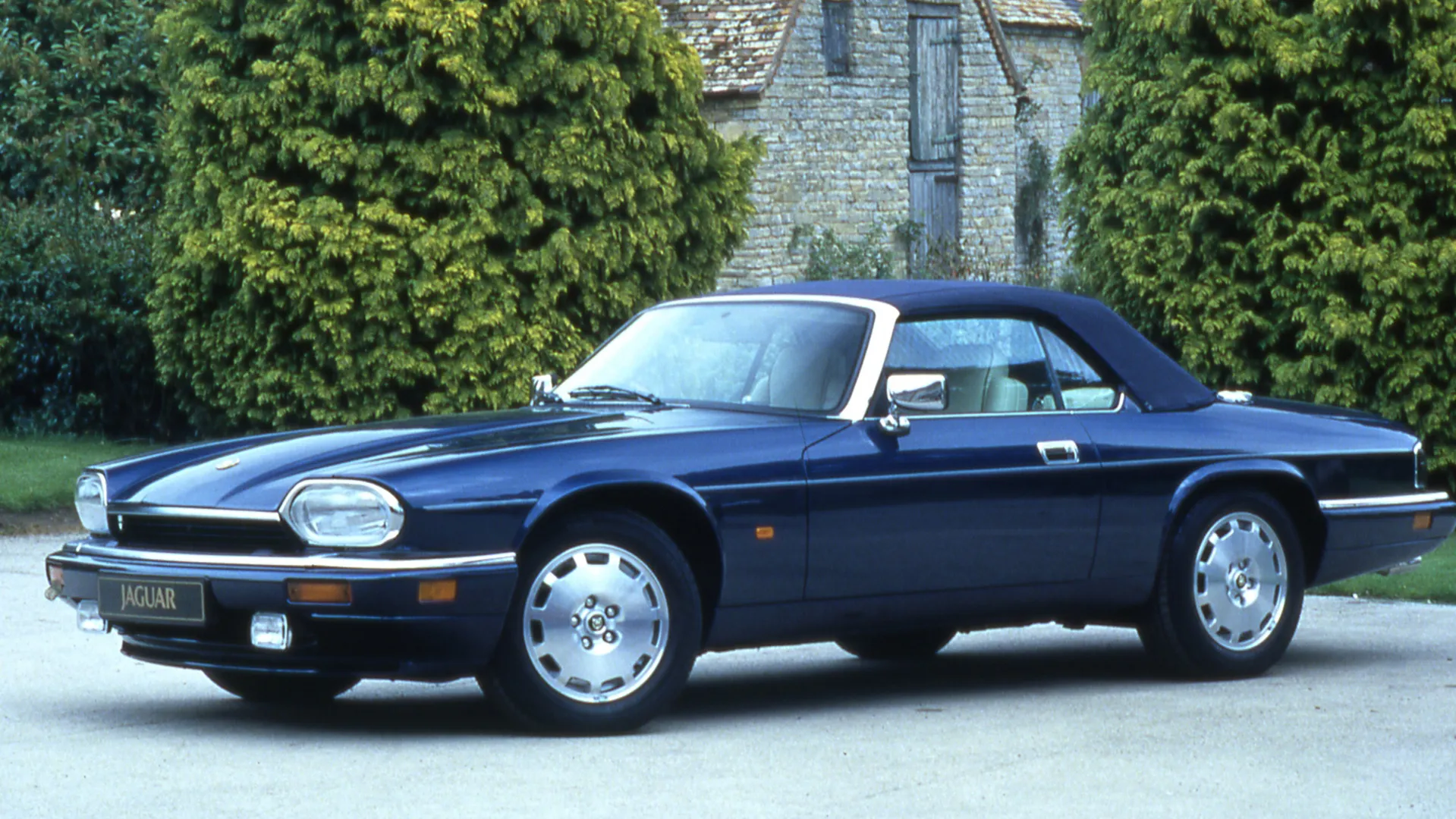
The car did improve slightly over its long production run, lasting all the way to 1996. However, even updated models could not escape the stigma of poor reliability and lackluster performance. This reputation followed the XJS throughout its entire life.
While some luxury car fans appreciated its smooth ride and long-distance comfort, it never built the same loyal following as true sports cars. It was often seen as too heavy, too complicated, and too expensive to maintain as it aged.
Today, the Jaguar XJS has little collector interest compared to its famous predecessor, the E-Type. Prices remain low, and only a few rare versions, like the convertible or special editions, attract modest attention from dedicated Jaguar enthusiasts.
The Jaguar XJS shows how difficult it is for a car to follow a legend. Without timeless styling, thrilling performance, or dependable engineering, it struggled to win lasting admiration. Instead of becoming iconic, it became a forgotten chapter in Jaguar’s history.