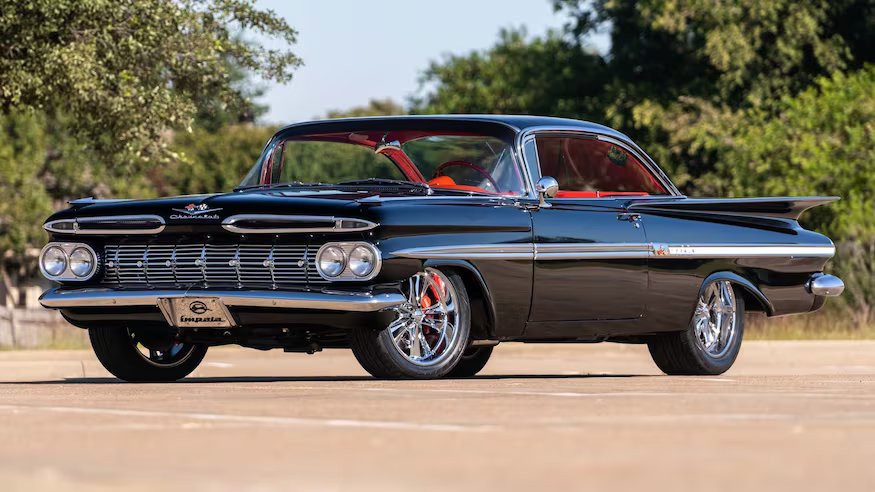
The Chevy Impala is a full-size sedan that has earned a strong reputation for comfort, reliability, and smooth driving. Many owners appreciate its spacious interior and stable performance, making it a favorite for daily commuting and long road trips alike.
Despite its reliability, no car is completely immune to wear and tear. Even the most dependable vehicles, like the Impala, can develop safety issues if regular maintenance and checks are neglected. Small problems can quickly escalate into expensive repairs or dangerous situations on the road.
Maintaining your Impala is not just about keeping it running; it is about ensuring the safety of everyone inside. A well-maintained vehicle responds better in emergencies, handles weather challenges effectively, and minimizes the risk of sudden mechanical failures that could lead to accidents.
Many drivers overlook routine inspections, assuming that their car is fine because it “runs well.” However, issues like worn brakes, low tire pressure, or failing fluids may not be immediately noticeable but can severely compromise safety if left unaddressed for too long.
A proactive approach to car care can save both money and lives. By performing regular checks, you can spot minor issues early, prevent costly repairs, and maintain the vehicle’s original performance and comfort. Simple habits make a big difference over time.
Safety is also about preparedness. Regular inspections help ensure that all systems, from brakes to lights, tires to steering, are functioning correctly. This means your Impala can handle sudden stops, slippery roads, and other unexpected conditions with confidence and stability.
Being attentive to maintenance schedules provided in the owner’s manual ensures that critical components, such as the engine, transmission, and suspension, are checked and serviced on time. Neglecting these can reduce the vehicle’s reliability and compromise passenger safety.
Ultimately, taking care of your Chevy Impala is a long-term investment in peace of mind. Knowing that your car is safe and reliable allows you to focus on driving, enjoy the journey, and avoid unnecessary stress caused by breakdowns or accidents.
By staying proactive and performing regular checks, you protect not only your vehicle but also yourself and your loved ones. Consistent care creates a safer driving experience, extends the life of your Impala, and preserves its performance for years.
Routine maintenance, attention to small warning signs, and timely repairs are the foundation of safe driving. With these habits, your Chevy Impala can remain a dependable, comfortable, and safe car for daily commutes and family trips alike.
Also read:
1) Tire Condition and Pressure
Tires are the only part of your Impala that actually touch the road, making them essential for safety. Good tires ensure traction, stability, and predictable handling in all conditions. Worn or neglected tires, on the other hand, compromise braking distance and cornering ability.
Checking tire tread is simple but often ignored. Low tread means reduced grip, especially on wet or slippery surfaces. Hydroplaning becomes far more likely, where your tires ride on water instead of pavement, causing you to lose control unexpectedly at high speeds.
The penny test is an easy trick. Insert a penny into the tire tread with Lincoln’s head down. If the top of his head shows completely, the tread is worn out. At this point, replacement is essential for safety and performance.
Pressure matters just as much. Underinflated tires flex excessively, causing heat buildup, reduced fuel economy, and uneven wear. They can blow out at highway speeds. Overinflated tires, on the other hand, lose grip, wear faster in the center, and create harsher rides.
Use a quality tire gauge weekly. Don’t rely on visual checks, since even slightly underinflated tires look normal. Follow your Impala’s manufacturer-recommended PSI, usually listed on a sticker inside the driver’s door frame. Always adjust when tires are cold for accuracy.
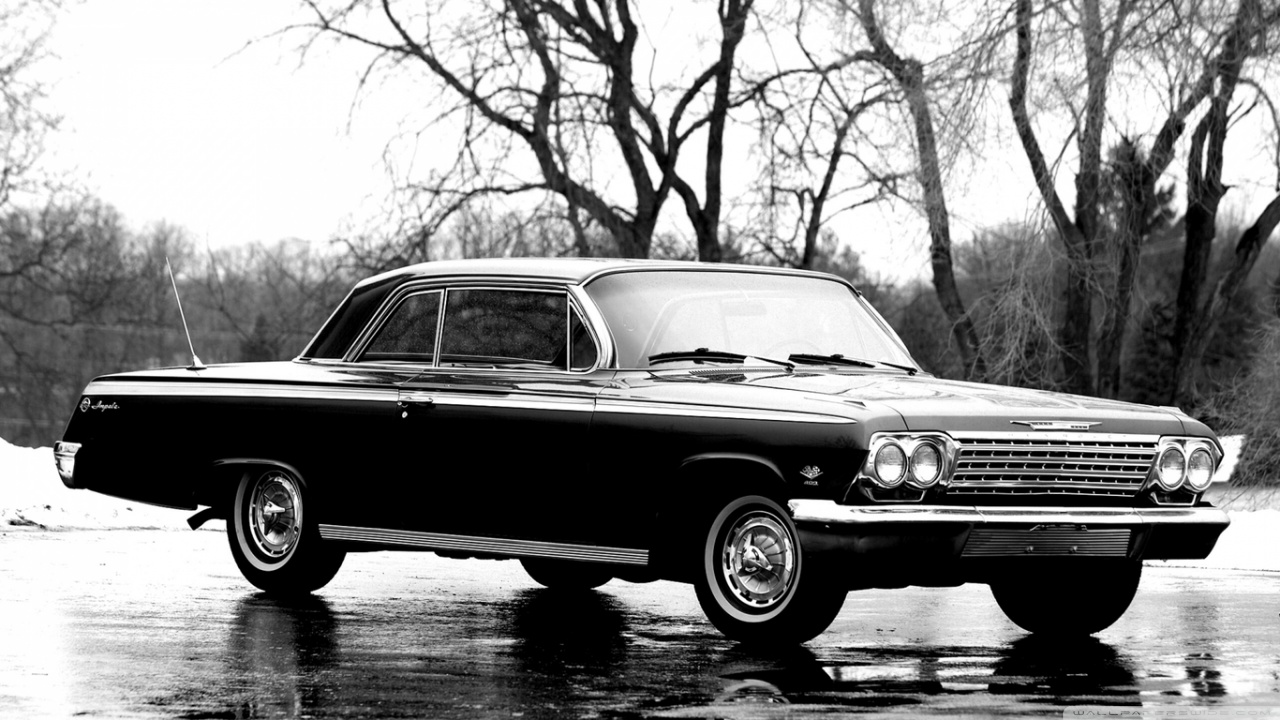
Rotation every 5,000–7,000 miles prevents uneven wear. Without rotation, front tires wear faster due to steering and braking demands. This imbalance causes poor handling and frequent replacements. Rotating extends lifespan, improves grip, and keeps your Impala balanced on all four wheels.
Don’t neglect the spare. A flat spare leaves you stranded during emergencies, especially on remote roads. Check its pressure monthly and ensure it’s free of cracks or dry rot. Carry a jack and wrench so you can swap it confidently.
If you notice vibrations, pulling to one side, or scalloped wear patterns, these may indicate alignment or suspension issues. Prompt diagnosis prevents bigger problems, preserves tire health, and ensures safer driving.
Proper tire care not only boosts safety but also saves money. You avoid premature replacements, reduce fuel consumption, and prevent suspension damage. Treat your tires as an investment in both performance and protection for your Impala and your passengers.
2) Brake Performance
Your Impala’s braking system is the single most important safety feature. A powerful engine or responsive steering won’t matter if you can’t stop in time. Neglecting brakes increases stopping distance, creates unpredictable handling, and puts both you and others in danger.
Brake pads wear down naturally as they grip the rotors. Thin pads squeal to warn you they’re near replacement. Ignore them, and you’ll hear grinding as metal meets metal. This ruins rotors and creates unsafe braking, costing far more in repairs later.
Rotors also deserve attention. Warped or scored rotors cause vibration in the brake pedal and steering wheel during stops. This reduces control and increases braking distance. Regular inspections and timely resurfacing or replacement maintain smooth and safe braking power.

Brake fluid is the invisible but essential link. It transfers pressure from your foot to the brakes themselves. Over time, it absorbs moisture, reducing effectiveness. Spongy pedals or longer stopping distances signal low or contaminated fluid. Flush the system every 2–3 years.
Don’t overlook the brake lines. Rust, cracks, or leaks in hoses lead to dangerous failures. A sudden loss of braking pressure is catastrophic. Professional inspections catch these issues early, ensuring your hydraulic system remains sealed and dependable.
The parking brake, too, plays a role. Beyond holding your car on hills, it serves as an emergency backup. Test it monthly by engaging it on a slope. If it doesn’t hold, it needs adjustment or repair before an urgent situation arises.
Signs of brake trouble include pulling to one side, unusual noises, burning smells, or warning lights. Addressing these early avoids costly damage and restores confidence. Safe braking is about prevention, not waiting for failure.
Brake maintenance is relatively inexpensive compared to the risks of neglect. Reliable brakes mean shorter stops, controlled handling, and peace of mind. With routine checks, you keep your Impala’s most critical safety system at peak readiness in every driving condition.
3) Lights and Signals
Your Impala communicates through lights. Headlights show you the road ahead, while brake lights, turn signals, and hazards tell others what you’re doing. Any malfunction in these systems reduces visibility, creates confusion, and dramatically increases the chance of a collision.
Headlights must be bright, clean, and properly aligned. Cloudy or yellowed lenses scatter light, dimming the beam and making night driving risky. Restoration kits or replacements restore clarity. Replace bulbs at the first sign of dimming and always in pairs for balance.
Brake lights are vital for preventing rear-end collisions. A single burned-out bulb reduces your visibility drastically. Test them weekly by pressing the brake while parked near a reflective surface or asking someone to check behind you as you press the pedal.
Turn signals and hazards are your communication tools. A non-functioning blinker leaves others guessing your intentions, often leading to lane-change accidents. Test them regularly and replace faulty bulbs or fuses immediately to maintain safe communication on the road.

Headlight alignment often goes unnoticed. A small bump, pothole, or minor accident can misalign them. Misalignment either blinds oncoming drivers or leaves sections of the road in darkness. Mechanics can realign them easily, ensuring balanced visibility and safe nighttime driving.
Don’t forget reverse lights. They alert pedestrians and other drivers that you’re backing up. A failed reverse light is often overlooked until someone honks or an accident occurs. Replacing them is cheap but critical for safe reversing maneuvers.
Interior dashboard lights also matter. A dark or flickering dashboard reduces your ability to monitor speed, fuel, and warning indicators. Address faulty bulbs or electrical issues quickly to ensure you remain fully aware of your Impala’s status at all times.
Functional lights mean safety and confidence. They let you see, be seen, and communicate clearly. By inspecting them weekly, replacing worn parts promptly, and keeping lenses clean, you ensure your Impala remains a responsible and predictable presence on the road.
4) Fluid Levels
Fluids are the lifeblood of your Chevy Impala. They lubricate, cool, and clean vital components, keeping the vehicle running safely and smoothly. Ignoring fluid levels is one of the fastest ways to turn a reliable sedan into a hazardous, breakdown-prone machine.
Engine oil is the most important. It lubricates moving parts, reduces friction, and prevents overheating. Low or dirty oil causes grinding, overheating, and eventual engine failure. Checking oil monthly and changing it every 5,000–7,500 miles ensures reliability and long-term safety.
Coolant, or antifreeze, keeps the engine from overheating. If levels drop too low, the engine overheats quickly, causing warped heads or even complete engine loss. Always inspect coolant levels and look for leaks under the car, especially after parking overnight.
Brake fluid is critical for safe stops. Without it, the hydraulic pressure needed to operate brakes is lost. Since it absorbs moisture over time, flush it every 2–3 years to prevent brake fade, spongy pedals, or complete brake system failure.
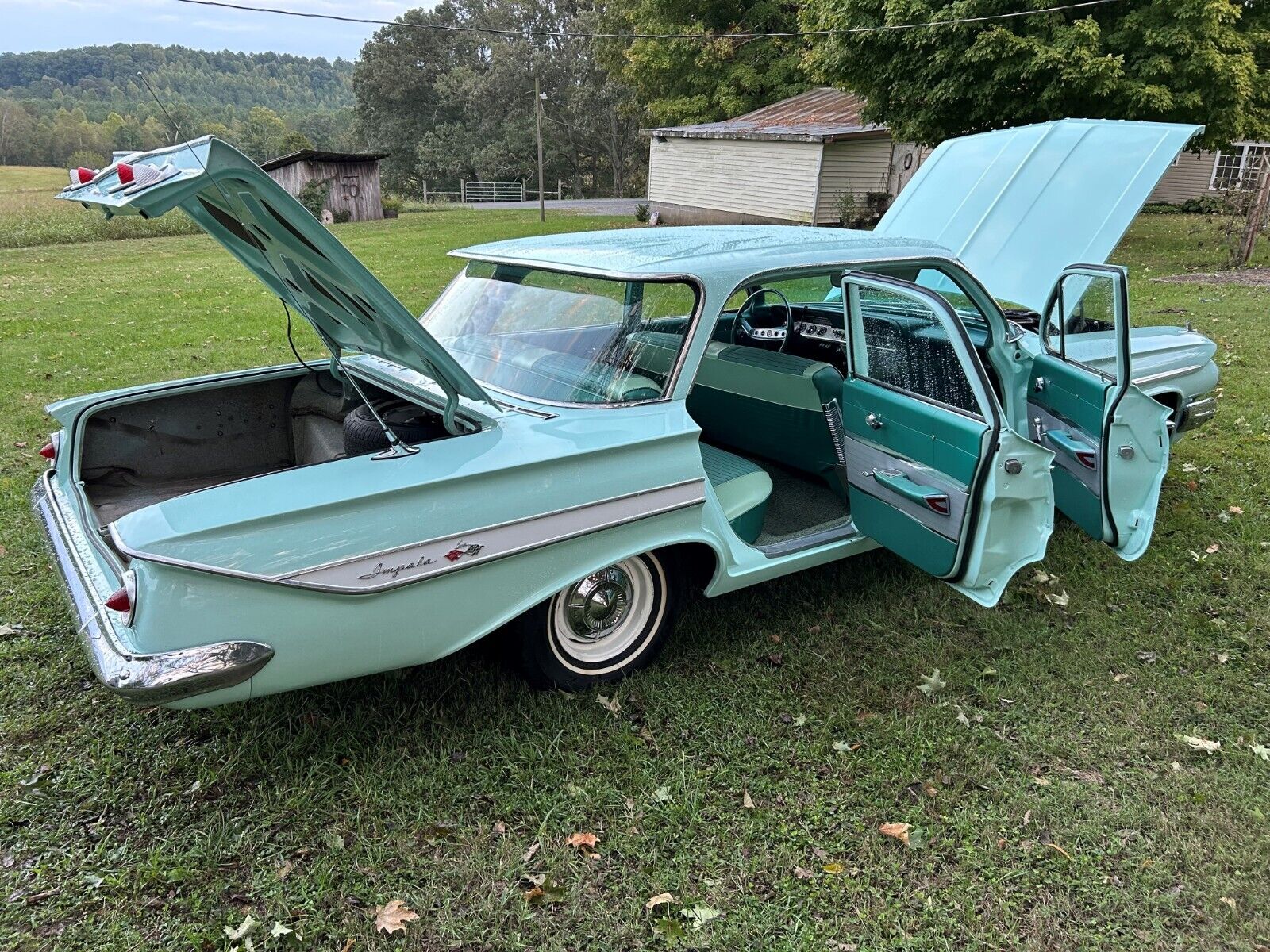
Transmission fluid ensures smooth gear shifts. Low or contaminated fluid makes shifting rough, creates jerks while driving, and can cause total transmission breakdown. Always check it at recommended intervals and service it according to manufacturer guidelines to keep the drivetrain safe and strong.
Power steering fluid also deserves attention. Low levels make steering stiff, increasing accident risk during emergencies. Whining noises or difficulty turning are early warning signs. Keeping fluid topped off ensures responsive steering and greater control over your Impala in all conditions.
Windshield washer fluid, while less critical, contributes to safety. A dirty windshield reduces visibility, especially at night or during bad weather. Keep it filled year-round and use proper fluid with antifreeze properties during winter to avoid freezing and blockages.
Routine inspections of all these fluids take just minutes but prevent major failures. Using the correct fluid types and following your Impala’s manual ensures each system functions properly. Ignoring even one can create ripple effects, risking both performance and safety.
By making fluid checks a regular habit, you guarantee smoother driving, safer handling, and a longer lifespan for your Chevy Impala. A few minutes of attention today can save thousands of dollars and keep your passengers safe tomorrow.
5) Windshield and Wipers
A clear windshield ensures safe visibility. Cracks, chips, or scratches should be repaired immediately. Even minor damage can expand due to heat or vibration, compromising structural integrity.
Wiper blades remove rain, snow, and debris. Replace worn blades to prevent streaking and blurred vision. Seasonal changes often affect blade performance, so check them before rainy or snowy months.
Windshield washer fluid enhances clarity during rain, dust, or mud. Combine with functional wipers for maximum visibility, reducing accident risk. Avoid using plain water, which can freeze or cause streaking.
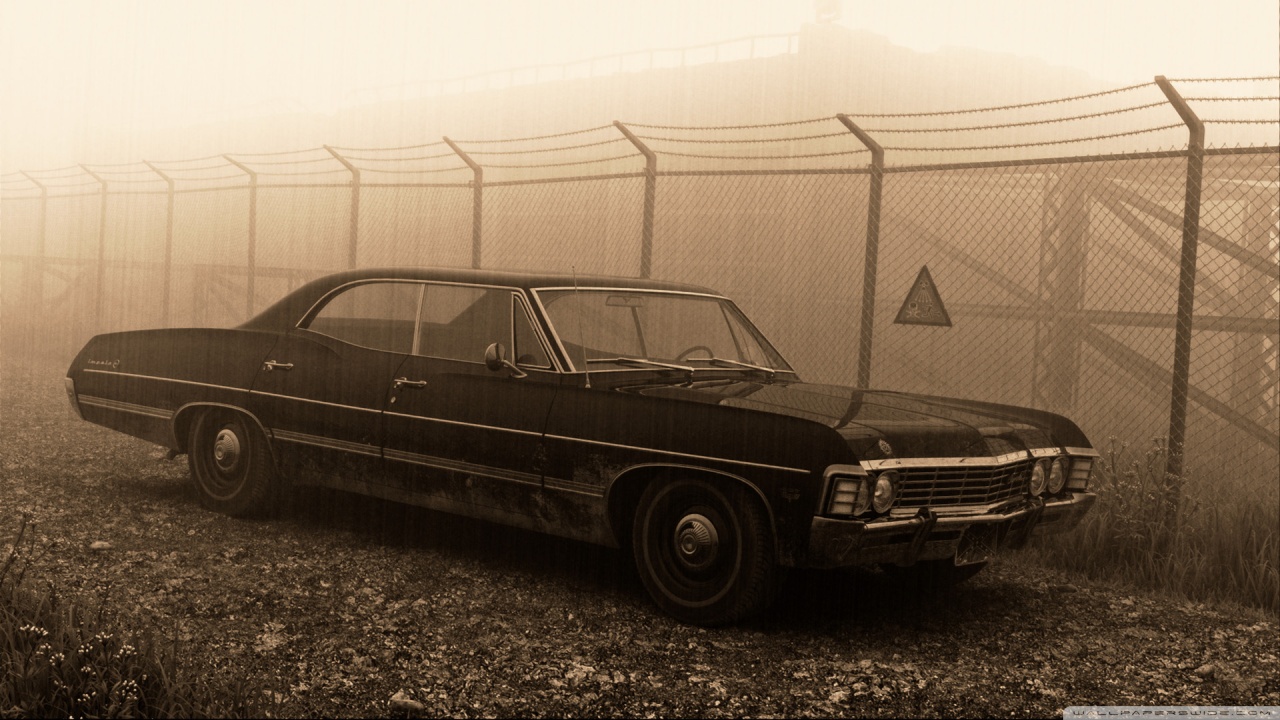
Defrosters and defoggers maintain clear visibility in cold weather. Check that the HVAC system and rear defrost function properly. Reduced visibility is a major cause of accidents and can be avoided with preventive care.
Maintaining a clear windshield ensures confidence in all weather conditions. It is a small step that significantly enhances safety for the driver, passengers, and surrounding vehicles.
Also Read: 5 SUVs That Rarely Break Suspension and 5 That Constantly Fail
6) Suspension and Steering
Fluids are the lifeblood of your Chevy Impala. They lubricate, cool, and clean vital components, keeping the vehicle running safely and smoothly. Ignoring fluid levels is one of the fastest ways to turn a reliable sedan into a hazardous, breakdown-prone machine.
Engine oil is the most important. It lubricates moving parts, reduces friction, and prevents overheating. Low or dirty oil causes grinding, overheating, and eventual engine failure. Checking oil monthly and changing it every 5,000–7,500 miles ensures reliability and long-term safety.
Coolant, or antifreeze, keeps the engine from overheating. If levels drop too low, the engine overheats quickly, causing warped heads or even complete engine loss. Always inspect coolant levels and look for leaks under the car, especially after parking overnight.
Brake fluid is critical for safe stops. Without it, the hydraulic pressure needed to operate brakes is lost. Since it absorbs moisture over time, flush it every 2–3 years to prevent brake fade, spongy pedals, or complete brake system failure.
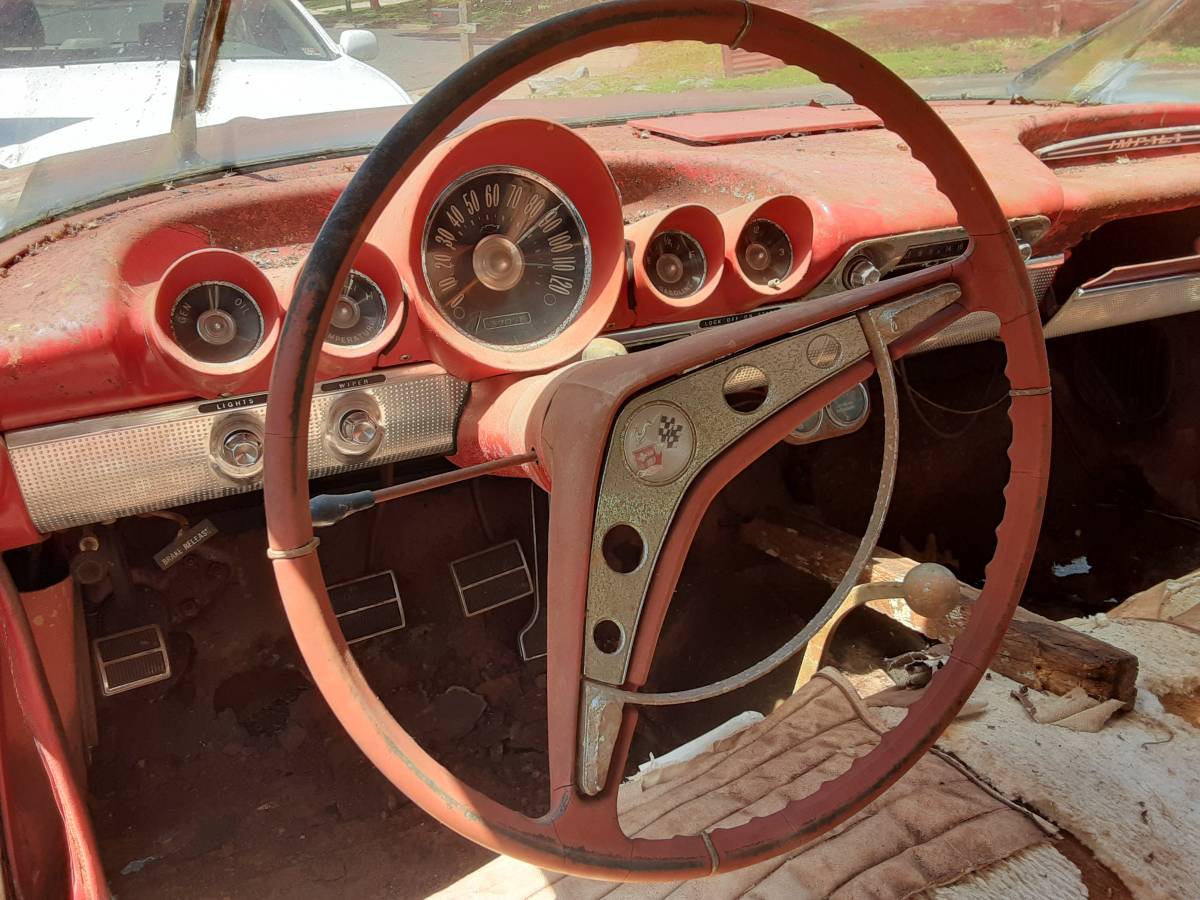
Transmission fluid ensures smooth gear shifts. Low or contaminated fluid makes shifting rough, creates jerks while driving, and can cause total transmission breakdown. Always check it at recommended intervals and service it according to manufacturer guidelines to keep the drivetrain safe and strong.
Power steering fluid also deserves attention. Low levels make steering stiff, increasing accident risk during emergencies. Whining noises or difficulty turning are early warning signs. Keeping fluid topped off ensures responsive steering and greater control over your Impala in all conditions.
Windshield washer fluid, while less critical, contributes to safety. A dirty windshield reduces visibility, especially at night or during bad weather. Keep it filled year-round and use proper fluid with antifreeze properties during winter to avoid freezing and blockages.
Routine inspections of all these fluids take just minutes but prevent major failures. Using the correct fluid types and following your Impala’s manual ensures each system functions properly. Ignoring even one can create ripple effects, risking both performance and safety.
By making fluid checks a regular habit, you guarantee smoother driving, safer handling, and a longer lifespan for your Chevy Impala. A few minutes of attention today can save thousands of dollars and keep your passengers safe tomorrow.
7) Battery Health
Seatbelts and airbags are the most essential safety systems in your Chevy Impala. While the engine and brakes help avoid accidents, these features protect you during collisions. Neglecting them or ignoring warning signs can put passengers at extreme risk in emergencies.
Seatbelts restrain passengers, preventing ejection and reducing injury during crashes. Frayed straps, broken latches, or loose retractors compromise effectiveness. Always inspect them for wear, ensure smooth retraction, and confirm the buckle clicks securely. A faulty seatbelt is a silent but dangerous threat.
Airbags act as a cushion in high-impact crashes, minimizing head, chest, and upper body injuries. When the airbag light stays on, it signals a fault in the system. Ignoring it means risking a system failure when it’s needed most.
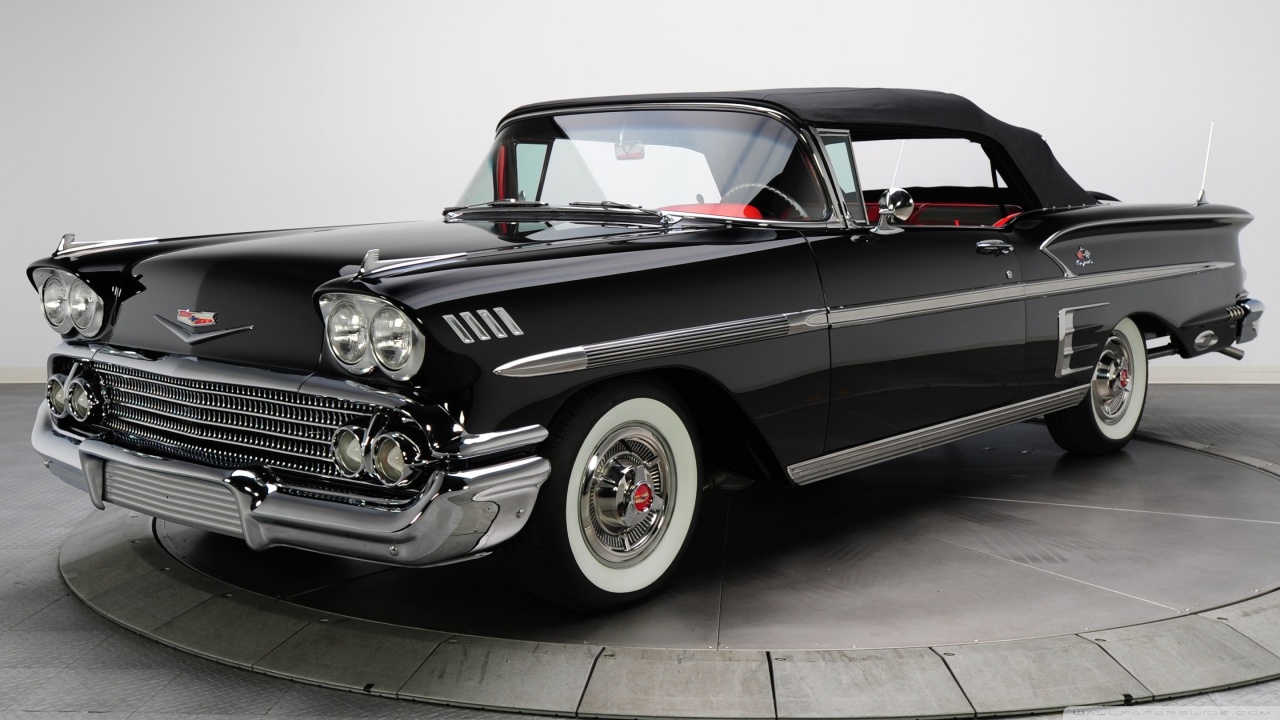
Sensors that trigger airbags must also be in good condition. A damaged sensor may deploy airbags unnecessarily or fail to deploy at all. Regular diagnostics ensure the system is reliable, especially after minor collisions or dashboard warning lights appear.
Cleaning and maintaining seatbelt tracks and airbag covers is often overlooked. Dust or obstruction can interfere with smooth operation. Simple cleaning reduces the chance of malfunctions while preserving the integrity of these vital safety systems over time.
Children and smaller passengers depend especially on seatbelts and airbags. Improper use of booster seats, damaged latches, or deactivated passenger airbags can create unnecessary dangers. Following manufacturer guidelines ensures that all passengers, regardless of size, are properly protected every trip.
Seatbelts and airbags are not just about meeting legal requirements they are lifesaving systems. A compromised seatbelt or faulty airbag can turn a survivable crash into a tragedy. Inspecting them regularly adds priceless reassurance every time you drive your Impala.
By keeping these systems in top shape, you’re investing in peace of mind. Protecting your family starts with simple checks that ensure seatbelts hold firmly and airbags deploy properly. Together, they form the strongest line of defense in an accident.
8) Exhaust System
The exhaust system removes harmful gases and supports engine efficiency. Leaks or damage can allow carbon monoxide into the cabin, a silent and deadly threat. Regular inspection protects passengers and ensures the vehicle operates efficiently.
Listen for unusual sounds such as rattling, hissing, or excessive noise. These may indicate broken pipes, loose clamps, or damaged mufflers. Addressing issues early prevents dangerous emissions, performance loss, and costly repairs.
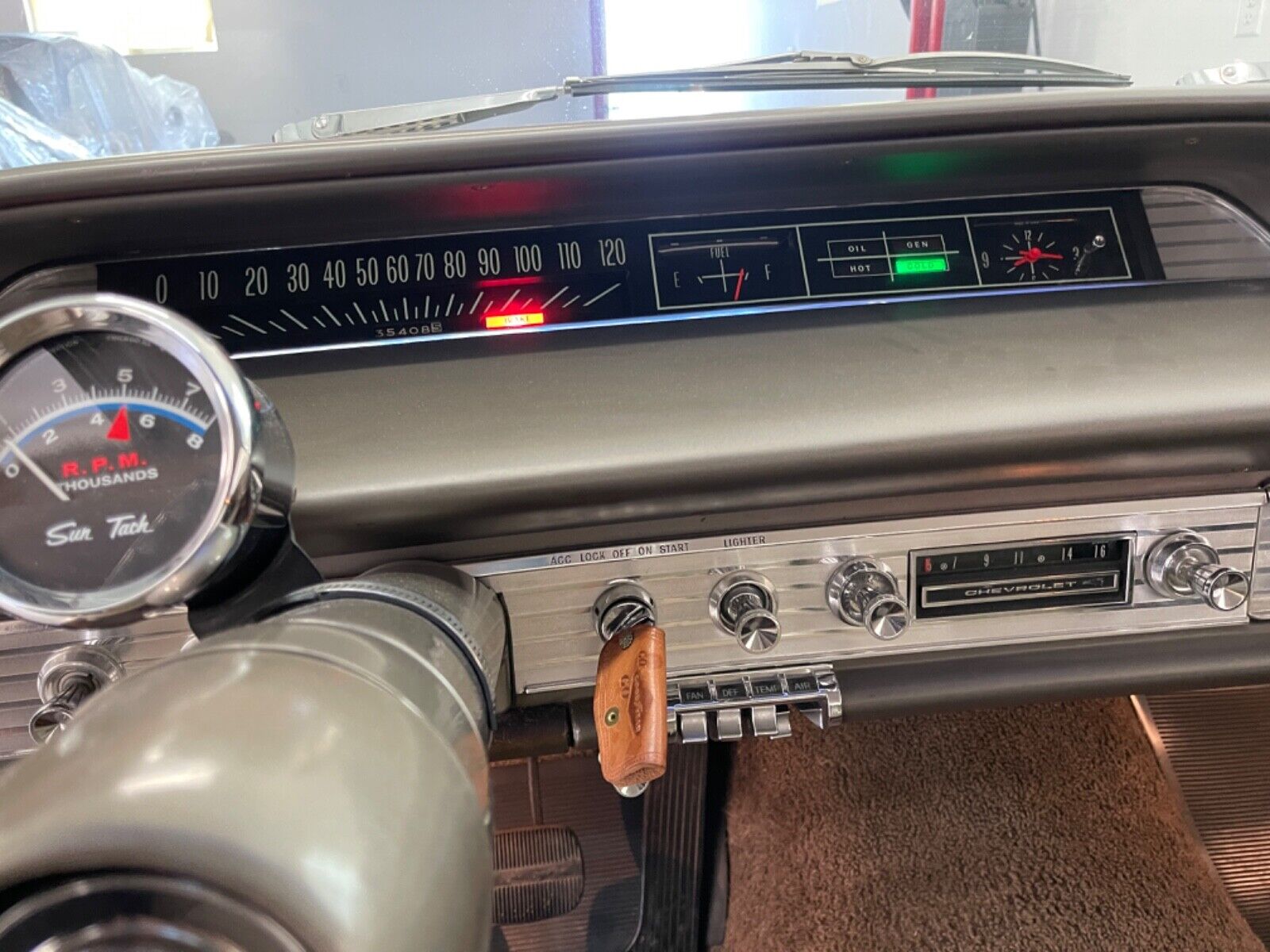
Check the exhaust for rust, holes, or corrosion. Rust weakens metal over time, increasing the likelihood of leaks or system failure. Preventive maintenance includes cleaning and replacing damaged components promptly.
Properly functioning exhaust also supports emissions compliance. Faulty systems can fail emissions tests, reduce fuel efficiency, and increase environmental pollution. Keeping your system healthy benefits both safety and regulatory requirements.
Schedule professional inspections annually or after unusual sounds or vibrations. Ensuring exhaust integrity protects passengers, preserves engine efficiency, and minimizes health risks from toxic gases, making it an essential component of vehicle safety.
9) Seat Belts and Airbags
Seat belts and airbags are critical for protecting passengers during collisions. Inspect seat belts for fraying, cuts, or damaged latches. Functional belts prevent occupants from being thrown forward or ejected during accidents.
Airbags must be fully operational and free from recalls or prior deployment issues. Check the airbag warning light on the dashboard regularly. Malfunctioning airbags drastically reduce protection in frontal or side collisions.
Replace or repair damaged seat belts immediately. Never compromise on restraints, as they are the primary safety system in crashes. Even minor tears or stuck retractors can render them ineffective.
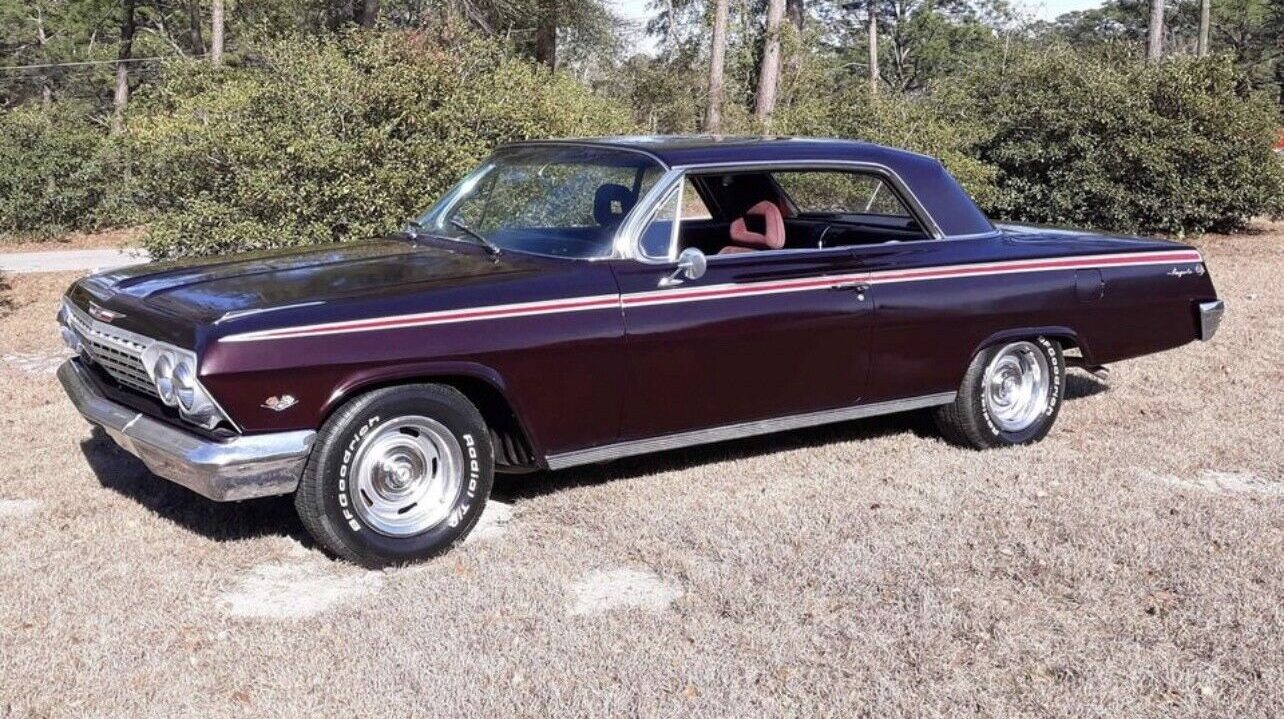
Ensure airbags are compatible with child safety seats and that all sensors are functioning. Proper restraint systems reduce injury severity, providing life-saving protection for adults and children alike.
Routine inspection of all safety systems, including seat belts, airbags, and pretensioners, is essential. Well-maintained restraints work in harmony to protect all occupants and reduce injury risk during collisions.
10) Regular Maintenance and Inspections
Routine maintenance is the foundation of vehicle safety. Follow the owner’s manual for scheduled oil changes, filter replacements, belt inspections, and fluid checks. Timely service prevents unexpected breakdowns, keeping the Impala safe and reliable.
Professional inspections detect hidden problems before they become dangerous. Mechanics examine brakes, suspension, tires, steering, engine, and electrical systems, ensuring all components function properly and the vehicle meets safety standards.
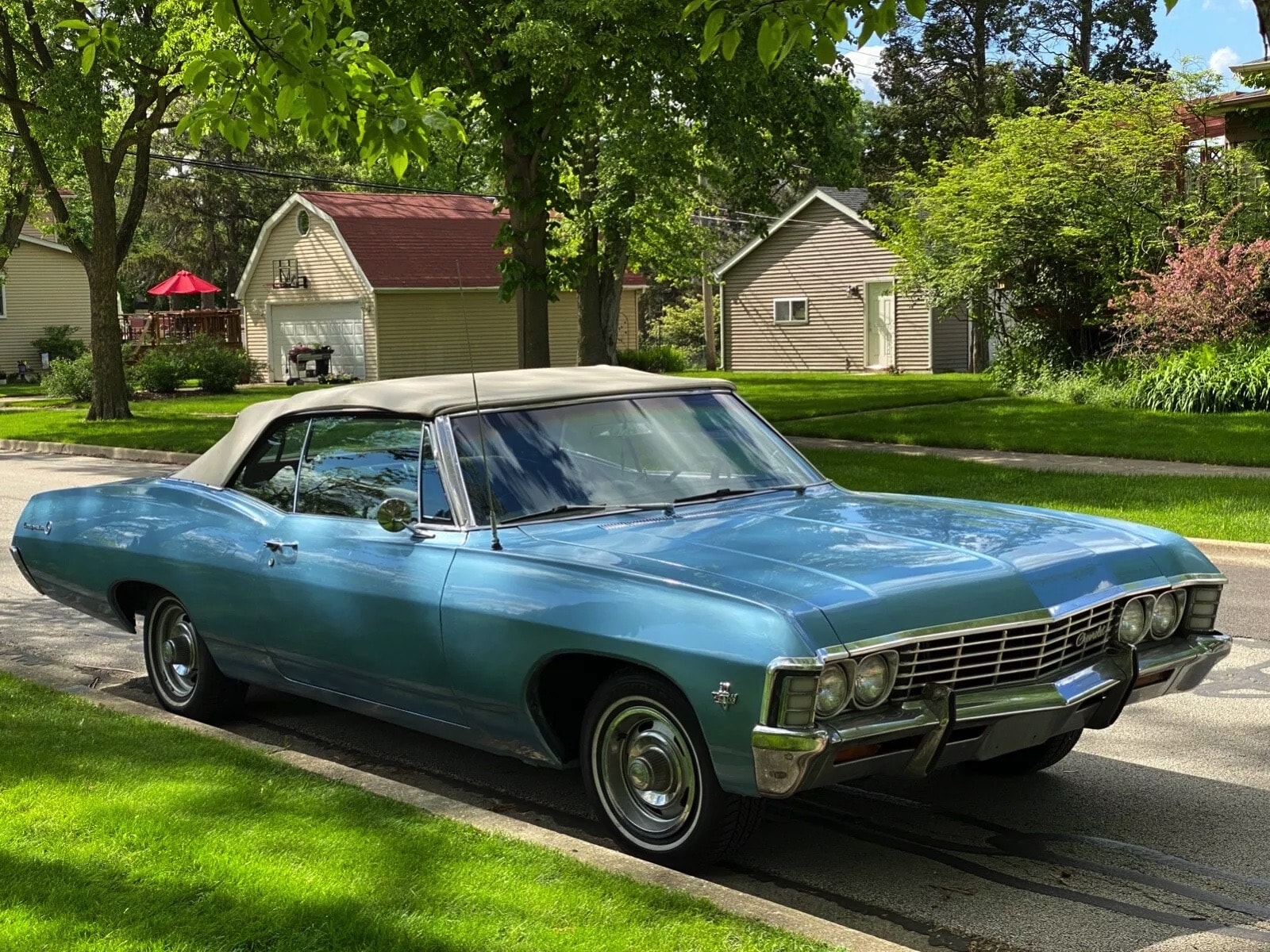
Even small issues, like minor leaks, worn belts, or unusual noises, can become serious if ignored. Early detection allows preventive action, minimizing risk, extending vehicle life, and avoiding costly emergency repairs.
Maintaining the Impala consistently improves performance, reliability, and safety. Drivers gain confidence in handling, braking, and responsiveness, which is especially critical during adverse weather, highway driving, or emergency maneuvers.
Regular maintenance is a proactive approach to safety. It keeps all systems optimized, prevents accidents caused by mechanical failure, and preserves comfort, performance, and reliability for years, ensuring the Impala remains a safe, dependable sedan.
Also read: 5 SUVs That Rarely Lose AC Performance vs 5 That Constantly Fail