
Many drivers prefer setting the air conditioning or heater once and leaving it that way for comfort. However, in some cars, these settings reset each time you restart the engine. This can make everyday driving slightly more annoying than expected.
When the settings reset, things like fan speed, temperature, or airflow direction may go back to default. This means drivers have to readjust them manually every time. It can feel like a small inconvenience, but over time, it becomes frustrating.
This feature can be especially irritating in areas with extreme weather. In hot climates, drivers might want the AC on immediately, while in cold areas, they may prefer warm air instantly. Constantly changing settings interrupts this comfort routine.
Automakers sometimes design cars this way for practical reasons. One main reason is saving fuel or battery power, especially in hybrid and electric cars. Turning off the AC at startup can reduce energy use and improve efficiency.
Another reason is reducing emissions. In certain markets, cars are programmed to start with minimal climate system use to meet environmental regulations. This small change can help a manufacturer achieve lower emission figures during official tests.
There is also a safety side to this feature. Some vehicles reset airflow to fresh air mode at startup to prevent fogging on windows. Others aim to keep the cabin air cleaner by avoiding stale recirculated air after sitting parked.
From a technical point of view, these reasons can make sense. But for many drivers, convenience matters more. Having to adjust settings every single drive feels unnecessary, especially when modern cars are full of memory features for seats and mirrors.
This reset habit isn’t limited to budget-friendly cars. Even premium brands have models where climate settings don’t stay saved. This can surprise buyers who expect their comfort preferences to be remembered automatically by advanced onboard systems.
For some cars, there are workarounds such as software updates or dealer adjustments. However, this depends on the brand and model. Before buying, it’s worth checking if the car you want keeps your climate settings after the engine is turned off.
Also read: 8 Reliable Used Cars for College Students
1) Toyota Corolla
Many Toyota Corolla owners have noticed a small but frustrating feature the air conditioning resets to off every time they start the car. This means you have to turn it back on manually before every drive.
For most drivers, this is inconvenient, especially during hot summer days when you want cool air instantly. The habit of readjusting the settings before heading out can make daily driving less smooth and a little more annoying over time.
Toyota has designed some recent Corolla models this way on purpose. One reason is fuel efficiency. By keeping the AC off at startup, the car uses less engine power, which can slightly improve fuel economy over time.
This feature is also linked to emission control. When the AC starts, the engine can warm up faster and run more efficiently during those first moments, helping the car meet environmental regulations in certain countries and markets.
Another possible reason is reducing strain on the engine or battery. Starting a car with the AC already running can require extra energy. Turning it off at startup helps make the initial load lighter for smoother operation.
From a technical standpoint, this can make sense. However, from a comfort perspective, it can be bothersome. Many drivers simply want the AC to be in the same state they left it after their last trip.
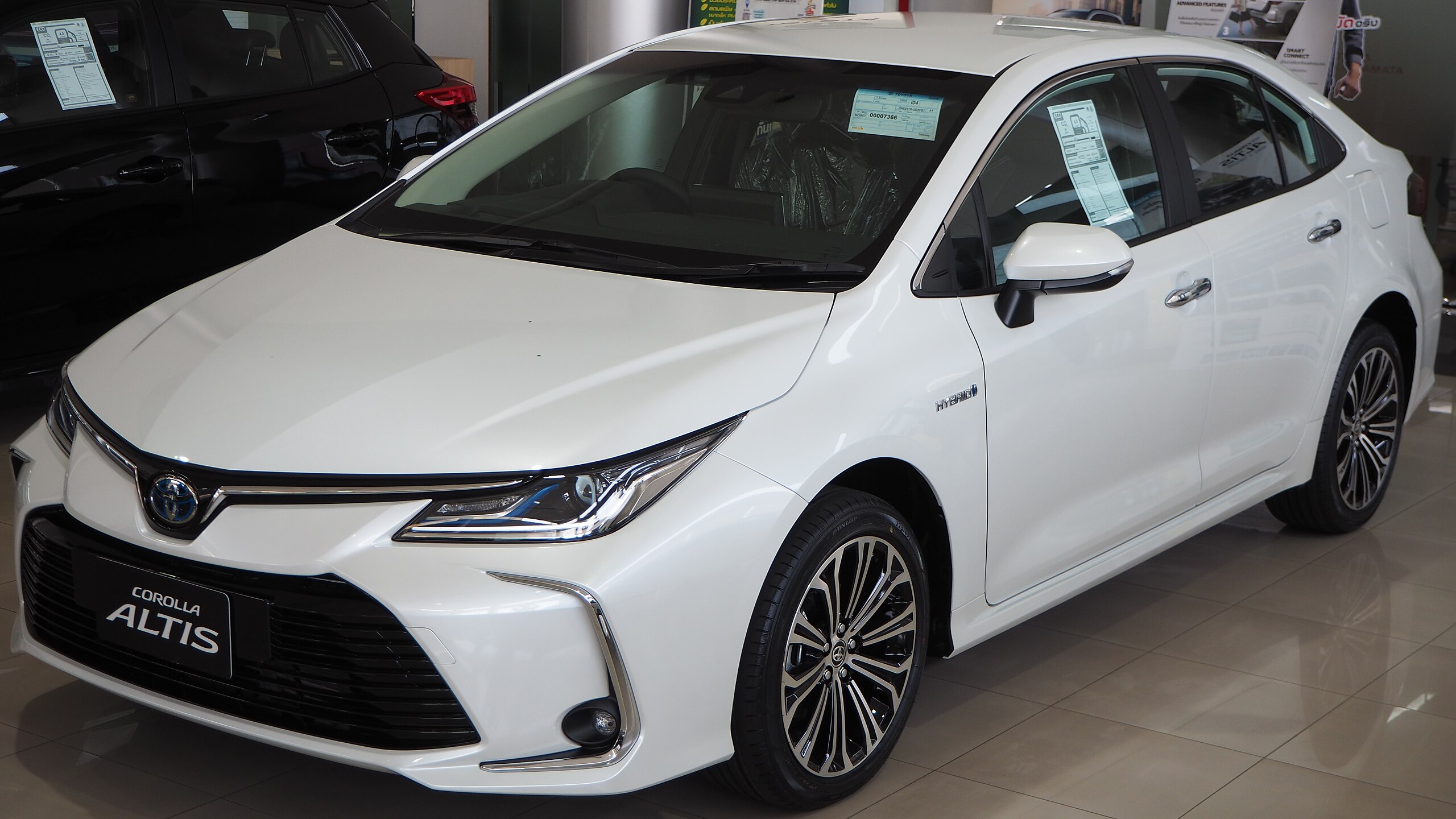
This design choice has sparked debates among Corolla owners. Some accept it as a smart efficiency feature, while others wish there was a setting to remember climate preferences, much like how seat positions or radio stations are stored automatically.
There are occasional workarounds, but they vary depending on the Corolla’s model year and region. Some owners report success through dealer software updates, while others say no fix is available. Checking before purchase can help avoid disappointment.
The Toyota Corolla remains one of the most reliable and popular cars in the world. But for those who value consistent comfort, the AC reset feature might be one small thing to keep in mind before making a buying decision.
2) Honda Civic
Many Honda Civic owners enjoy the car’s style, reliability, and comfort. But in certain trims, there’s a small annoyance the climate control settings reset every time you restart the engine, meaning fan speed and temperature return to default.
This can be frustrating for drivers who want consistent comfort. Imagine setting the perfect temperature, only to find it changed when you start the car again. It’s especially inconvenient in hot summers or freezing winters when quick climate control matters most.
Honda has included this feature in some trims for specific reasons. One is to save energy. Starting the car without the air conditioning or heater running can slightly reduce fuel consumption, which adds up over time for frequent drivers.
Another reason relates to emissions. By resetting to default, the car’s system ensures the engine warms up faster and runs more efficiently at startup. This can help meet environmental regulations in certain regions where efficiency testing is strict.
Some trims also reset airflow settings to avoid issues like windshield fogging. By starting fresh in a default mode, the system can keep visibility clear and maintain cabin air quality without relying on stale recirculated air.
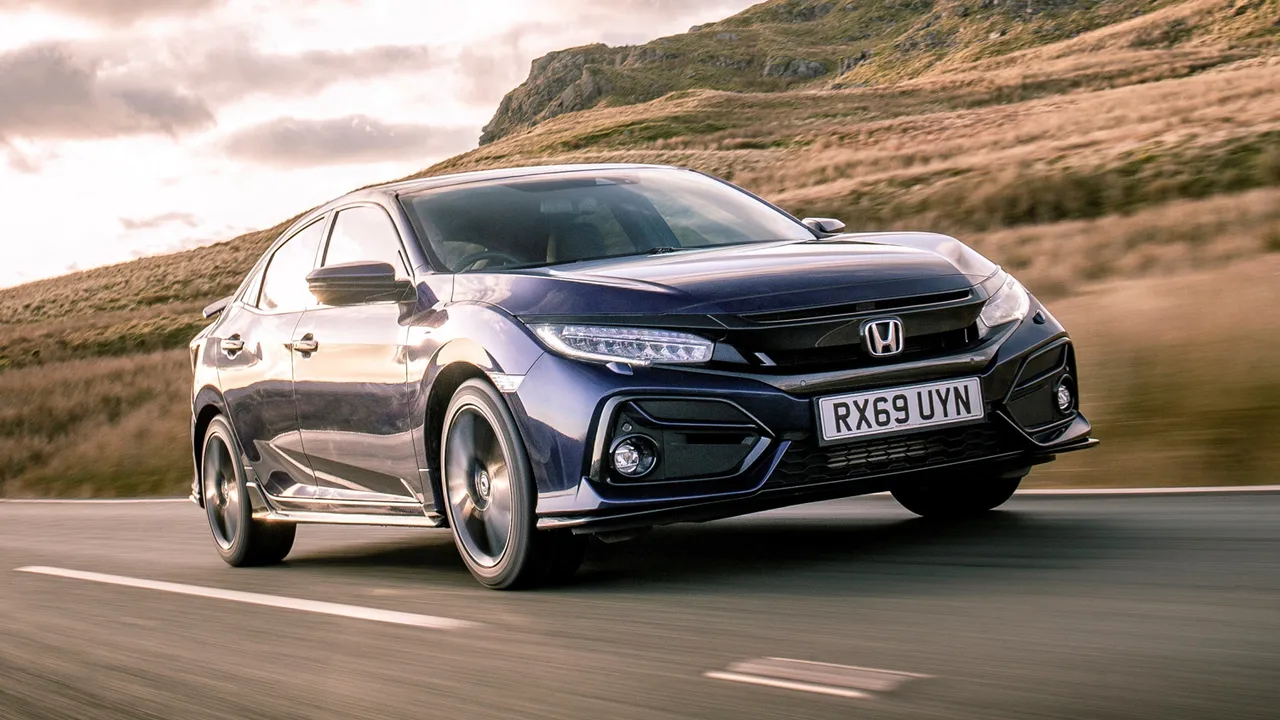
From an engineering point of view, these are sensible design choices. However, many Civic owners wish the car could simply remember their last settings, the same way it remembers radio stations or Bluetooth connections for convenience.
The reaction among Civic drivers is mixed. Some accept it as part of the car’s eco-friendly design, while others find it unnecessarily inconvenient. For daily commuters, making the same adjustments every trip can quickly feel repetitive and tiring.
Workarounds may exist depending on the Civic’s model year and trim level. In some cases, dealers can update the software to retain settings, but this isn’t guaranteed for every version. It’s worth checking before buying or requesting changes.
The Honda Civic remains one of the most popular compact cars worldwide, offering a blend of performance and practicality. Still, for drivers who prioritize consistent climate control, this reset feature might be an important factor to consider before purchase.
3) Mazda 3
The Mazda 3 is known for its sleek design, sporty feel, and fun driving experience. However, some owners have noticed a small annoyance — after restarting the car, the climate control may reset to a standard “eco” mode automatically.
This means your preferred fan speed, temperature, or air circulation settings might change without you touching anything. Instead of resuming exactly where you left off, the system chooses a more energy-efficient mode, which might not feel as comfortable right away.
Mazda has programmed this feature with efficiency in mind. The “eco” mode is designed to reduce the strain on the engine or battery during startup, helping the car save fuel and operate more smoothly in those first moments.
Another reason for this reset is environmental. By defaulting to a lighter climate load, the Mazda 3 can produce fewer emissions during startup. This helps the brand meet strict regulations in many countries, especially for newer and cleaner vehicle standards.
Some engineers also believe this approach helps extend the life of the air conditioning system. Starting up with a gentler setting may reduce wear and tear on the components, which can be beneficial in the long term for owners.
From a technical standpoint, this makes sense. However, for drivers, especially those in hot or cold weather, manually adjusting settings every time the car starts can be frustrating, as it takes time to return to their preferred comfort level.
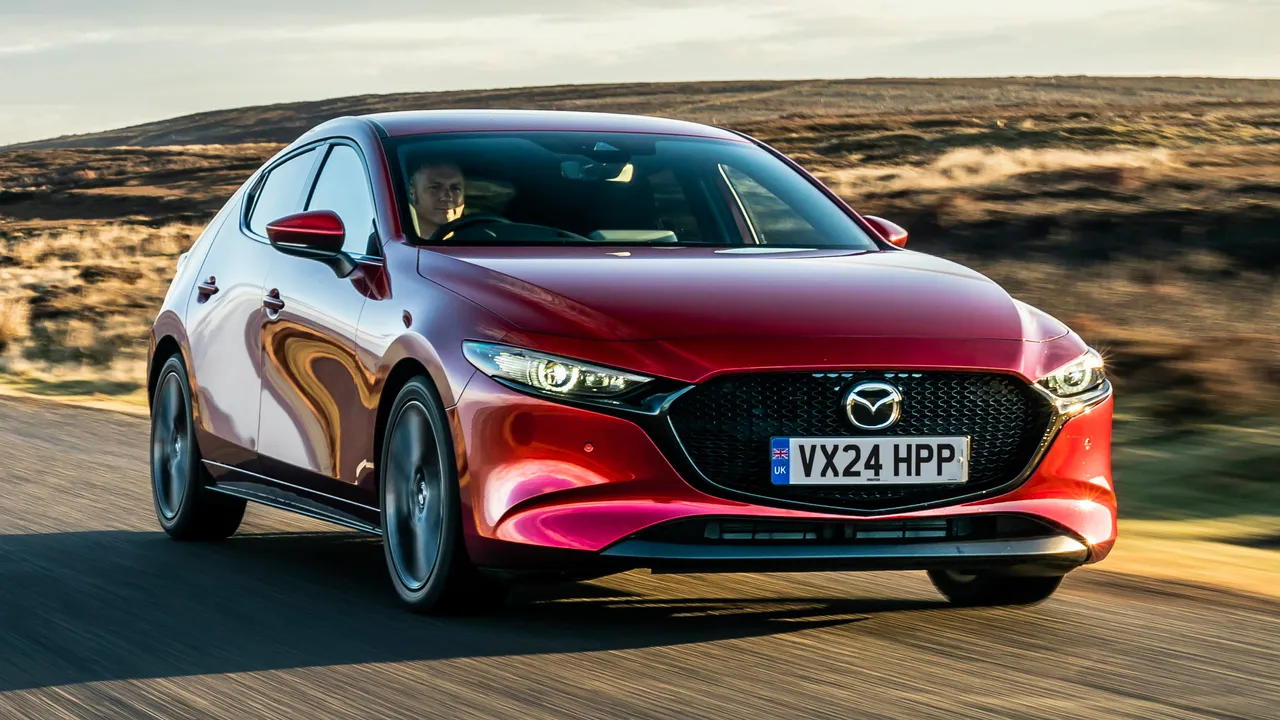
Mazda 3 owners have mixed opinions. Some appreciate the eco-conscious design, while others wish the system could remember their last-used settings, similar to how seat and mirror positions are saved for convenience between trips.
In some cases, dealers might offer software adjustments to reduce or remove this reset behavior. However, availability can depend on the model year, region, and specific trim level of the Mazda 3, so results can vary.
The Mazda 3 remains a stylish, reliable, and enjoyable compact car. But for drivers who want their climate control to stay exactly as they left it, the automatic switch to “eco” mode is something worth considering before making a purchase.
4) Subaru Outback
The Subaru Outback is a favorite among adventure lovers for its rugged build, roomy interior, and all-weather capability. But some owners have noticed a small quirk in certain model years, the airflow direction resets every time you start the car.
This means if you prefer the air blowing toward your face or feet, the system might switch back to a default mode automatically. Drivers then have to manually readjust the vents or settings at the beginning of nearly every trip.
Subaru has designed this reset feature with practicality in mind. One reason is to prevent fogging on the windshield. Starting with a default airflow toward the glass helps keep visibility clear, especially in damp or cold weather conditions.
Another reason relates to air freshness. When a car sits parked, recirculated air can become stale. By starting with a set airflow pattern, the system can refresh the cabin more effectively before switching to your comfort settings.
In some climates, this can be helpful. For example, in winter, warming the windshield first can improve safety. However, in everyday driving, it can feel inconvenient to change the airflow back to your preferred setting every time.
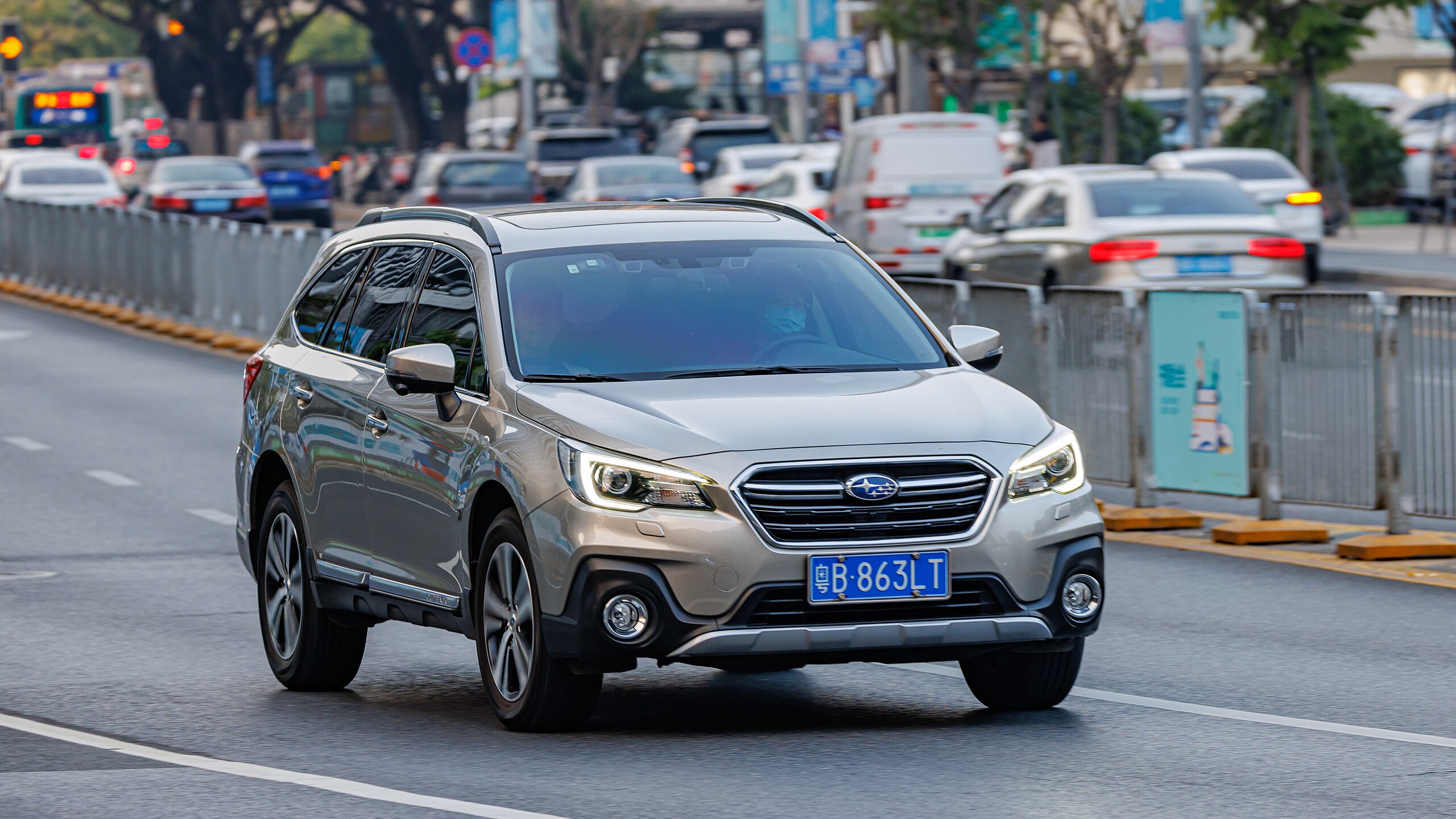
From a technical standpoint, Subaru’s choice makes sense for safety and efficiency. But for drivers who value convenience, especially on regular commutes, the repeated adjustments can be a small but persistent annoyance over time.
Reactions among Outback owners are mixed. Some see it as a thoughtful feature for safety, while others view it as unnecessary interference with personal comfort preferences. This difference often depends on the climate and driving habits of each owner.
Possible fixes vary depending on the year and trim. In certain cases, dealer software updates or system settings may help, though not all models have a permanent solution. Checking with a dealer before purchase can save surprises later.
The Subaru Outback remains a dependable and capable vehicle for both city and off-road driving. Still, for those who want complete control over airflow direction, this reset feature might be something to consider when choosing a model year.
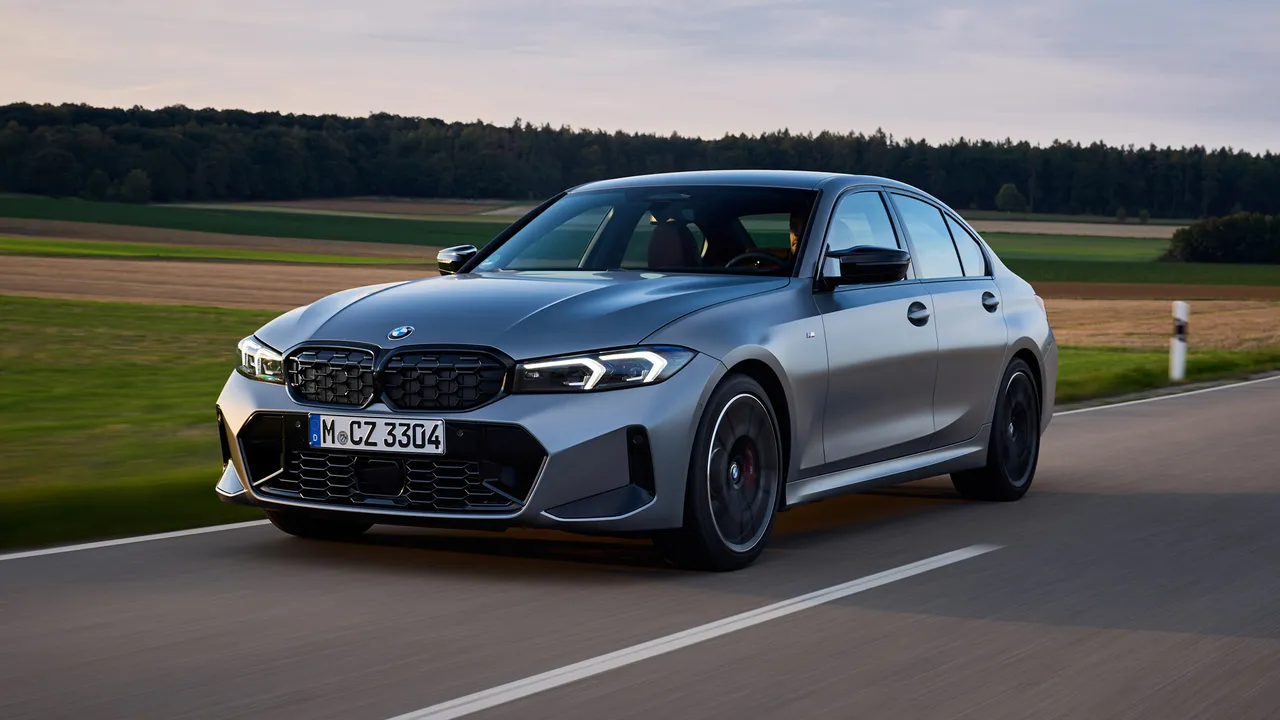
5) BMW 3 Series (older G20 models)
The BMW 3 Series is known for its luxury, performance, and advanced technology. But some owners of older G20 models have noticed a small frustration — the air conditioning function sometimes turns off automatically when the car is restarted.
This means drivers expecting cool air right away may instead find the AC disabled, requiring them to press the button again. In hot weather, this can feel inconvenient and slightly out of place in a premium vehicle.
BMW has programmed this feature with efficiency in mind. By starting the car with the AC off, the system reduces the initial load on the engine, which can improve fuel economy and reduce strain on components during startup.
Another reason is environmental compliance. With the AC off at startup, the car may produce fewer emissions in those first moments. This can help BMW meet strict emission standards in different countries where regulatory testing is precise.
Some engineers also believe this reduces wear on the air conditioning compressor. By avoiding full-power startup under load, the system may experience less stress over time, potentially increasing the long-term durability of the AC system.
From a technical standpoint, these are logical decisions. However, for drivers in warm climates, having to manually reactivate the AC every trip can feel like an unnecessary extra step that disrupts comfort and convenience.
BMW 3 Series owners have mixed opinions on this design. Some accept it as a trade-off for efficiency, while others wish there were a menu option to store AC preferences, much like how seat and mirror positions are remembered.
In some cases, dealer software updates may change this behavior, but it depends on the specific year, market, and trim. Not all owners have access to a permanent fix, so it’s worth asking before purchase or service.
The BMW 3 Series remains a benchmark in the luxury sports sedan segment. But for buyers who expect their climate system to work exactly as they left it, the automatic AC shutdown in older G20 models is worth keeping in mind.
Also read: 5 Cars With Helpful Driver Aids and 5 That Confuse the Driver More
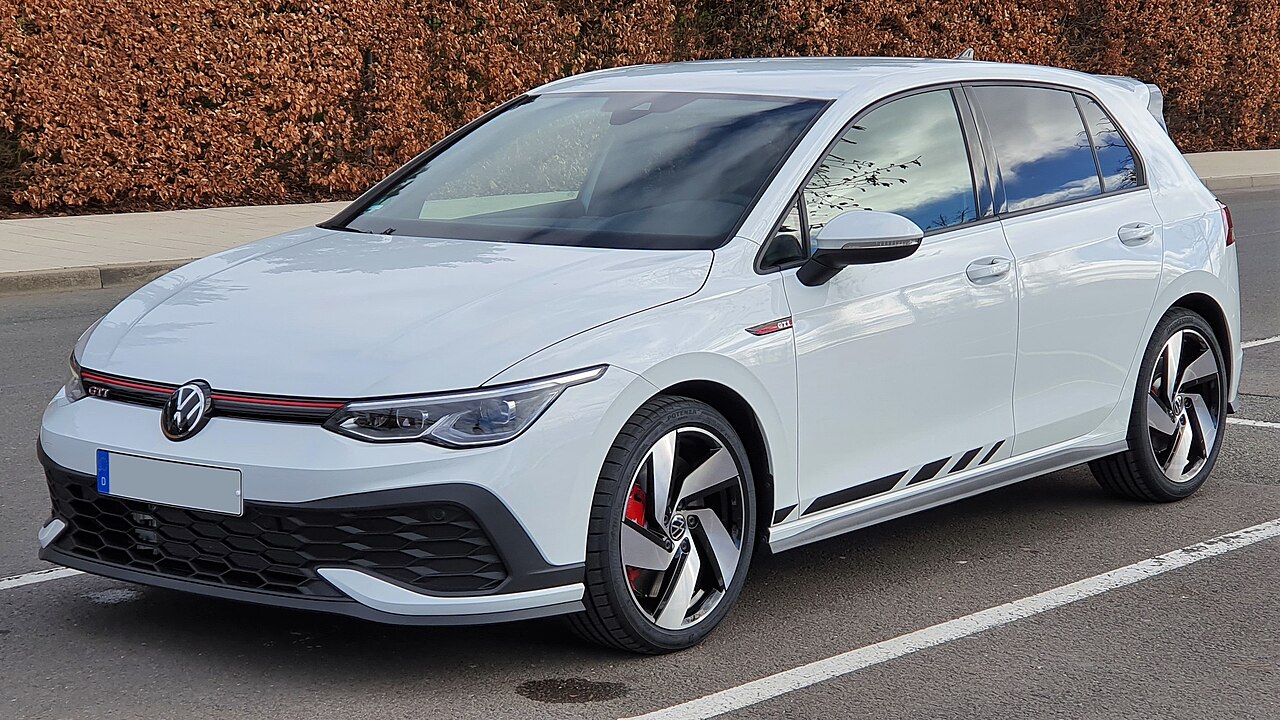
6) Volkswagen Golf
The Volkswagen Golf is praised for its practicality, comfort, and solid engineering. However, some owners have noticed a small but noticeable feature — the climate control often defaults to specific air settings each time you start the car.
This means your preferred fan speed, air direction, or recirculation mode may be replaced with a preset configuration. While the car adjusts itself automatically, drivers who want the exact same settings every trip might find this slightly inconvenient.
Volkswagen has programmed this behavior to help reduce emissions during startup. By controlling airflow direction and fan speed in a particular way, the car can meet strict environmental regulations in different regions more easily and consistently.
Another reason is to help the engine warm up faster. With certain airflow patterns and minimal AC use, the system allows the engine to reach optimal temperature sooner, improving efficiency and lowering exhaust emissions in those first minutes of driving.
In some cases, the default airflow also helps prevent windshield fogging. By ensuring that some air is directed toward the glass, visibility remains clear, which is important for safety, especially in colder or more humid climates.
From an engineering perspective, these are thoughtful design choices. But from a comfort standpoint, it means drivers must readjust settings if they prefer something different, which can become repetitive during daily use.
Volkswagen Golf owners have mixed feelings. Some appreciate the eco-friendly and safety-oriented design, while others believe the system should remember personal preferences, much like how radio stations and seat positions are stored automatically.
In certain models, there may be dealer-level or software options to modify this behavior, but availability depends on the specific Golf generation and market. Not all owners will be able to change it permanently.
The Volkswagen Golf remains a versatile and reliable hatchback, popular worldwide for its balance of performance and comfort. Still, for drivers who want their climate system to stay exactly how they left it, the automatic reset to specific air settings is worth noting.
7) Nissan Altima
The Nissan Altima is a comfortable, reliable midsize sedan loved by many drivers. But some owners have noticed a recurring quirk — the air recirculation mode resets every time you start the car, even if you left it on before.
This means the system may switch back to fresh air mode automatically, allowing outside air into the cabin. For drivers who prefer recirculated air to block dust, odors, or hot air, this can be a little inconvenient on daily trips.
Nissan has programmed this feature with health and safety in mind. By starting in fresh air mode, the system ensures that stale air inside the cabin is replaced with cleaner outside air, reducing the buildup of humidity and pollutants.
Another reason is to prevent windshield fogging. Recirculation mode can sometimes trap moisture inside the cabin, which can quickly fog up the glass in humid or cold conditions. Switching to fresh air at startup helps maintain clear visibility.

From an engineering standpoint, this makes perfect sense. Fresh air circulation improves cabin air quality and keeps the climate system running more effectively. But for drivers in hot or dusty environments, it means extra steps to restore preferred settings.
Reactions among Altima owners are mixed. Some appreciate the system’s focus on health and safety, while others wish there were an option to save their climate preferences so they wouldn’t have to make adjustments every single drive.
In some cases, dealer-level programming changes or aftermarket solutions may allow the system to retain the recirculation setting. However, this depends on the model year, trim level, and local regulations, so it’s not a guaranteed fix for everyone.
The Nissan Altima remains a dependable and popular sedan, offering a good mix of comfort, technology, and fuel efficiency. Still, for drivers who value keeping recirculation mode on at all times, the automatic reset is something worth considering before purchase.
Also read: 5 Cars With Helpful Driver Aids and 5 That Confuse the Driver More
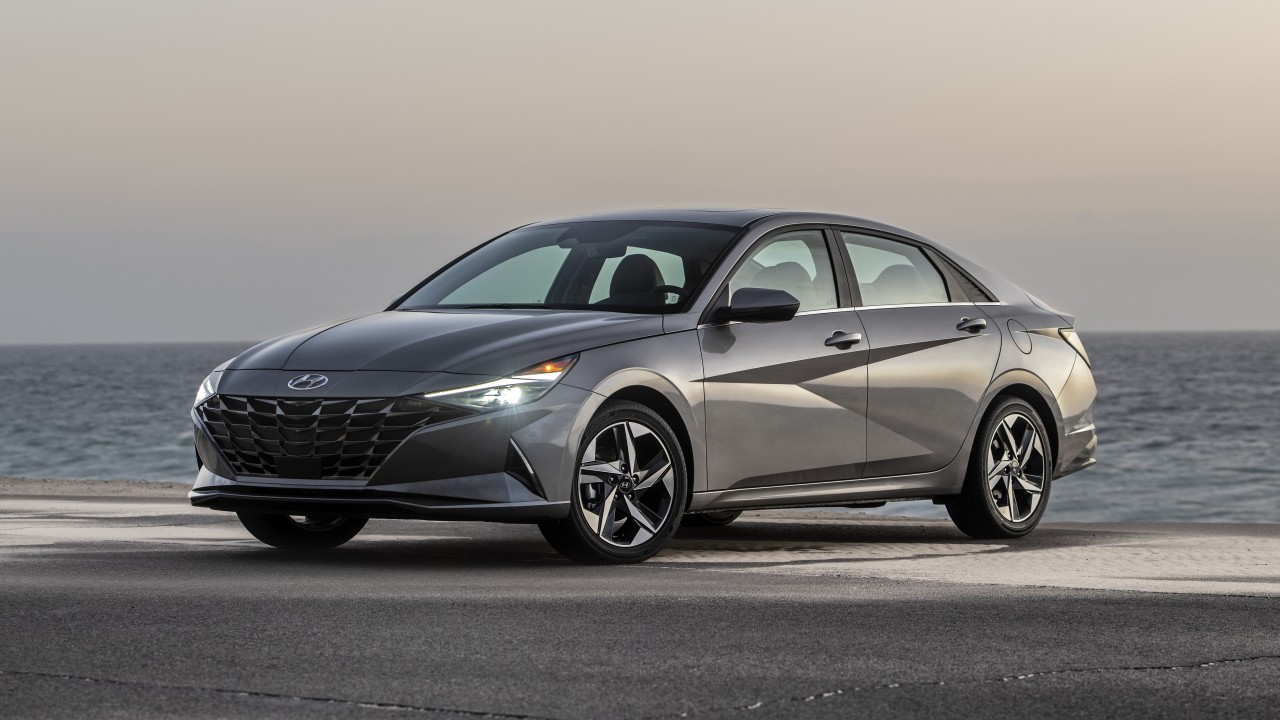
8) Hyundai Elantra
The Hyundai Elantra is known for its stylish design, modern features, and affordable price. But some owners have noticed a small inconvenience — after starting the car, the air conditioning may be automatically turned off until it’s switched on manually again.
This means that even if you left the AC running during your last trip, it might not come back on when you restart the car. For drivers in hot climates, this can be frustrating when they want immediate cool air.
Hyundai has programmed this feature for efficiency reasons. Starting the engine without the AC running reduces the initial load, which can improve fuel economy slightly and reduce strain on the engine or battery during the first moments of driving.
Another reason relates to emissions. With the AC off at startup, the vehicle produces fewer emissions right away. This helps Hyundai meet environmental regulations in various markets, especially where strict testing procedures are in place for fuel efficiency and pollution.
Some engineers also see it as a way to improve long-term AC reliability. Avoiding full-power AC use at startup may reduce wear on the compressor and other system components, potentially extending their lifespan over the years.
From a technical point of view, these reasons make sense. However, for drivers, especially in very hot weather, it can feel like an unnecessary extra step to turn the AC back on every time they get into the car.
Hyundai Elantra owners have mixed opinions on this behavior. Some see it as a smart, efficiency-focused design, while others wish the system could remember their last-used climate settings for added convenience on daily commutes.
In some cases, dealer-level adjustments or software updates may change this behavior, but availability depends on the specific model year and trim. Not every Elantra owner will have access to a permanent fix.
The Hyundai Elantra remains a strong choice in the compact sedan category. Still, for drivers who expect their AC to start automatically with the car, this reset feature is worth considering before making a purchase decision.