When it comes to selling a car, not all vehicles are treated equally. Some models are in such high demand that private buyers are quick to pay top dollar. These cars carry strong reputations, which means owners often make more money selling privately.
Private sales are often attractive to buyers because they avoid dealership markups and fees. A buyer who has been searching for a specific model will pay more directly to an owner. For sellers, this means fewer headaches and higher profits.
The types of cars that sell well privately usually share a few qualities. They are known for dependability, they appeal to large groups of drivers, or they carry a certain lifestyle image. This makes them stand out even with age or mileage.
On the other hand, not every car gets the same treatment. Some vehicles are hard to move, and even dealers want little to do with them. These models may be unreliable, discontinued, or simply lack the excitement that buyers want.
Dealers are careful about what they keep in stock. A car that has a poor reputation or limited demand can sit on the lot for months, losing money. That’s why many of these models only get low trade-in offers.
For car owners, this creates a sharp contrast. If you have one of the in-demand vehicles, selling it privately could bring you hundreds or even thousands more than a trade-in. But if you own one of the unwanted models, it’s a different story.
These unwanted cars are not impossible to sell, but it takes time and patience. Often, they are only attractive to very specific buyers looking for a cheap deal or a short-term vehicle. Dealers know this, so they avoid stocking them.
In this article, we’ll look at five cars that remain hot in private sales and five cars that dealers rarely want. Knowing which side your vehicle falls on can make the difference between a quick profitable sale and a frustrating, drawn-out process.
Also read: 8 Best-Selling Cars by State and What They Say About Local Drivers
5 Cars That Stay Hot in Private Sales
Private sales are where savvy buyers and sellers quietly pocket the best deals, faster closes, more money in your pocket, and none of the paperwork theater dealers love. This list isn’t about trend-chasing or whatever’s hyped this month. It’s about the five models that consistently get snapped up in classifieds, Facebook Marketplace, and neighborhood-for-sale posts because real people want them: reliable, affordable, sensible cars that pass the smell test and the test-drive.
1) Toyota Tacoma
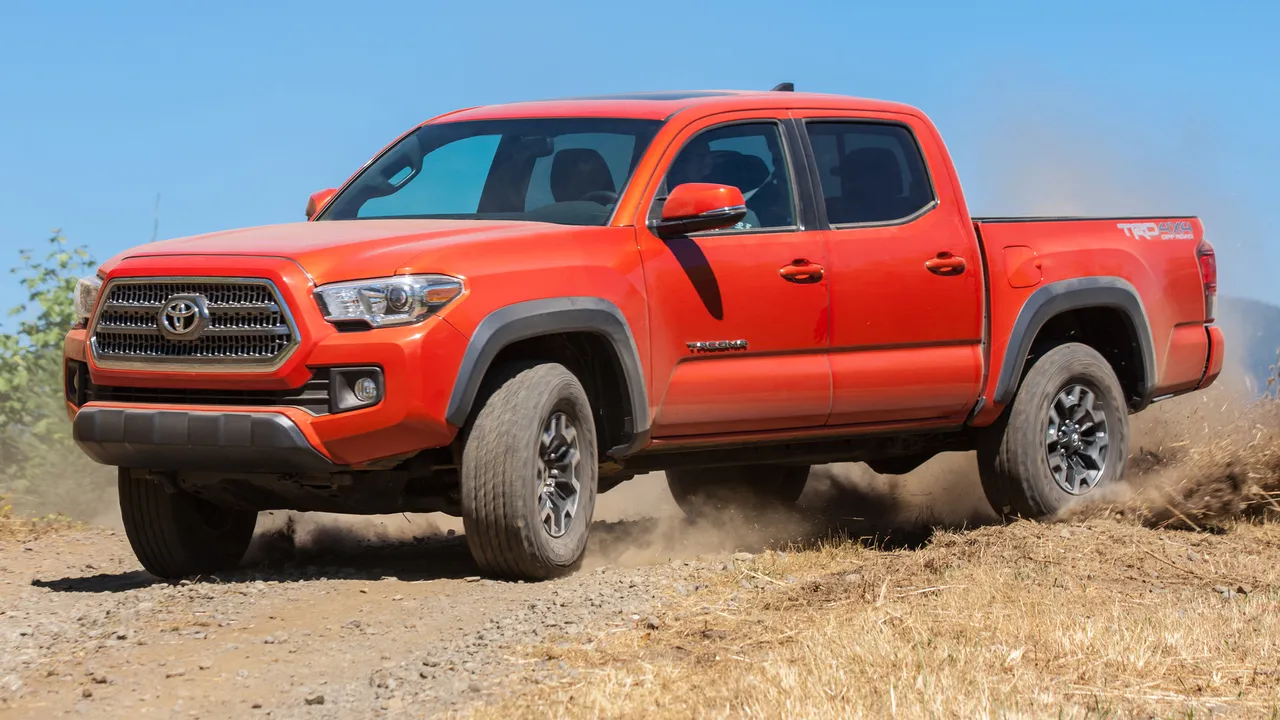
The Toyota Tacoma is consistently one of the strongest performers in private sales. Known for its bulletproof reliability, this midsize truck has earned a legendary reputation among truck owners in the United States and abroad. Unlike many vehicles that lose value quickly, the Tacoma is famous for retaining its worth, sometimes selling for surprising prices even after years of use.
A big part of its appeal is versatility. Outdoor enthusiasts prize the Tacoma for its proven off-road capability, especially in trims like the TRD Off-Road and TRD Pro, which are designed for tackling rough trails. At the same time, commuters appreciate its comfort, manageable size, and fuel efficiency compared to full-size trucks. This balance of ruggedness and practicality ensures there’s always a long list of interested buyers.
The Tacoma also has what many call a “lifestyle factor.” It’s not just a vehicle it’s a symbol of adventure and durability. Families trust it for road trips, while weekend warriors use it for towing boats, hauling gear, or camping off-grid. Because of this broad appeal, Tacomas tend to move faster in private listings than most competitors.
Another reason private sales stay strong is limited supply. Toyota doesn’t produce as many Tacomas as Detroit automakers churn out F-150s or Silverados, which makes them feel more exclusive. Pair this with Toyota’s long-standing reputation for dependability, and buyers are often willing to pay above market value to secure one directly from an owner instead of a dealership.
Even older Tacomas command impressive prices. Models with 150,000–200,000 miles still attract eager buyers because these trucks are known to run well beyond that with basic maintenance. This makes the Tacoma one of the rare vehicles where sellers consistently earn thousands more by listing it privately rather than trading it in.
For these reasons, the Tacoma has become a “private-sale legend.” It’s a truck that appeals across generations, from young adventurers to experienced drivers looking for a dependable long-term pickup. Its combination of reliability, capability, and enduring demand ensures it will remain hot in the private market for years to come.
2) Honda Civic
The Honda Civic has long been one of the most dependable and versatile cars on the market, which is why it thrives in private sales. Buyers are attracted to its reputation for reliability, affordability, and excellent fuel economy. From first-time drivers to seasoned commuters, the Civic appeals to nearly every type of buyer.
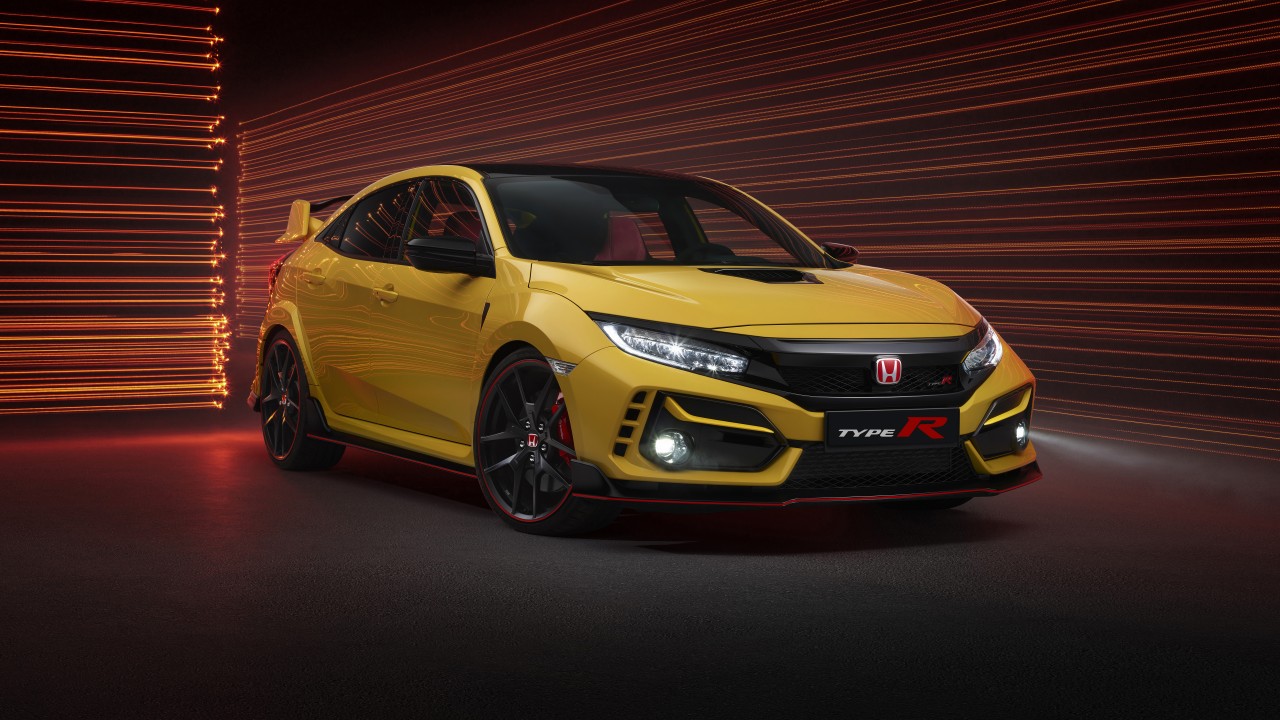
One of the Civic’s greatest strengths is its broad range of trims and styles. Hatchbacks, coupes, and sedans all exist across different model years, which means there’s a Civic for almost every budget and preference. Enthusiasts also prize sporty versions like the Si and Type R, which often sell even faster in private listings due to their limited availability and strong fan following.
Private buyers see the Civic as a safe bet. Even older models with higher mileage maintain strong demand because of Honda’s reputation for long-lasting engines and low maintenance costs. Many buyers would rather purchase one directly from an owner to avoid dealership markups or rushed reconditioning work.
The Civic also carries a “culture factor.” It’s one of the most popular cars in the tuner community, which drives demand for clean, unmodified examples. Owners who list a well-kept Civic privately often receive quick offers, sometimes above market value, especially for hard-to-find trims.
This combination of practicality, reliability, and broad appeal makes the Civic one of the most consistent winners in private sales year after year.
3) Jeep Wrangler
The Jeep Wrangler is more than just a vehicle it’s a cultural icon. Born from military roots in World War II, the Wrangler has always represented freedom, adventure, and the thrill of the outdoors. This history gives it a timeless appeal in the private market that few vehicles can match.
Wranglers thrive in private sales because of their unique blend of fun and utility. Their removable roofs and doors, combined with true off-road capability, make them lifestyle vehicles rather than simple daily drivers. Buyers don’t just purchase a Wrangler they buy into a community and a way of life.
Aftermarket customization further drives private-sale demand. Lift kits, off-road tires, winches, and lighting upgrades all increase appeal, and buyers often prefer picking up a pre-modified Wrangler directly from an owner instead of paying extra at a dealer. At the same time, stock Wranglers are equally desirable, especially among buyers who want a clean base to build on.
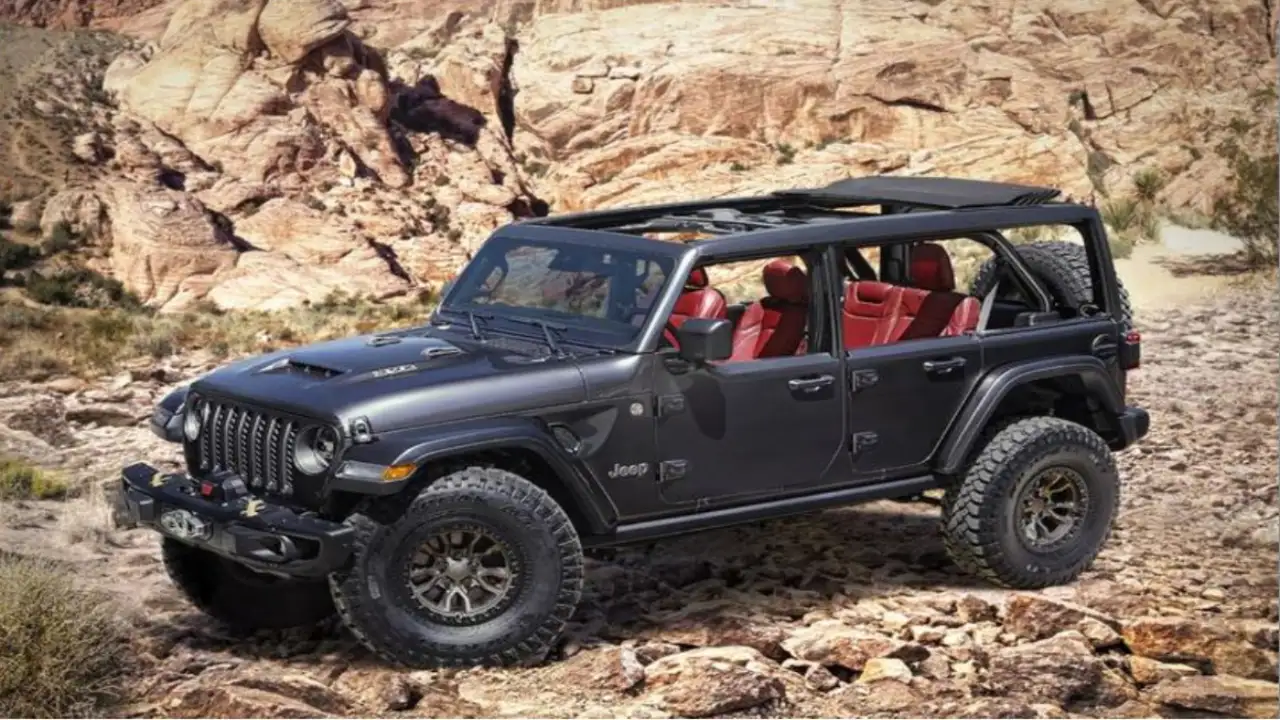
The Wrangler’s value retention is extraordinary. Some trims, like the Rubicon or special editions, have resale values so strong that lightly used examples can sell close to new prices. Even Wranglers with high mileage remain attractive because of their simple mechanics and rugged build.
Private sales of Wranglers tend to move quickly. Their adventurous image resonates with young buyers, families, and retirees alike, making them one of the rare vehicles that appeals across multiple demographics. For sellers, this means quick deals and competitive offers.
4) Toyota 4Runner
The Toyota 4Runner is a staple in the SUV world, and its reputation for toughness has made it one of the strongest vehicles in private resale. Unlike many modern SUVs that have transitioned to unibody platforms, the 4Runner has stayed true to its body-on-frame construction, which makes it capable of serious off-road use.
Buyers in the private market chase after 4Runners for their durability, spaciousness, and versatility. Families love them for their reliability on long road trips, while adventurers see them as ideal platforms for camping, towing, and overlanding. Even older models, sometimes more than 15 years old, remain in demand if they’ve been well cared for.
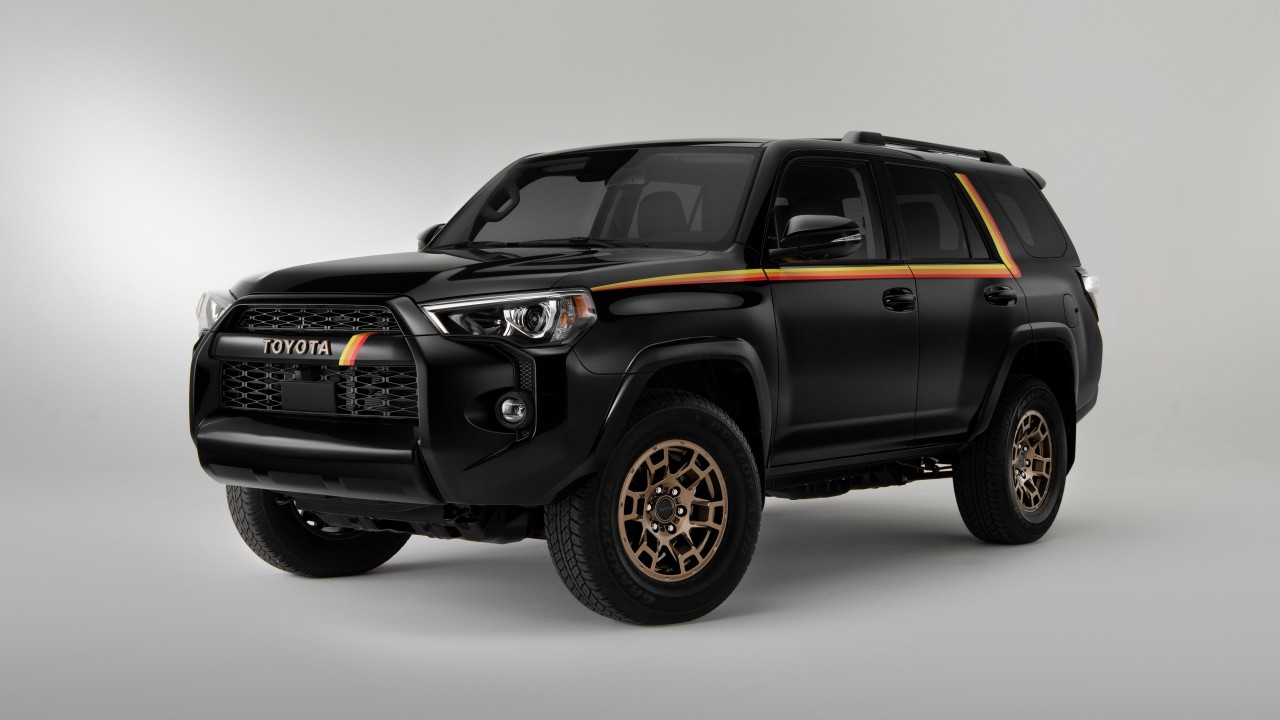
The resale values are remarkably strong. Industry studies often list the 4Runner as one of the top five vehicles for long-term value retention, with many models holding around 60% of their value after five years. Private buyers are aware of this and are willing to pay more upfront, knowing they’ll get long-lasting use in return.
Mileage is less of a concern, as many 4Runners easily pass 300,000 miles with regular maintenance. Buyers often look for specific trims, like the TRD Pro or Trail Edition, which can command premium prices on private platforms.
For sellers, this makes the 4Runner one of the most profitable vehicles to sell privately. Dealer trade-ins often undervalue it, while direct sales can result in thousands more. Its mix of rugged design, reliability, and loyal fan base ensures it will continue to dominate the private resale market.
5) Mazda MX-5 Miata
The Mazda MX-5 Miata holds a special place in the car world as one of the most fun-to-drive vehicles ever made. Since its debut in 1989, it has built a cult-like following among enthusiasts who prize its lightweight design, sharp handling, and pure driving experience.
Private sales of Miatas are consistently strong because they appeal to a dedicated fan base. Enthusiasts are always on the lookout for clean examples, especially older NA (first generation) and NB (second generation) models, which have become collectible. The iconic pop-up headlights of the NA generation make it especially sought-after, with well-kept examples often selling within days of being listed.
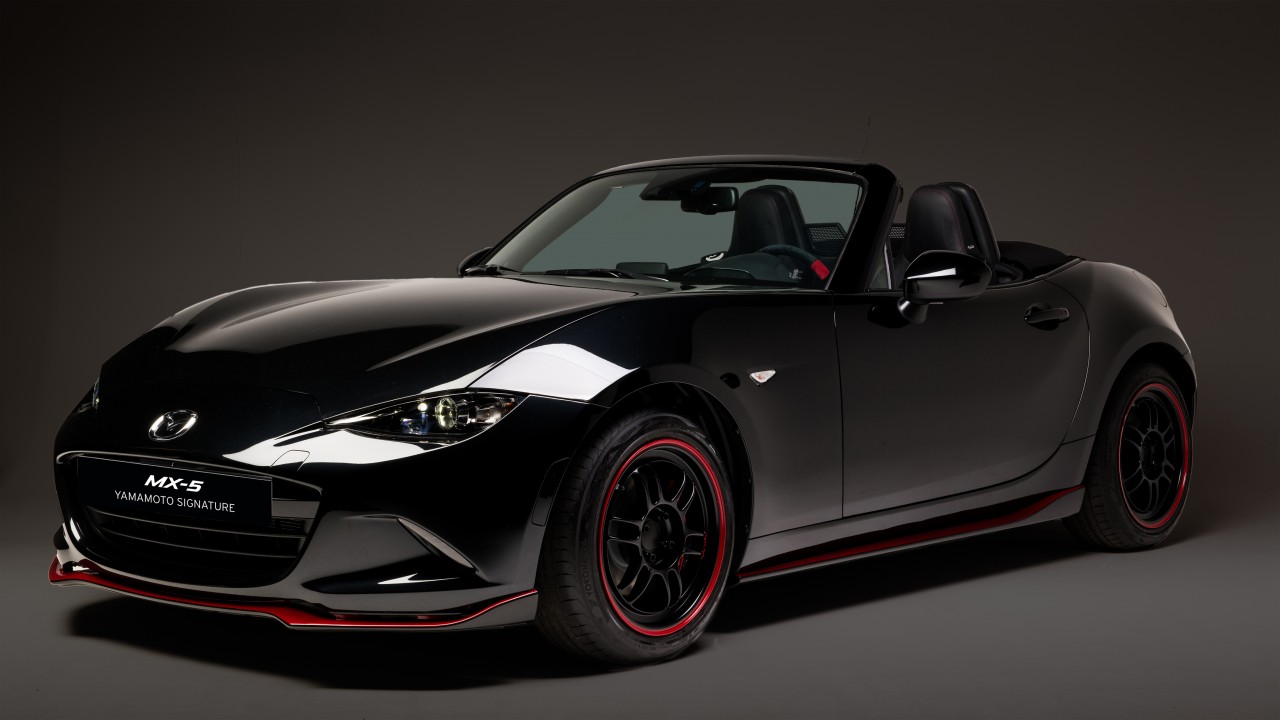
The Miata also benefits from practicality within its niche. Unlike many sports cars, it’s inexpensive to maintain, fuel-efficient, and surprisingly reliable. This makes it attractive to younger buyers entering the sports-car world for the first time, as well as seasoned enthusiasts who want a fun weekend toy without breaking the bank.
Customization is another factor boosting private-sale demand. Many Miatas have been modified for track days, autocross, or simply for style, and buyers often appreciate the added value of these upgrades. However, unmodified Miatas can command even higher prices, as collectors look for originality.
Despite being a small two-seater, the Miata continues to sell quickly in the private market because it offers something rare: pure driving joy. Owners who take care of their Miatas often find buyers willing to pay top dollar, reinforcing its status as one of the most consistently hot cars in private sales.
Also read: 9 Best-Selling Cars That Actually Deserve the Hype
5 Cars That Dealers Won’t Touch
Dealers have rules. They also have bills, compliance headaches, and reputations to protect, which is why some cars never make it onto their lots. “5 Cars That Dealers Won’t Touch” isn’t a clickbait list of rare unicorns; it’s a practical map of the vehicles that, for one reason or another, are toxic to a dealer’s business: steep legal or title problems, catastrophic damage histories, wildly expensive or unpredictable repairs, heavy aftermarket but sketchy mods, or simply zero demand in the trade market.
1) Fiat 500
The Fiat 500 arrived in the U.S. market with plenty of buzz, marketed as a stylish, compact alternative to mainstream hatchbacks. Its retro-inspired design and European charm initially attracted attention, especially in urban areas where small cars thrive. However, despite the strong start, its appeal quickly faded.
Dealers hesitate to stock the Fiat 500 for several reasons. The biggest is demand or rather, the lack of it. While the 500 may have worked in crowded European cities, American buyers generally prefer larger, more practical cars. As a result, resale demand is limited, leaving dealers with inventory that sits too long on the lot.
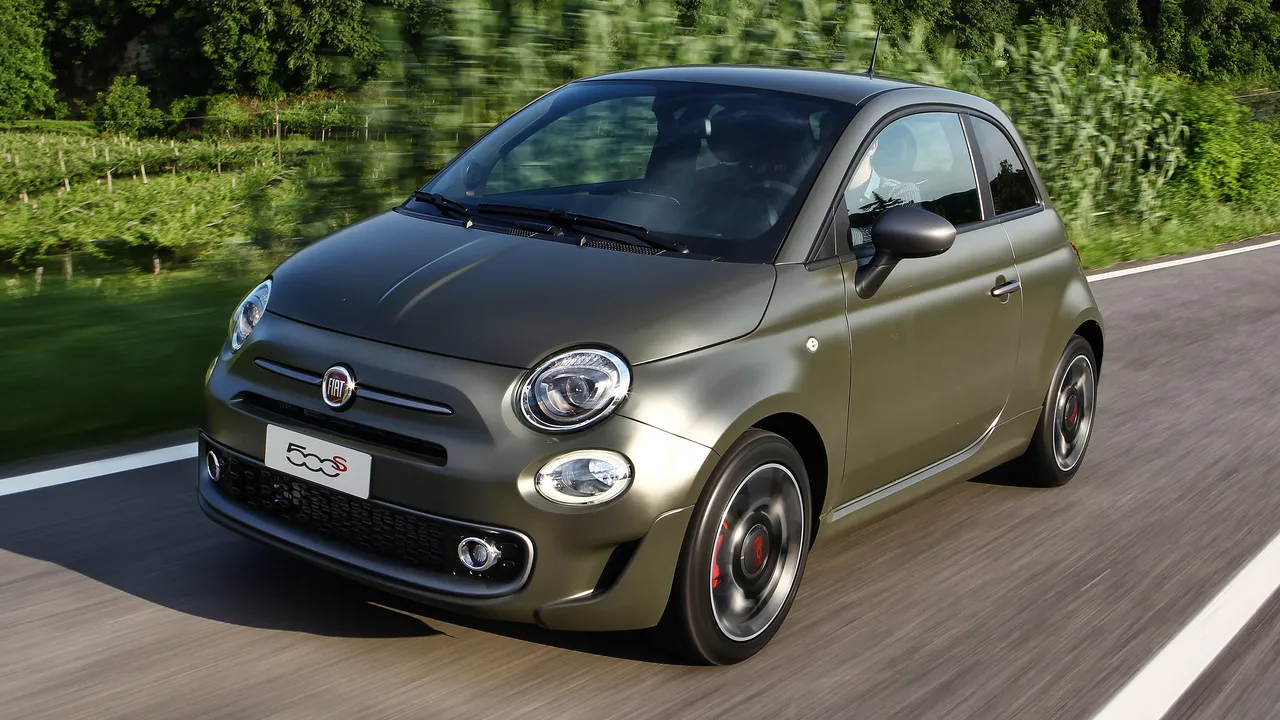
Parts and repairs are another issue. Fiat pulled back its operations in the U.S. in recent years, which has made servicing and finding replacement parts more expensive and inconvenient. Dealers know buyers are wary of this, so they avoid stocking a car that could lead to frustrated customers and lower profit margins.
Private sellers also struggle with the Fiat 500. Even if the car is affordable and fuel-efficient, it has a reputation for questionable reliability. This means buyers often see it as risky, especially when there are more trusted alternatives like the Honda Fit or Toyota Yaris available at similar prices.
For these reasons, the Fiat 500 is often found at auctions rather than dealer showrooms. It’s a car that may appeal to a niche group of city drivers, but for the broader market, it’s simply not worth the hassle.
2) Mitsubishi Mirage
The Mitsubishi Mirage is one of the cheapest new cars sold in America, designed to appeal to ultra-budget-conscious buyers. On the surface, it looks like a smart deal: excellent gas mileage, low upfront cost, and compact dimensions that make it easy to park. But underneath those selling points lies a car that many buyers, and nearly all dealers, avoid.
Dealers are cautious with the Mirage because it has a reputation for being underwhelming in almost every area. Its three-cylinder engine is weak, producing sluggish acceleration that frustrates drivers used to more power.
The ride quality is noisy and harsh, and the interior materials feel cheap compared to other economy cars. When shoppers test drive a Mirage, they often leave unimpressed making it a slow mover on dealer lots.
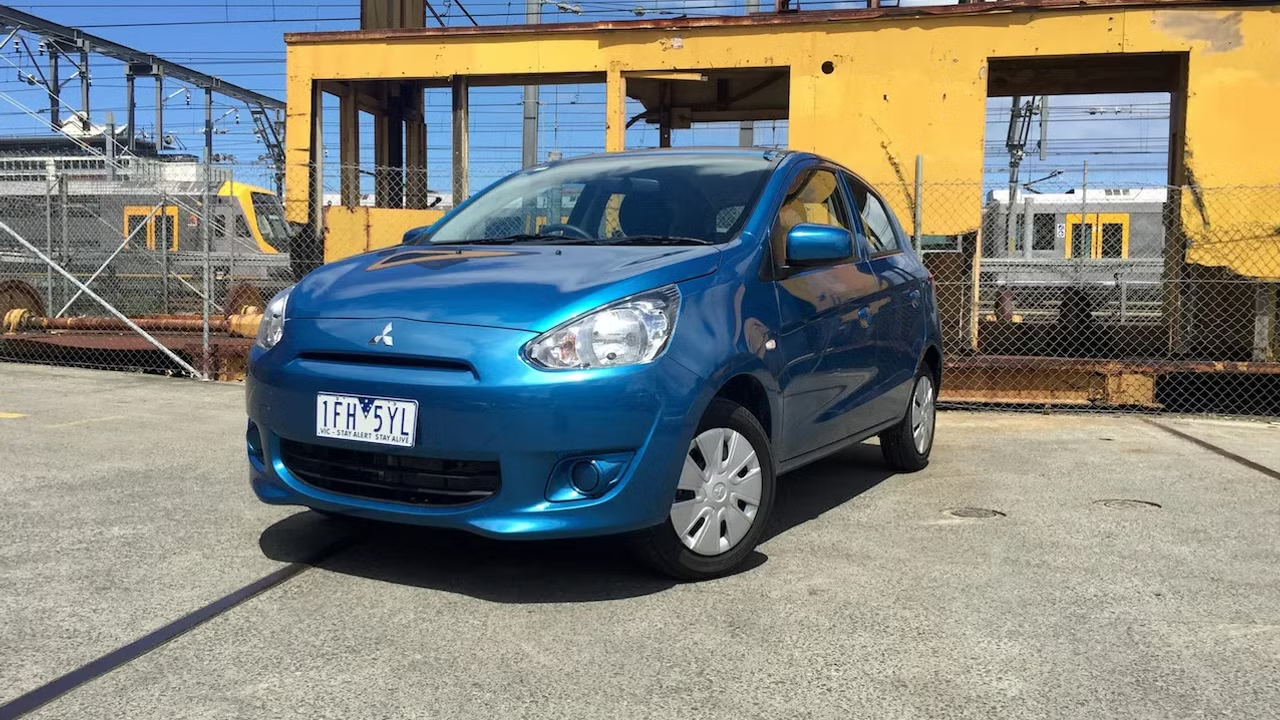
Depreciation is another huge problem. While the Mirage is an affordable new car, it loses value quickly. A two- or three-year-old Mirage is often priced only slightly higher than much older, more established small cars. Dealers know this makes it difficult to justify stocking them, since customers can buy a used Honda Civic or Toyota Corolla for similar money and get a better car.
Private sellers face similar struggles. The Mirage appeals mainly to buyers who want the cheapest possible vehicle with the best possible fuel economy, and even then, competition from hybrids and more reputable compact cars weakens its case. Sellers often have to accept far less than they’d like just to move the car.
Ultimately, while the Mirage is functional, it lacks the features, reputation, and desirability needed to succeed in the resale market. Dealers avoid it because it ties up space and resources with little payoff.
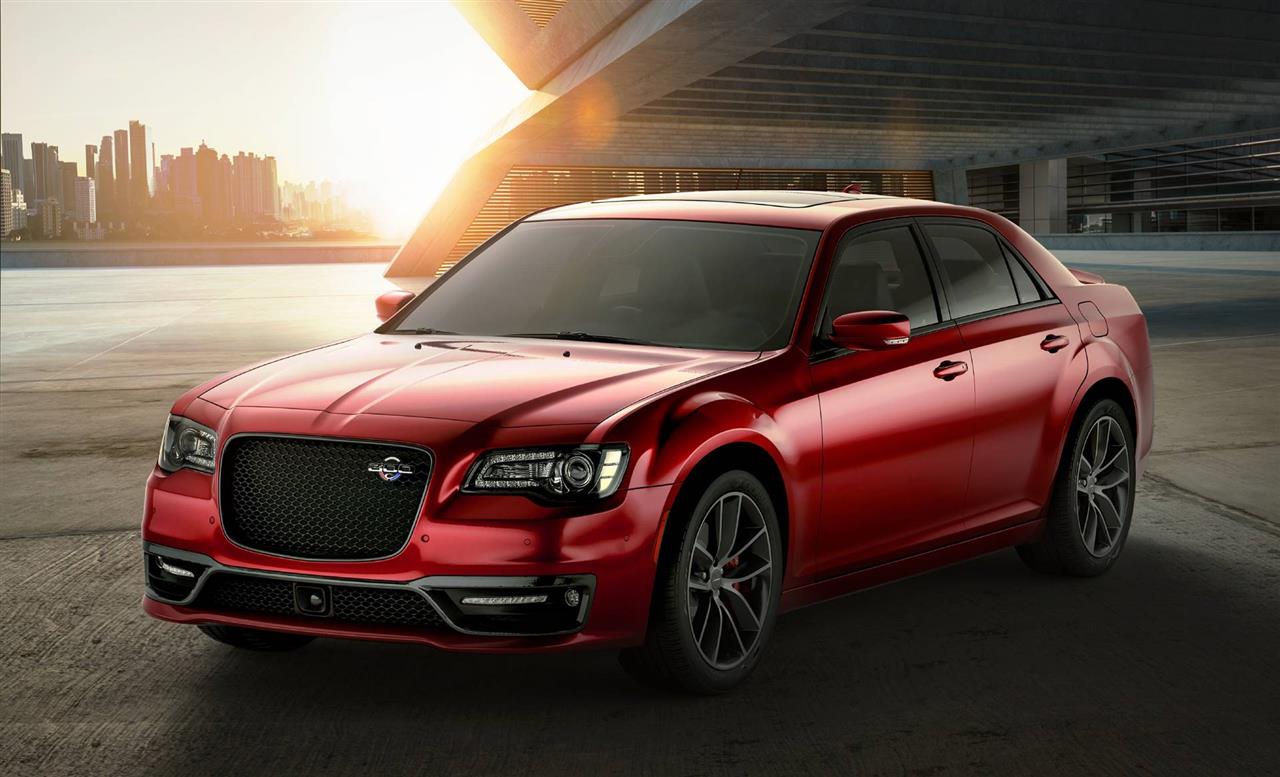
3) Chrysler 200
The Chrysler 200 was Chrysler’s attempt at competing in the midsize sedan segment, one of the most competitive categories in the auto market. Launched in 2010 as a replacement for the Chrysler Sebring, the 200 was redesigned in 2015 with hopes of finally standing tall against stalwarts like the Honda Accord, Toyota Camry, and Ford Fusion. Unfortunately, the 200 never shook its troubled beginnings, and by 2017, Chrysler discontinued it altogether.
One of the 200’s biggest issues was its nine-speed automatic transmission. While advanced on paper, it was plagued with problems in real-world driving—jerky shifts, poor responsiveness, and long-term reliability concerns. Buyers quickly caught on, and the car’s reputation took a hit.
Dealers avoid the Chrysler 200 because of this negative image and the fact that it was discontinued. When a model gets pulled from production so quickly, it signals to buyers that it wasn’t popular or reliable. This makes resale much harder. Even though the 200 had some positives, like decent styling and available all-wheel drive, those qualities weren’t enough to save it.
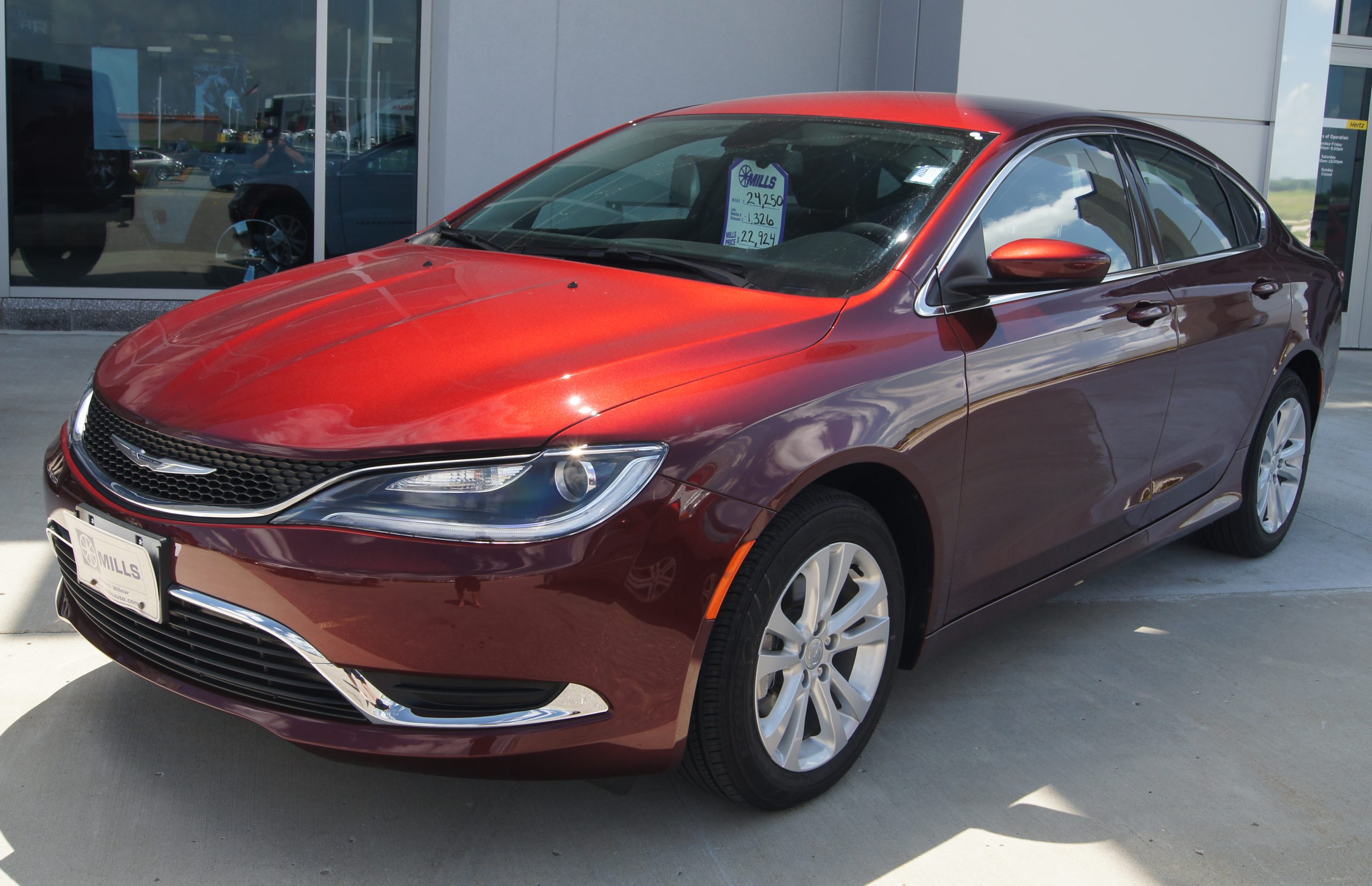
Another problem was the competition. Buyers in the midsize sedan segment expect comfort, space, and dependability. The 200 fell short in rear seat room, interior refinement, and reliability, three areas where competitors excelled. Dealers know that when a shopper comes to the lot, given the choice between a used Accord, Camry, or a Chrysler 200, the 200 is almost always the last pick.
For private sellers, things aren’t much better. The low resale values mean trade-in offers are poor, and even private listings generate little excitement. Buyers see the Chrysler badge and remember the transmission issues, which makes selling it at a decent price nearly impossible.
This combination of weak reputation, discontinued status, and stiff competition explains why the Chrysler 200 is a car most dealers won’t touch.
4) Smart Fortwo
The Smart Fortwo was introduced to the U.S. market as a bold experiment in ultra-compact mobility. With seating for two, an extremely short wheelbase, and outstanding maneuverability, it was marketed as the perfect solution for crowded cities where parking is scarce. While it found a small following in places like Manhattan and San Francisco, it never caught on with the broader American public.
Dealers avoid the Smart Fortwo because its appeal is extremely limited. While it shines in dense urban settings, it struggles everywhere else. On highways, the Fortwo feels underpowered and unstable compared to even the smallest hatchbacks. Its two-seat layout and minimal cargo space make it impractical for families, commuters, or anyone who needs versatility.
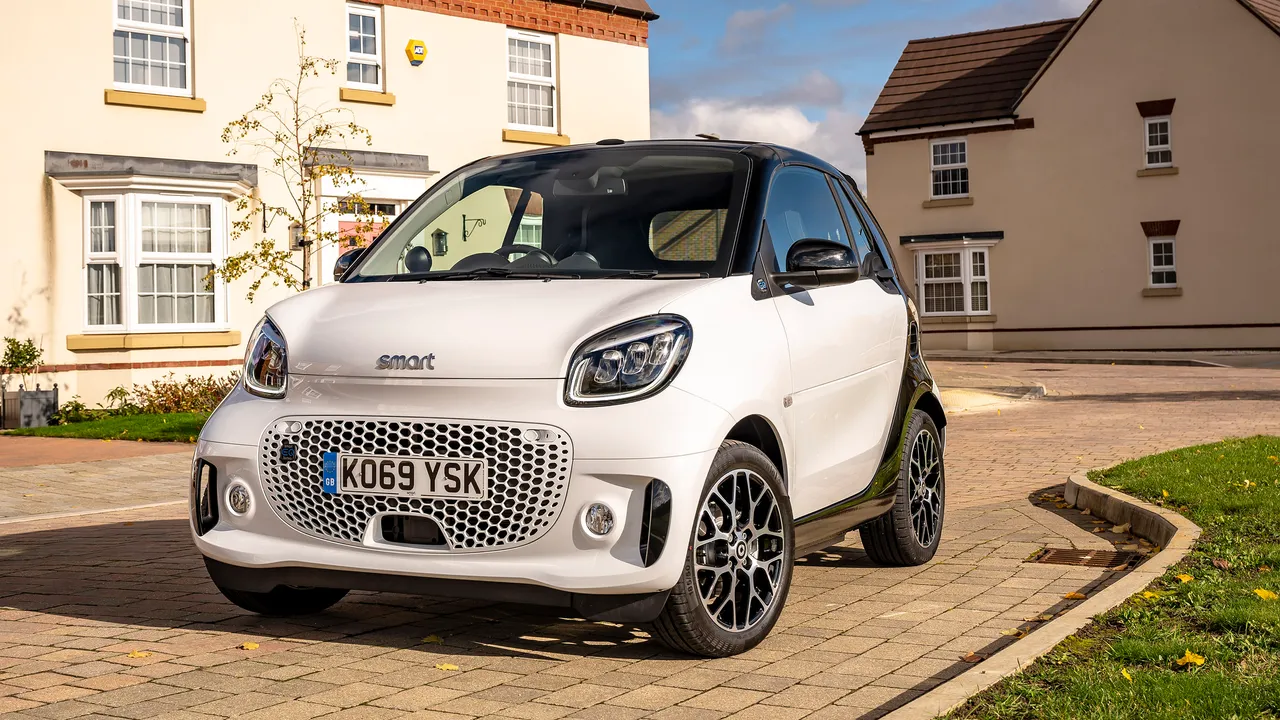
Another drawback is cost of ownership. Despite being tiny, the Smart was developed under Mercedes-Benz, which means maintenance and repair costs can be surprisingly high. This turns off buyers who expect a budget-friendly experience from such a small car. Dealers know this, and they recognize that potential buyers often lose interest once they learn about the ongoing costs.
Resale values are weak as well. Since the buyer pool is small, Fortwos tend to linger in private listings and on dealer lots. Buyers who do want them often look for the lowest price possible, further reducing their profitability for dealers.
While the Smart Fortwo is unique and fun in the right setting, its limitations make it a poor choice for most buyers. Dealers avoid it because it’s simply too risky to stock a car that appeals to such a narrow niche.
5) Nissan Versa
The Nissan Versa has long been known as one of the cheapest new cars in America, which made it popular with rental fleets, budget buyers, and first-time drivers. Unfortunately, older models in particular have not aged well in the resale market, and this is why dealers tend to avoid them.
One issue is perception. The Versa was marketed as a bargain vehicle, and it shows in the build quality of earlier models. Interiors were barebones, with hard plastics and limited features. Driving dynamics were uninspiring, making the car feel less refined compared to competitors. Over time, this created a reputation of the Versa being a “cheap car” rather than a dependable value.
Another problem is depreciation. Since many Versas were sold at low prices to begin with, they don’t hold value well. Dealers know this, which means taking one in on trade often results in sitting inventory or having to sell at a steep discount just to move it.
Reliability has also been mixed. While the engines are generally durable, Nissan’s CVT transmissions in older Versas have been criticized for problems, adding another reason for cautious buyers to stay away. Combine that with the fact that many Versas were ex-rental or fleet cars, often driven hard and poorly maintained, and resale becomes even tougher.
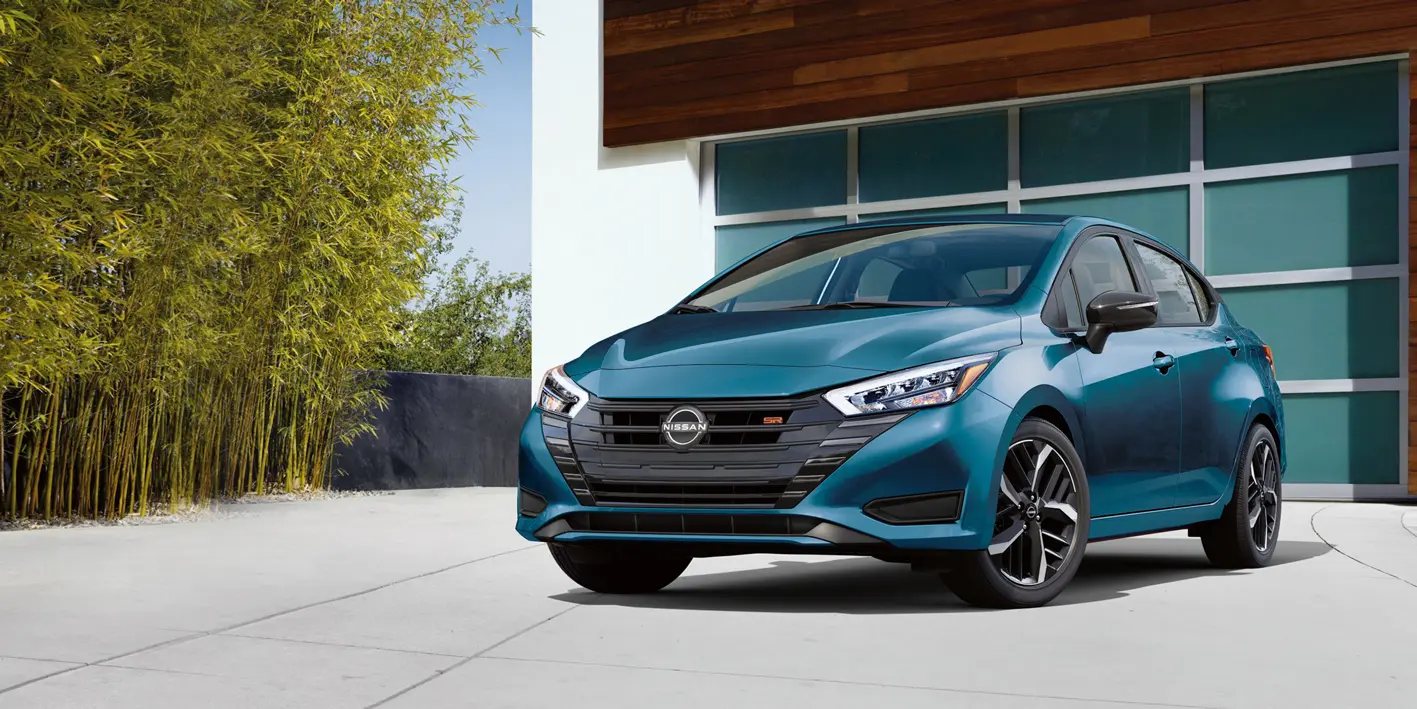
Private sellers don’t fare much better. Buyers looking for cheap cars often cross-shop older Corollas, Civics, and Elantras, which all carry stronger reputations. This leaves the Versa at the bottom of the list, forcing owners to accept lowball offers.
For dealers, stocking an older Versa is a financial risk. It lacks desirability, doesn’t hold value, and isn’t competitive with similar-priced alternatives. That’s why most steer clear of it, making it one of the least attractive cars in the used market.