
Owning a Toyota Prius comes with many benefits, especially when it comes to fuel efficiency and lower running costs. One of the most important parts of the Prius is its hybrid battery, which is designed to serve for many years when properly taken care of.
For most drivers, keeping the battery in good condition is not just about saving money on repairs, but also about making sure the car performs at its best every day. Hybrid batteries are different from regular car batteries because they power both the electric motor and work alongside the engine.
This means they require special attention if you want them to last for a long time. There are many simple practices that can extend the lifespan of the battery, and drivers who understand these habits enjoy fewer breakdowns and reduced maintenance costs.
Instead of waiting until a problem shows up, it is better to adopt preventive measures that help the battery remain healthy. These practices are not complicated, and they do not require special technical knowledge. With the right approach, you can help your Prius battery last well beyond its expected years.
We will explain ten practical habits that any Prius owner can follow to keep their hybrid battery running strong. Each point focuses on clear and easy-to-apply tips that will help you avoid unnecessary problems and expenses.

1. Avoid Short Trips Whenever Possible
One of the biggest challenges for Prius batteries is short trips that do not give the system enough time to warm up and balance energy use. Hybrid vehicles are designed to perform well when the battery and engine have time to work together efficiently. When you take very short trips regularly, the battery does not get the chance to complete proper charge and discharge cycles, which gradually reduces its strength.
Many Prius owners live in areas where daily errands involve very quick drives, such as going to the store a few streets away or picking up a child from school nearby. These short movements may seem harmless, but they slowly affect the battery health.
Every time the car starts and shuts down quickly, the hybrid system puts pressure on the battery without giving it the benefit of a full run. Over many months, this type of driving weakens the cells and makes the battery wear out faster.
A good way to prevent this is to combine short trips into longer drives whenever possible. Instead of driving separately for groceries, pharmacy, and laundry, you can plan to complete them in one outing. This allows the car to run longer and gives the battery a balanced cycle of charge and discharge.
If you only use your Prius for quick moves, try to take it on the highway occasionally to allow the system to operate at full performance. Another advantage of avoiding short trips is that it also helps the fuel engine remain in better condition. The engine needs time to warm up fully, and when it does not, it creates extra wear.
Therefore, driving longer distances once in a while benefits both the battery and the engine. With this approach, your Prius battery will maintain better health and serve you for a much longer period.
2. Optimize Climate Control Usage
Climate control systems in the Prius draw substantial power from the hybrid battery, making their efficient use crucial for extending battery life. The air conditioning and heating systems can consume massive energy, forcing the battery to work harder and potentially reducing its lifespan through increased cycling and heat generation.
Learning to use these systems strategically can dramatically reduce the strain on your battery while maintaining comfortable cabin temperatures. Air conditioning represents the largest electrical load in most vehicles, and the Prius is no exception. The system requires substantial power to operate the compressor, fans, and other components, drawing energy directly from the hybrid battery.
When the air conditioning runs continuously, it forces more frequent engine starts to recharge the battery, interrupting the smooth operation of the hybrid system. This increased cycling accelerates battery wear and reduces the entire efficiency that makes the Prius attractive.
Pre-cooling strategies can reduce the air conditioning load and preserve battery life. Before entering your vehicle on hot days, open the windows briefly to release trapped hot air, then close them before starting the air conditioning.
This simple step reduces the initial cooling load and allows the system to reach comfortable temperatures more quickly. Parking in shaded areas or using sunshades can prevent excessive cabin heat buildup, reducing the work required from your climate control system.
Heating systems present unique challenges for hybrid vehicles because they cannot rely on waste heat from a continuously running gasoline engine. The Prius uses an electric heater that draws power directly from the battery, creating additional load during cold-weather operations. This electrical heating is less efficient than traditional automotive heating systems, making it important to use supplemental warming strategies when possible.
Zone heating can reduce the entire load on your battery during cold weather. Instead of heating the entire cabin immediately, focus on warming the driver’s area first while allowing other zones to warm gradually
Many Prius models feature seat heaters that warm occupants directly with less energy than heating the entire cabin air volume. These targeted heating systems provide comfort while reducing battery drain. Ventilation settings play a crucial role in climate control efficiency.
Using the recirculation mode when cooling helps maintain lower cabin temperatures with less energy, but avoid using it continuously as it can lead to humidity buildup and window fogging. Fresh air mode requires more energy to cool or heat outside air, but it prevents humidity problems and maintains better air quality for longer trips.
Also Read: 10 Hacks That Keep a Toyota Camry Hybrid Reliable for Years
3. Drive Smoothly Without Aggressive Acceleration
How you press the accelerator makes a huge difference in the health of a Prius battery. Sudden hard acceleration drains the battery quickly because the system pushes out a lot of stored energy at once. The hybrid battery is designed to give strong power when needed, but constant heavy use reduces its lifespan. Driving smoothly allows the battery to release energy in a controlled way, which keeps it stable.
Many drivers like the feeling of speed when the light turns green, but that short burst of energy comes at the expense of battery health. When you accelerate gradually, you give the hybrid system a chance to balance power between the electric motor and the gasoline engine. This reduces stress on the battery cells and prevents unnecessary heating.
Smooth driving also improves fuel efficiency, which is one of the biggest benefits of owning a Prius. Another aspect of driving habits that affects the battery is frequent braking after hard acceleration.
When you speed up aggressively and then stop quickly, the system has to recharge and discharge repeatedly within a short time. While regenerative braking helps recover energy, it cannot fully balance the strain caused by sudden accelerations. Over months and years, this cycle contributes to early battery wear.
The best method is to keep a steady pace whenever possible. Anticipating traffic and avoiding unnecessary stops will reduce how often the battery has to deliver high bursts of power. Using cruise control on highways also helps maintain consistent driving patterns that are healthier for the battery.
Smooth driving benefits more than just the battery. It protects the transmission, extends tire life, and reduces wear on the brake pads. Many Prius owners who adopt calm driving habits report that their batteries remain strong for far longer than expected. Choosing to accelerate gradually and maintain steady speeds is one of the smartest ways to preserve the hybrid battery for years.
4. Monitor Battery Temperature Conditions
Temperature monitoring forms a critical component of battery preservation because extreme heat or cold can dramatically accelerate battery degradation and reduce the entire lifespan. The Prius battery management system includes temperature sensors and cooling systems, but understanding how external conditions affect battery health allows you to take proactive steps to minimize temperature-related stress.
Both high and low temperatures present unique challenges that require different management strategies. Hot weather creates the most immediate threat to battery longevity because elevated temperatures accelerate chemical reactions within the battery cells, leading to faster degradation and reduced capacity as time goes on.
When battery temperatures exceed optimal ranges, the internal chemistry becomes unstable, causing permanent damage that cannot be reversed through cooling or maintenance procedures. Parking in shaded areas, using sunshades, and avoiding extended operation in extreme heat can prevent this temperature-related damage.
The hybrid battery cooling system works continuously to maintain optimal operating temperatures, but it has limitations during extreme weather conditions.
When ambient temperatures exceed 95 degrees Fahrenheit, the cooling system must work harder to maintain safe battery temperatures, consuming additional energy and creating more heat within the system. This increased thermal load can overwhelm the cooling capacity during extended operation, allowing battery temperatures to reach harmful levels.
Cold weather presents different but equally important challenges for battery health and performance. Low temperatures increase the internal resistance of battery cells, reducing their ability to deliver or accept energy efficiently.
This increased resistance generates heat during operation while simultaneously reducing the battery’s effective capacity, forcing the gasoline engine to work harder to maintain vehicle performance. Extended exposure to freezing temperatures can cause permanent capacity loss in some battery chemistries.
Battery warming strategies become essential during cold-weather operation. The Prius includes systems to warm the battery during startup, but these systems require energy and time to become effective.
Parking in heated garages when possible reduces the thermal shock of startup and allows the battery to begin operation closer to optimal temperatures. Remote start systems can begin the warming process before you enter the vehicle, reducing the initial load on cold batteries.
Temperature monitoring tools can help you understand when your battery is operating outside optimal ranges. Some Prius models include temperature displays in their information systems, allowing you to monitor battery conditions during operation.
Third-party monitoring devices can provide more detailed temperature information for older models, helping you identify when environmental conditions might be affecting battery health.
5. Avoid Extreme Temperatures When Parking
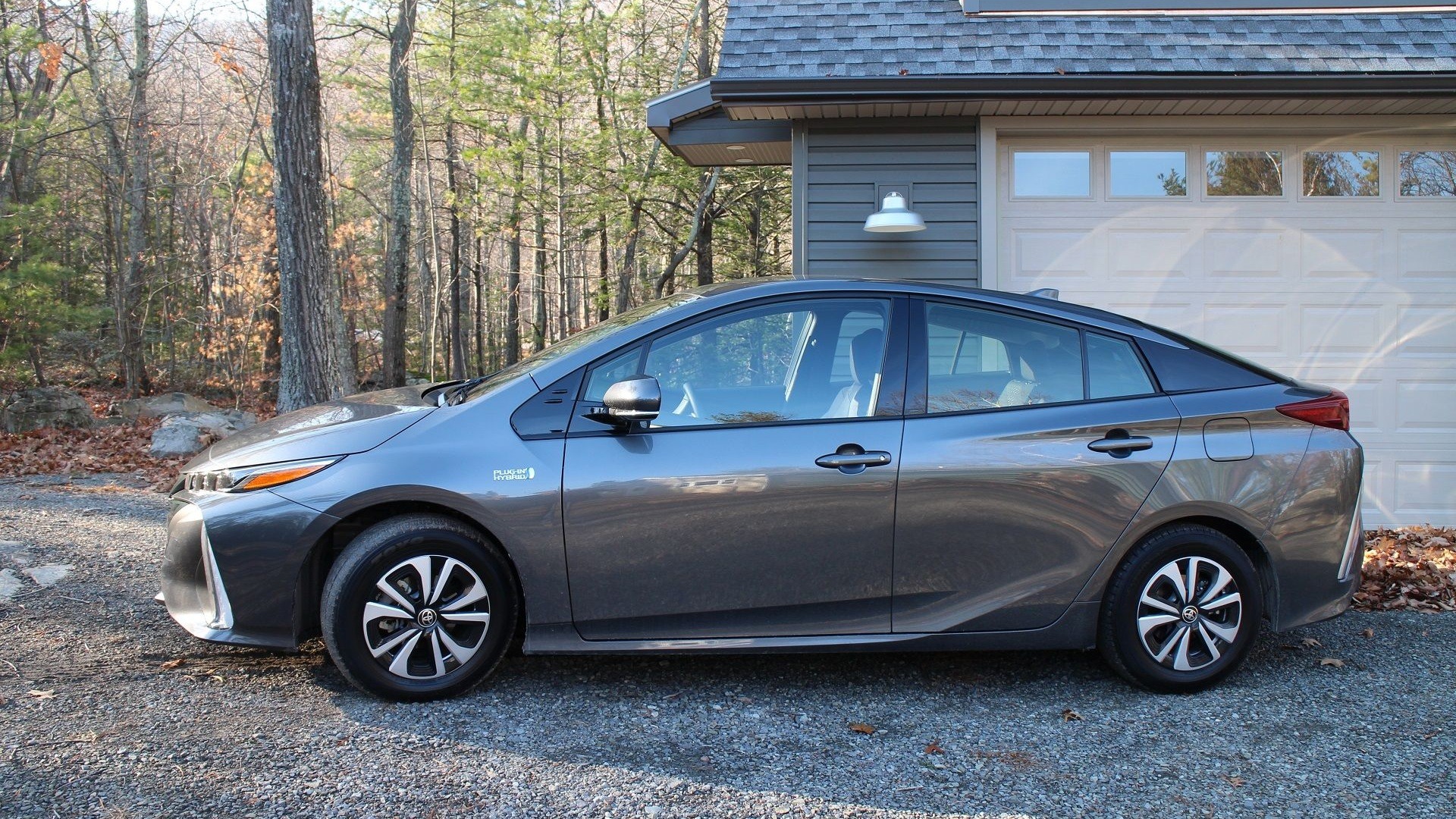
The Toyota Prius battery is sensitive to temperature conditions. Extreme heat and extreme cold both reduce its lifespan if the car is constantly exposed to them. While the Prius is built with a battery management system, the environment where you park also plays a big role in protecting the battery.
Parking under direct sunlight for long hours allows heat to build up inside the cabin and trunk area. This heat seeps into the battery pack, making the cells expand and degrade faster. If you live in a hot region, it is better to look for shaded parking areas or use a garage whenever possible. Using windshield shades also reduces cabin temperature and prevents unnecessary strain on the cooling system.
Very cold weather is also harmful. Freezing conditions slow down the chemical reactions inside the battery, making it harder to charge and discharge properly. When the Prius is parked outside during winter without protection, the battery may weaken as time goes on.
A garage or covered parking space offers the best protection during cold seasons. If indoor parking is not available, investing in a quality car cover designed for winter protection can help reduce exposure. Another factor to consider is leaving the car unused in extreme weather.
A Prius that sits idle in the hot sun for weeks or remains parked outside in deep cold without being driven suffers more battery stress. Even if you are not driving daily, taking the car for short drives in moderate times of the day will keep the battery active and prevent damage from sitting in harsh temperatures.
By being mindful of where and how you park, you create a safer environment for your hybrid battery. Small steps like choosing shade in the summer and shelter in the winter have lasting benefits for the Prius battery health. The less time it spends in harsh conditions, the longer it will serve you without issues.
6. Use Eco Mode Strategically
Strategic use of Eco Mode can extend battery life by optimizing power management and reducing system stress during normal driving conditions. This driving mode adjusts throttle response, climate control operation, and power distribution to maximize efficiency while minimizing battery strain.
Understanding when and how to use Eco Mode effectively allows you to preserve battery health without sacrificing driving performance when you need it most. Eco Mode modifies several vehicle systems simultaneously to reduce energy consumption and battery stress.
The throttle response becomes more gradual, preventing sudden power demands that force maximum current draw from the battery. Climate control systems operate more conservatively, reducing electrical loads that strain the battery during operation.
These modifications work together to keep the hybrid system operating within its most efficient parameters while extending battery life. Power distribution changes in Eco Mode favor electric operation when conditions are optimal while preventing excessive battery drain during challenging driving situations.
The system extends electric-only operation during low-speed driving while transitioning to gasoline power earlier during acceleration or hill climbing. This modified power management reduces deep discharge cycles that can accelerate battery degradation as time goes on.
Traffic conditions determine when Eco Mode provides maximum battery protection benefits. City driving with frequent stops and starts allows Eco Mode to maximize regenerative braking opportunities while limiting power demands during acceleration.
Highway driving may benefit less from Eco Mode because sustained speeds rely more heavily on gasoline power, reducing the opportunities for battery optimization. Climate considerations affect Eco Mode effectiveness and battery preservation. During mild weather conditions,
Eco Mode can reduce climate control loads without compromising comfort, providing maximum battery protection. Extreme weather conditions may require disabling Eco Mode temporarily to maintain adequate heating or cooling while accepting increased battery stress as necessary for safety and comfort.
Driver adaptation becomes important when using Eco Mode effectively for battery preservation. The modified throttle response requires gentler accelerator inputs to maintain smooth acceleration, while the reduced climate control may require adjusting personal comfort expectations.
Learning to work with these modifications rather than fighting against them maximizes the battery protection benefits while maintaining acceptable driving performance.
7. Service the Hybrid System on Schedule
Regular maintenance is one of the strongest ways to extend the life of a Prius battery. Toyota designed the hybrid system with several components that must work together smoothly. If one part fails, it can put extra strain on the battery. Scheduled servicing ensures that the battery, cooling system, software, and engine all remain in balance.
During hybrid servicing, technicians check the state of charge levels, cooling fans, and software updates. Software plays an important role in managing how the battery charges and discharges. Updates from Toyota often include improvements that protect the battery from stress. Ignoring these updates may leave the battery working harder than necessary.
Servicing also includes inspecting the hybrid inverter, which manages the flow of electricity between the battery and the electric motor. If the inverter is weak or failing, the battery has to compensate, which increases wear. Timely servicing identifies these issues early before they cause long-term harm.
Another benefit of scheduled maintenance is checking for error codes stored in the system. Even if the dashboard does not display a warning, hidden errors may already exist. Detecting and fixing these issues early protects the hybrid battery. Many Prius owners who follow their service intervals experience fewer battery problems and longer performance life.
Maintenance also extends to simple tasks such as replacing filters, cleaning cooling vents, and checking wiring connections. Loose or corroded connections can lead to irregular charging patterns that stress the battery. By ensuring everything is in proper condition, the hybrid system supports the battery effectively.
Keeping up with scheduled servicing may feel like an extra expense, but it saves far more money compared to replacing a hybrid battery. The cost of a new Prius battery is high, so preventive care is a wise investment. With consistent maintenance, your hybrid battery will remain dependable for many years.
8. Keep the State of Charge in a Healthy Range
The Prius battery is built to work best within a specific charge range, usually between forty percent and eighty percent of capacity. Unlike regular car batteries that are charged fully, hybrid batteries are programmed to avoid staying at extreme levels. When the charge is too low or too high for long periods, it damages the battery cells.
Drivers can help by paying attention to how the car is used daily. Long periods of idling with the air conditioning running can cause the battery to discharge too low, while constantly driving downhill with heavy regenerative braking may overcharge it. Both situations reduce battery strength with time. The hybrid system manages most of this automatically, but the driver’s habits also matter.
One way to keep the charge in a healthy range is to avoid leaving the car unused for long periods. When a Prius sits idle for weeks without being driven, the battery gradually discharges below the safe level. If you plan to travel or not use the car for some time, it is better to start and drive it for at least twenty minutes every few days. This allows the hybrid system to balance the charge properly.
Extreme weather also affects charge levels. In very cold conditions, the battery may struggle to reach its proper range, while in very hot weather, it may stay overcharged if the cooling system is weak. Parking in moderate environments and avoiding long exposure to harsh weather helps keep the charge balanced.
By maintaining the battery within the recommended range, you reduce stress on the cells and extend its lifespan. The Prius is designed with software that protects the battery, but supporting it with good driving and storage habits will ensure that it continues to function efficiently for many years.
9. Store the Vehicle Properly During Extended Periods
Proper storage procedures during extended periods of non-use prevent battery degradation and maintain optimal performance when you return to regular driving. Hybrid batteries can lose capacity and develop problems when left unused for weeks or months, making proper storage preparation essential for preserving your investment.
Understanding the unique requirements of hybrid battery storage allows you to maintain battery health during vacations, seasonal storage, or other periods of extended non-use. Battery state of charge during storage affects long-term health because both fully charged and fully discharged batteries degrade faster than those maintained at moderate charge levels.
The ideal storage charge level for most hybrid batteries falls between 40% and 60% of total capacity, providing enough energy to maintain system functions while avoiding the stress of extreme charge states. The Prius battery management system helps maintain appropriate storage levels, but extremely long storage periods may require periodic operation.
Storage environment conditions play a crucial role in battery preservation because temperature and humidity extremes can cause permanent damage during extended periods. Indoor storage in climate-controlled environments provides optimal conditions, protecting the battery from temperature fluctuations and moisture that can corrode electrical connections.
Outdoor storage requires additional precautions to minimize environmental stress on battery systems. Periodic operation during storage prevents battery degradation while maintaining the charge balance needed for optimal performance.
Starting and driving the vehicle briefly every few weeks allows the battery management system to balance individual cells and maintain appropriate charge levels. These periodic operations should include both city and highway driving to exercise all aspects of the hybrid system properly.
Storage preparation procedures ensure that your vehicle is ready for extended non-use while protecting battery health. Clean the vehicle thoroughly to prevent corrosion, check tire pressures to prevent flat spots, and ensure that all electrical accessories are turned off to minimize battery drain.
Disconnect 12-volt battery systems if storage will exceed several months, but leave the hybrid battery connected to allow proper management system operation. Reactivation procedures help ensure optimal performance when returning your Prius to regular service after extended storage.
Allow the hybrid system to warm up gradually during your first few drives, avoiding hard acceleration or extended operation until temperatures stabilize. Monitor battery performance during initial drives and schedule a professional inspection if you notice any changes in efficiency or performance compared to pre-storage operation.
Also Read: 10 Steps That Keep a Toyota Supra Turbo Reliable Past 300k

10. Regularly Clean and Service the Battery Cooling Fan
The cooling fan inside the Prius plays an essential role in preventing battery overheating. This fan pulls air into the battery pack to regulate temperature, and if it becomes dirty or clogged, the cooling efficiency drops. A dirty fan forces the battery to operate under higher heat, which shortens its life.
Dust, hair, and debris from the cabin often get sucked into the fan. If you own pets, their fur can quickly build up on the fan blades and vents, causing blockage. Many Prius owners do not realize how important it is to clean the cooling fan until they face overheating warnings on their dashboard. By then, some level of damage has already been done to the battery cells.
Servicing the fan is a simple but powerful way to protect the hybrid battery. It is recommended to inspect and clean the fan at least once a year, or more often if you drive in dusty areas or travel with pets. Cleaning involves removing the fan cover, vacuuming dust, and wiping the blades gently. If the buildup is heavy, professional servicing may be required.
A well-maintained cooling fan ensures steady airflow, keeping the battery at safe operating temperatures. This not only extends battery life but also helps maintain the smooth performance of the hybrid system. When the fan works properly, the battery stays within its safe range and avoids unnecessary stress from heat.
Drivers should also avoid placing items near the rear seat where the cooling intake is located. Blocking this area prevents the fan from drawing air efficiently, leading to overheating. By combining proper cleaning and mindful placement of objects, you can keep the fan running effectively for years.
With a clean and well-functioning fan, your Prius battery will remain cool, stable, and dependable, giving you fewer repair worries and better performance on the road.
