
Toyota has built a global reputation on reliability, durability, and long term value. For decades, the brand has been associated with vehicles that run for hundreds of thousands of kilometers with minimal trouble.
This reputation is well deserved in many cases. However, not every Toyota model lives up to the brand’s near legendary image of worry free ownership.
Some Toyota vehicles, especially those featuring advanced technology, complex powertrains, or limited production numbers, can quietly become expensive to maintain over time.
While they may not suffer from catastrophic failures on a regular basis, the cost of repairs, parts, and specialized service can slowly add up. Owners often discover these expenses only after years of ownership, when aging components begin to demand attention.
Modern features such as hybrid systems, turbocharged engines, and sophisticated electronics bring efficiency and performance benefits, but they also introduce additional complexity.
As vehicles age, these systems can require specialized technicians and costly replacement parts. Even routine maintenance can become more expensive compared to simpler models in the Toyota lineup.
Luxury oriented Toyota models and performance focused variants also tend to carry higher maintenance costs. Advanced suspension systems, premium materials, and specialized components increase repair bills. While these vehicles may remain dependable overall, the cost of keeping them in top condition can surprise many owners.
Another factor that contributes to long term expenses is parts pricing. Genuine Toyota parts are known for quality, but they are not always inexpensive. Over time, replacing worn components such as suspension parts, sensors, and electronic modules can become a significant financial commitment.
This article explores ten Toyota models that are often praised for reliability but can quietly drain your wallet with repair costs as they age. These vehicles remain excellent in many ways, yet long term ownership may involve more expense than buyers initially expect.
Let us begin with two models that combine performance and luxury with unexpectedly high maintenance costs.
Also Read: 10 Sports Cars That Will Financially Ruin You in 2026
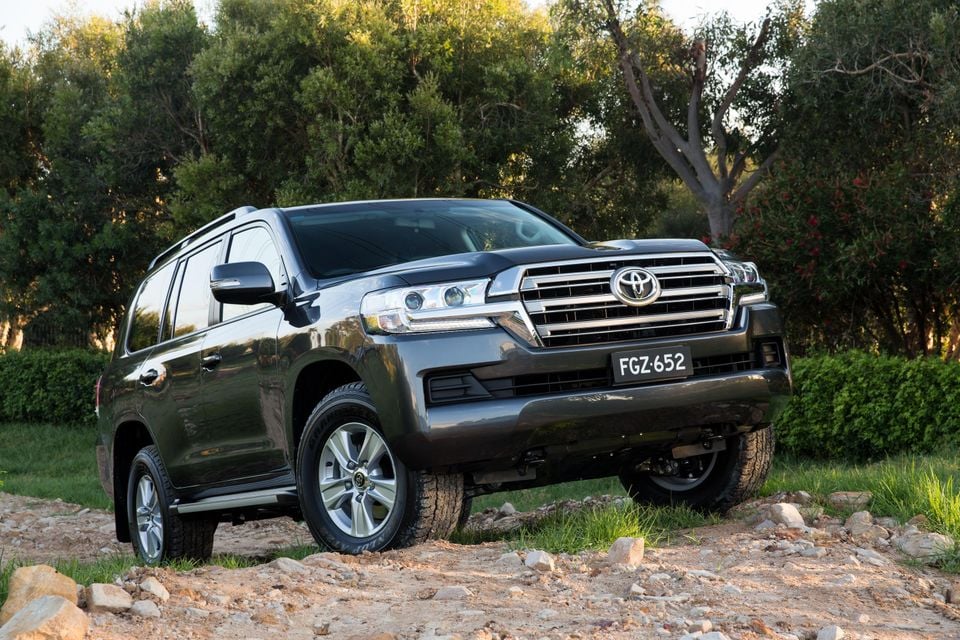
1. Toyota Land Cruiser 200 Series
The Toyota Land Cruiser 200 Series is widely respected for its durability, off road capability, and luxury features. Many owners view it as one of the most dependable large SUVs ever built. While the vehicle is incredibly tough and capable, maintaining it over the long term can be surprisingly expensive.
The Land Cruiser uses a large and complex powertrain designed to handle extreme conditions. Whether equipped with a V8 petrol or diesel engine, routine maintenance involves high capacity oil changes, large filters, and premium fluids. These service requirements quickly raise regular maintenance costs compared to smaller vehicles.
Suspension components also contribute to ownership expenses. Many models feature advanced hydraulic suspension systems designed to improve ride comfort and off road performance. Over time, these systems require servicing and replacement parts that are significantly more expensive than traditional suspension setups.
Fuel consumption is another long term financial consideration. While not a repair cost, the ongoing expense of running a large engine adds to the overall cost of ownership. Owners often underestimate how much fuel costs accumulate over years of use.
Braking systems in the Land Cruiser are designed for heavy duty use. Large brake components are expensive to replace, and frequent driving in demanding conditions can accelerate wear.
Electronic features and luxury equipment introduce additional complexity. Advanced infotainment systems, sensors, and driver assistance features can become costly to repair as the vehicle ages.
Parts pricing also reflects the vehicle’s premium status. Genuine replacement components are durable but often expensive. Labor costs can also be higher due to the size and complexity of the vehicle.
Despite these expenses, the Land Cruiser remains an outstanding SUV with unmatched capability and longevity. However, long term ownership requires a strong maintenance budget.
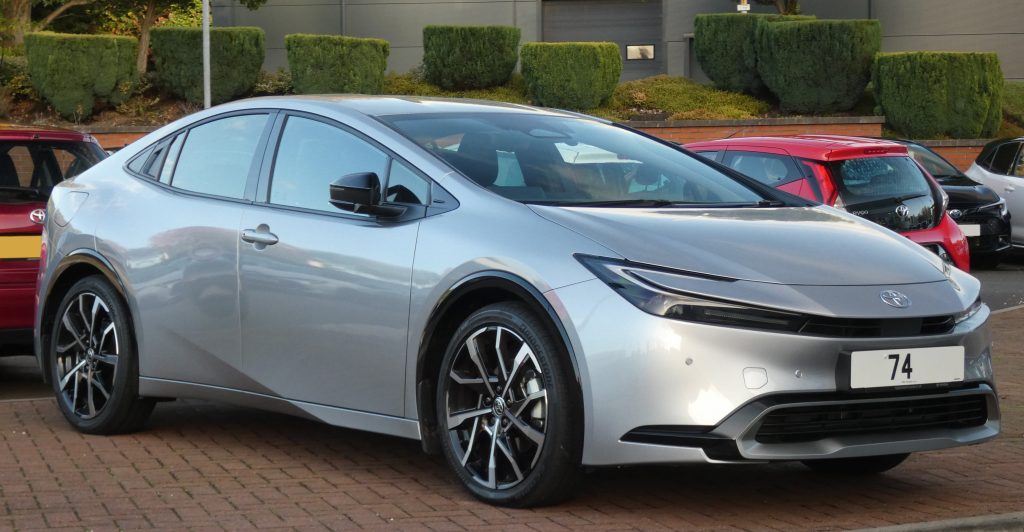
2. Toyota Prius
The Toyota Prius revolutionized hybrid technology and remains one of the most successful hybrid vehicles ever produced. Known for efficiency and reliability, the Prius has helped millions of drivers reduce fuel consumption. While it is generally dependable, long term ownership can involve unexpected repair costs.
The hybrid battery is the most well known expense associated with the Prius. Although designed to last many years, eventual replacement is inevitable. Battery replacement can be costly and often surprises owners who expect minimal long term expenses.
Hybrid systems involve specialized components such as inverters, electric motors, and cooling systems. While generally reliable, repairs require technicians with hybrid expertise and specialized tools.
Brake systems in the Prius can also create unexpected costs. Regenerative braking reduces wear on traditional brake components, but the integration of electronic systems increases repair complexity.
Cooling systems for the hybrid battery and electronics require maintenance. Failure to service these components can lead to overheating and expensive repairs.
Interior and electronic components can also age over time. Infotainment systems, sensors, and displays may require replacement as the vehicle gets older.
While fuel savings remain a major benefit, repair costs can gradually offset those savings over long ownership periods.
The Toyota Prius remains a groundbreaking and efficient vehicle, but long term maintenance can be more expensive than many buyers anticipate.
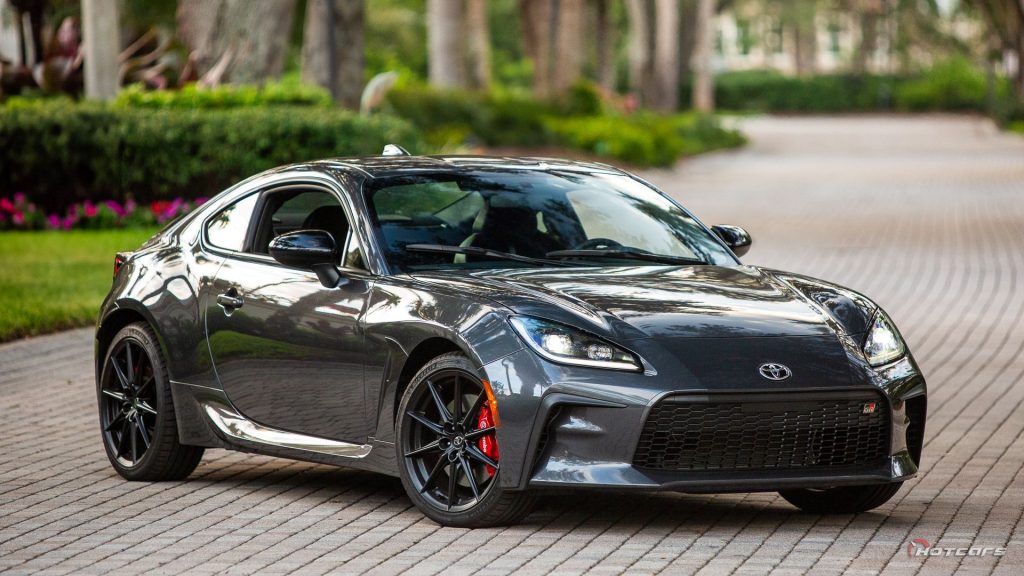
3. Toyota 86
The Toyota 86 is widely praised for its engaging driving dynamics and lightweight design. Developed as an affordable sports coupe, it quickly gained popularity among enthusiasts who wanted a fun and responsive car.
While the 86 delivers an exciting driving experience, long term ownership can bring repair and maintenance costs that many buyers do not initially expect.
The naturally aspirated boxer engine is one of the car’s most distinctive features. While it offers a low center of gravity and balanced handling, this engine layout introduces complexity.
Oil consumption has been a concern for some owners, especially as mileage increases. Monitoring oil levels becomes essential, and neglect can lead to expensive engine repairs.
Ignition coil and spark plug replacement can also become costly due to the engine’s layout. Accessing these components requires more labor compared to traditional inline engines. Increased labor time directly raises service costs over the years.
The fuel injection system combines direct and port injection technology. While this improves efficiency and performance, it also increases complexity. Carbon buildup and fuel system maintenance can require periodic cleaning and servicing.
Suspension components often wear faster due to the car’s sporty nature. Bushings, dampers, and control arms may need replacement sooner than expected, especially for drivers who enjoy spirited driving.
Clutch wear is another expense for manual transmission models. Performance oriented driving can accelerate clutch wear, leading to earlier replacement.
Interior materials and electronics can also contribute to long term expenses. Infotainment systems and sensors may require replacement as the car ages.
The Toyota 86 remains an enjoyable sports coupe that delivers exceptional driving fun. However, maintaining its performance and reliability over time can quietly increase ownership costs.
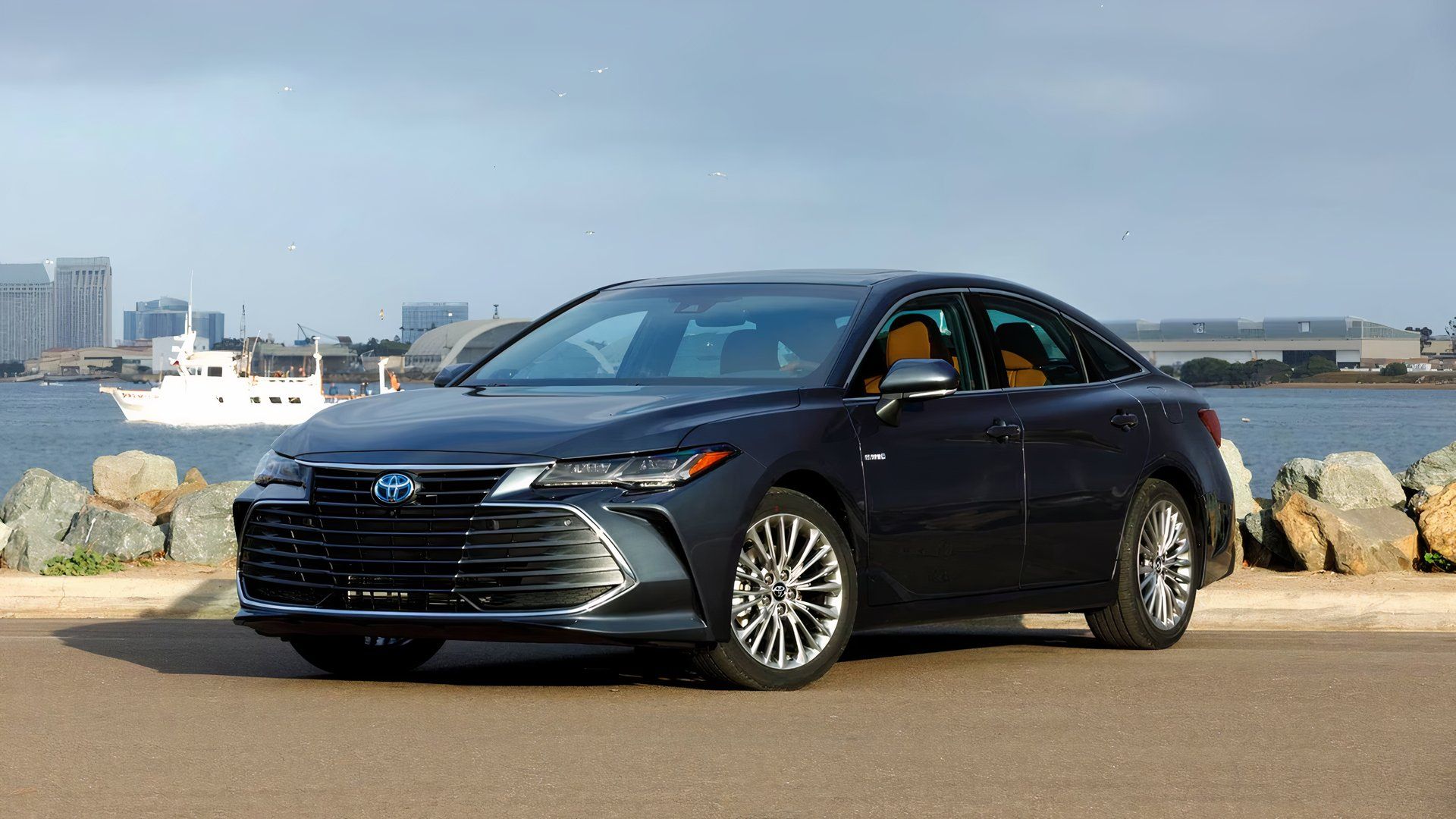
4. Toyota Avalon
The Toyota Avalon is known for comfort, smooth performance, and luxury features. Many buyers choose it as a reliable long distance sedan with premium amenities. While it delivers excellent comfort and dependability, long term maintenance can become more expensive than expected.
The Avalon often features advanced technology and comfort oriented components. Electronic seats, premium audio systems, and driver assistance features add convenience but also increase repair complexity. As the vehicle ages, repairing these systems can become costly.
Hybrid versions introduce additional expenses similar to other hybrid models. Battery replacement and hybrid system maintenance can significantly increase long term ownership costs.
Suspension systems designed for comfort may require periodic replacement of components such as struts and bushings. These repairs can become expensive due to the vehicle’s size and weight.
Large engines in non hybrid models require more fluids and larger service components. Routine maintenance costs are higher compared to smaller sedans.
Brake components are larger and more expensive due to the car’s size and weight. Replacement costs increase over time, especially for drivers who frequently travel long distances.
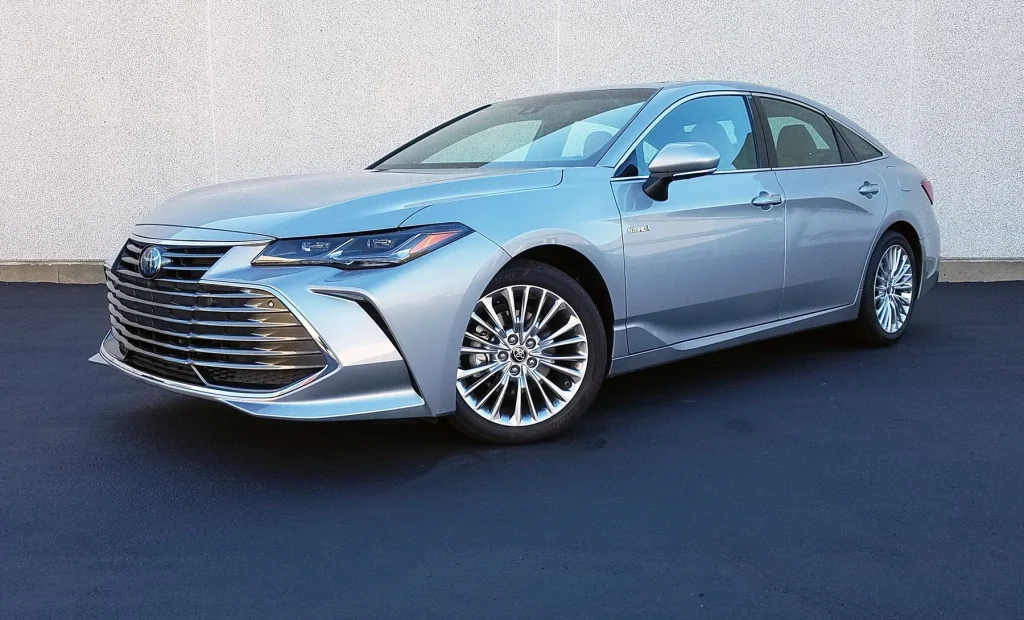
Interior materials such as leather and wood trim require care and occasional restoration. Maintaining the luxury feel of the cabin can involve additional expense.
The Toyota Avalon remains a comfortable and dependable sedan, but long term ownership costs can quietly grow due to its luxury features and advanced technology.
5. Toyota Tacoma
The Toyota Tacoma is widely known as a dependable midsize pickup that thrives in tough conditions. Many buyers purchase it expecting minimal long term trouble and strong resale value.
While the truck delivers durability and capability, long term ownership often brings steady repair and maintenance expenses that gradually add up.
A major contributor to ownership costs is suspension wear. Tacoma owners frequently use their trucks for hauling equipment, towing trailers, and tackling rough terrain. These tasks place continuous stress on suspension components such as shocks, struts, bushings, and control arms.
Over time, these parts wear out and require replacement more often than drivers anticipate. The cost of replacing multiple suspension components at once can be significant.
Steering components also demand attention as mileage increases. Tie rods, steering racks, and related parts can develop wear after years of heavy use. Repairing these components requires both parts and labor, which increases maintenance expenses.
Brake systems in the Tacoma face additional strain due to the truck’s weight and workload. Larger brake components cost more to replace, and frequent towing or hauling accelerates wear. Owners often find themselves replacing pads and rotors more frequently than expected.
Drivetrain maintenance can also add to the financial burden. Four wheel drive systems require regular servicing, including fluid changes for differentials and transfer cases. Neglecting these services can lead to costly repairs, making routine maintenance essential.
Fuel consumption plays a role in long term ownership costs as well. Operating a truck daily requires more fuel than smaller vehicles, which increases running expenses over time.
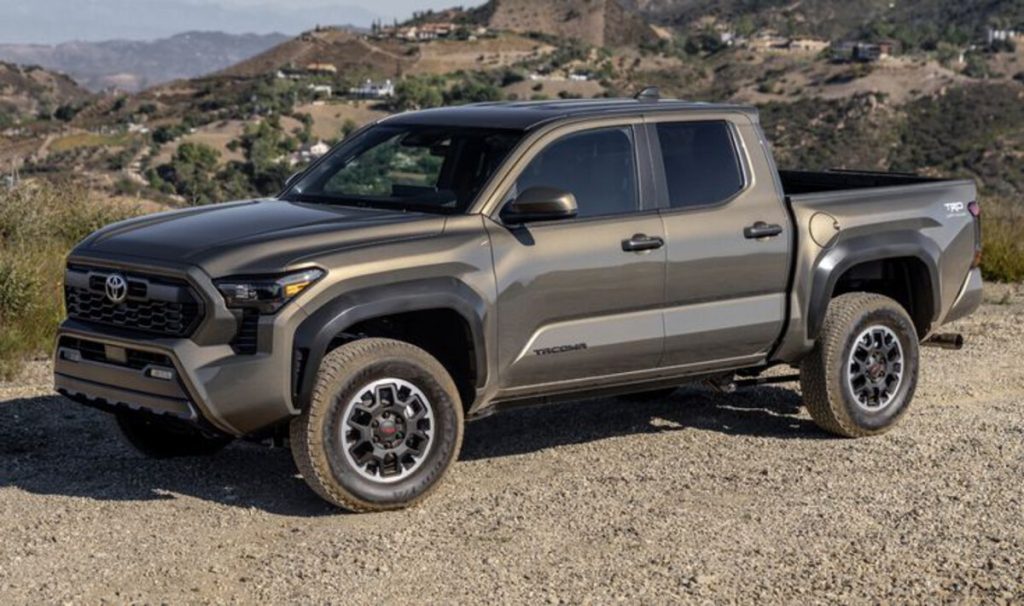
The Tacoma remains a capable and dependable truck, but maintaining its performance and durability requires consistent investment. Owners who rely on the truck for demanding tasks often face higher service costs than they initially expect.
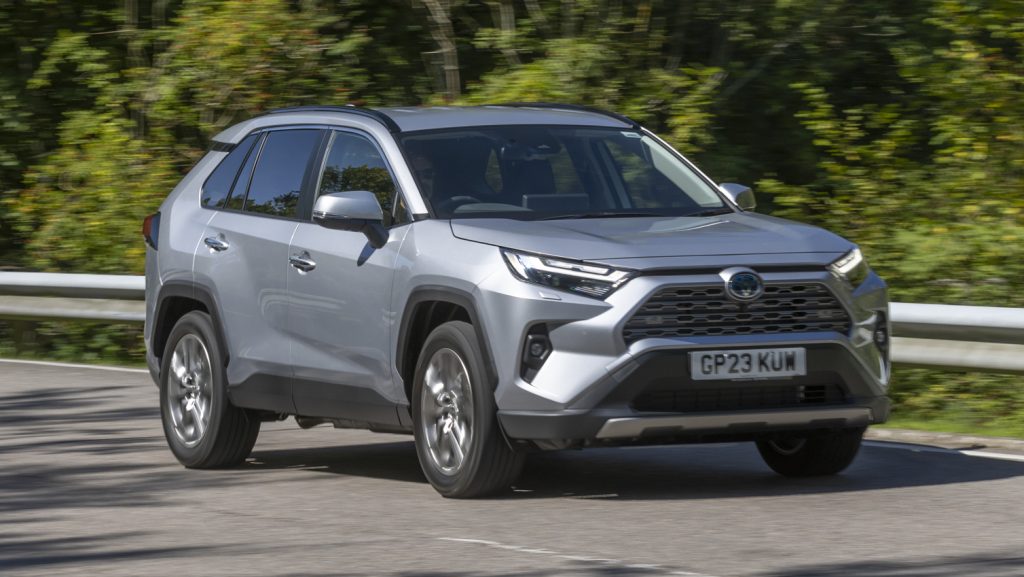
6. Toyota RAV4 Hybrid
The Toyota RAV4 Hybrid has become one of the most popular compact SUVs thanks to its efficiency and practicality. It offers strong fuel economy, comfortable driving, and modern technology. While it is widely praised for reliability, long term ownership can still bring repair costs that gradually increase as the vehicle ages.
The hybrid battery represents the most significant long term expense. Although designed to last many years, battery replacement eventually becomes necessary. This major service can be costly and often surprises owners who expect minimal long term expenses from a Toyota.
Hybrid systems introduce additional complexity. Components such as electric motors, inverters, and battery cooling systems require specialized maintenance. Repairs typically require technicians trained in hybrid technology, which increases labor costs.
Advanced safety features contribute to long term expenses. Cameras, sensors, and radar systems improve safety and convenience, but repairing or replacing them can be expensive. As the vehicle ages, electronic components may require attention.
Suspension wear is another factor. The added weight of hybrid components places additional strain on suspension parts, leading to earlier replacement of shocks, struts, and bushings.
Brake systems combine regenerative braking with traditional components. While regenerative braking reduces wear, the integration of electronic systems can increase repair complexity.
The RAV4 Hybrid remains a practical and efficient SUV, but maintaining its advanced systems over many years can quietly raise ownership costs.
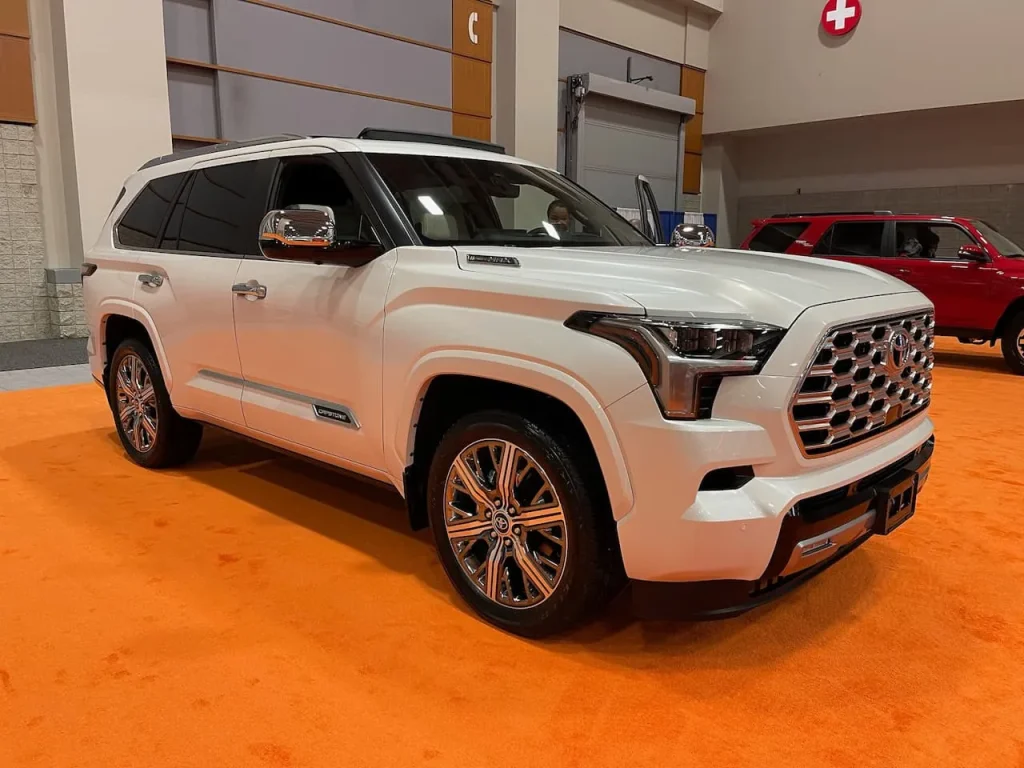
7. Toyota Sequoia
The Toyota Sequoia is a full size SUV designed for families who need space, towing strength, and long distance comfort. It shares many mechanical components with large Toyota trucks, which gives it durability and strong performance. However, this size and capability also bring long term repair and maintenance expenses that can quietly grow over time.
One of the biggest contributors to ownership costs is the large V8 engine. While dependable and powerful, it requires larger quantities of oil, coolant, and other service fluids.
Routine maintenance such as spark plug replacement and ignition system servicing involves more parts and labor compared to smaller engines. As mileage increases, these services become more frequent and expensive.
Suspension wear is another major factor. The Sequoia is heavy and often used to carry passengers, luggage, or trailers. This weight places continuous stress on shocks, struts, control arms, and bushings.
Over time, replacing worn suspension components becomes necessary to maintain ride comfort and safety. Because of the vehicle’s size, these repairs can be costly.
Brake systems also wear faster due to the SUV’s weight. Large brake pads and rotors cost more than those on smaller vehicles, and frequent city driving or towing accelerates wear. Owners often find themselves replacing braking components more frequently than expected.
Fuel consumption plays a significant role in long term expenses. Operating a large SUV daily requires considerable fuel, which increases running costs over the years. While not a repair expense, it contributes to the overall financial commitment of ownership.
Electronic features and comfort systems add another layer of cost. Modern Sequoia models include advanced infotainment systems, climate controls, and driver assistance features. As the vehicle ages, repairing or replacing these systems can become expensive.
Tire replacement is also more costly. Larger tires wear faster and cost more to replace, especially when drivers choose high quality all terrain or highway tires.
The Toyota Sequoia remains a reliable and spacious SUV, but long term ownership involves higher maintenance and operating costs than many buyers anticipate.
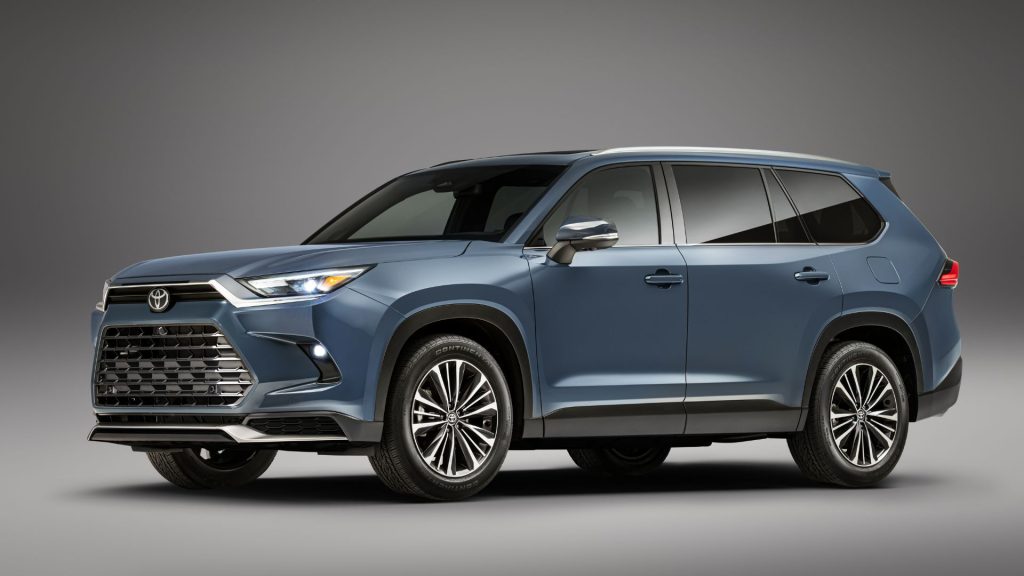
8. Toyota Highlander Hybrid
The Toyota Highlander Hybrid combines family friendly practicality with improved fuel efficiency. It offers comfortable seating, advanced technology, and smooth performance. While the vehicle delivers many benefits, long term ownership can bring repair expenses that gradually increase as the SUV ages.
The hybrid battery represents the most significant long term cost. Although designed for durability, eventual replacement becomes necessary. This major service can be expensive and often surprises owners who expected minimal maintenance expenses.
Hybrid systems add complexity through components such as inverters, electric motors, and cooling systems. These parts generally perform well, but repairs require technicians with hybrid expertise and specialized tools. Labor costs are typically higher than standard repairs.
Suspension components experience additional wear due to the vehicle’s size and weight. Carrying passengers and cargo places stress on shocks, struts, and bushings. Replacing these components becomes necessary to maintain comfort and handling.
Brake systems combine regenerative braking with traditional components. While regenerative braking reduces wear, the integration of electronic systems increases repair complexity. Servicing these systems can be more expensive than standard brake repairs.
Advanced safety and infotainment technology contribute to long term costs. Cameras, sensors, and touchscreen systems may require replacement or repair as the vehicle ages. These features enhance convenience but add to ownership expenses.
Air conditioning and climate control systems in larger SUVs can also require attention over time. Repairs to compressors and related components can be costly.
The Toyota Highlander Hybrid remains a practical and efficient family SUV. However, maintaining its advanced hybrid systems and modern technology over many years can quietly raise ownership costs.
9. Toyota Crown
The Toyota Crown has long been associated with premium comfort, advanced technology, and refined driving. Positioned above many mainstream Toyota sedans, the Crown often includes luxury features and sophisticated engineering that elevate the ownership experience.
While the car offers comfort and prestige, long term maintenance can quietly become expensive as the vehicle ages.
One of the main contributors to ownership cost is the advanced powertrain. Many Crown models feature hybrid systems or turbocharged engines designed to provide both efficiency and performance.
These powertrains involve complex components such as electric motors, battery packs, intercoolers, and advanced fuel systems. While reliable overall, repairs and replacement parts can be expensive when issues eventually arise.
Hybrid battery replacement represents one of the largest potential expenses. Although designed to last for many years, all hybrid batteries eventually degrade. Replacing the battery requires specialized parts and skilled technicians, making it a costly service.
The Crown often includes advanced suspension systems designed for comfort and smooth driving. Air suspension or electronically controlled dampers may be used depending on the model. These systems improve ride quality but can be expensive to repair or replace once they begin to wear out.
Luxury interiors also increase maintenance costs. Premium leather, wood trim, and advanced climate control systems require care and occasional restoration. Maintaining the cabin’s high quality feel can involve significant expense over time.
Electronic systems add another layer of complexity. Advanced infotainment screens, navigation systems, and driver assistance technologies rely on sensors and modules that may require replacement as the vehicle ages. Diagnosing and repairing these components often requires specialized equipment.
Brake systems in heavier luxury sedans also tend to wear faster. Larger brake components cost more to replace, and frequent city driving can accelerate wear.
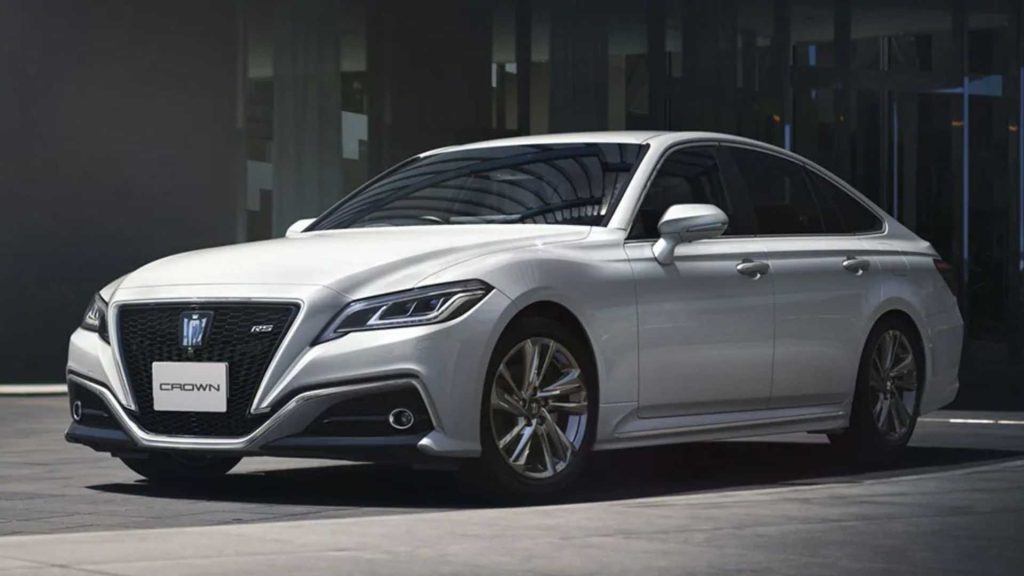
The Toyota Crown remains a comfortable and refined sedan that delivers a premium driving experience. However, maintaining its advanced systems and luxury features over the long term can quietly increase ownership costs.
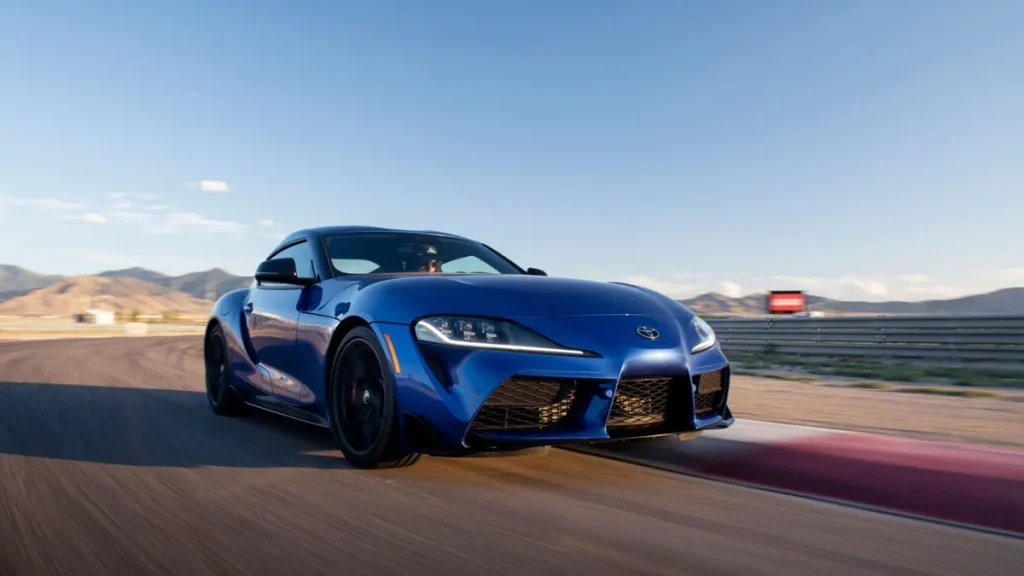
10. Toyota Supra MK5
The Toyota Supra MK5 marked the return of an iconic nameplate and brought modern performance technology to the lineup. Developed with advanced engineering and powerful turbocharged engines, the Supra offers thrilling performance and modern styling.
While it delivers excitement and prestige, maintaining this performance car over time can involve higher repair and maintenance expenses than many buyers expect.
The turbocharged engine is a key contributor to long term costs. Turbo systems operate under high heat and pressure, which leads to wear over time. Components such as turbochargers, intercoolers, and related plumbing may require servicing or replacement as mileage increases.
Performance oriented vehicles often experience faster wear on consumable components. Tires, brake pads, and rotors wear more quickly due to spirited driving. Replacing high performance tires and braking components can become a recurring expense.
Advanced electronics also contribute to maintenance costs. Modern sports cars rely heavily on sensors, control modules, and digital systems. Diagnosing and repairing these components requires specialized equipment and trained technicians.
The Supra includes sophisticated suspension and handling systems designed for performance. While these systems improve driving dynamics, they also introduce additional components that may require servicing or replacement over time.
Insurance and operating costs also play a role in long term ownership expenses. Performance cars often carry higher insurance premiums and require premium fuel, increasing ongoing costs.
Interior materials and technology features can also require attention as the vehicle ages. Infotainment systems, digital displays, and electronic controls may eventually need repair or replacement.
The Toyota Supra MK5 remains an exciting and modern sports car that honors its heritage. However, maintaining its performance and advanced technology over many years can quietly increase the cost of ownership.
Toyota has earned a global reputation for producing dependable vehicles that last for many years. Many buyers choose the brand expecting low maintenance costs and worry free ownership.
While this expectation often holds true, this article explored ten Toyota models that can quietly become expensive to maintain as they age. These vehicles remain reliable and desirable, yet long term ownership can involve repair and maintenance costs that gradually add up.
Large SUVs such as the Land Cruiser 200 Series and Sequoia demonstrate how size and capability influence expenses. Bigger engines require more fluids, larger brake components cost more to replace, and suspension systems wear faster due to weight and heavy use.
These vehicles are built to last, but maintaining their strength and performance requires consistent financial commitment.
Hybrid vehicles such as the Prius, RAV4 Hybrid, Highlander Hybrid, and Toyota Crown highlight the cost of advanced technology.
Hybrid systems deliver excellent fuel efficiency and smooth performance, but they introduce complex components such as battery packs, inverters, and electric motors. Over many years of ownership, these components may require replacement or specialized servicing that can be expensive.
Performance oriented models like the Toyota 86 and Supra MK5 show how driving enjoyment can increase ownership costs. Sport tuned suspensions, turbocharged engines, and high performance brakes wear faster than standard components.
Owners who enjoy spirited driving often face more frequent replacement of tires, brakes, and clutch components.
Comfort focused models such as the Avalon and Crown demonstrate how luxury features can quietly raise maintenance costs. Premium interiors, advanced electronics, and driver assistance systems enhance comfort and convenience, but repairs and replacements become more expensive as the vehicle ages.
Practical vehicles like the Tacoma reveal how heavy use and demanding workloads contribute to higher long term costs. Trucks often face suspension wear, brake replacement, and drivetrain servicing more frequently than smaller vehicles.
Overall, these Toyota models remain dependable and capable, yet they prove that reliability does not always mean low ownership cost. Advanced technology, larger size, and performance focused engineering can gradually increase expenses over time.
Understanding these potential costs helps buyers make informed decisions. Long term ownership of any vehicle involves maintenance, and planning for those expenses ensures a more satisfying and realistic ownership experience.
Also Read: Top 10 Naturally Aspirated Engines Known for Extreme Durability
