
In recent years, hybrid vehicles have surged in popularity, largely driven by growing environmental concerns, rising fuel costs, and an increasing demand for more efficient transportation. Hybrid technology—once considered niche or experimental—has matured into a viable mainstream option.
Modern hybrids offer the best of both worlds: the fuel efficiency of electric power with the range and convenience of internal combustion engines.
But while brand-new hybrid models dominate dealership showrooms and automaker ad campaigns, the used hybrid market tells a different story—one filled with surprises, contradictions, and a stark division between winners and losers.
Unlike traditional gasoline-powered cars, hybrids introduce a layer of complexity to the secondhand market. Battery health, electronic systems, and proprietary hybrid drivetrains all play a major role in a used hybrid’s desirability and reliability.
While some models have proven themselves bulletproof, outlasting expectations and holding their value admirably, others have faltered.
Whether due to poor design, unreliable powertrains, low fuel savings, or simply bad timing, these hybrids have failed to generate meaningful demand in the used space. For buyers seeking long-term value and hassle-free ownership, this divide is more important than ever.
Understanding why some used hybrids are in hot demand while others collect dust on dealer lots requires examining several key factors. First and foremost is reliability. Consumers are understandably cautious when buying used hybrids, given the high cost of replacing components like hybrid batteries or inverters.
Models from trusted manufacturers like Toyota and Honda tend to dominate the resale market because of their proven track record. Vehicles with long-lasting, trouble-free hybrid systems are naturally more appealing to cost-conscious used car shoppers who want the benefits of hybrid ownership without the fear of expensive repairs.
Another crucial factor is fuel economy relative to performance. Some hybrids offer genuine savings at the pump, delivering impressive MPG figures that make a tangible difference in operating costs. Others, however, fail to outperform their gas-only counterparts by any significant margin, making them feel like a gimmick rather than a meaningful step forward.
In the used market, where buyers are more practical and budget-driven, small fuel savings paired with added mechanical complexity can be a dealbreaker. Hybrids that don’t deliver standout efficiency often fall to the bottom of the desirability scale.
Brand reputation also plays a major role. Toyota’s decades of hybrid development and investment in reliability engineering give used buyers a sense of confidence that other brands struggle to match. In contrast, manufacturers that dipped into hybrids for a short time, or released poorly executed models have eroded consumer trust.
If a vehicle is pulled from production after a couple of years due to poor sales or problems, buyers see that as a red flag. They assume parts will be hard to find, mechanics won’t be familiar with repairs, and the car may not hold up over time.
Then there’s versatility and practicality. A hybrid may be mechanically sound, but if it lacks space, comfort, or desirable features, it still won’t generate demand. Used car shoppers typically want something functional: reliable transportation that fits into their daily lives.
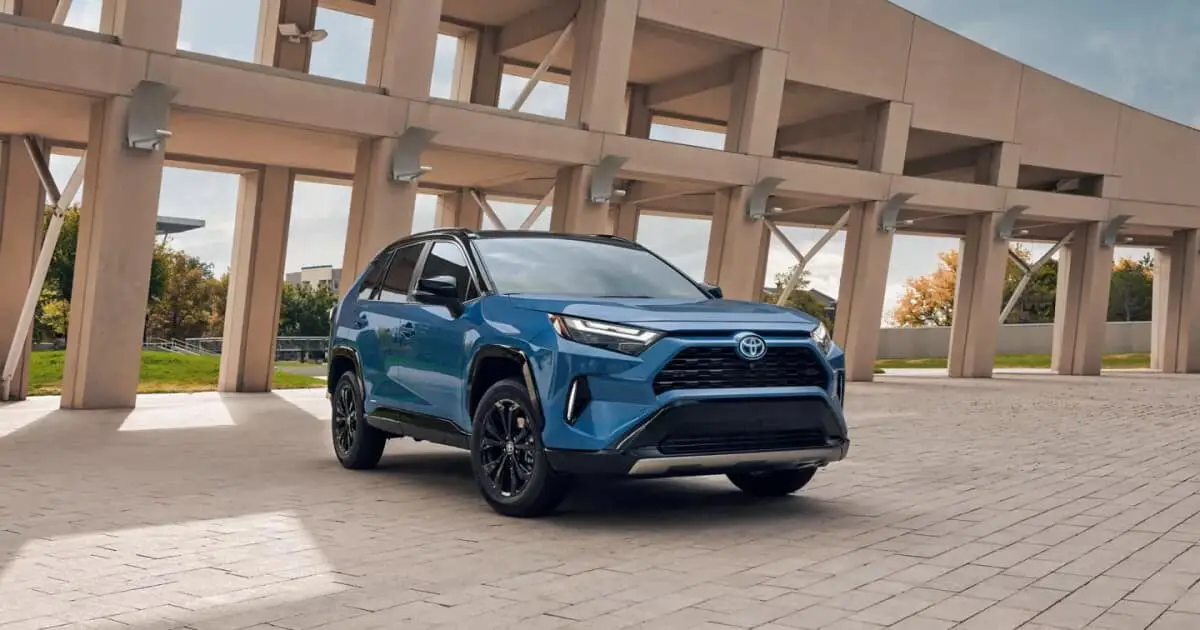
Models like the Toyota RAV4 Hybrid, for instance, offer all-wheel drive, excellent cargo space, and high MPG—appealing to families and commuters alike. Meanwhile, smaller or oddly designed hybrids may struggle to connect with broader audiences.
This article breaks down the used hybrid market into two camps. First, we highlight five used hybrid models that are consistently in strong demand—vehicles that hold their value, perform well, and enjoy a solid reputation for longevity.
Then, we examine five used hybrids that fail to attract interest, either due to poor design choices, reliability issues, or lack of consumer confidence. Whether you’re buying, selling, or simply curious about the hybrid landscape, these real-world examples reveal how some models soar while others sink in the eyes of used car buyers.
Also Read: 5 Cars With Best Ride Comfort and 5 That Rattle Everywhere
5 Used Hybrids With Strong Demand
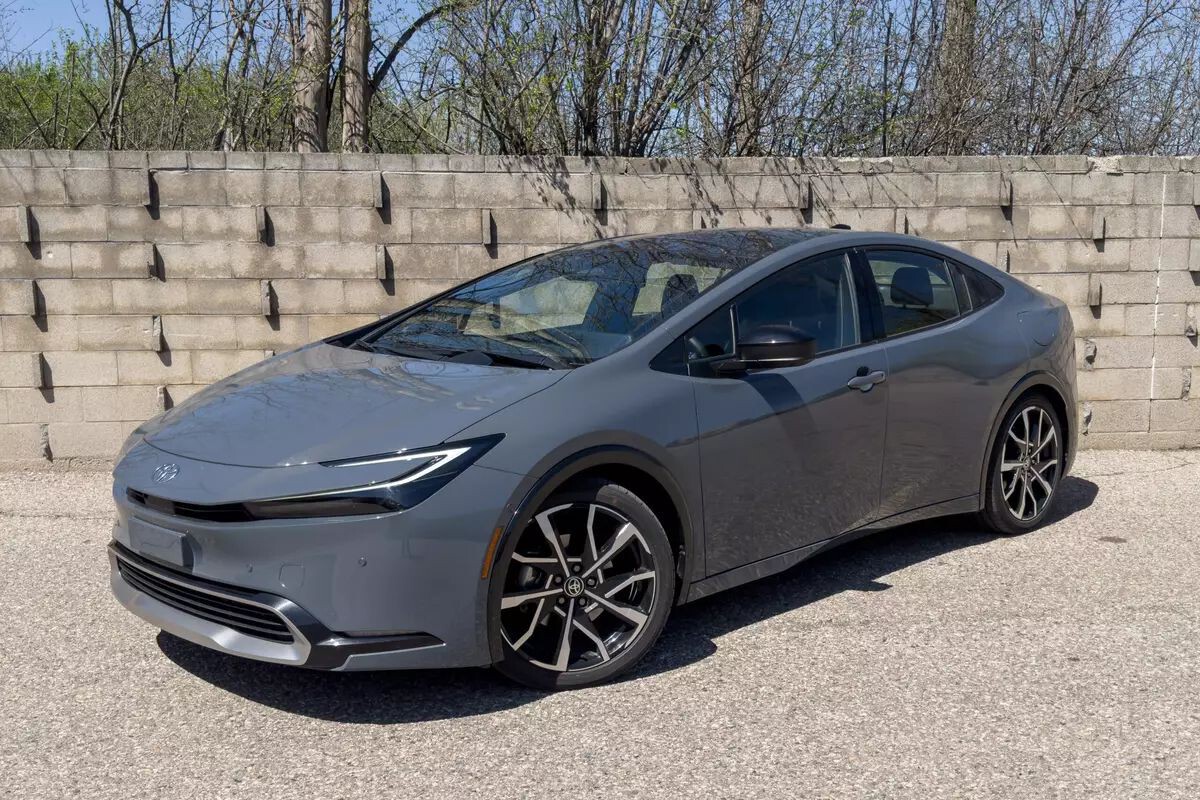
1. Toyota Prius (3rd and 4th Generation)
The Toyota Prius has long been the poster child of the hybrid revolution. With a legacy that stretches back over two decades, its name has become almost synonymous with hybrid technology itself.
The third-generation (2010–2015) and fourth-generation (2016–2022) Prius models are particularly sought after in the used market for their exceptional balance of fuel efficiency, practicality, and long-term reliability.
These vehicles are seen as workhorses by both individual consumers and commercial fleet buyers, owing to their proven powertrain and extremely low total cost of ownership.
One major factor behind the Prius’s enduring popularity is its outstanding fuel economy. Even a ten-year-old Prius can easily achieve 45–50 miles per gallon, which beats most newer non-hybrid vehicles.
The continuously variable transmission (CVT) and hybrid synergy drive system work together seamlessly to maximize fuel efficiency in stop-and-go traffic and highway driving alike. For buyers concerned about rising fuel prices or long commutes, this kind of gas mileage can translate into thousands of dollars in savings over the life of the vehicle.
Another advantage is Toyota’s ironclad reputation for dependability. The Prius uses a nickel-metal hydride (NiMH) battery pack in most trims, which, despite not being the latest lithium-ion technology, is known for durability and longevity. It’s not uncommon for these battery packs to last well beyond 150,000 miles with minimal degradation.
Furthermore, Toyota’s hybrid system has been refined through multiple generations, eliminating many of the bugs and quirks that still plague newer or less experienced competitors.
Interior practicality is another strength. The Prius offers ample cargo space for a hatchback, especially in the fourth generation, which refined the design to be sleeker and more user-friendly. The rear seats fold flat, making it easier to carry large or bulky items.
There’s also a surprising amount of legroom in both the front and back, making it a viable daily driver for families or rideshare drivers. Tech features like a heads-up display, adaptive cruise control, and advanced infotainment options in later models only increase its appeal.
Finally, resale value remains impressively strong. While most cars depreciate significantly after the first few years, a well-maintained Prius can retain value well beyond 100,000 miles.
This is partly due to its reputation and partly because demand remains high in both urban and rural markets. Whether you’re buying or selling, the Prius stands out as one of the most financially sound used hybrid investments available.
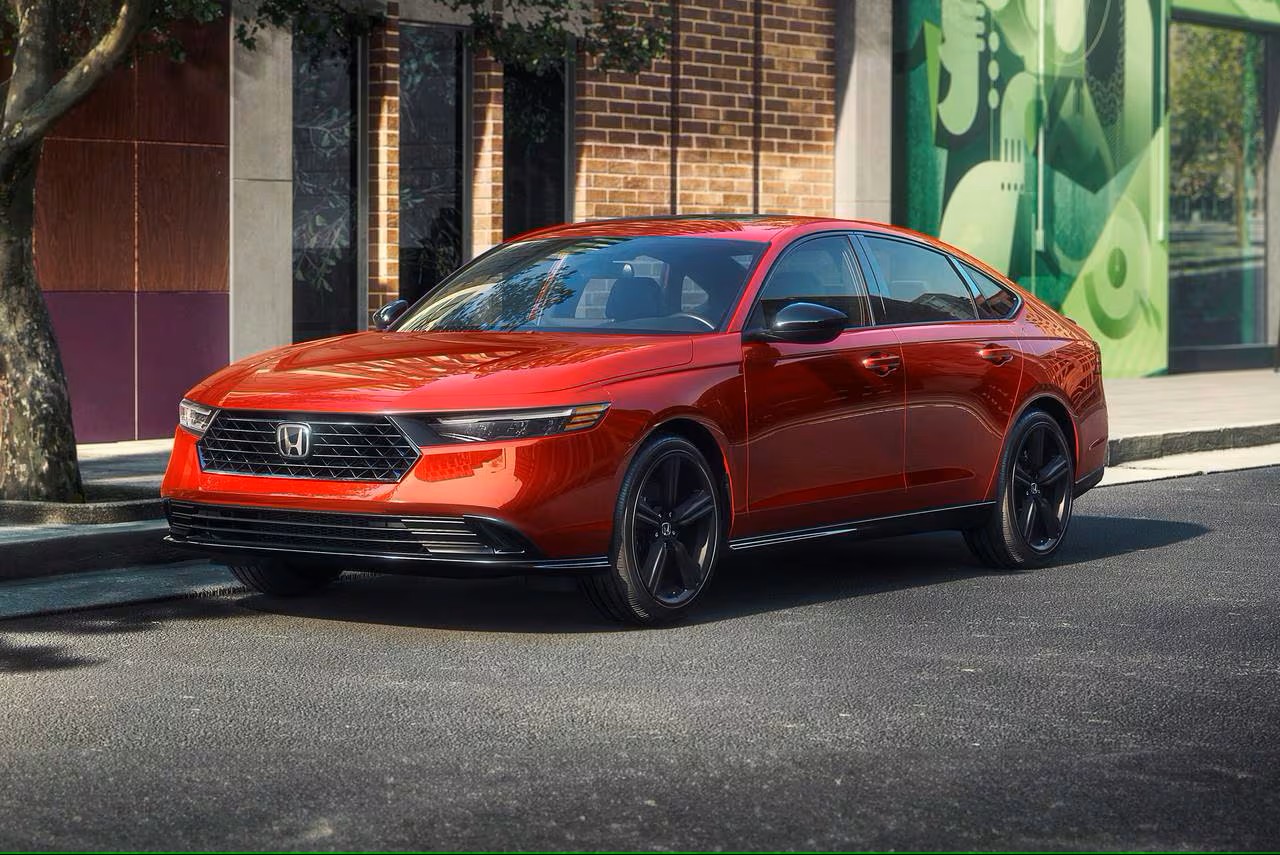
2. Honda Accord Hybrid (2017–2020)
The Honda Accord Hybrid blends the appeal of a midsize sedan with cutting-edge fuel efficiency, making it one of the most attractive used hybrids in its class.
The 2017–2020 models are especially popular due to major overhauls in Honda’s hybrid system that made the car more responsive, more efficient, and more refined than earlier iterations. For buyers who want eco-friendly driving without sacrificing comfort or performance, the Accord Hybrid fits the bill perfectly.
One key reason for its strong demand is the quality of its two-motor hybrid system. Unlike older Integrated Motor Assist (IMA) systems used in previous Honda hybrids, the newer Accord Hybrid uses a more sophisticated power-split design.
This results in smoother transitions between electric and gas modes and allows for pure electric driving at low speeds. The system is nearly seamless, delivering a natural and quiet driving experience that rivals some luxury hybrids.
Comfort and space are other major selling points. The Accord Hybrid offers a large, airy cabin with high-end materials and thoughtful ergonomics. Unlike many hybrid sedans, which compromise trunk space due to battery placement, Honda cleverly designed the battery pack to minimize intrusion.
This gives it nearly the same cargo space as the standard Accord, which is a huge plus for families and frequent travelers. The rear seat is roomy enough for adults, making it a practical choice for rideshare driving or road trips.
In terms of tech, the Accord Hybrid doesn’t disappoint. Most used models come with advanced safety features like Honda Sensing, which includes adaptive cruise control, lane-keeping assist, and automatic emergency braking.
Infotainment systems include Apple CarPlay and Android Auto in many trims, making them feel modern even several years after release. The touchscreen interface is intuitive, and overall build quality is top-notch for the segment.
Durability and brand trust seal the deal. Honda has a strong track record of building reliable engines and drivetrains, and their newer hybrid tech is no exception.
Owners consistently report low maintenance costs and high satisfaction rates. As a result, used Accord Hybrids are not only quick to sell on the secondary market but often command a premium over non-hybrid versions—a rarity for sedans of any kind.
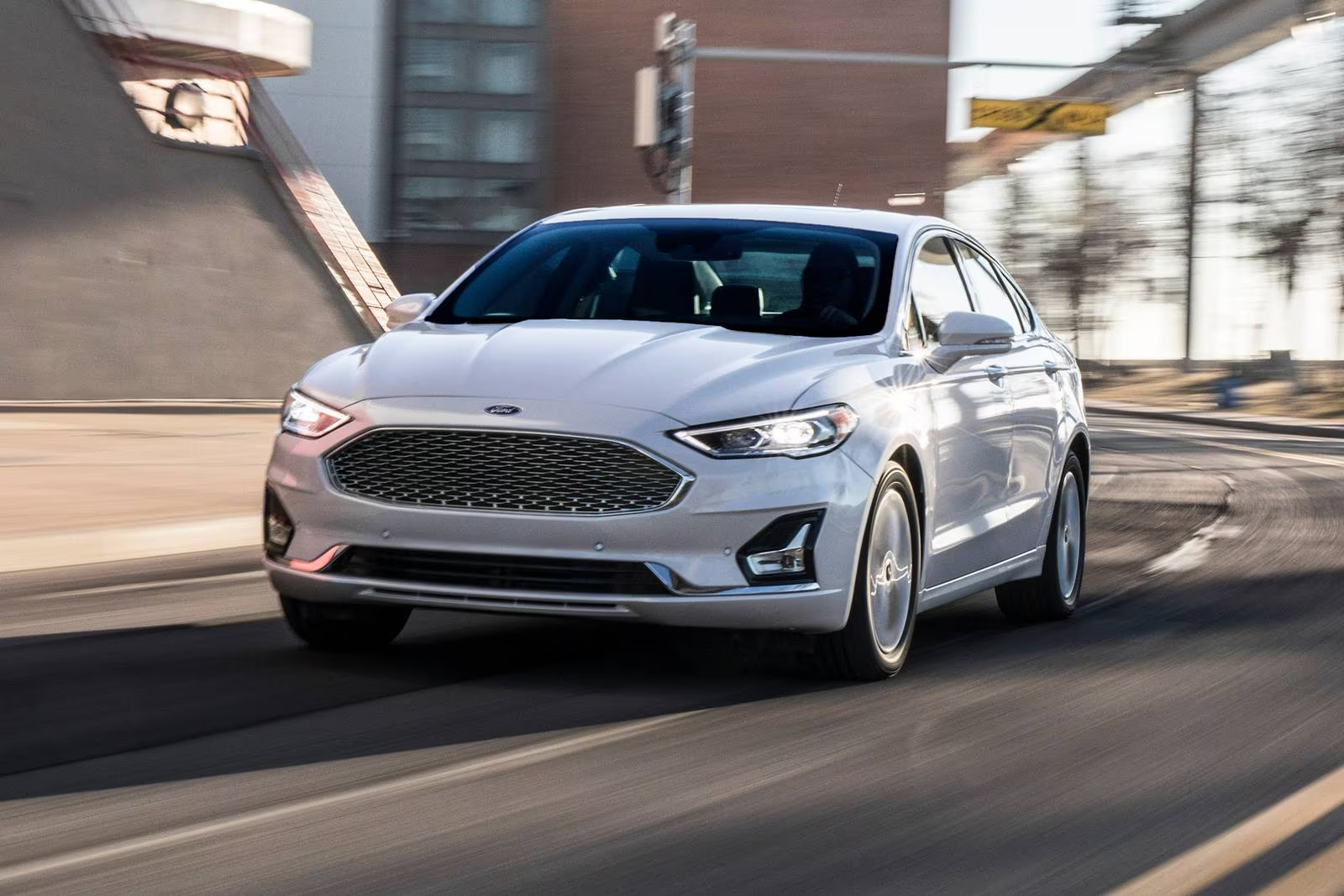
3. Ford Fusion Hybrid (2013–2020)
The Ford Fusion Hybrid may not be the flashiest name in the hybrid world, but it has quietly built a loyal following among drivers looking for a spacious, comfortable, and efficient vehicle that doesn’t carry a premium badge.
Particularly, models from 2013 to 2020 are highly desirable in the used car market thanks to design improvements, powertrain updates, and strong safety ratings that rival even some of the segment leaders.
What sets the Fusion Hybrid apart is its smooth ride and composed handling. It drives like a traditional sedan, not a tech experiment, which is appealing to buyers who want a familiar experience.
The hybrid system itself, featuring a 2.0-liter Atkinson-cycle engine paired with an electric motor, produces around 188 horsepower. This provides enough power for everyday use without the sluggishness that plagued earlier hybrids. Plus, fuel economy around 42 mpg combined means it holds its own in terms of efficiency.
Aesthetically, the Fusion was one of the most stylish cars in its class. The sleek, European-inspired design has aged well, giving the car an upscale look that belies its price tag.
Even older models still look fresh, especially in higher trims like Titanium. Inside, the Fusion Hybrid offers a well-appointed cabin with quality materials and a modern layout. Touchscreen infotainment systems, navigation, heated seats, and even ventilated seating are common in the used market.
Tech and safety are another strong point. The Fusion Hybrid was ahead of its time in many ways, offering adaptive cruise control, blind-spot monitoring, automatic parking, and lane-keeping assist before they became standard on competitors. Used models with the Driver Assist package are especially in demand for those who value peace of mind and advanced functionality without buying new.
Reliability is a final reason for its enduring appeal. While Ford’s reputation for hybrids isn’t quite at Toyota’s level, the Fusion Hybrid has proven itself to be dependable and relatively easy to maintain. Battery longevity has generally been good, and routine servicing doesn’t break the bank. With Ford no longer making sedans, the Fusion Hybrid has become a bit of a “last of its kind” vehicle—fuel-efficient, roomy, and comfortable—with a growing fan base among budget-conscious buyers.
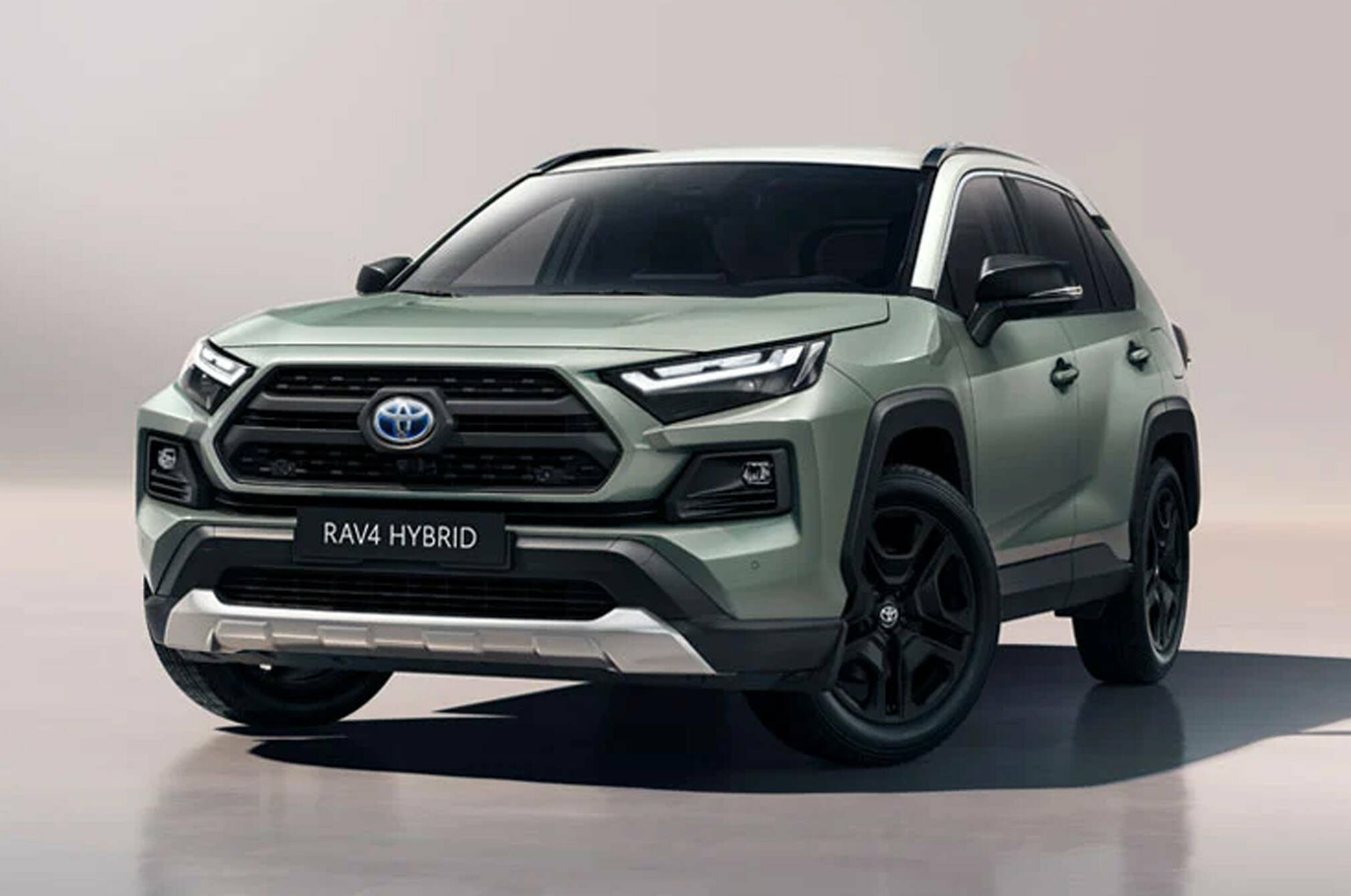
4. Toyota RAV4 Hybrid (2016–2020)
In an age where crossovers dominate the roads, the Toyota RAV4 Hybrid has carved out a niche as one of the few small SUVs that offer both utility and efficiency in equal measure. The 2016–2020 models, in particular, are in strong demand on the used market because they hit the sweet spot of modern tech, proven hybrid performance, and all-weather capability, making them extremely versatile.
The RAV4 Hybrid stands out for offering standard all-wheel drive on most trims, a feature not often found in other hybrids. This gives it a significant edge for buyers in colder climates or those who need more traction for outdoor adventures. Despite being AWD, it still manages excellent fuel economy—between 34 and 38 mpg combined, depending on model year and driving conditions—which is nearly unheard of for a compact SUV.
One of the biggest draws is space. The RAV4 Hybrid has one of the roomiest interiors in its class, with generous headroom, legroom, and cargo capacity. Rear seats fold flat, providing a flexible loading space for everything from groceries to camping gear. For families or drivers who need to carry passengers and cargo regularly, this is a massive advantage over smaller hybrid sedans.
Toyota’s reputation for reliability is another key selling point. The hybrid system is derived from the Prius and is just as durable. Battery issues are rare, and the car is built with high-quality components designed to last well past the 100,000-mile mark. Routine maintenance is simple and inexpensive, and Toyota’s extensive dealer network makes it easy to service just about anywhere.
In terms of resale, the RAV4 Hybrid is a rock star. These models retain their value exceptionally well, often selling for higher prices than newer gas-only RAV4s. This is partly due to Toyota’s brand strength but also a reflection of real-world performance. Owners tend to hold on to them longer, and when they do hit the market, they’re scooped up quickly. For buyers looking for an all-purpose vehicle that sips fuel and never breaks down, the RAV4 Hybrid remains one of the top choices.
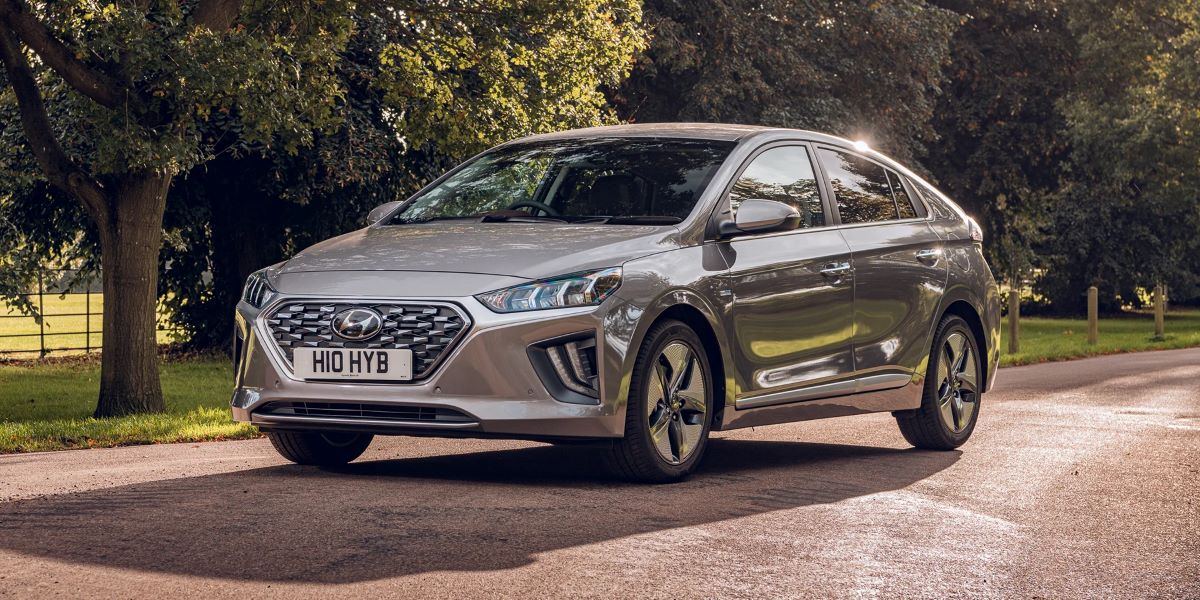
5. Hyundai Ioniq Hybrid (2017–2022)
The Hyundai Ioniq Hybrid has quickly risen through the ranks to become a favorite among value-conscious drivers looking for world-class fuel efficiency wrapped in a modern, approachable package.
Launched in 2017, the Ioniq was Hyundai’s answer to the Prius, and it did not disappoint. With an astonishing EPA rating of up to 58 mpg in its most efficient Blue trim, the Ioniq outperforms nearly every other non-plug-in hybrid on the market, even today.
Unlike other hybrids that go for bold or even polarizing designs, the Ioniq takes a different route. It sports a conventional compact hatchback look, which appeals to drivers who want practicality without drawing attention.
The understated styling helps it age gracefully, and on the inside, it offers a well-designed, feature-rich cabin. Higher trims come with leather upholstery, wireless charging, heated seats, and even a sunroof, making it feel far more premium than its price point suggests.
Affordability is another major reason for its strong demand in the used market. Because Hyundai priced the Ioniq competitively when new, used models are often significantly cheaper than comparable Priuses or Corollas.
This makes it an excellent entry point for buyers new to hybrid driving or those looking to maximize their return on investment. Factor in low fuel costs and minimal maintenance, and the Ioniq becomes hard to beat from a value standpoint.
Hyundai also offers one of the best warranties in the industry, and many of those benefits extend to secondhand buyers. The 10-year/100,000-mile powertrain warranty, in particular, provides peace of mind for used car shoppers concerned about battery degradation or hybrid system longevity. Combined with a generally strong reliability record for the Ioniq, it is a compelling choice in a crowded market.
Lastly, the driving experience is surprisingly good. The Ioniq is nimble, easy to park, and has responsive steering traits often lacking in eco-focused vehicles.
While it won’t win any drag races, it doesn’t feel underpowered in daily driving scenarios. For city dwellers and highway commuters alike, the Hyundai Ioniq Hybrid offers the full package: outstanding fuel economy, strong feature content, low cost of ownership, and a reputation that continues to improve each year.
5 Used Hybrids That Nobody Wants

1. Chevrolet Malibu Hybrid (2016–2019)
The Chevrolet Malibu Hybrid, specifically the 2016–2019 models, entered the market with decent intentions but failed to leave a lasting impression. While on paper it looked competitive—offering a combined 46 mpg, a sleek design, and a modern cabin—real-world reception has been lukewarm at best.
In the used market, it consistently struggles to find buyers, and resale values have remained underwhelming. Part of the issue stems from Chevy’s uneven history with hybrids and electrification, which leaves many consumers wary of long-term reliability.
One of the Malibu Hybrid’s biggest problems is its brand perception. While Toyota and Honda have built decades of trust in hybrid technology, Chevrolet’s commitment to hybrids has always seemed tentative. Many buyers are reluctant to invest in a used Malibu Hybrid because they fear lackluster dealer support, expensive parts, and uncertain battery longevity.
Unlike the Volt, which had a passionate niche following, the Malibu Hybrid never developed a loyal user base, which further impacts its reputation on the secondhand market.
Another issue lies in its market identity—or lack thereof. The Malibu Hybrid was positioned awkwardly between eco-conscious affordability and midsize comfort.
While it delivered reasonable fuel economy, it didn’t do anything particularly well. It lacked the Prius’s legendary efficiency, the Accord Hybrid’s polish, or even the Fusion Hybrid’s balance of value and design. In short, it was forgettable, and in the used market, “forgettable” quickly becomes “undesirable.”
Interior quality also leaves something to be desired. While higher trims offered decent tech and soft-touch materials, base models came with hard plastics, uninspired design, and underwhelming infotainment options.
Additionally, trunk space was compromised due to poor battery packaging—an oversight that buyers of family sedans tend to notice quickly. For used car shoppers prioritizing both practicality and quality, the Malibu Hybrid simply doesn’t check enough boxes.
Lastly, depreciation hits the Malibu Hybrid like a freight train. Its poor reputation, limited demand, and lack of brand cachet mean that used models are often deeply discounted, but not in a good way.
They may appear attractive based on price alone, but potential buyers often skip over them in favor of slightly more expensive but far more trusted alternatives. As a result, many Malibu Hybrids sit idle on lots for weeks or even months.
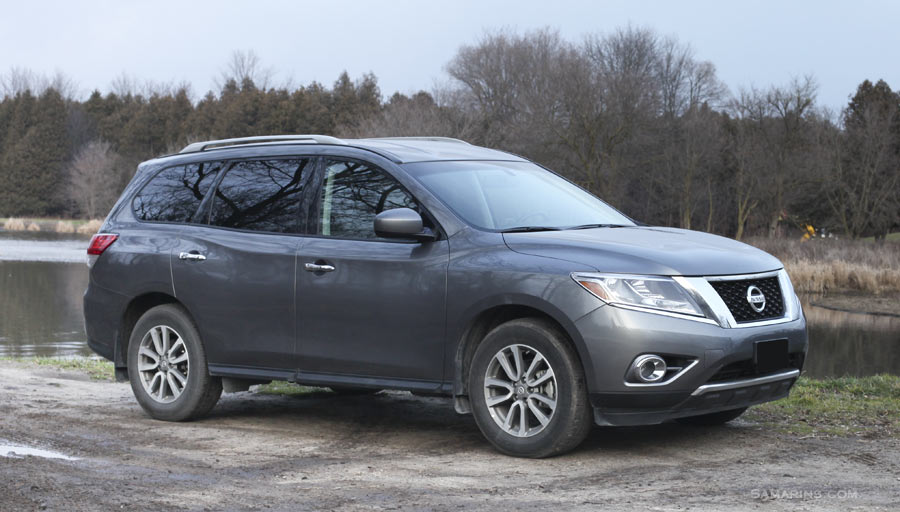
2. Nissan Pathfinder Hybrid (2014–2015)
When Nissan introduced the Pathfinder Hybrid in 2014, it hoped to offer a three-row SUV that combined family-friendly space with improved fuel economy. Unfortunately, the experiment lasted only two years, and for good reason.
These models are now some of the least desirable used hybrids on the market. The Pathfinder Hybrid failed to deliver meaningful efficiency gains, suffered from reliability concerns, and never carved out a clear niche among family SUVs.
At the heart of the problem was the hybrid powertrain itself. Unlike Toyota’s more refined systems, Nissan used a supercharged 2.5-liter four-cylinder paired with a compact electric motor and lithium-ion battery.
While this setup promised better fuel economy, in practice, it delivered only modest improvements, averaging 25–27 mpg combined, barely better than the standard V6 version. For many buyers, the small fuel savings didn’t justify the higher cost or the long-term risk of battery failure.
Compounding the issue was the Pathfinder’s use of a continuously variable transmission (CVT), which has long been a weak point for Nissan. These CVTs are known for early failure and costly repairs, especially when paired with complex hybrid systems.
For used buyers, this is a red flag. The thought of replacing a hybrid battery and a CVT is enough to scare off all but the most risk-tolerant shoppers. Reliability ratings for the hybrid model are notably lower than the standard Pathfinder, which says a lot.
Interior-wise, the Pathfinder Hybrid isn’t terrible—it offers three rows and reasonable cargo space—but the battery placement negatively impacts third-row comfort and overall capacity.
Moreover, used buyers are often surprised to find that many of the features expected in a modern family SUV are either outdated or missing altogether in the base and mid-level trims. Compared to competitors like the Toyota Highlander Hybrid, the Pathfinder feels like a compromise, and compromises don’t sell well in the used market.
The final nail in the coffin is the lack of support and aftermarket interest. Because the hybrid model was discontinued so quickly, parts availability and service expertise are both limited.
Mechanics may be unfamiliar with its unique hybrid layout, and finding replacement components can be costly and time-consuming. All of this creates a perfect storm of low demand, making the Pathfinder Hybrid one of the most unloved options in the secondhand hybrid space.
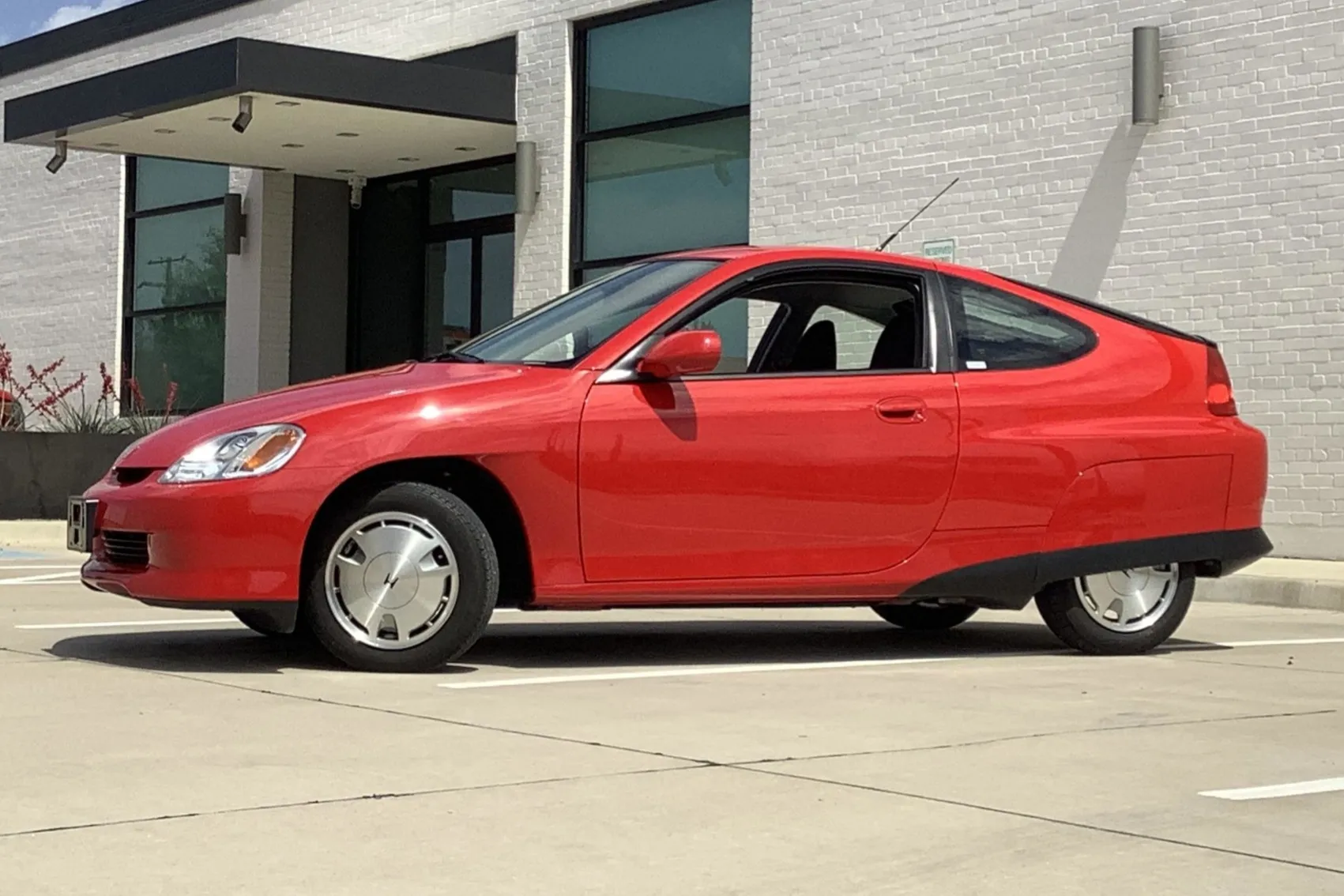
3. Honda Insight (2nd Generation, 2010–2014)
Honda’s second-generation Insight was introduced with high hopes as a direct competitor to the Toyota Prius—but it failed to meet expectations. Launched in 2010, it was one of the cheapest hybrids on the market, but it quickly became clear why.
Despite its hatchback styling and hybrid badge, the Insight fell short in almost every category that mattered to hybrid buyers. Today, it’s often passed over in the used market due to poor ride quality, underwhelming fuel economy, and dated technology.
First and foremost, the Insight’s fuel economy didn’t live up to the hype. While the EPA rated it at around 41–43 mpg combined, real-world numbers often fell short, especially compared to the Prius, which consistently delivered high 40s or even 50s.
Honda’s IMA (Integrated Motor Assist) system, which relied more on the gasoline engine than the electric motor, lacked the electric-only driving capability found in rival hybrids, making it feel like more of a mild hybrid than a true competitor.
The driving experience was another major letdown. The Insight was underpowered, with just 98 horsepower, and struggled in hilly or high-speed driving scenarios. The CVT often felt noisy and sluggish, and the ride was harsh over rough pavement.
Buyers looking for a refined, efficient commuter car were often disappointed by the Insight’s lack of comfort and responsiveness, especially when compared to similarly priced compact gas vehicles like the Honda Fit or Toyota Corolla.
Interior design didn’t do the Insight any favors either. The dashboard featured a polarizing, futuristic layout with hard plastics and an unusual two-tier gauge cluster that many drivers found distracting.
Rear-seat space was cramped, and cargo space was compromised by awkward battery placement. While higher trims offered some tech features like navigation and Bluetooth, even these felt outdated by today’s standards, making the Insight feel cheap and behind the times.
Finally, depreciation hit the second-gen Insight like a rock. While its low resale value might appeal to bargain hunters, it also signals the market’s overall disinterest.
Many buyers assume—rightly—that the Insight doesn’t offer the long-term reliability or efficiency of its better-known rivals. As a result, used car dealers often struggle to move these vehicles, and private sellers must price them aggressively to generate any interest at all.
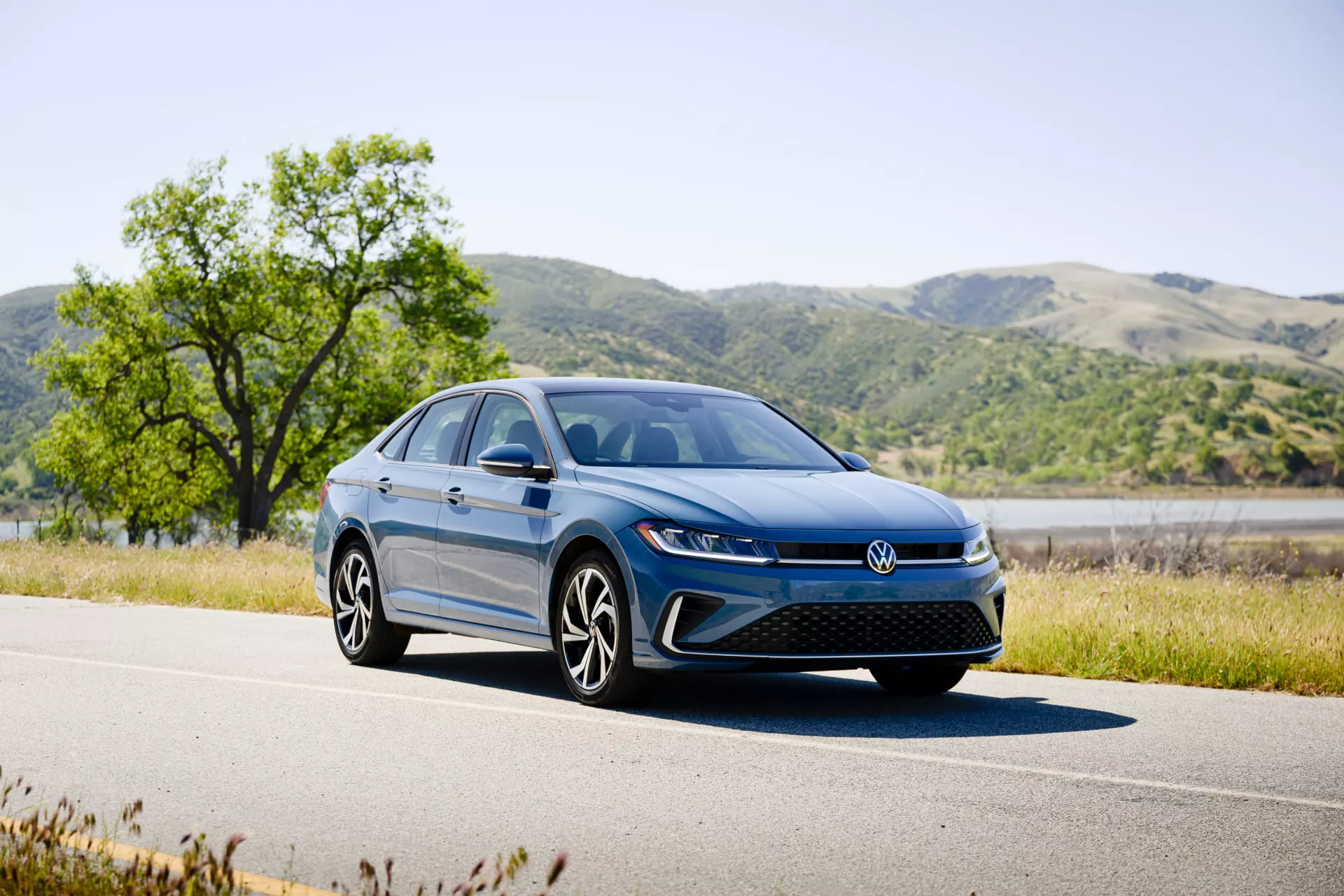
4. Volkswagen Jetta Hybrid (2013–2016)
Volkswagen’s attempt at a compact hybrid sedan came in the form of the Jetta Hybrid, sold between 2013 and 2016. It seemed like a promising proposition: European styling, turbocharged performance, and hybrid efficiency.
Unfortunately, this model quickly developed a reputation for high maintenance costs, mechanical complexity, and overall unreliability. Today, it’s a cautionary tale in the hybrid segment—an example of how not to build long-lasting hybrid tech.
The Jetta Hybrid used a 1.4-liter turbocharged engine mated to a 7-speed dual-clutch automatic transmission (DSG), paired with an electric motor. This unusual configuration provided lively acceleration and a more “sporty” feel than most hybrids, which often feel sluggish.
However, this came at a price—literally. The hybrid system was overly complex, and when issues arose, they were expensive to diagnose and fix. DSG transmission repairs alone can cost thousands, especially once the car is out of warranty.
Fuel economy was also underwhelming. While VW advertised up to 45 mpg highway, real-world results often hovered in the high 30s, which didn’t justify the hybrid premium.
Drivers hoping to get Prius-level efficiency were disappointed. Plus, the stop-start system and regenerative braking were jerky and inconsistent, making the car feel unrefined. Hybrid buyers looking for smooth, seamless operation were often let down by the Jetta’s rough edges.
Inside, the Jetta Hybrid felt like a standard compact sedan, with no standout features to remind you that you paid extra for a hybrid drivetrain.
The infotainment system was dated, even by early 2010s standards, and standard features were limited unless you sprang for the higher trims. Battery placement also compromised trunk space, limiting practicality compared to the non-hybrid version of the Jetta.
Because of all these issues, the Jetta Hybrid has essentially disappeared from most buyers’ radar. Reliability concerns, lackluster fuel savings, and the car’s orphaned status (VW discontinued it with little fanfare) make it a hard sell on the used market.
Mechanics don’t see many of them, parts can be expensive or hard to find, and buyers simply don’t want to roll the dice. Today, it’s often priced far below other hybrids—and it still doesn’t sell easily.
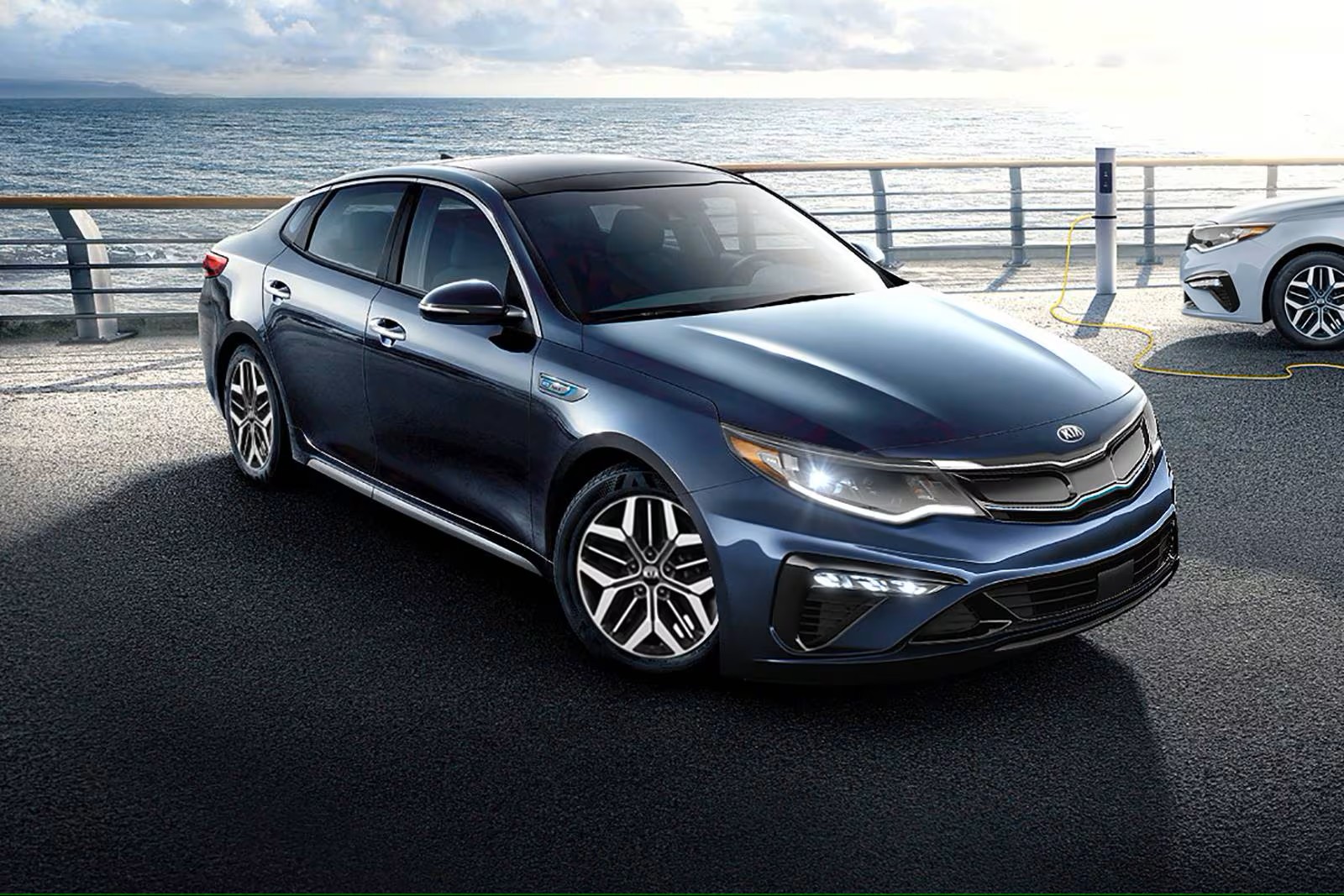
5. Kia Optima Hybrid (2011–2016)
The Kia Optima Hybrid from 2011 to 2016 aimed to compete directly with mid-size stalwarts like the Toyota Camry Hybrid and Ford Fusion Hybrid. It offered stylish design, decent fuel economy, and a relatively low price tag.
However, it failed to gain much traction in the new or used market, largely due to reliability issues, outdated technology, and a hybrid system that never truly delivered on its promises.
One of the biggest problems with the Optima Hybrid lies in its early powertrain design. The 2.4-liter four-cylinder engine, paired with a 30 kW electric motor and six-speed automatic transmission, was less efficient and more failure-prone than competing CVT-based hybrids.
Combined mpg ratings hovered around 36–38, which wasn’t enough to make a compelling argument over the non-hybrid Optima. Worse, the hybrid system was known for stalling problems, hard shifts, and software glitches—all of which created long-term headaches for owners.
In terms of driving dynamics, the Optima Hybrid felt neither sporty nor refined. The transition between gas and electric power was often rough, and the car suffered from hesitation during acceleration.
Handling was average at best, and the overall ride quality leaned toward firm and noisy. Buyers seeking a comfortable commuter hybrid were likely to find the Optima lacking, especially compared to the smoothness of a Camry Hybrid or the balance of a Fusion Hybrid.
Interior quality was hit or miss. While the Optima’s design was visually appealing, with a driver-focused dash and available tech features, the materials used in lower trims were cheap and wore poorly over time.
Buttons and switchgear often felt flimsy, and long-term owners reported issues with peeling plastics, broken knobs, and fading trim. On the tech front, outdated infotainment and limited driver assistance features made it feel obsolete even just a few years after its release.
The final blow to its used market appeal is that many examples simply didn’t age well. Battery life has been inconsistent, and replacements are expensive.
Kia’s warranty is robust for original owners, but it doesn’t always transfer fully to secondhand buyers, leaving them exposed to big repair bills. As a result, many used car shoppers simply avoid the Optima Hybrid altogether. You’ll find them priced aggressively low, but for many, that low price is a warning sign rather than a bargain.
Also Read: Top 10 Vehicles With Storage Bins That Are Great for First Aid Kits
As we’ve explored throughout this article, the used hybrid market is far from uniform. While hybrids in general are often viewed through a lens of eco-friendliness and efficiency, not all hybrid vehicles are created equal, especially once they’re a few years off the lot.
For used buyers, the real measure of a hybrid isn’t just how it performed when it was new, but how well it holds up over time, how much it costs to maintain, and whether it delivers on its promise of lower operating costs and environmental benefits.
On one end of the spectrum, we have hybrid standouts like the Toyota Prius, Honda Accord Hybrid, and Toyota RAV4 Hybrid. These models enjoy robust demand in the secondhand market for good reason: they’re efficient, dependable, and offer practical benefits that go beyond just fuel savings.
They’ve been refined over multiple generations, with time-tested powertrains and strong support from their manufacturers. Their reputations for longevity and low total cost of ownership make them go-to options for everyone from families to rideshare drivers to eco-conscious commuters.
These vehicles are not only known for their high mileage potential but also for being remarkably user-friendly. They don’t require a PhD in electrical engineering to maintain, and their hybrid systems are integrated seamlessly into the overall driving experience.
Their resale values remain high, and even with higher mileage, they command buyer interest—a testament to the confidence they inspire in secondhand shoppers. These models prove that when done right, a hybrid can be an excellent long-term investment, even years after its original sale date.
On the flip side, however, we find the other end of the hybrid spectrum—models like the Chevrolet Malibu Hybrid, Nissan Pathfinder Hybrid, and Volkswagen Jetta Hybrid.
These vehicles highlight the risks of poorly executed hybrid programs. Whether it’s because of underwhelming fuel efficiency, awkward powertrain designs, or a short production run that signals a lack of long-term support, these hybrids fail to inspire trust.
They often sit unsold on used car lots, despite deep discounts and flashy features. And for good reason: buyers are increasingly wary of models that seem like half-hearted attempts to cash in on hybrid hype without offering real benefits.
The used market is often unforgiving to hybrids that don’t justify their complexity. If a hybrid doesn’t significantly outperform a gas-only model in fuel savings—or worse, if it adds unreliability and service headaches—it quickly loses appeal. Hybrids require more specialized maintenance and have more points of failure than conventional vehicles.
So when manufacturers cut corners or release systems without proper support, the long-term consequences can be brutal. A few poor reviews or horror stories about battery replacements or transmission failures can ruin a model’s resale viability for years.
Perhaps the most valuable lesson for buyers and sellers alike is that a hybrid’s value in the used market isn’t just about miles per gallon—it’s about confidence. Confidence in the brand, in the technology, in the availability of parts, and in the likelihood that the vehicle will still be running smoothly at 150,000 miles.
The best used hybrids don’t just save gas; they save their owners from stress, hassle, and financial risk. The worst ones may seem like bargains at first glance, but they often become costly mistakes down the road.
In conclusion, used hybrids can be excellent purchases—but only when chosen carefully. Buyers should focus on models with proven track records, broad manufacturer support, and a strong reputation among long-term owners.
Avoiding hybrids that were discontinued quickly, lack a service network, or don’t deliver meaningful efficiency can save thousands of dollars and countless headaches. The divide between the most and least desirable used hybrids is wider than ever, and in today’s competitive market, knowing which is which makes all the difference.
