
In today’s fast-moving used car market, crossovers dominate the landscape with an iron grip. They’ve become the automotive equivalent of the smartphone—versatile, reliable, and practically indispensable for the average modern household. From young professionals looking for a commuter with cargo space, to parents needing family-friendly practicality, to retirees downsizing from larger SUVs, crossovers hit the sweet spot in size, efficiency, and flexibility.
This explosive demand has created a high-stakes environment for buyers, sellers, and dealers alike. Not all crossovers, however, are created equal. Some fly off dealership lots almost as fast as they arrive, while others linger, gather dust, and eventually get wholesaled at a loss. So what makes the difference?
The used crossover market is shaped by a number of key forces: brand reputation, reliability, fuel economy, resale value, availability of parts, and long-term ownership costs. But there’s more nuance here than just numbers. Buyer perception, social proof, and personal experience weigh heavily on purchasing decisions.
A crossover might look good on paper, but if it has a history of mechanical failures or a reputation for poor build quality, it’s going to struggle in the resale market.
On the other hand, some models have managed to build cult-like followings over the years—not necessarily because they’re the flashiest or most powerful, but because they deliver exactly what buyers want, consistently and without drama.
For used car dealers, the ability to spot a fast-seller versus a slow-mover can be the difference between profit and pain. Some models are considered gold—vehicles that practically sell themselves the moment they hit the lot. They’re backed by bulletproof reliability, universal appeal, and strong residual value. Others? Not so much.
These are the models that dealers dread seeing offered as trade-ins. They may have a troubled reputation, poor resale track records, or require costly reconditioning just to be considered roadworthy. Some were so poorly received that even deep discounts can’t move them. Dealers have learned the hard way that a shiny badge or clever marketing can’t always cover up years of consumer dissatisfaction.
In this comprehensive breakdown, we explore ten used crossovers—five that sell fast for very good reasons, and five that most dealers would rather not touch. On the high-performing side, we’ll look at models like the Toyota RAV4, Honda CR-V, and Subaru Outback—vehicles that have built reputations for reliability and practicality over decades.
These are the crossovers that used buyers actively seek out, and that dealers fight to keep in inventory. They’re often priced at a premium, and even older models with high mileage find new owners quickly because of the trust these brands command.
Conversely, we’ll also dive into the cautionary tales—the Dodge Journey, Jeep Compass (pre-2017), and Ford EcoSport among them. These are the crossovers that seemed like a good idea at launch but aged poorly, dogged by mechanical issues, cheap materials, or uninspiring performance.
Dealers have learned to avoid these vehicles not just because of what’s under the hood, but because they’re hard to sell even with generous markdowns. Their reputations precede them, and used car buyers—armed with online reviews, forums, and owner feedback—have grown savvier in avoiding them.
Whether you’re a buyer, a seller, or simply a car enthusiast trying to make sense of today’s crowded crossover market, understanding what makes a vehicle a “hot seller” versus a “dead weight” is critical.
This guide gives you both sides of the story, grounded not in hype or marketing, but in hard-earned dealer experience and consumer reality. By the end of this article, you’ll know which used crossovers offer lasting value—and which ones might just leave you stranded with buyer’s remorse.
ALSO READ: 5 Engines That Run Quiet and Clean for Life and 5 That Rattle by 70,000 Miles
5 Used Crossovers That Sell Fast for a Reason
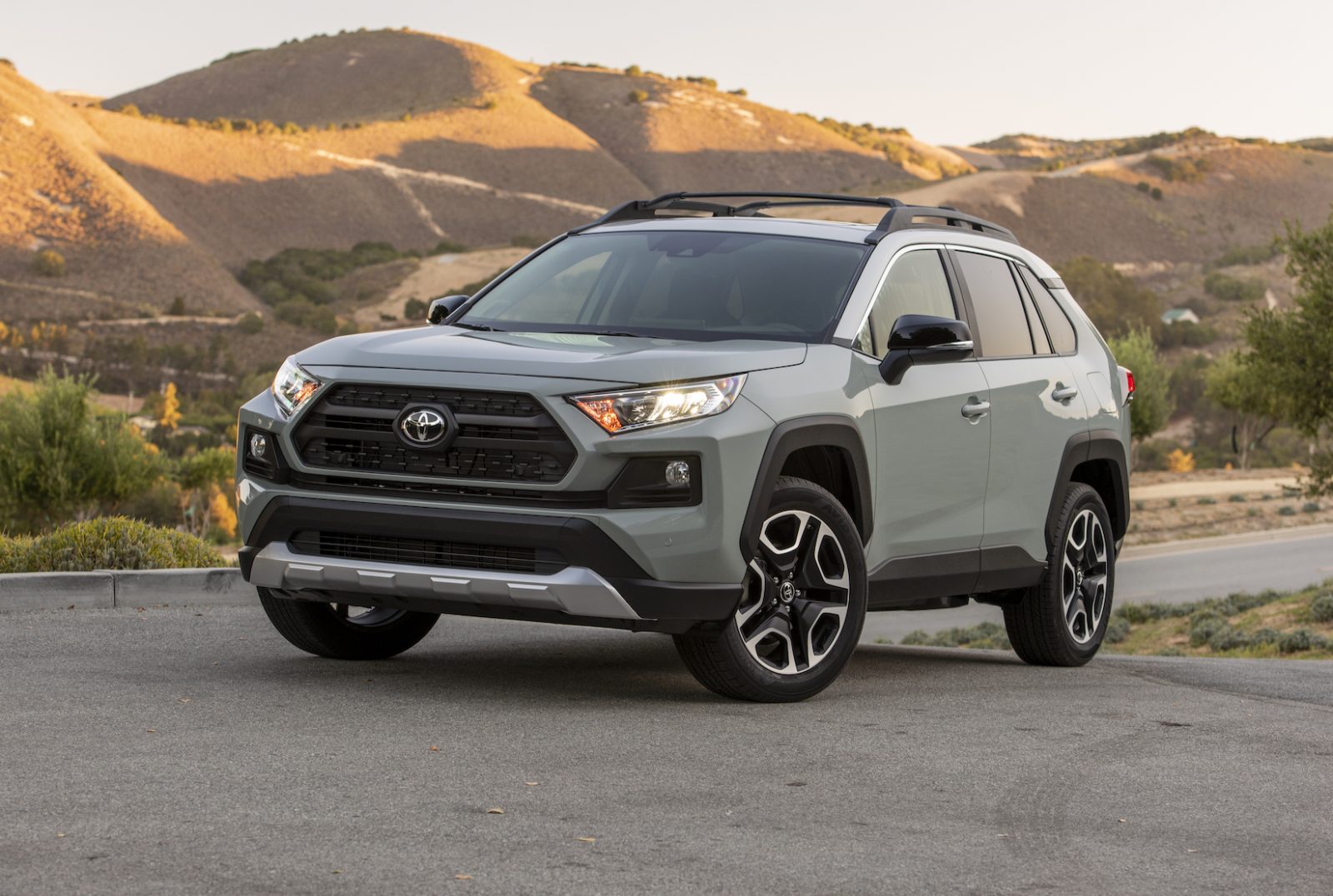
1. Toyota RAV4 — Consistently a Hot Commodity
Few vehicles capture the essence of what the average crossover buyer wants better than the Toyota RAV4. Over the years, the RAV4 has evolved from a modest compact utility vehicle into one of the most well-rounded and desirable used cars on the market.
The model’s continued popularity isn’t a mystery—it stems from a proven track record of reliability, practical features, and broad appeal across demographic lines. Used RAV4s, especially those built after 2013, are known for their durability and low maintenance costs, making them a top pick for buyers who want a “set it and forget it” ownership experience. That peace of mind translates to swift sales and high resale values.
One of the key reasons the RAV4 sells so quickly is Toyota’s legendary dependability. Most buyers in the used market are concerned about two things: how long a vehicle will last, and how much it will cost them to keep it running. In these categories, the RAV4 delivers with confidence.
It’s not unusual for a well-maintained RAV4 to log over 250,000 miles without serious issues. Toyota’s engineering discipline has earned it a level of trust that rivals like Ford or Chevrolet sometimes struggle to maintain in the crossover segment. This model doesn’t just survive the test of time—it thrives, with relatively few recalls and solid consumer satisfaction ratings.
Practicality is another factor driving the RAV4’s popularity. Its interior space is generous for a compact crossover, with rear seats that fold flat for ample cargo room. Families appreciate the ease of loading strollers and sports gear, while pet owners love the flat floor and low lift-in height.
The ride is smooth, visibility is excellent, and Toyota has prioritized ease of use in its infotainment systems—meaning it’s a car anyone can feel comfortable jumping into, no matter their tech skill level. That universal usability goes a long way in the used car market.
Another major advantage is that Toyota offers a wide range of trims and powertrains, including the now-celebrated RAV4 Hybrid. The hybrid version, with its excellent fuel economy and near-identical utility, makes it especially appealing as fuel prices fluctuate.
Buyers looking for better mileage without the range anxiety of full EVs often land on the hybrid RAV4. Even better, hybrid components are covered under extended warranties in many states, giving used buyers an extra sense of protection. Dealers know that if they get a hybrid RAV4 on the lot—especially with under 80,000 miles—it won’t be there long.
For dealers, the RAV4 is essentially gold. Inventory turnover is quick, and the model attracts a diverse range of buyers, from students to retirees. Even high-mileage examples find homes quickly because buyers trust Toyota more than nearly any other automaker when it comes to durability.
It’s rare for a dealer to ever need to discount a RAV4 to move it. In fact, the model’s demand is so high in some markets that even private sellers can command dealer-level pricing. Simply put, it’s the poster child of a used crossover that just won’t stay on the lot.
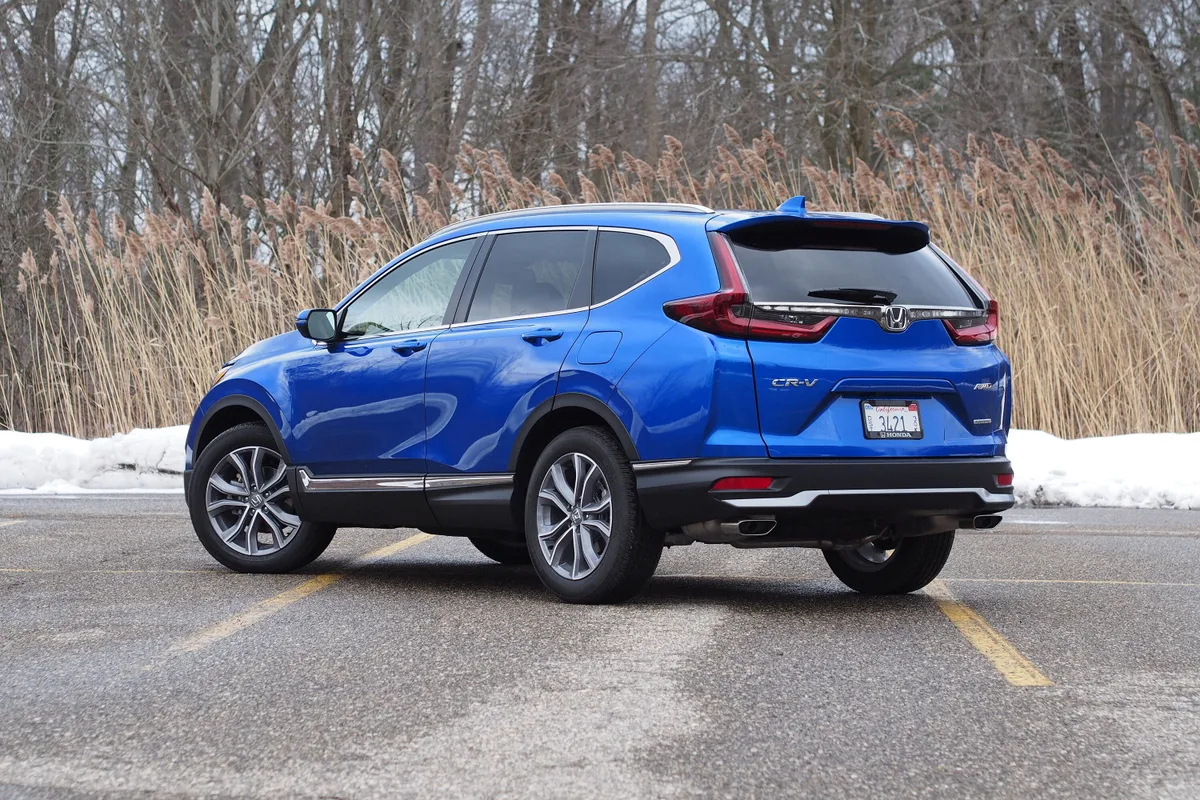
2. Honda CR-V — The Dependable Darling
The Honda CR-V has long been the Toyota RAV4’s closest competitor in both new and used markets, and it’s easy to see why. Honda’s reputation for making smooth, long-lasting engines combined with a quiet, spacious interior has made the CR-V a hit among families, commuters, and even rideshare drivers.
In the used crossover market, CR-Vs from the 2015 model year onward are in especially high demand, as they offer modern styling and upgraded safety features while maintaining Honda’s core values: reliability, efficiency, and comfort. They consistently rank among the quickest-selling used vehicles on dealership lots.
One of the biggest strengths of the CR-V is its exceptional use of space. Despite being a compact crossover, the CR-V feels airy and open inside, with class-leading rear legroom and one of the most usable cargo areas in its segment.
Fold-flat rear seats, a low cargo floor, and an easily accessible tailgate make it an ideal option for buyers who want versatility without stepping up to a midsize SUV. This “just right” size means the CR-V works equally well in city traffic or on long road trips, a factor that drives consistent interest from a wide range of buyers.
Another major selling point is the CR-V’s fuel economy. Even in the non-hybrid variants, the CR-V has historically delivered strong MPG figures. The introduction of the 1.5-liter turbocharged engine in more recent models boosted both performance and efficiency, offering an engaging yet fuel-conscious drive.
Combined with Honda’s smooth CVT transmission, the CR-V doesn’t just feel like a compromise—it feels like a well-engineered solution. Used buyers looking to save at the pump without sacrificing driving quality often find the CR-V to be the sweet spot.
In terms of tech and safety, the CR-V has kept pace with industry trends. Honda’s “Sensing” suite of advanced safety features became standard or widely available on CR-Vs from 2017 onward, bringing features like adaptive cruise control, lane departure warning, and forward collision mitigation into even base models.
That safety credibility has made it a go-to vehicle for parents shopping for teen drivers or aging grandparents seeking peace of mind. It’s a vehicle that earns trust quickly, and trust is gold in the used vehicle marketplace.
Dealers love the CR-V for its turnover speed and minimal hassle. They rarely need to explain its value—it sells itself on reputation alone. Inventory managers often prioritize acquiring CR-Vs at auction or via trade-ins because they know the vehicle won’t sit idle.
Even in slower markets or during seasonal sales slumps, the CR-V maintains its appeal. For every buyer looking for something exciting or flashy, three others just want something they know will work. And for those buyers, the CR-V is a no-brainer.

3. Subaru Outback — The Adventurer’s Favorite
The Subaru Outback is unique among crossovers, with its station wagon roots and rugged character. But that uniqueness is exactly what makes it so attractive on the used market. Buyers who seek utility, all-weather capability, and longevity often have the Outback at the top of their list.
Unlike more city-focused crossovers, the Outback is often favored by outdoor enthusiasts, families in snowy climates, and those who appreciate Subaru’s strong resale value. It’s one of the rare vehicles that feels perfectly at home both on paved highways and rocky dirt trails, making it a favorite for drivers with active lifestyles.
One of the Outback’s major draws is its symmetrical all-wheel drive system, which comes standard on every model. Unlike competitors who charge a premium for AWD, Subaru builds it into the DNA of the vehicle. That makes it especially attractive for buyers in northern states or mountainous regions.
During winter, the Outback’s resale value even tends to tick upward, as buyers prioritize snow-worthy vehicles. Combine that with 8.7 inches of ground clearance and you’ve got a crossover that feels like a mountain goat—surefooted and confident in places most competitors dare not tread.
Inside, the Outback surprises buyers with its spaciousness and comfort. The seating is plush, the cabin is well laid out, and even older models carry a sense of premium utility.
Subaru’s interiors are known for being straightforward and honest—less about flash and more about function. Features like heated seats, large cargo volumes, and pet-friendly surfaces make it a lifestyle vehicle that adapts to its owner’s needs. As a result, used Outbacks often go to buyers who plan to keep their vehicles for a long time.
Another reason for Outback’s strong used sales is its community. Subaru owners tend to be loyal, and the brand itself has cultivated a strong identity around outdoor adventure and environmental consciousness. Buyers often feel like they’re joining a tribe rather than just buying a vehicle.
That sense of belonging helps drive demand, even for older models. As long as the vehicle is clean and mechanically sound, it doesn’t need to be heavily discounted to attract interest.
For dealers, the Outback checks every box. It’s a fast-moving product that appeals to a niche but devoted audience, meaning it doesn’t get lost in the shuffle of generic-looking crossovers.
They also tend to retain value well, which allows dealers to make a decent margin even on well-used units. With consistent demand and broad seasonal appeal, the Outback is a smart pick for any lot—urban or rural.
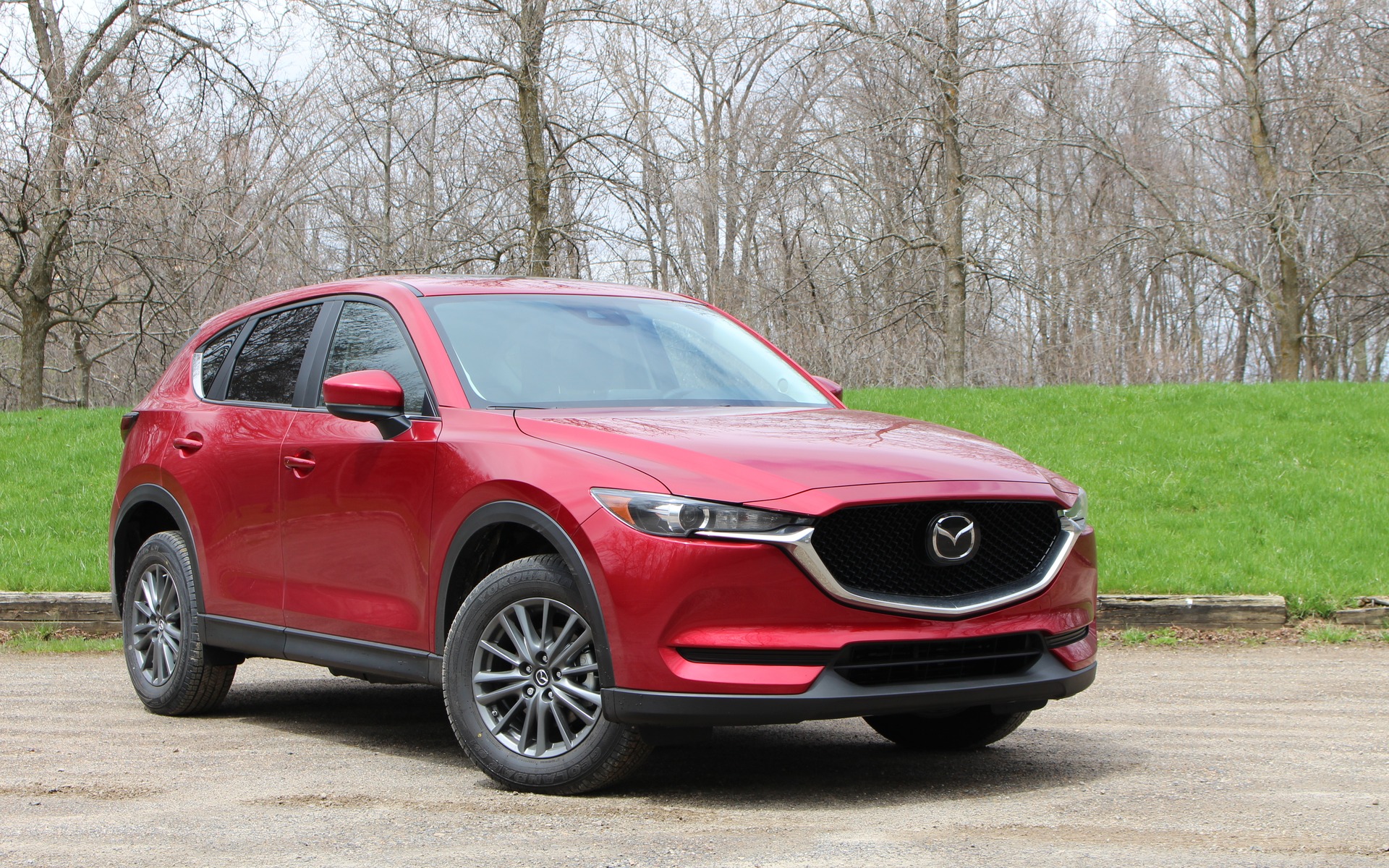
4. Mazda CX-5 — Style Meets Substance
When it comes to used crossovers that stand out visually and dynamically, the Mazda CX-5 rises above the pack. It combines eye-catching design, upscale interior materials, and spirited driving performance, all wrapped in a package that costs significantly less than its luxury competitors.
That rare blend makes it a sleeper hit on the used market. While Mazda may not carry the same household-name weight as Toyota or Honda, the CX-5 punches well above its weight class in terms of quality and owner satisfaction.
The CX-5’s design is one of its most immediate selling points. Mazda’s KODO design language has made this crossover look sleek, muscular, and premium—even several years after a model is released. Many used buyers report being initially drawn to the CX-5’s appearance before discovering that it also offers tangible benefits beneath the surface.
That first impression matters a lot in dealership showrooms and on classified listings, where photos often dictate buyer interest. Simply put, a used CX-5 just looks more expensive than it is.
Inside, the CX-5 continues to impress. Its interior feels a class above its rivals, with stitched leather-like surfaces, intuitive controls, and excellent insulation from road noise. Buyers transitioning from a sedan or upgrading from a less refined crossover often notice the difference immediately.
For families, commuters, and even older drivers, the interior quality adds a level of comfort that elevates daily driving. These positive impressions help drive quick sales, especially for 2017-and-newer models, which saw major improvements.
Driving dynamics are another big win for the CX-5. It handles more like a sport sedan than a typical crossover, thanks to its tight steering, responsive chassis, and well-tuned suspension.
That dynamic character attracts younger drivers, automotive enthusiasts, and anyone who finds other crossovers too bland or floaty. Mazda’s SkyActiv technology also ensures that performance doesn’t come at the cost of fuel economy—most CX-5s return well over 30 mpg on the highway, even in AWD configurations.
Dealers find the CX-5 to be one of the easiest non-mainstream crossovers to sell. While it may not enjoy Toyota’s ubiquity, the CX-5 often outsells competitors from Hyundai, Nissan, or Ford once a buyer experiences it firsthand.
Test drives tend to seal the deal. And because Mazda’s reputation for quality has grown in recent years, especially with its consistent reliability rankings, the CX-5 has become a solid bet for used car dealers looking to move mid-range inventory quickly and profitably.
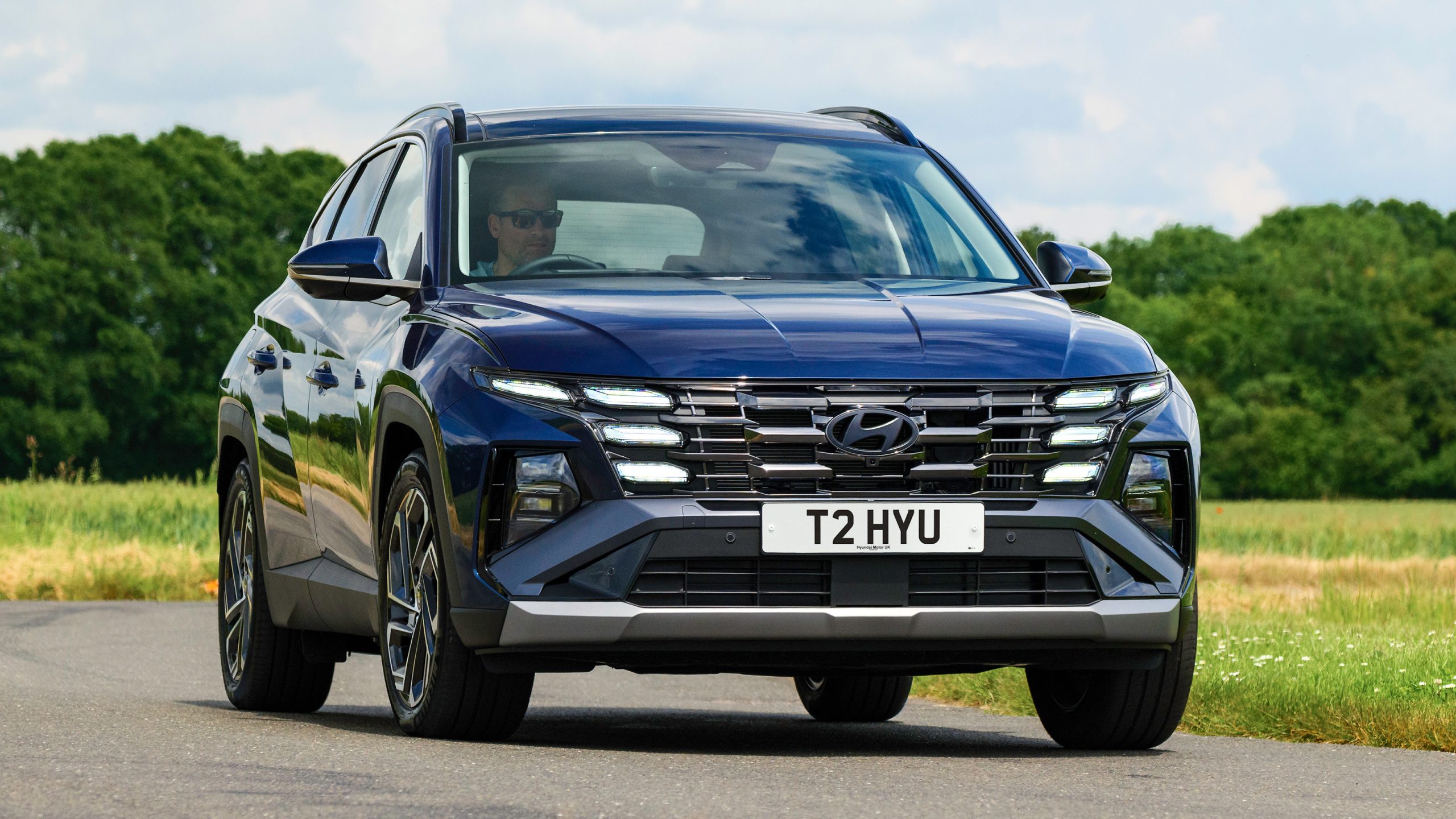
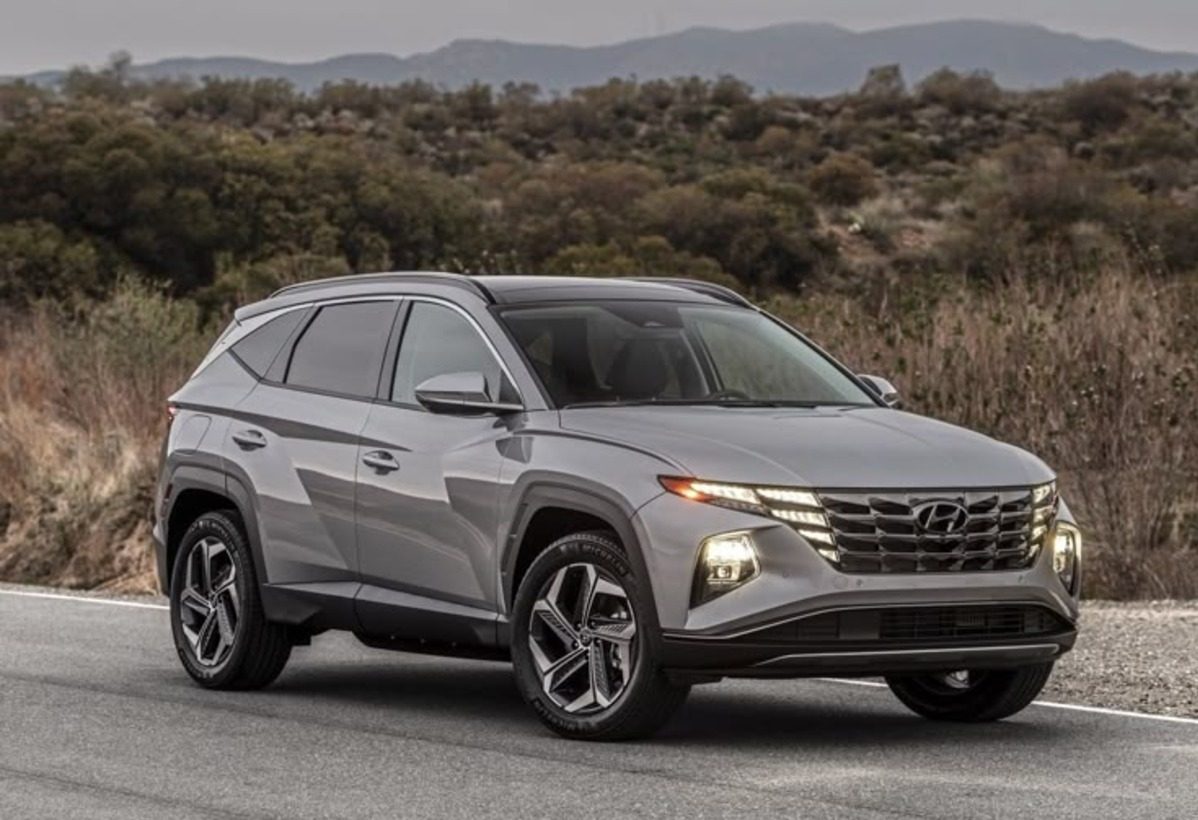
5. Hyundai Tucson — The Underdog That’s Gaining Serious Ground
The Hyundai Tucson may not have always enjoyed the same instant brand recognition as a Toyota or Honda, but over the past decade, it has rapidly grown into a serious contender in the used crossover space. Thanks to Hyundai’s major investments in design, quality, and technology, the Tucson has emerged as one of the most appealing and fast-selling used crossovers on the market today.
For buyers seeking value without sacrificing features, the Tucson often sits at the top of the shortlist. And for dealers, it represents one of the few non-Japanese compact crossovers that consistently hold their own in terms of resale speed and customer satisfaction.
One of Tucson’s biggest strengths is its value proposition. Hyundai offers more features for the price than just about anyone in the segment. Used buyers often find that they can afford higher trims—complete with heated seats, panoramic sunroofs, premium audio, and advanced driver assistance systems—at a price point that would only get them base models in a competing brand.
That sense of getting “more for less” is a huge psychological win for budget-conscious shoppers, and it’s a major reason why used Tucsons sell quickly, especially in urban and suburban markets.
Hyundai’s design evolution has also played a big role in the Tucson’s rising appeal. Starting with the 2016 model year and especially with the bold redesigns post-2020, the Tucson began to shake off its image as a generic crossover. Instead, it became one of the most stylish options on the road.
Sharp lines, LED lighting, and an assertive stance give it a modern look that resonates with younger buyers and style-conscious families alike. This curb appeal drives foot traffic, and many used buyers report falling in love with the Tucson at first sight, even before learning about its features.
The Tucson also benefits from Hyundai’s long warranty coverage, which often carries over when sold used. A five-year/60,000-mile basic warranty and a 10-year/100,000-mile powertrain warranty (for the original owner, and sometimes transferable depending on conditions) means many used Tucsons still have significant coverage left.
That extra layer of protection gives peace of mind to buyers wary of unexpected repairs, making it easier for dealers to close sales. Combined with relatively low maintenance costs and strong parts availability, this makes the Tucson a less risky buy for both dealer and consumer.
For dealers, the Tucson has become something of a secret weapon. It’s affordable to acquire, often in good condition due to its younger ownership base, and it moves quickly with the right marketing. Clean examples don’t linger on the lot for long, especially if they come from the most recent design cycles.
The perception of Hyundai as a “budget brand” has faded, replaced by growing respect for its innovation and quality. In the used market, where buyers often care more about condition and features than brand prestige, the Tucson delivers a compelling package—one that continues to fly off the lot.
5 Used Crossovers That Dealers Won’t Touch
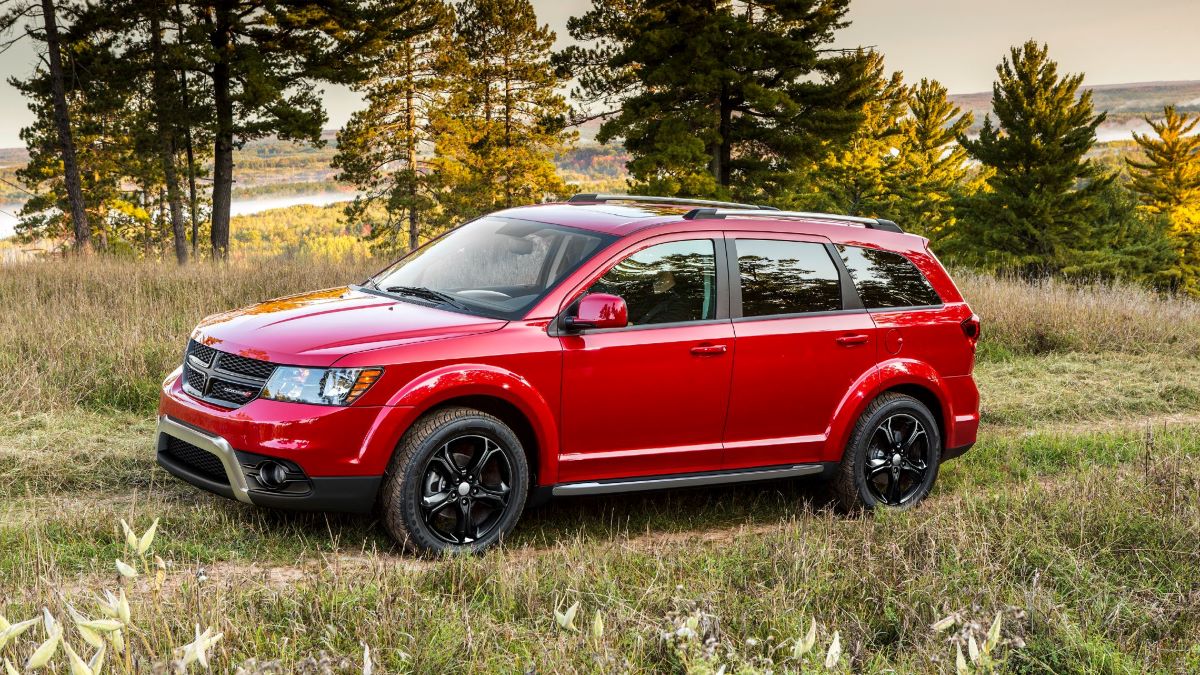
1. Dodge Journey — The Definition of Dated
Few crossovers have worn out their welcome in the used market quite like the Dodge Journey. When it first debuted in 2009, the Journey offered a compelling combination of space, affordability, and available three-row seating.
But while competitors evolved, the Journey stagnated, eventually becoming one of the most outdated vehicles on the road by the time it was discontinued in 2020.
Many used car shoppers today aren’t even aware the Journey was sold that recently, due to how aged and barebones its design had become by the end. For dealers, this model represents a major gamble with minimal upside.
One of the biggest problems with the Journey is its outdated mechanics. Even well into the 2010s, the base model was saddled with a 2.4-liter four-cylinder engine paired to a four-speed automatic transmission—technology that was already behind the times a decade prior.
That powertrain combination is both underpowered and inefficient, leading to frustrating real-world performance and lackluster fuel economy. The optional V6 improved things slightly but came with higher maintenance costs and did little to resolve the vehicle’s overall shortcomings. Buyers who test-drive a Journey after looking at a RAV4 or CR-V are often shocked by the difference.
Inside, the Journey’s interior was equally disappointing. Early models suffered from cheap plastics, outdated infotainment, and limited tech integration, while later models failed to modernize in any meaningful way. Even when competitors were offering digital dashboards and touchscreen controls as standard, the Journey still leaned heavily on button-heavy interfaces and unimpressive materials.
For modern used car buyers—who now expect smartphone connectivity, safety tech, and refined interiors even in budget cars—the Journey feels like a relic from another era. Dealers know this and typically avoid stocking them unless necessary.
Reliability is another thorn in the Journey’s side. While not universally catastrophic, the model has enough recurring issues—such as faulty HVAC systems, electrical gremlins, and premature brake wear—that dealers often view them as ticking time bombs.
Add in the fact that many Journeys were sold to fleet customers or bought purely on price (often with minimal maintenance attention), and the pool of quality used examples gets even smaller. Dealers would rather avoid the headache than roll the dice on a vehicle with such an uncertain track record.
Finally, the resale value—or lack thereof—makes the Journey a poor business move. Even low-mileage units struggle to sell without deep discounts, and they often require significant reconditioning to be lot-ready.
Buyers in the used market are far more informed than they were 15 years ago, and many actively avoid the Journey based on online reviews and ownership forums. As a result, most dealers either lowball these vehicles during trade-ins or send them directly to auction, hoping to offload them with minimal loss.
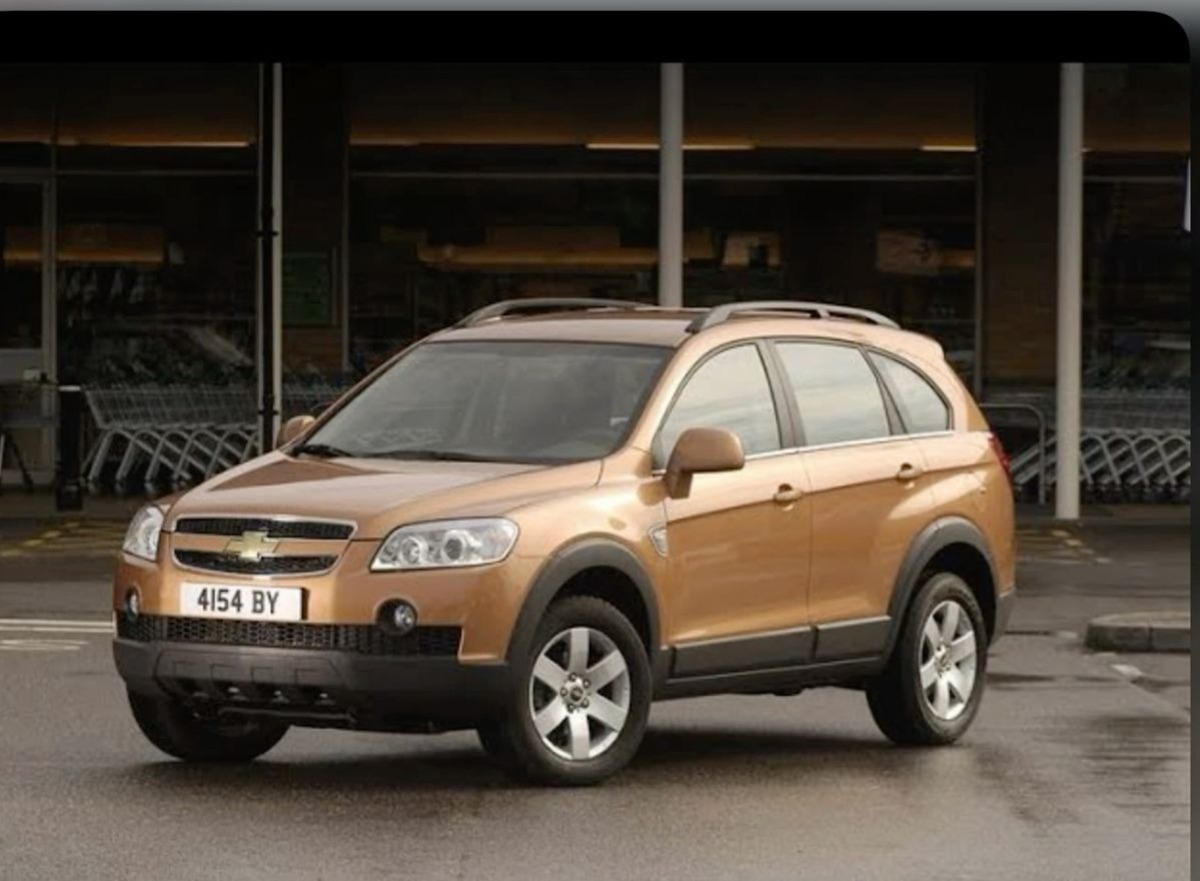
2. Chevrolet Captiva Sport — The Rental Fleet Ghost
The Chevrolet Captiva Sport is a crossover that many shoppers have never heard of—and for good reason. It was never sold to the public through traditional dealership channels. Instead, GM brought the Captiva Sport to the U.S. as a fleet-only vehicle, mostly intended for rental car companies between 2012 and 2015.
Built on an outdated Saturn Vue platform, the Captiva was essentially a stopgap product during GM’s post-bankruptcy reorganization. Today, it haunts the used market as an oddball, often showing up with high miles, questionable maintenance history, and minimal buyer demand.
Because the Captiva Sport was fleet-only, the majority of units in the used market come with high mileage and hard use. Rental cars tend to endure more wear and tear than privately owned vehicles, and they often receive only the bare minimum in maintenance.
Dealers who accept a Captiva Sport on trade know they’re getting a vehicle that’s likely been flogged for years by a revolving door of drivers who didn’t care about long-term condition. That immediately raises red flags for any lot that takes vehicle quality seriously.
Another strike against the Captiva Sport is its complete lack of brand support or public familiarity. It doesn’t have the name recognition of a CR-V or even a Ford Escape, which makes it a tough sell even if it’s in decent shape.
Most shoppers aren’t actively searching for a Captiva Sport—in fact, many don’t even know what it is. That leads to stagnation on the lot, where these vehicles often sit unsold unless they’re heavily discounted. Even then, savvy buyers can easily find better options at similar price points.
Mechanically, the Captiva Sport wasn’t a complete disaster, but it wasn’t exactly robust either. It came with a 2.4-liter inline-four engine paired to a six-speed automatic transmission, and while that powertrain was common in other GM products, it didn’t shine in the Captiva.
Many units suffer from oil consumption issues, transmission shudder, and a host of electrical faults that can be expensive to diagnose and repair. Because GM never truly backed the model in its marketing or dealer network, parts availability and service knowledge can be surprisingly scarce for such a recent vehicle.
For dealers, the bottom line is simple: the Captiva Sport is a dead-end vehicle. It doesn’t bring in traffic, has poor resale performance, and carries a lot of mechanical uncertainty. Most respectable dealers send these cars to auction the moment they come in, often taking a loss just to clear them from inventory. It’s a reminder that not all GM products are created equal—and that some fleet leftovers are best left in the past.
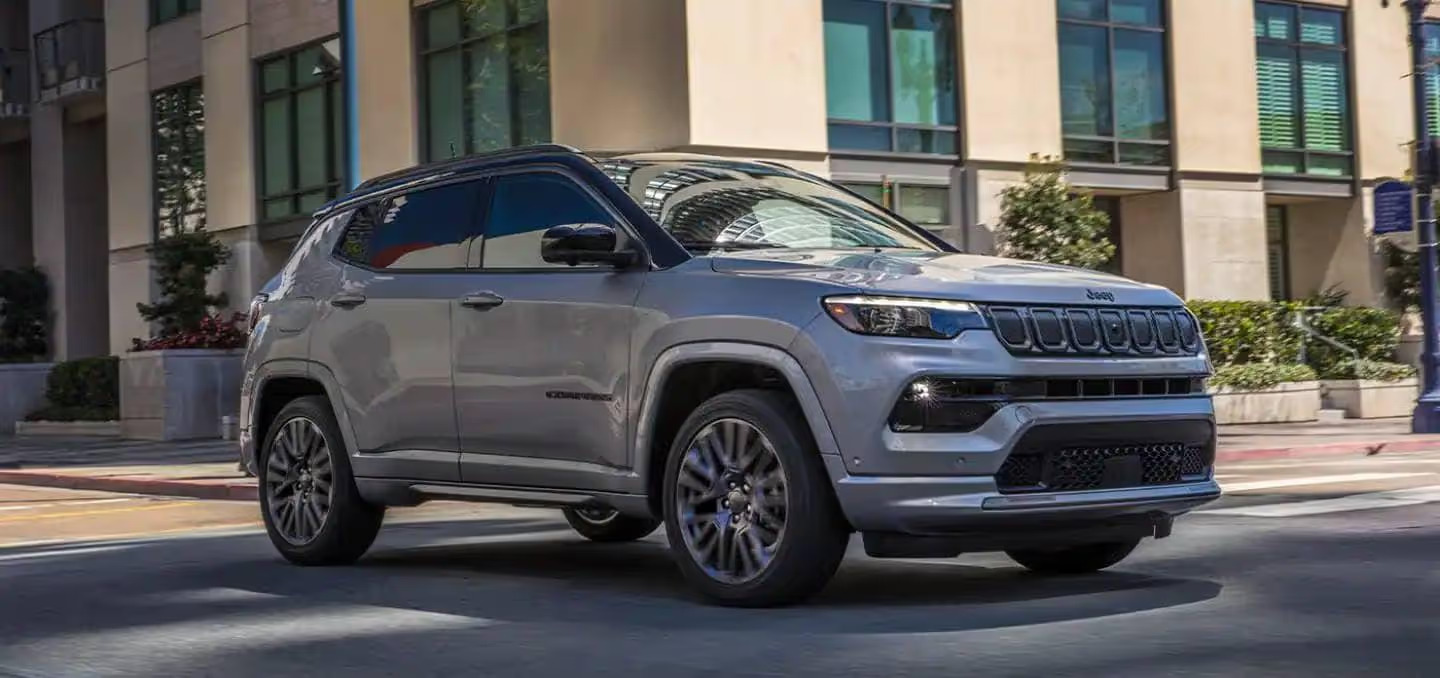
3. Jeep Compass (Pre-2017) — A Compact Crossover That Missed the Mark
The Jeep Compass, particularly the first-generation model produced between 2007 and 2016, is a textbook example of a vehicle that failed to deliver on its brand promise.
While it wore the Jeep badge—a name associated with rugged adventure and off-road credibility—the Compass was largely seen as a compromised, underwhelming entry into the compact crossover segment. It was built more for cost-cutting than capability, and the results were plain to see. Even years later, these pre-2017 models remain difficult to sell, and most dealers would rather avoid them altogether.
One of the Compass’s biggest shortcomings was its uninspiring powertrain. Most early models came equipped with a 2.0- or 2.4-liter inline-four engine mated to a CVT (continuously variable transmission). The result was sluggish acceleration, drone-heavy performance, and poor real-world fuel economy relative to competitors.
Buyers expecting any sort of “Jeep DNA” in the driving experience were routinely disappointed. The Compass was never sporty, never truly off-road capable (except in the rare Trailhawk trims), and not particularly smooth or quiet on pavement either.
Interior quality also left much to be desired. Hard plastics, cheap upholstery, and outdated infotainment systems were the norm well into the 2010s. While Jeep tried to refresh the Compass several times during its first generation, the improvements were mostly cosmetic.
Buyers and reviewers alike noted that the interior felt years behind the competition, which limited its appeal even in the budget-friendly segment. For used car buyers accustomed to better-equipped Hyundais or Kias, the Compass simply didn’t hold up.
Reliability was another Achilles’ heel. Owners commonly reported issues with the transmission, suspension components, and electrical systems. While not all Compass models were problematic, the inconsistency in build quality left a bad taste in the mouths of many first-time Jeep buyers.
That reputation still lingers today. Most used car buyers have either read about or experienced someone else’s Compass woes, and that makes it a hard sell on any lot. Even aggressive pricing often isn’t enough to sway a cautious shopper.
From a dealership perspective, the Compass is a risky acquisition. While newer models from 2017 onward have dramatically improved in quality, the first generation remains toxic inventory. They often require more reconditioning than they’re worth, and customer interest is usually minimal.
Unless a dealer is targeting a very specific budget segment, the Compass rarely justifies the space it takes up on the lot. Most are quietly shuffled off to auction or low-end wholesalers.
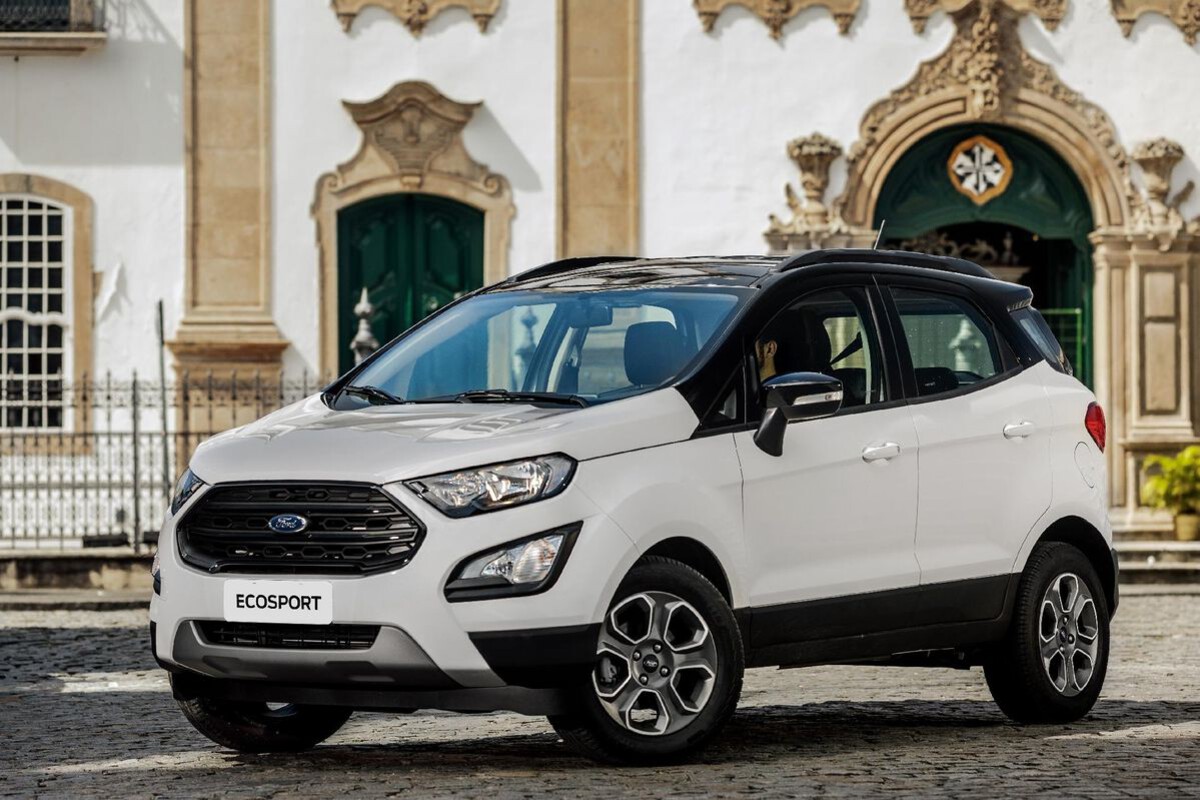
4. Ford EcoSport — A Subcompact Misstep
The Ford EcoSport arrived in the U.S. market in 2018, well after it had been on sale internationally. Originally designed for emerging markets, the EcoSport was Ford’s attempt to capitalize on the growing subcompact SUV trend in America.
Unfortunately, it never quite hit the mark. Buyers and reviewers alike criticized its cramped interior, outdated engineering, and awkward styling.
Fast forward just a few years, and the EcoSport has become a vehicle that dealers are eager to avoid on trade-in or resale. Its discontinuation in 2022 only confirmed what many in the industry already knew: the EcoSport was a swing and a miss in the U.S. crossover space.
One of the most persistent issues with the EcoSport is its underwhelming performance. The base engine—a 1.0-liter turbocharged three-cylinder—was laughably underpowered for American roads, especially when trying to merge or pass at highway speeds. Even the optional 2.0-liter four-cylinder with AWD didn’t offer much improvement in responsiveness or refinement.
Fuel economy wasn’t particularly competitive either, which was disappointing given the small size and light weight of the vehicle. Drivers expecting a zippy, efficient commuter were often left frustrated by the EcoSport’s lethargy and unrefined transmission behavior.
Interior quality didn’t help its case either. While Ford made efforts to include modern infotainment features like Apple CarPlay and Android Auto, the rest of the cabin felt cheap and cramped. The rear seat was tight even for average-sized adults, and cargo space was oddly shaped and less usable than it appeared on paper.
The side-hinged rear door, instead of a traditional liftgate, was a quirky feature that quickly became an annoyance in everyday use, particularly in tight parking spaces. It was a design choice that felt out of place in a segment where functionality is paramount.
From a reliability standpoint, the EcoSport hasn’t been a disaster, but it hasn’t impressed either. Owners have reported a wide range of issues, including electrical glitches, rough idling, and strange drivetrain noises, especially in higher-mileage examples.
Because it shared parts with other global Ford vehicles that were never sold in the U.S., repairs can sometimes be more complicated or costly than buyers expect. Combine that with a dwindling number of factory-backed warranty options post-2022, and you have a vehicle that makes used buyers (and dealers) hesitate.
Dealers typically view the EcoSport as a car that sells only with deep discounts—and even then, it’s usually a last resort for buyers desperate for something cheap with a crossover badge.
Inventory turnover is slow, and profit margins are thin due to the aggressive pricing needed to compete with more desirable options like the Honda HR-V or Mazda CX-30. For many dealers, accepting an EcoSport on trade is a matter of charity rather than strategy. With a saturated market and little interest from educated shoppers, most dealers would rather pass and wait for a vehicle that stands a fighting chance.
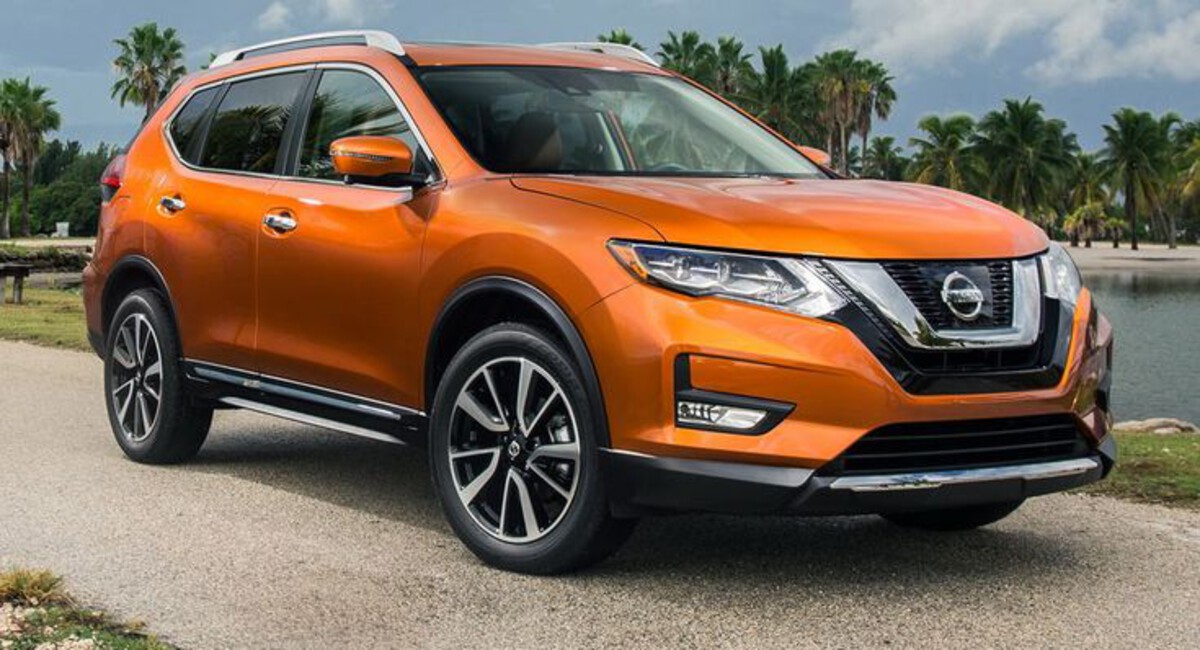
5. Nissan Rogue (CVT Era) — A Reputation Problem on Wheels
On the surface, the Nissan Rogue looks like a winner. It’s one of the best-selling compact crossovers in America, and it often tops the sales charts in its class. However, there’s a massive asterisk attached—especially when you’re talking about used Rogues produced between roughly 2013 and 2019.
These models are plagued by well-documented issues with their continuously variable transmissions (CVTs), and that one flaw alone has caused a widespread loss of consumer confidence. Today, many dealers approach used Rogues from this era with extreme caution, if not outright avoidance.
The CVT issue is not just anecdotal. Thousands of owners have reported transmission failures at relatively low mileage, sometimes even under 60,000 miles. Lawsuits and class-action settlements followed, and while Nissan did extend the CVT warranty in some cases, that hasn’t erased the long-term damage to the model’s reputation.
In the used market, this translates to buyer hesitation. Even when priced aggressively, used Rogues are often bypassed in favor of alternatives with more reliable transmissions. And when a vehicle becomes infamous for such a costly flaw, it turns into inventory that dealers are reluctant to carry.
Beyond the transmission, the Rogue’s performance was never particularly strong. The 2.5-liter engine was adequate but uninspiring, and the CVT tended to exaggerate engine noise and reduce responsiveness under acceleration.
The overall driving experience was described by many as numb or disconnected, making it less appealing than competitors like the Mazda CX-5 or even the Subaru Forester. While the Rogue was serviceable for commuting and errands, it never generated the kind of positive emotional response that helps used cars move off lots quickly.
Interior quality was a mixed bag. On one hand, the Rogue offered decent space and a quiet ride. On the other, many models were built with cheaper plastics and thin seat cushioning, particularly in lower trims. The infotainment systems aged quickly, and base models were often devoid of features that became standard in the competition.
While top trims like the SL or Platinum were more appealing, they still carried the baggage of the unreliable CVT and poor resale reputation. Even with the availability of third-row seating in some models, most buyers preferred to go with a larger, more capable SUV.
For dealers, the Rogue is a calculated risk—and many choose to avoid the gamble. If they do take a Rogue on trade, it’s often with a steep markdown or as a vehicle destined for auction. The cost of reconditioning a used Rogue with transmission issues can quickly erase any potential profit, and that’s assuming it sells at all.
Online reviews, owner forums, and past buyer experiences have created a feedback loop that suppresses demand. In today’s market, where information is just a Google search away, vehicles like the CVT-era Rogue are harder than ever to offload without significant incentives or luck.
ALSO READ: 5 Trucks That Don’t Sag With Towing and 5 That Shouldn’t Be Used to Haul Anything
As the automotive landscape continues to shift toward crossovers, it becomes increasingly important to separate the truly dependable models from the ones that are all show and no substance. The used car market has always been a place where reputations are made—or broken—and in the case of crossovers, the stakes are especially high.
Buyers are often investing in what will become their daily driver, their family hauler, or their weekend adventurer. For these people, reliability isn’t just a preference—it’s a necessity. That’s why certain crossovers continue to dominate used sales charts year after year, while others quietly fall out of circulation.
The five used crossovers that sell fast—Toyota RAV4, Honda CR-V, Subaru Outback, Mazda CX-5, and Hyundai Tucson—have all earned their stripes through a combination of smart engineering, real-world practicality, and strong brand trust.
They’re not always the most exciting vehicles on the road, but they check every box that matters to the average buyer: low maintenance costs, fuel efficiency, strong resale value, and ease of ownership.
These models have built their reputations over time, not with marketing gimmicks but with consistent, dependable performance. When a dealer gets one of these on their lot, they know it won’t be there for long. That’s not luck—that’s the power of trust built across millions of miles.
On the other side of the spectrum, we have the cautionary tales—the Dodge Journey, Chevrolet Captiva Sport, Jeep Compass (pre-2017), Ford EcoSport, and Nissan Rogue (CVT-era). These are the models that might look fine on the surface but come loaded with baggage.
Mechanical problems, outdated design, poor fuel economy, or a reputation for unreliability can doom a vehicle’s resale prospects for years. Even when priced aggressively, these crossovers often sit on dealership lots with no takers.
For a dealer, that kind of inventory becomes a liability. And for a buyer, it can become a costly mistake—one that involves unexpected repairs, reduced trade-in value, and a constant sense of regret.
The lesson here isn’t just about which crossovers to buy or avoid—it’s about understanding why certain vehicles succeed in the used market and others don’t. Reputation matters. Engineering integrity matters. Long-term support and parts availability matter. Buyers today are more informed than ever, and they know how to separate marketing fluff from real-world results.
Forums, consumer reviews, and vehicle history reports have become part of the standard buying process, and any model with a troubled past will have a hard time escaping it. In this environment, trust becomes currency, and the brands that have earned it will continue to thrive.
Dealers, too, are adjusting. They’re not just looking at miles and model years anymore—they’re evaluating service records, ownership trends, and long-term costs.
A Toyota with 120,000 miles might still be more desirable than a Dodge with half that number, simply because of the confidence it inspires. And savvy buyers are following suit. The smartest used car shoppers today know that the best value isn’t always the lowest sticker price—it’s the combination of performance, durability, and peace of mind.
As crossovers continue to dominate the market, the divide between the winners and losers will only become more pronounced. Models that can stand the test of time, with engines that last and cabins that age gracefully, will continue to sell quickly. Those that were built to a price, plagued by engineering shortcuts or short-term thinking, will keep gathering dust on the margins.
In a marketplace that prizes reliability and functionality over flash, only the best crossovers earn the privilege of being called “fast sellers.”
