
In today’s automotive market, affordability often stands as one of the most crucial deciding factors for buyers, especially those seeking their first car, a reliable daily commuter, or an economical option for family transport.
The promise of a budget-friendly vehicle with a respectable build quality is highly appealing—buyers want a car that offers not only value in terms of price and fuel efficiency but also durability, comfort, and a sense of solidity akin to more expensive models. However, affordability in the car market is a double-edged sword.
While many manufacturers strive to maintain competitive pricing, the reality is that not all budget cars are created equal when it comes to build quality and craftsmanship. For every affordable car that boasts impressive dealer-level build standards, some struggle with rattles, squeaks, and noises right out of the showroom, undermining owner confidence and satisfaction.
The modern automotive landscape is heavily shaped by consumer expectations and evolving manufacturing technologies. As global competition intensifies, carmakers are forced to balance cost-cutting measures with quality control and innovation. This delicate balancing act is most evident in the compact and subcompact segments, where affordability often clashes with build quality.
While some manufacturers have managed to deliver vehicles that punch well above their weight in terms of refinement and durability, others have produced cars that are plagued by cheap materials, inconsistent assembly, and design compromises that result in rattling interiors and creaky exteriors. These issues not only affect the driving experience but also impact long-term reliability, resale value, and brand reputation.
Understanding the spectrum of build quality within affordable cars is essential for prospective buyers who want to make informed decisions and avoid common pitfalls.
This article delves into two contrasting groups: five affordable cars that impress with dealer-level build quality, offering surprising solidity and refinement, and five affordable cars infamous for rattling from day one, exhibiting the pitfalls of cost-cutting and rushed assembly.
This comparison aims to highlight the importance of quality control and thoughtful design, even in budget vehicles, and provides insight into what consumers should look for beyond just the sticker price.
The first group—affordable cars with dealer-level build quality—showcases manufacturers who have invested in quality materials, precision assembly, and sound engineering to ensure their vehicles deliver a confident, comfortable, and quiet ride.
These cars often use enhanced sound insulation, tightly controlled panel gaps, durable interior trims, and robust mechanical components that minimize noise, vibration, and harshness (NVH). For buyers on a budget, these vehicles offer peace of mind that their car will feel well-built, maintain comfort during daily commutes, and hold up better over time.
These models prove that affordability does not have to come at the expense of craftsmanship, and they set a benchmark for competitors in the segment. On the other side of the spectrum are cars that sadly fail to meet these expectations. The second group, affordable cars that rattle from day one, reveals the common consequences of aggressive cost-cutting and subpar manufacturing processes.
In these vehicles, rattling isn’t just a minor annoyance; it signals deeper issues in material quality, assembly tolerances, and chassis rigidity. From loose interior trim pieces and poorly fitted panels to underwhelming soundproofing and suspension components that transmit road shocks harshly, these cars suffer from an immediate lack of refinement.
This not only affects the driver’s comfort but also can lead to increased maintenance visits and diminished resale values. For owners, the persistent rattles and noises become a constant reminder of the compromises made to hit a lower price point, eroding their overall satisfaction and trust in the brand.
By exploring the characteristics of both these groups, this article provides valuable insights for buyers seeking affordable vehicles that do not sacrifice build quality.
Whether it’s the solid feel of a car with dealer-level fit and finish or the frustrating experience of owning a vehicle plagued by rattles and creaks, understanding these differences can help consumers navigate the complex and often overwhelming automotive market.
Beyond mere aesthetics or performance metrics, build quality plays a pivotal role in the ownership experience, affecting everything from daily comfort to long-term reliability and cost of ownership. In the sections that follow, each car will be examined in detail, explaining the sources of build quality strengths or weaknesses and how they translate into real-world ownership experiences.
This holistic approach aims to empower readers with the knowledge needed to make smarter choices, avoid common pitfalls, and appreciate the value of good craftsmanship in affordable vehicles. After all, a well-built car not only lasts longer but also enhances the joy and confidence of driving, proving that quality and affordability can indeed coexist when manufacturers get it right.
ALSO READ: 5 Trucks That Don’t Sag With Towing and 5 That Shouldn’t Be Used to Haul Anything
5 Affordable Cars With Dealer-Level Build Quality
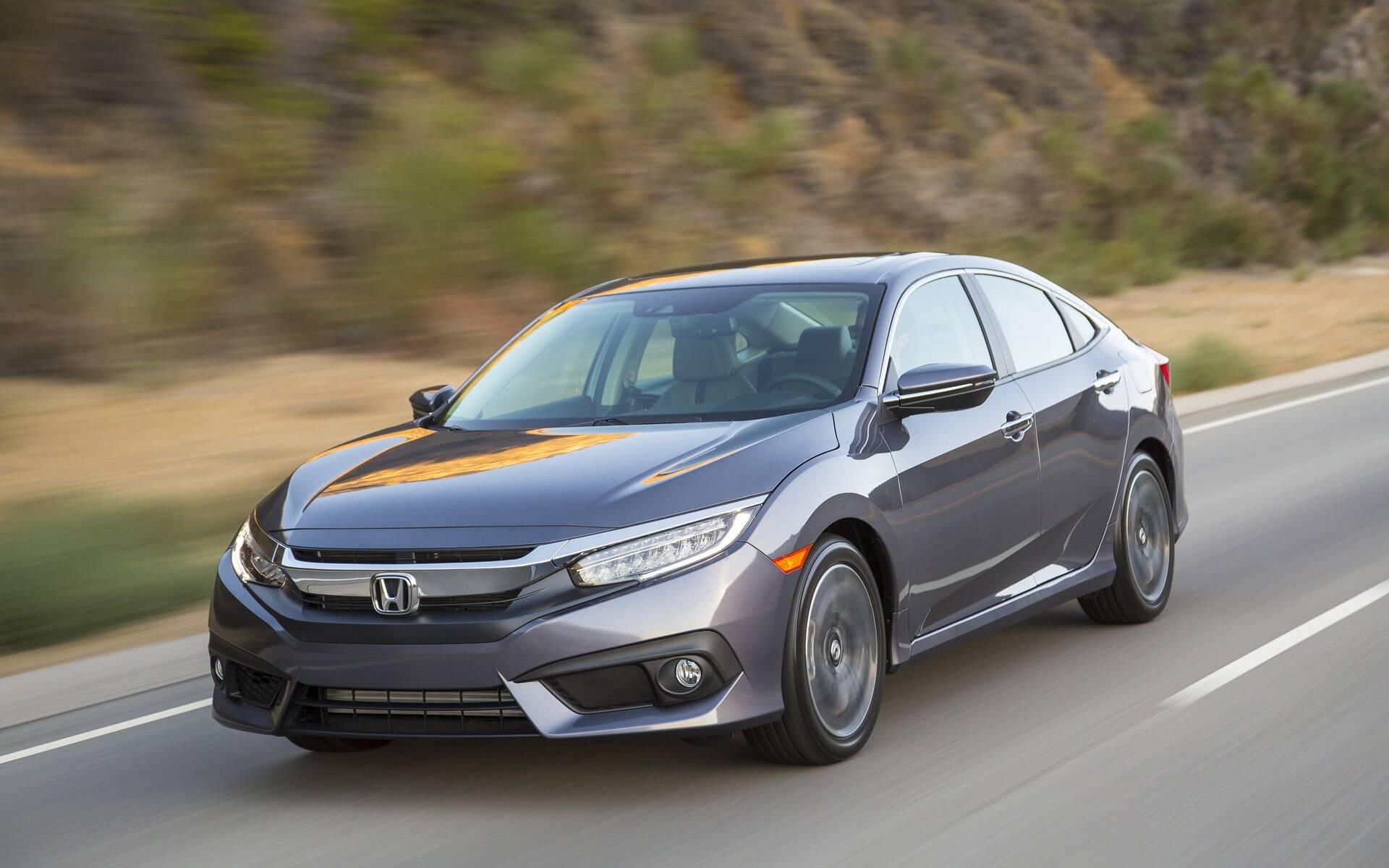
1. Honda Civic
The Honda Civic’s reputation for exceptional build quality among affordable vehicles is well deserved, standing as a shining example of how careful engineering and manufacturing precision can elevate a car far beyond its price point.
From the moment you approach the vehicle, the tightness of the panel gaps is immediately noticeable, a detail that speaks volumes about Honda’s commitment to quality control in the assembly process.
The body panels fit together with a level of consistency that rivals luxury models, which is something rarely found in this segment. The doors close with a reassuring solid “thunk,” a tactile and auditory cue that gives a sense of confidence and durability to the owner.
Moreover, this quality extends throughout the car’s exterior, where paint finishes are even and resilient, resisting chipping and fading better than many competitors.
The precision in manufacturing reflects Honda’s well-established reputation for longevity, meaning this vehicle is engineered to endure not only the rigors of daily driving but also years of weather and wear without losing its structural integrity.
Inside, the Civic’s cabin is a harmonious blend of durable materials and thoughtful design. The dashboard layout is intuitive, with controls that feel solid and well-made rather than flimsy or toy-like, which is a common pitfall in many budget cars.
Soft-touch materials cover the upper dash and door panels, adding a layer of refinement that enhances the tactile experience for both drivers and passengers.
Even the plastics used in less prominent areas are of high quality, resisting scratches, warping, or discoloration over time. The seats offer good support and are upholstered in fabric or leatherette options that don’t degrade prematurely.
Noise insulation is another area where the Civic excels — Honda has engineered the doors and windows with effective seals, and the firewall and floor mats have layers of sound-deadening material.
As a result, the cabin remains remarkably quiet, even when cruising at highway speeds, which greatly enhances comfort on long drives and reflects a build quality more commonly found in pricier sedans.
Beneath the surface, the Civic’s chassis is a triumph of engineering designed to balance comfort, handling, and safety. The unibody structure uses high-tensile steel reinforcements strategically placed to increase rigidity without adding excessive weight.
This design reduces body flex during cornering or sudden maneuvers, contributing not only to sharper handling but also to reducing squeaks and rattles that plague many less well-built cars.
The suspension system features MacPherson struts in the front and a multi-link setup in the rear, tuned to soak up road imperfections without transmitting harshness to the cabin. The robust build quality of the undercarriage also means fewer problems related to rust or corrosion, a significant advantage for drivers in harsher climates.
Collectively, these elements ensure that the Civic drives with a composed, planted feel, inspiring confidence whether navigating city streets or open highways. This structural integrity and refined suspension setup further reinforce the vehicle’s reputation for build quality that meets or exceeds dealer expectations.
From a long-term ownership perspective, the Civic’s solid build quality translates into a vehicle that retains its value and desirability. The strong resale value is a direct result of the car’s durable construction and reputation for reliability, attracting buyers who are confident they’re investing in a car that won’t fall apart after a few years.
Additionally, dealerships tend to see fewer warranty claims related to body or interior issues, allowing them to focus resources on regular maintenance and customer service rather than addressing premature defects. This improves the ownership experience significantly, as customers face fewer frustrations with rattles, squeaks, or trim pieces coming loose.
Overall, the Honda Civic is a testament to the fact that with meticulous attention to manufacturing detail and a commitment to quality engineering, an affordable car can deliver a driving experience and level of craftsmanship on par with models that cost significantly more.
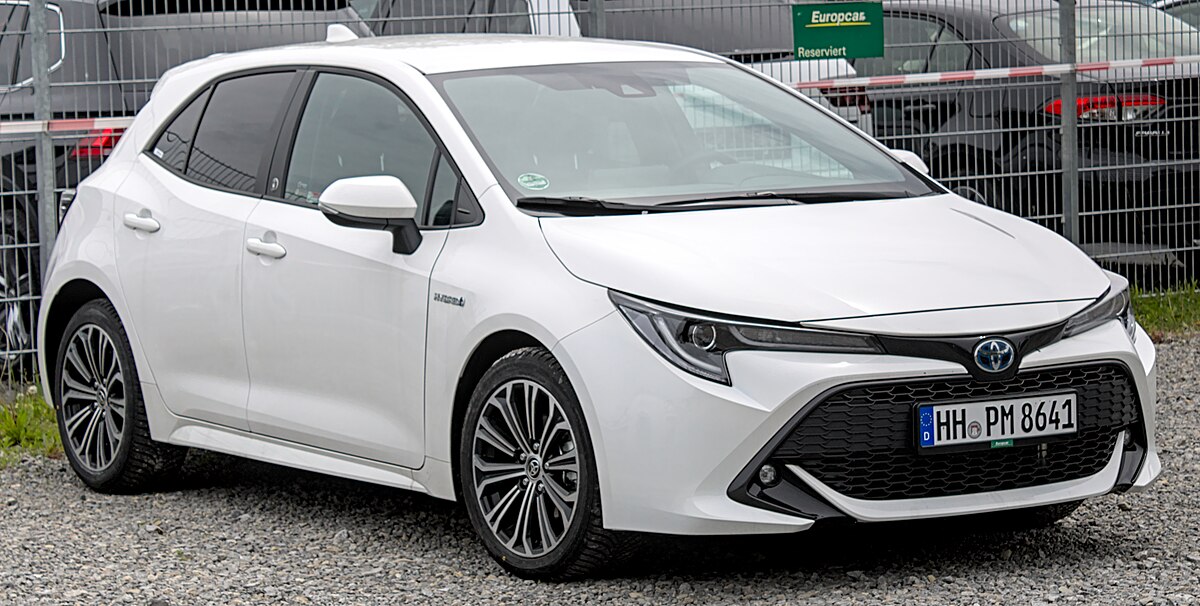
2. Toyota Corolla
The Toyota Corolla’s longstanding reputation for reliability is closely tied to its impressive build quality, which is often understated compared to flashier rivals but no less significant.
Toyota has invested heavily in advanced manufacturing techniques and quality control processes that ensure every vehicle leaving the assembly line meets strict standards for fit and finish.
The Corolla exhibits tight, even panel gaps that minimize wind noise and help protect against water intrusion, a key factor in the vehicle’s durability and owner satisfaction. The exterior paint is applied with precision, featuring multiple layers that protect against chipping and fading, which contributes to the car’s ability to maintain a fresh appearance over years of use.
Additionally, the hood, doors, and trunk lid close firmly and with minimal effort, a subtle but telling indicator of the overall build consistency that’s been baked into the vehicle’s design. These qualities ensure that the Corolla not only looks well put together but feels that way every time the owner approaches or operates it.
Inside, the Corolla’s cabin balances practicality with comfort and durability. The dashboard employs a combination of hard and soft materials that withstand daily wear and tear while maintaining an aesthetically pleasing appearance. The plastics are resilient and resistant to cracking or warping even after prolonged exposure to sunlight and temperature fluctuations.
The fitment of interior panels and trim pieces is notably precise, meaning that rattles or squeaks are rare and usually isolated to specific aftermarket modifications or unusual circumstances. Toyota’s designers have also paid attention to tactile feedback, ensuring that buttons, knobs, and switches have a firm, reassuring feel.
The seats offer generous support with materials that maintain their shape and comfort over long periods, contributing to an overall cabin environment that feels quiet and refined.
Complementing these physical qualities is a well-engineered sound insulation package. The Corolla’s engineers have implemented multiple layers of sound-deadening material throughout the floor, firewall, and doors, resulting in a remarkably hushed interior even at highway speeds or when driving over rough surfaces.
The Corolla’s underlying structure exemplifies Toyota’s focus on durability and safety. The unibody frame incorporates high-strength steel and reinforced crumple zones that not only enhance crash protection but also contribute to the vehicle’s overall stiffness and durability. This rigidity minimizes body flex and helps reduce unwanted noises that can arise from panel separation or shifting components.
The suspension system is carefully calibrated with a front MacPherson strut setup and rear torsion beam (in most trims), tuned to absorb bumps smoothly without sacrificing control. This results in a ride quality that feels composed, stable, and refined—important attributes that enhance driver confidence and comfort on both urban commutes and longer journeys.
The structural and suspension integrity also reduces wear and tear on components, which further extends the car’s longevity and reduces maintenance costs over time. This engineering focus means that the Corolla remains a favorite among dealers and owners alike for its reliability and solid feel.
From a dealership perspective, the Corolla’s consistent build quality significantly reduces warranty and service claims related to body or trim issues. Customers tend to enjoy trouble-free ownership with few complaints about rattles or premature wear, leading to higher customer satisfaction ratings.
This reliability encourages repeat business and fosters brand loyalty, as owners feel assured that their vehicle will remain dependable and pleasant to drive. The Corolla’s build quality also supports strong resale values, reinforcing its reputation as a smart financial choice in the compact segment.
Buyers can purchase the vehicle with confidence, knowing they’re getting a product that combines Toyota’s hallmark reliability with a level of craftsmanship that rivals more expensive competitors. In essence, the Corolla proves that an affordable, mass-market car can deliver a driving experience and build quality that feels much more refined than its modest price suggests.
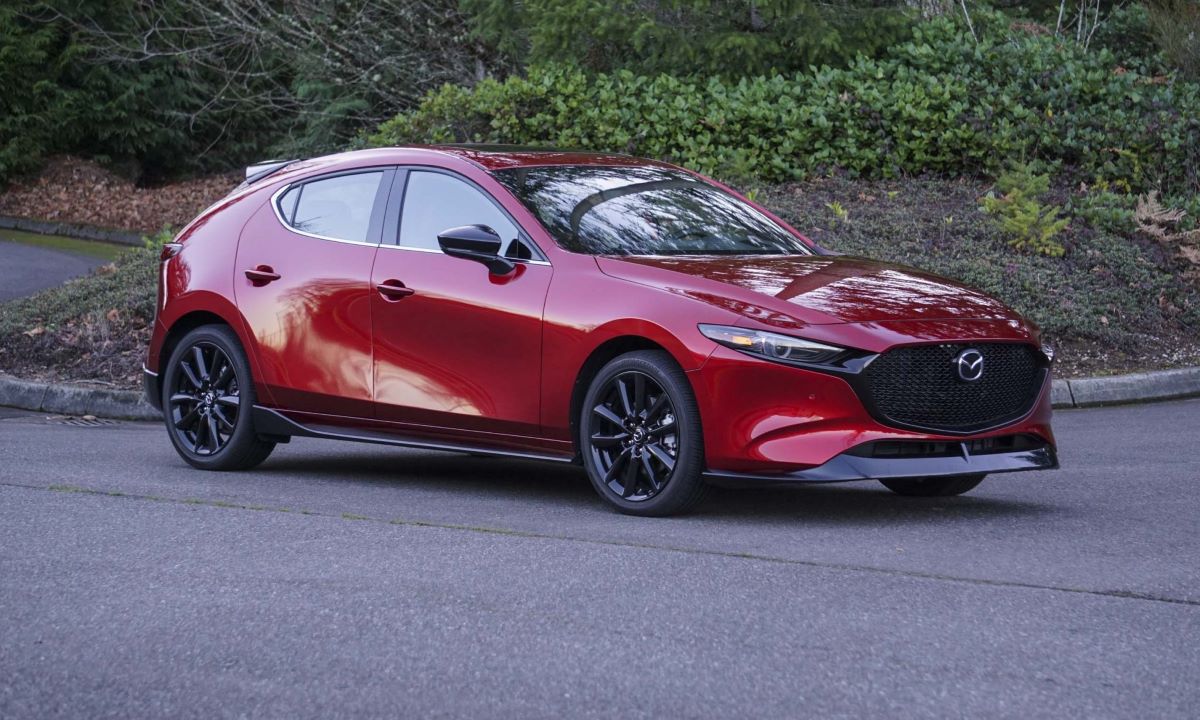
3. Mazda3
Mazda has carved out a unique position in the affordable car market by emphasizing driving dynamics and design sophistication, but perhaps even more impressive is its focus on build quality, especially as seen in the Mazda3.
From the exterior, the Mazda3 exudes a premium aura, characterized by carefully sculpted body lines and precisely aligned panels that signal the brand’s commitment to craftsmanship.
The paint finish is deep and glossy, benefiting from advanced multi-stage coating processes that ensure durability and resistance to environmental damage. When you run your hand along the doors or hood, the seamless transitions between panels suggest a level of precision more typical of luxury vehicles.
The door latches close with a firm, solid sound that underscores the car’s well-engineered structure and assembly. This high level of exterior fit and finish speaks to Mazda’s investment in advanced robotics and human quality checks during manufacturing.
Inside, the Mazda3’s cabin takes build quality to another level with an interior that feels upscale despite the compact car’s price tag. Soft-touch materials cover large areas of the dashboard and door panels, complemented by premium-style stitching that enhances the tactile appeal.
The center console and instrument cluster are laid out with driver-centric ergonomics in mind, and every button or dial feels sturdy and satisfying to use.
Unlike many affordable cars where interior plastics can feel cheap and prone to damage, the Mazda3 uses materials that maintain their integrity well over time, resisting fading, cracking, or becoming brittle. The seats offer generous bolstering and upholstery options that combine comfort with durability.
Additionally, the Mazda3 excels in sound insulation, with thick carpets, triple-seal door gaskets, and underbody shields all contributing to a quiet cabin. This attention to detail makes the Mazda3 feel more refined and substantial, setting it apart from many rivals in the compact segment.
Structurally, the Mazda3 benefits from Mazda’s proprietary Skyactiv architecture, which combines lightweight construction with enhanced strength. This platform uses high-tensile steel and strategic reinforcements to improve rigidity, resulting in better crash performance and a tighter, more connected driving experience.
This structural integrity also translates into fewer rattles and squeaks, as the body flex that typically causes these issues is minimized. The suspension system, featuring a strut front and multi-link rear setup, is tuned to deliver a blend of comfort and agility, absorbing road irregularities while maintaining precise handling.
This contributes to an overall feeling of solidity and quality that owners quickly notice. Additionally, the high build standards extend to the underbody and chassis components, which are protected against corrosion and damage, ensuring long-term durability.
From a dealership standpoint, the Mazda3’s build quality leads to fewer customer complaints and warranty repairs, enhancing owner satisfaction and reducing service costs.
Dealers often praise Mazda for delivering vehicles that require minimal post-sale fixes related to interior fitment or structural issues, allowing service departments to focus on routine maintenance rather than cosmetic or build-related problems.
The Mazda3’s strong resale value further reflects its durable construction and quality, attracting buyers who appreciate the balance of style, performance, and longevity. For those seeking an affordable compact car that feels premium in both build and driving dynamics, the Mazda3 remains a top contender that successfully bridges the gap between budget and luxury.
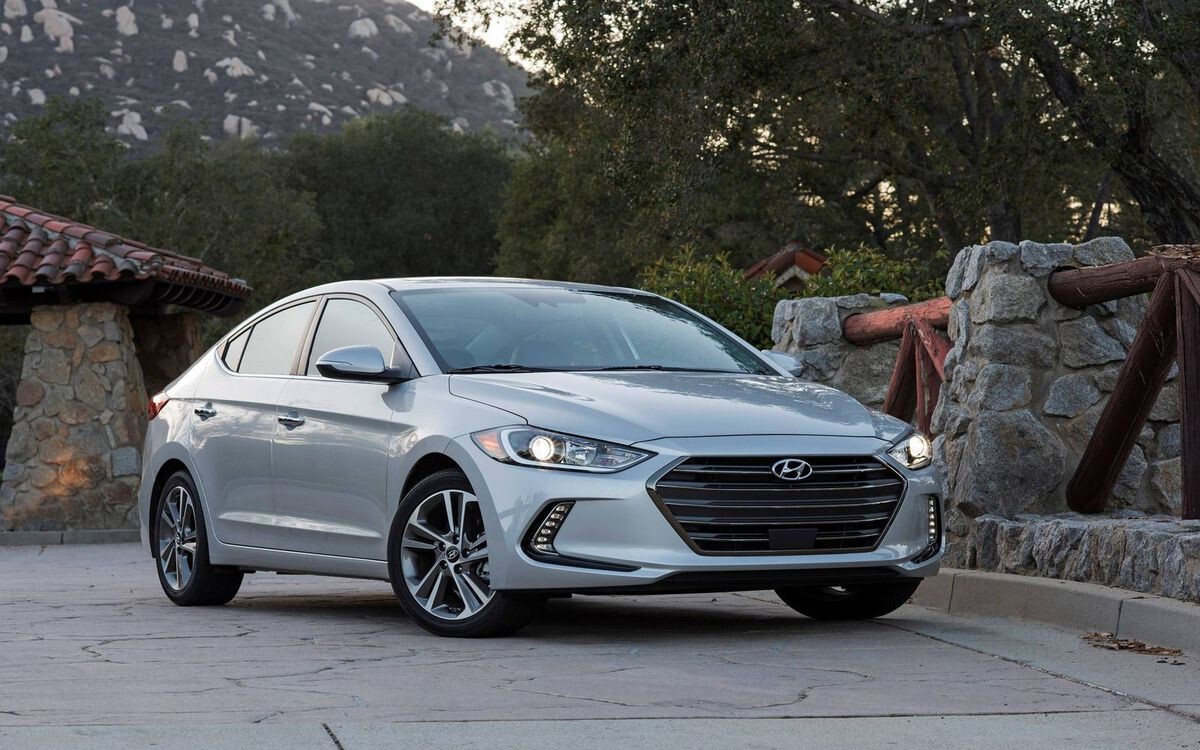
4. Hyundai Elantra
Hyundai’s rapid evolution over the past decade has dramatically raised the bar for what affordable cars can offer, and the Elantra is a prime example of this progress. Once criticized for subpar build quality, recent generations of the Elantra feature meticulous attention to detail, advanced engineering, and a level of fit and finish that rivals more expensive competitors.
From the outside, the Elantra boasts precise panel alignment and consistent, high-quality paintwork that resists chipping and fading over time. The body panels are tightly fitted, minimizing wind noise and preventing water ingress, which are common issues in lower-tier vehicles.
The doors, hood, and trunk close with a solid, satisfying thud, giving owners a tangible sense of durability and craftsmanship that inspires confidence. These exterior cues reflect Hyundai’s significant investments in manufacturing automation and quality control processes, including robotic welding and rigorous inspections at every stage.
Inside the cabin, the Elantra continues to impress with its high-quality materials and thoughtful assembly. The dashboard and door panels are covered in soft-touch surfaces that resist fingerprints and wear, and the interior layout is modern and user-friendly.
Hyundai has made a concerted effort to use premium-feeling plastics and metal-look accents that elevate the cabin’s ambiance. Trim pieces are securely attached with minimal gaps, which prevents annoying rattles and creaks over the life of the vehicle.
The seats offer good support and use durable upholstery that retains its shape and comfort. Hyundai has also focused on improving soundproofing in the Elantra, employing thick carpets, layered door insulation, and acoustic glass to reduce road and wind noise. This results in a quiet, comfortable environment that rivals some cars in the next price bracket up.
The Elantra’s structural engineering underpins its impressive build quality. The car is built on a platform that prioritizes stiffness and crash safety, using a combination of high-strength steel and reinforcements in key stress areas. This structural rigidity reduces flex and helps keep the cabin quiet and solid, even on uneven roads or during spirited driving.
The suspension system, which typically features MacPherson struts up front and a torsion beam or multi-link setup in the rear, depending on the trim, is calibrated to absorb bumps and vibrations effectively while maintaining precise handling.
This careful tuning enhances ride comfort and reduces the likelihood of squeaks and rattles from worn suspension components or chassis flex. The Elantra’s solid engineering also contributes to its durability, as key components experience less stress and wear during normal use.
From the perspective of dealerships, the Elantra’s improved build quality means fewer warranty claims related to noise, trim issues, or structural concerns.
This not only reduces repair costs but also improves customer satisfaction and brand loyalty. Hyundai’s comprehensive warranty coverage, combined with the car’s solid construction, gives buyers peace of mind that their investment is protected.
The Elantra’s strong resale value and positive owner feedback further reflect its transition from a budget bargain to a genuinely well-built, affordable compact sedan. For consumers seeking a vehicle that marries affordability with high-quality craftsmanship, the Elantra stands out as a compelling choice that offers much more than its price might suggest.
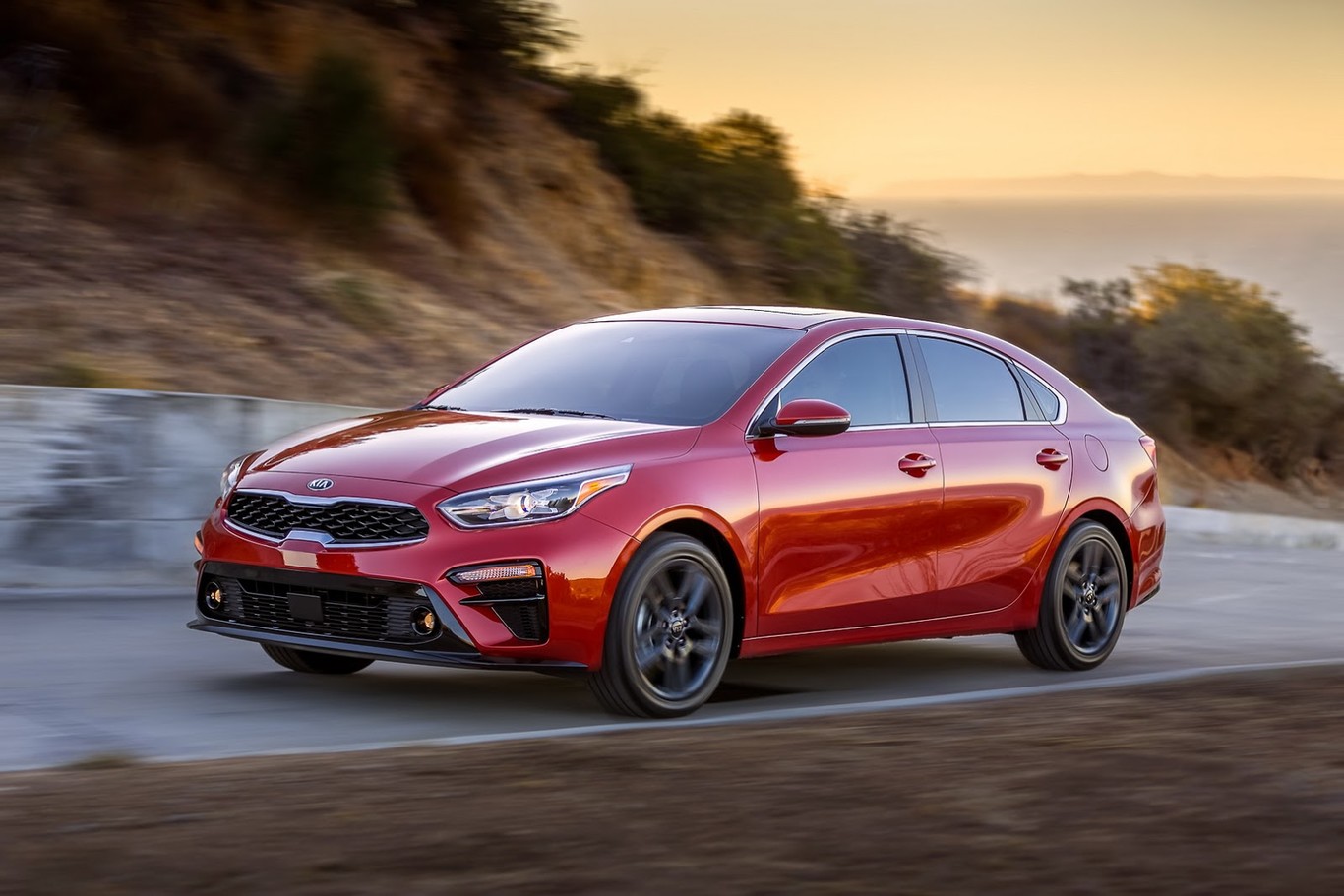
5. Kia Forte
Sharing much of its engineering and manufacturing DNA with Hyundai, the Kia Forte has emerged as one of the most compelling options in the affordable compact segment, largely thanks to its dealer-level build quality.
Kia has made substantial strides in recent years, shedding its reputation for cheap, plasticky interiors and instead delivering cars that feel well-engineered and durable.
The Forte’s exterior exemplifies this shift, with precise panel fitment, uniform paint application, and body panels that align without noticeable gaps. The doors and hood close firmly, emitting a solid sound that instills confidence in the vehicle’s overall structural integrity.
This high-quality assembly is a direct result of Kia’s investment in modern manufacturing technologies, including laser-guided welding and robotic assembly lines that minimize human error. These advancements ensure consistency across all units, which is especially important for mass-market models competing in a crowded field.
Inside, the Forte offers a surprisingly refined environment for its price point. The dashboard and door panels feature soft-touch materials that feel durable and premium to the touch, a notable upgrade over previous generations. The interior design balances aesthetics with practicality, incorporating well-secured trim pieces and high-quality plastics that resist cracking and wear.
The seats provide comfortable support, upholstered in fabrics or leatherette materials that maintain their appearance and texture over time.
Panel gaps inside the cabin are tight and consistent, reducing the risk of annoying rattles or squeaks developing over the life of the car. Kia also invests in sound insulation measures, such as thicker carpets, acoustic door seals, and underbody shields, which contribute to a quieter ride that rivals competitors at higher price points.
Structurally, the Forte’s platform is engineered for strength and durability, featuring reinforced steel sections and strategically placed bracing that enhances rigidity and crash protection. This reduces body flex and prevents noises caused by shifting panels or chassis movement.
The suspension system is tuned for a smooth ride, effectively absorbing road imperfections without sacrificing handling precision. This careful calibration ensures that the Forte maintains a solid, composed feel, which reinforces the perception of high build quality.
In addition, the components under the car, such as bushings and mounts, are designed to last longer and withstand daily wear, minimizing maintenance needs and preventing premature creaks or rattles.
From a dealer’s point of view, the Forte’s improved build quality translates into fewer warranty repairs related to trim or structural issues, allowing service centers to focus on routine maintenance and customer care. Customers appreciate the reduction in annoying rattles or interior noises, which contributes to a more pleasant ownership experience.
This enhanced build quality also positively impacts resale value, as buyers recognize the Forte as a durable, well-made vehicle that won’t require costly fixes down the line.
Overall, Kia’s Forte exemplifies how commitment to manufacturing excellence and quality control can elevate an affordable car to deliver a driving and ownership experience that feels much more premium than its price suggests.
5 Affordable Cars That Rattle From Day One
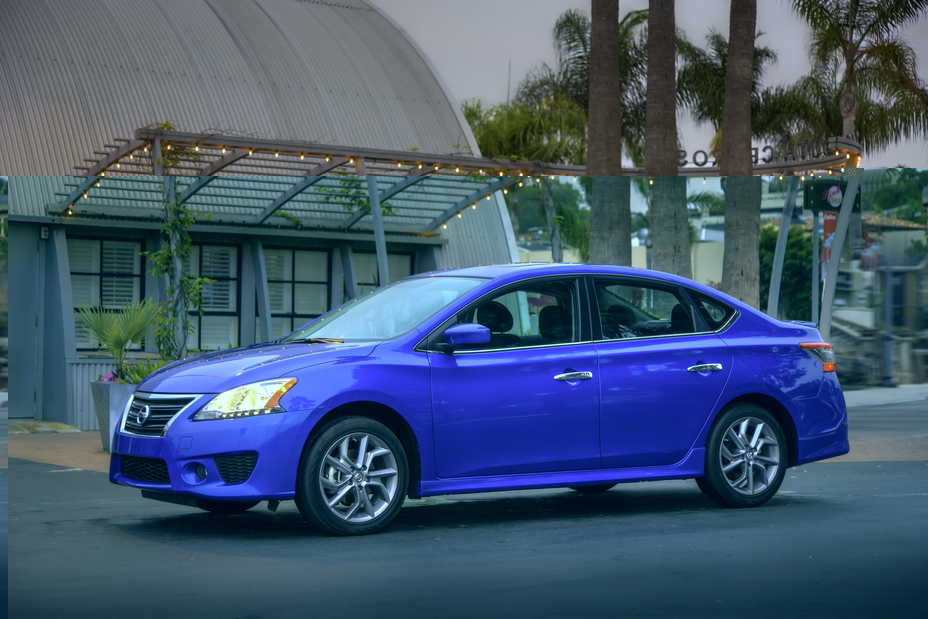
1. Nissan Sentra
Despite Nissan’s long-standing presence in the compact car market, the Sentra unfortunately falls short in the build quality department, particularly evident from the very first drive. Buyers often report rattles and squeaks emerging almost immediately, which can be attributed to several factors tied to the vehicle’s construction and material choices.
One of the most glaring issues lies in the interior fit and finish, where panel gaps and trim pieces are inconsistently aligned, leaving small spaces that allow components to move and vibrate against one another. The dashboard and door panels, often made from thinner plastics, are prone to flexing and generating noise when driving over rough or uneven roads.
This cheap feel is exacerbated by the use of hard plastics that resonate with every bump, turning what should be a quiet cabin into an echo chamber for rattles and creaks.
Additionally, poor adhesion or insufficient use of sound-deadening materials behind the panels means that even small imperfections in the road surface produce noticeable noise that distracts from the driving experience and wears on the nerves over time.
Externally, the Nissan Sentra doesn’t escape build quality criticisms. Panel gaps can be uneven, resulting in increased wind noise and a sense of looseness that belies the car’s price point. The hood and trunk may not always close with a solid, reassuring thud, sometimes producing rattles that seem to originate from ill-fitted latches or poorly installed trim clips.
Underneath, the plastic shields and mud flaps designed to protect the vehicle’s underbody are often secured with low-grade fasteners that loosen over time, adding to the chorus of rattles and vibrations. These issues are not only a nuisance but also signal a broader concern regarding the vehicle’s assembly and quality assurance processes.
The presence of rattles from the outset undermines the feeling of solidity that most buyers expect, especially when investing in a new car. Instead of providing confidence and comfort, the Sentra’s construction issues contribute to a driving experience that feels cheaper and less well-crafted than its competitors.
The root causes of the Sentra’s rattling problems extend to its underlying structure and suspension components. The car’s chassis design, while adequate in terms of safety, lacks the stiffness and refinement found in better-built rivals. This allows for more flex and movement, which translates into additional noise and vibration transmitted into the cabin.
The suspension setup, typically a front MacPherson strut and rear torsion beam, is tuned more for cost savings than refinement, resulting in harshness that accentuates road imperfections and shakes loose interior trim. Bushings and mounting points often show early signs of wear, exacerbating the tendency for parts to rattle or clunk during normal driving.
Owners also frequently report noises coming from the steering column or instrument cluster areas, likely due to insufficient tightening of screws or poor insulation around moving parts. Such build deficiencies make the Sentra a frustrating car to own, as these noises not only annoy occupants but also suggest potential durability issues down the road.
From a dealership and ownership perspective, the Sentra’s rattling problems have led to numerous complaints and warranty claims, putting additional strain on service departments. Many customers find that the rattles are difficult to pinpoint or permanently fix, as they stem from a combination of material quality, assembly tolerance, and structural design flaws.
This results in repeated visits to the dealership, where technicians must spend time chasing elusive noises rather than performing scheduled maintenance or upgrades. The negative impact on customer satisfaction is significant, as owners feel their concerns are either minimized or unresolved, damaging brand loyalty.
Furthermore, the Sentra’s reputation for rattles and noise problems depresses resale values and limits its appeal in the used car market. While the car may still deliver on basics like fuel economy and affordability, its lack of build quality and noisy interior make it hard to recommend for buyers seeking a truly refined driving experience.
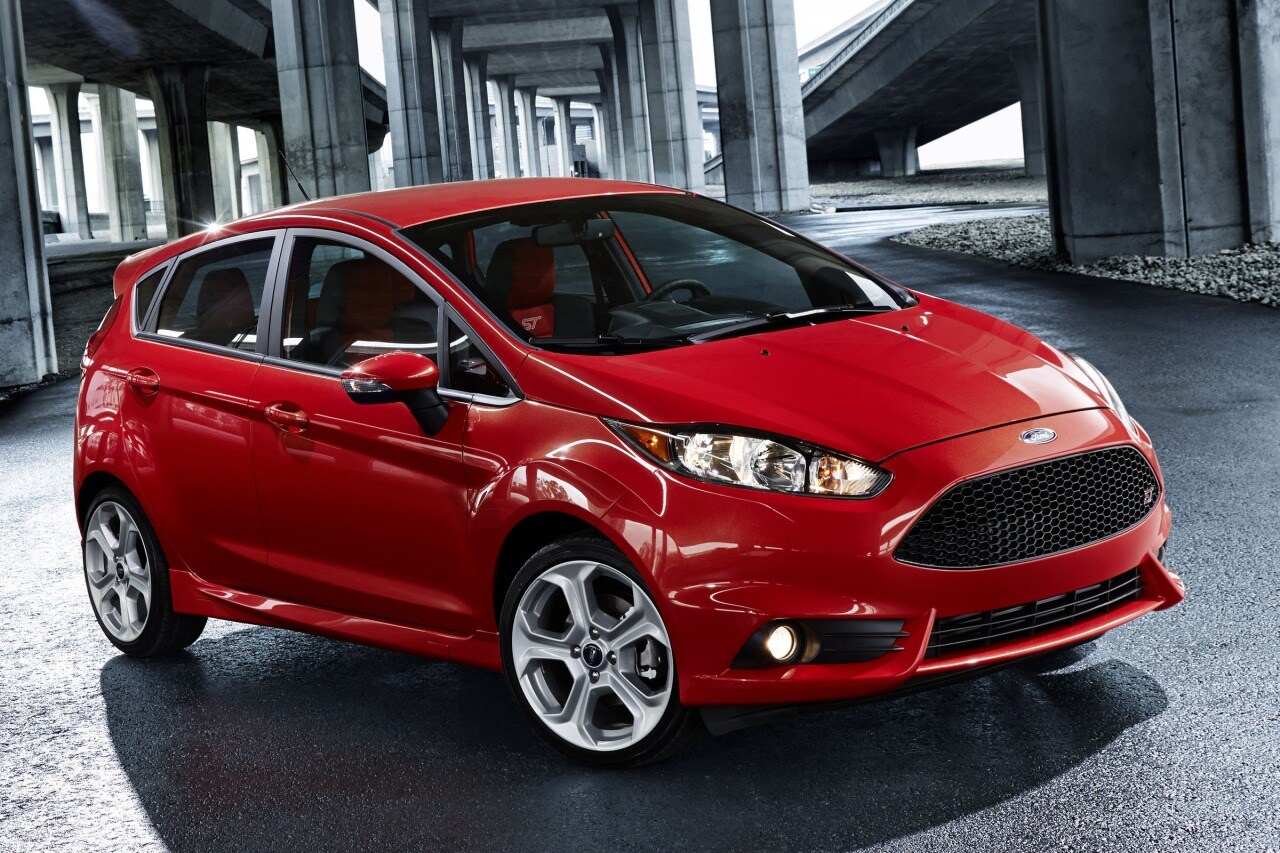
2. Ford Fiesta
The Ford Fiesta, a popular subcompact car in the affordable segment, unfortunately, suffers from well-documented build quality issues that manifest as rattles and creaks from the moment it hits the road. Although the Fiesta is praised for its agile handling and sporty character, the quality of its interior materials and assembly leaves much to be desired.
The cabin is frequently plagued by loosely fitted trim pieces that produce audible rattles with even the slightest vibrations. This is partly due to the use of low-cost plastic components that have minimal reinforcement or sound insulation. Over time, repeated flexing of these parts causes clips and fasteners to loosen, making the rattling worse.
The dashboard and door panels are especially susceptible, often creating a persistent background noise that compromises the overall driving enjoyment. These rattles are not isolated to specific trim levels either; they appear across the Fiesta lineup, from base models to more upscale trims, reflecting a systemic issue in manufacturing quality and design choices.
The exterior build quality of the Fiesta also leaves much to be desired. Uneven panel gaps, particularly around doors and the trunk lid, allow for water and wind noise intrusion, which further aggravates the already noisy cabin environment. The plastic underbody shields, intended to protect vital mechanical components, are often secured inadequately, resulting in parts vibrating loose and contributing to rattles.
In colder climates, where road salt and grime accelerate wear, these problems tend to worsen more quickly. Additionally, the trunk area sometimes exhibits creaking sounds caused by the loose fitting of interior panels or the rear hatch mechanism.
Such issues not only detract from the perception of quality but also raise concerns about the car’s long-term durability and structural soundness. Ford’s attempt to keep production costs low unfortunately manifests in compromises that undermine the Fiesta’s overall ownership experience.
Mechanically, the Fiesta’s suspension and chassis components contribute to its rattling woes. The car employs a front MacPherson strut suspension and a rear torsion beam, a configuration known for cost efficiency but less adept at isolating road shocks and vibrations.
This setup tends to transmit rough road feedback directly into the cabin, where it agitates loose trim and accelerates the deterioration of suspension bushings and mounts. Drivers often report creaks and clunks emanating from wheel wells and the undercarriage, indicative of premature wear or insufficient tightening during assembly.
Steering column noises and dashboard squeaks are also frequent complaints, often tied to the lack of robust insulation or fastening around these areas. The cumulative effect is a vehicle that feels less refined and more rattly than many of its competitors, which can frustrate owners who expect a higher level of quality in a new car.
From a customer and dealer standpoint, the Fiesta’s rattling problems have posed a significant challenge. Warranty claims related to noise complaints are common, leading to increased repair visits and customer dissatisfaction.
Technicians often struggle to isolate and permanently resolve the rattles because they can arise from a variety of sources, including panel misalignment, loose fasteners, or worn suspension components. This complexity can result in repeated repairs and frustrated customers who feel their concerns aren’t fully addressed.
Moreover, these build quality issues affect resale values and negatively influence potential buyers, who may view the Fiesta as a less desirable option despite its attractive price and sporty performance. While the Fiesta offers engaging driving dynamics, its persistent rattles and interior noises detract significantly from its overall appeal and reputation.
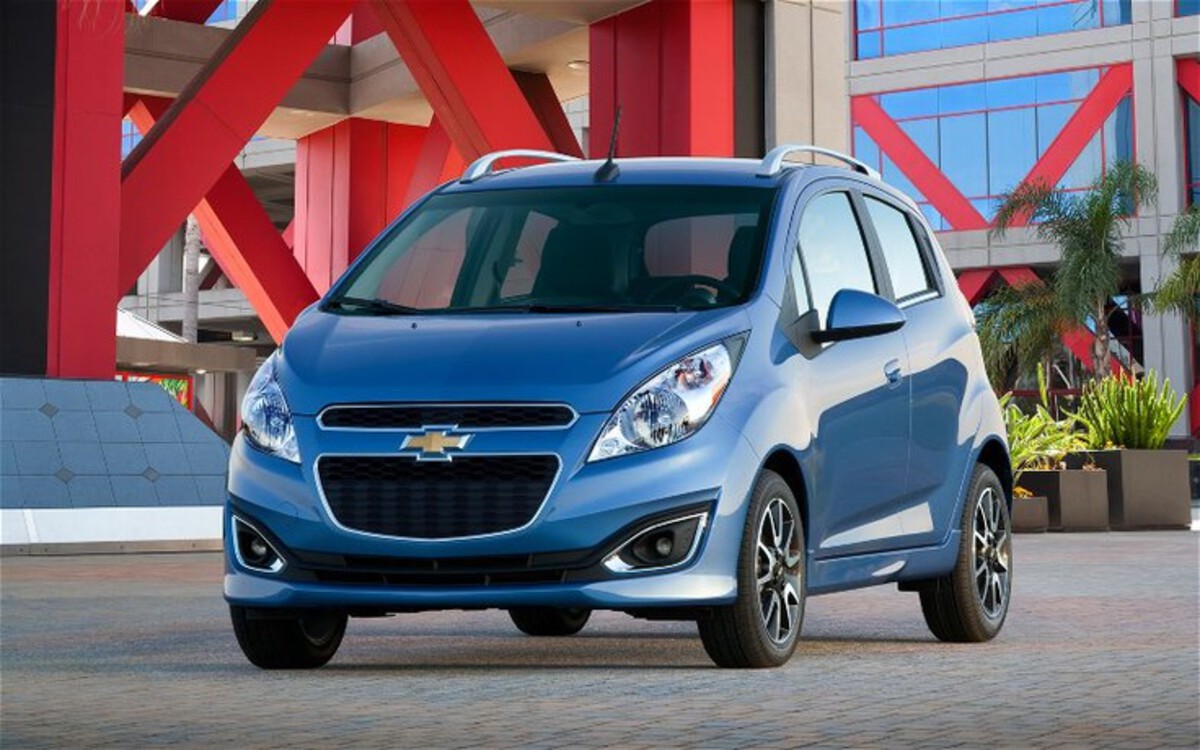
3. Chevrolet Spark
The Chevrolet Spark, known as one of the most affordable new cars on the market, unfortunately compromises significantly on build quality, which becomes immediately apparent through a host of rattles and squeaks from day one. Designed as an entry-level city car, the Spark relies heavily on cost-cutting measures that impact its structural integrity and material quality.
Buyers frequently report persistent interior rattling noises caused by poorly fitted plastic panels and trim pieces. These rattles tend to increase as the car ages, with clips and mounts that initially hold parts in place becoming loose or broken over time.
The dashboard and door interiors, in particular, are prone to flex and movement, creating a noisy environment that contradicts the desire for a quiet, comfortable ride. Thin plastic materials and minimal soundproofing compound these problems, allowing road noise and vibrations to enter the cabin unchecked, further amplifying the irritating rattles.
Externally, the Spark’s construction does little to alleviate concerns about quality. Panel gaps can be uneven or inconsistent, resulting in wind noise and water leaks that detract from overall refinement. The lightweight body panels, while helping to improve fuel efficiency, sometimes feel flimsy and less robust than those found on competing models.
The closure mechanisms for doors and the hatchback also contribute to rattling issues; they lack the firm, solid feel expected from even budget vehicles, often closing with a hollow “click” that undermines the perception of quality.
Underbody plastic panels are minimal and poorly secured, which can cause additional noise when driving on rough roads or uneven terrain. These issues highlight the Spark’s focus on affordability at the expense of long-term durability and build integrity.
Mechanically, the Spark’s chassis and suspension setup are simple and low-cost but not optimized for comfort or noise isolation. The front suspension uses MacPherson struts, while the rear features a torsion beam design, both tuned more for economy than refinement.
This results in a bouncy ride that transmits road vibrations directly into the cabin, aggravating the already problematic rattling of interior panels. Steering and instrument panel noises are also common, often linked to inadequate insulation or poorly tightened components in the steering column area.
These structural and mechanical shortcomings combine to create an overall driving experience that feels cheap and unsettled, particularly compared to more refined competitors within the same price range. For buyers prioritizing a quiet and solidly built vehicle, the Spark’s rattles can be a major deterrent.
From a dealership perspective, the Spark’s rattling issues contribute to a higher rate of customer complaints and warranty service visits, putting additional strain on repair teams. While some noises can be temporarily addressed by tightening screws or applying foam padding, these fixes are often short-lived due to fundamental design and material deficiencies.
Owners may feel frustrated at having to repeatedly address the same issues, which can erode confidence in the brand and impact long-term loyalty. The Spark’s build quality problems also affect its resale value, as used buyers tend to avoid cars known for persistent interior noises and fragile construction.
Ultimately, while the Spark’s low price and compact size appeal to budget-conscious urban drivers, its poor build quality and rattling from day one limit its overall desirability in the highly competitive affordable car segment.
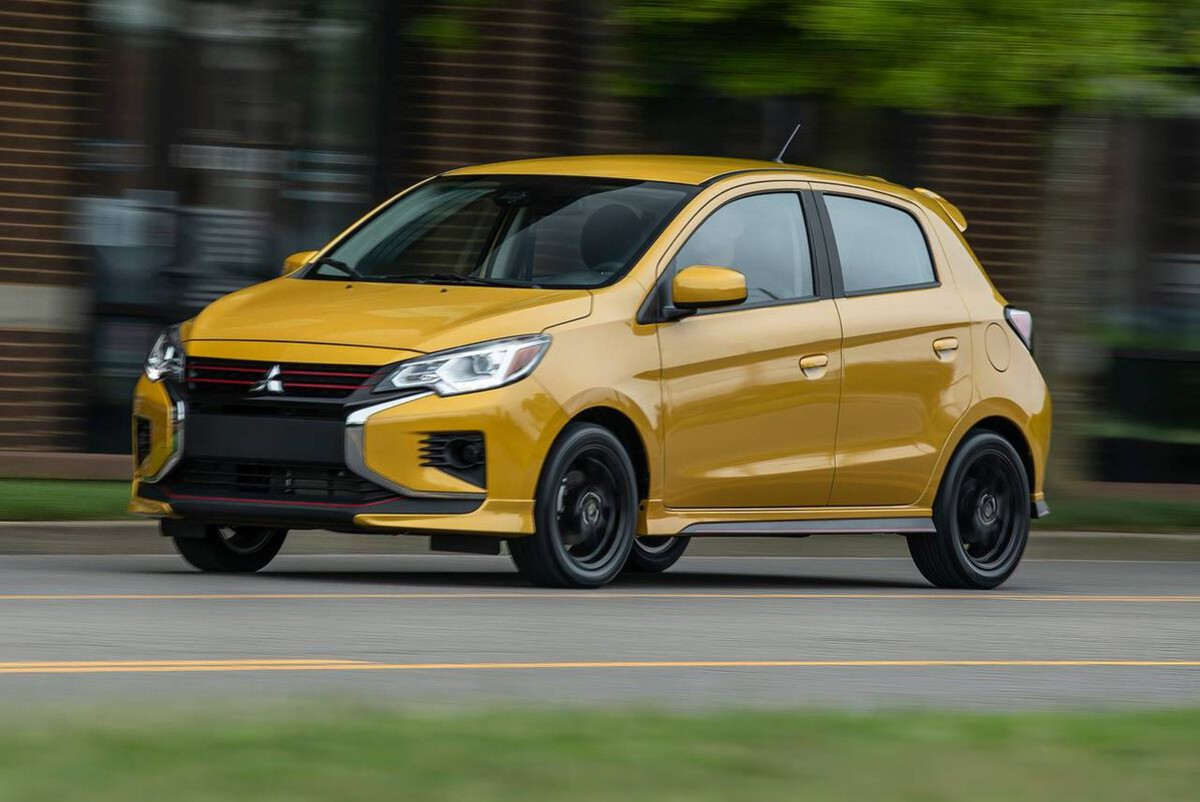
4. Mitsubishi Mirage
The Mitsubishi Mirage is one of the most budget-friendly subcompacts on the market, but this affordability comes with significant compromises in build quality that are immediately noticeable through pervasive rattles and squeaks.
Many owners report that the interior feels cheaply assembled, with panels that don’t sit flush and trim pieces that move independently, creating a constant stream of distracting noises during everyday driving.
The use of thin, brittle plastics in the dashboard and door panels contributes to the problem, as these materials are more prone to cracking and warping under normal temperature fluctuations. Fasteners are often minimal or of poor quality, resulting in trim that easily comes loose or shifts, particularly when driving on rough roads or over bumps.
The cabin lacks effective sound insulation, meaning that road noise, engine vibrations, and the rattling of loose interior parts are all highly audible, severely detracting from the Mirage’s driving comfort and perceived value.
On the outside, the Mirage does little to reassure buyers regarding build integrity. Panel gaps are often inconsistent, with doors, hood, and trunk lids sometimes misaligned enough to produce rattles or water leaks. The closure mechanisms for these openings do not provide the firm, secure feel expected, instead often emitting hollow or loose noises when operated.
Additionally, the undercarriage is minimally protected, with flimsy plastic covers and fasteners that loosen easily, resulting in clunks and rattles from beneath the vehicle, especially on rough surfaces. These shortcomings not only contribute to noise issues but also raise questions about the car’s durability and long-term resilience in the face of daily wear and tear.
The Mirage’s focus on cost-saving is evident in its manufacturing tolerances and material selection, which ultimately undermines customer confidence in its structural quality.
Mechanically, the Mirage’s suspension setup, while adequate for city driving, does little to mitigate road-induced vibrations and noise. The car typically employs a front MacPherson strut suspension with a rear torsion beam, a simple and inexpensive arrangement that lacks the refinement to absorb shocks and dampen noise effectively.
This means that even minor bumps are transmitted harshly into the cabin, shaking loose already fragile interior components and increasing rattling. The steering column and instrument cluster areas are common sources of additional noises, often caused by insufficient tightening or inadequate soundproofing.
These mechanical factors combine with poor assembly to produce a car that feels rattly and cheap from day one, an experience that frustrates many owners and discourages long-term brand loyalty.
From a dealership and customer service perspective, the Mirage’s rattle-related complaints represent a significant challenge. Warranty repairs often involve attempting to tighten loose panels or add insulating materials, but these measures are frequently temporary and do not address the root cause—poor build quality and cheap materials.
This results in repeat service visits and dissatisfied customers who may feel their concerns are dismissed or only partially resolved. The Mirage’s reputation for interior noise problems also negatively impacts resale values and consumer perception, limiting its competitiveness against rivals with better build standards.
While the Mirage offers a very attractive price point and excellent fuel economy, its rattling problems and cheap feel from day one make it a less appealing choice for buyers seeking a more refined and durable affordable car.
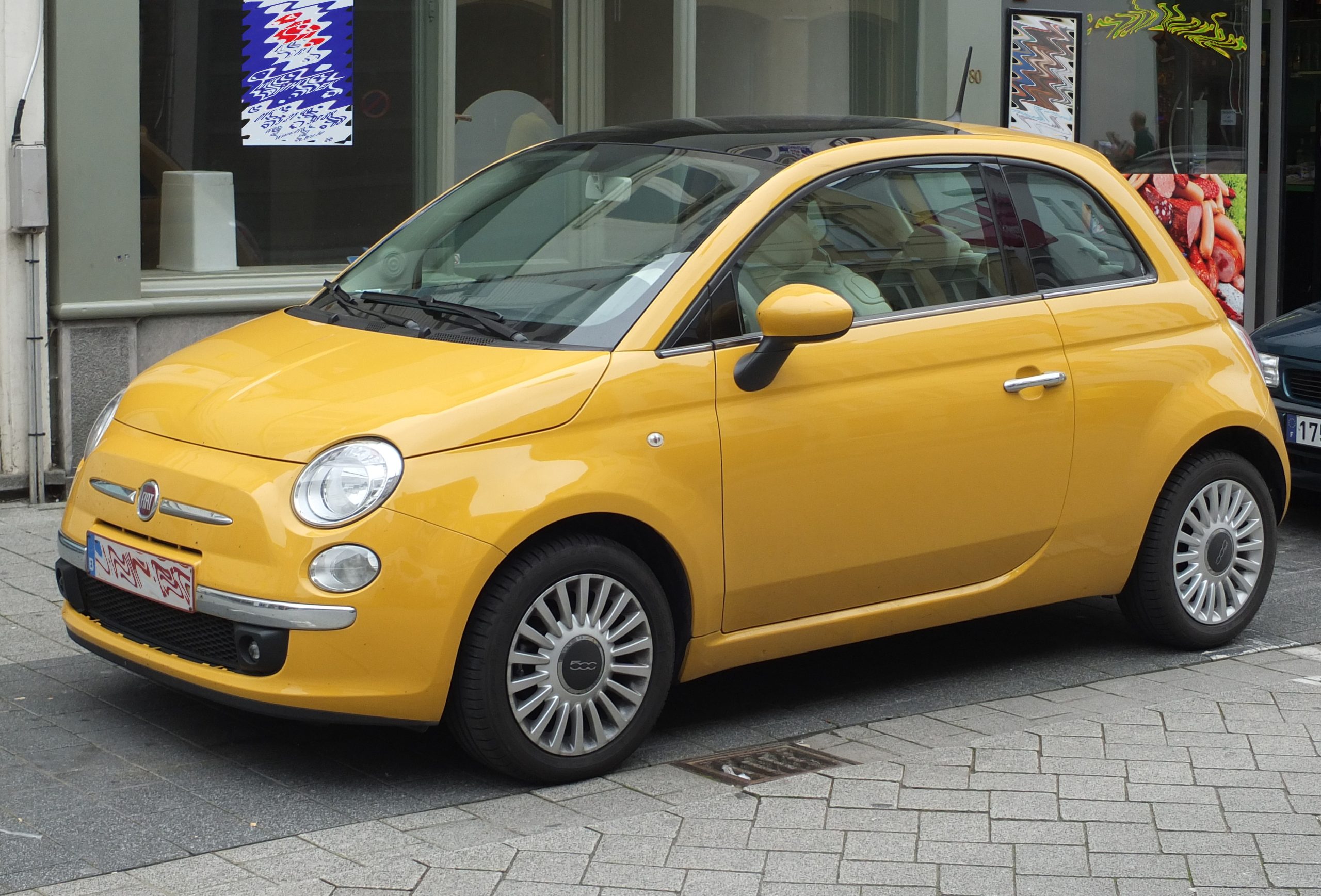
5. Fiat 500
The Fiat 500, while praised for its retro styling and compact size, is notorious for build quality issues that cause rattles and creaks almost immediately after purchase. Owners frequently report that the interior is a cacophony of noises, with dashboard panels, door trims, and various plastic components producing persistent rattles that significantly detract from the car’s charm.
These problems stem largely from inconsistent assembly practices and the use of lower-grade materials that lack the rigidity and durability required to maintain a solid, quiet cabin. Trim pieces often fit loosely, with visible gaps that allow vibration to cause clattering noises during driving.
The dashboard layout, while visually appealing, sometimes suffers from poorly secured instrument clusters and switches, which add to the overall noise level. Unlike competitors that emphasize sound insulation, the Fiat 500 employs minimal noise-deadening materials, resulting in a cabin that amplifies road, engine, and wind noise alongside the rattling sounds.
Externally, the Fiat 500’s body panels occasionally show inconsistent fitment, leading to increased wind noise and potential water ingress. The doors and hatchback lid don’t always close with the firm, reassuring sound expected from a well-built vehicle, instead exhibiting a lighter, hollow thud that hints at less robust latching mechanisms.
Additionally, plastic underbody shields are either absent or thinly applied, leaving mechanical components more exposed to road debris and vibration-induced noises. These factors contribute to an overall sense of fragility and lack of solidity, which contrasts sharply with the car’s distinctive design and fun-to-drive image.
The Fiat’s compact size and lightweight construction, while advantageous in urban environments, amplify the perception of rattling as the small structure flexes and transmits noise more readily than sturdier competitors.
Mechanically, the Fiat 500 employs a suspension setup aimed more at spirited handling than comfort, often at the expense of noise isolation. The front suspension uses MacPherson struts, and the rear typically features a torsion beam or semi-independent setup, both of which can transmit vibrations and harshness directly into the cabin.
This suspension tuning, combined with a less rigid chassis, exacerbates the rattling of loose interior parts. Owners also report noises coming from the steering column and dashboard due to insufficient fastening or lack of damping materials.
The engine bay and firewall insulation are minimal, which allows engine and road noise to penetrate the cabin more easily, further masking any attempts to enjoy a quieter ride. Together, these mechanical and structural shortcomings make the Fiat 500 feel less refined and more rattly than many of its competitors from day one.
From a dealer and owner perspective, the Fiat 500’s rattling problems have been a persistent source of frustration. Warranty claims related to interior noise are common, and dealers often find it challenging to provide lasting fixes due to the fundamental design and material limitations.
Customers sometimes report having to return multiple times for noise complaints, eroding their confidence in the vehicle’s quality and the brand’s support. This negatively impacts Fiat’s reputation and resale values, as prospective buyers are wary of investing in a car with known build issues.
While the Fiat 500 remains popular for its unique style and urban agility, its build quality and persistent rattling issues prevent it from achieving the same level of appeal and reliability expected from other affordable cars.
ALSO READ: 5 Engines That Run Quiet and Clean for Life and 5 That Rattle by 70,000 Miles
Navigating the landscape of affordable cars is a challenging endeavor for many buyers, particularly those who seek not just a low price but also a sense of quality, reliability, and driving satisfaction. The comparison between affordable cars with dealer-level build quality and those that rattle from day one highlights a fundamental truth in the automotive world: build quality matters immensely, even in the budget segments.
It influences how a car feels from the moment you sit behind the wheel, how it performs on the road, and how it holds up to the rigors of everyday use. For consumers looking for value beyond just the purchase price, understanding these distinctions is crucial to avoid future frustration, costly repairs, and diminished enjoyment.
The five affordable cars praised for their dealer-level build quality demonstrate that manufacturers can, and do, produce budget-friendly vehicles that feel solid, refined, and durable.
These models often benefit from meticulous attention to detail during assembly, the use of higher-grade materials in critical areas, and thoughtful engineering aimed at reducing noise, vibration, and harshness.
The result is a driving experience that defies expectations for the price category—one where occupants enjoy a quiet, comfortable cabin and a vehicle that inspires confidence through its sturdy construction.
These cars show that affordability need not mean sacrificing quality, and they serve as a benchmark for what consumers should demand when shopping on a budget. In the long run, these well-built cars provide better ownership experiences, with fewer issues, stronger resale values, and enhanced brand loyalty.
Conversely, the five affordable cars known for rattling from day one offer a cautionary tale of the pitfalls that arise when cost-cutting goes too far or quality control is insufficient. Persistent rattles and creaks, loose interior panels, uneven fit and finish, and mechanical components that transmit excessive road noise not only undermine comfort but can also signal deeper durability concerns.
Such problems degrade the overall ownership experience, leading to increased dealership visits, frustrated owners, and diminished confidence in the vehicle and brand.
While these cars may still fulfill basic transportation needs, their build quality issues detract significantly from their value proposition. They remind consumers that the lowest sticker price is not always the best deal if it comes with hidden costs in maintenance, noise irritation, and reduced vehicle longevity.
This dichotomy underscores the importance of careful research and inspection when selecting an affordable car. Prospective buyers should look beyond just price tags and specifications, paying close attention to build quality indicators such as panel gaps, material textures, door and trunk closure feel, and interior noises during test drives.
Seeking out reviews and owner feedback on long-term durability and common issues can further aid in identifying vehicles that deliver solid construction and those likely to present rattling headaches. Ultimately, investing in a car with better build quality, even if slightly more expensive initially, often yields greater satisfaction and lower total cost of ownership over the vehicle’s lifespan.
From the manufacturers’ perspective, the stark contrast between well-built, affordable cars and rattly counterparts reflects the broader challenge of balancing cost efficiency with quality. The cars praised for dealer-level build quality are often the result of deliberate choices to prioritize sound engineering, robust supply chain management, and stringent assembly standards.
These companies recognize that delivering a solid product enhances brand reputation and fosters long-term customer relationships, which are invaluable in today’s competitive market.
On the other hand, vehicles with rattling problems often stem from production shortcuts, weaker quality control, or design compromises that fail to account for real-world driving conditions and durability. Addressing these shortcomings is essential for automakers wishing to improve customer satisfaction and compete effectively.
In conclusion, the journey through the world of affordable cars reveals a vital lesson: build quality cannot be overlooked, even when budgets are tight.
Cars that deliver dealer-level build quality offer a superior ownership experience marked by comfort, durability, and pride in the product. In contrast, vehicles that rattle from day one serve as a reminder of the frustrations and compromises that arise when build quality takes a back seat.
For buyers, this knowledge empowers better decisions, helping them select cars that provide genuine value and avoid common disappointments.
For manufacturers, it highlights the ongoing imperative to strike the right balance between affordability and craftsmanship, ensuring that their products not only meet price expectations but also stand the test of time with strength and refinement. Quality truly is the foundation of lasting satisfaction in any vehicle, no matter the price point.
