
When it comes to pickup trucks, longevity and reliability are often at the top of a buyer’s checklist. Trucks are not just vehicles; they are tools that many rely on daily for work, hauling, towing, or off-road adventures. The expectation is that a well-maintained truck should last hundreds of thousands of miles without significant breakdowns.
However, the reality is that not all trucks are created equal in terms of durability. While some models can run smoothly well past the 400,000-mile mark, others begin to show signs of wear and mechanical failure alarmingly early, sometimes even before hitting 80,000 miles.
This vast disparity in longevity stems from a combination of design choices, engineering quality, materials used, manufacturing processes, and how these trucks are maintained or driven. Understanding which trucks are built to last and which are prone to early failure is crucial for buyers who want to make an informed investment and avoid costly repairs down the road.
Over the years, certain truck models have earned a reputation for exceptional durability. These vehicles often feature robust engine designs, well-engineered transmissions, and durable suspension components that can handle heavy loads and rough conditions without succumbing to premature wear.
Trucks like the Toyota Tacoma and Ford F-150 have become synonymous with reliability, with countless owners reporting smooth operation well beyond 300,000 miles. The reasons behind such longevity often include conservative engineering choices that prioritize proven technology, high-quality materials, and rigorous quality control during manufacturing.
These trucks also tend to have widespread parts availability and a strong aftermarket support system, making maintenance and repairs easier and more affordable, which further extends their lifespan. Additionally, owners who regularly service and maintain their trucks following manufacturer recommendations also contribute significantly to achieving high mileage milestones.
Conversely, some trucks suffer from design flaws or cost-cutting measures that undermine their long-term reliability. These models may feature engines with known weak points, such as problematic timing chains, fragile cylinder heads, or inadequate cooling systems that lead to overheating and engine damage.
Similarly, transmissions in some trucks are prone to premature failure due to poor internal design or insufficient cooling. Suspension and steering components can also wear out early, especially if manufacturers use subpar materials or do not account for heavy-duty use.
Electrical systems and onboard computers, which have become increasingly complex in modern trucks, sometimes suffer from persistent glitches that complicate diagnosis and repair.
These issues often manifest early in the truck’s life, forcing owners to face expensive repairs or diminished performance before they can justify keeping the vehicle long term. When compounded with poor corrosion resistance and quality control, these weaknesses can drastically shorten a truck’s useful life.
This article explores both sides of the spectrum: five trucks renowned for still running perfectly even after surpassing 400,000 miles, and five trucks notorious for breaking down before 80,000 miles. By delving into the specific strengths and weaknesses of each model, prospective buyers can better understand the characteristics that contribute to a truck’s durability or premature failure.
Highlighting real-world owner experiences, common mechanical issues, and the engineering details behind these trucks provides valuable insight into why some pickups stand the test of time while others struggle to make it through their first 100,000 miles.
Whether you are a seasoned truck owner looking to replace your current vehicle or a first-time buyer seeking a dependable workhorse, knowing which trucks tend to last and which to avoid can save you significant time, money, and frustration. Making the right choice upfront can prevent unexpected breakdowns, costly repairs, and lost productivity, especially if your truck is an essential tool in your daily life.
Additionally, understanding the causes of early failure can help buyers identify red flags during inspections or test drives. This knowledge also empowers current owners to take proactive steps in maintaining their trucks for maximum longevity.
In summary, the truck market is vast and varied, and longevity is not guaranteed simply by the vehicle’s age or mileage. The design and build quality play pivotal roles in determining how long a truck can reliably serve its owner.
This article aims to shed light on some of the best and worst performers in terms of durability, providing a well-rounded perspective for anyone interested in trucks that truly stand the test of time or those to approach with caution. By learning from the successes and failures of these vehicles, buyers and owners alike can make smarter, more informed decisions about their truck investments.
ALSO READ: 5 Engines That Run Quiet and Clean for Life and 5 That Rattle by 70,000 Miles
5 Trucks That Still Run Perfectly at 400,000 Miles
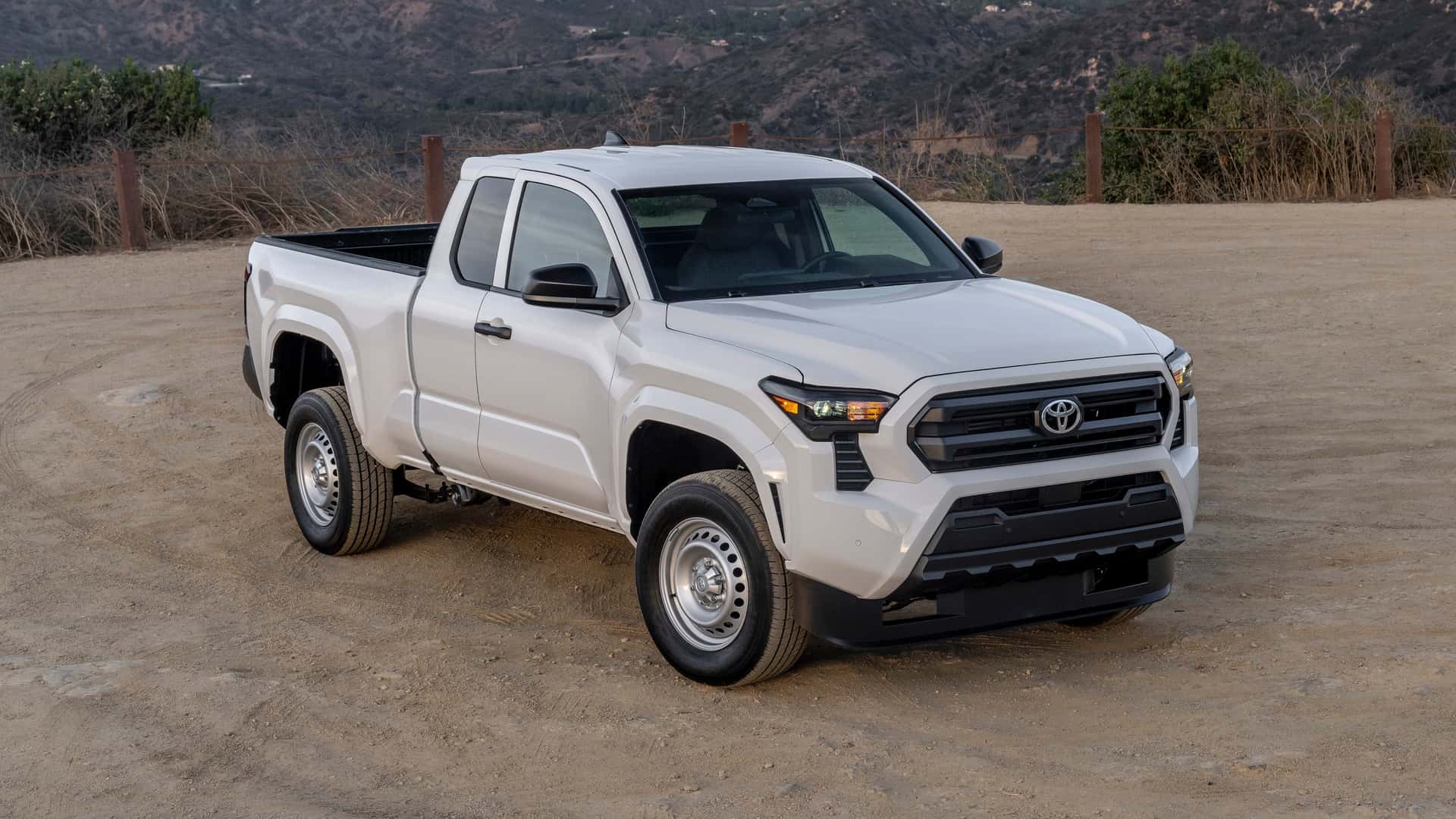
1. Toyota Tacoma
The Toyota Tacoma stands as a beacon of reliability and durability in the midsize truck segment. It’s widely regarded not just as a daily driver but as a machine built to endure years of rigorous use, often reaching the coveted 400,000-mile milestone without major mechanical issues.
This longevity is anchored by Toyota’s legendary 4.0-liter V6 engine, which combines a rugged iron block and robust components engineered for longevity rather than sheer horsepower. The engine’s design minimizes typical wear points—such as timing chain tensioners and valve lifters—making it less prone to premature failure.
Toyota’s precise engineering ensures that the combustion process remains efficient even after hundreds of thousands of miles, maintaining fuel economy and power delivery.
Tacoma’s engine cooling system is also engineered to prevent overheating, a common cause of engine damage in other trucks, which further extends its life span. Additionally, Toyota’s consistent use of quality gaskets, seals, and fasteners reduces oil leaks and coolant loss, common issues that prematurely age many engines.
Beyond the engine, the Tacoma’s drivetrain is built to endure. The transmission options, including the sturdy five-speed manual and reliable four-speed automatic, have proven themselves over decades of use.
These transmissions have relatively simple mechanical architectures without overly complex electronics, making them easier to maintain and less vulnerable to costly failures.
The transfer case and differential components, especially in 4WD models, are designed with heavy-duty internals that withstand both on-road and off-road stress. Toyota’s attention to detail extends to the suspension system, which balances ride comfort with durability.
The use of high-quality bushings, shock absorbers, and springs ensures that the Tacoma maintains stability and handling integrity over uneven terrain and heavy loads. Owners who regularly service these components often find their Tacomas still ride smoothly and respond confidently at mileage levels many other trucks cannot match.
The body and frame of the Tacoma are another key reason for its enduring success. Toyota uses high-strength steel and corrosion-resistant coatings to protect the frame against rust and fatigue, a major issue in many trucks that operate in harsh weather or off-road conditions.
The body-on-frame construction enables damage absorption during impacts and off-road use without compromising the structural integrity. Over time, many trucks develop frame warping or cracking, but Tacoma’s design and materials resist such issues, helping maintain proper alignment and preventing premature tire wear.
Furthermore, Toyota’s paint and undercoating process provides additional protection against the elements, allowing these trucks to age gracefully. It’s not unusual to find Tacomas from the early 2000s with pristine frames and minimal rust, a testament to Toyota’s commitment to quality.
A critical but often overlooked factor in Tacoma’s long life is the simplicity and accessibility of its design for maintenance and repairs. Unlike many modern trucks that rely heavily on complex computerized systems, Tacomas keeps mechanical components straightforward and serviceable.
This means owners and mechanics can often diagnose and repair issues without the need for expensive diagnostic equipment or dealer visits. The availability of parts worldwide due to Toyota’s global presence also ensures that even older Tacomas can be kept on the road with OEM or high-quality aftermarket components.
This ecosystem encourages timely maintenance such as oil changes, fluid flushes, brake servicing, and suspension checks—all vital for hitting that 400,000-mile mark. Owners who embrace regular care, combined with the truck’s inherent toughness, often boast stories of Tacomas still running strong after multiple decades.
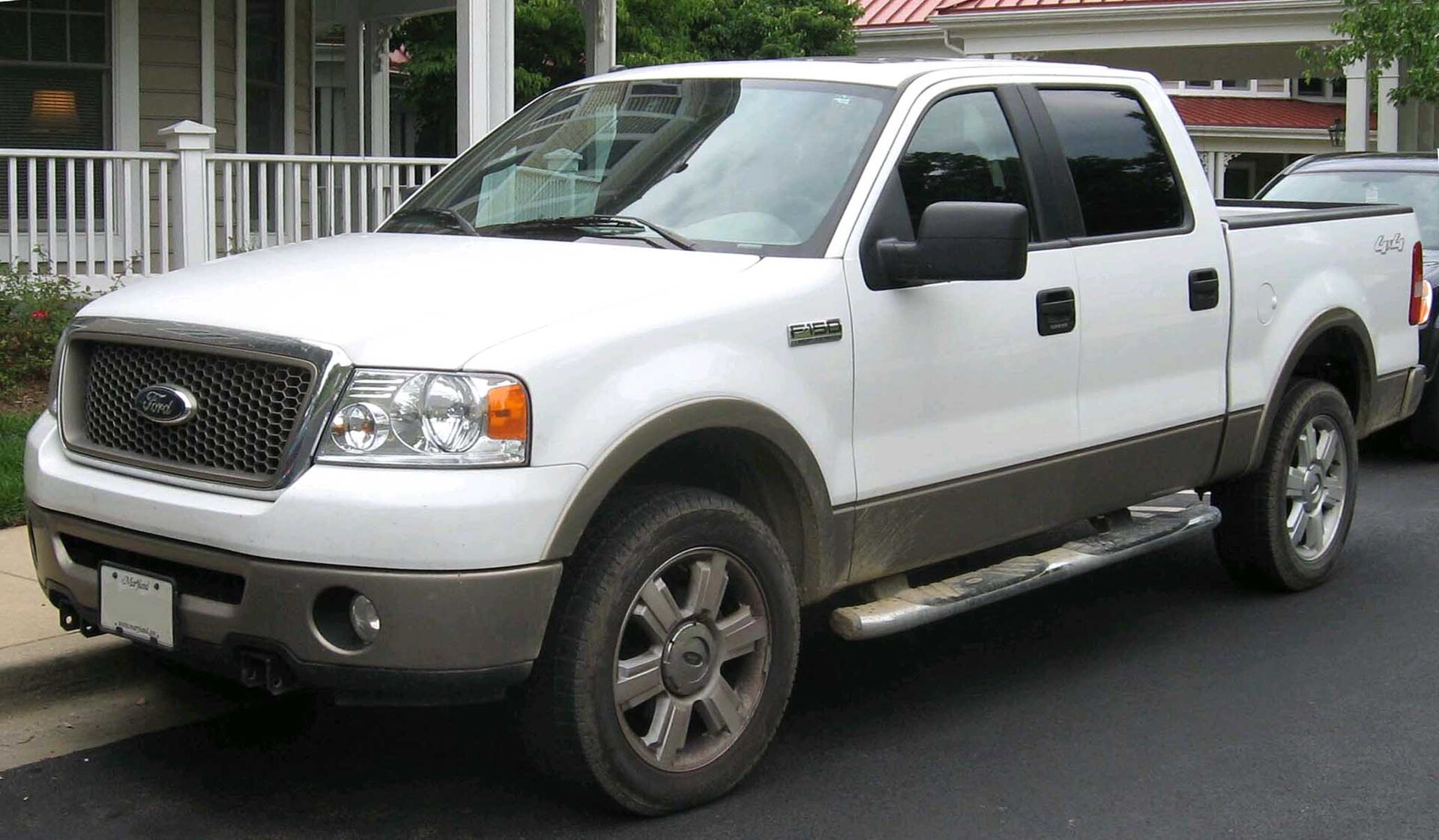
2. Ford F-150 (Early 2000s Models)
The Ford F-150 has been America’s best-selling vehicle for decades, and much of that success comes from its well-earned reputation for toughness and longevity, especially models from the early 2000s.
This generation of the F-150 benefited from Ford’s relentless focus on durability, as they refined the truck’s powertrains, chassis, and body design to meet the demanding needs of both commercial users and individual owners.
At the heart of this truck’s longevity is the array of V8 engines offered during this period, including the well-regarded 4.6-liter and 5.4-liter Triton engines. These powerplants feature robust iron blocks, forged crankshafts, and efficient cooling systems that help them resist wear and thermal fatigue over hundreds of thousands of miles.
Unlike some engines that rely heavily on lightweight components that sacrifice durability for fuel economy, these Triton engines prioritize strength and reliability. Furthermore, Ford’s introduction of improved piston rings and cylinder coatings reduced oil consumption and engine wear, addressing issues that plagued earlier models.
The F-150’s transmission options from this era, particularly the 4R70W and later the 4R75W automatic transmissions, are known for their solid construction and long service life when maintained properly.
These transmissions use heavy-duty clutches, robust torque converters, and sturdy valve bodies that handle the substantial torque output of the V8s, making them highly resilient to towing, hauling, and stop-and-go driving.
Fleet operators who subjected these trucks to grueling daily work environments often found these transmissions lasting well over 200,000 miles before requiring any major service.
Furthermore, Ford’s approach to drivetrain components such as axles and driveshafts involved using heavy-gauge materials and reinforced joints, resulting in fewer breakdowns under stress. The robust 8.8-inch rear axle, paired with quality limited-slip differentials, contributed to maintaining traction and durability over many years.
In addition to mechanical robustness, the early 2000s F-150’s frame and body structure represent a major contributor to its longevity. Ford employed high-strength steel frames with strategic reinforcement points to resist bending, cracking, and corrosion.
Given that many trucks see heavy use on rough roads, in construction sites, or for towing, frame integrity is paramount to long-term performance. The frame’s design minimizes flex, which protects other components from misalignment or accelerated wear.
Moreover, Ford’s corrosion protection methods, including galvanization and seam sealing, reduced rust-related failures that often plague older trucks, especially in regions with harsh winters and road salt usage. Many owners report that their early 2000s F-150s have remained structurally sound even after years of exposure to tough conditions.
Another element that boosts the F-150’s reputation for reaching 400,000 miles is the truck’s relatively simple but effective mechanical architecture. Compared to newer models loaded with electronic sensors, computerized engine management, and advanced driver-assistance systems, early 2000s F-150s are straightforward and easier to diagnose and repair.
This simplicity benefits owners and mechanics alike, as many issues can be pinpointed quickly, allowing for timely repairs that prevent small problems from escalating. The availability of aftermarket support and replacement parts further reduces maintenance costs, making it financially feasible for owners to keep their trucks in top condition for decades.
These factors combine to create an ownership experience that emphasizes longevity and reliability, allowing many F-150s from this era to surpass 400,000 miles and still run perfectly.
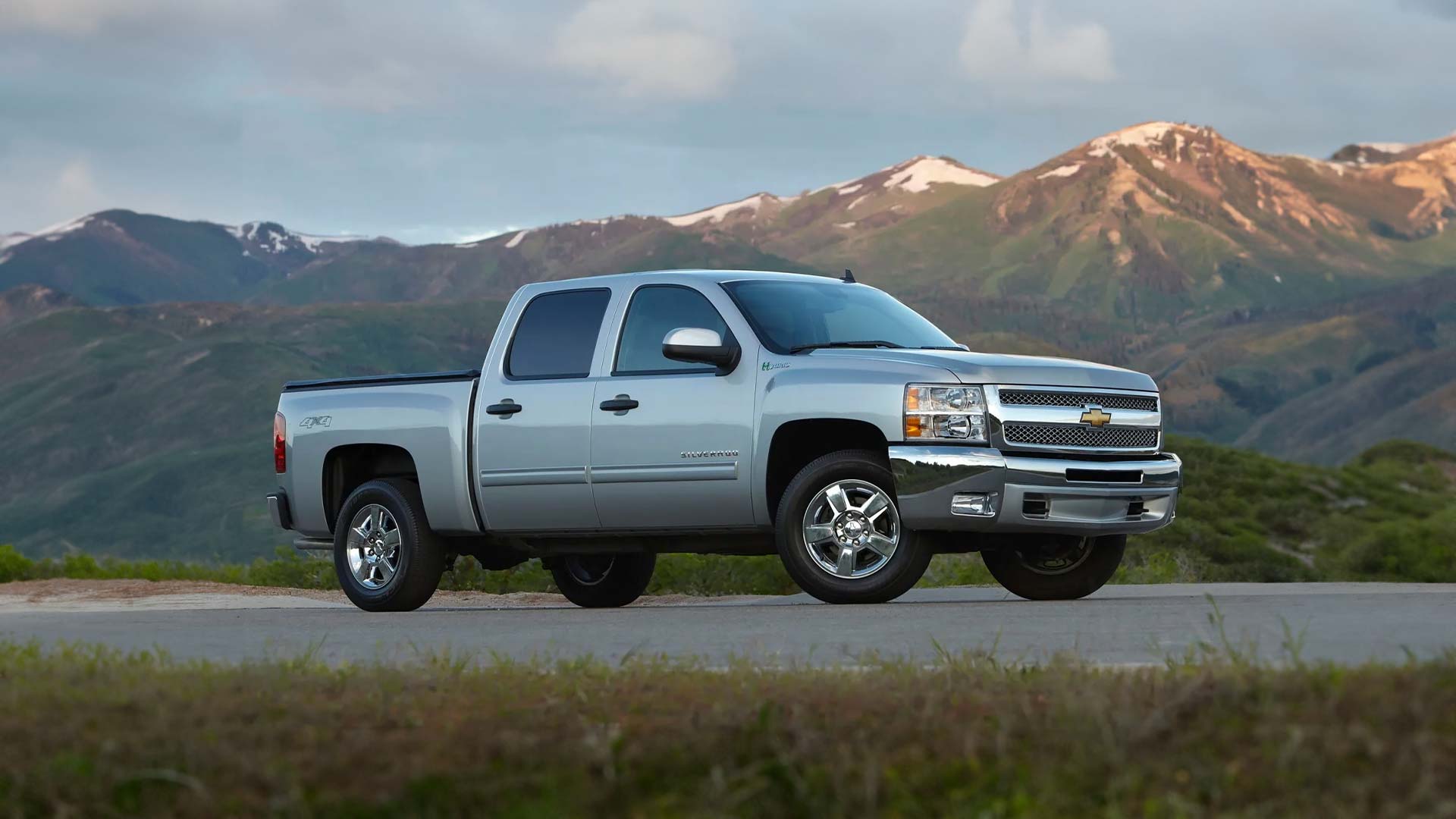
3. Chevrolet Silverado 1500 (2000-2006 Models)
The Chevrolet Silverado 1500 from the early 2000s is another prime example of a full-size pickup that embodies durability and long-term reliability. Chevrolet’s approach during this period emphasized rugged construction paired with dependable engine choices, resulting in trucks that have been known to rack up hundreds of thousands of miles without major mechanical failures.
The 5.3-liter V8 engine, often the centerpiece of this generation, combines solid cast-iron construction with reliable fuel injection systems that optimize power delivery and fuel economy.
The engine’s design includes durable components such as forged pistons and robust valve train assemblies that resist wear and fatigue. Moreover, GM’s continuous improvements in engine cooling and oil circulation help maintain stable operating temperatures and lubrication, key to preventing premature engine failure during heavy workloads.
The Silverado’s transmission systems during this era are equally noteworthy. The 4L60E and 4L65E automatic transmissions, when serviced regularly with quality fluid and filter changes, have demonstrated impressive longevity. These transmissions feature electronically controlled shifting that enhances performance while maintaining mechanical strength.
The transmission’s torque converters and internal clutches are designed to handle towing and hauling stress, which is critical for Silverado owners using their trucks for work or recreation. The truck’s transfer case and differential units also incorporate heavy-duty gearing and durable bearings that withstand years of use, contributing to the truck’s long service life.
A key factor in the Silverado’s endurance is the quality of its frame and suspension. Built on a body-on-frame chassis made from high-strength steel, the Silverado is engineered to resist twisting and flexing under load. This solid foundation protects the vehicle’s driveline and suspension components, reducing wear and preserving alignment.
The suspension system itself, with heavy-duty springs and shocks, balances comfort with ruggedness, allowing the truck to absorb impacts from rough terrain without compromising ride quality.
Many Silverado owners report that their trucks maintain excellent ride stability and handling precision even after many years of driving on varied surfaces. This durability is further enhanced by GM’s corrosion resistance treatments and attention to rust prevention in critical areas such as the frame rails and wheel wells.
Lastly, the Silverado’s relative mechanical simplicity compared to newer models contributes to its long life. The truck’s engine management system and onboard diagnostics, while modern for the time, are less complex and less prone to electronic failures than newer vehicles.
This reduces costly repairs related to sensors and computer modules. The widespread popularity of the Silverado means parts are plentiful and affordable, and there is a large community of knowledgeable mechanics and enthusiasts who provide support and advice on maintenance and repairs.
All of these factors contribute to why many Chevrolet Silverado 1500 trucks from this era continue to run perfectly well beyond 400,000 miles.
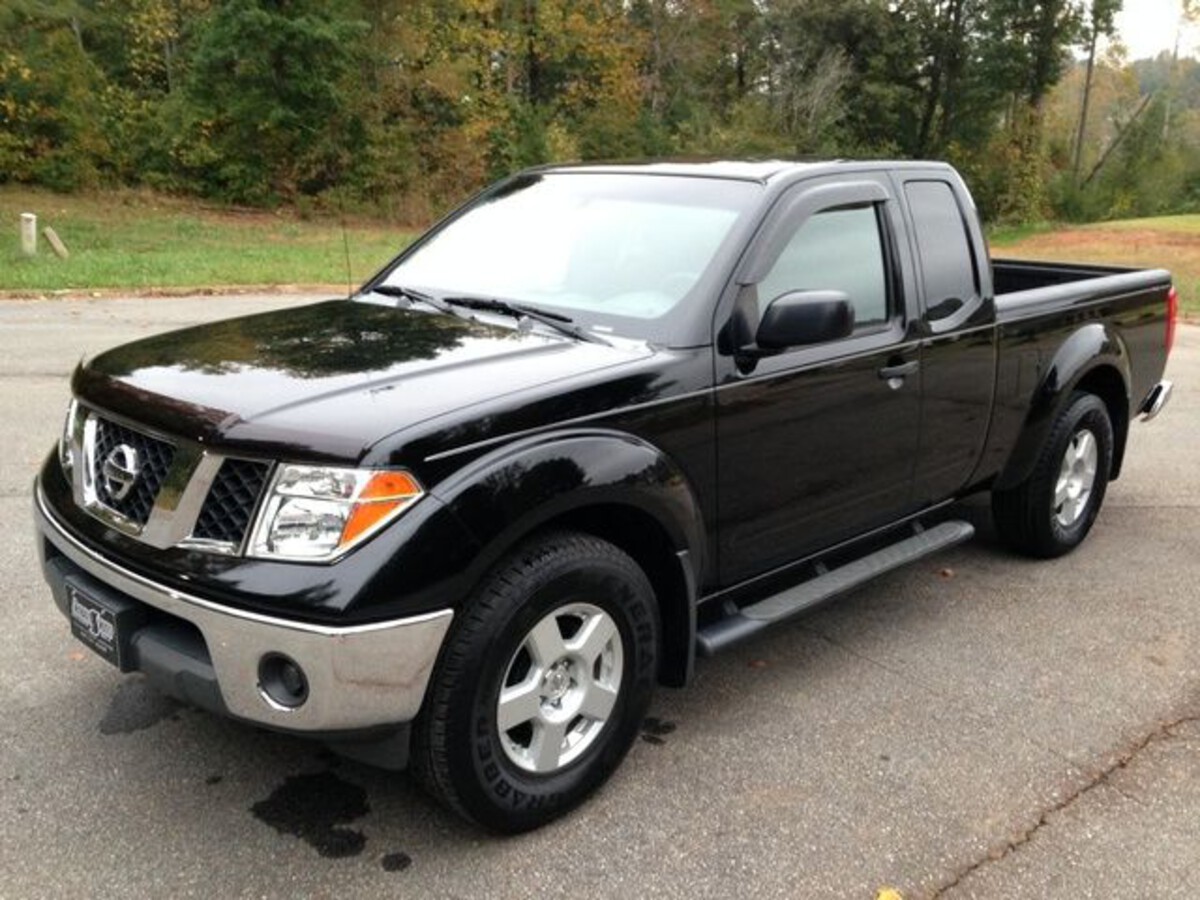
4. Nissan Frontier (Early 2000s Models)
The Nissan Frontier from the early 2000s occupies a unique place in the midsize truck market as a durable and reliable vehicle often overlooked compared to its Toyota and domestic competitors. This truck’s success in reaching high mileage milestones is largely due to its straightforward mechanical design and focus on ruggedness rather than luxury or advanced electronics.
The 3.3-liter V6 engine powering many of these Frontiers is a testament to Nissan’s engineering philosophy—durable and simple with few failure points. The iron block and cast-iron cylinder heads withstand wear and corrosion, while the engine’s relatively low-stress tuning helps reduce the chance of overheating and internal damage.
The Frontier’s timing chain system is designed for longevity, eliminating the need for expensive timing belt replacements and reducing the risk of catastrophic engine damage.
The transmission and drivetrain of the Frontier also contribute significantly to its longevity. The five-speed manual transmission and reliable automatic options use robust internal components that handle both daily driving and moderate towing with ease.
Nissan’s four-wheel-drive transfer case and differentials are known for their durability, using simple but effective gear designs and sealed housings that keep contaminants out and lubricant in.
These features allow the Frontier to perform well off-road and withstand harsh conditions without premature wear. Maintenance, such as regular fluid changes and inspections, can keep the drivetrain components running smoothly for hundreds of thousands of miles.
The truck’s frame and suspension are constructed with longevity in mind. Nissan employs high-strength steel in the ladder frame design, providing the structural integrity necessary to endure rough roads and heavy payloads. The Frontier’s suspension features double-wishbone front setups and multi-leaf rear springs that balance durability with ride comfort.
These components are relatively simple and easily serviced, contributing to the truck’s ability to avoid expensive repairs that often plague more complicated systems. Moreover, Nissan’s corrosion protection measures ensure that the frame resists rust and structural degradation, even in climates with significant moisture or road salt exposure.
Finally, the Frontier benefits from a dedicated user base that values preventative maintenance and repair accessibility. The truck’s uncomplicated design makes it easier for mechanics to diagnose issues without reliance on complex electronics or specialized tools.
Parts availability, while not as extensive as Toyota or Ford, is still solid due to Nissan’s global presence, making repairs and component replacements more affordable. Because of this blend of rugged engineering, simplicity, and owner care, many Nissan Frontiers still operate flawlessly after crossing the 400,000-mile threshold, proving themselves as reliable, long-lasting trucks in a competitive segment.
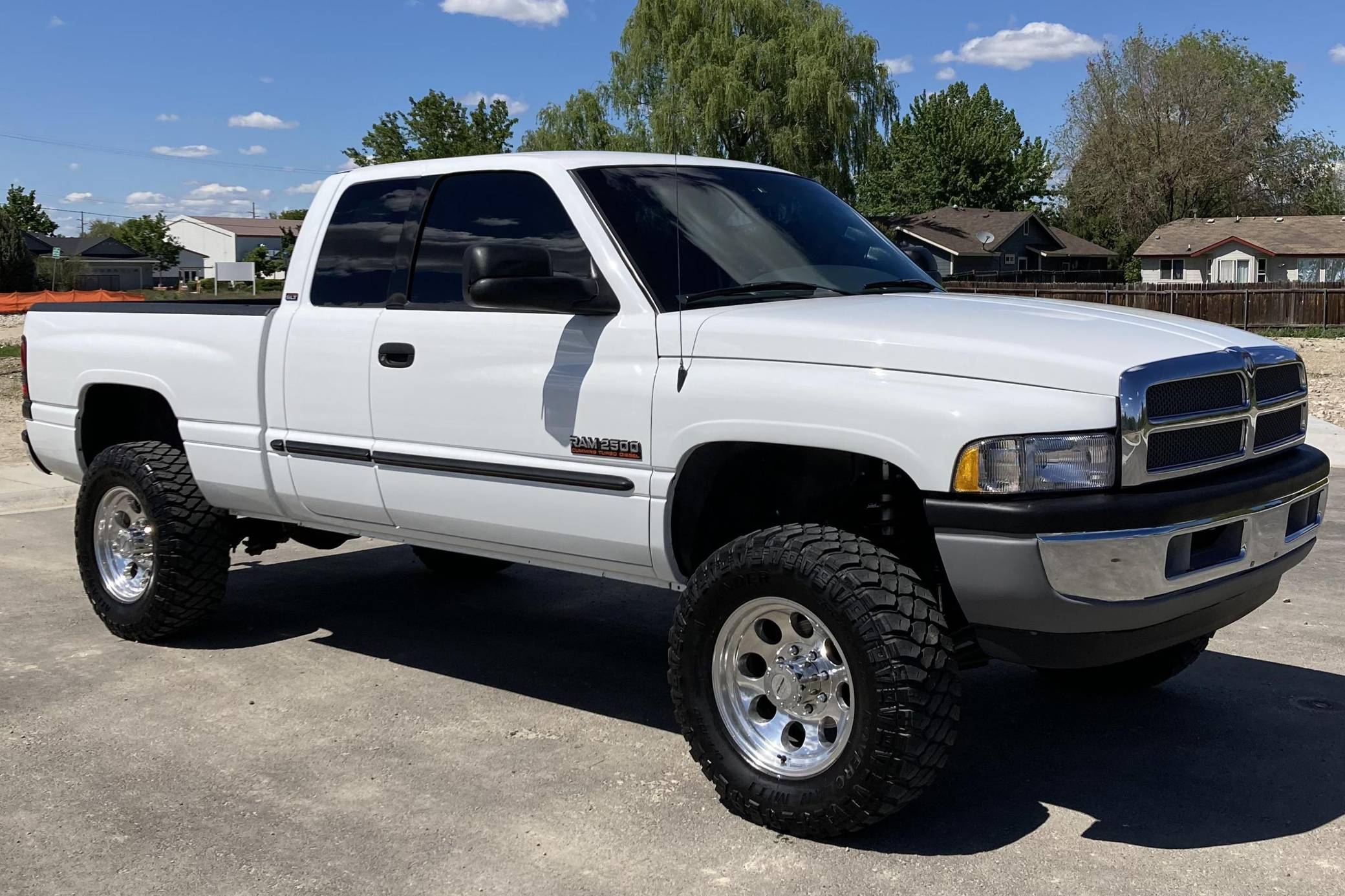
5. Dodge Ram 2500 (Cummins Diesel, 1998-2002 Models)
The Dodge Ram 2500 equipped with the 5.9-liter Cummins inline-six turbo-diesel engine, particularly from the 1998 to 2002 model years, is often cited as one of the most durable and long-lasting heavy-duty trucks on the road. This reputation stems largely from the Cummins engine itself, which is celebrated for its simple yet robust design, exceptional torque output, and unparalleled longevity.
The iron-block construction, forged steel internals, and straightforward mechanical fuel injection system make it resistant to common diesel problems such as overheating, injector failures, or timing issues. Unlike many modern diesels that rely heavily on electronic controls and emissions equipment, the earlier Cummins engines maintain a mechanical simplicity that favors longevity and ease of repair.
The turbocharger, while providing significant power, is built to withstand high boost pressures and temperatures without premature wear, allowing the engine to maintain performance deep into high mileage territory.
Beyond the engine, the Ram 2500’s chassis and drivetrain are built to handle severe workloads, including towing heavy trailers and hauling substantial payloads. The heavy-duty ladder frame uses thick steel with reinforcements at stress points, preventing twisting and cracking that can compromise vehicle safety and performance.
Suspension components such as multi-leaf rear springs and robust front torsion bars are designed to absorb heavy loads while minimizing fatigue over time.
This rugged setup preserves alignment and ride quality, enabling the truck to remain stable and comfortable even after many years of tough use. The drivetrain features heavy-duty transmissions, such as the NV4500 manual and robust 47RE automatics, known for their ability to handle the high torque output of the Cummins engine without failure.
The diesel nature of the Ram 2500 also contributes to its longevity. Diesel engines inherently experience less heat-related stress than gasoline engines, thanks to their lower operating RPMs and different combustion processes. This results in less wear on critical components such as pistons, valves, and bearings.
Additionally, diesel fuel’s lubricating properties help protect fuel system components from premature wear. When paired with rigorous maintenance routines, including regular oil changes with heavy-duty diesel oil and proper fuel filtration, these trucks can continue running reliably for half a million miles or more.
Finally, the Dodge Ram 2500 Cummins benefits from a passionate and knowledgeable owner community, robust aftermarket support, and a strong parts supply chain. These factors make it feasible to keep these trucks running indefinitely, with many owners opting for engine rebuilds or performance upgrades to extend their vehicles’ lives.
The combination of mechanical simplicity, heavy-duty construction, and the intrinsic durability of the Cummins diesel engine cements this truck’s place as a legend in the long-haul truck world, with numerous examples still performing flawlessly well beyond 400,000 miles.
5 Trucks That Start Breaking Before 80,000 Miles
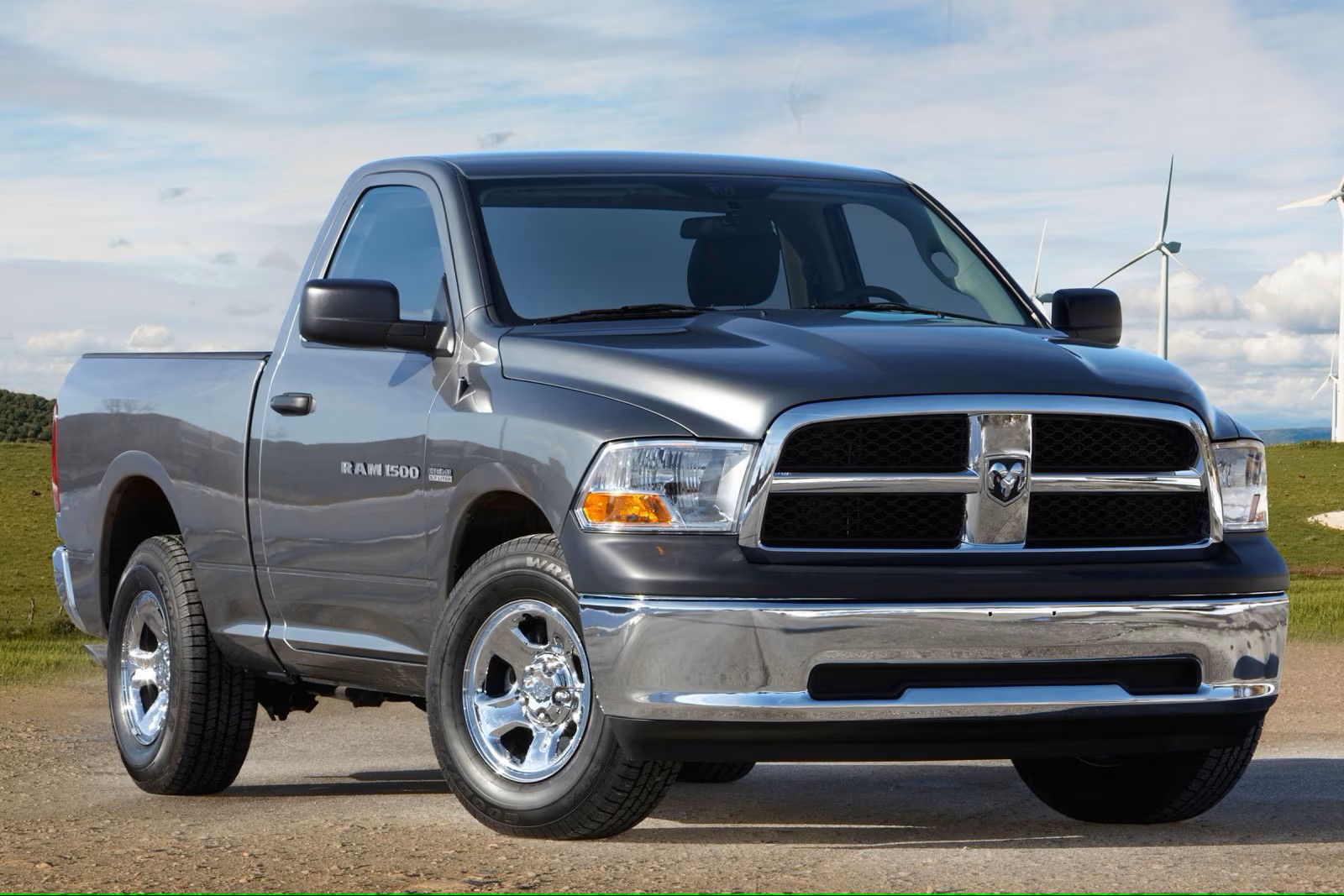
1. Dodge Ram 1500 (3.7L V6 and 4.7L V8 Models, Mid-2000s)
The Dodge Ram 1500 models equipped with the 3.7-liter V6 and 4.7-liter V8 engines in the mid-2000s have developed a notorious reputation for early mechanical failures that often surface well before 80,000 miles.
One of the biggest problems stems from the 4.7L V8’s cylinder heads, which tend to crack or warp due to overheating issues exacerbated by inadequate cooling system design.
This leads to coolant leaks, loss of compression, and eventual engine misfires or failures. Owners frequently report overheating warnings, white smoke from the exhaust, and coolant loss despite normal maintenance, all pointing toward persistent head gasket and cylinder head failures.
Additionally, the 3.7L V6 engine, though smaller, shares many components and suffers from early wear on timing chain guides and tensioners, which can cause noisy operation, poor timing, and, in some cases, catastrophic engine damage if ignored. These engines were pushed to deliver decent power and fuel economy, but often fell short on durability due to cost-cutting in materials and design.
Beyond the engine woes, the mid-2000s Ram 1500 trucks suffer from transmission issues that plague their drivability and longevity. The 45RFE and 545RFE transmissions used in these models are electronically controlled automatics with a complex valve body design that can fail prematurely due to solenoid malfunctions and fluid overheating.
Many owners report harsh shifting, slipping gears, and sudden loss of drive, often necessitating expensive rebuilds or replacements well before the truck reaches 100,000 miles. These transmission problems are compounded by poor thermal management, as the transmission coolers are often insufficient for heavy towing or hot climates.
The combination of engine and transmission issues makes these trucks unreliable, requiring costly repairs that many owners encounter long before the 80,000-mile mark.
The suspension and steering components on these Rams also tend to wear out prematurely, leading to handling problems and an uncomfortable ride. Ball joints, tie rods, and control arm bushings often require replacement around the 60,000-80,000 mile range, as the truck’s heavy weight combined with rough driving conditions accelerates wear.
The torsion bar front suspension system, while innovative, is sensitive to misalignment and improper adjustment, which can cause uneven tire wear and steering instability. Additionally, the rear leaf springs and shocks tend to sag or leak early, compromising load capacity and ride comfort.
Many owners find themselves facing expensive suspension repairs to restore the truck’s original handling characteristics, further adding to the vehicle’s overall unreliability during its early years.
Another major complaint among owners of these Ram 1500 models is electrical system issues. Problems with sensors, wiring harnesses, and the body control module are common and can manifest as erratic dashboard warning lights, intermittent power loss, or failures in electronic accessories such as power windows and locks.
These electronic gremlins are often difficult and expensive to diagnose because the trucks’ onboard diagnostic systems sometimes provide vague or misleading trouble codes. Compounding these issues is the poor design of some electrical connectors and grounding points, which leads to corrosion and intermittent faults in key systems.
The resulting unreliability not only frustrates owners but also detracts from the truck’s overall longevity, as electrical problems often precipitate engine or transmission failures that cut the vehicle’s life short.
Lastly, quality control issues in manufacturing and parts sourcing during this era have led to premature corrosion problems that further reduce the trucks’ lifespan. Owners in regions with harsh winters or coastal exposure report significant rust on frame rails, suspension mounts, and wheel wells appearing as early as 5 years or 50,000 miles into ownership.
The corrosion compromises structural integrity, leading to costly repairs or even vehicle retirement. Dodge’s corrosion protection methods in this generation were inadequate compared to competitors, failing to protect vital components against rust and salt exposure.
This rust issue, combined with the aforementioned mechanical and electrical problems, makes the mid-2000s Dodge Ram 1500 a truck that often struggles to reach 80,000 miles without significant repairs or component failures.
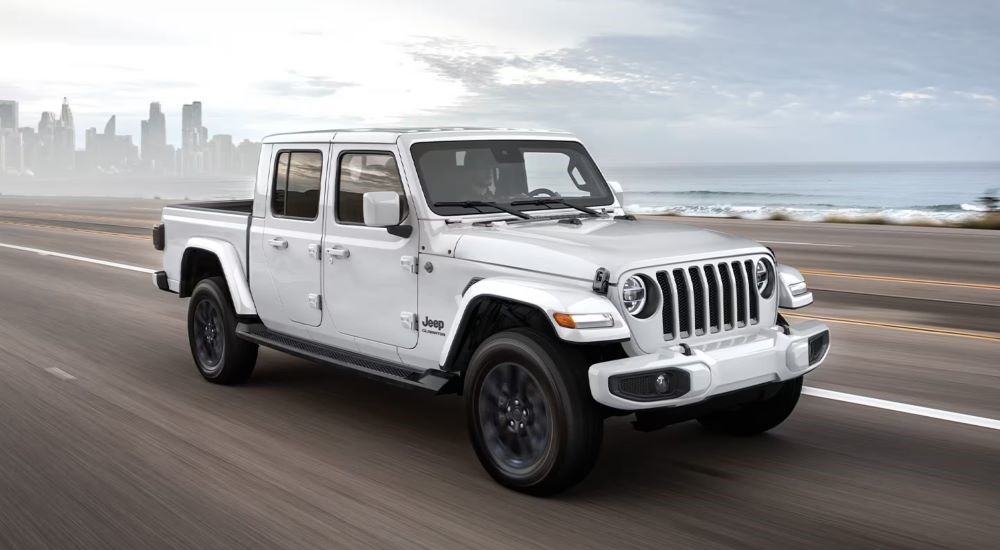
2. Jeep Gladiator JT (2020-Present)
The Jeep Gladiator JT, despite its recent introduction as a rugged, off-road-focused midsize truck, has faced numerous reports of early mechanical and electrical problems that undermine its durability. While the truck has impressive capabilities on paper, real-world owners frequently complain about drivetrain issues cropping up at surprisingly low mileages, often before reaching 80,000 miles.
One of the most common failures involves the transmission, particularly the 8-speed automatic, which suffers from rough shifting, hesitation, and occasional slipping. These problems are often attributed to software glitches and hardware design shortcomings in the valve body and clutch packs, which are not uncommon in complex modern transmissions but frustrating for a vehicle marketed for rugged use.
Transmission fluid leaks, overheating, and premature wear of internal components are all reported symptoms that lead to costly repairs under warranty or out of pocket.
Engine problems are also emerging concerns for the Gladiator, particularly with the 3.6-liter Pentastar V6. While this engine is widely used across Jeep and Chrysler vehicles, the Gladiator’s heavier curb weight and towing capabilities put additional strain on the powertrain.
Owners report early issues with timing chain tensioners and variable valve timing components, which can cause rattling noises, check engine lights, and reduced performance. The engine’s cooling system has also been criticized for being underpowered, leading to overheating during prolonged towing or off-road use.
Overheating can accelerate wear on gaskets, seals, and other engine components, increasing the risk of premature engine failure. Additionally, some owners have experienced excessive oil consumption and turbocharger-related issues in the newer 3.0-liter EcoDiesel variants, which complicates the Gladiator’s reliability picture further.
The Gladiator’s suspension and braking systems, while designed for off-road prowess, have shown vulnerabilities to wear and failure under typical use. The truck’s five-link rear suspension and solid axle configuration incorporate complex geometry that requires precise alignment and maintenance to prevent accelerated wear of bushings, ball joints, and shocks.
Off-road enthusiasts who push their Gladiators hard often face early suspension rebuilds due to damaged control arms, broken sway bar links, and worn shock mounts. Additionally, braking components such as calipers and rotors have been reported to suffer premature corrosion and warping, which can reduce stopping power and require early replacement.
While the Gladiator excels in handling rough terrain, the maintenance demands of its advanced suspension and braking systems add to its costs and reduce its ability to consistently run problem-free at high mileage.
The Gladiator’s electrical and software systems are another significant pain point for many owners. As a modern vehicle equipped with an array of sensors, infotainment systems, and driver aids, it suffers from glitches that cause warning lights, loss of traction control, and intermittent failures of safety features.
These electronic gremlins can often be traced back to software bugs, poorly shielded wiring harnesses, or faulty modules that require dealer intervention or software updates. Unfortunately, software fixes do not always resolve the underlying hardware vulnerabilities, leading to recurring issues.
In addition, the Gladiator’s complex electrical architecture makes DIY repairs challenging, often necessitating trips to specialized service centers that can be expensive and time-consuming. This dependency on complex electronics adds another layer of risk for early breakdowns before 80,000 miles.
Finally, production delays and early model quality control issues have marred the Gladiator’s reputation for reliability. As a new model introduced in 2020, Jeep faced challenges ramping up production, leading to variability in component quality and assembly precision.
Some early owners report rattles, water leaks, and poorly fitted body panels, indicative of rushed manufacturing processes. These build quality concerns can translate into premature wear of seals, increased cabin noise, and water intrusion that may damage electrical components or promote rust.
The combination of mechanical, electrical, and build quality issues has caused many Gladiator owners to experience problems significantly earlier than expected, making this truck a riskier choice for those seeking longevity beyond 80,000 miles.
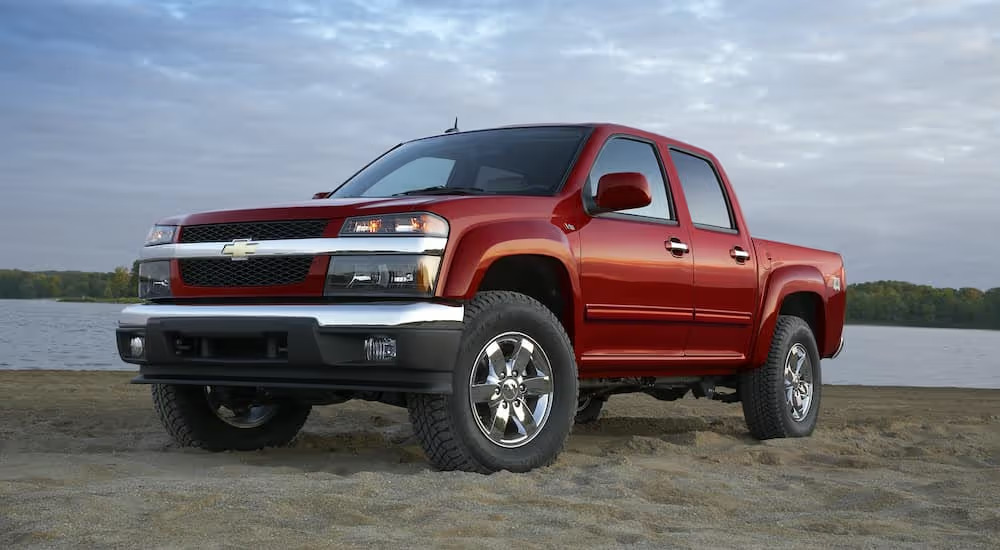
3. Chevrolet Colorado (2015-2018 Models with 2.5L I4 Engine)
The Chevrolet Colorado models from 2015 to 2018 equipped with the base 2.5-liter inline-4 engine have gained a reputation for being underpowered and prone to mechanical failures well before reaching 80,000 miles. The smaller engine, intended to deliver fuel efficiency in a midsize truck, unfortunately, lacks the robustness needed to handle the Colorado’s weight and towing capabilities.
Owners report frequent issues with oil consumption, premature wear on piston rings and cylinder walls, and early timing chain failures. These problems often manifest as decreased engine performance, knocking noises, and engine codes related to misfires or timing errors.
The 2.5L engine’s design incorporates lightweight components intended to reduce weight but at the cost of long-term durability. Its relatively low torque output also means the engine has to work harder under load, accelerating wear and overheating risks.
Transmission problems compound Colorado’s durability issues, particularly with the six-speed automatic transmission paired with the 2.5L engine. Owners frequently report rough shifting, delayed engagement, and slipping gears, often requiring transmission flushes, repairs, or outright replacements before the 80,000-mile mark.
The transmission’s complex valve body and mechatronic systems are prone to electronic malfunctions and solenoid failures, making the drivetrain unreliable for heavy towing or repeated stop-and-go driving.
Furthermore, the transmission cooling system in these models is not robust enough to handle sustained towing or hot climates, which increases the likelihood of premature transmission failure. This combination of engine strain and transmission fragility significantly limits Colorado’s long-term reliability.
The suspension system on these Colorado models also shows signs of early wear and fatigue. The front MacPherson strut suspension and rear multi-link setup use numerous bushings, ball joints, and mounts that tend to degrade prematurely, especially under heavy use or rough road conditions.
Many owners report clunking noises, unstable handling, and excessive tire wear starting around 50,000 miles. Replacement of suspension components can be costly, and failure to address these issues can lead to further drivetrain damage due to misalignment and stress.
Additionally, the truck’s brake system, while adequate, often requires early rotor and pad replacements due to rust and uneven wear, particularly in regions with frequent rain or snow. Collectively, these factors make maintaining a smooth and safe ride increasingly difficult as the mileage climbs.
Electrical gremlins have also been reported in this generation of Colorado trucks, especially involving the onboard computer, sensors, and infotainment system. Drivers experience intermittent failures of power windows, faulty dashboard warning lights, and occasional stalling or poor engine response due to sensor malfunctions.
The complexity of the truck’s electronic architecture means that diagnosing these issues requires specialized diagnostic tools, and repairs can be expensive when sensors or modules need replacement.
These electrical problems, coupled with the mechanical vulnerabilities, create a challenging ownership experience for those hoping to reach high mileage milestones without major repairs. Many owners find themselves investing heavily in maintenance and troubleshooting before the truck even approaches 80,000 miles.
Finally, build quality and parts sourcing issues during this production run have led to premature corrosion and rust problems in certain regions. The frame and undercarriage of these Colorado trucks do not receive the same level of rust protection as some competitors, making them vulnerable to salt and moisture damage.
Rust can compromise suspension mounts, brake lines, and even the frame itself, causing safety concerns and expensive repairs. Given the truck’s relatively short lifespan before mechanical issues arise, these corrosion problems further reduce the vehicle’s appeal for owners seeking dependable, long-lasting trucks.
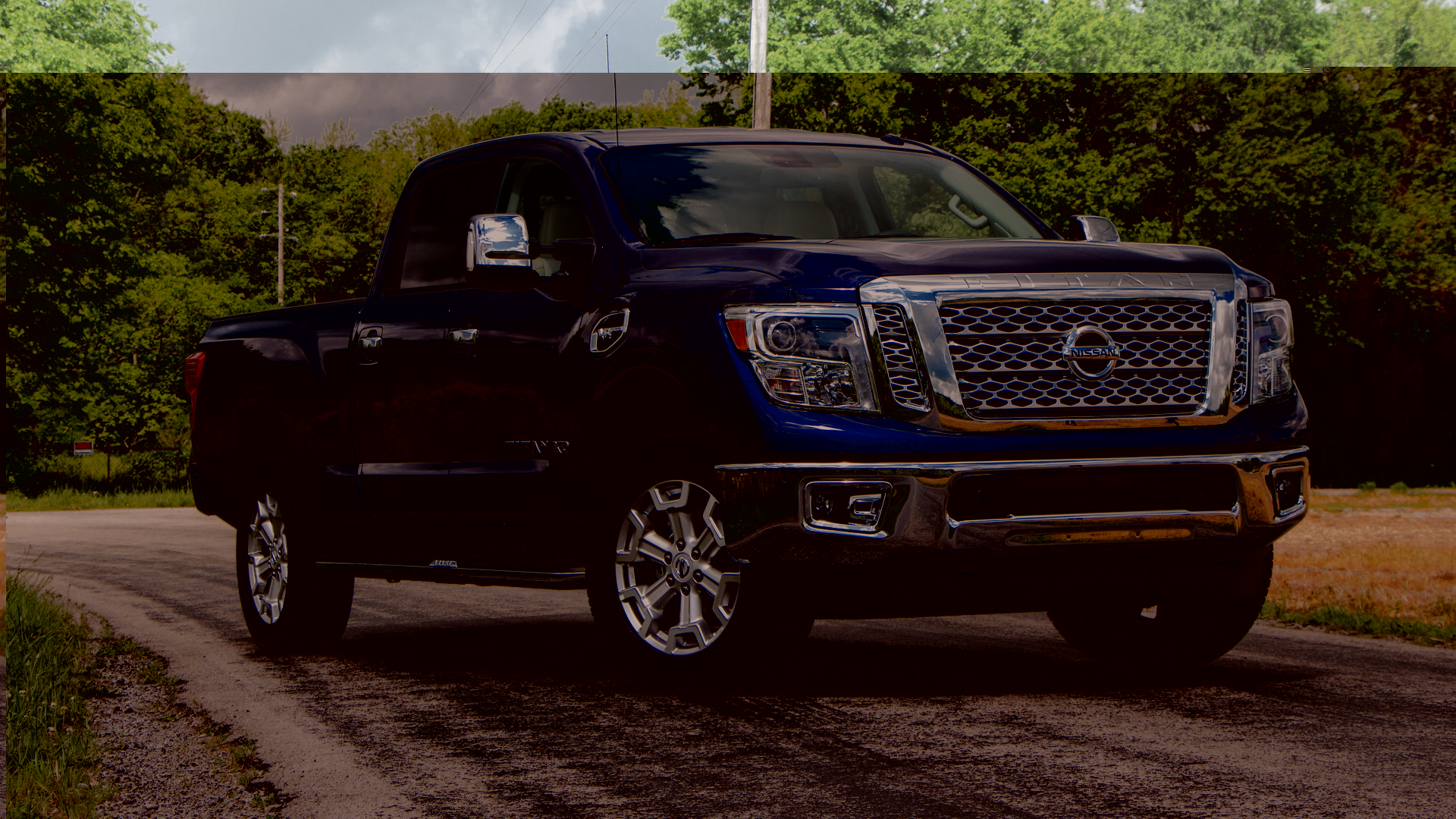
4. Nissan Titan (2010-2015 Models)
The Nissan Titan, especially in the 2010-2015 production years, has been plagued by a variety of early mechanical and reliability issues that frequently prevent it from reaching 80,000 trouble-free miles.
Despite Nissan’s ambitions to compete in the full-size pickup market, the Titan’s 5.6-liter V8 engine has been prone to timing chain and valve train problems that manifest as noisy operation, reduced power, and even catastrophic failure if left unaddressed.
These engines sometimes suffer from premature timing chain tensioner wear and stretched chains, leading to misalignment of camshafts and valves.
Additionally, some Titans experience excessive oil consumption and early camshaft wear due to lubrication issues, causing increased repair costs and downtime. These engine issues are compounded by weak cooling systems that can cause overheating, further accelerating engine damage and failures.
Transmission troubles are common in this generation of Titan trucks, particularly with the 5-speed automatic transmission that struggles under heavy loads or towing conditions. Owners report slipping gears, harsh shifts, and transmission overheating that leads to early failure.
The transmission’s internal components, such as clutch packs and valve bodies, are less durable compared to competitors, requiring rebuilds or replacements prematurely. These drivetrain failures often coincide with engine issues, creating compounded repair bills that discourage owners from keeping the truck long-term.
Additionally, the transfer case and four-wheel-drive system have been reported to suffer from mechanical failures, including broken shift forks and leaking seals, which can compromise off-road capabilities and drivetrain integrity.
The Titan’s suspension system also faces criticism for its durability and ride quality. The front independent suspension and rear leaf springs are sometimes prone to premature wear of bushings and shocks, leading to poor handling, uneven tire wear, and a harsh ride.
Components such as ball joints and control arms may require replacement well before 80,000 miles, especially if the truck is used for towing or in rugged environments.
Brake wear is another concern, with some owners experiencing early rotor warping and caliper failures that reduce braking performance and safety. These factors detract from the Titan’s overall durability and contribute to an ownership experience marked by frequent maintenance.
Lastly, the Titan’s interior and electrical systems are not immune to problems. Dashboard electronics, infotainment units, and power accessories often suffer glitches, including unresponsive touchscreens, faulty climate control modules, and power window failures.
Wiring issues and poor connector quality contribute to these electronic failures, which can be expensive and time-consuming to repair. These problems, combined with the mechanical and drivetrain shortcomings, make the Nissan Titan less desirable for buyers seeking a truck that can consistently run without major repairs beyond 80,000 miles.
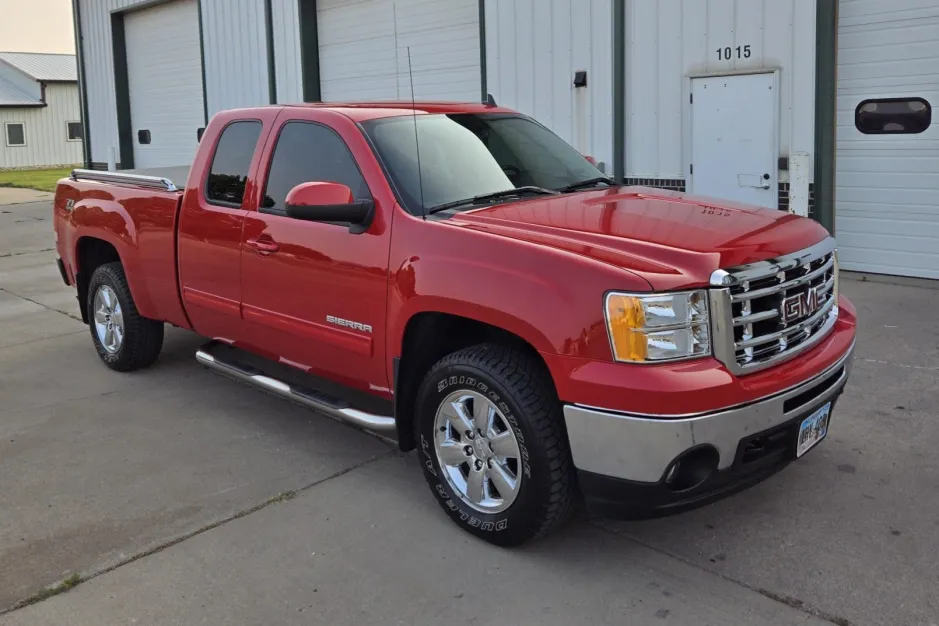
5. GMC Sierra 1500 (2014-2018 Models with 4.3L V6)
The GMC Sierra 1500 models produced between 2014 and 2018 with the base 4.3-liter V6 engine have developed a reputation for reliability issues that often emerge well before the 80,000-mile mark. The 4.3L V6, while offering a balance of fuel economy and power, tends to experience early timing chain failures and valve train problems.
The engine’s timing chain guides and tensioners are prone to wear, causing rattling noises, loss of engine power, and eventual breakdowns if not addressed promptly.
Additionally, oil consumption issues have been widely reported, with some owners experiencing significant oil burn between service intervals. These problems degrade engine performance and necessitate frequent oil top-ups or costly repairs.
The six-speed automatic transmission paired with the 4.3L V6 also exhibits vulnerabilities. Owners frequently report rough shifting, delayed engagement, and transmission overheating, which reduces the transmission’s lifespan.
The transmission’s electronically controlled components, including solenoids and valve bodies, are susceptible to failure, requiring fluid changes or component replacements earlier than expected.
These issues are exacerbated in vehicles used for towing or heavy daily driving, where the transmission experiences increased thermal stress. As a result, many GMC Sierra 1500 trucks with the 4.3L engine require major transmission work well before reaching 80,000 miles.
Suspension components on these GMC Sierras are another common source of early problems. The front independent suspension and rear multi-link setup utilize various bushings, ball joints, and mounts that degrade prematurely, especially in trucks frequently used on rough roads.
Owners often report clunking noises, alignment issues, and excessive tire wear starting around the 50,000-mile mark. Suspension repairs can become costly, and failure to address these problems can cause further damage to steering and drivetrain components.
Brake wear is also accelerated in some cases due to rust and corrosion on rotors and calipers, leading to early replacements and increased maintenance costs.
Electrical system reliability is also a concern for these Sierra models. Problems with sensors, wiring harnesses, and the infotainment system are common, leading to dashboard warning lights, intermittent failures of power accessories, and reduced engine performance due to sensor faults.
Diagnosing these electrical gremlins requires specialized tools, and repairs can be expensive due to the complexity of modern vehicle electronics. These combined mechanical and electrical problems diminish the overall reliability of the GMC Sierra 1500 4.3L V6, often preventing it from achieving the longevity expected from a full-size pickup truck.
ALSO READ: 5 Trucks That Don’t Sag With Towing and 5 That Shouldn’t Be Used to Haul Anything
In conclusion, the disparity in truck longevity and reliability underscores the importance of making informed decisions when purchasing or maintaining a pickup.
Trucks that still run perfectly past 400,000 miles demonstrate that with the right combination of robust engineering, quality materials, and proper maintenance, it is possible to achieve exceptional durability and long-term value.
These long-lasting trucks have proven time and again that they can withstand harsh work environments, demanding towing, and challenging terrain without succumbing to premature wear or breakdowns.
Their enduring performance serves as a testament to thoughtful design and the manufacturer’s commitment to quality, which benefits both everyday drivers and professional users who rely on their trucks as essential tools.
The trucks that achieve such longevity often share common traits: simple yet effective engine designs that avoid overly complex or unproven technology, transmissions with proven reliability and effective cooling systems, and suspension components built to endure heavy use without excessive wear.
Their manufacturers also tend to emphasize corrosion protection and have stringent quality control standards, minimizing issues that can shorten a vehicle’s lifespan.
Moreover, the widespread availability of replacement parts and knowledgeable service networks support these vehicles throughout their extended lives, allowing owners to address issues quickly and cost-effectively before they escalate.
Importantly, these trucks are not immune to wear and tear, but their ability to handle repairs and maintenance cost-effectively contributes significantly to their longevity. Conversely, trucks that begin breaking down before 80,000 miles highlight how critical engineering choices, manufacturing quality, and design details are to a vehicle’s lifespan.
Often plagued by weak engine components, transmission problems, premature suspension wear, and electronic glitches, these trucks struggle to maintain reliability under normal use, let alone demanding conditions. Many of the issues observed in these less durable models stem from cost-cutting measures, rushed production, or insufficient testing and refinement before release.
Additionally, modern trucks’ increasing reliance on complex electronics introduces a new set of challenges, as software bugs or fragile wiring can exacerbate mechanical problems or cause intermittent failures that frustrate owners and complicate repairs.
For prospective truck buyers, understanding the models prone to early failure is crucial in avoiding costly surprises. Investing in a truck known for durability not only saves money over time but also reduces downtime and stress associated with unexpected breakdowns.
It is equally important for current owners to recognize early warning signs of potential failures and adhere to recommended maintenance schedules.
Preventive care, such as timely oil changes, transmission fluid services, and suspension inspections, can prolong the life of many trucks, even those with less stellar reputations. However, some fundamental design flaws or quality issues cannot be fully mitigated by maintenance alone, making the choice of a reliable model paramount.
Furthermore, the truck market continues to evolve with new technologies and stricter regulations influencing vehicle design. While innovations like turbocharged engines, advanced transmissions, and electronic driver aids promise improved performance and efficiency, they can also introduce new failure modes if not thoroughly tested.
Buyers should weigh the benefits of cutting-edge features against the potential risks to reliability, especially if longevity is a top priority. Learning from past models’ strengths and weaknesses provides valuable lessons for both manufacturers and consumers as the industry moves forward.
Ultimately, trucks that last beyond 400,000 miles earn their reputation by consistently delivering dependable performance and maintaining structural integrity through years of demanding use. These trucks embody the ideal blend of durability, practicality, and cost-effective maintenance, making them reliable partners for countless owners worldwide.
Meanwhile, trucks that fail early remind us that not every vehicle on the market meets these standards, emphasizing the importance of research, inspection, and choosing wisely based on a model’s track record.
By carefully considering the information presented in this article, truck buyers can approach their purchases with greater confidence and awareness. Whether prioritizing longevity, reliability, or maintenance costs, selecting the right truck can have a profound impact on the ownership experience.
With the right choice, a truck can become a trusted asset that performs flawlessly for many years and miles, providing peace of mind and value well beyond the initial investment.
Conversely, avoiding models with known early failures can prevent the frustration and financial strain associated with unexpected repairs, making the path to dependable truck ownership clearer and more attainable.
