
Brakes are among the most critical components of any vehicle, playing an essential role in safety and performance. Without reliable brakes, even the most advanced car becomes a hazard on the road. For drivers, understanding how and why brake components wear out is vital not only for safety but also for managing maintenance costs.
While brake pads and rotors are designed to wear over time and require periodic replacement, the rate at which they wear varies dramatically depending on numerous factors.
These include the vehicle’s design, weight, braking system technology, driving style, and typical operating conditions. Some cars can go tens of thousands of miles before needing brake service, while others seem to wear through brake pads much faster, sometimes requiring replacement as often as every 20,000 miles or less.
In this article, we will explore two sides of this braking equation by highlighting five cars known for their brake durability and five that tend to wear through brake pads quickly. By doing so, drivers can better understand what contributes to brake longevity and what to expect from different types of vehicles.
This knowledge can be especially helpful for prospective buyers weighing options based on ownership costs, driving habits, or the intended use of the vehicle—whether it’s a commuter car, a performance machine, a rugged off-roader, or a heavy-duty truck.
Brake wear is fundamentally a function of friction, heat, and mechanical stress. Whenever a driver presses the brake pedal, the brake pads clamp down on the rotors (or discs) to slow the vehicle through friction. This friction converts kinetic energy into heat, which gradually erodes the brake pads and can warp rotors if temperatures get too high.
The harder and more frequently a driver brakes, the faster the components wear. Additionally, vehicle weight plays a significant role—heavier vehicles generate more kinetic energy, requiring greater braking force and more aggressive friction, which increases pad and rotor wear.
Technological innovations have introduced ways to mitigate traditional brake wear. Regenerative braking systems found in hybrid and electric vehicles, for example, capture some of the kinetic energy during deceleration and convert it back into electrical energy stored in the battery.
This reduces reliance on friction brakes, resulting in significantly longer-lasting brake pads and rotors. Vehicles like the Toyota Prius and Tesla Model 3 are prime examples of this technology dramatically extending brake service intervals.
Conversely, vehicles designed for performance, towing, or off-road use often experience more rapid brake wear due to the nature of their driving demands. Sports cars like the BMW M3 and compact performance vehicles such as the Mini Cooper S require brake pads made from aggressive compounds that prioritize stopping power and fade resistance over longevity.
Similarly, trucks like the Ford F-150, especially when used for heavy towing, face increased brake demands because of their size and load. Off-road vehicles such as the Jeep Wrangler experience frequent hard braking on rough terrain, accelerating wear beyond typical highway use.
Driver behavior also plays an outsized role in brake pad longevity. Aggressive driving with hard braking and rapid deceleration naturally causes more friction and heat buildup.
On the other hand, calm, anticipatory driving that allows for gentle slowing extends brake life significantly. Even the best brake systems will wear out quickly if they’re constantly subjected to high stress. Therefore, understanding how to modulate braking and employing driving habits suited to your vehicle can help mitigate wear.
Brake maintenance itself is another consideration. High-quality brake pads and rotors, timely inspections, and proper servicing help extend component life. Neglecting brakes can lead to uneven wear, noise, reduced performance, and expensive repairs. Some vehicles also benefit from easy access to brake components, making maintenance more straightforward and affordable.
Ultimately, knowing which cars tend to wear through brake pads faster and which have systems designed for longevity can guide owners in selecting the right vehicle and preparing for realistic maintenance schedules. Whether you prioritize low maintenance costs, long-lasting reliability, or exceptional performance, there’s a brake system suited for your needs.
In the sections that follow, we will dive into specific models and explain why some cars stand out for their exceptional brake durability, while others are known for quicker brake wear. This insight will empower you to make more informed decisions and help you better understand the important relationship between vehicle design, driving habits, and brake maintenance.
Also Read: 10 Affordable Maintenance Tips That Can Add Years to Your Car and Save You Costly Repairs
5 Cars That Rarely Need Brake Jobs
1. Toyota Prius
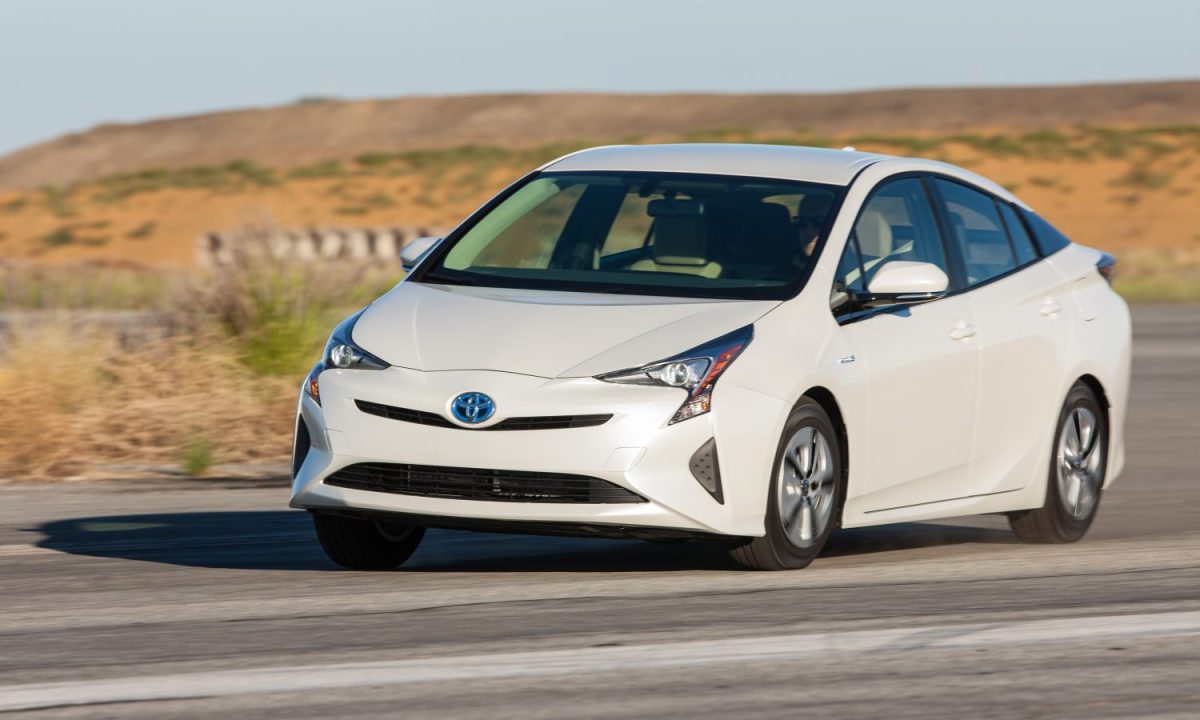
The Toyota Prius stands as a pioneer in hybrid technology and remains one of the most practical vehicles when it comes to minimizing brake wear. The key to its exceptional brake longevity lies in its advanced regenerative braking system.
Unlike traditional vehicles that rely solely on friction brakes to slow down, the Prius uses its electric motor to slow the car while simultaneously capturing kinetic energy and feeding it back into the battery.
This innovative system drastically reduces the wear on brake pads and rotors since the physical brakes are engaged far less frequently, especially during typical city driving conditions where stop-and-go traffic is common.
Beyond the technology, the Prius’s lightweight design and efficient powertrain contribute to reduced braking demands. The car was engineered with economy and low emissions as its primary goals, which means its brakes are rarely subjected to aggressive or abrupt stops.
This gentle approach to stopping extends the life of brake components well beyond industry norms. Toyota owners and automotive experts alike report that it’s not unusual for Prius drivers to reach 70,000 miles or more without a brake job, which contrasts sharply with many conventional cars that might require brake service every 30,000 to 40,000 miles.
The quality and design of the Prius’s brake system further enhance its durability. Toyota employs high-quality friction materials for its pads and rotors, which resist wear and heat buildup.
Additionally, the brake hardware is designed to withstand years of use with minimal maintenance, reducing issues like rotor warping or uneven pad wear. This focus on reliability means fewer trips to the mechanic and more consistent braking performance over the life of the vehicle.
Finally, the Prius encourages a driving style that inherently protects the brakes. Because it is primarily used for city commuting and emphasizes smooth acceleration and deceleration, drivers often adopt a calmer approach behind the wheel. This style not only improves fuel efficiency but also extends brake life.
When combined, these factors make the Toyota Prius a standout example of how modern technology and thoughtful engineering can significantly reduce the frequency and cost of brake maintenance.
2. Honda Accord Hybrid
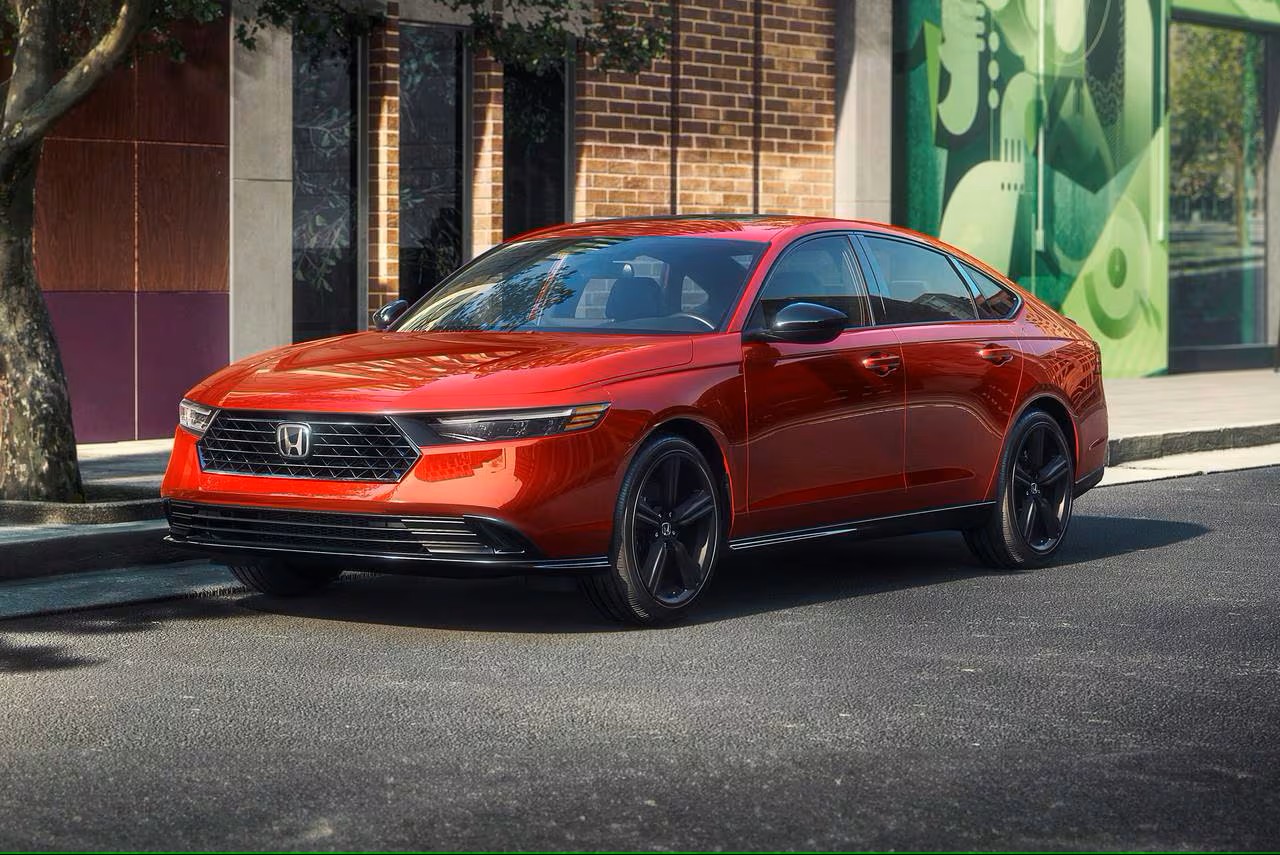
The Honda Accord Hybrid offers a compelling blend of performance, comfort, and efficiency, with one of its standout features being its remarkably durable braking system. Like the Prius, the Accord Hybrid utilizes regenerative braking technology to reclaim energy during deceleration, easing the load on traditional friction brakes.
However, what sets the Accord Hybrid apart is its midsize sedan stature paired with a more powerful engine, which demands a braking system capable of handling greater weight and speed while still maintaining pad longevity.
Honda has invested heavily in high-quality brake components for the Accord Hybrid, including premium pads made from materials engineered to withstand heat and friction without rapid degradation.
The rotors are also designed to distribute heat evenly, reducing the chances of warping or cracking that commonly plague brakes under heavy use. This robust hardware, paired with Honda’s meticulous engineering standards, results in a brake system that performs reliably even after tens of thousands of miles on the road.
In addition, the hybrid powertrain’s smooth power delivery encourages less abrupt braking. Because the electric motor provides a layer of engine braking and regenerative force, the physical brakes are often only called upon for more significant stops.
This not only reduces wear but also improves driver confidence, as braking feels more progressive and predictable. Many owners report needing brake pad replacements well past 50,000 miles, a testament to the system’s effectiveness.
Honda also designs the Accord Hybrid’s brakes to be service-friendly. When pads do wear out, replacement is typically straightforward and cost-effective, with parts readily available and mechanics familiar with the vehicle’s setup.
This combination of longevity and ease of maintenance makes the Accord Hybrid a smart choice for drivers who value both performance and low ownership costs, as its brake system stands up exceptionally well over time and miles.

3. Tesla Model 3
Tesla’s Model 3 has revolutionized the electric vehicle market, and one of its many advantages lies in the remarkable durability of its brake system. Unlike traditional cars that rely entirely on friction brakes, the Model 3’s primary method of slowing down is through an advanced regenerative braking system integrated with its electric drivetrain.
This system captures energy that would otherwise be lost during braking and feeds it back into the battery, drastically reducing physical brake usage and the associated wear on brake pads and rotors.
This regenerative braking is so effective that many Model 3 owners report going well over 100,000 miles without needing to replace their brake pads, a feat nearly unheard of in the automotive world. The system not only extends the life of brake components but also contributes to improved energy efficiency, helping Tesla vehicles achieve their impressive range figures.
Moreover, Tesla’s brake-by-wire technology offers precise brake control, allowing the car to modulate braking force with remarkable finesse, which further protects the physical brake system from unnecessary wear.
The Model 3’s lightweight aluminum construction and aerodynamic design complement the braking system by reducing the vehicle’s overall stopping demands.
With a curb weight that is lighter than many other electric sedans, the Model 3 requires less friction braking force during typical driving conditions. Combined with the car’s electronically controlled brake system, this results in exceptionally smooth and consistent braking performance.
Lastly, Tesla’s continuous software updates often include improvements to regenerative braking and brake system calibration, ensuring that the brakes remain optimized throughout the vehicle’s life.
This software-centric approach to brake maintenance, along with the inherent efficiency of electric powertrains, means that Tesla Model 3 owners enjoy fewer brake jobs, reduced maintenance costs, and greater peace of mind on the road.
4. Lexus RX Hybrid
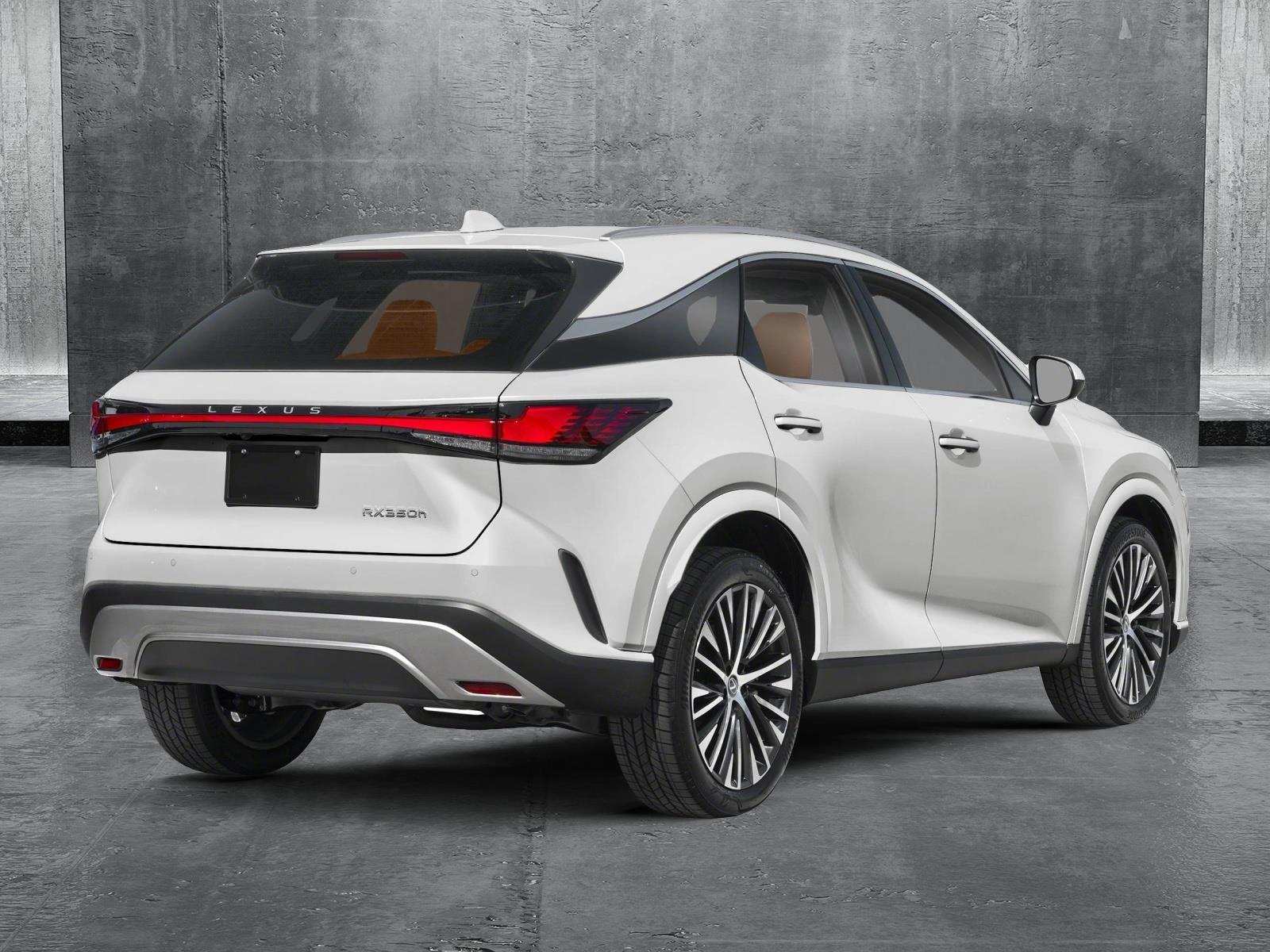
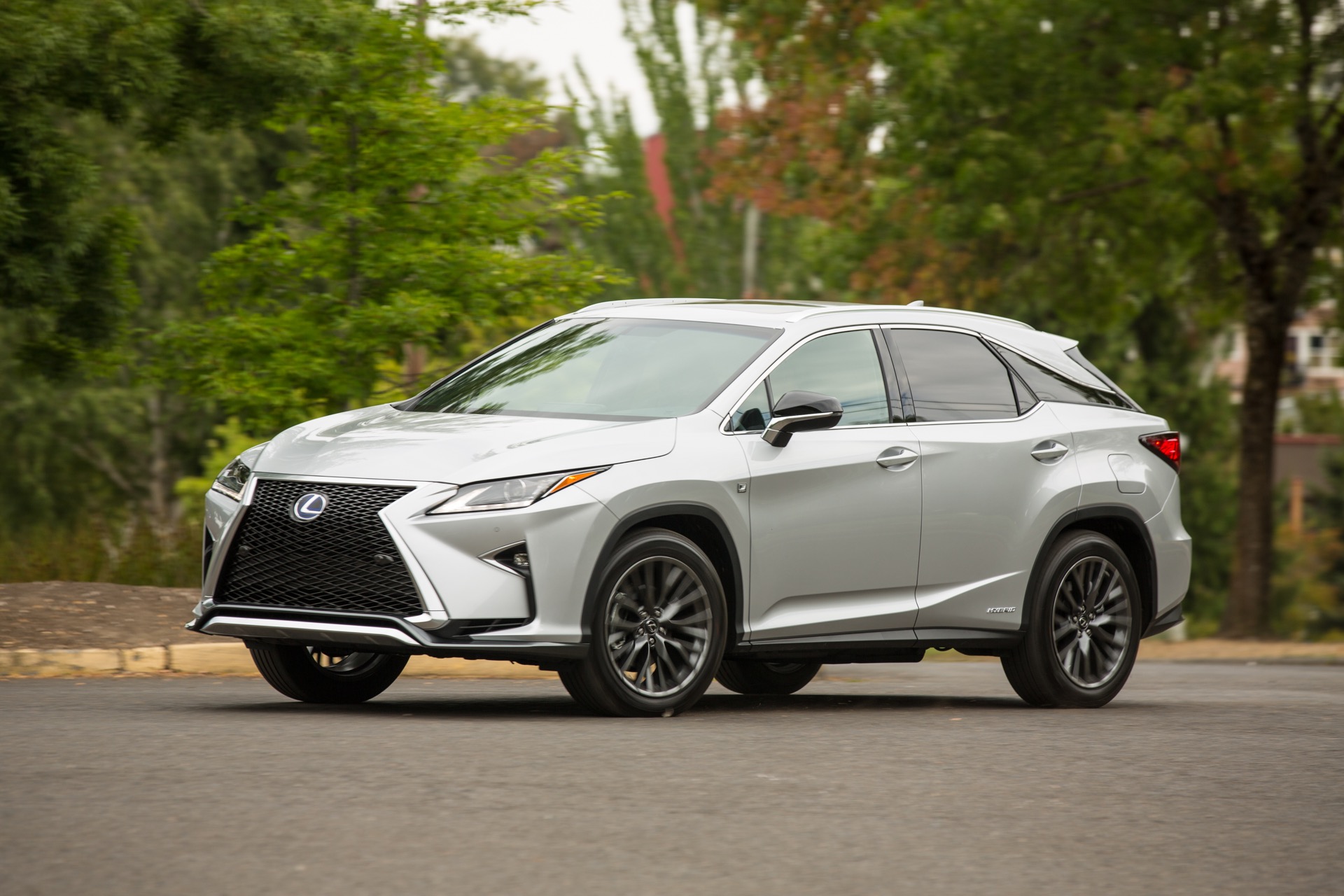
The Lexus RX Hybrid represents a luxury SUV that doesn’t compromise on brake longevity despite its size and power. The vehicle’s hybrid powertrain integrates regenerative braking to reduce dependence on traditional friction brakes, helping to preserve brake pads and rotors even under heavier use.
This is particularly notable in an SUV, which typically experiences more brake wear due to its weight and higher center of gravity compared to sedans.
Lexus, known for its attention to detail and premium quality, equips the RX Hybrid with high-grade brake pads and large rotors that provide excellent heat dissipation.
This design helps to maintain consistent braking performance while reducing the risk of brake fade and uneven wear. The brake calipers and hardware are also built to a high standard, ensuring durability and longevity in various driving conditions, from city streets to highway cruising.
What truly sets the RX Hybrid apart is how Lexus tunes the braking system to prioritize smoothness and comfort without sacrificing stopping power.
The regenerative braking system is calibrated to provide seamless deceleration, gently engaging the physical brakes only when necessary. This approach not only protects brake components but also enhances the driving experience by delivering predictable and comfortable braking, a hallmark of Lexus vehicles.
Owners of the RX Hybrid frequently report needing brake service far less often than they expected for a luxury SUV. This brake longevity is a direct result of the combination of hybrid technology, quality materials, and thoughtful system calibration. For buyers seeking a blend of luxury, utility, and reduced maintenance hassle, the Lexus RX Hybrid’s braking system is a significant selling point.
5. Subaru Outback
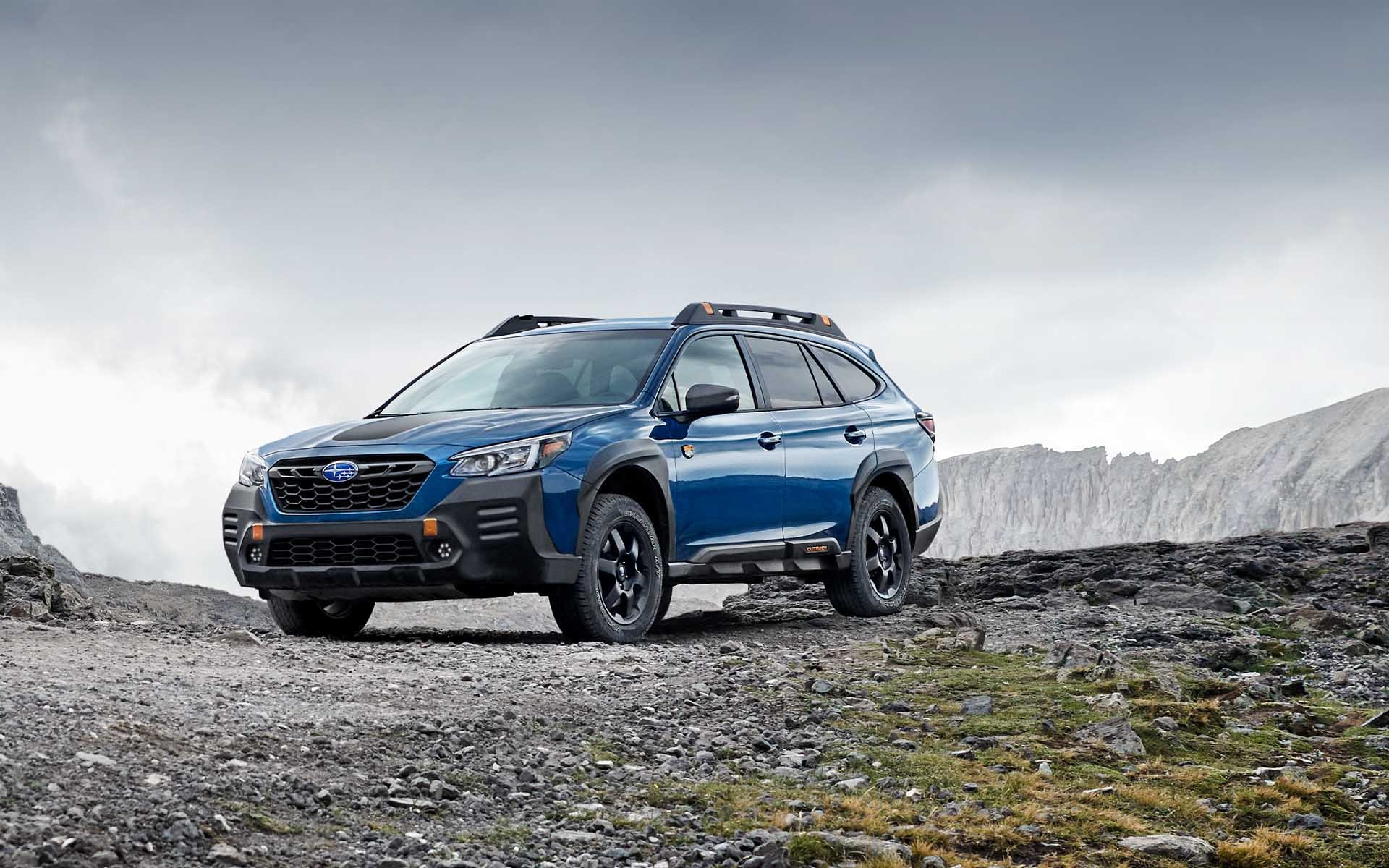
The Subaru Outback is renowned for its rugged versatility and reliability, traits that extend to its braking system. Although it doesn’t feature hybrid technology like some other cars on this list, the Outback compensates with a carefully engineered brake setup designed to withstand a variety of driving conditions while delivering durability and safety.
Subaru’s approach includes equipping the Outback with large, ventilated rotors and durable brake pads that offer excellent heat resistance and wear characteristics.
These components are crucial for an SUV often used in diverse environments, from paved highways to dirt trails. The brake hardware is designed to handle frequent stops, steep descents, and varying road surfaces without suffering rapid degradation, allowing owners to enjoy peace of mind over many miles.
Another important factor in the Outback’s brake longevity is its standard all-wheel-drive system. This setup provides enhanced traction and stability, which helps to reduce sudden or aggressive braking events. Drivers can rely on the vehicle’s balanced handling to maintain control without needing to slam the brakes, resulting in less wear over time.
Lastly, the Outback’s braking system benefits from Subaru’s emphasis on safety and reliability. The company routinely tests and refines its brake components to ensure consistent performance and long service intervals. For owners who require a capable crossover that doesn’t sacrifice brake durability, the Subaru Outback remains an excellent and dependable choice.
5 Cars That Wear Through Brake Pads Fast
1. Jeep Wrangler
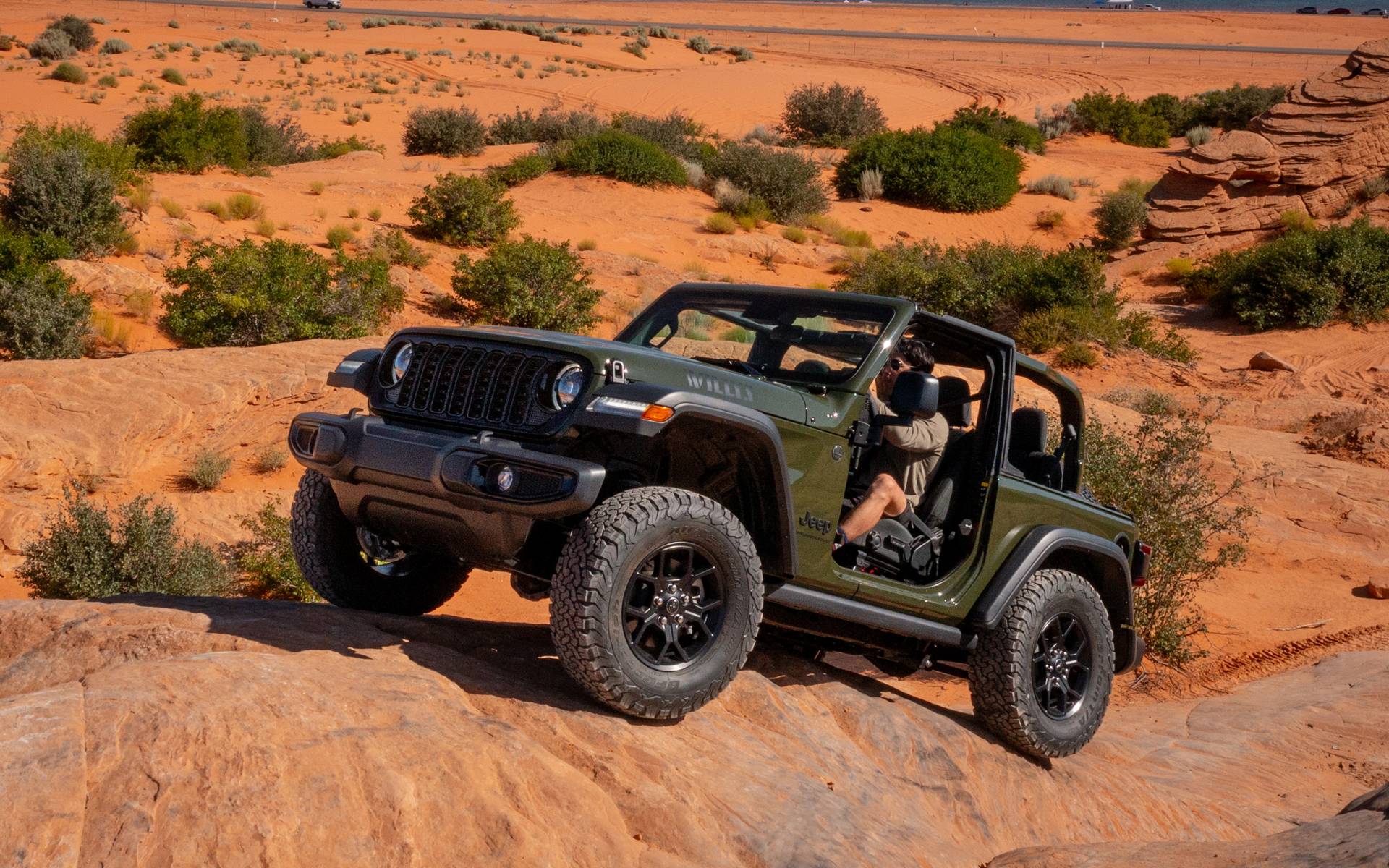
The Jeep Wrangler is an iconic off-road vehicle that embodies ruggedness and durability, but when it comes to brake wear, it often falls short compared to more urban-friendly cars. The Wrangler is designed for tackling challenging terrain — rocky trails, steep inclines, and mud — where frequent and heavy braking is the norm rather than the exception.
This demanding use significantly accelerates brake pad wear. In off-road conditions, the driver often relies on aggressive braking to maintain control, avoid slipping, or navigate sharp obstacles, which can cause the pads to wear down much faster than on smooth pavement.
Adding to the challenge is the Wrangler’s weight and boxy design, which increases the amount of kinetic energy that needs to be dissipated when slowing down. This means the brakes have to work harder, especially during downhill descents or towing heavy gear.
While the Wrangler’s brake components are engineered to be tough and resistant to damage, the heat generated by frequent, intense braking causes the pads and rotors to degrade more quickly. This can lead to the need for brake jobs every 20,000 to 30,000 miles, which is considerably sooner than many passenger cars.
Another factor contributing to faster brake wear is the Wrangler’s typical use case: owners often drive aggressively on trails or in urban environments where stop-and-go traffic is common.
The combination of sudden stops, low-speed maneuvering, and heavy vehicle load is a recipe for accelerated brake pad consumption. In addition, the Wrangler’s brake system doesn’t include regenerative braking technology to help offset friction brake use, meaning the pads bear the full burden of stopping the vehicle.
For Jeep Wrangler owners who want to reduce brake wear, options include upgrading to heavy-duty brake pads designed for off-road durability or adjusting driving habits to minimize aggressive braking where possible.
However, for many Wrangler drivers, regular brake maintenance is simply part of the ownership experience, reflecting the vehicle’s purpose as a rugged, no-nonsense off-road machine rather than a long-distance commuter.
2. BMW M3
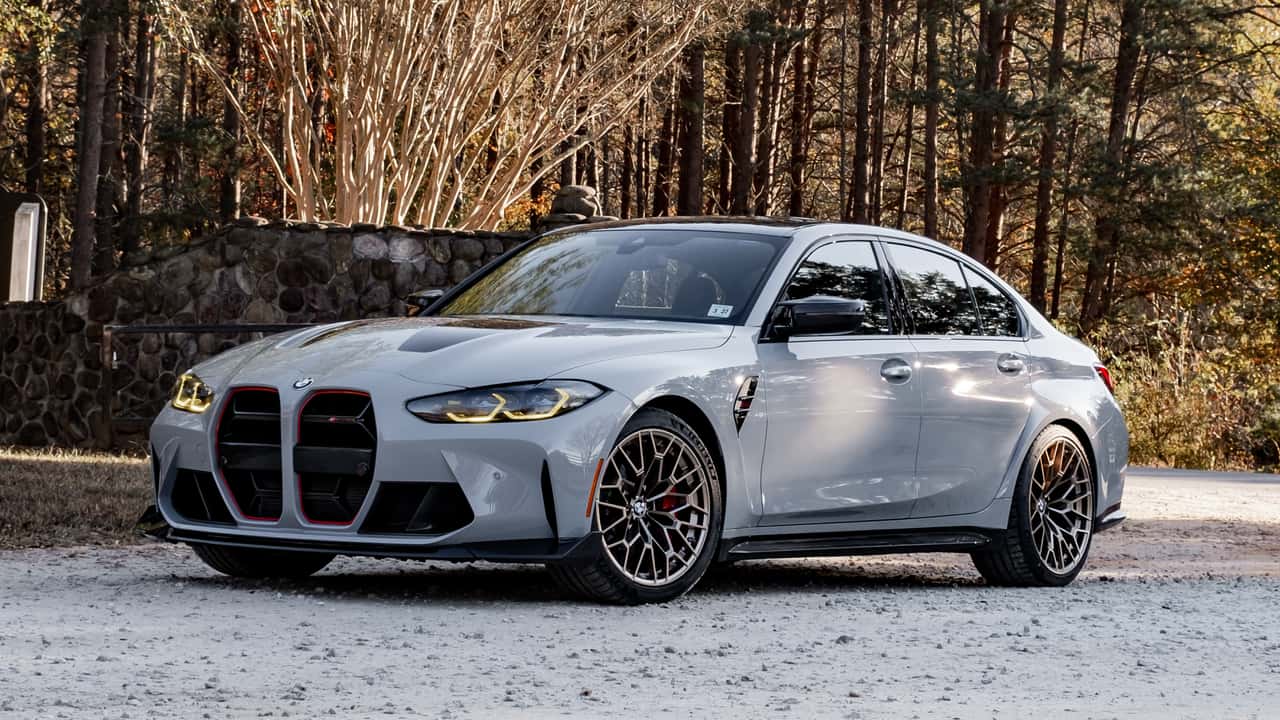
The BMW M3 is a high-performance sports sedan designed to deliver exhilarating driving experiences, but that thrill comes with the trade-off of quicker brake wear. Unlike family sedans built for smooth commuting, the M3’s braking system is engineered to handle aggressive, high-speed driving and track conditions.
The performance-oriented brake pads provide excellent stopping power and fade resistance, but they are made from materials that sacrifice some longevity to achieve that level of grip and responsiveness.
Owners who enjoy spirited driving or regular track days often find themselves replacing brake pads every 20,000 to 30,000 miles, significantly shorter than the 50,000 to 70,000 miles typical of non-performance cars.
The M3’s powerful engine demands a braking system that can safely and consistently slow the car from high speeds, which naturally means the brake components endure much more stress and heat. This heat, if not properly managed, can lead to quicker pad wear and rotor warping, especially on track-focused models.
Moreover, the M3’s brake rotors are larger and made of advanced materials like carbon-ceramic in some variants, but these components require precise driving techniques to maximize their lifespan.
Track enthusiasts who push their cars to the limit will accelerate brake wear despite these advanced materials. The brake system also features larger calipers and aggressive pads that, while excellent for performance, tend to be harder on the components themselves.
Lastly, while the BMW M3’s braking system is top-notch in terms of capability, it inherently involves higher maintenance costs. Performance brake pads and rotors are more expensive than standard parts, and the need for frequent replacement is a factor prospective owners should consider.
Nevertheless, for those who prioritize driving excitement and track-ready performance, quicker brake wear is an accepted trade-off for the M3’s thrilling capabilities.
3. Ford F-150 (Heavy-Duty Use)
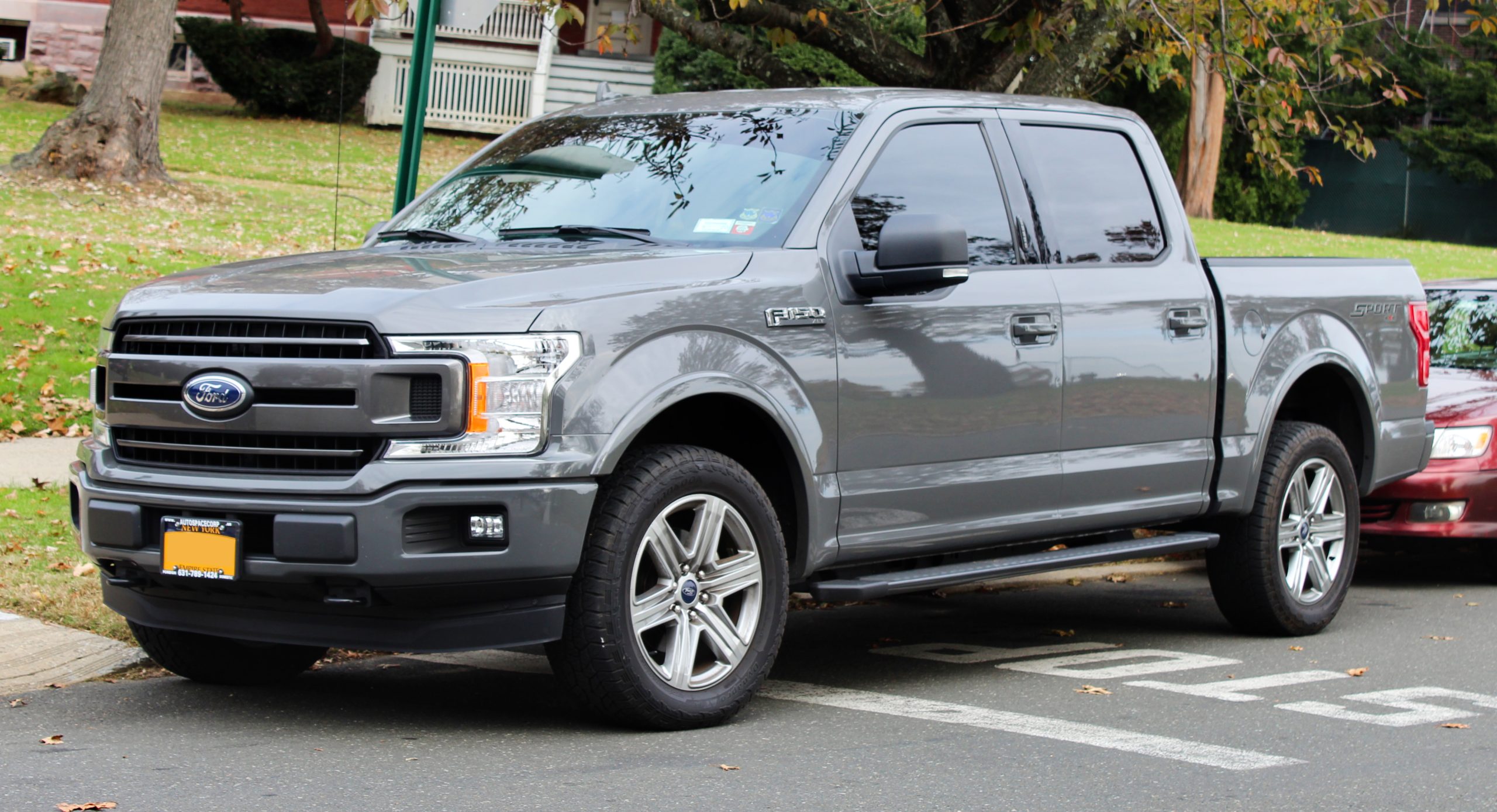
The Ford F-150 is the epitome of a workhorse pickup truck, commonly used for towing trailers, hauling heavy loads, and driving in rugged environments. These demanding tasks place tremendous stress on the truck’s braking system, leading to accelerated brake pad wear compared to typical passenger vehicles.
While the F-150 offers excellent stopping power, the sheer weight of the vehicle, especially when loaded, means the brakes have to work overtime to safely bring the truck to a stop.
For drivers who regularly tow heavy trailers or use their F-150 in commercial or construction settings, brake pads often require replacement around every 25,000 miles or even sooner.
The truck’s weight and momentum necessitate prolonged and often hard braking, generating significant heat that accelerates friction material wear and can also cause rotor warping if not managed properly. Furthermore, heavy-duty stop-and-go driving typical on job sites only compounds the wear on the brake system.
In addition, the F-150’s brake system is optimized for strength and durability, featuring larger rotors and calipers designed to handle tough workloads. However, these robust components can only do so much; physics ultimately governs the rate at which brake pads wear out under heavy use.
Owners looking to extend the lifespan of their F-150’s brakes may consider aftermarket heavy-duty brake pads designed for towing and hauling or adding auxiliary braking systems like trailer brakes to reduce the load on the truck’s primary brakes.
It’s also worth noting that Ford offers brake upgrade packages for the F-150, including enhanced rotors, calipers, and pads, aimed at improving brake life under heavy-duty conditions.
Despite these options, frequent brake maintenance is a known reality for F-150 owners who push their trucks hard, especially those using their trucks as intended for tough work rather than light commuting.
4. Mini Cooper S
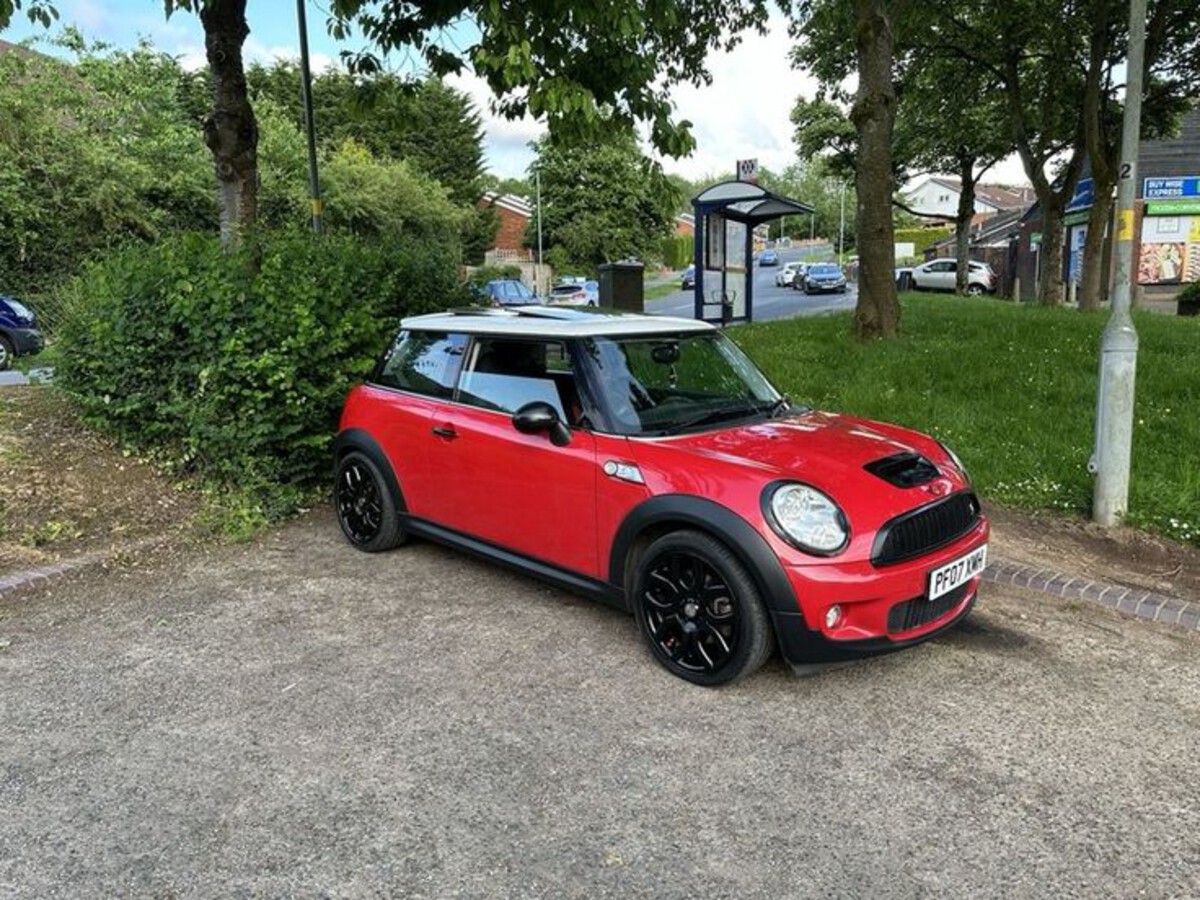
The Mini Cooper S is famous for its peppy handling and sporty driving dynamics, but its brakes are notorious for wearing through pads quickly.
While the car’s compact size and light weight would suggest relatively gentle braking demands, the Cooper S’s performance-oriented setup tells a different story. The vehicle’s enthusiastic drivers often push it hard in spirited driving, which places significant stress on the brakes and results in faster pad wear than more sedate compact cars.
Performance brake pads on the Mini Cooper S are formulated to provide excellent grip and fade resistance, which means they use softer compounds that tend to wear faster.
This trade-off ensures the brakes are responsive and effective, but it comes at the cost of durability. Drivers who frequently accelerate hard, brake late, or navigate twisty roads will find themselves replacing brake pads as early as every 20,000 to 25,000 miles, far sooner than many other hatchbacks.
The small brakes also face challenges from the car’s turbocharged engine, which encourages more aggressive driving and braking habits. Furthermore, the Mini Cooper S’s short wheelbase and nimble chassis mean it’s often used in urban stop-and-go scenarios or on curvy roads where frequent braking is necessary, both of which accelerate brake pad consumption.
Maintenance costs for brake service on the Cooper S can be higher than average due to the performance nature of the brake components.
Owners looking to mitigate rapid brake wear may consider switching to longer-lasting pads at the expense of some brake feel or adjusting their driving style to be less aggressive. Regardless, brake wear is an inherent part of owning a car that prioritizes spirited driving over longevity in brake components.
5. Audi A4 (Quattro Models)
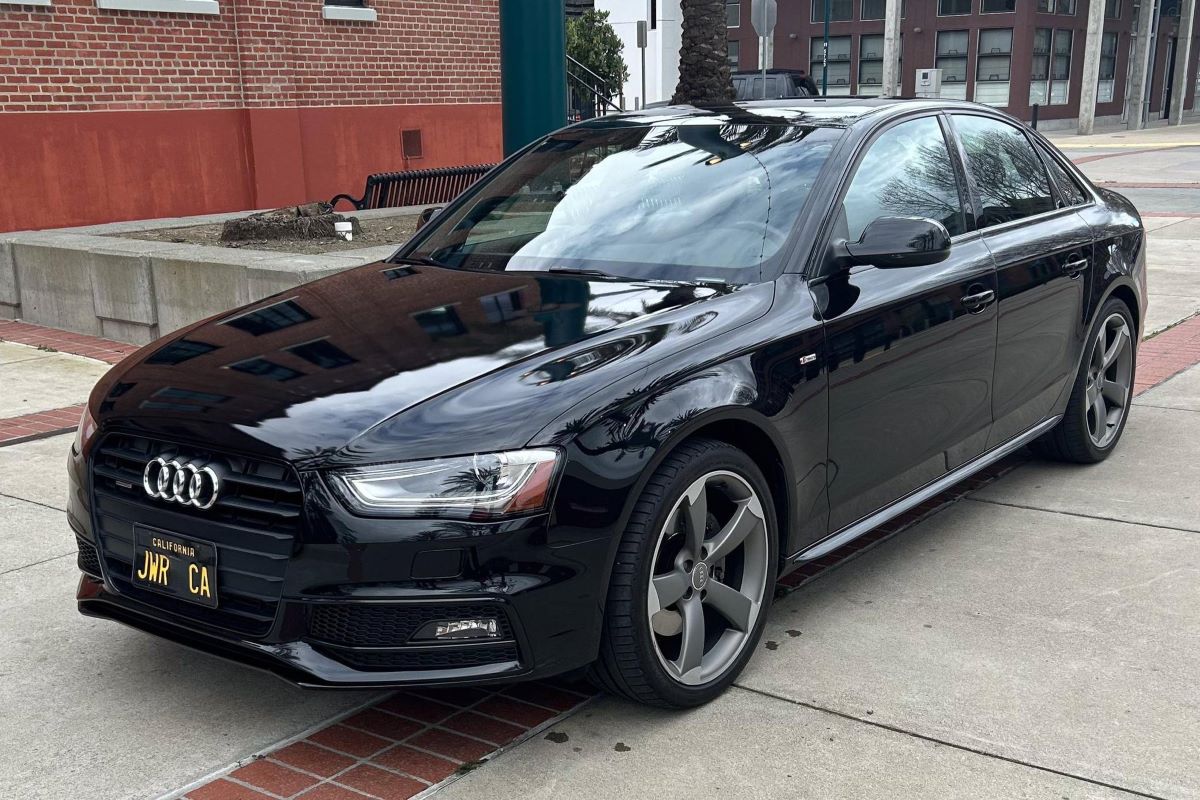
The Audi A4 Quattro models combine luxury, performance, and all-wheel drive, making them excellent vehicles for all-weather driving and spirited performance. However, the added weight and mechanical complexity of the Quattro AWD system contribute to faster brake pad wear compared to their front-wheel-drive counterparts.
The extra drivetrain components add weight, which increases the braking force required to slow down or stop the vehicle, thus accelerating pad consumption.
Owners of Audi A4 Quattro models often report needing brake pad replacements near the 30,000-mile mark, which is on the shorter end compared to many sedans in the segment.
The braking system itself is equipped with premium performance pads and larger rotors designed to offer consistent and confident stopping power. Still, the demands of the heavier AWD system and the sporty driving style many Audi owners adopt combine to wear through pads at a quicker rate.
Another factor influencing brake wear is the A4’s suspension and tire setup. Many Quattro models come with performance tires and a sport-tuned suspension that encourages aggressive cornering and faster speeds, which naturally requires more frequent and harder braking. This, coupled with urban driving conditions or mountain roads, leads to accelerated wear patterns.
Audi owners should budget for more frequent brake maintenance and consider investing in higher-end brake pads or performance upgrade kits that can better withstand the increased stresses.
Despite the faster wear, many drivers find the trade-off worthwhile given the excellent traction and handling the Quattro system provides, even if it means more frequent brake servicing.
Also Read: 8 Tips to Prevent Engine Overheating Permanently and Keep Your Car Road-Ready Always
Brakes serve as the literal and figurative stopping point for a vehicle’s performance, safety, and overall driving experience. This critical system’s health often reflects how well a car is engineered and how thoughtfully it is maintained and driven.
Through our exploration of five vehicles that rarely need brake jobs and five that tend to wear through brake pads rapidly, it becomes clear that brake longevity depends on a complex interplay of technology, vehicle purpose, design, and driver behavior.
The vehicles that excel in brake durability typically feature advanced technologies like regenerative braking, superior quality brake components, and design considerations that reduce unnecessary stress on the brakes.
Hybrids and electric vehicles, such as the Toyota Prius and Tesla Model 3, exemplify how integrating regenerative braking fundamentally changes the wear pattern of brake components.
By recapturing energy during deceleration, these systems reduce the reliance on friction brakes, leading to brake pads that can last well beyond 70,000 miles. This translates into substantial savings for owners and fewer visits to the mechanic, as well as an overall quieter and smoother braking experience.
Luxury hybrids and well-engineered crossovers like the Lexus RX Hybrid and Subaru Outback also demonstrate the value of combining regenerative technology with high-quality hardware and thoughtful system calibration. These vehicles balance performance, safety, and comfort while minimizing brake wear through a blend of technological and mechanical design choices.
The Honda Accord Hybrid strikes a similar chord, offering a midsize sedan experience with excellent brake longevity thanks to its advanced hybrid system and durable brake materials. These cars show how modern engineering can reduce one of the more frequent maintenance needs in the average driver’s life.
Conversely, vehicles designed with performance, towing capacity, or off-road capability in mind often wear through brake pads much faster. The Jeep Wrangler’s aggressive off-road use and heavy build mean brakes undergo intense stress, with frequent, heavy stops that drastically shorten pad life.
High-performance cars like the BMW M3 sacrifice pad longevity to provide exceptional stopping power, which is essential for spirited driving and track use but leads to brake replacement intervals as short as 20,000 miles. The Mini Cooper S falls into a similar category, where sporty driving habits and performance brake compounds result in rapid wear.
Heavy-duty trucks such as the Ford F-150 illustrate how size, weight, and workload heavily influence brake wear. When towing or hauling, the truck’s brakes must dissipate far more energy than a typical passenger car, accelerating wear and maintenance needs.
Finally, vehicles with all-wheel-drive systems like the Audi A4 Quattro experience increased brake wear due to additional drivetrain weight and a driving dynamic that encourages aggressive braking in varied conditions.
Understanding these differences is invaluable for drivers, particularly those shopping for a new or used vehicle or those looking to optimize their current car’s maintenance schedule.
While brake pads and rotors are designed to be replaceable wear items, minimizing their wear frequency offers both safety and cost benefits. It reduces the likelihood of brake-related failures, maintains consistent braking performance, and lowers the overall cost of ownership.
Driver behavior remains one of the most influential factors in brake wear. Regardless of how well-engineered the braking system is, aggressive braking, frequent stop-and-go traffic, and poor maintenance habits will accelerate wear.
Conversely, gentle driving, anticipating stops, and regular brake inspections can extend pad life considerably. Drivers looking to maximize brake durability should consider adjusting their driving style and investing in quality brake components that balance performance and longevity.
For those who prioritize low maintenance and longevity, hybrid and electric vehicles are an excellent choice, as they naturally extend brake life through regenerative braking. For enthusiasts and professionals who demand performance or heavy-duty capability, the trade-off of more frequent brake jobs is often acceptable or unavoidable. In these cases, selecting high-quality aftermarket pads and rotors, along with regular maintenance, can help mitigate costs and improve reliability.
In conclusion, brake wear patterns reflect the broader characteristics of the vehicle and its intended use. Recognizing which cars are hard on brakes and which ones are gentle can save owners time, money, and potential safety risks.
As automotive technology continues to evolve, future vehicles will likely further reduce brake wear through innovations in materials, electronics, and energy recovery systems, improving the driving experience and ownership costs for everyone.
Until then, understanding the unique demands of your vehicle, coupled with responsible driving and maintenance, remains the best strategy for keeping brakes healthy and roads safe. Whether you drive a hybrid commuter, a powerful sports sedan, an off-road adventurer, or a workhorse truck, knowing how your brakes wear and why will help you anticipate maintenance needs and enjoy your driving experience with confidence.
