American cars often live in a world of extremes. For every rock-solid model that racks up miles with barely a hiccup, there’s another that keeps its owner on a first-name basis with their mechanic. In an era where reliability can make or break a vehicle’s reputation—and resale value—it’s not enough for a car to look good or drive well; it has to last.
This article takes a no-nonsense look at both ends of the spectrum. We’ve rounded up five American-made vehicles that defy expectations with impressively low failure rates—machines built to go the distance without drama. But we’re also shining a light on five others that have developed reputations for frequent breakdowns, costly repairs, and quality issues owners just can’t ignore.
American Cars With Shockingly Low Failure Rates
If you’re shopping used or curious about how your ride stacks up, this list might surprise you. Let’s separate the dependable from the disappointing.
1. Chevrolet Impala (2006–2016)
The 9th-gen Impala, particularly with the 3.6L V6 or 3.5L V6 engines, is widely respected for its mechanical simplicity and long-lasting components.
The Impala LS is powered by a 3.5-liter V6 engine that delivers 211 horsepower and 214 pound-feet of torque. Step up to the LT and you’ll have access to a 3.9-liter V6, which comes standard on the LTZ and puts out 233 hp and 240 lb-ft of torque. Sitting at the top of the performance ladder is the Impala SS, equipped with a 5.3-liter V8 generating a robust 303 hp and 323 lb-ft.
All versions use front-wheel drive and pair with a responsive four-speed automatic transmission. Both the 3.9-liter V6 and the 5.3-liter V8 feature Active Fuel Management, a system that shuts down half the cylinders under light load to conserve fuel.
The V6 options provide a respectable mix of performance and efficiency—up to 28 mpg on the highway using the updated 2008 EPA standards—while the V8 packs serious punch off the line. In our testing, the Impala SS sprinted from 0 to 60 mph in 6.4 seconds and completed the quarter-mile in 14.5 seconds.
Antilock brakes and traction control come standard on the LTZ and SS trims, and are available as options on other models. Every Impala includes full-length side curtain airbags, OnStar, and a tire-pressure monitoring system. Stability control has been added as standard equipment on the 2LT, LTZ, and SS trims.
In crash tests conducted by the NHTSA, the 2008 Chevrolet Impala earned five out of five stars for both driver and front-passenger protection in frontal collisions. Side-impact tests showed similar strength: five stars for front-seat protection and four stars for those in the rear when equipped with side airbags.
With the exception of the SS model, handling isn’t a standout feature of the 2008 Impala, largely due to its soft suspension setup. However, the car delivers a solid, confident feel, and its smooth, cushioned ride will appeal to drivers seeking comfort.
The SS, meanwhile, holds its own as a capable cruiser, made more nimble by a sport-tuned suspension and 18-inch performance tires. Despite its size and weight, the SS can be hustled through corners with surprising composure and strong power delivery.
That said, its aggressive performance comes at a cost: fuel economy quickly dips into the high teens when pushed, with EPA ratings of 16 mpg city and 24 mpg highway. For those looking to balance power and efficiency, we recommend the LTZ trim and its strong-performing 3.9-liter V6.
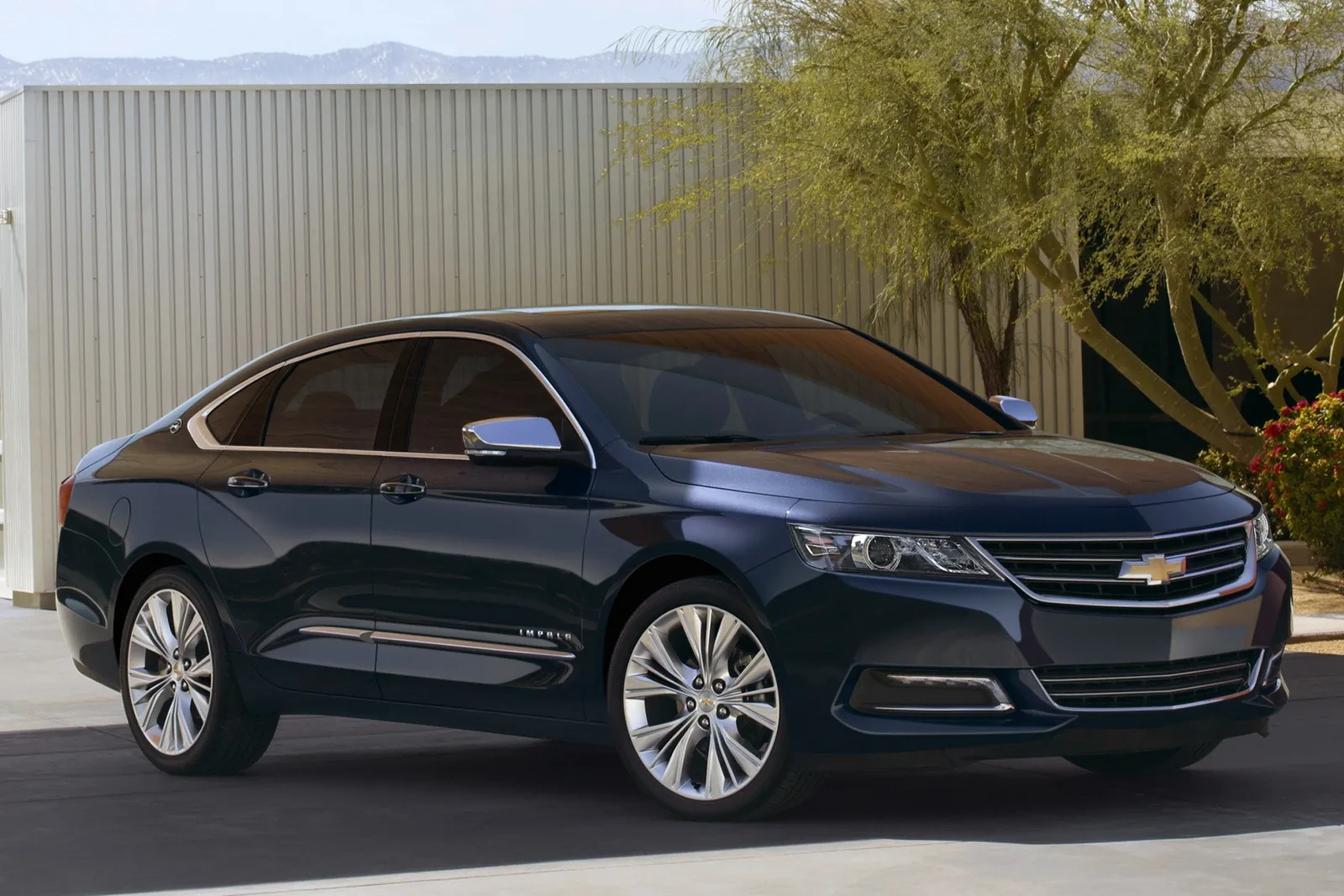
These models routinely cross 200,000 miles with only basic maintenance. The powertrain is solid, the suspension is rugged, and the electronics are surprisingly trouble-free.
Known Strengths:
- Bulletproof 6-speed automatic
- Strong HVAC and electrical systems
- Minimal electronic gremlins
Also Read: 5 Cars Thieves Can’t Crack and 5 That Get Stolen With a Laptop
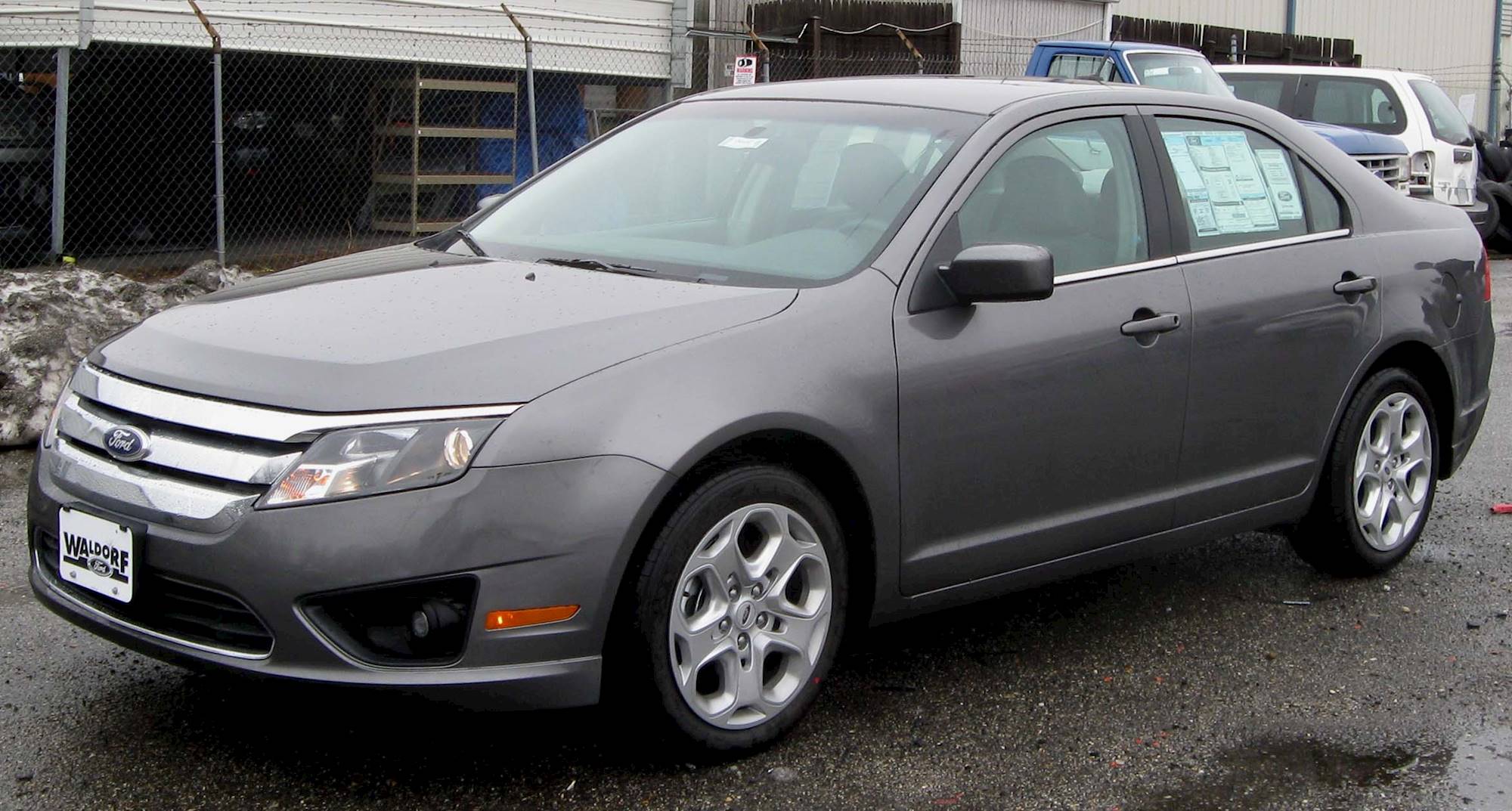
2. Ford Fusion (2010–2012, 2014–2019)
Especially in the naturally aspirated 2.5L 4-cylinder versions, the Fusion excels in long-term dependability. These models have a reputation for surviving rough conditions and high mileage. The chassis is well-tuned and durable, and transmission issues are rare in the non-EcoBoost trims.
The 2010 Ford Fusion walks the line between a midcycle refresh and a full-on redesign. It still rides on the same platform as last year’s Fusion—essentially an elongated version of the original Mazda 6 architecture—but nearly everything else has been reworked.
From the body styling and cabin layout to the powertrains and features, this Fusion is a major leap forward. So before dismissing the 2010 Fusion as just a mildly updated carryover, take it for a spin.
The outgoing model was already a solid contender among midsize sedans, and Ford has worked diligently to improve its weak spots, making this version even more compelling. Look no further than our past critiques of the previous Fusion. One major gripe was the underwhelming engine lineup.
Ford has responded with a more competitive base 2.5-liter four-cylinder producing 175 horsepower, a beefed-up 3.0-liter V6 now putting out 240 hp, and a powerful 3.5-liter V6 rated at 263 hp found in the Fusion Sport. Last year’s model also fell short in fuel efficiency, but the 2010 Fusion answers back with best-in-class fuel economy among four-cylinder sedans.
Previously, stability control was an option—this time, it’s standard across the board. Simply put, Ford went down the checklist of past complaints and fixed nearly every issue, leaving us with little room to criticize this significantly updated midsize sedan.
Additional updates for 2010 include redesigned exterior and interior elements. The cabin makeover is particularly noteworthy. Where the old interior looked outdated and felt behind the curve, the new design brings the Fusion in line with the competition, offering improved usability and a more modern appearance. However, not everything is perfect.
Two areas may give enthusiasts pause: the standard 2.5-liter four-cylinder can sound unrefined when pushed hard, and the new electric power steering—used in all but the Fusion Sport—doesn’t offer the same level of feedback as the previous model’s hydraulic system.
That said, these flaws are far from deal-breakers and are common in this segment. They certainly haven’t held back rivals from earning praise or racking up sales, and the Fusion is now firmly in that same successful camp.
Known Strengths:
- Smooth-shifting, long-life transmissions
- Fewer electronic problems than earlier Fusions
- Solid build quality
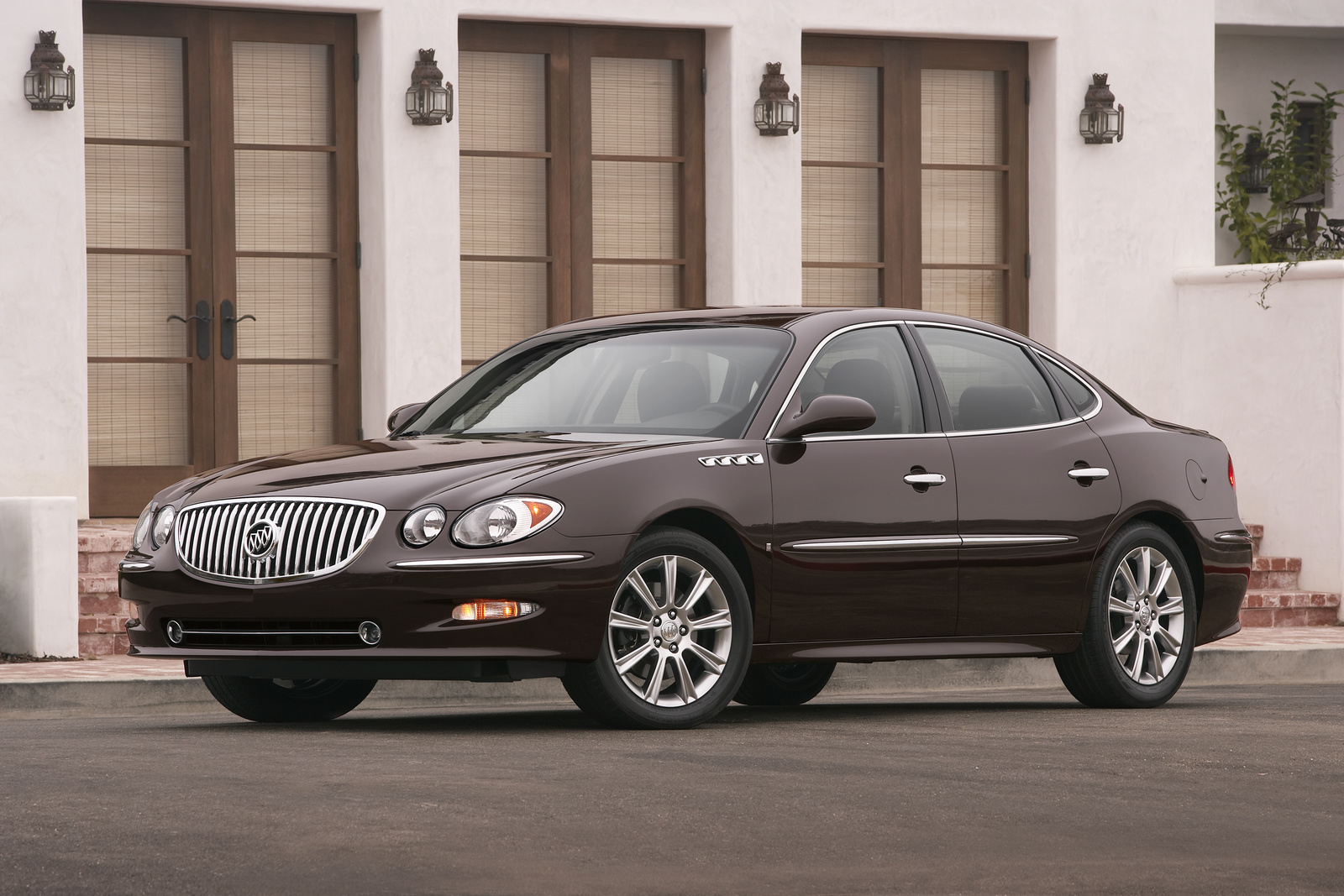
3. Buick LaCrosse (2008–2016)
This full-size sedan benefited from Buick’s push for quality in the late 2000s. The 3.8L V6 models in particular are considered nearly indestructible.
The 2010 Buick LaCrosse has undergone a full transformation—refined, reimagined, and revitalized. The soft, rounded design language and bloated body of the previous generation are gone. In their place is a sharper, more assertive look, matched with an interior that finally feels truly modern and visually appealing.
Though the new LaCrosse isn’t drastically larger than its predecessor—apart from gaining a couple of inches in height—the extensive redesign of its sheet metal lends it a far more commanding and upscale presence.
It even delivers a composed and capable driving experience for its class. Considering the relatively quiet rollout, the 2010 LaCrosse stands out as one of GM’s most pleasantly unexpected hits in recent years.
Beyond just the fresh exterior styling, the LaCrosse also sheds many of the shortcomings that once held it back. Handling is notably improved—it’s now bordering on engaging and genuinely enjoyable to drive.
The mid-tier 3.0-liter V6 is a welcome upgrade over the outdated pushrod 3.8-liter engine from the previous model, while the lineup now also includes a base four-cylinder (though it struggles a bit given the car’s heft) and a top-tier 3.6-liter V6.
The front seats are spacious, supportive, and comfortable, while the back seat now provides generous legroom that rear passengers will appreciate. Most impressive, however, is the new interior, which marks a major leap forward in quality—materials are refined, and the overall design feels premium and sophisticated.
Still, the 2010 LaCrosse isn’t without its drawbacks. One noticeable issue is the compromised rear visibility, a result of thick roof pillars and a tall rear deck lid. Buyers should seriously consider opting for rear parking sensors to compensate. Also missing from the new generation are the previous model’s six-passenger seating option and available V8 engine.
While the 3.6-liter V6 performs admirably, it can’t fully replicate the muscle of the old eight-cylinder. Another disappointment lies in the trunk—at just 13 cubic feet, cargo space falls short of expectations for a vehicle in this class and is more in line with what you’d find in a compact sedan.
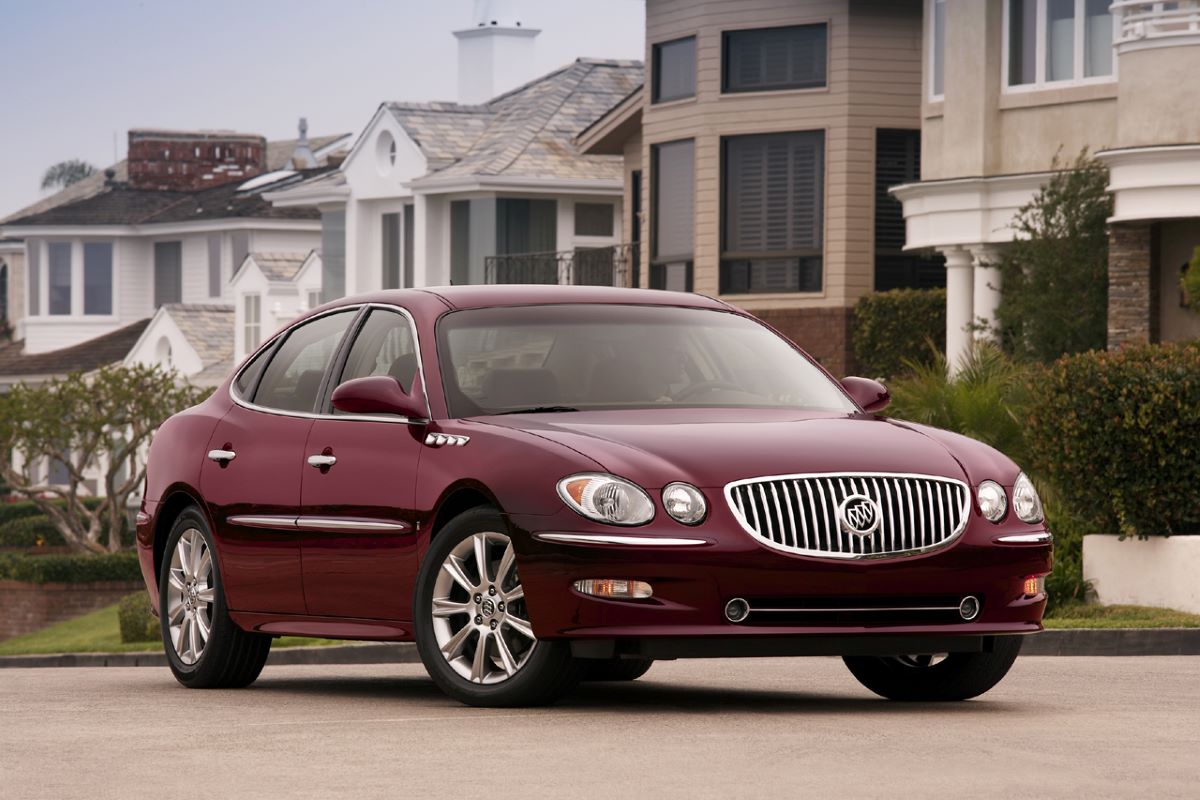
Owners report very few drivetrain issues, and ride quality remains consistent well past 150,000 miles.
Known Strengths:
- Rock-solid 3.8L and 3.6L engines
- Low suspension failure rate
- High owner satisfaction
Also Read: Top 12 Cars That Run Like New Even After 15 Years With Minimal Maintenance
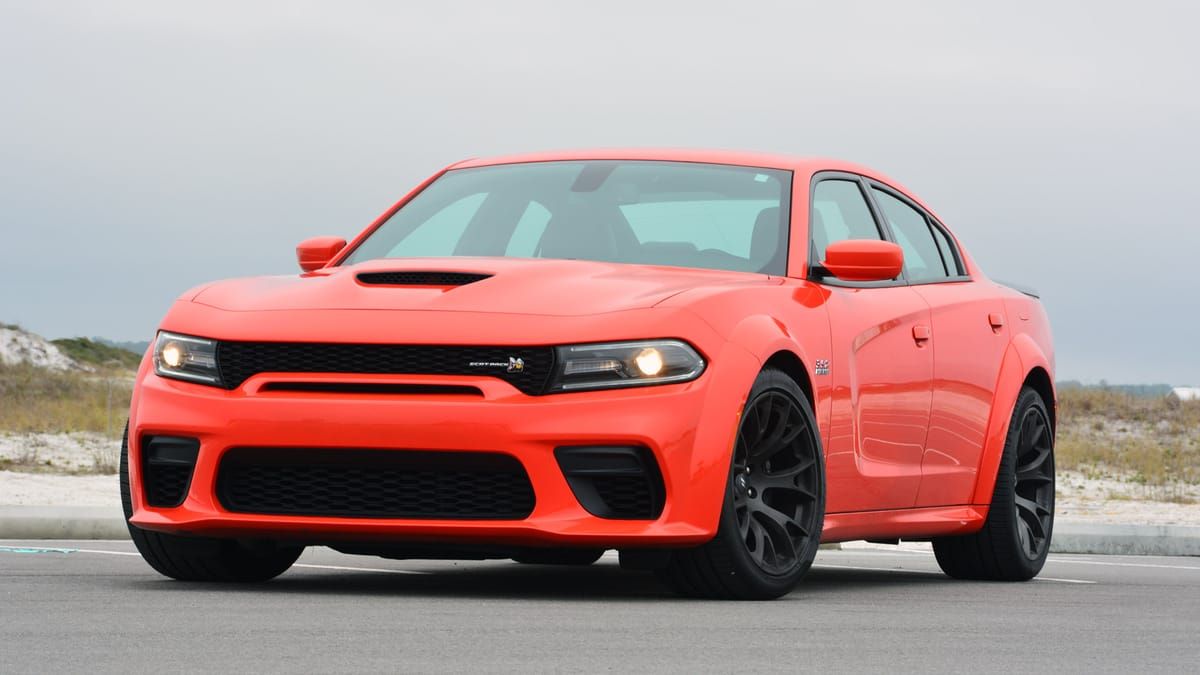
4. Dodge Charger (2011–2020)
It might surprise some, but the Charger especially with the Pentastar V6 has proven itself to be a low-maintenance workhorse. Police fleets still run these vehicles well past 150,000 miles, and common failure points like the suspension or cooling system are easy to maintain.
The 2013 Dodge Charger proves that compromise isn’t always necessary. With seating for five, it serves well as a comfortable family sedan while also doubling as a high-performance sport sedan—especially in its SRT trim. Growing up and starting a family doesn’t have to mean leaving behind your passion for power and performance.
With additional horsepower available on select Ralleye models and a bold, aggressive design—particularly in the special edition Black Top and Daytona trims—you won’t feel like you’re sacrificing excitement behind the wheel of the Charger.
During the 2012 Motor Trend Car of the Year competition, judges praised the Charger’s newly available eight-speed automatic transmission and its transformative effect on the car’s driving dynamics. It delivers smoother performance from the 3.6-liter Pentastar V-6, which produces between 292 and 300 horsepower depending on configuration
Despite its muscular appearance, the Charger still manages to return solid fuel economy thanks to that eight-speed gearbox—19 mpg city and 31 mpg highway in rear-wheel-drive versions, while all-wheel-drive variants earn 18/27 mpg.
The more powerful Hemi engines—either a 370-hp 5.7-liter V-8 or the 470-hp 6.7-liter V-8 in the Charger SRT8—still pair with a five-speed automatic for now.
We’re hopeful that the eight-speed transmission eventually becomes available across the entire lineup. Additionally, all-wheel drive is newly available this year—though it’s worth noting that this option is not offered on the SRT model.
Known Strengths:
- Durable Pentastar V6
- Strong rear-wheel drive platform
- Surprisingly dependable electrical systems
5. Lincoln Town Car (2003–2011)
Built on the Panther platform, the Town Car is a legend in reliability circles. Taxis and limousines based on this model routinely surpassed 300,000 miles.
Lincoln first introduced the Town Car name as an upscale interior trim option for the 1969–71 Continental, though the term likely traces its origins back to the 1949 Cosmopolitan Town Sedan.
That particular model lasted only a single year, and it wasn’t until 1972 that the “Town Car” designation officially marked the most luxurious variants of the Continental sedan. During the same period, the two-door versions were appropriately dubbed the Town Coupe.
Since the early 1980s, the Town Car has served as Lincoln’s flagship sedan. The 2003 model continues that legacy and boasts some of the highest owner loyalty rates in the luxury segment, with an impressive 60 percent of buyers returning for another.
Targeted primarily at Lincoln’s core demographic of older, more traditional, and conservative buyers, the 2003 Town Car reflects numerous updates based on customer feedback.
These include the revival of the iconic stand-up hood ornament and significantly improved interior storage. Lincoln also remains attentive to the needs of fleet buyers, particularly those in the livery and limousine industries.
The 2003 Lincoln Town Car is available in both standard and extended-wheelbase configurations. Trim levels include Executive (standard-wheelbase only), Signature, and Cartier. The extended-wheelbase models are designated Executive L and Cartier L. Fleet operators tend to favor the Executive model, while retail buyers generally opt for the better-appointed Signature and Cartier versions.
All 2003 Town Cars now come with an expanded list of standard features, including dual-zone climate control with rear-seat heating and cooling vents, 17-inch alloy wheels, a new analog dashboard clock, remote keyless entry with a power trunk pull-down system, power-adjustable pedals, an eight-way power driver seat, and automatic headlights that activate at dusk or when the windshield wipers are turned on.
Stepping up to the Signature trim adds even more refinement, such as a leather-and-wood-trimmed steering wheel, upgraded leather seats, plush carpeting, a memory system for two drivers that stores seat and mirror positions, heated front seats, rear parking sensors, and rain-sensing windshield wipers.
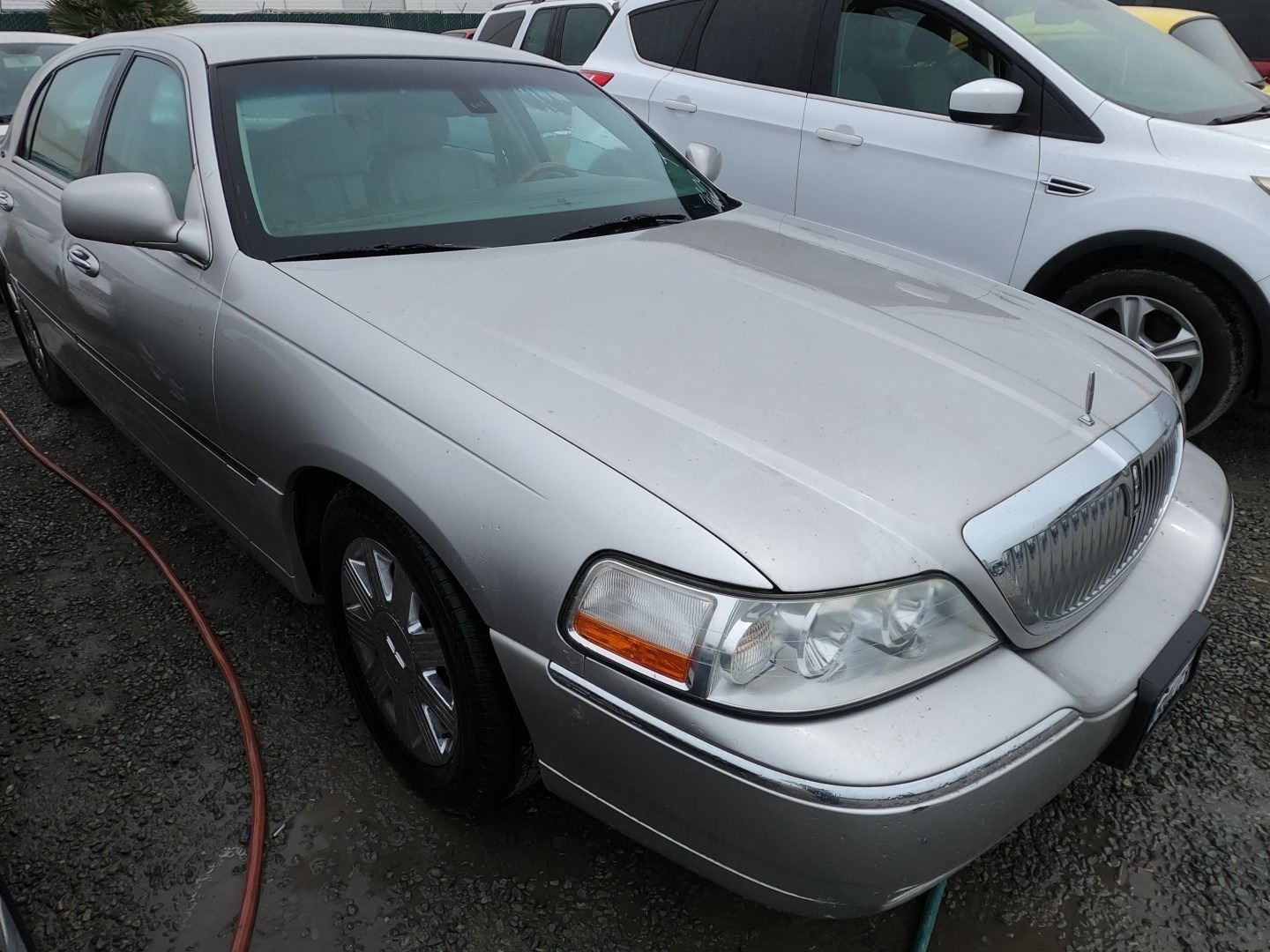
The body-on-frame construction and simple V8 drivetrain make it a dying breed of low-failure sedans.
Known Strengths:
- Overbuilt transmission and frame
- Extremely robust drivetrain
- Long-lasting air suspension (when maintained)
American Cars With Alarming Issues
If you’re shopping for a used car, already own one of these models, or just curious about which rides have developed a reputation for disappointment, read on. These American cars have serious issues, and buyers deserve to know the risks before signing on the dotted line.
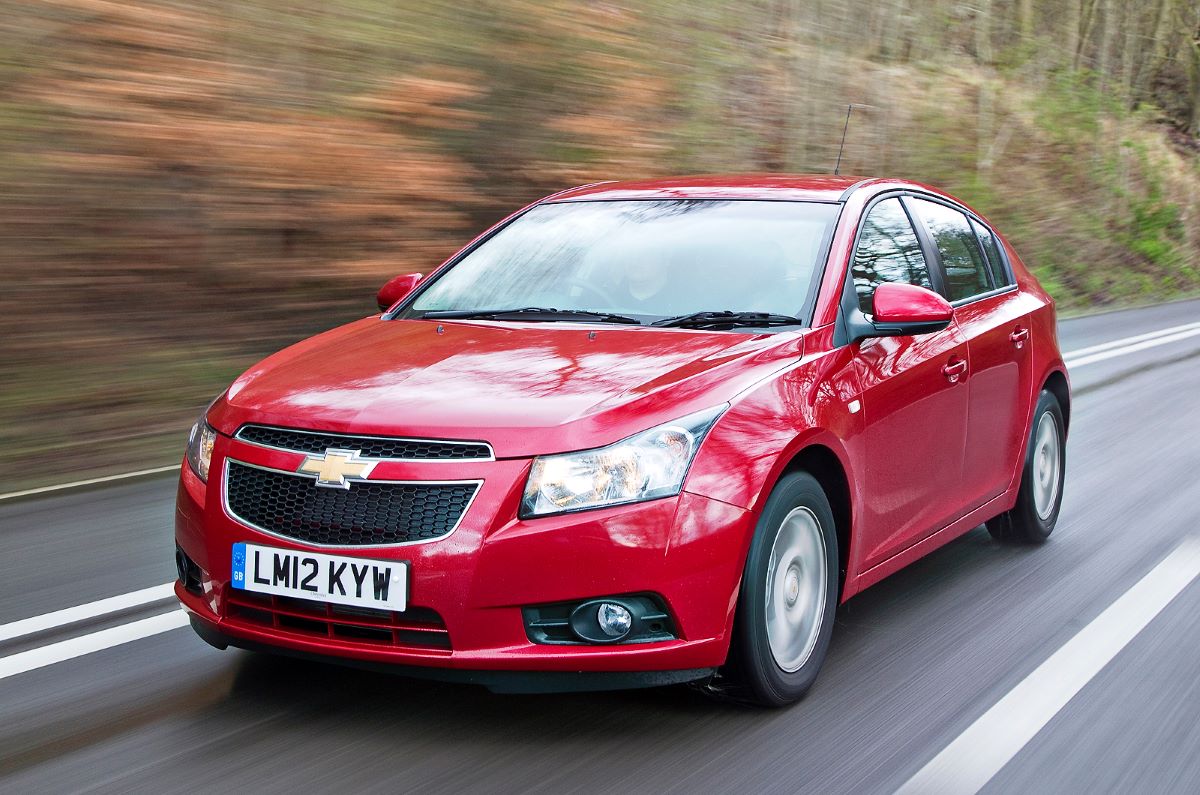
1. Chevrolet Cruze (2011–2015)
This compact sedan suffered from a host of engine cooling issues, turbo failures, and oil leaks.
The 1.4L turbocharged engine is especially prone to water pump and thermostat housing failures, while the interior build quality doesn’t hold up well over time.
The Cruze took over from the Cobalt when it joined the Chevrolet lineup last year. The 2012 Chevrolet Cruze marks a significant leap forward for General Motors in the competitive compact car segment, reflecting the company’s shift toward producing higher-quality vehicles—a direction it had already embarked on before its financial troubles.
That effort appears to be paying off, as the Cruze has become one of the best-selling models in its class. Though it’s positioned and marketed as a compact car, the Chevy Cruze falls on the larger side of the front-wheel-drive compact spectrum.
It stretches 181 inches in overall length, measures 70.7 inches in width, and stands 58.1 inches tall, all riding on a relatively long 105.7-inch wheelbase. According to Chevrolet, several of the Cruze’s measurements are in line with midsize cars, including its generous 15.4-cubic-foot trunk.
The standard 1.8-liter inline-four engine produces 138 horsepower and 125 lb-ft of torque—sufficient for everyday driving, though it leaves room for more spirited performance.
Opting for the turbocharged 1.4-liter four-cylinder also nets 138 horsepower, but it delivers a wider torque band, with 148 lb-ft available lower in the RPM range and sustained for longer, giving it a more responsive feel than the base engine.
This makes the Cruze competitive against segment staples like the Honda Civic and Toyota Corolla. Meanwhile, the ECO variant stands out with best-in-class fuel efficiency, boasting ratings as high as 28 mpg in the city and 42 mpg on the highway.
Common Issues:
- Coolant leaks
- Turbocharger failures
- Faulty PCV valve causing pressure buildup
2. Ford Focus (2012–2016)
Infamous for its PowerShift dual-clutch automatic transmission, this version of the Focus drew widespread customer complaints and even class-action lawsuits.
When it comes to delivering that elusive fun-to-drive quality, the Focus stands out as one of the more engaging options in its segment, offering agile handling without compromising ride comfort.
Beyond performance, the Focus features a stylish interior that can be outfitted with cutting-edge technology. This is particularly true for 2016, as Ford has introduced the all-new Sync 3 touchscreen interface, which offers faster response times and more intuitive operation compared to the now-discontinued MyFord Touch system.
Beneath the hood, there’s a comprehensive lineup of engines to choose from. The standard 2.0-liter four-cylinder delivers solid performance, while the turbocharged 1.0-liter three-cylinder stands out for its excellent EPA-estimated fuel economy. For 2016, this engine is now available with an automatic transmission, which should broaden its appeal.
If you’re leaning toward electrification, the Focus Electric offers an estimated range of around 75 miles per charge—slightly less than some competitors, but still practical for many daily commuters.
There’s no shortage of appealing compact sedans and hatchbacks in this model year. Leading alternatives include the 2016 Mazda 3, which also comes in sedan and hatchback versions and blends sporty handling with strong fuel economy.
The newly redesigned 2016 Chevrolet Cruze and the 2016 Honda Civic are also compelling choices, while the well-equipped 2016 Kia Forte offers excellent value.
Additionally, the refined and spacious 2016 Volkswagen Golf hatchback brings both diesel and electric variants to the table. Within this competitive field, the Focus may not command the spotlight like it once did, but it still stands as a strong example of why downsizing doesn’t mean compromising.
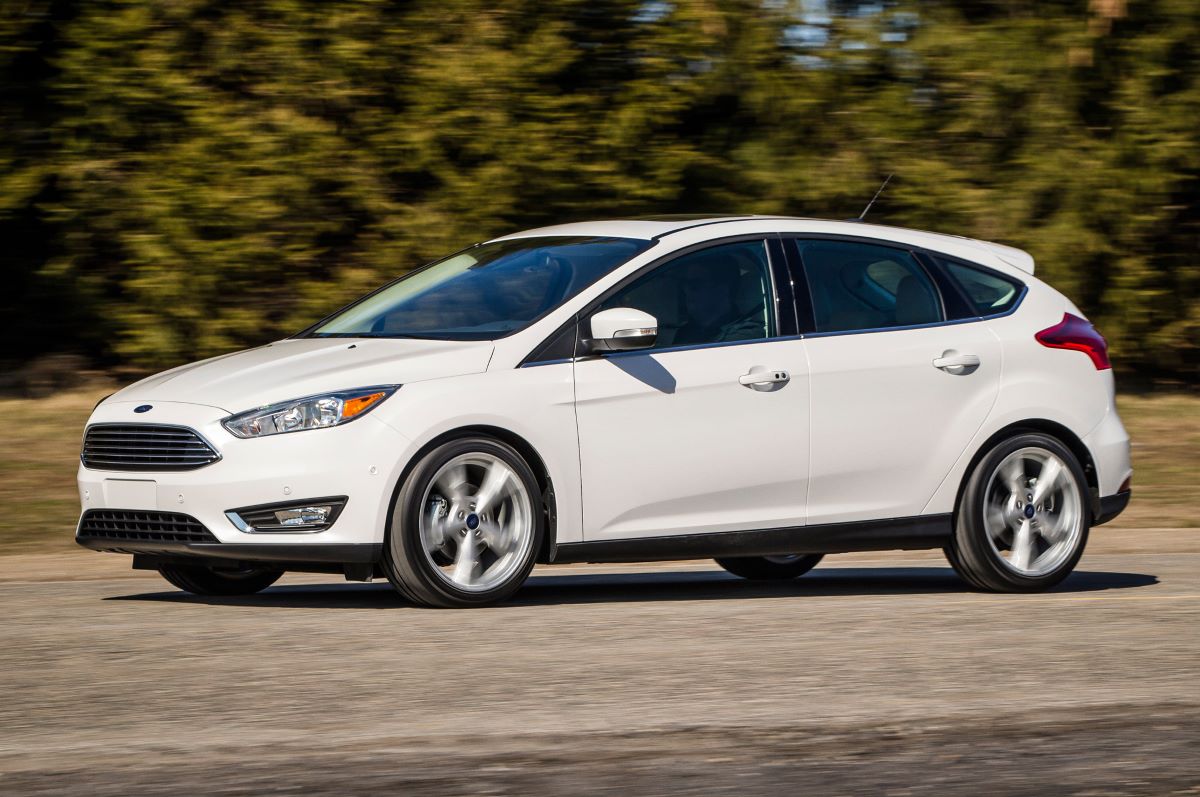
Owners faced stalling, shuddering, and frequent clutch replacements.
Common Issues:
- Faulty transmission control module
- Jerky shifting
- Clutch packs wear out fast
3. Jeep Cherokee (2014–2018)
These models, especially those with the 9-speed ZF automatic transmission, are notorious for rough shifting, software glitches, and engine stalling.
After a 13-year absence, the Cherokee name makes a comeback, returning on a completely new unibody platform that replaces the Liberty in Jeep’s lineup. While previous versions stuck to a boxy, utilitarian design, the 2014 Jeep Cherokee introduces a more sculpted look.
Its front grille angles back over the hood, and the vehicle features LED running lights and turn signals positioned high, while the round headlights are set into the front fascia—evoking a design reminiscent of the Nissan Juke’s front end. Depending on the trim, the front fascia is either finished in body color or accented with gray plastic.
Under the hood, the 2014 Cherokee offers two engine options: the 2.4-liter Tigershark inline-four engine delivering 184 horsepower and 171 lb-ft of torque, and the 3.2-liter Pentastar V-6 producing 271 horsepower and 239 lb-ft of torque. Both powerplants are paired with a nine-speed automatic transmission.
Buyers can select from front-wheel drive or one of three available all-wheel-drive systems. Jeep Active Drive I, the standard all-wheel-drive setup, features a single-speed transfer case. Jeep Active Drive II adds a low-range gear ratio for enhanced off-road capability.
Inside, the 2014 Cherokee is outfitted with premium materials, including soft-touch surfaces on key contact areas. Available features include Nappa leather upholstery, a power-adjustable driver’s seat with memory settings, and heated and ventilated front seats. Additional upscale touches include a heated steering wheel, wireless charging pad, and an available 8.4-inch central touchscreen display. A 5.0-inch touchscreen comes standard.
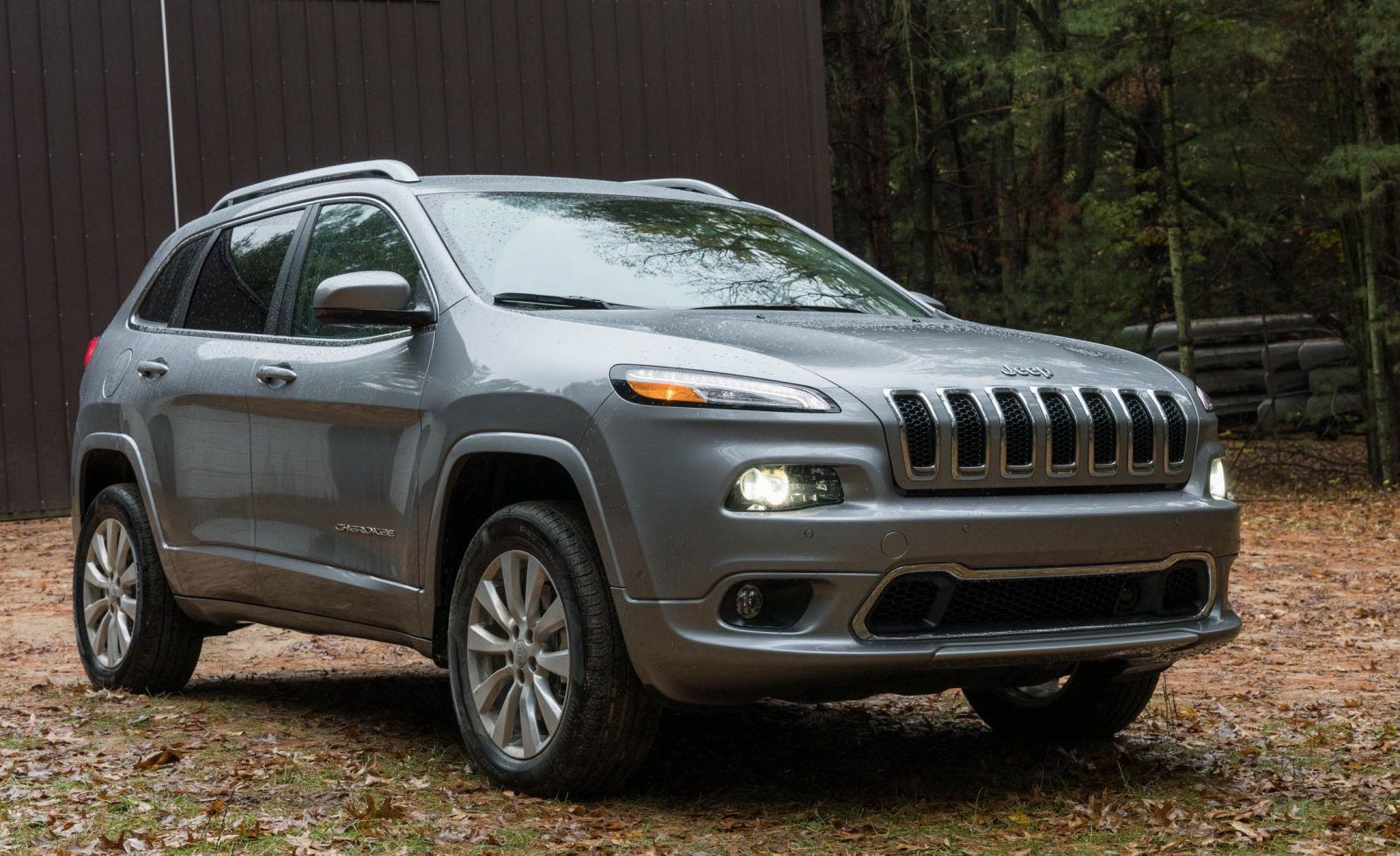
The transmission often fails under 80,000 miles, and numerous recalls plague early production years.
Common Issues:
- Transmission reprogramming and replacement
- Poor throttle response
- HVAC and infotainment failures
4. Cadillac ATS (2013–2018)
While sporty and well-designed, the ATS suffers from excessive electrical issues and timing chain problems in the 2.0L turbo models.
The 2016 Cadillac ATS arrives with a host of notable upgrades. Chief among them is a new eight-speed automatic transmission that replaces the previous six-speed unit. Additionally, the all-new 3.6-liter V6 engine delivers 12 more horsepower and 11 extra pound-feet of torque compared to the outgoing V6, while also gaining an extra 2 mpg on the highway.
Inside, Apple CarPlay and Android Auto integration are now available on models featuring the CUE infotainment system. That system itself gets a welcome boost with a faster processor and revamped menus aimed at improving usability—though the touch-sensitive center stack still poses usability concerns on the move.
That said, if you find CUE less irksome than we do, the ATS’s remarkably athletic chassis might make it stand out in this segment. Naturally, the BMW 3 Series continues to set the benchmark with sharp handling and a range of stellar engines.
The newly redesigned Mercedes-Benz C-Class also impresses with its luxurious interior, featuring rich wood trim, soft-touch materials, and tasteful metallic accents.
Competitors like the Audi A4 and Lexus IS are compelling in their own right, and it’s worth pointing out that all four offer more spacious rear seats and larger trunks. Still, despite such formidable competition, the 2016 ATS remains a compelling option that’s certainly worth a test drive before settling on your next luxury sport sedan.
The 2016 Cadillac ATS is offered with three different engine options, all paired with rear-wheel drive and an eight-speed automatic transmission as standard.
The 2.5 models feature a 2.5-liter four-cylinder engine generating 202 horsepower and 191 pound-feet of torque. According to EPA estimates, fuel economy for the base ATS 2.5 stands at 26 mpg combined (22 city/32 highway).
Next up, the 2.0T models come equipped with a turbocharged 2.0-liter four-cylinder producing 272 horsepower and 295 lb-ft of torque. All-wheel drive is available as an option, and buyers can also choose a six-speed manual transmission—but only with rear-wheel drive.
With the automatic transmission, the rear-drive 2.0T returns an estimated 26 mpg combined (22 city/31 highway), while the AWD variant delivers 25 mpg combined (22 city/30 highway). With the manual, it earns a rating of 23 mpg combined (20 city/29 highway).
At the top of the range, the 3.6 models feature a 3.6-liter V6 pumping out 333 horsepower and 285 lb-ft of torque. Like the turbo model, all-wheel drive is available. The rear-wheel-drive 3.6 is rated at 24 mpg combined (20 city/30 highway), while the AWD version comes in at 22 mpg combined (19 city/28 highway).
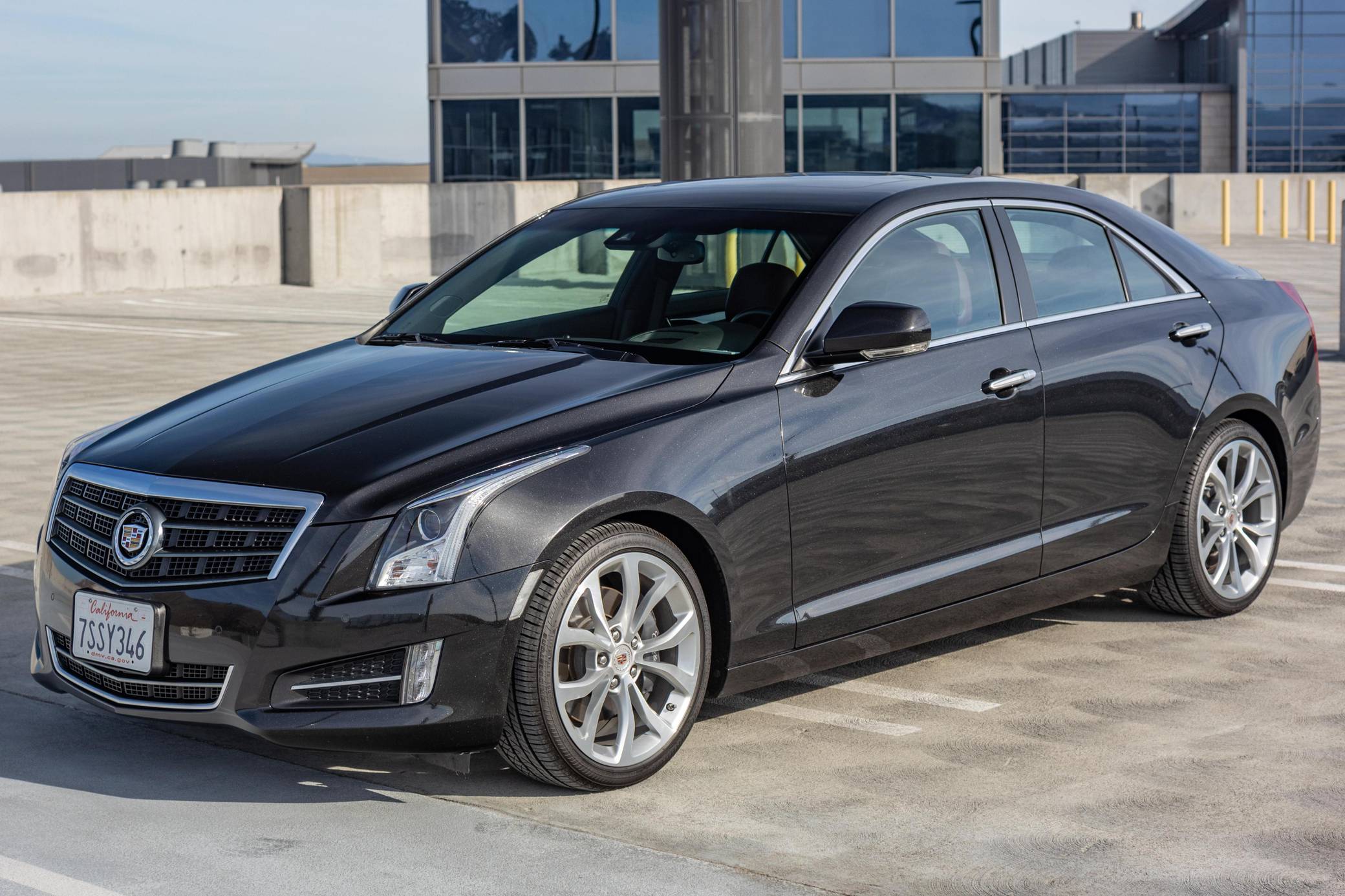
The CUE infotainment system is also a regular point of failure, often becoming unresponsive.
Common Issues:
- Touchscreen delamination and failure
- Turbo oil leaks
- Timing chain stretch in early engines
5. Dodge Dart (2013–2016)
The Dart was short-lived for a reason. The 1.4L MultiAir engine is finicky and requires strict maintenance, while the dual-dry clutch transmission is poorly calibrated.
If you’re in the market for an affordable compact sedan, chances are high that the 2014 Dodge Dart will land on your radar. Among a crowded field of capable small cars, the Dart distinguishes itself with a spacious interior, a slick and user-friendly audio-entertainment system, and head-turning exterior design. Ultimately, though, whether the Dart is the right fit for you will depend on your personal preferences and priorities.
There’s certainly a lot to like about the Dart from a daily usability standpoint. It offers one of the more refined interiors in its class, and the available 8.4-inch touchscreen infotainment system stands out for its intuitive controls and wide range of features. The car also scores high in safety ratings, and most trims—excluding the GT—offer confident cornering and a composed, comfortable ride.
That said, we do take issue with the Dart’s engine choices. The 2.4-liter four-cylinder engine, which produces 184 horsepower and is standard on most trims, delivers respectable acceleration, but it falls short in terms of fuel economy.
For those prioritizing efficiency, the Aero model is the go-to option, equipped with a turbocharged 1.4-liter engine focused on maximizing mpg. Unfortunately, the Aero’s automated manual transmission lacks refinement and makes the car feel clumsy in stop-and-go traffic. Still, either of these options is preferable to the underwhelming base engine.
There are a few other areas where the Dart lacks polish, and taken together, these drawbacks result in an overall “C” rating in our evaluation. Because of this, it’s wise to explore other strong contenders in the segment.
The 2014 Mazda 3 remains one of our top picks, striking an excellent balance between comfort and engaging handling, while offering an upscale interior. The 2014 Ford Focus and Honda Civic also shine with smooth rides and nicely appointed cabins.
The 2014 Kia Forte deserves a mention as well, sharing the Dart’s sharp exterior styling and intuitive infotainment tech. What sets those rivals apart, however, is that we can confidently recommend their base engines, all of which deliver strong performance and excellent fuel efficiency—unlike the Dart’s entry-level powertrain.
The 2014 Dodge Dart offers a choice of three engines. The entry-level SE trim is powered by a 2.0-liter four-cylinder engine producing 160 horsepower and 148 pound-feet of torque.
A six-speed manual transmission comes standard, with an optional six-speed automatic available. In Edmunds testing, a Dart with the manual transmission and 2.0 engine reached 60 mph in 9.9 seconds—on the slower side for compact sedans in this price bracket.
The Aero trim comes equipped with a turbocharged 1.4-liter four-cylinder engine delivering 160 horsepower and 184 lb-ft of torque. A six-speed manual is standard, while a six-speed automated manual is optional.
A Dart Aero with the manual transmission accelerated from zero to 60 mph in 8.3 seconds, a solid time for the segment. The automated manual version was just 0.3 seconds slower. Fuel economy is rated at 32 mpg combined (28 city/41 highway) with the manual and 32 combined (28 city/40 highway) with the automated manual.
The SXT, GT, and Limited trims come with a 2.4-liter four-cylinder engine that puts out 184 horsepower and 171 lb-ft of torque. A six-speed manual is standard on the SXT and GT, while the Limited comes with a standard six-speed automatic (optional on the other two trims).
In performance testing, a Dart GT with the automatic hit 60 mph in 8.4 seconds, which is a quick time for a compact sedan. However, EPA fuel economy ratings for the SXT and Limited are underwhelming: 27 mpg combined (22 city/35 highway) with the manual and the same combined rating with the automatic, although the city figure drops to 23 mpg.
The Dart GT is rated at 27 mpg combined (23 city/33 highway) with the manual and 26 combined (22 city/31 highway) with the automatic.
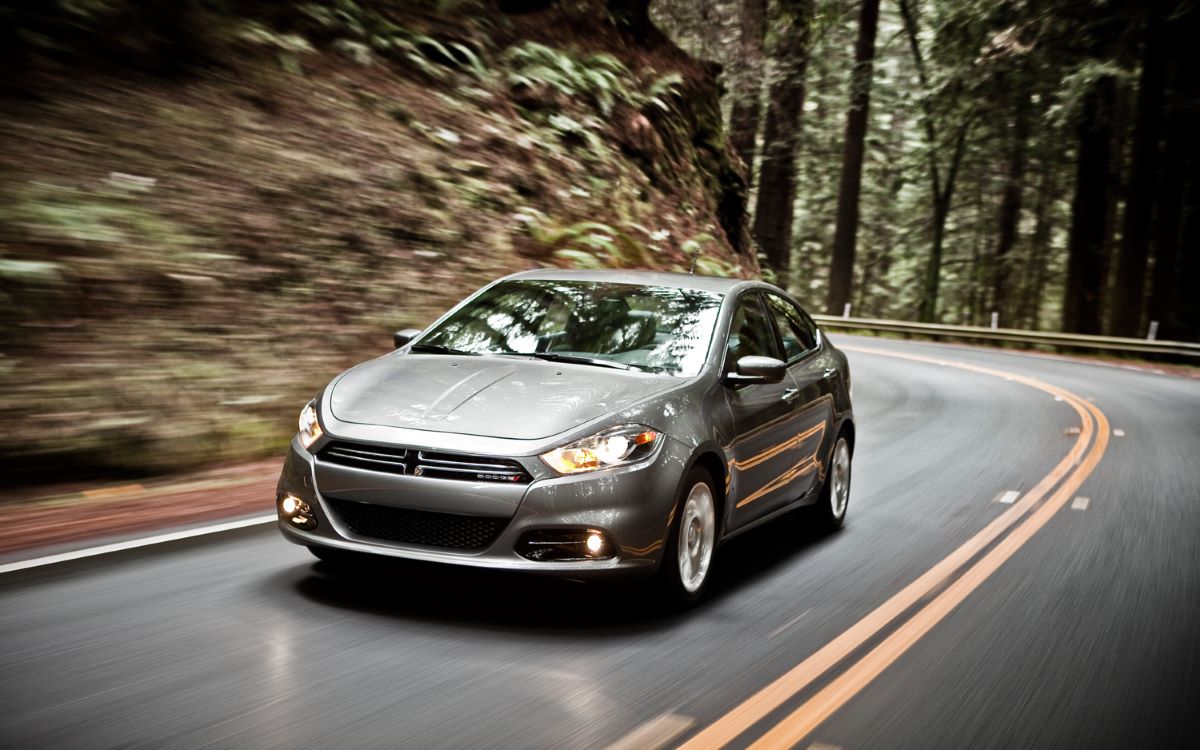
Poor resale, unreliable electronics, and a cramped cabin further add to its issues.
Common Issues:
- Transmission overheating
- Electrical gremlins
- Weak engine mounts and oil consumption
While American manufacturers have made massive strides in reliability over the past decade, not all models are created equal. The standouts like the Lincoln Town Car and Chevy Impala showcase old-school American durability.
On the other hand, models like the Dodge Dart and Ford Focus demonstrate how poor engineering choices and unreliable components can severely damage a vehicle’s reputation.
Whether you’re shopping used or assessing long-term value, it’s essential to choose wisely based on real-world failure rates.