
The automotive world has long been a fascinating reflection of shifting tastes, technological advancements, and changing cultural values. Every decade brings new styles, innovations, and trends, but not every vehicle stands the test of time equally. Cars from the ’90s, in particular, hold a special place in automotive history.
That decade was a unique transitional period—a time when manufacturers began to integrate advanced electronics, improve safety standards, and refine design language, all while maintaining the mechanical simplicity that allowed many vehicles to remain reliable and durable for years.
Today, many ’90s cars are celebrated not only for their nostalgic appeal but for their enduring performance, reliability, and cultural significance. Enthusiasts and everyday drivers alike continue to treasure models from this era, and a surprising number remain on the road, still going strong more than two decades later.
The ’90s represented a sweet spot in automotive manufacturing. The blend of analog engineering and emerging digital technology created vehicles that were robust, user-friendly, and—crucially—fixable without complex, proprietary electronics. This contributed to longevity that many early 21st-century cars have struggled to replicate.
During the ’90s, carmakers also began to take design more seriously, balancing aesthetic appeal with functionality. This decade’s cars often reflected a commitment to quality materials, solid engineering, and timeless styling, resulting in vehicles that continue to resonate with drivers today.
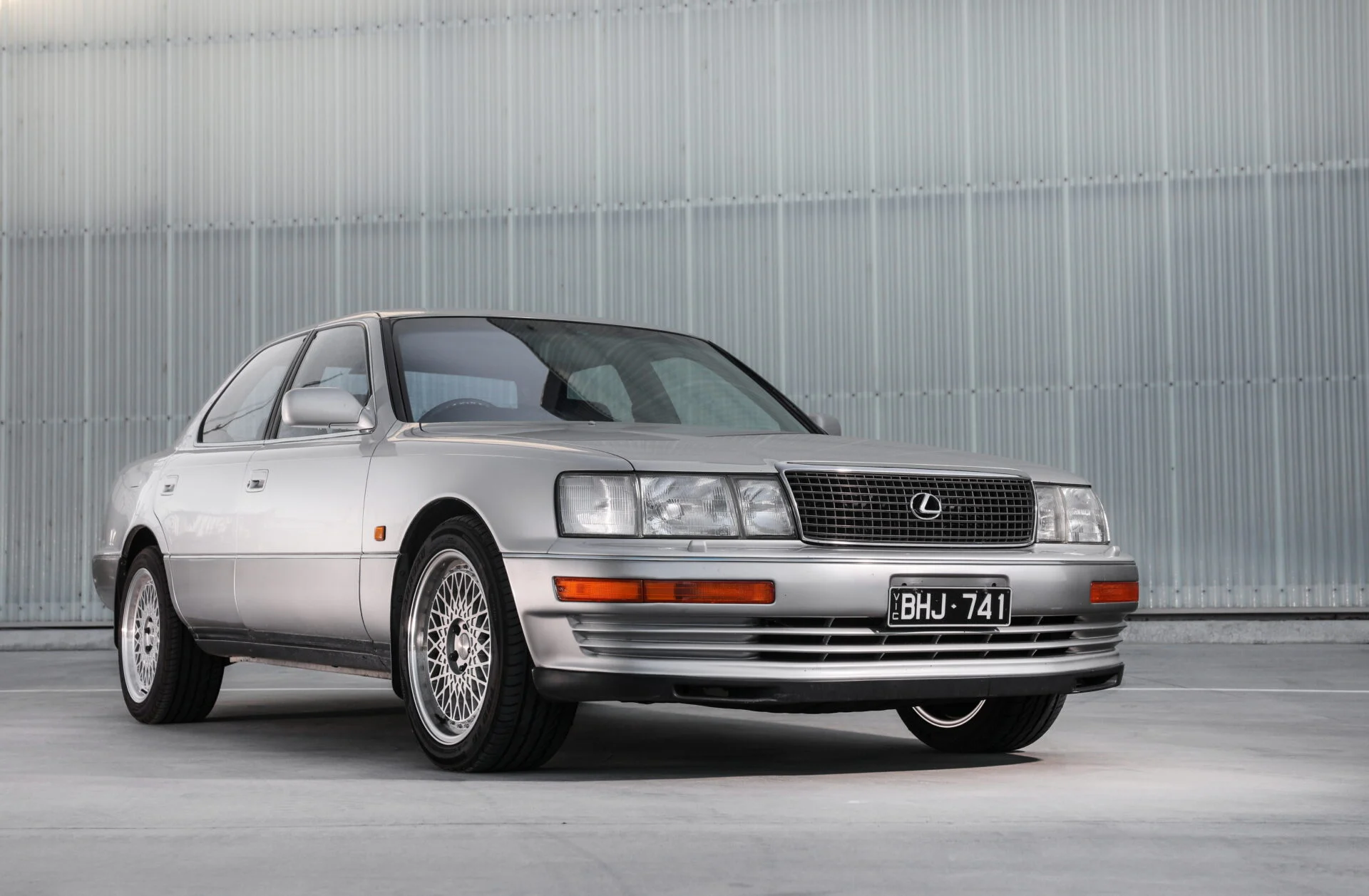
From the legendary Toyota Supra to the dependable Lexus LS400, ’90s cars combine character and capability in a way that few modern cars can match.
Contrast this with the early 2000s, a period that brought about a rapid acceleration in technological complexity, evolving safety regulations, and increasingly aggressive styling trends. While innovation opened the door to exciting new possibilities—advanced infotainment, turbocharging, improved crash structures—it also introduced new challenges.
Many early-2000s vehicles are now viewed through the lens of history as models that, despite promising concepts and bold designs, did not age gracefully. Some suffered from overambitious styling that failed to resonate with buyers or stood out for all the wrong reasons, like the polarizing Pontiac Aztek.
Others struggled with build quality, reliability, or safety issues, which severely affected their long-term reputation and desirability. The Chevrolet Cobalt’s ignition switch scandal is a prime example of how engineering oversights and cost-cutting measures undermined consumer trust.
What separates ’90s cars that are still beloved and on the road today from early-2000s models that have faltered is a complex interplay of factors. These include design philosophy, build quality, mechanical simplicity, and cultural impact.
While the ’90s produced models with enduring aesthetics and engineering that rewarded care and maintenance, some early-2000s cars traded longevity for short-term novelty, flashy design, or unproven technology that didn’t stand the test of time. It’s not just about whether a car was “good” when new, but whether it can still deliver value, reliability, and emotional connection years after production ended.
This article dives into a comparative exploration of five ’90s cars that continue to impress and operate reliably decades later, standing as icons of durability and timeless design. We will then contrast these with five early-2000s models that, for a variety of reasons—be it design missteps, quality issues, or technological failings—haven’t aged well and now serve as lessons in automotive evolution.
Understanding these contrasting trajectories offers valuable insights into how automotive manufacturers navigate the delicate balance between innovation and tradition, and why some cars remain beloved classics while others fade into obscurity.
Whether you are a car enthusiast, a potential buyer of a used vehicle, or simply curious about how automotive history shapes the present, this analysis sheds light on what makes a car truly stand the test of time.
From the mechanical robustness of ’90s sedans and sports cars to the early-2000s’ mixed legacy of design experiments and engineering compromises, this exploration highlights lessons about durability, style, and consumer expectations that remain relevant in today’s rapidly changing automotive landscape.
Also Read: 5 Cars With Original Clutches After 200k and 5 That Need Replacements Yearly
5 ’90s Cars Still Going Strong
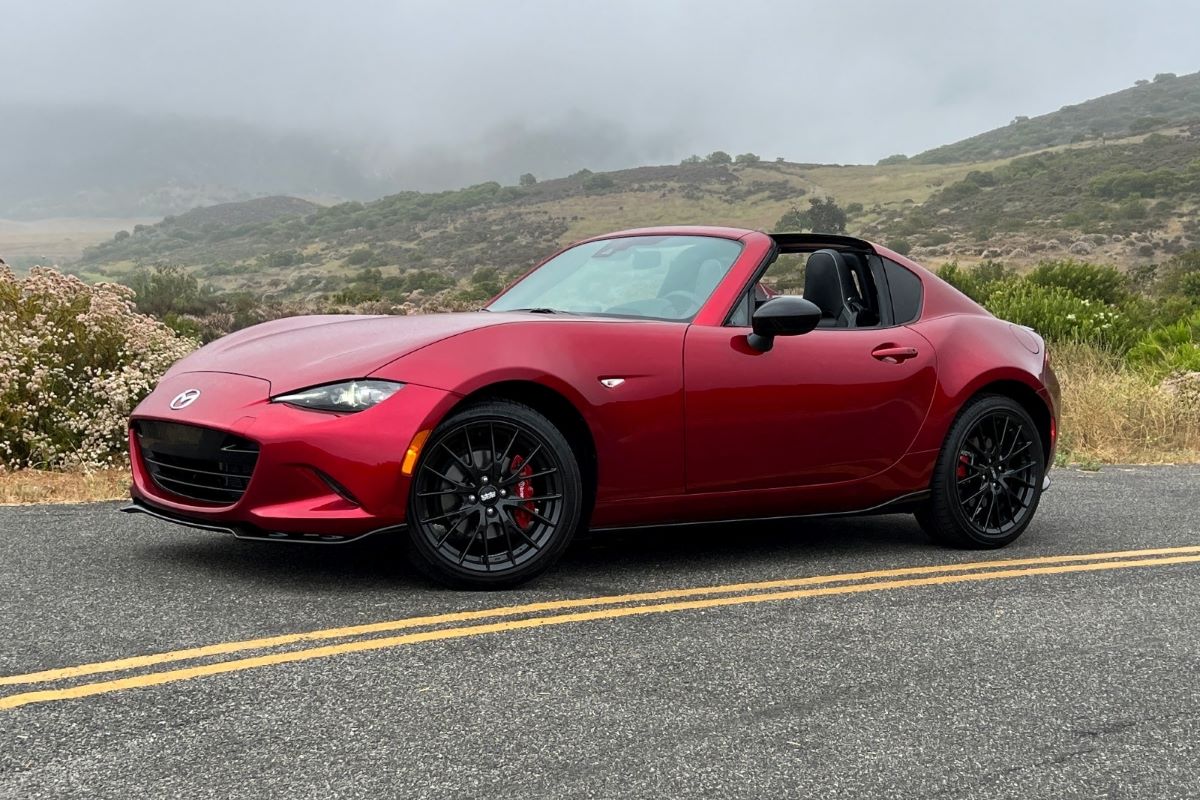
1. Mazda MX-5 Miata (NA/NB)
The Mazda MX-5 Miata, introduced in 1989 and refined through the ’90s, is widely celebrated as one of the purest expressions of a driver’s car ever made. Unlike the muscle cars or high-powered sports cars that emphasized sheer horsepower, the Miata embraced an ethos of lightweight design, balanced chassis dynamics, and simplicity.
Its philosophy was rooted in the classic British roadster tradition but paired with the reliability and build quality Japanese engineering was known for. This formula resonated deeply with enthusiasts and casual drivers alike, fostering a loyal community that continues to thrive today.
The Miata’s low curb weight, close-to-50/50 weight distribution, and rear-wheel-drive layout created a driving experience that prioritized fun over raw numbers—something that is increasingly rare in modern vehicles.
Furthermore, the mechanical simplicity—such as the absence of complex forced induction or heavy electronics in early models—makes the Miata particularly robust and easier to maintain, which has greatly contributed to its longevity.
The NA model’s pop-up headlights and minimalist cockpit have become iconic, symbolizing an era when sports cars still focused on mechanical feedback and driver engagement. The later NB model introduced subtle refinements, such as fixed headlights and improved suspension geometry, yet retained the Miata’s essential character.
Both generations share a timeless design language that has aged remarkably well, neither looking overly retro nor outdated. The interiors, though basic, are functional and driver-centric, emphasizing ergonomics and tactile controls over flashy tech.
The widespread availability of aftermarket parts and the strong enthusiast culture have further extended the Miata’s lifespan; hobbyists and racers have long embraced it for modifications ranging from mild suspension tuning to full-blown race builds, all of which speaks to the vehicle’s flexibility and enduring appeal.
From a practical standpoint, the Miata’s size and efficiency mean it’s an economical choice for daily use or weekend fun. Its reliable 1.6- and 1.8-liter four-cylinder engines are simple, yet spirited, offering sufficient power to exhilarate without overwhelming the car’s nimble handling.
The fuel economy is solid, which, combined with relatively low insurance costs, makes ownership accessible to a broad demographic. The Miata’s minimalist approach also means fewer electronic systems prone to failure, contributing to the many high-mileage examples still on the road.
Moreover, Mazda’s continuous dedication to the Miata’s spirit in subsequent generations—seen in the ongoing production of this model—reflects its cultural significance and staying power. Ultimately, the ’90s Miata is much more than a nostalgia piece; it is a testament to the joy of driving distilled into its purest form.
Beyond technical merits, the Miata’s cultural impact cannot be overstated. It redefined what an affordable sports car could be, inspiring a wave of lightweight roadsters and reviving interest in driver-focused cars at a time when automakers were increasingly favoring bulky, complex designs.
The Miata helped birth a new era of enthusiast driving in the US and worldwide, fostering grassroots motorsport communities such as club racing and autocross. Its approachable nature made sports car ownership less intimidating, welcoming new generations to the hobby.
This combination of accessibility, fun, and reliability has helped it remain a beloved classic and a practical choice, proving that a car doesn’t need to be fast or expensive to be great. The Miata’s lasting presence on roads and racetracks around the globe highlights a perfect balance of engineering, design, and emotional resonance.
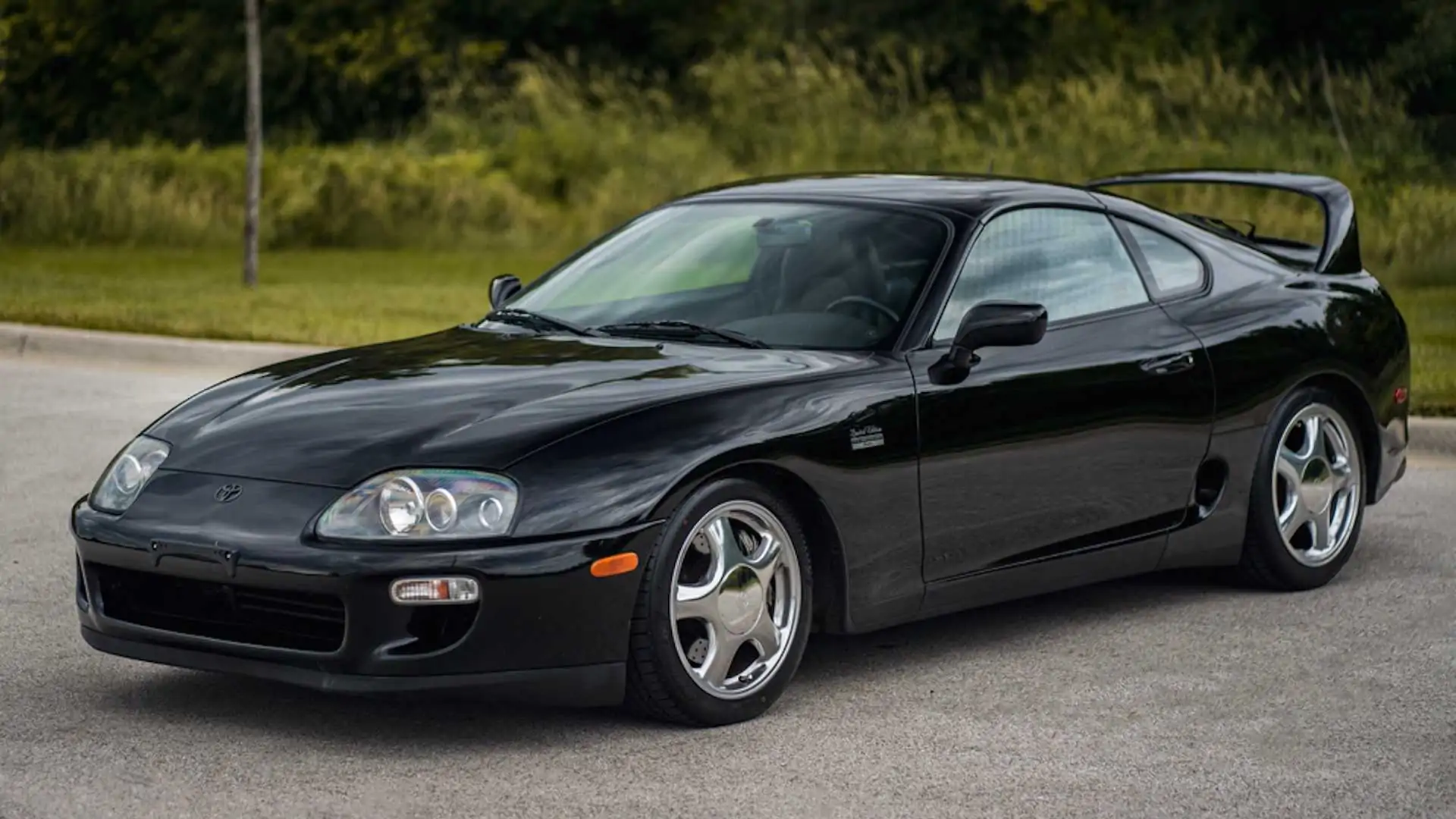
2. Toyota Supra Mk4 (A80)
The Toyota Supra Mk4, produced from 1993 to 2002, is often regarded as one of the most iconic Japanese sports cars of all time, and for good reason. Its robust 2JZ-GTE twin-turbo inline-six engine is legendary for its ability to handle immense power upgrades without catastrophic failure—a rarity among factory engines.
This strength comes from Toyota’s meticulous engineering, with the 2JZ designed for durability and performance, incorporating forged internals and a cast-iron block. Even in stock form, the Supra offered a potent combination of smooth power delivery and responsiveness.
Enthusiasts around the world have taken advantage of this engine’s potential, pushing it beyond 1,000 horsepower in heavily modified builds while maintaining drivability. This engineering excellence, paired with a sophisticated double-wishbone suspension and rear-wheel-drive layout, made the Supra a formidable performer on both street and track.
The Supra’s design is equally significant in cementing its legacy. Its sleek, aerodynamic body features clean lines, a muscular stance, and signature elements like the large rear spoiler and quad-round tail lights, which together create a timeless silhouette.
The car managed to balance aggressive sportiness with an understated elegance, ensuring it remains visually relevant decades later. Inside, the Supra provided a driver-focused cockpit with analog gauges, supportive seats, and intuitive controls—components that catered directly to the enthusiast market.
Its build quality and attention to detail elevated it above many contemporaries, blending performance with refinement. Despite its age, the A80 Supra’s combination of looks and performance is still admired by car collectors, tuners, and casual fans alike.
Moreover, the Supra has developed a massive cultural footprint, driven by its appearances in media such as the Fast & Furious franchise, which helped popularize it beyond traditional car enthusiast circles. This pop culture status, combined with its performance credentials, has spurred strong demand for well-maintained examples, driving prices upward in recent years.
Enthusiast clubs, aftermarket support, and racing communities remain active, further supporting the Supra’s continued relevance. Its reputation as a tuner’s dream car means it remains an aspirational vehicle for many, serving as a symbol of ’90s Japanese engineering prowess. The Supra Mk4’s ongoing popularity has helped keep it in production discussions, influencing Toyota’s reintroduction of the Supra nameplate in modern form.
Finally, the Supra exemplifies the peak of ’90s Japanese sports car engineering. It arrived at a time when manufacturers poured resources into creating highly capable, reliable, and relatively affordable performance cars, balancing everyday usability with track capability.
Its lasting appeal is not just about raw speed or power, but also the craftsmanship and philosophy behind its design—where reliability, tunability, and driver engagement converge. The Supra continues to inspire respect and passion, maintaining a legendary status among ’90s cars that remains unrivaled by most competitors, proving that a true performance icon can transcend time.
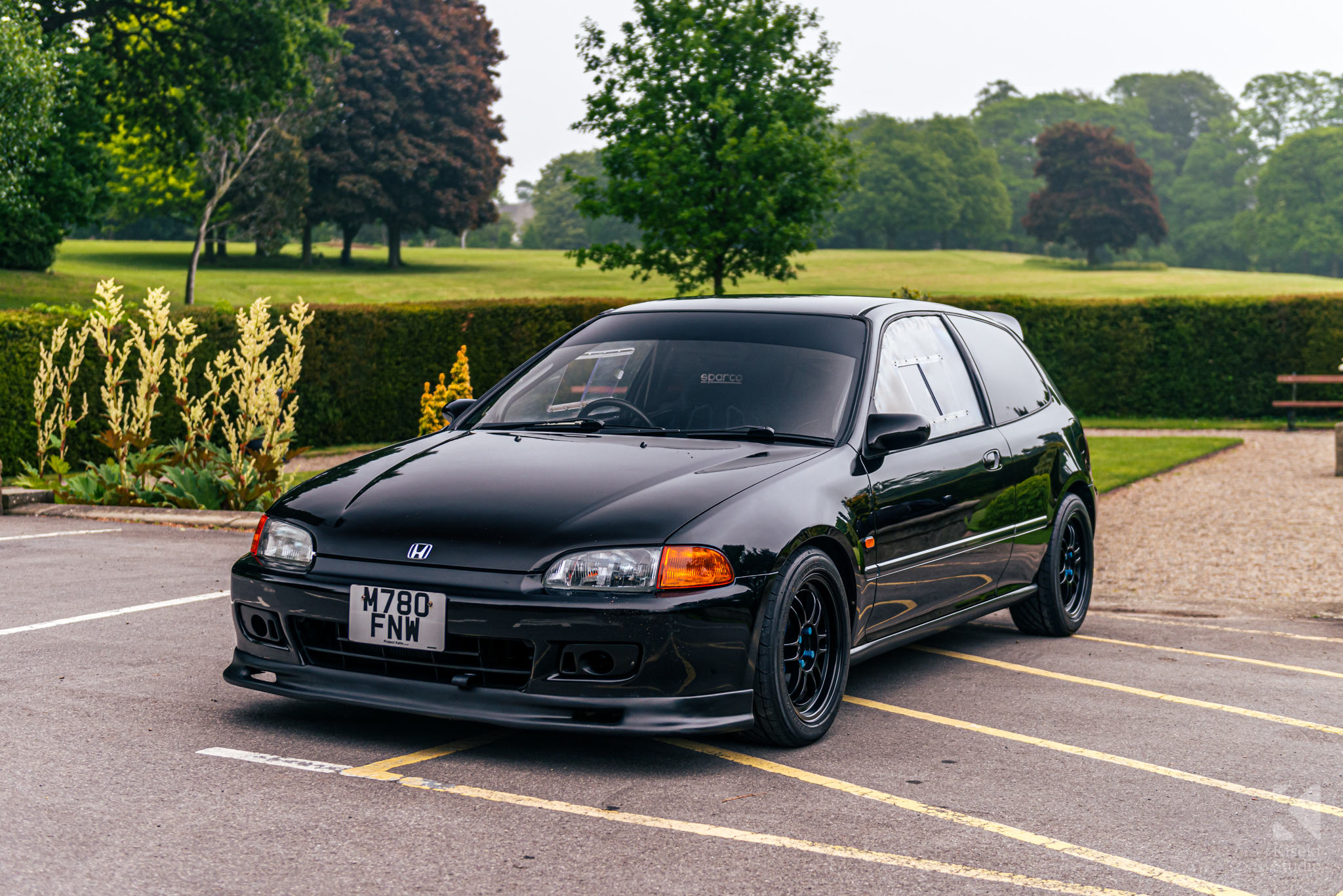
3. Honda Civic EG/EK
The Honda Civic of the ’90s, especially the EG and EK generations produced between 1992 and 2000, represents one of the most influential compact cars in automotive history. Renowned for combining fuel efficiency, reliability, and surprisingly spirited driving dynamics, these Civics have become staples of both daily transportation and grassroots motorsports.
Honda’s engineering during this era emphasized precision and efficiency—its engines were smooth, economical, and durable, often running reliably for hundreds of thousands of miles with routine maintenance. The Civic’s double-wishbone suspension setup provided nimble handling uncommon in economy cars, allowing for a driving experience that was both enjoyable and predictable. These qualities contributed to its appeal among a broad audience, from commuters to tuners.
The design language of the EG/EK Civics struck a balance between practicality and sportiness. With clean lines and compact proportions, these Civics were aesthetically pleasing without resorting to flamboyance. Sport trims like the Civic Si and VTi introduced subtle styling cues and performance enhancements, further cementing the model’s reputation as a fun yet sensible choice.
Interiors, while not luxurious, were thoughtfully laid out with durable materials and driver-centric ergonomics. Unlike some early-2000s models that embraced complexity, these Civics kept things straightforward and functional, contributing to their longevity. Moreover, the parts availability and massive aftermarket support have ensured these models remain modifiable and repairable, which has been a huge factor in their continued presence on the road.
In addition to their mechanical virtues, these Civics played a significant cultural role. They helped define the tuner culture in North America and globally, serving as the foundation for countless modified builds ranging from mild upgrades to full-blown race cars.
The Civic’s versatility made it a platform for learning automotive mechanics, racing, and customization, fostering passionate communities that endure to this day. Their relatively affordable price, combined with reliability and sporty characteristics, made them entry points into the automotive enthusiast world. This cultural resonance has helped preserve the ’90s Civic’s status not just as a car, but as an icon of accessible performance and automotive passion.
Finally, the ’90s Honda Civic is a shining example of how smart engineering and well-balanced design can create a vehicle that transcends its original role. Its durability, combined with a broad appeal that ranges from practical daily driving to spirited motoring, has ensured its place in the hearts of millions.
Even decades later, these Civics continue to be appreciated not only for their historical significance but also for their ongoing functionality, showing how a great car can truly stand the test of time.
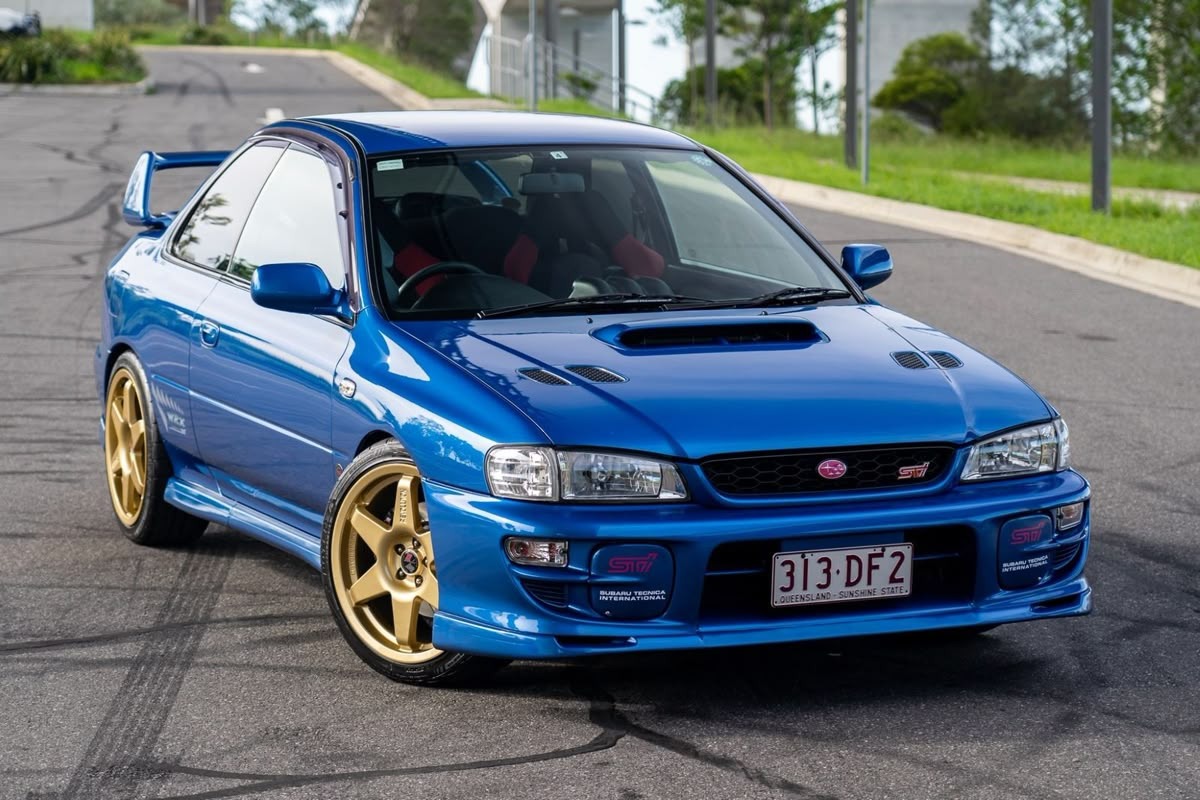
4. Subaru Impreza WRX (GC8)
The Subaru Impreza WRX GC8, launched in the early to mid-1990s, brought rally car performance to the masses with its combination of turbocharged power, boxer engine layout, and all-wheel-drive system.
This unique blend was revolutionary for everyday vehicles at the time, offering exceptional traction and handling capabilities that could tackle a variety of driving conditions—from snowy roads to winding mountain passes. The WRX GC8’s symmetrical all-wheel-drive system gave it a significant edge in stability and grip, making it a favorite among enthusiasts seeking a reliable performance car that could also serve as a practical daily driver.
Engine-wise, the turbocharged flat-four boxer engine provided a distinctive sound and a low center of gravity, which enhanced handling and balance. The WRX’s powertrain was not only spirited but also engineered for durability, often lasting many years if properly maintained.
The straightforward mechanical design meant that owners could service their cars relatively easily, further extending the WRX’s lifespan. The car’s rally heritage was palpable, with features like performance-oriented suspension tuning and brakes that delivered confidence-inspiring control. This made the WRX popular in club racing, autocross, and rally events, helping to cement its reputation as a driver’s car with genuine motorsport DNA.
The design of the GC8 WRX is another factor in its lasting appeal. Its compact size, hood scoop, and wide fenders gave it a purposeful and aggressive stance that remains visually appealing today. Unlike many contemporaries, the WRX avoided excessive styling gimmicks, instead opting for a functional, aerodynamic shape that highlighted its performance credentials.
The interior, while utilitarian, was focused on driver comfort and control, with straightforward instrumentation and supportive seats designed to keep occupants planted during spirited driving. These thoughtful design choices contributed to the WRX’s longevity as both a daily driver and a collectible classic.
Culturally, the WRX has had a profound influence on the performance car landscape. It introduced many drivers to the benefits of all-wheel drive in sports cars and helped popularize rally-style driving outside of traditional motorsports circles. The WRX community is passionate and active, with vast aftermarket support and events centered around the car’s unique capabilities.
This engagement has ensured the WRX GC8 remains a beloved classic, celebrated for its blend of practicality and performance. Its legacy has paved the way for future generations of Subaru performance models and cemented the ’90s WRX as one of the decade’s most enduring and respected cars.
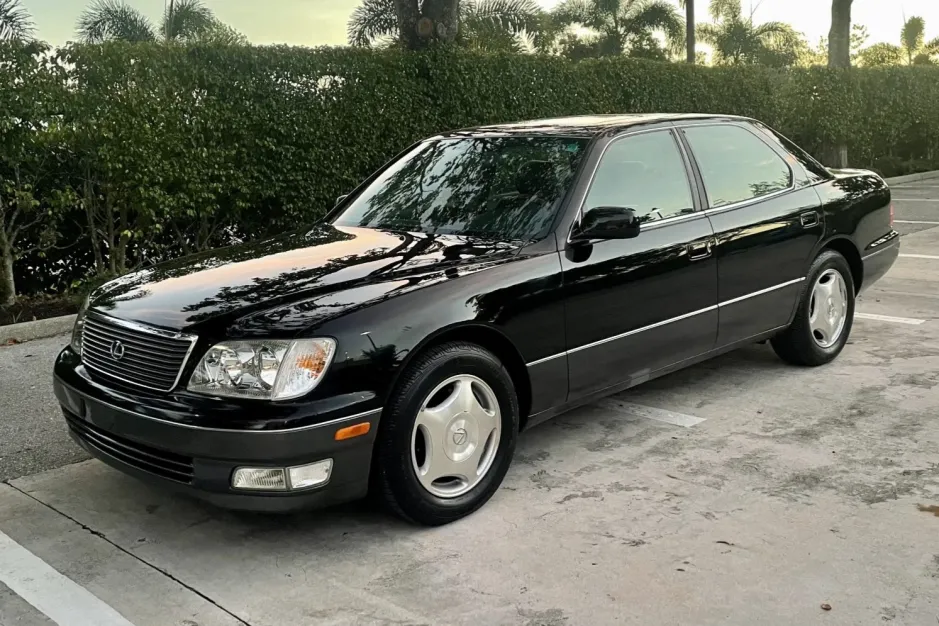
5. Lexus LS400 (UCF10)
The Lexus LS400, introduced in 1989 and refined throughout the ’90s, stands as a monumental achievement in automotive engineering and luxury that redefined the segment for decades. This flagship sedan marked Toyota’s bold entry into the luxury market under the Lexus brand, aiming to challenge established European powerhouses like Mercedes-Benz and BMW.
What made the LS400 extraordinary was its uncompromising focus on delivering exceptional build quality, rock-solid reliability, and a supremely comfortable ride at a price significantly lower than its German rivals. The foundation of this success was the powerful yet smooth 4.0-liter V8 engine (1UZ-FE), which combined remarkable refinement with durability.
This engine was engineered with technologies ahead of its time, including dual overhead cams, four valves per cylinder, and a robust all-aluminum construction that contributed to a quieter and more efficient powerplant. The LS400’s engine produced enough power to provide effortless acceleration, making it a true luxury cruiser capable of high-speed confidence and serene highway cruising.
Beyond the impressive powertrain, the LS400 featured a chassis and suspension system that emphasized comfort without sacrificing poise. Its multilink rear suspension, sophisticated sound insulation, and carefully tuned shock absorbers ensured that road imperfections were absorbed with minimal intrusion into the cabin.
The result was an impeccably smooth and quiet ride, a hallmark of luxury vehicles that the LS400 mastered to perfection. Inside, the LS400 offered an elegant and ergonomically sound interior, crafted with high-quality materials such as supple leather, rich wood trims, and plush carpeting.
The cabin was designed with the utmost attention to detail, featuring thoughtfully placed controls, extensive power options, and advanced features like automatic climate control and premium audio systems, which were cutting-edge for the time. This combination of comfort, technology, and refinement positioned the LS400 as a benchmark in the luxury segment, earning widespread acclaim from critics and consumers alike.
What truly sets the LS400 apart, however, is its legendary reliability and longevity, traits that have helped countless examples remain on the road decades after their initial sale. Toyota’s methodical engineering approach focused on durability as much as performance, resulting in a vehicle that could withstand the rigors of daily driving without succumbing to frequent breakdowns or expensive repairs.
Many LS400s have surpassed the 300,000-mile mark, a testament to the car’s exceptional mechanical resilience. This reputation for bulletproof reliability has made the LS400 highly sought after in the used luxury market, particularly among buyers who desire the prestige and comfort of a high-end sedan without the usual maintenance headaches associated with older European models.
Additionally, the availability of parts and the straightforward design of its mechanical systems contribute to its continued viability as a luxury vehicle on the road today. Culturally, the Lexus LS400 had a profound impact on the automotive industry, signaling a shift in perceptions about Japanese cars and their place in the luxury market.
It challenged long-held assumptions by proving that a Japanese brand could produce a sedan that not only matched but, in many ways, exceeded the standards set by established European manufacturers.
This success catalyzed Lexus’s rapid growth into a globally respected luxury marque, and it set the stage for other Japanese automakers to pursue higher-end markets with confidence. The LS400 also helped redefine luxury by emphasizing a quiet, composed driving experience over ostentatious displays of power or styling—an approach that has influenced luxury car design ever since.
Its legacy endures as a symbol of refined engineering, understated elegance, and dependability, making it one of the quintessential ’90s cars still appreciated and respected by enthusiasts and everyday drivers alike.
5 Early-2000s Models That Haven’t Aged Well
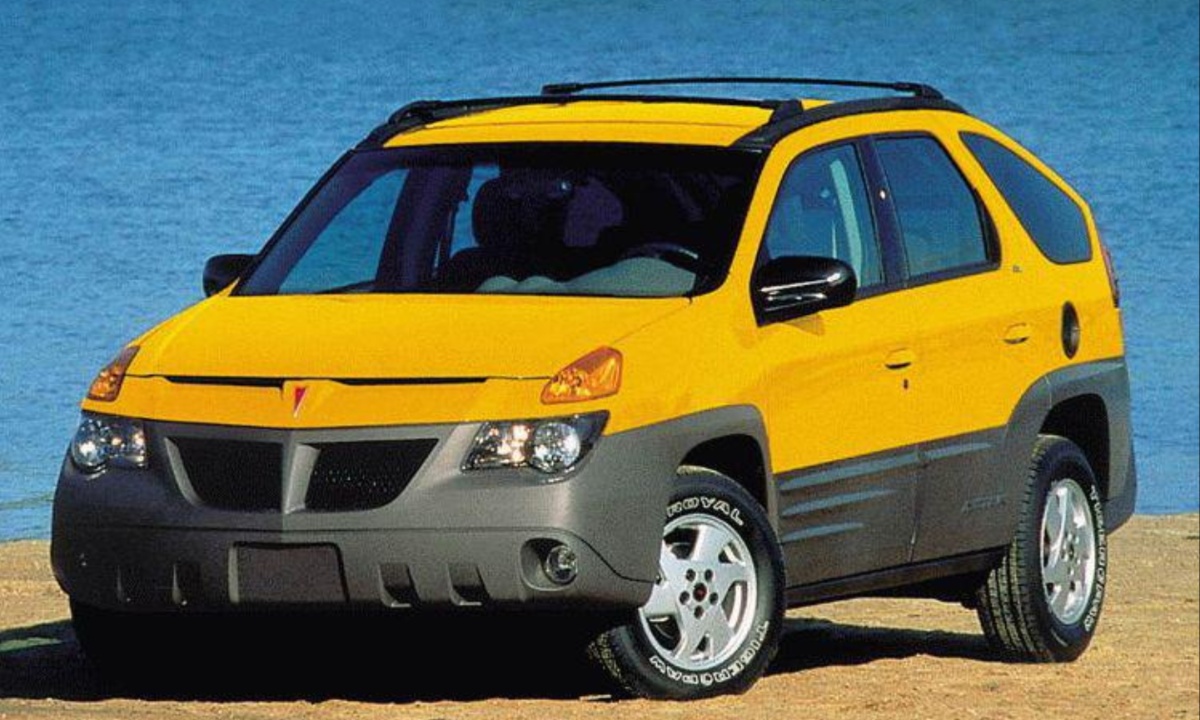
1. Pontiac Aztek
The Pontiac Aztek, launched in the early 2000s, has often been cited as one of the most infamous examples of questionable automotive design and marketing missteps, and with good reason. From the outset, the Aztek was plagued by a polarizing and unconventional exterior styling that alienated much of the car-buying public.
Its awkward, angular design combined mismatched panels, bulbous front ends, and excessive plastic cladding, creating a look that was widely criticized as unattractive and awkward. Many automotive critics and enthusiasts were baffled by its styling choices, which seemed to prioritize unconventionality over aesthetic harmony.
The Aztek’s styling was a gamble intended to appeal to younger buyers looking for a lifestyle vehicle that offered versatility and ruggedness, but the execution missed the mark so drastically that it became a punchline for years. Its design aged poorly, becoming an example of how overly ambitious styling without cohesive execution can backfire and detract from a vehicle’s potential.
Mechanically, the Aztek was somewhat competent but hardly inspiring. It shared its platform with other General Motors models and was powered by a V6 engine that offered adequate, but uninspiring, performance. The suspension and handling were tuned more for comfort and utility than for driving enjoyment, resulting in a driving experience that felt bland and uninvolving.
Fuel economy was average for its class but did not offer any particular advantage to justify its otherwise hefty and awkward shape. Interior quality was a mixed bag, with plastics that felt cheap and a layout that, while versatile and practical, did little to elevate the overall experience.
Although it featured some innovative storage solutions and unique features such as a removable cooler, these quirky details could not compensate for the fundamental issues with design and execution.
From a cultural perspective, the Aztek failed to connect with its intended market, despite Pontiac’s efforts to market it as a rugged crossover suitable for adventurous lifestyles. Instead, it became synonymous with design failure and an example of bad styling choices in automotive history.
Its reception was so overwhelmingly negative that it has overshadowed any practical attributes it may have had, turning it into a sort of automotive cautionary tale. Additionally, its appearance in popular media, such as the TV show Breaking Bad, gave it a sort of cult status—albeit often for ironic reasons.
In terms of resale and longevity, the Aztek did not retain value well, and few remain on the road today in good condition. Its failure is instructive for automakers about the risks of design experimentation without sufficient market research or coherence.
Ultimately, the Pontiac Aztek serves as a reminder that aesthetics matter deeply in car buying, and a vehicle that looks awkward or unattractive can struggle to find acceptance regardless of its other qualities. Despite some functional virtues and an innovative spirit, its overall package failed to resonate, cementing its place as a notoriously dated and poorly aged model of the early 2000s.
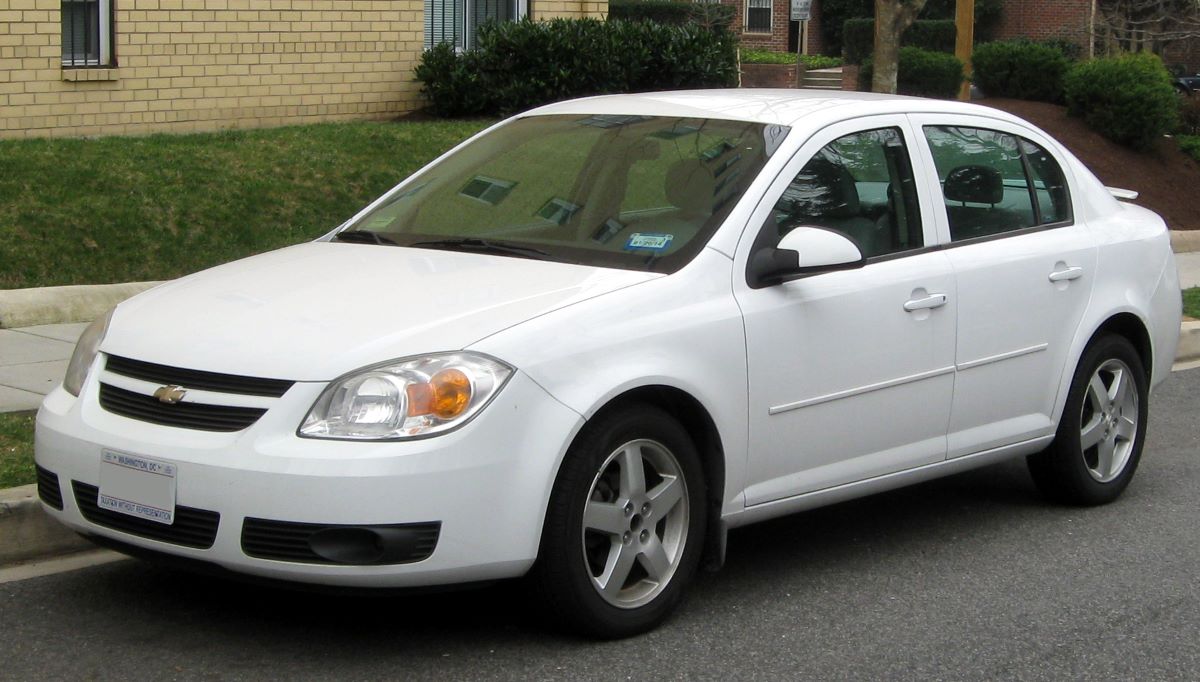
2. Chevrolet Cobalt
The Chevrolet Cobalt, produced between 2004 and 2010, was introduced as a compact car meant to replace the aging Cavalier and compete in a crowded segment dominated by reliable and efficient vehicles. While the Cobalt initially seemed like a practical choice for budget-conscious buyers, its reputation quickly suffered due to a combination of underwhelming design, lackluster performance, and troubling reliability issues.
The styling was fairly generic and uninspired, lacking the boldness or appeal needed to stand out in the compact car market. It looked dated almost immediately after launch, with plain sheetmetal and an uninspired interior that relied heavily on hard plastics and basic materials.
The Cobalt’s interior ergonomics and finish did little to elevate it above economy-car status, and drivers quickly found it fell short in terms of comfort and refinement compared to competitors.
Under the hood, the Cobalt offered a range of small four-cylinder engines and an optional V6, but none were particularly exciting or robust. The base engines were often criticized for being noisy and sluggish, while the V6 variant, though more powerful, struggled to justify its added fuel consumption.
The handling dynamics were uninspiring, with numb steering and soft suspension tuning that prioritized comfort at the expense of engaging driving characteristics. Additionally, the Cobalt suffered from several high-profile safety and reliability issues over its production run.
Most notably, certain models were affected by ignition switch defects that could cause sudden engine shutdowns or disable critical safety systems like airbags, leading to widespread recalls and significant reputational damage. This safety scandal severely tarnished the Cobalt’s legacy and overshadowed any positive attributes it had.
From a cultural standpoint, the Chevrolet Cobalt never cultivated much enthusiasm or loyalty among drivers. It was often seen as a basic, unremarkable commuter car rather than a vehicle that inspired passion or excitement. Its presence on the used car market tends to be unremarkable, with values depressed by its safety concerns and general mediocrity.
Moreover, it failed to create a lasting community or aftermarket support compared to other compact cars of its era, further limiting its appeal as a long-term ownership choice.
While the Cobalt did fill a market niche for affordable transportation, it ultimately failed to deliver a compelling package that could compete with the more refined, reliable, and stylish offerings from competitors like the Honda Civic and Toyota Corolla.
In the final analysis, the Chevrolet Cobalt stands as an example of how a car that neither excels in design, performance, nor reliability struggles to age gracefully. Its early-2000s launch promised practicality but ultimately left a legacy overshadowed by safety issues and a lack of emotional or functional appeal, making it a model that hasn’t aged well in either reputation or desirability.
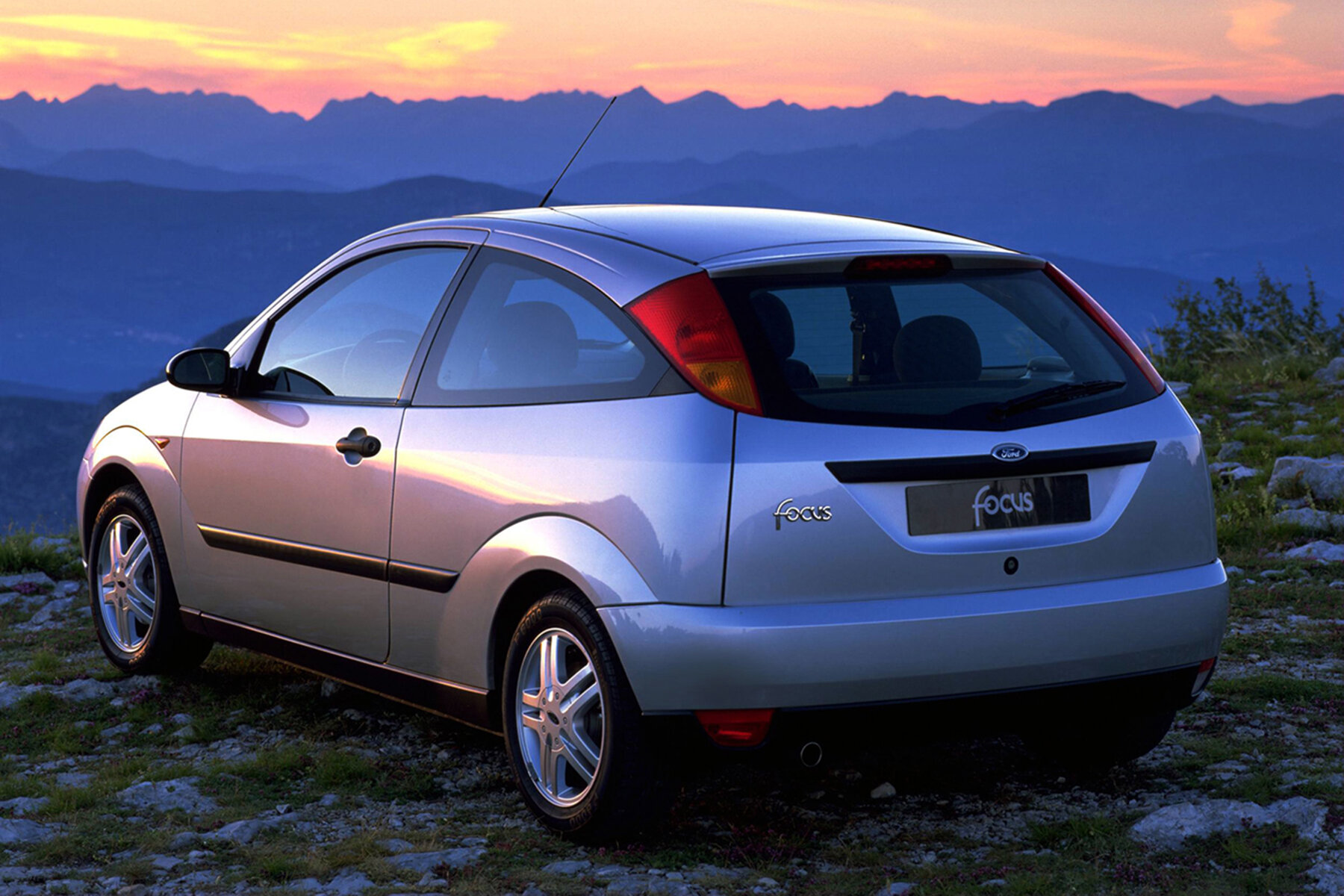
3. Ford Focus (First Generation in North America)
When the Ford Focus made its debut in North America in the early 2000s, it arrived with high expectations, as it had been praised internationally for its sharp handling and modern styling. Unfortunately, the first-generation North American Focus (introduced in 2000) was plagued by numerous issues that prevented it from living up to its potential and tarnished its reputation over time.
Although it shared many design elements with its European counterpart, the North American version suffered from lower build quality, less refined materials, and a higher incidence of mechanical problems. These factors contributed to widespread consumer frustration and diminished the car’s appeal.
Common complaints included transmission failures, electrical gremlins, and premature wear on suspension components, all of which led to costly repairs and reliability concerns. These problems were compounded by the fact that some of the automatic transmissions used in early models were notoriously problematic, leading to recalls and technical service bulletins.
Stylistically, the Focus had a modern, European-inspired look that was fairly fresh for the early 2000s, with a rounded yet aggressive front end and compact dimensions that made it appealing to urban drivers. However, the interior failed to impress, with cheap plastics and uninspired design that made the cabin feel less refined compared to rivals.
Ergonomics was hit or miss, and certain controls were unintuitive, which detracted from the overall user experience. Performance-wise, the Focus offered a range of modestly powered four-cylinder engines that were adequate but never truly thrilling.
The driving dynamics, praised in Europe, were somewhat compromised in North American versions due to changes in suspension tuning aimed at achieving a softer ride, which diminished the nimbleness and feedback that had initially garnered acclaim.
Culturally, the North American Focus struggled to generate enthusiasm, especially compared to more reliable and better-built competitors. While it attracted budget-conscious buyers looking for an affordable compact, it failed to cultivate a strong following or enduring appeal.
Its legacy is further marred by the reliability issues that led many owners to abandon the model after a few years, resulting in a significant number of well-used, depreciated examples on the used car market. The lack of a vibrant aftermarket community and limited enthusiast support meant the Focus faded quickly from the spotlight, making it a cautionary tale about how a well-regarded global model can falter in a different market due to compromises and quality control issues.
In summary, the first-generation North American Ford Focus is an example of a promising car that failed to meet expectations due to execution flaws and reliability woes. Its inability to deliver consistent quality or inspire loyalty means it has not aged well and is often overlooked in discussions of early-2000s compact cars.
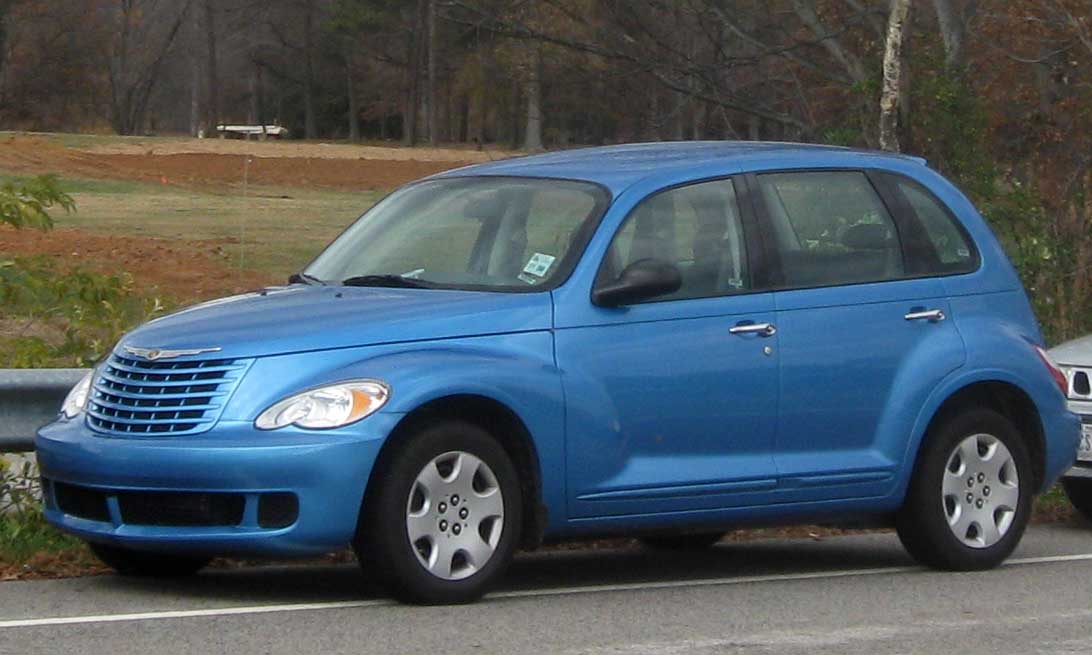
4. Chrysler PT Cruiser
The Chrysler PT Cruiser burst onto the scene in 2000 with a nostalgic, retro-inspired design that initially captured attention for its bold styling and unconventional approach to the compact crossover segment. Its quirky, bulbous shape and high roofline made it stand out amidst a sea of bland sedans and SUVs. Despite this initial buzz, the PT Cruiser’s appeal waned quickly as its flaws became more apparent over time.
The retro design, while unique, was polarizing—many found it charming at first, but others considered it awkward and outdated. As the years passed, the PT Cruiser’s aesthetics began to look dated and even gimmicky, limiting its appeal to a niche audience and ultimately preventing it from aging gracefully in the broader market.
Underneath the distinctive body, the PT Cruiser was built on a platform shared with older Chrysler minivans, which meant it inherited compromises in ride quality and handling. Its suspension was soft and tuned more for comfort than control, which, combined with underpowered engines—typically a naturally aspirated 2.4-liter four-cylinder—resulted in sluggish acceleration and uninspired driving dynamics.
Fuel economy was average at best, failing to justify the car’s relatively high weight and awkward aerodynamics. Inside, the PT Cruiser’s interior was functional but uninspired, with plasticky materials and a layout that lacked modern refinement or intuitive design. Although the car offered generous headroom and flexible cargo space, the overall cabin experience felt dated compared to contemporary competitors.
From a cultural and market perspective, the PT Cruiser initially enjoyed decent sales, riding a wave of nostalgia and appealing to buyers who appreciated its distinctive styling. However, it lacked the versatility and refinement to sustain long-term interest.
As automotive tastes evolved, the PT Cruiser’s retro appeal faded, and it failed to keep pace with improving technology, safety features, and design sophistication found in newer compact crossovers and hatchbacks. Its reliability record was mixed, with some owners reporting issues with electrical components and transmission reliability, further dampening enthusiasm.
While it cultivated a small enthusiast community, the PT Cruiser never achieved the kind of widespread respect or loyalty seen in other vehicles from the same era.
Ultimately, the Chrysler PT Cruiser represents a bold styling experiment that, despite initial popularity, failed to age well due to compromised driving dynamics, uninspired interior quality, and polarizing design. It serves as a reminder that styling alone cannot sustain a vehicle’s appeal if other fundamental attributes are lacking.
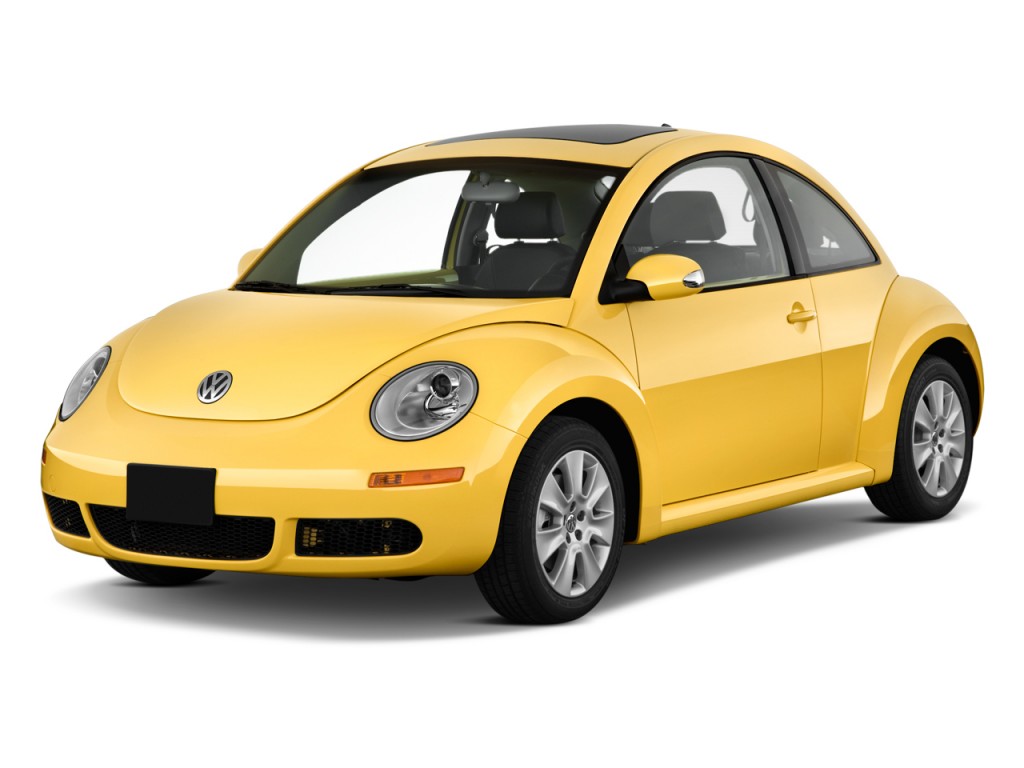
5. Volkswagen New Beetle (1998-2010)
The Volkswagen New Beetle, introduced in the late 1990s and carried through much of the 2000s, was designed to evoke the charm and nostalgia of the original Beetle, one of the most iconic cars in history. While the idea of resurrecting a beloved classic was appealing in theory, the execution of the New Beetle proved divisive and ultimately limited its long-term appeal.
Its rounded, bubbly exterior design was unmistakably retro, intended to capitalize on a sense of whimsy and fun. However, the New Beetle’s styling was polarizing; while some adored its playful character, others found it overly cutesy and impractical for everyday use. The car’s compact size and unique shape meant compromises in interior space and visibility, which frustrated some owners looking for more practicality.
Mechanically, the New Beetle was built on the Volkswagen Golf platform and came with a range of four-cylinder engines that offered decent but unremarkable performance. Its ride quality was comfortable, and the handling was competent but never truly sporty, making it more of a cruiser than a driver’s car.
Reliability was a mixed bag: early models were prone to electrical issues and some mechanical gremlins, including cooling system problems and transmission faults. Additionally, maintenance costs were relatively high compared to other compact cars, which further limited its appeal for budget-conscious buyers. Interior quality was decent but did not match the refinement or space offered by rivals, and some materials felt cheap or out of place in a car positioned as a fun lifestyle vehicle.
Culturally, the New Beetle carved out a niche market among buyers drawn to its retro aesthetics and distinctive personality. It became something of a fashion statement, often associated with younger or female drivers looking for a fun, friendly car that stood out from typical compact sedans and hatchbacks.
However, this niche appeal also limited the New Beetle’s broader market acceptance. Over time, the design began to feel dated, and Volkswagen’s decision to shift to the more aggressive and modern Beetle redesign in the 2010s signaled recognition that the New Beetle’s styling had outlived its appeal.
Enthusiast support remained modest, and the car never developed a robust aftermarket scene, which contributed to its fading relevance in the used car market.
In summary, the Volkswagen New Beetle is a classic case of a bold retro revival that captured initial attention but struggled to maintain broad appeal due to compromises in practicality, reliability, and evolving consumer tastes. While it remains a memorable and charming vehicle to many, it has not aged well compared to more timeless or versatile vehicles of the same era.
Also Read: 5 Cars With Clutch Pedals That Last a Lifetime and 5 That Break Legs and Budgets
Looking back over the landscape of automotive history, it becomes clear that the legacy of any vehicle is shaped not just by its initial launch or features but by how well it withstands the relentless passage of time. The ’90s stand out as a remarkable era that produced cars built with an exceptional balance of durability, design, and mechanical simplicity.
These vehicles, such as the Toyota Supra, Honda Accord, Mazda MX-5 Miata, Subaru Legacy, and Lexus LS400, embody a philosophy of engineering focused on reliability, timeless styling, and driver engagement.
Many of these models have become cultural icons, cherished by enthusiasts and everyday drivers alike for their ability to remain relevant and dependable decades later. Their continued presence on the road is a testament to the care taken in their design and manufacturing—a true benchmark for automotive longevity.
In contrast, the early 2000s marked a period of rapid change and experimentation in the automotive world, one that produced a more polarized set of vehicles. While some models embraced new technologies and aggressive styling with success, others struggled to maintain appeal as their flaws became evident.
The Pontiac Aztek, Chevrolet Cobalt, Ford Focus (North American first generation), Chrysler PT Cruiser, and Volkswagen New Beetle are examples of early-2000s cars that haven’t aged as gracefully.
Their stories illustrate the pitfalls of overambitious design, quality control issues, and technological complexity that outpaced the ability to deliver long-term reliability and user satisfaction. These models remind us that innovation, while essential, must be balanced with practicality and enduring appeal.
The contrasting fates of these two groups underscore important lessons for both car manufacturers and consumers. From a manufacturing perspective, the ’90s vehicles demonstrate that investing in solid, well-proven mechanical foundations and timeless styling often pays dividends in brand loyalty and resale value over decades.
Their relative simplicity in design also means they are easier to maintain and repair, allowing them to survive and thrive long after newer, more complex vehicles have retired. Meanwhile, the early 2000s vehicles highlight the risks of chasing trends or cutting corners in engineering—actions that can damage brand reputation and erode consumer trust.
For consumers, understanding these differences is crucial when considering a used car purchase or evaluating automotive history. While the allure of newer technology and flashier design can be strong, these attributes alone do not guarantee longevity or satisfaction.
The cars of the ’90s remind us of the value of durability, ease of maintenance, and consistent performance, qualities that often make all the difference in long-term ownership experience. On the other hand, the early-2000s models caution buyers to carefully weigh issues such as reliability records, safety history, and the availability of replacement parts before committing to a vehicle.
Moreover, the cultural impact of these cars cannot be overlooked. ’90s vehicles often evoke nostalgia and affection, celebrated in enthusiast communities and pop culture alike.
They symbolize an era when cars were more than transportation—they were expressions of identity, craftsmanship, and the joy of driving. Meanwhile, many early-2000s models, despite their initial ambitions, have faded from the spotlight or become footnotes, remembered mostly for their failures or quirky design choices rather than lasting innovation.
In conclusion, the journey from the ’90s to the early 2000s offers a fascinating lens through which to view the evolution of automotive design, engineering, and consumer expectations. While the ’90s gave us cars that still command respect and love, the early 2000s provide cautionary tales about the challenges of balancing innovation with durability.
By appreciating both the successes and missteps of these eras, we gain a deeper understanding of what makes a car truly timeless—and why some vehicles remain on the road, thriving, while others quietly disappear.
Whether you are an enthusiast looking back with fondness or a buyer seeking wisdom for the future, these lessons are invaluable in navigating the ever-changing world of automobiles.
