
In the world of off-roading, not all trucks are created equal. It’s a truth that every experienced trail junkie, rock crawler, or overlanding adventurer learns the hard way—some trucks are born to conquer, while others buckle under the pressure. The difference between a successful off-road excursion and a frustrating breakdown often comes down to the vehicle beneath you.
It’s not just about horsepower or how aggressive the tires look; durability, chassis strength, drivetrain reliability, and trail-tested suspension systems make or break a truck’s reputation. Off-road environments—be they arid deserts, muddy ravines, rocky inclines, or snow-covered trails—can push a vehicle to its absolute limits.
The real test lies not in how fast a truck can go but in how well it endures repeated punishment and still begs for more. And some trucks, frankly, fall flat on their face when the going gets tough.
Modern trucks are marketed with bold claims of “ruggedness,” “all-terrain capability,” and “adventure-ready” features, but seasoned off-roaders know that marketing hype doesn’t always translate to trail performance.
Many manufacturers slap on an off-road badge, add a skid plate or two, throw in an AWD system, and call it a day. These trucks might be fine for the occasional dirt road or snowy commute, but when you enter a real trail with ruts, rocks, steep inclines, or deep water crossings, the pretenders quickly reveal themselves.
Reliability under stress is not just a matter of brand reputation—it’s a matter of engineering detail, component quality, and whether the vehicle was designed with abuse in mind or simply adapted to look the part. That’s why understanding which trucks are built to endure and which are better left at the mall is essential before committing to any serious off-road journey.
On the flip side, some vehicles earn their stripes not in boardrooms but in deserts, forests, and mountain passes. These are trucks that thrive in adversity—machines that keep going when others falter. What makes them special isn’t always brute power, though many are powerful; it’s how they’re built from the frame up.
It’s about having a reinforced chassis that doesn’t twist under pressure, a suspension system that absorbs punishment without failing, a drivetrain that sends torque to the wheels reliably, and protection underneath that keeps the guts of the machine safe from rocks and debris.
More importantly, these trucks are backed by real-world results—owners who have taken them deep into the wilderness and come back without broken axles or cracked oil pans. There’s a kind of reverence in the off-road community for trucks that survive trip after trip without needing a full rebuild.
This article draws a firm line between the two categories—off-road trucks that can take a beating and those that fall apart when pushed too hard. We’ve selected five standout models that have earned reputations for enduring harsh conditions year after year, from the heat of the Mojave Desert to the snow-covered trails of Colorado.
These trucks are the real deal, engineered with durability in mind and tested under brutal conditions. They feature serious hardware like locking differentials, high-performance shocks, thick steel skid plates, and reinforced frames.
And just as importantly, they’ve proven themselves time and again in the hands of demanding users who don’t just drive them—they live in them, break trail with them, and depend on them when the stakes are high.
On the other hand, we’ll take a critical look at five trucks that, despite their rugged looks or marketing spin, just don’t hold up in the real world of off-road abuse. Some are plagued by chronic reliability issues, others suffer from poor design decisions that make them unsuitable for harsh terrain, and many simply weren’t meant to be off-roaders in the first place.
These trucks may have their place on the highway or in light trail conditions, but they show their weaknesses quickly when faced with the relentless demands of real-world off-roading. In this section, we’ll break down where these vehicles fall short, drawing from mechanical analysis, owner experiences, and trail performance reviews.
Whether you’re shopping for a new truck, considering modifications to your current rig, or just love the world of off-roading, this article offers a deep dive into the battle-tested, trail-conquering machines you can rely on—and the ones that are best left on the lot.
With a detailed breakdown of each model’s strengths and weaknesses, we aim to arm you with the knowledge to make an informed decision and, more importantly, avoid the disappointment of a breakdown miles away from civilization.
After all, off-roading is about freedom, challenge, and exploration. The last thing you need is a truck that taps out when the adventure has just begun.
ALSO READ: 5 Cars That Still Run After a Flood and 5 That Fail in Light Rain
5 Off-Road Trucks That Withstand Abuse
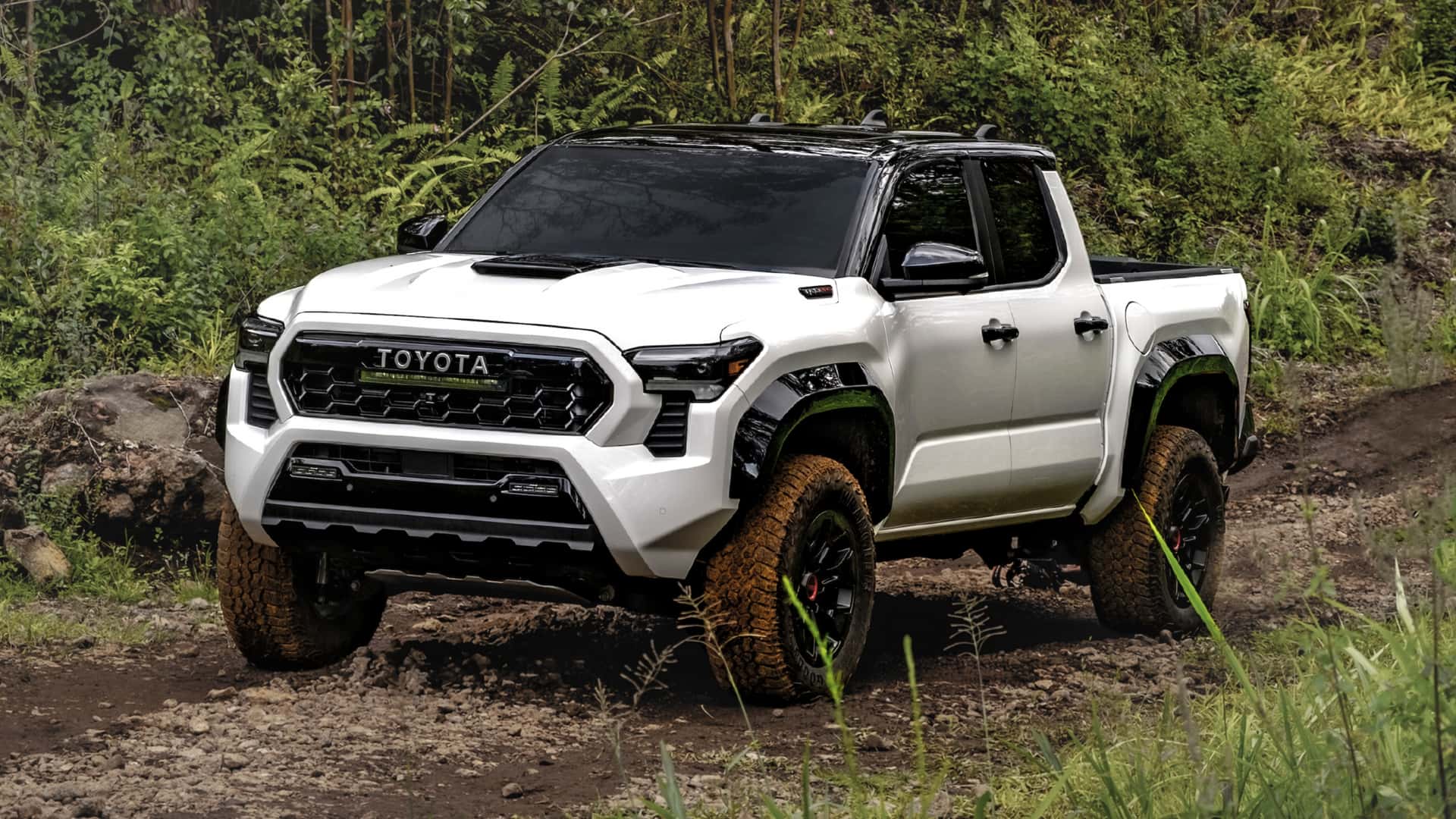
1. Toyota Tacoma TRD Pro
The Toyota Tacoma TRD Pro is often hailed as the gold standard for mid-size off-road trucks, owing to decades of Toyota’s relentless focus on reliability, durability, and proven engineering. This truck is designed to thrive in the most punishing conditions, from rocky mountain trails to muddy river crossings, where many others falter.
One of the primary reasons behind Tacoma’s resilience is its ladder frame chassis, which provides a sturdy backbone capable of absorbing immense twisting forces encountered when navigating uneven terrain.
Unlike some competitors who rely on more fragile unibody designs or less robust frames, the Tacoma’s solid build minimizes frame fatigue and stress-related cracks, even after years of relentless trail abuse.
In addition, Toyota’s TRD Pro package enhances the truck’s off-road readiness with features such as a reinforced skid plate system that shields vital components like the oil pan and transfer case from impact damage.
Complementing these protections is a state-of-the-art suspension system featuring Fox internal bypass shocks, which not only provide excellent damping control but also increase suspension travel, allowing the truck to maintain tire contact with uneven surfaces for superior traction.
Under the hood, the Tacoma’s 3.5-liter V6 engine is an exemplary balance of power and reliability. While it produces a modest 278 horsepower, its robust design, including forged internals and a proven fuel injection system, ensures longevity even under strenuous conditions like steep ascents or heavy towing.
The engine’s torque curve, peaking at 265 lb-ft, is optimized for low-end grunt, which is essential for rock crawling and slow-speed trail maneuvers where smooth, controllable power delivery prevents wheel spin and drivetrain stress.
The truck’s drivetrain complements the engine with a durable six-speed automatic transmission that handles shifting seamlessly, avoiding the jerks and shocks that can lead to premature component wear.
A locking rear differential further enhances the truck’s ability to maintain traction on slippery or uneven ground by ensuring that power is distributed evenly between the rear wheels, reducing the likelihood of getting stuck in precarious situations.
Another crucial factor contributing to Tacoma’s legendary durability is Toyota’s extensive field testing and customer feedback loop. The company invests heavily in real-world testing environments, including desert runs, alpine climbs, and jungle trails, ensuring that every component meets rigorous standards before hitting the market.
This dedication has built a passionate community of Tacoma owners who frequently attest to their trucks’ ability to cover hundreds of thousands of miles with minimal mechanical issues, even under heavy off-road use.
Moreover, aftermarket support for the Tacoma is vast, allowing owners to customize and reinforce their trucks further without compromising reliability. This ecosystem of parts and knowledge means that even when repairs or upgrades are necessary, they can be done efficiently, often at a reasonable cost.
Finally, the Tacoma TRD Pro’s balance between size, weight, and capability makes it an ideal off-road machine for both casual explorers and serious trail warriors.
Its relatively compact size allows it to navigate tight forest paths and narrow mountain roads where larger trucks might struggle, while its engineering ensures that the truck can take abuse from boulders, tree roots, and deep mud without succumbing to damage.
This blend of thoughtful engineering, proven reliability, and off-road-specific hardware secures the Tacoma TRD Pro’s place as a truck that doesn’t just survive off-road abuse—it thrives under it.
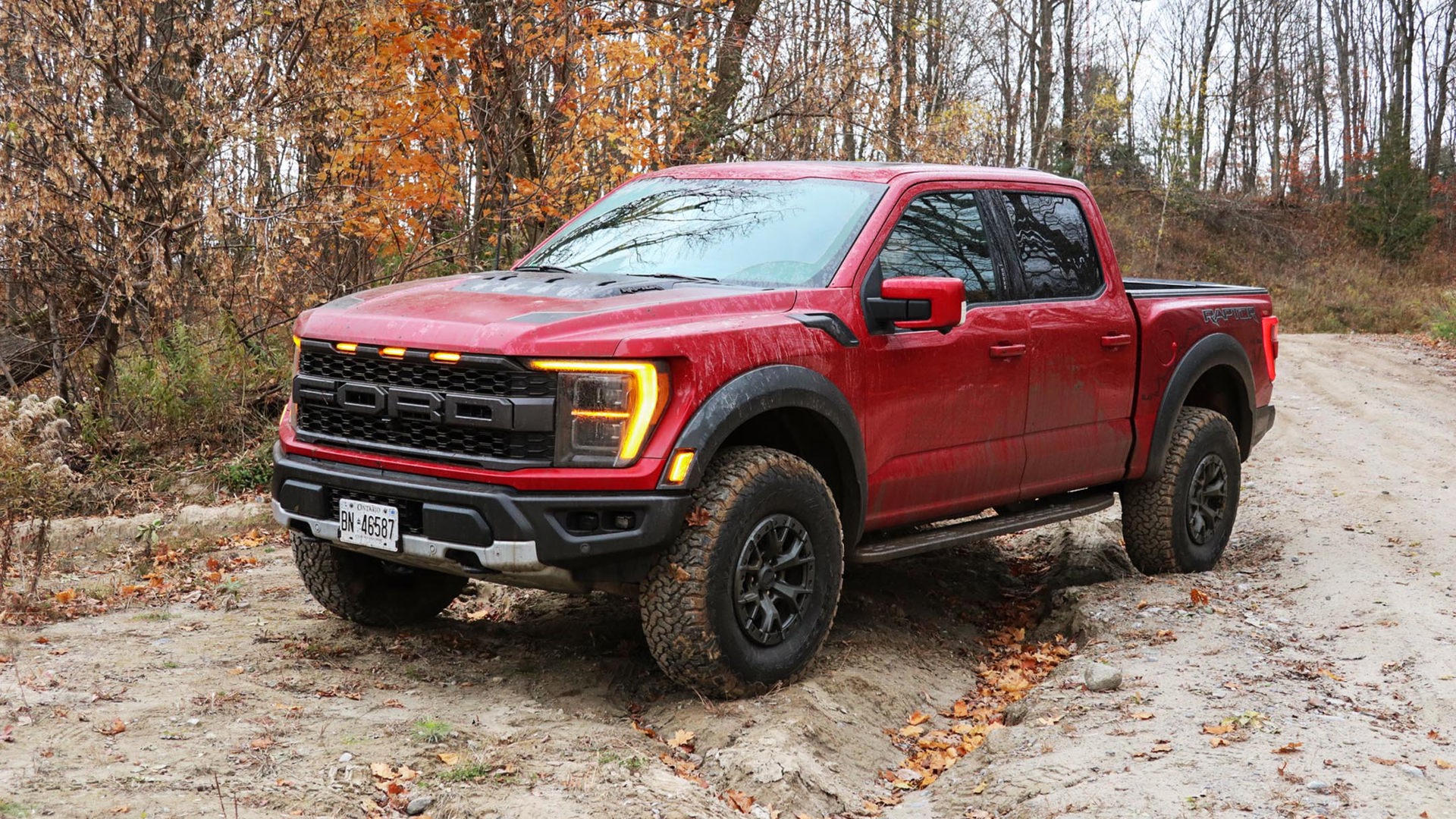
2. Ford F-150 Raptor
The Ford F-150 Raptor is more than just a powerful off-road truck; it’s a purpose-built beast designed to dominate the most challenging terrains at high speeds. Born out of Ford’s experience in desert racing, the Raptor incorporates technology and components inspired by the brutal demands of the Baja 1000 and other off-road competitions.
Central to its durability is a heavily reinforced high-strength steel frame engineered to resist torsional flex and absorb the shocks of high-speed jumps, rocks, and rough surfaces.
Unlike conventional pickups, the Raptor’s widened track and reinforced suspension mounting points contribute to exceptional lateral stability, preventing frame twisting and component fatigue even under extreme lateral forces.
Its underbody protection includes full skid plates covering the fuel tank, transfer case, and front differential, ensuring critical parts remain intact when hurtling over obstacles at speed.
The suspension system is arguably the Raptor’s crown jewel, featuring Fox Racing internal bypass shocks with 3.1 inches of travel at the front and 3.5 inches at the rear. These shocks use a sophisticated damping system that adapts to various terrain types, enabling the truck to absorb heavy impacts without bottoming out.
The long travel and high-rate springs allow the truck to maintain wheel contact and traction even over wildly uneven ground, drastically reducing the likelihood of suspension damage or loss of control.
Additionally, the Raptor employs a Terrain Management System with selectable drive modes, including settings for sand, mud, rocks, and even Baja-style high-speed runs, which optimize power delivery, throttle response, and traction control to suit the specific challenges faced by the driver.
The powertrain complements this hardware with a twin-turbocharged 3.5-liter EcoBoost V6 engine that pumps out over 400 horsepower and 500 lb-ft of torque, a remarkable feat for a truck of this size.
This power allows the Raptor to maintain momentum in challenging off-road conditions, reducing the strain on drivetrain components typically caused by slow crawling or stalling.
Coupled with a 10-speed automatic transmission designed for quick shifts and robust torque handling, the powertrain is both potent and reliable, enabling aggressive driving without premature wear.
Furthermore, Ford has equipped the Raptor with a locking rear differential and an electronic limited-slip front differential, enhancing traction and stability when traversing loose or slippery surfaces.
Owners of the Raptor frequently praise its durability even after years of hard use. Unlike other high-performance trucks that prioritize speed over longevity, the Raptor’s components are built to withstand repeated abuse without failure.
Reports from off-road enthusiasts describe minimal suspension wear after thousands of miles on rocky trails, and drivetrain components such as axles and differentials show exceptional longevity.
The Raptor’s status as a race-proven machine has also ensured that Ford continuously updates and improves its design, incorporating feedback from professional racers and off-road testers. This continuous evolution cements the Raptor’s reputation as a truck that can handle the worst off-road abuse and come back stronger.
In essence, the Ford F-150 Raptor’s combination of race-inspired engineering, advanced suspension technology, and a powerful yet reliable powertrain makes it a benchmark for off-road durability. It is a vehicle that allows drivers to push their limits, whether racing across desert dunes or navigating technical rock gardens, without worrying about mechanical failure.
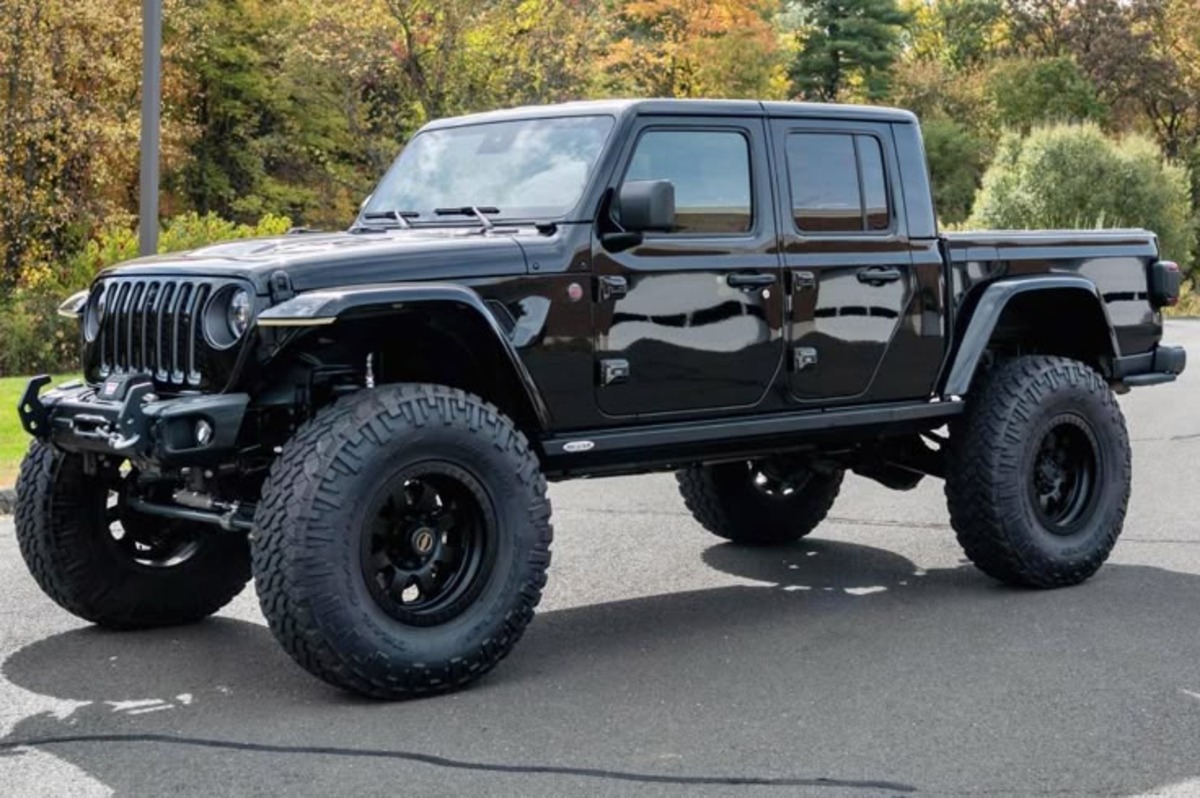
3. Jeep Gladiator Rubicon
The Jeep Gladiator Rubicon is a rare blend of traditional Jeep ruggedness and modern pickup functionality, making it one of the most durable mid-size trucks for off-road use. Rooted deeply in Jeep’s heritage, the Gladiator shares much of its platform with the iconic Wrangler JL, known for decades of rock crawling and off-road prowess.
One of the defining features of the Gladiator Rubicon is its heavy-duty Dana 44 solid axles front and rear, which provide immense strength and articulation needed for conquering steep rocks and uneven terrain.
Unlike independent suspension setups common in other trucks, solid axles ensure greater durability and simpler maintenance in off-road conditions, where the suspension components often face extreme forces. Jeep’s inclusion of electronic Tru-Lok locking differentials on both axles further increases traction by locking wheels together, allowing the Gladiator to crawl over obstacles where other trucks might lose grip.
The Rubicon’s suspension is optimized for maximum wheel travel, aided by an electronic sway bar disconnect that improves axle articulation on rough terrain, allowing one wheel to drop lower than the others without compromising stability. This feature dramatically improves the truck’s ability to maintain contact and traction over rocks and logs.
Additionally, Jeep fits the Gladiator with heavy-duty shocks and coil springs calibrated to withstand impacts and reduce fatigue over extended trail runs. This suspension combination results in a durable, forgiving ride that prevents damage to chassis components even when faced with punishing obstacles.
Under the hood, the Gladiator Rubicon offers a 3.6-liter V6 Pentastar engine that, while not the most powerful in the segment, delivers ample torque (260 lb-ft) for controlled off-road maneuvers. The engine’s simplicity and proven design contribute to its longevity, with many owners reporting decades of use without significant engine-related repairs.
Paired with either a six-speed manual or an eight-speed automatic transmission, the powertrain delivers smooth power transfer and maintains mechanical integrity even in low-speed crawling scenarios that typically stress clutches and gearboxes.
Jeep also focuses heavily on protecting the Gladiator’s undercarriage with robust skid plates covering the fuel tank, transfer case, and oil pan, reducing vulnerability to rocks and debris. Its frame is designed to endure the twisting and torsion common in extreme off-road use, with reinforcements in key areas to prevent frame fatigue and cracking.
Moreover, Jeep’s decades of off-road testing and community engagement mean the Gladiator benefits from a wealth of feedback, making it a continuously refined machine tailored for abuse resistance.
Overall, the Jeep Gladiator Rubicon is an embodiment of off-road resilience, combining traditional engineering wisdom with modern enhancements. Its rugged drivetrain, durable suspension, and protective features enable it to withstand years of aggressive off-road use, earning it a solid reputation among trail enthusiasts who demand durability and capability.
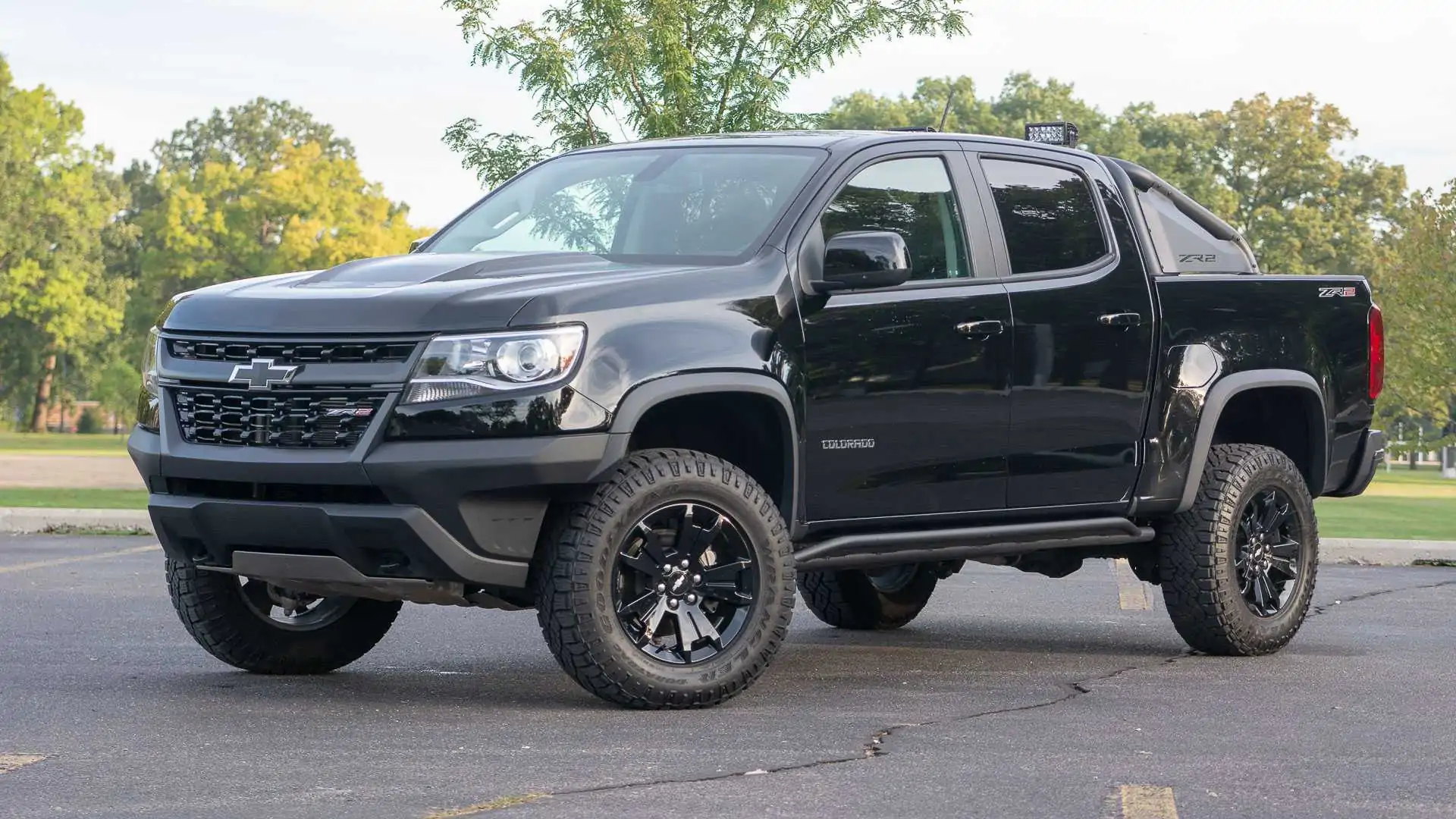
4. Chevrolet Colorado ZR2
The Chevrolet Colorado ZR2 is an impressive example of a mid-size truck engineered from the ground up to withstand harsh off-road abuse without sacrificing comfort or usability. Its standout feature is the incorporation of Multimatic DSSV (Dynamic Suspension Spool Valve) dampers, a technology borrowed from high-level motorsports, including NASCAR and off-road racing.
These sophisticated shocks provide exceptional control over damping forces, allowing the suspension to absorb large impacts smoothly and maintain tire contact across challenging surfaces.
Unlike traditional shocks that can overheat and fade under repeated impacts, the DSSV dampers in the ZR2 are designed to dissipate heat efficiently, preventing loss of performance during long, punishing trail runs.
Beyond suspension technology, Chevy has equipped the ZR2 with an array of components focused on durability and off-road readiness. Front and rear electronic locking differentials maximize traction by locking both wheels on an axle together, enabling the truck to maintain momentum through mud, rocks, or sand.
Ground clearance is increased to 8.9 inches, one of the best in its class, allowing the ZR2 to clear larger obstacles and reduce the risk of underbody damage. The truck’s skid plates provide additional protection to critical components like the transfer case and fuel tank, vital for surviving encounters with sharp rocks and debris.
The ZR2’s powertrain options include a 3.6-liter V6 producing 308 horsepower and 275 lb-ft of torque, as well as a 2.8-liter turbo-diesel option favored for its strong low-end torque and superior fuel economy.
Both engines are paired with a six-speed automatic transmission, chosen for its reliability and smooth power delivery. The diesel variant, in particular, offers durability advantages with its robust construction and ability to maintain torque in demanding off-road conditions without overheating or stalling.
Owners praise the Colorado ZR2 for its exceptional balance of toughness and everyday drivability. Its lightweight chassis, combined with durable suspension components and reliable drivetrain, allows the truck to excel in a wide variety of off-road environments, from technical rock crawling to high-speed desert runs.
The truck’s engineering ensures that it can take repeated abuse without significant wear, reducing maintenance costs and downtime, a critical factor for serious off-roaders who depend on their vehicles for adventure and work.
In conclusion, the Chevrolet Colorado ZR2 is a testament to advanced engineering and durability, blending innovative suspension technology with tried-and-true off-road features. This makes it one of the toughest and most reliable mid-size trucks for enduring extreme off-road abuse.
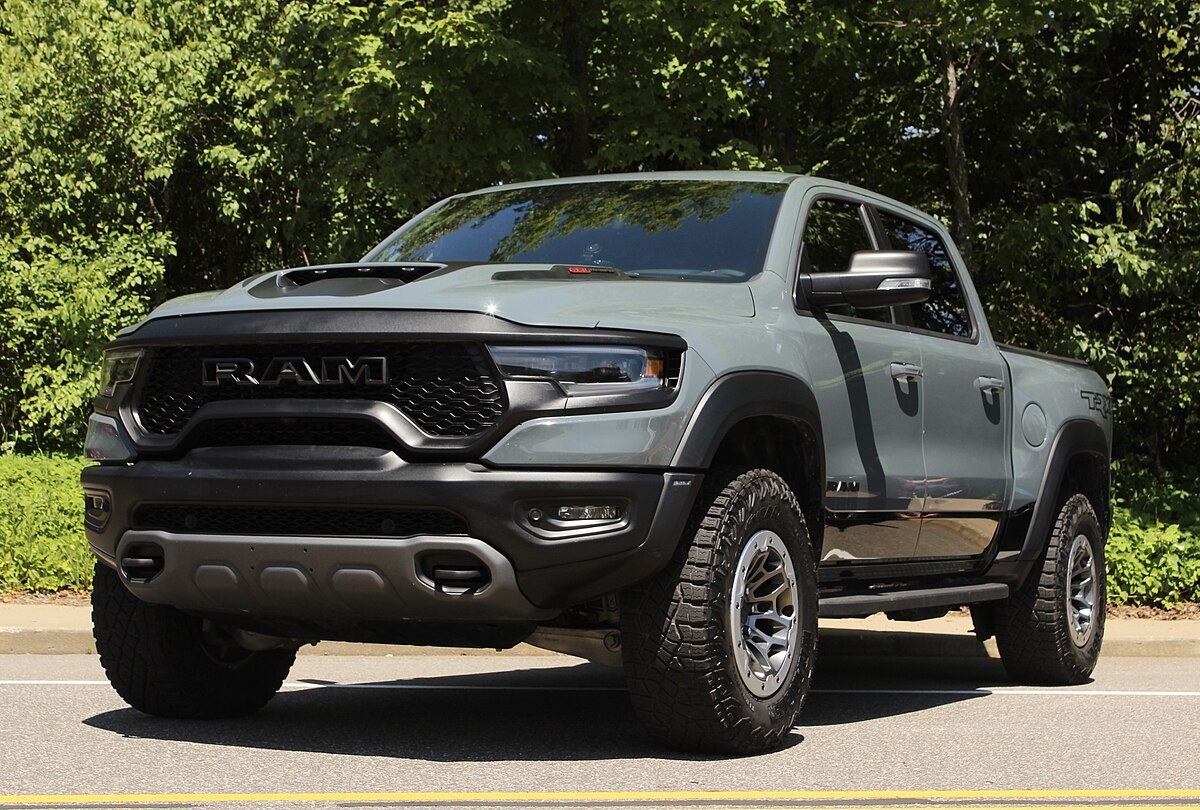
5. Ram 1500 TRX
The Ram 1500 TRX represents a new breed of off-road truck where raw power and engineering excellence come together to create an incredibly durable and capable machine.
Equipped with a supercharged 6.2-liter HEMI V8 engine producing an astounding 702 horsepower and 650 lb-ft of torque, the TRX is designed not only to be fast but to survive the harshest conditions encountered in desert racing and off-road expeditions.
The truck’s frame is heavily reinforced with additional bracing and high-strength steel, allowing it to withstand the intense forces generated by both its enormous power and the punishment of rugged terrain. This reinforced chassis prevents frame twisting and flexing, a common cause of structural damage in lesser trucks subjected to off-road abuse.
The TRX’s suspension system is equally impressive, featuring Bilstein Black Hawk e2 adaptive dampers specifically tuned to handle high-speed off-road impacts and the truck’s extreme weight.
These shocks provide 13 inches of front wheel travel and 14 inches in the rear, far exceeding most competitors, enabling the TRX to absorb massive jumps and rocks while maintaining tire contact and control.
The adaptive nature of the suspension means it can adjust damping rates in real time, offering a balance of comfort during highway driving and toughness during trail abuse. Ram also equipped the TRX with reinforced axles, oversized 35-inch tires, and aggressive approach and departure angles, all designed to maximize off-road capability while minimizing damage risk.
The drivetrain is built to handle the supercharged engine’s prodigious output, featuring a durable eight-speed automatic transmission with reinforced internals and a heavy-duty transfer case.
Ram also includes an electronic limited-slip differential and an advanced traction control system that helps distribute power optimally across all four wheels, preventing mechanical strain and ensuring the truck can maintain momentum even in the most challenging environments.
The cooling system is upgraded with a high-capacity intercooler and radiator, vital for preventing overheating during intense off-road sessions where engine stress is high and airflow may be limited.
Owners and off-road enthusiasts consistently report that the TRX not only delivers mind-boggling speed but also maintains mechanical integrity over thousands of miles of rough use.
Its combination of extreme power and meticulous engineering ensures that components don’t give out under pressure, making it one of the most durable high-performance off-road trucks available. The TRX has proven itself capable of competing in grueling desert races, where reliability and toughness are as crucial as raw horsepower.
In summary, the Ram 1500 TRX’s fusion of brute force, advanced suspension technology, and reinforced chassis components makes it a standout in the off-road durability arena. It’s a truck built to withstand extreme abuse while offering unparalleled performance and reliability.
5 Off-Road Trucks That Break on the Trail
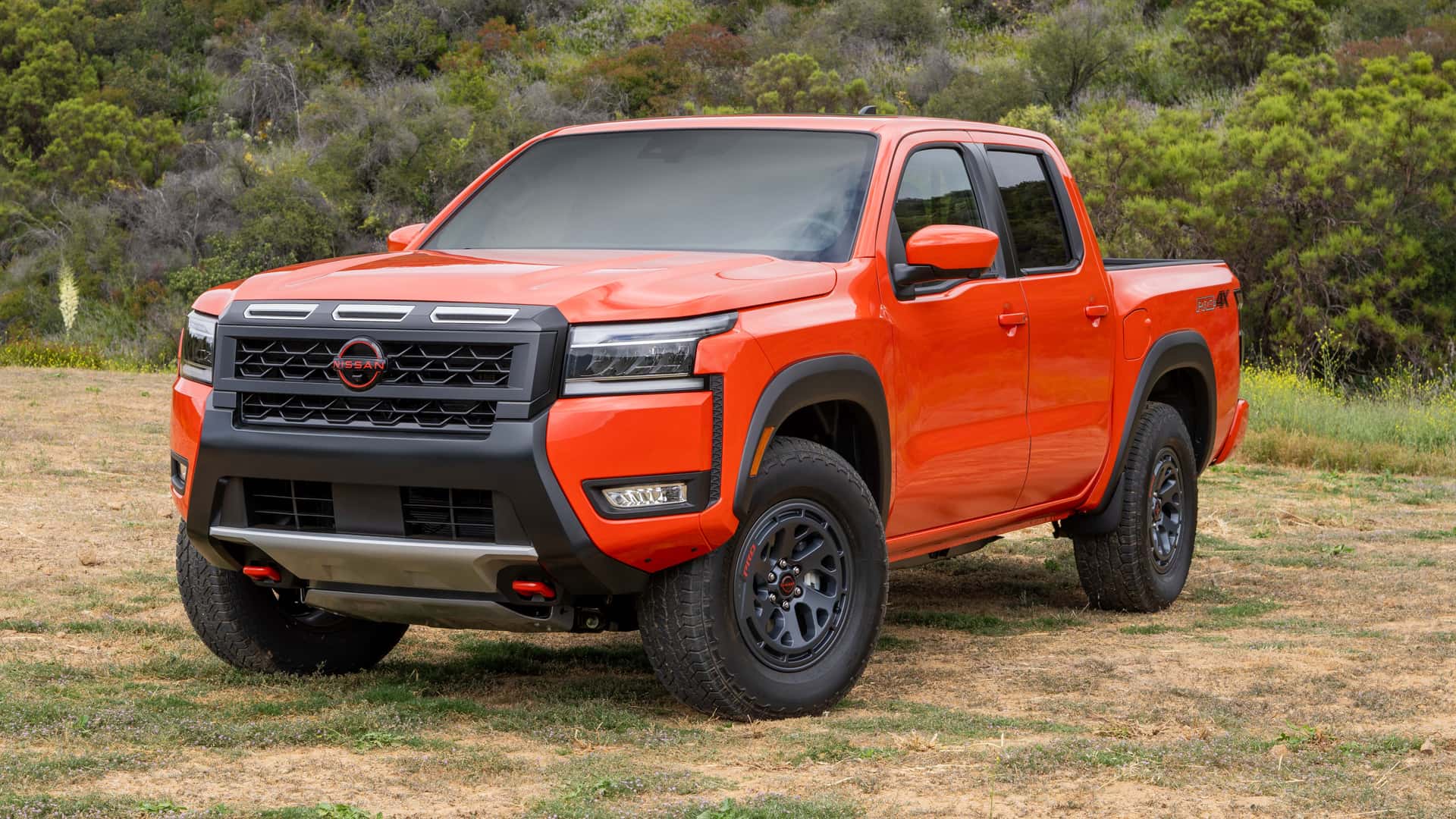
1. Nissan Frontier Pro-4X (Older Models)
The Nissan Frontier Pro-4X, particularly the earlier generations from the late 1990s through the mid-2000s, has long been a subject of debate among off-road enthusiasts who appreciate its rugged styling and relatively affordable price point but grow frustrated by its durability shortcomings.
While Nissan aimed to position the Frontier Pro-4X as a mid-level off-road performer with features like electronic locking rear differentials and skid plates, the execution left much to be desired when the truck was pushed beyond moderate trails.
One of the primary Achilles’ heels of these older models is the frame, which, due to its construction and insufficient corrosion protection, tends to succumb to rust and structural fatigue over time, especially in climates with frequent exposure to road salt and moisture.
Frame rust is not merely a cosmetic issue; it fundamentally compromises the truck’s ability to withstand the torsional stresses and flexing commonly encountered on rocky and uneven trails, leading to cracks and, in severe cases, catastrophic failure. Off-road vehicles depend heavily on a sturdy frame to distribute forces evenly, and when this critical component weakens, the entire truck’s reliability diminishes.
In addition to frame problems, the Frontier Pro-4X’s suspension design is relatively outdated compared to more modern off-road trucks, which impacts its resilience on challenging terrain. The rear leaf spring suspension, while simple and cost-effective, lacks the sophistication and shock absorption capabilities necessary to handle repeated, aggressive impacts.
This results in a harsher ride that transfers excessive vibrations and shock loads to the chassis and drivetrain, increasing the likelihood of premature component wear and failure.
Moreover, the shock absorbers fitted to these models are often criticized for insufficient damping, leading to bottoming out on large obstacles or dips. The consequence of this is not just discomfort but a higher risk of mechanical damage, including bent control arms, damaged bushings, and axle failures.
Another critical weak point lies in the drivetrain, particularly the transmission system, which has shown a troubling history of premature wear and failure in off-road situations. The older Frontier Pro-4X models utilize transmissions that often struggle with heat management under heavy load or slow, technical crawling scenarios, common in off-road use.
Transmission fluid overheating leads to accelerated wear of internal components, including clutch packs and valve bodies, resulting in slipping, hard shifting, or complete transmission failure. Coupled with a cooling system that doesn’t adequately dissipate heat under these extreme conditions, owners frequently face expensive repairs and downtime.
The engine, while generally reliable, also faces challenges in some models due to underwhelming cooling systems and vulnerability to overheating during extended low-speed climbs or hot-weather trail driving, potentially causing warped heads or gasket failures.
The lack of comprehensive underbody protection is another significant factor that hampers the Frontier’s durability in tough off-road environments. While Nissan does include some basic skid plates, they are often thin and cover only limited areas, leaving critical parts such as the oil pan, transfer case, and fuel tank vulnerable to damage from rocks, tree stumps, and trail debris.
This can lead to costly leaks, punctures, or component failure, especially on technical trails requiring careful wheel placement. Ground clearance and approach/departure angles on the older Frontier are modest compared to more dedicated off-road trucks, limiting its ability to tackle steep inclines, deep ruts, or large obstacles without risking undercarriage damage.
Combined with the aforementioned mechanical weaknesses, this means that the Frontier Pro-4X struggles to endure prolonged or extreme off-road abuse, often requiring frequent repairs or modifications to improve durability.
In summary, the older Nissan Frontier Pro-4X models, while capable of light to moderate off-roading, lack the foundational durability features needed to survive harsh trail conditions long-term.
The combination of corrosion-prone frames, outdated suspension, transmission vulnerabilities, and minimal underbody protection makes it a less-than-ideal choice for serious off-road enthusiasts.
Owners looking for a vehicle to tackle tough terrain regularly often find themselves investing heavily in aftermarket upgrades or repairs, which diminishes the truck’s original appeal of affordability and ruggedness.
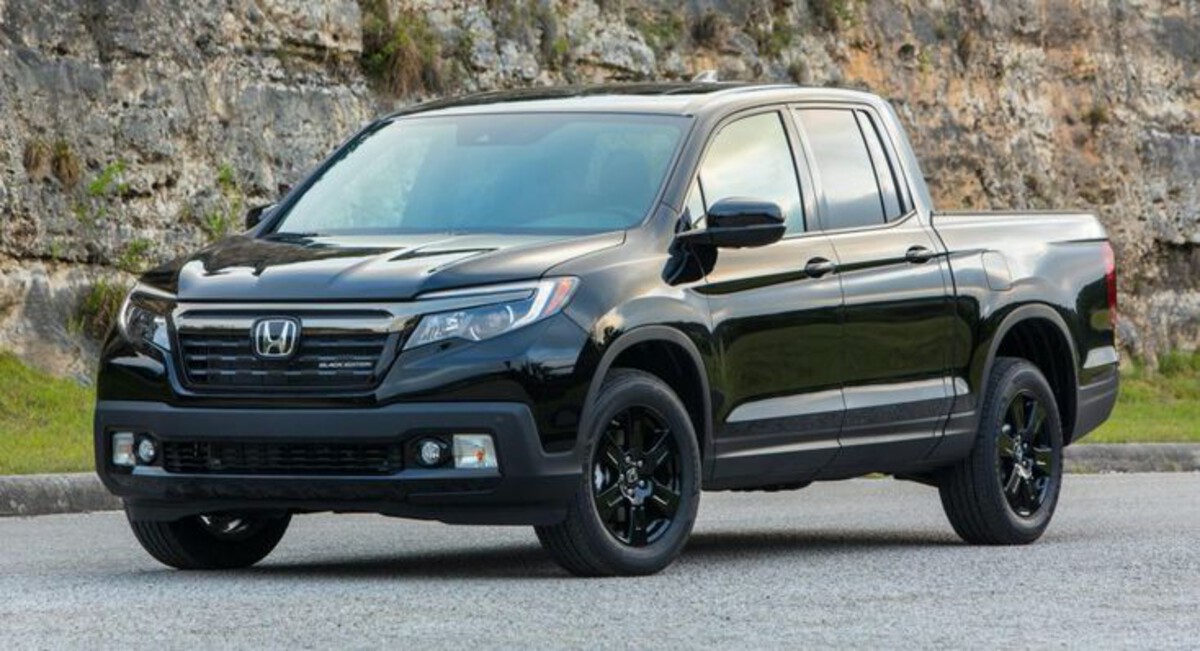
2. Honda Ridgeline
The Honda Ridgeline is a unique entry in the pickup truck world, notable for its unibody construction and car-like design philosophy that diverges sharply from traditional body-on-frame trucks.
While this approach lends the Ridgeline superior on-road comfort, smooth handling, and efficiency, it also fundamentally limits its ability to withstand the kind of abuse commonly encountered on serious off-road trails.
Unlike conventional trucks built with a separate ladder frame designed to flex and absorb impacts, the Ridgeline’s unibody structure integrates the frame and body into a single rigid shell, which can be less forgiving when subjected to the twisting and pounding associated with rough terrain.
This design makes the Ridgeline more prone to stress fractures and component failures in the chassis and suspension mounting points when pushed off the beaten path. Off-road trucks need a degree of frame flex to accommodate uneven surfaces without cracking or warping, something the Ridgeline’s unibody is not optimized for, especially under prolonged use.
In addition, the Ridgeline’s suspension setup, which includes an independent rear suspension, offers a smooth and controlled ride on paved roads but compromises durability in the roughest environments. Independent suspensions are generally more complex, featuring multiple arms, bushings, and joints that are vulnerable to damage when exposed to rocks, mud, and debris.
These components require regular maintenance and replacement when used off-road, leading to higher upkeep costs and greater risk of failure mid-trail.
Furthermore, the Ridgeline’s lower ground clearance and relatively shallow approach and departure angles limit its ability to clear obstacles without undercarriage damage. The truck’s skid plates and underbody protection are minimal compared to purpose-built off-road vehicles, leaving vital mechanical parts exposed to impacts and abrasion.
The powertrain, while reliable in daily driving, lacks the low-end torque and ruggedness preferred for technical off-roading. The Ridgeline’s V6 engine produces adequate horsepower and torque for highway merging and light-duty hauling but does not deliver the sustained torque and drivetrain robustness required for climbing rocks or deep mud.
The all-wheel-drive system, designed more for inclement weather and light trail use, lacks the aggressive locking differentials and traction aids found in trucks intended for serious off-road use. This makes the Ridgeline less capable in low-traction scenarios, often causing driveline stress or loss of momentum, which can lead to mechanical issues such as clutch wear or transmission strain.
Owners who take the Ridgeline off-road frequently report issues with suspension component wear and frame fatigue, particularly when venturing beyond dirt roads into more demanding trails.
The truck’s design, optimized for comfort rather than ruggedness, means that extended or aggressive off-road use can lead to problems such as cracked control arms, broken sway bar links, and compromised frame sections.
Additionally, repairs tend to be more costly given the complexity of the unibody structure and independent suspension. As a result, the Ridgeline is often recommended only for mild off-roading or for those who prioritize daily driving comfort over trail toughness.
In essence, while the Honda Ridgeline is a remarkable and innovative pickup that excels on paved roads and light trails, it falls short when subjected to the rigors of hardcore off-roading.
Its unibody construction, less protective underbody, and road-oriented suspension make it prone to damage and mechanical failures under severe abuse, rendering it a poor choice for serious off-road adventurers who need rugged durability above all else.
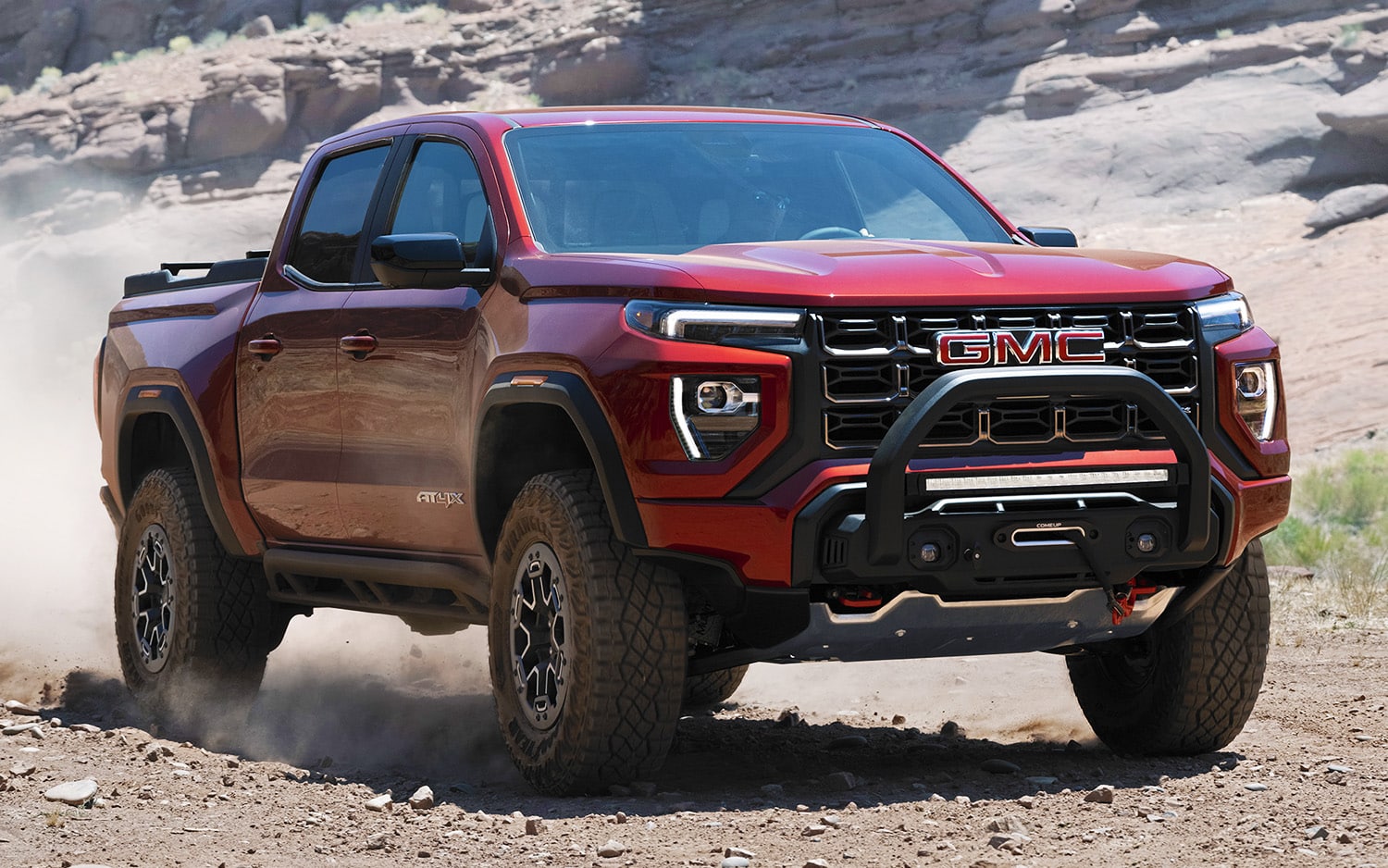
3. GMC Canyon (Base and Mid-Level Trims)
The GMC Canyon, especially in its base and mid-level trims without specific off-road packages, can be a mixed bag when it comes to off-road durability. While it offers a respectable on-road driving experience and a modern design, it often falls short of the robustness required for extended trail use and harsh environments.
One major issue with these trims is the relatively thin frame rails and insufficient reinforcements, which can suffer from bending, cracking, or accelerated corrosion when subjected to the twisting forces common in off-road driving.
The frame’s structural integrity is critical to preventing component misalignment and drivetrain stress, and without additional bracing or upgrades, the Canyon’s frame can become a weak link, especially when carrying heavy loads or navigating rocky terrain.
Another weakness lies in the suspension components, which tend to be more street-oriented in lower trims. While the suspension can handle gravel roads and mild trails, it lacks the heavy-duty shocks, springs, and bushings designed to absorb the repeated pounding of off-road environments.
This often leads to premature wear, reduced ride quality, and increased risk of component failure, such as broken control arms, bent sway bars, or leaking shock absorbers. Without an advanced damping system or sufficient suspension travel, the Canyon can bottom out frequently, causing damage to both the suspension and undercarriage components.
Drivetrain durability is another concern for the Canyon, with some reports of early wear in axles, differentials, and transfer cases when pushed hard off-road. Base models often lack locking differentials or advanced traction control systems, which means the truck must rely on open differentials that can cause power loss and excessive wheel spin in slippery conditions.
This increases stress on drivetrain components, as the system struggles to maintain traction. Additionally, the stock cooling systems for the transmission and engine may be insufficient during slow crawling or heavy towing in hot conditions, leading to overheating and accelerated mechanical wear.
The truck’s underbody protection is generally minimal unless the buyer opts for specific off-road packages, leaving the fuel tank, transfer case, and oil pan exposed to damage from trail hazards.
Ground clearance and approach/departure angles on these trims also lag behind more off-road-focused competitors, increasing the likelihood of undercarriage impacts and resulting damage.
Collectively, these factors mean that the GMC Canyon base and mid-level models are less suited for rigorous off-road use, often requiring aftermarket modifications and frequent maintenance to survive trail abuse.
In conclusion, while the GMC Canyon in base and mid-level trims is a competent daily driver with some off-road potential, it struggles to endure the physical demands of serious trail driving. Potential buyers seeking durability for rugged terrain should consider higher-spec off-road packages or look elsewhere, as these models tend to break down faster and incur higher repair costs under abuse.
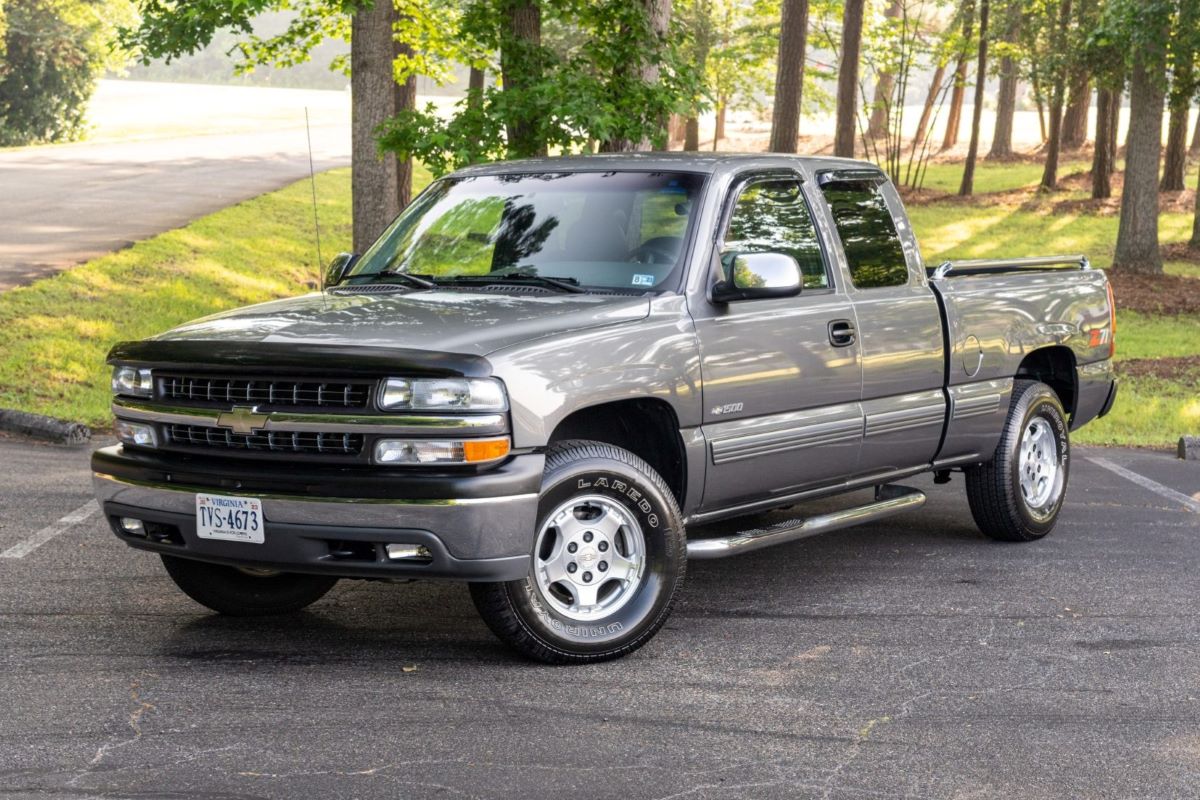
4. Chevrolet Silverado 1500 (Non-Z71 Models)
The Chevrolet Silverado 1500, in its standard non-Z71 trims, is a full-size truck built primarily for comfort, towing, and on-road performance rather than rugged off-road durability. While the Silverado name carries a reputation for toughness, the absence of specialized off-road features in the base and mid-tier models significantly limits their ability to withstand the rigors of trail abuse.
The frame on these models, though strong, lacks the additional bracing and reinforcements found on off-road variants, making it more susceptible to stress-related wear and fatigue when used extensively on rough terrain. This can lead to premature frame twisting or cracking, particularly in regions with corrosive road treatments, which diminishes the truck’s overall structural integrity.
The suspension setup in non-Z71 Silverados is tuned primarily for road comfort, featuring simpler shocks and springs that are not designed to absorb the heavy impacts and articulation demands of technical off-roading. This lack of advanced suspension technology results in a harsher ride on rough trails, with increased bottoming out and mechanical stress transmitted to the chassis and drivetrain.
Over time, components such as control arms, bushings, and shocks experience accelerated wear and tear, which can lead to failures and costly repairs. The absence of features like skid plates, locking differentials, or electronic traction aids further exacerbates the Silverado’s vulnerability when pushed off-road.
The drivetrain components on standard Silverados are generally robust for towing and hauling, but can be stressed beyond their limits in severe off-road conditions, especially without the cooling enhancements provided in off-road packages.
Axles and differentials not designed for rugged terrain are more prone to premature wear, and open differentials increase the risk of wheel spin and traction loss on slippery or uneven surfaces.
The truck’s overall ground clearance and approach/departure angles also limit its ability to clear obstacles without damage, exposing the undercarriage to impacts from rocks and debris.
Owner reports and off-road user feedback frequently mention the Silverado’s tendency to incur suspension and underbody damage when used extensively on challenging trails.
Repairs can be costly and frequent, particularly in the absence of factory-installed off-road hardware. While the Silverado remains a capable truck in many respects, those intending to engage in serious off-roading often find the non-Z71 trims inadequate for the abuse involved.
In summary, the Chevrolet Silverado 1500 non-Z71 models fall short in terms of off-road durability due to their lack of specialized hardware, suspension tuning, and protective features. Serious off-roaders typically require the enhanced versions or alternative trucks better suited to rough terrain, as these Silverados tend to break down under heavy trail use.
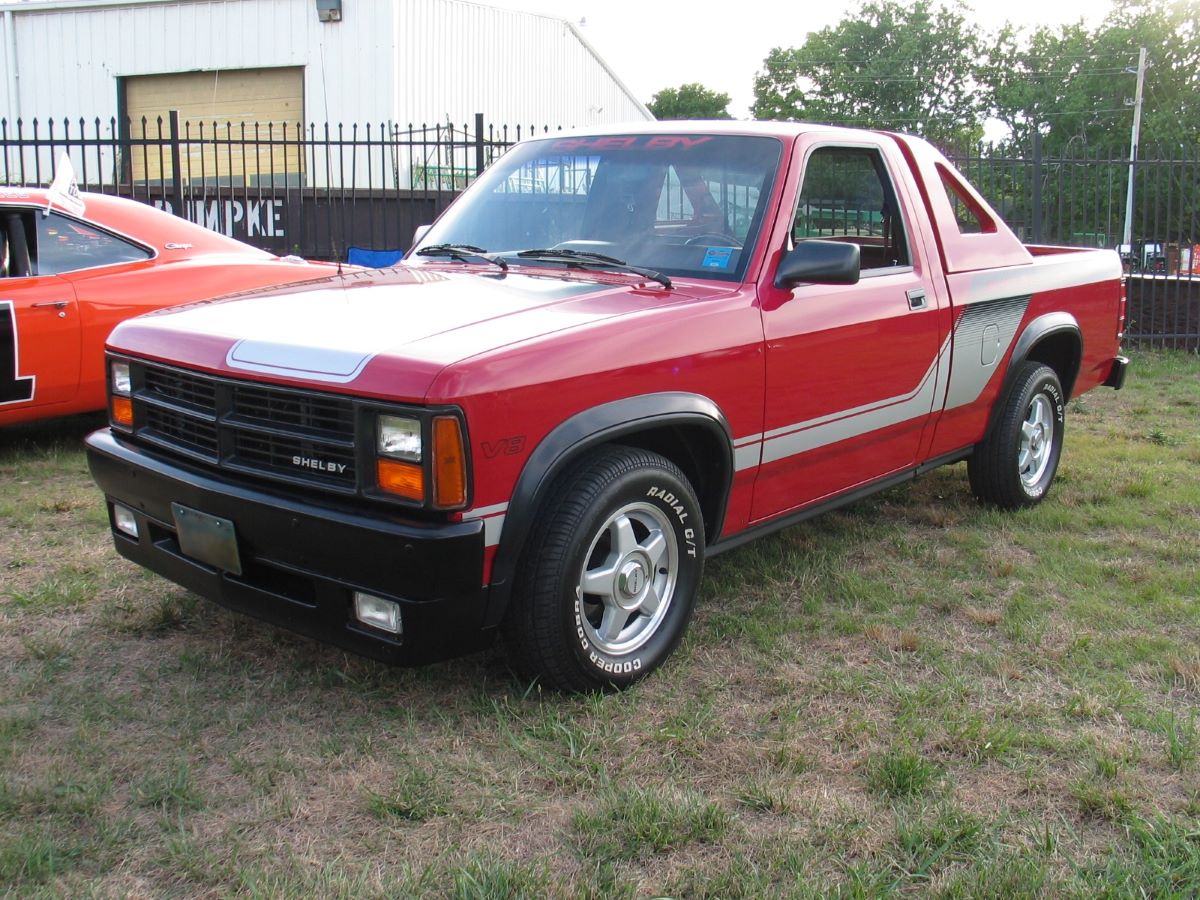
5. Dodge Dakota (Late Models)
The Dodge Dakota, particularly the later models produced before its discontinuation, has a mixed reputation for off-road durability. While it offered a more compact size and maneuverability compared to full-size trucks, it struggled with structural and mechanical weaknesses that became apparent under sustained off-road use.
One of the core issues is its aging frame design, which, despite attempts at reinforcement, remained susceptible to rust and cracking, particularly in harsh climates. Rust compromises frame strength and leads to potential alignment issues, which are critical in off-road situations where chassis rigidity is paramount for vehicle control and suspension performance.
The Dakota’s suspension system, based on coil springs up front and leaf springs in the rear, was adequate for moderate terrain but lacked the sophistication of competitor trucks that offered enhanced shock absorbers and greater suspension travel.
This limitation results in a harsher ride, less effective shock absorption, and increased risk of damage to suspension components such as control arms and bushings when driving over rough, rocky terrain. The suspension’s limited articulation also reduces the truck’s ability to keep tires in contact with uneven surfaces, negatively affecting traction and stability.
Drivetrain durability was another challenge, with some Dakota models experiencing premature wear in transfer cases, differentials, and axle components when used in challenging off-road conditions.
The stock transmission and drivetrain cooling systems were not always sufficient to handle the prolonged heat generated during technical crawling or towing, leading to overheating and accelerated wear.
This increased the likelihood of drivetrain failures and costly repairs, detracting from the truck’s reputation as a reliable off-road machine.
Moreover, the Dakota lacked comprehensive skid plate coverage and underbody protection, leaving vulnerable components exposed to damage from trail debris, rocks, and stumps.
Ground clearance was moderate at best, and approach/departure angles were less than ideal, increasing the risk of undercarriage impacts that could damage critical mechanical parts. These factors combined to reduce the Dakota’s ability to survive extended trail abuse without incurring significant maintenance needs.
In conclusion, while the Dodge Dakota offered some advantages in size and maneuverability, its structural and mechanical vulnerabilities limit its effectiveness as a durable off-road truck. Serious off-road users often encountered frequent repairs and upgrades to address the Dakota’s weaknesses, making it less desirable for those seeking a rugged, low-maintenance trail vehicle.
ALSO READ: 5 American Trucks With Japanese-Level Reliability and 5 That Break the Stereotype in a Bad Way
Off-roading isn’t for the faint of heart—and neither is building a truck that can handle it. The difference between a trail-proven rig and a trail-side repair disaster often lies not in horsepower or brand prestige, but in the unseen elements of engineering: reinforced frames, reliable drivetrains, heat-resistant transmissions, and suspension systems that can take a pounding without failing.
As we’ve seen, some trucks are purpose-built to handle punishing conditions with grace and endurance, while others, no matter how tough they appear on the outside, reveal their weaknesses once the rubber meets the dirt.
The five trucks we’ve highlighted for their durability—like the Toyota Tacoma TRD Pro, Ford F-150 Raptor, Jeep Gladiator Rubicon, Chevrolet Colorado ZR2, and Ram 1500 TRX—represent a commitment to off-road excellence. These trucks have been tested in deserts, mountains, forests, and snowfields.
They’ve been abused by professional drivers, everyday enthusiasts, and weekend warriors alike, and consistently come back for more. Their components are either reinforced or race-proven.
Their suspension systems are tuned to absorb and recover. Their drivetrains are designed not only to survive stress but to function efficiently under it. These are trucks you can count on not just for a day trip to the trails, but for week-long adventures into the wilderness where failure is not an option.
What sets them apart isn’t necessarily flashy horsepower or digital dashboards—it’s the less glamorous but far more important factors like oil cooler efficiency, axle housing thickness, differential lock reliability, and heat management in low-range crawling scenarios.
It’s the fact that a Tacoma owner can put 300,000 miles on a truck that’s seen every type of trail without needing a major rebuild. It’s that the Raptor’s suspension can survive high-speed jumps that would destroy a lesser truck.
Durability in off-road settings is less about theoretical maximums and more about what lasts, what withstands impact, and what keeps moving forward long after the trail gets ugly.
On the other side of the coin are the trucks that may look the part but fail to live up to the off-road hype. Trucks like the older Nissan Frontier Pro-4X, the Honda Ridgeline, base-model GMC Canyons, non-Z71 Chevrolet Silverados, and the late-generation Dodge Dakotas.
While these vehicles have their merits for light-duty use or as reliable commuters, they fall apart—sometimes literally—when subjected to extended trail use.
Whether it’s weak suspension geometry, unprotected underbodies, cooling issues, or structural weaknesses in the frame or drivetrain, the result is often the same: costly repairs, frustrating breakdowns, and a truck that becomes more of a liability than a tool.
It’s important to recognize that these “trail-failing” trucks aren’t necessarily bad vehicles—they’re simply not engineered for sustained abuse. They may handle dirt roads or occasional camping excursions, but when subjected to rock crawling, deep mud, snow-packed slopes, or high-speed desert runs, their shortcomings become painfully apparent.
In many cases, owners are forced to invest heavily in aftermarket reinforcements just to bring these trucks up to a reliable baseline, negating any cost savings they may have initially offered. And even then, you can’t always fix what’s fundamentally flawed in a platform not designed with abuse in mind.
For prospective truck buyers, overlanders, and hardcore off-roaders, the takeaway is clear: buy for the worst-case scenario, not the best-case brochure. Choose a platform that’s already proven in the wild rather than one you hope can be made into something it’s not.
While no truck is indestructible, and all require maintenance, the difference between trucks that hold up and those that don’t is the margin between adventure and misadventure. A good off-road truck becomes more than a vehicle—it becomes your partner in the wild, your safety net in the middle of nowhere, and a critical piece of gear that either enables or limits what you can do.
As off-roading grows in popularity and more manufacturers try to tap into the lifestyle with pseudo-capable models, it’s more important than ever to separate marketing hype from mechanical reality.
The trucks that make it through this list as trail-survivors do so because they’ve been built, tested, and refined for the express purpose of surviving abuse. The others, while suitable for daily life or occasional unpaved ventures, simply aren’t made for the chaos that real off-road environments demand.
So before you load up for your next trip into the wild, make sure your rig is more than just stylish—it should be durable, well-engineered, and field-proven. Because out there, reliability isn’t a luxury. It’s a lifeline.
