
Luxury cars have long represented more than just transportation—they are symbols of success, refinement, and engineering excellence. The allure of driving a finely crafted vehicle, wrapped in opulent materials and brimming with cutting-edge technology, is undeniable.
For many, owning a luxury car is a dream come true, an expression of personal achievement. But when that luxury car is a used vehicle, the dream can quickly turn into a costly nightmare if owners don’t fully understand the long-term maintenance and repair landscape.
Buying a used luxury car can seem like a smart move. Depreciation in this segment is brutal, which means you can often purchase a model that was once out of reach for a fraction of the original price. A BMW 7 Series, Mercedes-Benz S-Class, or Audi A8 with high-end features might be available for a price comparable to a new mid-range sedan.
This can seem like a bargain, but the key question is: how much will you spend to keep the car on the road? Many luxury vehicles come with complex engineering, exotic materials, and advanced electronics that require specialized tools, expertise, and parts. When these components inevitably wear out, the costs for repair and upkeep can quickly eclipse any initial savings.
Yet, not all used luxury cars are created equal. Some brands and models stand out as surprisingly affordable to maintain—even when decades old—while others have earned reputations as expensive “money pits.” The difference often boils down to design philosophy, engineering complexity, and the availability of parts and skilled technicians.
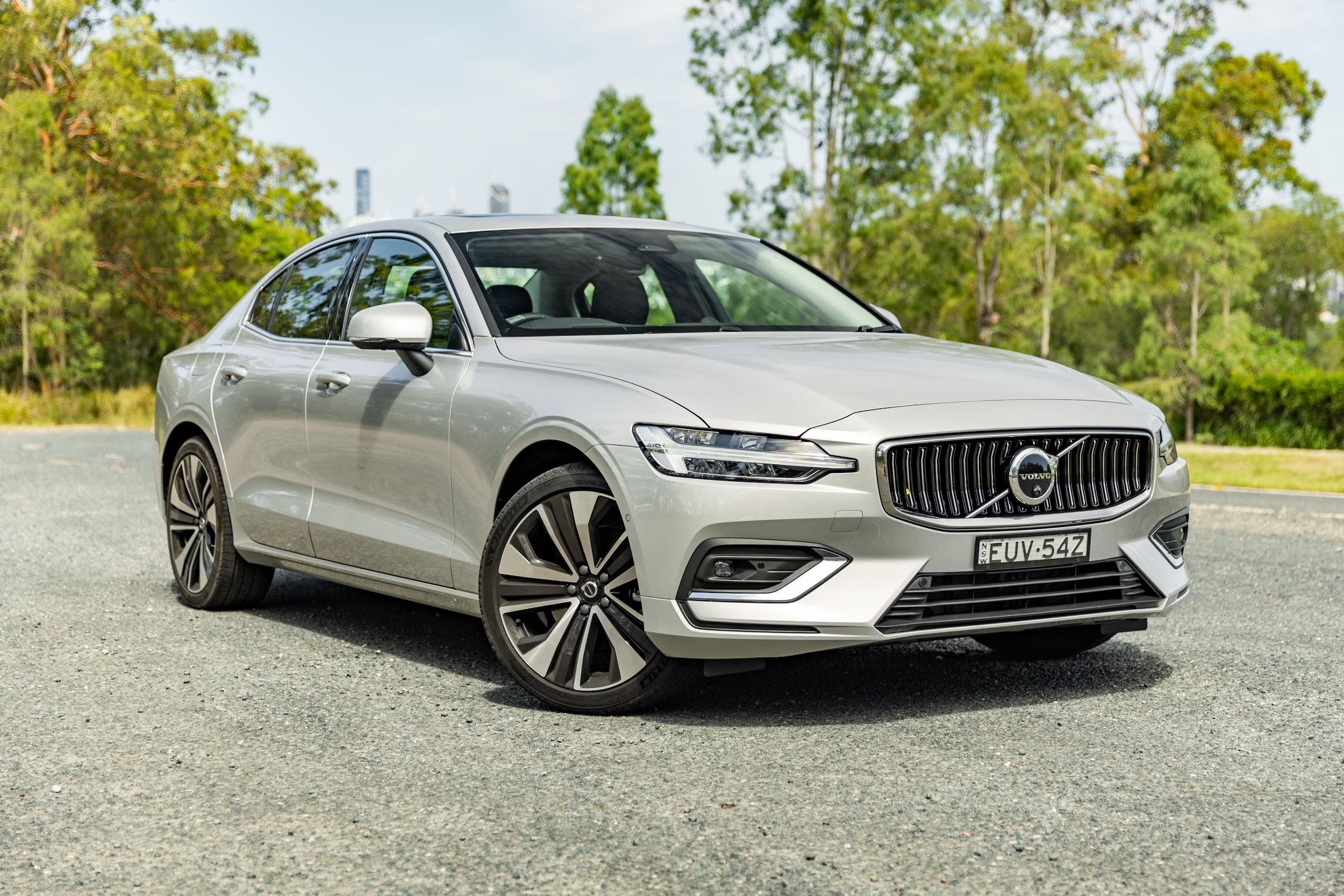
For example, Scandinavian brands like Volvo have historically favored durability and simplicity over flashy, intricate systems. American luxury models from Buick combine traditional engineering with widely available parts, translating to lower costs.
Meanwhile, German luxury vehicles often push the boundaries of technology and performance but pay for that innovation with expensive repairs, sometimes requiring factory-level diagnostics and expensive replacements.
In this article, we will dive deep into both sides of the used luxury car ownership equation. On one hand, we will explore five used luxury cars that are surprisingly cheap to maintain, offering a balance of comfort, style, and reliability that won’t drain your wallet.
These vehicles prove that owning a luxury car doesn’t necessarily mean constant trips to the mechanic and a bank-breaking repair bill. On the other hand, we will uncover five luxury vehicles that have earned a reputation for bankrupting owners with their repair costs, highlighting the hidden dangers of complexity and fragility in certain marques.
By understanding these differences, you’ll be better equipped to make an informed decision that matches your lifestyle, budget, and tolerance for risk. Choosing a used luxury car is about more than just the initial sticker price or the flash of a prestigious badge.
It’s a long-term financial commitment. Maintenance, repairs, insurance, and even fuel costs can add up quickly, especially when technology and engineering complexity outpace the affordability of parts and services.
This article aims to demystify the ownership experience, peeling back the layers of glamour to reveal what it really costs to own these cars over time. Whether you’re a first-time buyer considering a luxury upgrade or a seasoned enthusiast looking for your next project car, the insights here will help you navigate the minefield of used luxury vehicles.
We will examine each model’s mechanical layout, electronic systems, reliability history, and parts availability, presenting a comprehensive view of why some luxury cars become sensible investments and why others become financial traps. Understanding these realities can save you thousands and spare you the frustration of unexpected repairs.
It’s an invitation to rethink what luxury means—not just in terms of comfort and status but also in terms of durability and cost-effectiveness.
So, buckle up and prepare to learn about the real costs behind the luxury car dream. By the end of this article, you’ll have a clear sense of which used luxury cars to pursue and which to avoid if you want to protect your bank account without sacrificing your desire for style and sophistication.
ALSO READ: 5 BMWs That Hit 150,000 Miles vs 5 That Drain Your Wallet
5 Used Luxury Cars Cheap to Maintain
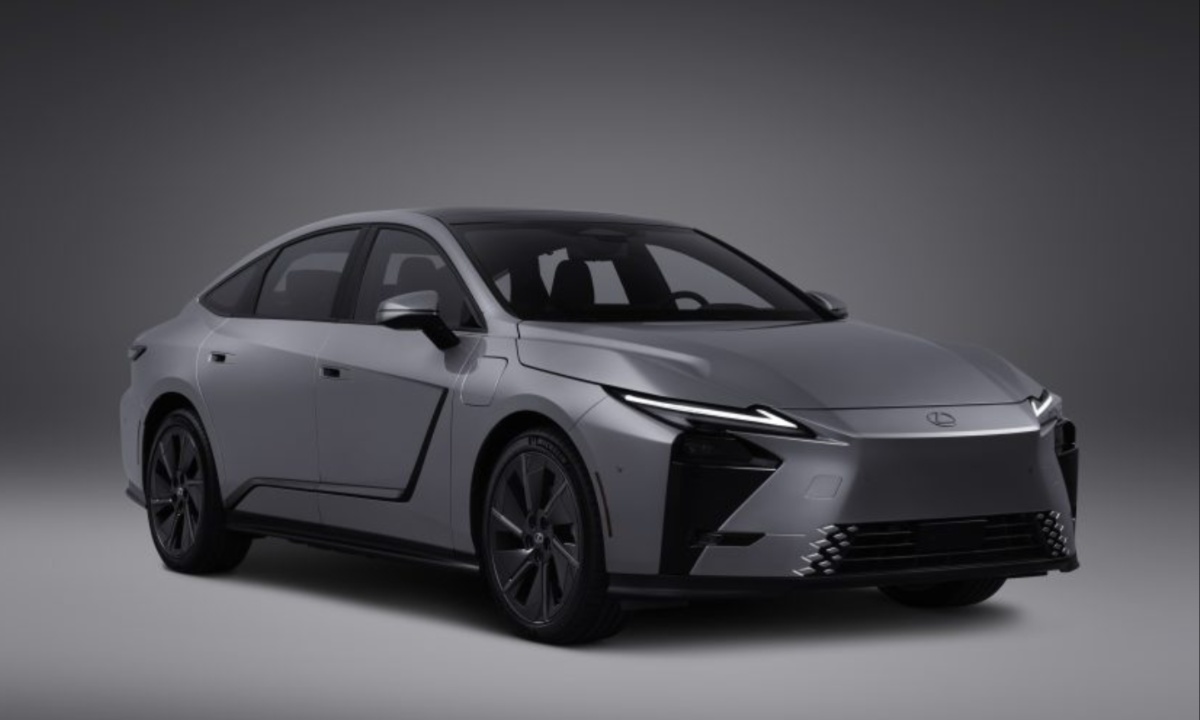
1. Lexus ES (Especially 2010–2015 Models)
The Lexus ES has long held a reputation as one of the most reliable luxury sedans in the market, and for good reason. Built on the same platform as the Toyota Camry, the ES benefits from decades of engineering refinement and a proven powertrain that seems almost invincible when properly maintained.
For the 2010–2015 generation, Lexus perfected the formula by offering a more refined cabin, smoother ride, and advanced safety features—all while retaining the brand’s commitment to long-term durability.
The ES 350, in particular, features a 3.5-liter V6 engine that balances power and efficiency. It’s not uncommon to find models with over 200,000 miles still running strong, needing only routine maintenance. For those seeking a worry-free entry into the luxury space, few options are as dependable as this.
One of the most significant advantages of owning a used Lexus ES lies in its exceptionally low cost of ownership. Since many components are shared with mainstream Toyota models, parts are widely available and affordable.
Routine services such as oil changes, brake replacements, battery swaps, and even transmission maintenance can be done by any competent mechanic without requiring Lexus-specific tools or diagnostics.
You’re also less likely to encounter hidden maintenance traps, like specialty fluids or labor-intensive part locations that plague European brands. Unlike some luxury cars that demand premium fuel, the ES can run smoothly on regular unleaded, saving owners money at every fill-up.
The Lexus ES also distinguishes itself by avoiding many of the high-maintenance luxuries that often drive up costs in other brands. Instead of fragile air suspension systems or over-engineered drivetrains, it opts for simplicity and proven engineering. Even in higher trims, the tech features are intuitive and largely robust.
The infotainment system, while not as flashy as BMW’s iDrive or Audi’s MMI, is far more reliable and rarely causes issues. Climate control systems, power seat motors, and navigation units typically remain trouble-free for well over a decade. And because the ES is designed for comfort, not aggressive driving, it tends to be owned by more conservative drivers, further preserving the vehicle’s condition over time.
From a long-term value perspective, the Lexus ES is a standout. While it may lack the athleticism of a German sport sedan, it delivers a consistently excellent ownership experience. Resale values remain relatively strong, and because it rarely incurs expensive repairs, the total cost of ownership is far lower than many initially expect.
This car embodies the core Lexus philosophy: providing premium comfort and quality without sacrificing reliability. For anyone searching for a luxury car that won’t surprise them with jaw-dropping repair bills, the ES is not just a safe bet—it’s one of the smartest used luxury car purchases you can make.
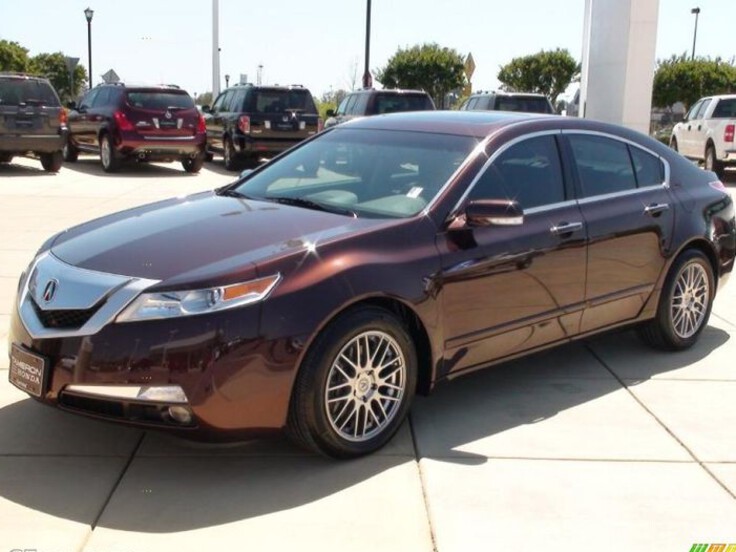
2. Acura TL (2009–2014)
The 2009–2014 Acura TL represents one of the finest blends of performance, style, and reliability in the used luxury sedan market. During this generation, Acura pushed to compete directly with the BMW 3 Series and Mercedes C-Class, offering a unique package that married Honda’s legendary durability with luxury-grade features.
The result is a car that feels upscale and refined, yet is built with the same thoughtful engineering and bulletproof components that define Honda products. Under the hood, the TL is powered by a 3.5-liter or 3.7-liter V6 engine, both of which are known for their resilience and relatively low maintenance requirements. These engines are responsive, efficient, and capable of racking up miles well into the 200,000+ range with basic care.
Unlike many European sedans in the same price bracket, the TL doesn’t require specialized service to keep it running smoothly. Oil changes, timing belt replacements, suspension work, and brake jobs can all be performed by most general repair shops.
Moreover, Acura has an extensive dealership and service network in North America, meaning you’re never far from parts or qualified labor. Compared to German competitors, where minor repairs can sometimes cost four figures, the Acura TL offers a much more manageable ownership experience. Additionally, parts availability is rarely an issue, and many aftermarket options exist that meet or exceed OEM standards, further reducing maintenance costs.
Another reason the TL is so appealing is its resistance to the electronic failures that plague many luxury cars of its era. While it does offer tech features such as Bluetooth, navigation, and a premium sound system, Acura wisely kept things grounded. The interior controls are logically arranged, and even after years of use, buttons and switches remain responsive and trouble-free.
You’re unlikely to face problems with keyless entry systems, seat electronics, or dashboard warnings. The SH-AWD (Super Handling All-Wheel Drive) version adds another layer of performance, giving it excellent handling in all weather conditions, without compromising reliability.
From a financial perspective, the TL delivers in every way. It’s relatively inexpensive to purchase, offers above-average fuel economy for its class, and maintains a loyal following of enthusiasts who praise its longevity.
Insurance rates tend to be reasonable, and because these cars depreciate faster than some rivals, you can often find clean, low-mileage examples for a fraction of their original MSRP. For buyers who want to enjoy the luxury experience without losing sleep over repair bills, the Acura TL is a near-perfect choice.
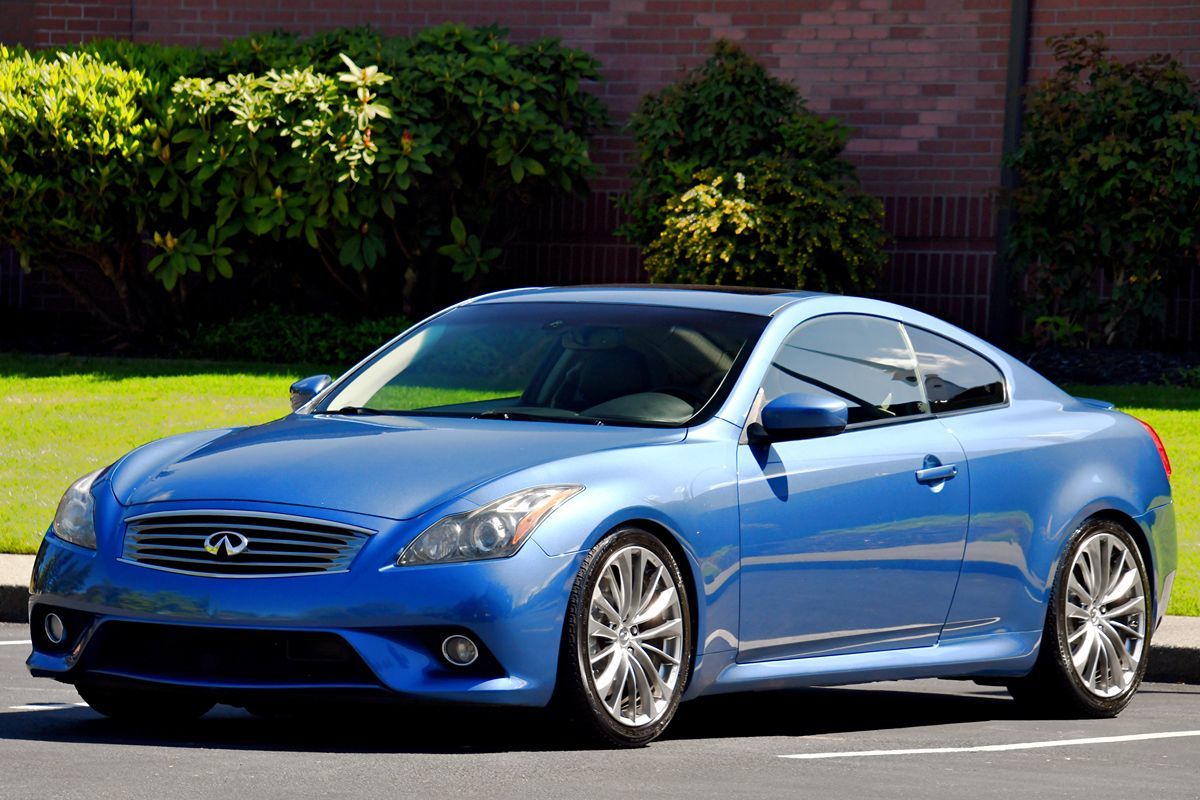
3. Infiniti G37 (2008–2013)
The Infiniti G37 has carved out a strong reputation for being one of the more reliable and engaging used luxury cars available. Introduced as the successor to the G35, the G37 took everything good about its predecessor and refined it, most notably with the introduction of the robust and thrilling 3.7-liter V6 engine.
This powerplant, part of Nissan’s famed VQ series, delivers excellent performance with smooth power delivery and a satisfying exhaust note. More importantly, it’s a well-proven engine that has been used in various Nissan and Infiniti models, which translates into low parts costs and widespread familiarity among mechanics.
In terms of driving dynamics, the G37 offers a more athletic experience than many in its class. It features rear-wheel drive as standard (with available AWD), a responsive seven-speed automatic or slick six-speed manual transmission, and sharp steering. This sportier setup doesn’t come at the expense of reliability.
Quite the opposite—the drivetrain is one of the most robust in the segment. The G37 doesn’t suffer from the chronic turbo issues or fragile electronics seen in some European counterparts. With consistent maintenance—regular oil changes, fluid checks, and spark plug replacements—many G37s reach high mileage with minimal fuss.
One of the reasons the G37 remains a practical long-term buy is its relatively simple electronic systems. While it does have features like navigation, a premium audio system, and dual-zone climate control, the overall design prioritizes durability over flashy gimmicks.
Common wear-and-tear components like door handles, window regulators, and seat controls are generally reliable and not overly expensive to replace when they do wear out. Even the more advanced features tend to age well, and issues—if they arise—are usually inexpensive to diagnose and resolve.
For used car shoppers, the G37 is a compelling option. It offers the performance of a sports sedan, the comfort of a luxury car, and the reliability of a mainstream Japanese vehicle.
And because Infiniti vehicles have historically depreciated faster than their European rivals, you can often score a low-mileage, well-maintained G37 for under $12,000. For that price, few other cars offer such an enjoyable and worry-free ownership experience. It’s a rare case where luxury, performance, and reliability genuinely coexist.
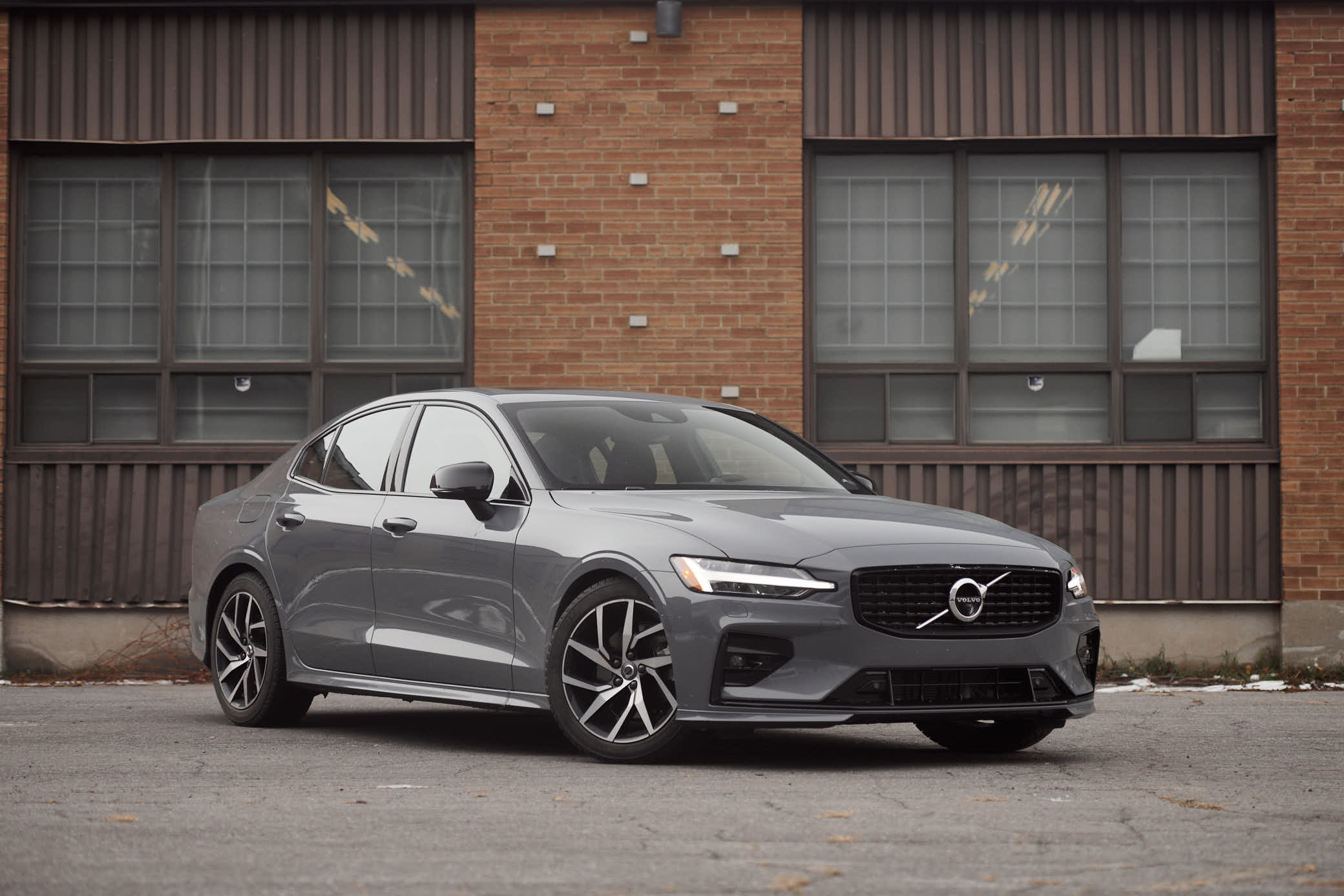
4. Volvo S60 (2011–2016)
The second-generation Volvo S60 (2011–2016) represents a pivotal shift in Volvo’s brand identity, blending Scandinavian luxury with practical engineering and improving upon the brand’s historic reliability. These models marked Volvo’s evolution toward a more driver-focused design while still embracing safety and sensible ownership costs.
Volvo’s T5 models, especially those equipped with the five-cylinder turbocharged engine, strike a balance between performance and economy. Unlike previous Volvos that were quirky and sometimes overcomplicated, this generation was designed with broader appeal and greater serviceability, especially for owners planning to keep their car for many years.
One of the biggest assets of the S60 lies in its straightforward mechanical layout. The 2.5-liter five-cylinder turbo engine used in many trims is a mature and proven unit that’s been refined over several generations. It delivers a solid 250 horsepower while remaining relatively stress-free and low-maintenance.
Because it’s a carryover powerplant from earlier models, there’s a wealth of institutional knowledge among mechanics, and parts are not only widely available but reasonably priced.
Timing belt changes, oil services, and turbo maintenance are all well-understood by independent Volvo specialists, which helps keep labor costs in check. Compared to German rivals, which often require specialized tools or software for even basic diagnostics, the S60 is refreshingly uncomplicated.
Electronics in the Volvo S60 are another area where this vehicle shines from a cost-of-ownership standpoint. The infotainment system and dashboard controls are user-friendly and far less prone to failure than some of the flashier, more gimmicky systems found in Audis or BMWs of the same era.
Volvo took a more measured approach, offering features like Bluetooth, heated seats, and backup cameras without excessive layering of fragile tech.
Additionally, Volvo’s reputation for safety translates into well-integrated driver assistance systems that don’t feel tacked on—and more importantly, don’t often break down. You won’t find costly adaptive suspensions or electronic steering racks in most trims, which spares you thousands over the life of the vehicle.
From a value standpoint, the 2011–2016 S60 offers a compelling package. It’s not only affordable to buy on the used market—often found well under $10,000—it’s also a smart long-term investment for those seeking comfort without financial risk. The interiors hold up well, with high-quality materials that resist wear, and the car’s conservative styling helps it age gracefully.
With proper upkeep, including oil changes every 5,000–7,500 miles and attention to fluids and filters, this Volvo can easily hit 200,000 miles or more. For a luxury car with a safety pedigree, solid driving dynamics, and low upkeep, the S60 is a confident, cost-effective choice.
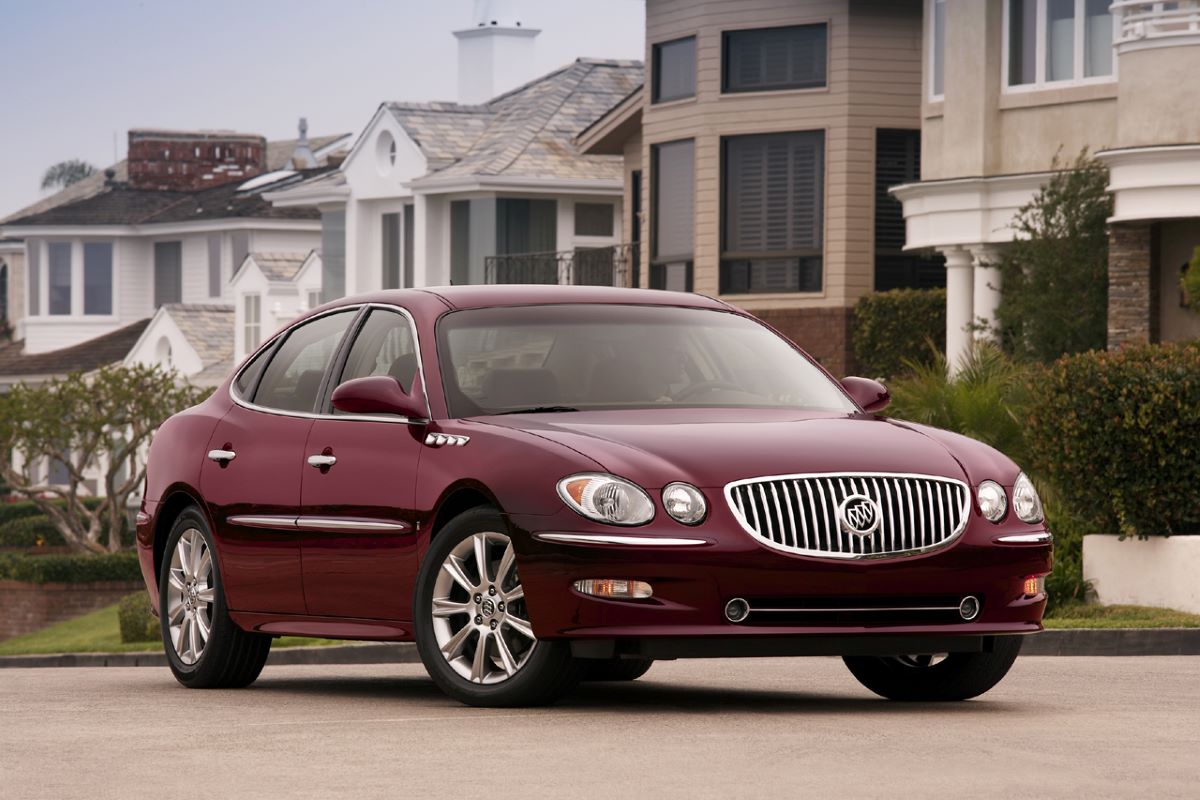
5. Buick LaCrosse (2010–2016)
While often left out of luxury car discussions, the Buick LaCrosse is a surprisingly smart and reliable option for those seeking affordable comfort with a premium badge. The 2010–2016 generation, in particular, blends a refined ride with a modern design language and is built on GM’s Epsilon II platform—a platform shared with several reliable mainstream vehicles like the Chevrolet Impala and Malibu.
That means parts are plentiful, technicians are familiar with the mechanical layout, and service costs are relatively low. Under the hood, most models are equipped with either a 2.4-liter four-cylinder or a 3.6-liter V6 engine—both known for good longevity and low complexity compared to turbocharged or high-strung European engines.
The real strength of the LaCrosse lies in its cost-to-comfort ratio. It’s a large, quiet, and plush sedan with an interior that punches above its weight. Soft-touch materials, well-bolstered leather seats, and a quiet cabin make it feel far more expensive than it is.
At the same time, it avoids the overly complicated engineering that drives up maintenance costs in many European brands. There’s no finicky dual-clutch transmission, no active body control suspension, and no exotic components that require specialized care. Instead, you get a well-built, traditionally engineered vehicle that is happy to run on regular unleaded fuel and takes kindly to DIY maintenance.
In terms of technology, Buick found a sweet spot between useful features and system reliability. While the infotainment system might not be as intuitive or advanced as rivals like Lexus or BMW, it’s generally dependable. Features like Bluetooth, parking sensors, and dual-zone climate control are common, and electronics failures are relatively rare.
Even higher trims that include heated and ventilated seats or adaptive cruise control tend to hold up well over time. And since the platform is shared across GM’s lineup, diagnosing issues or finding parts is both easy and affordable. If you ever do need to replace something, there’s a good chance you’ll find a compatible component from a Chevy or GMC at a fraction of the cost.
Affordability on the used market is another major point in the LaCrosse’s favor. Because it doesn’t carry the same prestige as a BMW or Mercedes badge, depreciation hits hard—great news for savvy buyers. Many well-maintained examples can be had for under $10,000, often with relatively low mileage.
Insurance is also cheaper than most competitors in the same size class, and because of its reputation for gentle usage (many were bought by older drivers), you’re more likely to find well-preserved models.
In short, the Buick LaCrosse is an underrated luxury sedan that delivers long-term comfort and savings. It may not raise eyebrows in the valet line, but it will save you thousands in repairs over the years.
5 Used Luxury Cars That Bankrupt You in Repairs
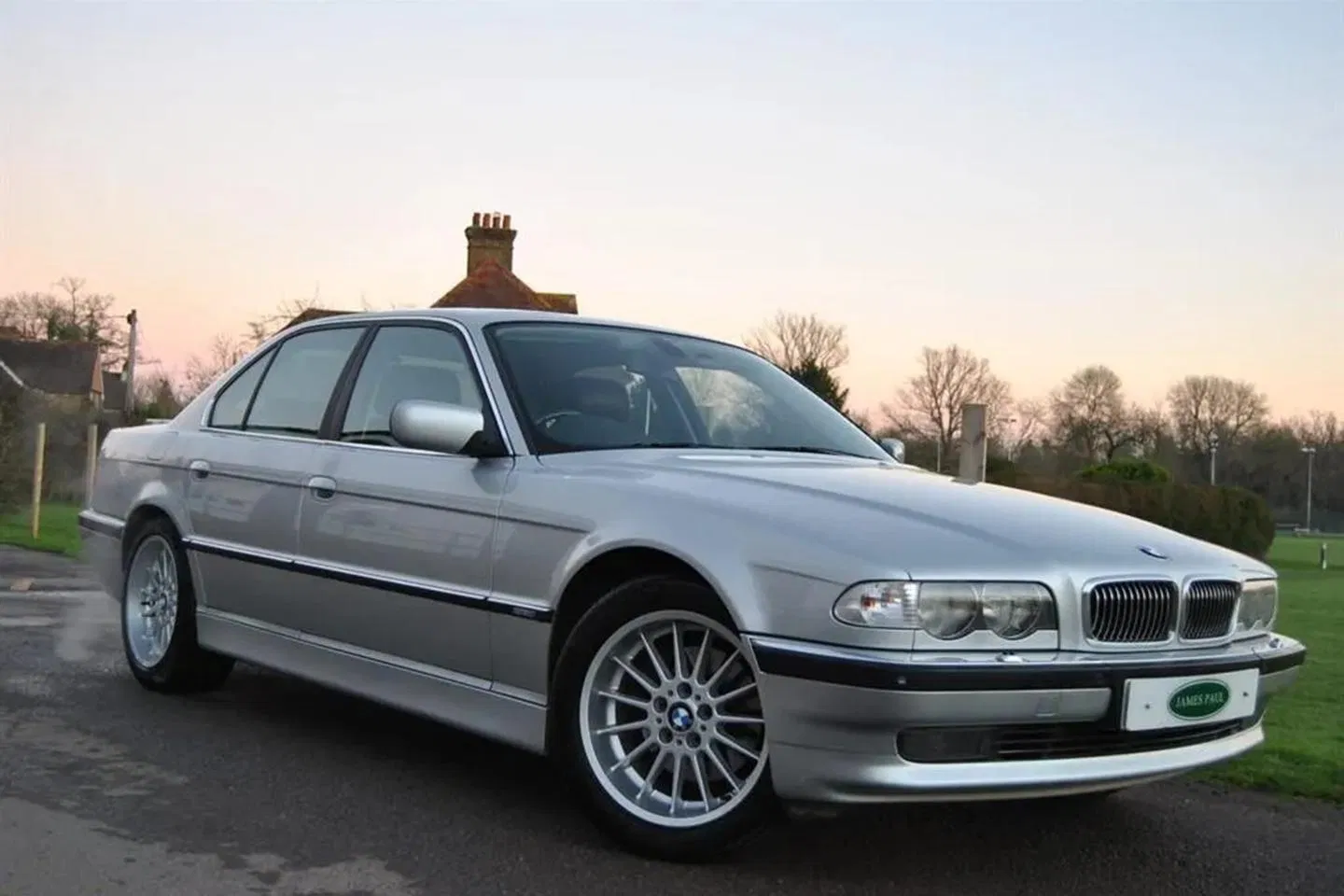
1. BMW 7 Series (2009–2015 F01/F02)
The BMW 7 Series is the ultimate example of luxury gone overboard—an elegant masterpiece on the surface, but an engineering labyrinth underneath. The 2009–2015 F01/F02 generation introduced groundbreaking technology: adaptive suspension, iDrive, night vision, 4-zone climate control, power everything, and even a key fob that memorized personal settings for each driver.
But as these features age, they become costly liabilities. What once felt like cutting-edge convenience quickly transforms into a money pit when the tech fails outside of warranty, and it almost always does.
BMW designed the 7 Series to impress CEOs, diplomats, and tech-hungry enthusiasts when new, but they never intended it to be economical to maintain once out of warranty. These cars feature twin-turbocharged V8s or V12s, complex cooling systems, and layers of electronics tightly packed into the chassis.
When a water pump fails (which it often does), it can cost over $1,500 to replace. Air suspension components begin to sag or leak after 80,000–100,000 miles, and each corner can run you $1,200–$2,000 to fix. Worse, repairs often require the removal of large subcomponents or even entire bumpers to access buried modules.
Then there’s the software ecosystem, which BMW tied heavily into even basic mechanical functions. Want to replace a battery? It has to be re-coded to the ECU. Upgrading to a new infotainment screen? Expect compatibility issues that require specialized programming.
Even oil changes are more involved due to underbody paneling and sensitive oil sensors that often trigger false alarms. The iDrive system, notorious for glitches and lag, becomes even more unreliable as it ages, and repairing it involves modules that are not DIY-friendly. BMW dealerships often charge over $180/hour in labor, quickly inflating even routine maintenance bills.
In the used market, the 7 Series depreciates rapidly, luring unsuspecting buyers into a trap. A car that once cost $100,000 new might sell for under $20,000 after five years—but don’t be fooled.
Those savings up front can be wiped out with just a few trips to the repair shop. Unless you have access to BMW-specific tools, deep mechanical knowledge, and a flexible budget, the 7 Series is a beautiful but dangerous ownership experience. It’s a classic example of luxury that becomes a liability.
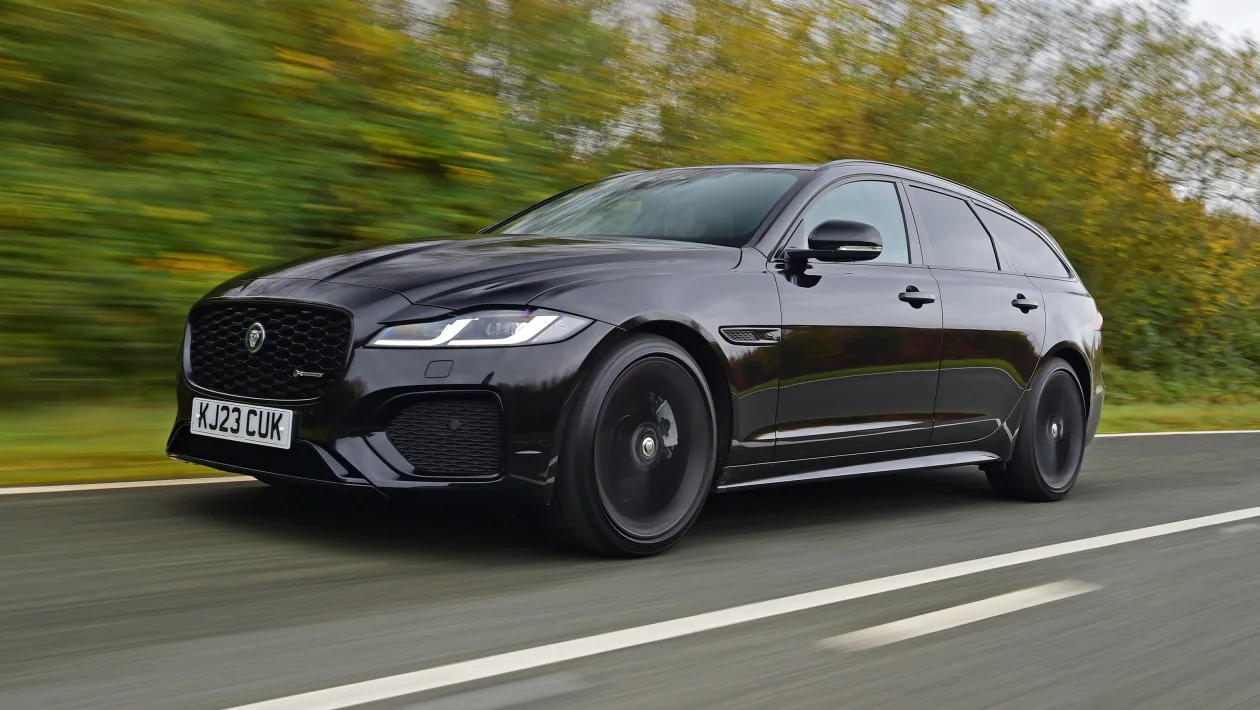
2. Jaguar XF / XJ (2009–2015)
The Jaguar XF and XJ from this era embody British elegance—sleek styling, rich leather interiors, and a sense of exclusivity that few other brands manage. However, beneath the luxurious veneer lies a history of mechanical fragility and electronic dysfunction that can easily ruin the ownership experience.
While early XF models tried to rebrand Jaguar as a modern alternative to German sedans, they instead brought a fresh batch of reliability problems to the table. Common issues include water intrusion into the electrical system, failing infotainment controls, and timing chain problems that are both difficult and expensive to resolve.
One of the most frustrating aspects of these Jaguars is how unpredictable the failures are. It’s not unusual for an owner to encounter a handful of warning lights all at once, many of which are triggered by unrelated issues. Something as small as a failed rear parking sensor could lead to cascading faults across the ECU.
The touchscreen, once seen as futuristic, frequently becomes unresponsive or freezes altogether. Navigation systems and Bluetooth modules often fail and are impossible to update without dealer involvement. Because Jaguar’s dealership network is limited compared to BMW or Mercedes, getting parts or service can mean long wait times and higher costs.
From a mechanical perspective, the XF and XJ can be even more treacherous. The supercharged V6 and V8 engines, while powerful, have been plagued by timing chain tensioner failures, coolant leaks, and crankshaft position sensor issues. When these components fail, they often do so catastrophically, resulting in total engine shutdowns or expensive internal damage.
To make matters worse, much of the engine bay is tightly packed, requiring extensive labor to reach even basic components. Transmission problems also surface more often than in competing vehicles, and their replacement costs can rival the value of the car itself.
In the used market, these Jaguars seem tempting, especially given their massive depreciation. But the reality is sobering: these are high-maintenance vehicles wrapped in glamorous packaging.
They may offer a wonderful ride for the first few months, but as age and miles catch up, owners are often left with massive repair bills and little recourse. Without a comprehensive warranty or a strong relationship with a Jaguar specialist, owning an XF or XJ is like playing Russian roulette with your finances.
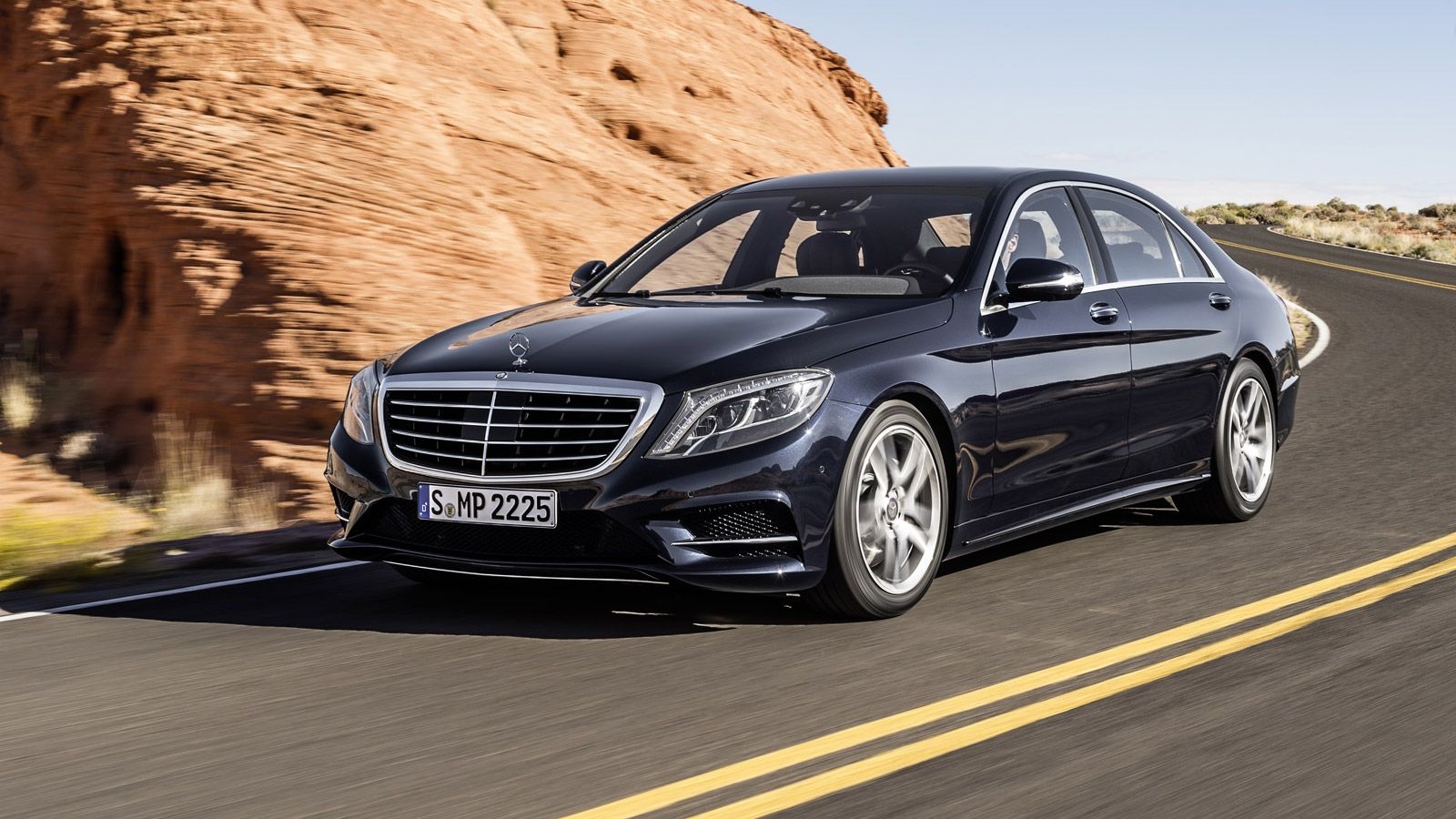
3. Mercedes-Benz S-Class (2007–2014 W221)
The W221 Mercedes-Benz S-Class redefined what flagship sedans could be. When it debuted in 2007, it set benchmarks in comfort, luxury, and technological sophistication. Unfortunately, all of that excellence comes at a very steep cost once the vehicle moves beyond its factory warranty.
The W221’s complexity borders on absurd, featuring AIRMATIC suspension, hydraulic body control, advanced COMAND infotainment, and a dizzying array of sensors and modules that all must function in concert. Over time, even small failures can spiral into massive repair bills due to system dependencies and limited service access.
One of the most notorious features of the W221 is the air suspension system, which includes electronically controlled struts and compressors that are prone to failure. A single strut can cost $1,500–$2,000 to replace, and it’s rare for just one to go bad.
Compounding this is the need to recalibrate the suspension electronically after parts are swapped—adding another $500 or more to each job. Other problem areas include the COMAND system, which handles everything from navigation to vehicle settings. When the main module or screen fails (which it often does), replacements can run into the thousands.
Mechanically, the S-Class uses a variety of engines, including the twin-turbo V8 and the monstrous V12, both of which are thrilling but fragile when neglected. Oil leaks, coolant system failures, and intake manifold issues are all common and expensive. Even basic services like spark plug replacement can be labor-intensive due to limited engine bay access.
On top of that, the 7-speed automatic transmission used in this generation occasionally suffers from conductor plate failures that require a complete teardown to resolve. As the car ages, electronic throttle body issues and wiring harness degradation can also creep in, especially in humid climates.
Despite all these pitfalls, the W221 remains attractive on the used market thanks to its regal styling and plush interior. A fully loaded model that once sold for $100,000 or more can now be found for $15,000–$20,000. However, these apparent bargains mask a reality of frequent, unpredictable, and wallet-draining repairs.
It’s not just the cost of the parts—it’s the labor complexity and diagnostic time that truly adds up. Without a healthy maintenance fund, this S-Class can quickly become a stranded luxury liner.
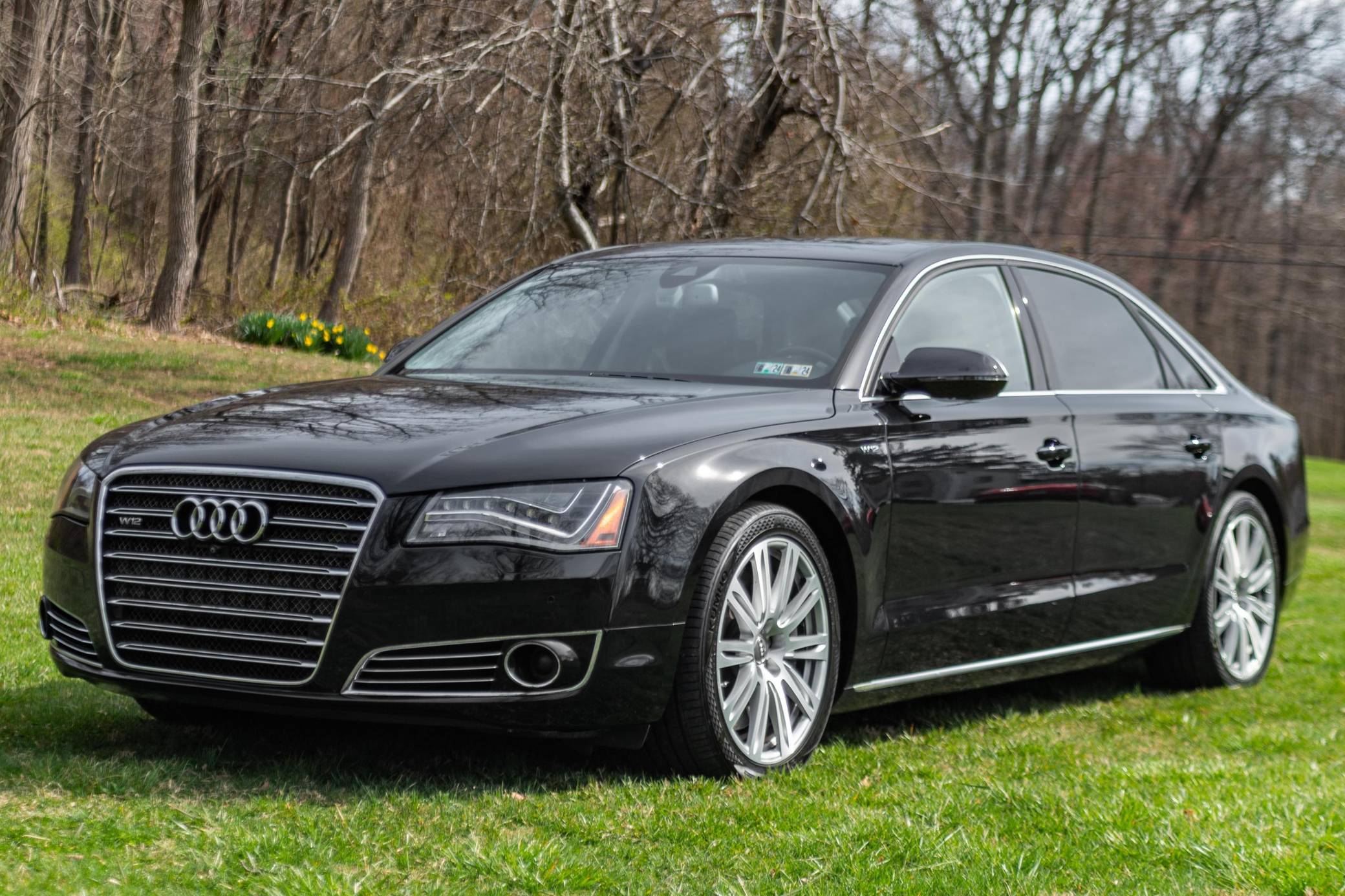
4. Audi A8 (2009–2015 D4)
The Audi A8 D4 generation is a technological tour de force, boasting a full aluminum body, advanced quattro all-wheel drive, and some of the most sophisticated tech ever seen in a production sedan. But this achievement in engineering comes with a serious downside: high repair costs and very low DIY accessibility.
Audi’s obsession with integrating form and function means even simple repairs require partial disassembly of major components. It’s not uncommon for owners to face $2,000+ bills for what seems like basic repairs due to complex part designs and inaccessible locations.
A major problem area in the A8 is its MLB modular platform, which, while structurally innovative, is a nightmare for technicians. The engine often needs to be dropped or shifted to access components like the timing chain, which itself is prone to stretching and tensioner failure.
This repair alone can exceed $4,000. Then there’s the electronic complexity: MMI (Multi-Media Interface), adaptive cruise control, night vision, and multiple camera modules all tied into a central control system. If one fails, it can impact the rest, leading to massive diagnostic sessions and software reprogramming costs.
Suspension and drivetrain components are equally troublesome. The A8 commonly comes with adaptive air suspension, which is notorious for compressor and strut failure after 80,000–100,000 miles. While the ride quality is unmatched when new, these systems were never built for the long haul.
Replacing them can cost as much as a used economy car. The quattro AWD system is reliable in design but vulnerable to transfer case and differential issues, particularly if fluid changes were ignored by the previous owner. Once damage occurs, repairs require dealer-only parts and labor.
The D4 A8 may be an amazing machine to drive, but as a used car, it’s a financial minefield. Depreciation is brutal—you can find former $90,000 models for $20,000 or less—but they come with the caveat of high ongoing costs. Even if you buy one with a clean bill of health, it’s nearly impossible
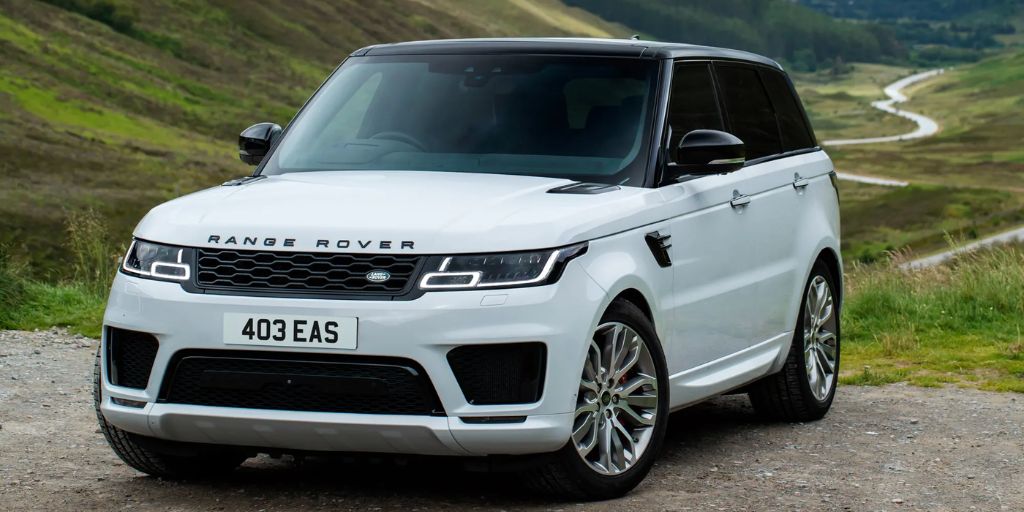
5. Land Rover Range Rover (2010–2015 L322)
Land Rover’s Range Rover has long symbolized rugged luxury, combining off-road capability with sumptuous interiors. However, the 2010–2015 L322 generation is infamous for catastrophic reliability problems and exorbitant repair costs.
While new owners fall in love with its commanding presence and sophisticated features, those same features become the source of unending headaches as the car ages. The L322 is packed with air suspension, electronic differentials, advanced traction controls, and high-tech climate systems that often fail unpredictably and expensively.
The air suspension alone is a major financial pitfall. Compressor failures, leaking bags, and control module glitches lead to repairs that can easily top $5,000. What’s worse, this suspension system is vital to the Range Rover’s ride height and drivability—if it fails, the vehicle often becomes undriveable until fixed.
In addition to suspension woes, the L322 suffers from electrical gremlins affecting everything from dashboard displays to keyless entry systems and fuel pumps. Many of these issues are intermittent, making diagnosis difficult and prolonging repair times.
Engine reliability is a mixed bag. The 4.4-liter V8 diesel and 5.0-liter supercharged V8 petrol engines offer impressive performance but are complex and expensive to service. Cooling system leaks, turbocharger failures, and oil leaks are common, and given the tight engine bay packaging, repairs require extensive labor.
Transmission failures are another costly issue, with some models needing complete replacements well before 150,000 miles. Due to the limited number of specialized Land Rover repair shops, labor rates are often higher than average, compounding costs.
Range Rover’s depreciation is steep, which tempts buyers into “cheap” luxury ownership. However, the reality is a financial trap. These vehicles demand constant, expensive care and parts replacements, often far exceeding the vehicle’s residual value.
Without a large contingency fund and access to expert mechanics, the L322 quickly becomes a black hole for repair money. It’s a classic case where the prestige of the badge comes at the price of peace of mind and financial security.
ALSO READ: 5 Toyotas That Run Forever vs 5 That Suffer Surprise Reliability Issues
Owning a luxury car is often portrayed as the pinnacle of automotive achievement—a blend of advanced engineering, superior comfort, and timeless design. But as we have explored in this article, the story doesn’t end at the showroom or the sale contract.
When buying used, the path to luxury can be paved with unexpected costs, frustrating repairs, and endless maintenance headaches. The distinction between a used luxury car that remains affordable to maintain and one that becomes a financial albatross often hinges on factors that many buyers overlook: engineering complexity, availability of parts, and serviceability.
The five models we highlighted in the first part of this article demonstrate that it’s possible to enjoy the luxury car experience without breaking the bank. Vehicles like the Lexus ES, Acura TL, Volvo S60, Buick LaCrosse, and Audi A4 show that reliability and cost-conscious design choices can coexist with premium features and comfortable interiors.
These cars are often built on solid, mature platforms with well-understood engines and transmissions. Their components are less complex and more durable, meaning that routine maintenance is straightforward, parts are readily available, and specialized labor is not mandatory. This accessibility translates into manageable repair bills and peace of mind for owners who want luxury without financial risk.
Conversely, the second group of vehicles—the BMW 7 Series, Jaguar XF/XJ, Mercedes-Benz S-Class, Audi A8, and Land Rover Range Rover—illustrate the pitfalls of excessive complexity and proprietary technology. These models incorporate cutting-edge features designed to impress and innovate, but at the cost of reliability and repairability.
They often demand highly specialized diagnostic tools and expert knowledge, making even minor repairs a major expense. Air suspension systems, advanced electronics, turbocharged powertrains, and intricate body controls require expensive parts and labor hours.
When one system fails, it frequently triggers a cascade of other problems, multiplying the cost and downtime. These vehicles can easily bankrupt unsuspecting owners who aren’t prepared for their high maintenance demands.
The takeaway is clear: luxury doesn’t have to mean vulnerability. With thoughtful research and realistic expectations, buyers can find used luxury cars that deliver both the style and performance they desire while staying within a reasonable maintenance budget. Understanding the strengths and weaknesses of specific makes and models is essential.
It’s important to consider not only the purchase price but also expected ownership costs over the life of the vehicle. Reliable luxury cars typically share traits such as simpler mechanical designs, widely available parts, and lower reliance on cutting-edge electronics prone to failure.
Equally important is the relationship between the buyer and the service network. Brands with extensive dealer and independent repair shop coverage tend to offer better long-term support and lower repair costs. For used luxury car buyers, cultivating a trusted mechanic familiar with the specific brand can be the difference between an enjoyable ownership experience and a constant repair saga.
The market for used luxury cars is complex and often misunderstood. It offers great rewards for those who approach it with knowledge and caution, but can be unforgiving to the uninformed.
While the badges on these vehicles represent status and achievement, the true cost of ownership lies in the details beneath the hood and inside the control modules. Choosing wisely means balancing your desires for comfort, performance, and prestige with practical considerations of reliability and repair expenses.
Ultimately, owning a used luxury car is about making informed trade-offs. If you crave advanced technology, powerful engines, and prestige, be prepared to invest more in upkeep. If your priority is consistent reliability and cost control, focus on models known for durability and ease of maintenance.
This article’s comparisons aim to arm you with the knowledge to make these decisions confidently. Armed with this insight, you can enjoy the luxury car lifestyle without falling into financial traps.
So, whether you lean toward a well-kept Volvo or are tempted by the allure of a Mercedes-Benz, always remember: true luxury is not just about the badge or the features—it’s about the peace of mind that comes from owning a vehicle that fits your lifestyle and your budget for the long haul.
