
In automotive engineering, the engine is arguably the most important component of any vehicle. It serves as the mechanical heart that propels the vehicle forward and often determines its reliability, performance, and longevity.
Car buyers, especially those looking for value and long-term durability, frequently evaluate a car’s engine before anything else.
But not all engines are built with the same intent or quality. Some are marvels of engineering, capable of pushing well beyond the 300,000-mile mark without major issues, while others can disappoint with serious problems before they even cross 100,000 miles. These engines are more than just mechanical assemblies—they’re testaments to the automaker’s priorities and engineering ethos.
Engine longevity depends on various factors, including design, materials used, manufacturing precision, and how well the vehicle is maintained. Manufacturers that prioritize long-term durability often incorporate high-quality components, low-stress design principles, and robust testing protocols.
On the flip side, engines that fail early are often plagued by poor engineering decisions, cost-cutting measures, or insufficient validation. Sometimes it’s a matter of overambitious design, trying to extract too much performance or efficiency from too little engine.
Other times, it’s the neglect of basic issues like oiling systems or cooling performance that doom an engine early in its life.
What’s interesting is that some of the engines with exceptional longevity weren’t even meant to be high-performance beasts; instead, they focused on simplicity, reliability, and ease of maintenance. Ironically, many of the short-lived engines come from vehicles marketed as sporty, premium, or technologically advanced.
This creates an ironic contrast where basic, unassuming engines sometimes vastly outlast their more complex, high-tech counterparts. For anyone looking to avoid costly repairs and frequent shop visits, understanding these engine reputations can make a world of difference.
In this article, we explore five of the most durable engines that are often reported to last 300,000 miles or more, along with five problematic engines notorious for early failures, sometimes before reaching even half that mileage. Whether you’re a buyer, mechanic, or enthusiast, this list will give you insight into which engines are built to last—and which ones are built to be replaced.
ALSO READ: 5 Manual Cars That Never Need a Clutch and 5 With Nightmare Repairs
Engines That Last 300,000 Miles (or More)
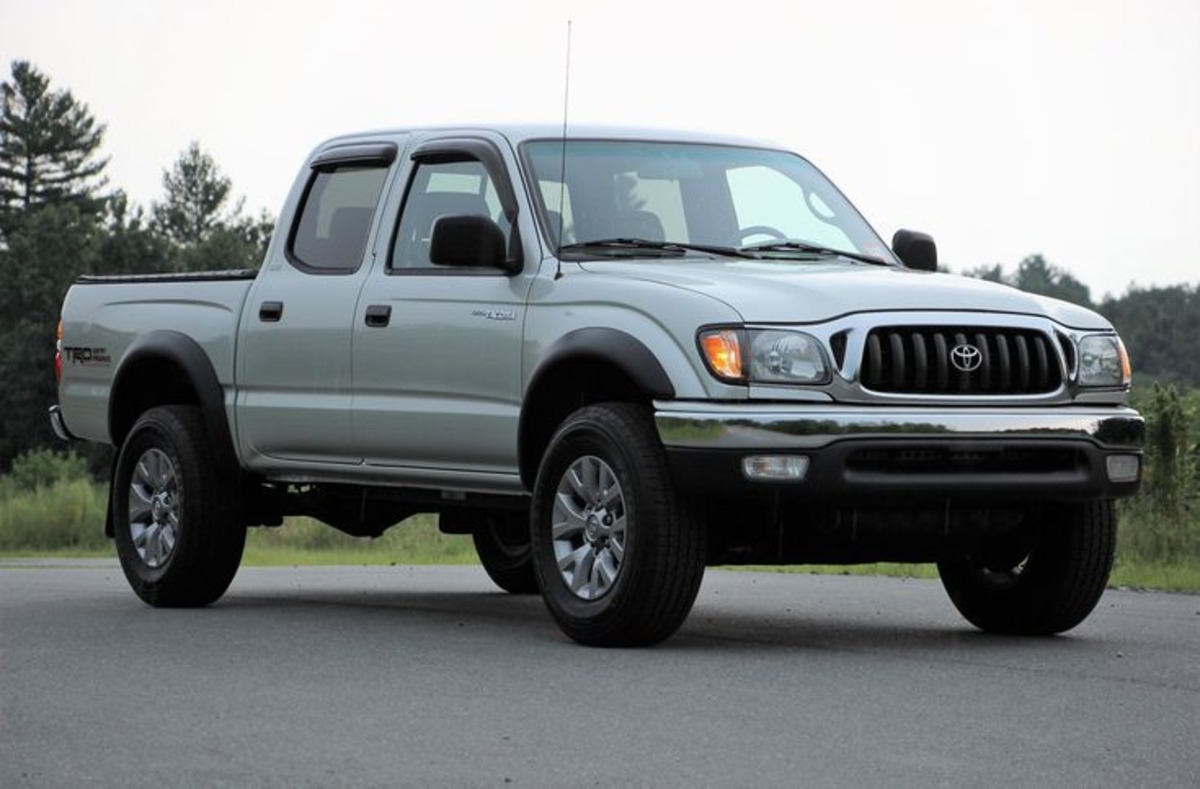
1. Toyota 22R/22RE (4-Cylinder, 2.4L)
The Toyota 22R and its electronic fuel-injected sibling, the 22RE, are often referred to as some of the most indestructible engines ever built. Produced from the late 1970s through the mid-1990s, these engines found homes in vehicles like the Toyota Pickup (now Tacoma), 4Runner, and Celica.
Their longevity stems from their fundamentally conservative design. The 22R used a simple overhead camshaft (SOHC) layout with a robust cast-iron block and an aluminum cylinder head. This combination gave it the resilience to endure both daily driving and harsh working conditions, especially in rural and off-road environments.
What made the 22R/22RE particularly remarkable was its simplicity. There were no turbochargers, high-pressure fuel systems, or complicated electronics to fail. This mechanical straightforwardness allowed owners to service them easily, sometimes with just basic hand tools.
Mechanics could rebuild them inexpensively, and parts availability was never an issue. Additionally, the engine had a forgiving nature. Overheating, dirty oil, or neglected tune-ups might slow it down, but rarely did it spell total disaster. Many engines survived abuse and poor maintenance practices and still outlasted other, more modern engines.
Another key feature was the use of a timing chain rather than a belt. Unlike timing belts, which often need replacement every 60,000–100,000 miles, the chain in the 22R could often go 200,000 miles or more before needing attention. When it did need replacement, the process was relatively simple and cost-effective. The fuel-injected 22RE also improved throttle response and reliability, especially in colder climates or higher altitudes.
In the end, the 22R/22RE’s reputation wasn’t built on horsepower—it was about endurance. These engines became legends among off-roaders and outdoor workers. Even today, decades after their production ended, there are thousands of 22R-powered vehicles still operating reliably in farms, forests, and developing countries, proving that durability sometimes trumps everything else.
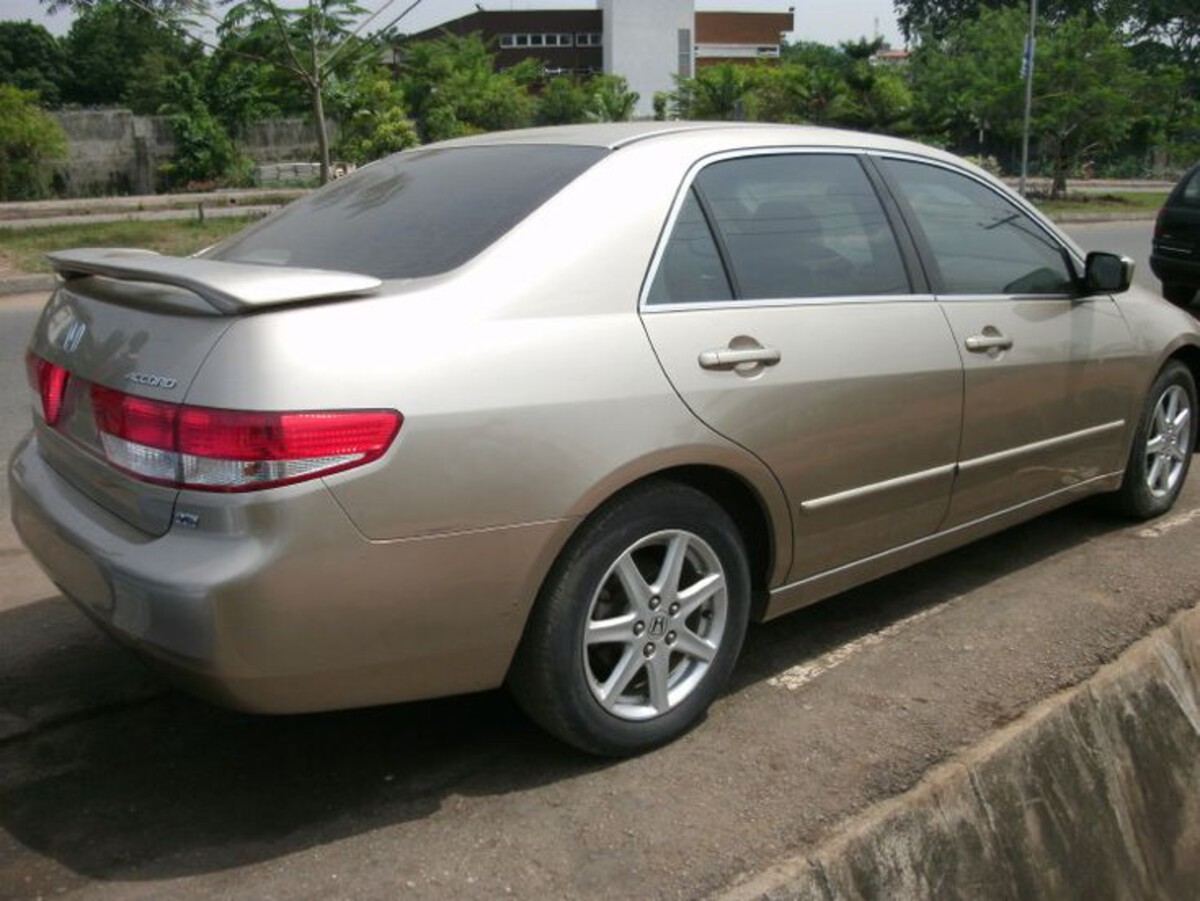
2. Honda K-Series (K20/K24)
The Honda K-Series engines, particularly the K20 and K24, have earned their place in automotive history not just for performance, but for their incredible reliability. Introduced in the early 2000s, these inline-four engines have powered everything from Civics and Accords to CR-Vs and even Acura performance models. Known for their VTEC variable valve timing system, aluminum alloy construction, and chain-driven timing system, K-Series engines were built with both longevity and drivability in mind.
A major reason for their durability is the quality of their internal components. Forged connecting rods, strong crankshafts, and high-quality bearings allow these engines to handle not only everyday use but also spirited driving and even track abuse in many cases.
The valvetrain was carefully engineered to reduce wear, and the engines generally maintained great oil pressure even at high RPMs. Their ability to handle high revs without compromising reliability made them favorites in both the tuner and daily-driver communities.
Another standout trait of the K-Series is thermal efficiency. These engines run cooler and more consistently than many competitors, thanks in part to well-designed cooling passages and a dual-stage intake manifold in some variants.
This means less wear on vital engine parts, reducing the likelihood of heat-related damage like warped heads or blown gaskets. Additionally, Honda’s conservative compression ratios and efficient combustion chambers meant these engines could tolerate a wide variety of fuels and operating conditions.
What really drives home the K-Series’ reliability is the sheer number of high-mileage examples in the real world. It’s not uncommon to find Accords or CR-Vs with K24 engines exceeding 300,000 miles with only routine maintenance.
Even heavily modified versions used in racing or swapped into other platforms often run strong with minimal internal upgrades. Honda built the K-Series with surgical precision and high-quality materials, and the payoff is an engine that combines economy, performance, and legendary longevity.
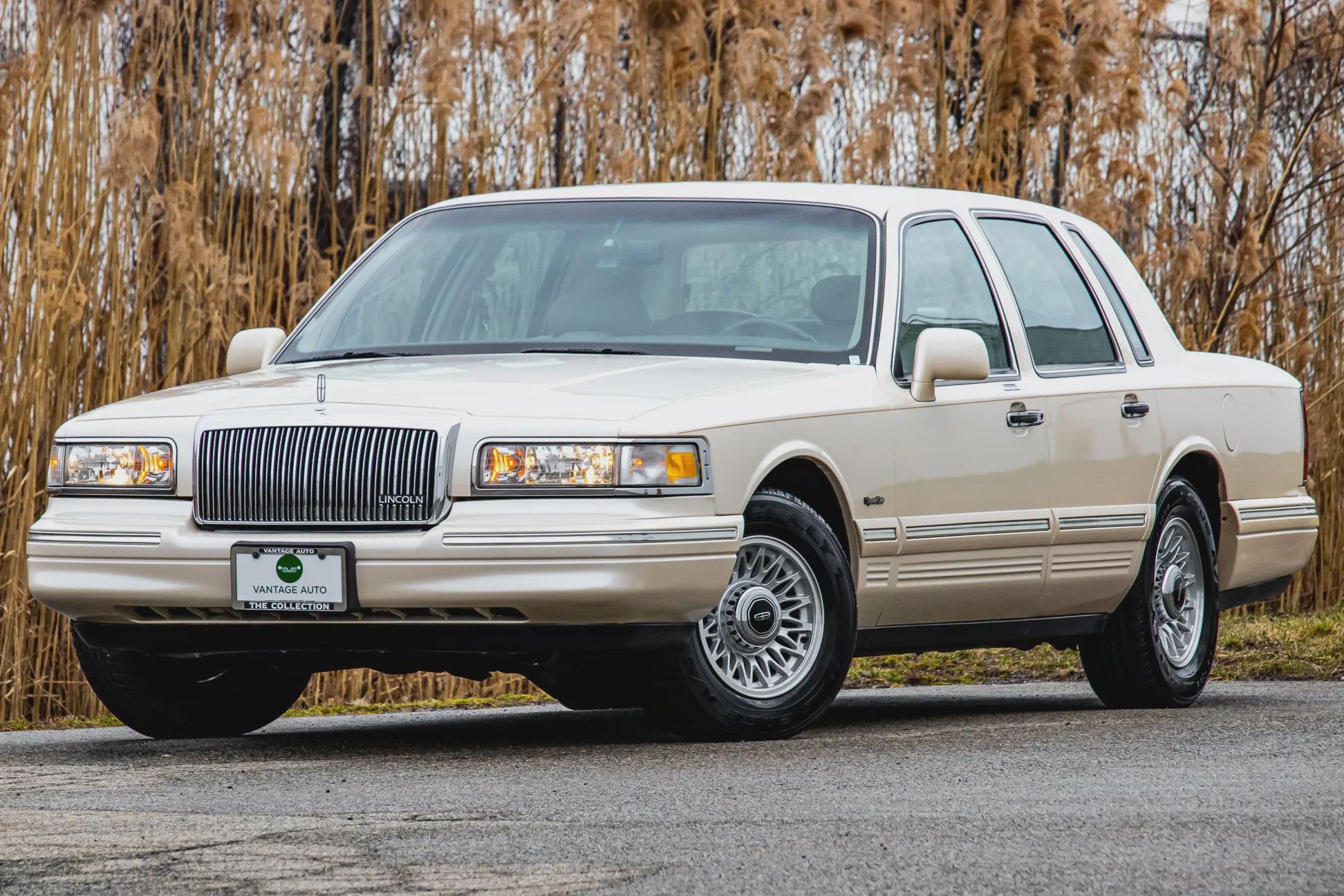
3. Ford 4.6L Modular V8 (2-Valve SOHC)
The 4.6L 2-valve SOHC engine from Ford’s Modular engine family is another workhorse known for its bulletproof nature. Found in Ford vehicles like the Crown Victoria, Lincoln Town Car, Mustang GT (pre-2005), and F-150 trucks, this engine proved itself time and time again in both consumer and fleet applications. Designed in the early 1990s as a replacement for Ford’s Windsor V8s, the Modular 4.6L emphasized longevity and smooth operation over raw horsepower.
One of the most important design choices was using a cast-iron block for many versions of the engine, which provided excellent durability under load and heat. The SOHC layout with two valves per cylinder meant fewer moving parts than DOHC counterparts, reducing complexity and the risk of failure. The engine was often described as “overbuilt,” especially in applications like police cruisers and taxis, where engines were left idling for hours and driven aggressively on a daily basis.
The engine’s oiling system was also well thought out. It provided consistent lubrication even under extreme conditions, helping prevent internal wear. Timing chains, rather than belts, further enhanced reliability and eliminated the need for major service intervals. While later versions of the Modular V8 (like the 3-valve and 4-valve) introduced some issues with spark plug threads and cam phasers, the early 2-valve versions remained rock solid and relatively easy to service.
Real-world data supports the engine’s durability. Numerous examples of Crown Victorias, for instance, have crossed the 300,000-mile mark while still being used as daily drivers or fleet cars. They may not be the fastest engines, but they were engineered to last—a quality that continues to earn them praise even decades after production.
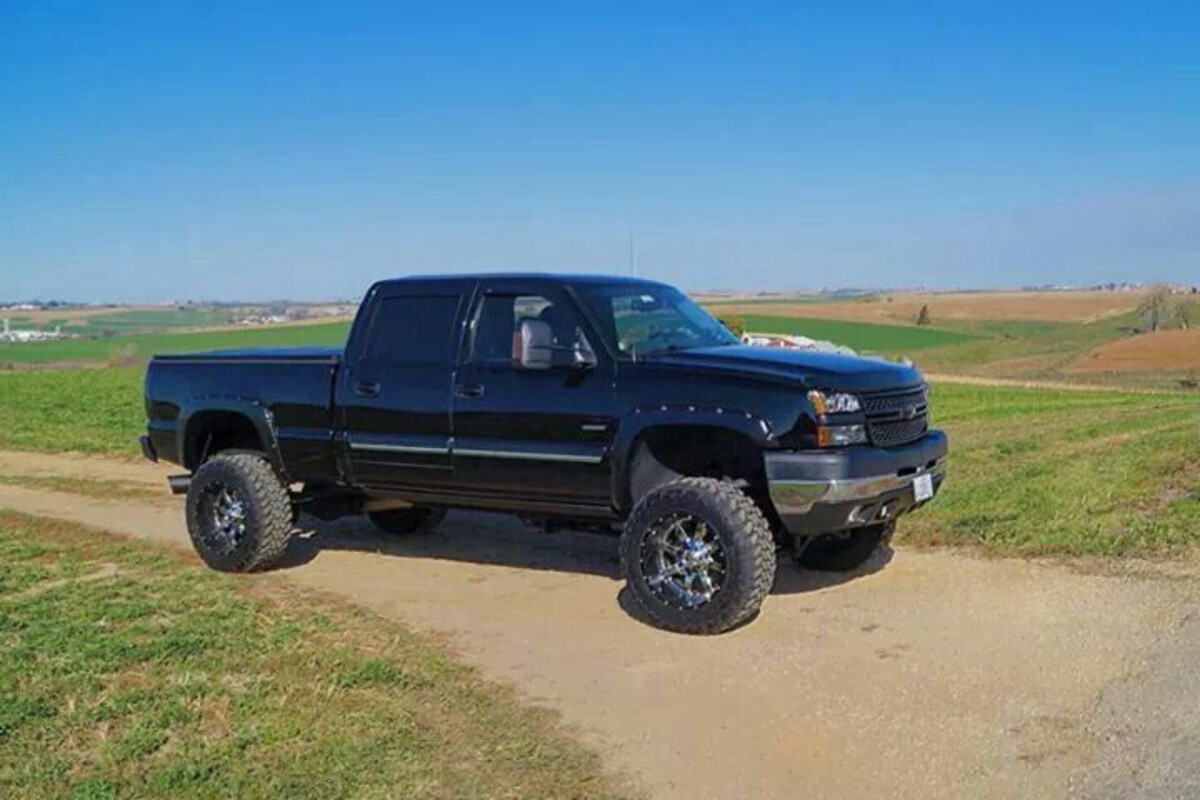
4. Chevrolet 5.3L V8 (LS Family)
Chevrolet’s 5.3L V8 engine, particularly from the LS family, has proven itself to be one of the most enduring and versatile engines ever made. Common in Chevrolet Silverados, Tahoes, Suburbans, and GMC Sierras, this engine blends modern performance with old-school reliability. It uses a pushrod architecture that, while seen as dated by some, is a key factor in its long life and mechanical simplicity.
The 5.3L is built with a strong iron block (in earlier truck applications) and aluminum heads, offering durability with relatively low weight. Internally, the engine uses high-quality components like powdered metal connecting rods, nodular iron crankshafts, and efficient roller valve lifters. It also uses a well-designed oiling system that keeps bearings and valvetrain components properly lubricated, even under heavy towing or hauling conditions.
What sets the LS engine apart is its tolerance for abuse and its ease of maintenance. It’s known to keep going even when maintenance isn’t perfect, though proper care, of course, leads to the best results.
The engine’s fuel injection and ignition systems are known for reliability, and the use of a timing chain rather than a belt reduces long-term costs and the risk of timing failure. Additionally, the LS platform’s modularity makes it incredibly adaptable—many performance enthusiasts have repurposed these engines for hot rods, race cars, and swaps, often using high-mileage junkyard engines with great success.
There are countless documented examples of 5.3L engines surpassing 300,000 miles with only routine repairs. Truck owners regularly boast of their engines running like new despite crossing major mileage milestones. This reputation has helped keep resale values high for trucks with this engine, and it continues to be a go-to choice for longevity in both work and personal use vehicles.
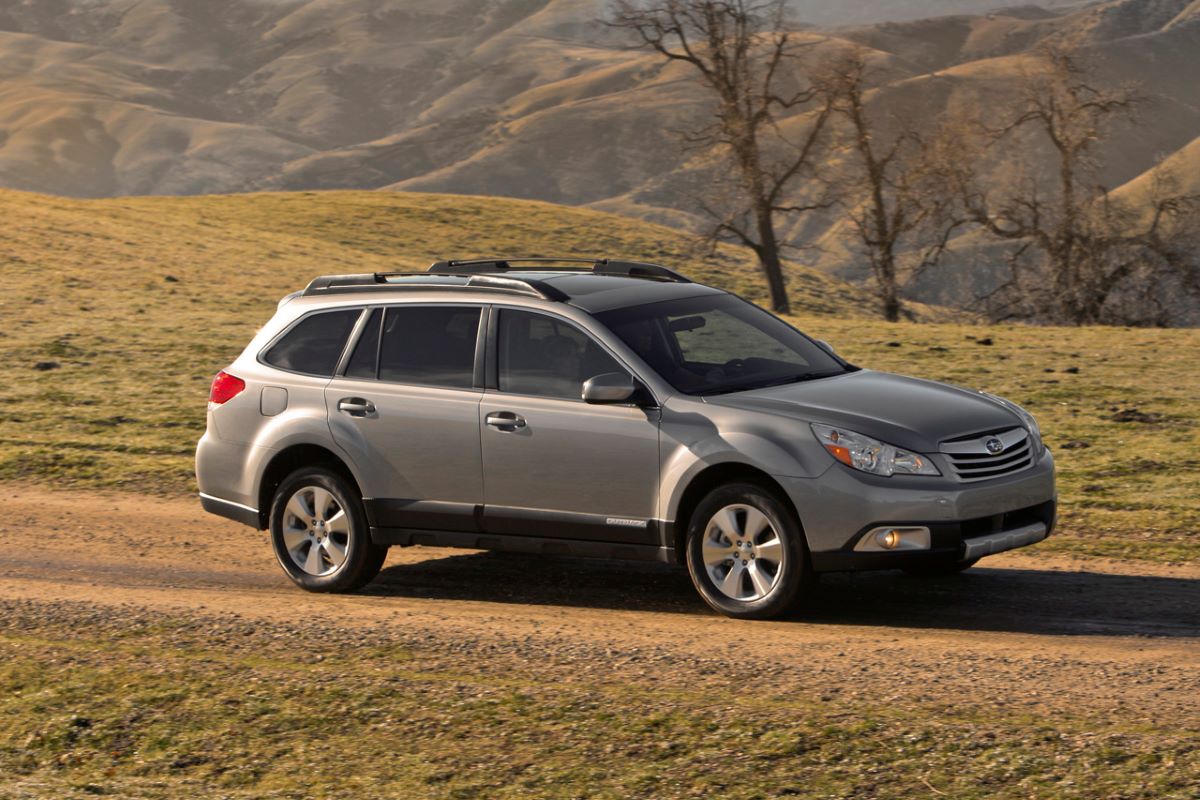
5. Subaru EJ25 (2.5L Boxer Engine)
The Subaru EJ25 engine is a 2.5-liter horizontally opposed (boxer) four-cylinder engine that has been a staple of the Subaru lineup for decades. Found in vehicles such as the Outback, Legacy, Forester, and Impreza, the EJ25 has powered Subarus across the globe, offering a blend of efficiency, performance, and all-weather reliability. While it has seen various iterations over the years, the non-turbocharged versions are especially known for their potential to last well over 300,000 miles when cared for properly.
A standout feature of the EJ25 is its unique boxer configuration, which allows for a lower center of gravity and smoother engine operation. This layout reduces vibration and stress on internal components, contributing to engine longevity. The design also improves vehicle balance and handling, which is a key part of Subaru’s all-wheel-drive performance philosophy. In terms of materials, the EJ25 typically uses an aluminum block and heads with cast-iron cylinder liners, combining strength with reduced weight.
Despite some early issues with head gaskets in the late 1990s and early 2000s, Subaru made improvements to gaskets and sealing methods in later versions. As long as cooling systems are properly maintained and overheating is avoided, these engines can go the distance. Routine maintenance, such as timing belt changes, valve adjustments, and regular oil changes, are essential, but not overly complex.
Enthusiasts and Subaru mechanics alike often speak of EJ25-powered vehicles crossing 300,000 miles with original engines still in place. These engines may not be the most powerful in their class, but they are trusted for their ability to tackle harsh weather, rural roads, and high-mileage commutes without letting their owners down.
Engines That Fail Before 100,000 Miles
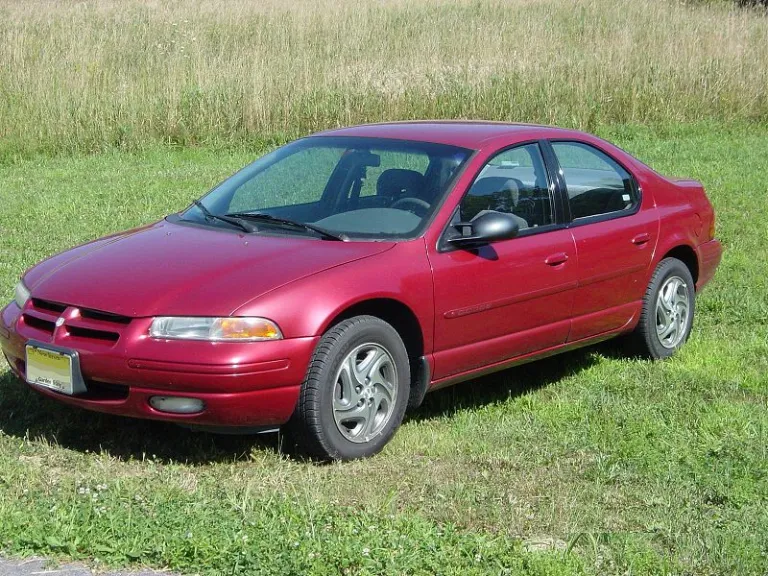
1. Chrysler 2.7L V6 (1998–2010)
The Chrysler 2.7L V6 engine is often remembered more for its mechanical failures than its potential. Designed in the late 1990s as a modern, lightweight aluminum engine, it was initially praised for its smooth performance and decent fuel economy. It powered a wide range of vehicles, including the Dodge Intrepid, Chrysler Sebring, and Dodge Stratus.
Unfortunately, its long-term reliability was so poor that it became synonymous with catastrophic failure well before the 100,000-mile mark. The root of the problem wasn’t always immediately visible, which made it even more dangerous for unsuspecting owners.
One of the most infamous issues was oil sludge buildup. The engine’s narrow oil passages were highly susceptible to clogging, especially if oil changes weren’t done religiously. Unlike more robust engines that could tolerate minor neglect, the 2.7L V6 had no such buffer.
A minor delay in maintenance could cause severe internal damage. Oil sludge would cut off lubrication to vital parts, leading to overheating, bearing wear, and eventual engine seizure. In many cases, owners didn’t realize anything was wrong until the engine failed.
Another major design flaw involved the location of the water pump. Placed internally within the engine block, a leaking water pump wouldn’t just cause a coolant loss—it could allow coolant to mix with the engine oil. This coolant-oil contamination further degraded lubrication and could destroy the engine in short order.
Because this leak was internal, drivers often didn’t notice until it was too late. The cost of repairing this was often higher than the car’s value, forcing many to scrap their vehicles.
The 2.7L’s legacy is a cautionary tale of over-engineering without sufficient reliability testing. It’s not that Chrysler couldn’t build a solid V6—it’s that this one suffered from a series of interconnected flaws that made longevity nearly impossible without exceptional care. In real-world usage, especially in fleet or budget-conscious households, this level of attention was unrealistic. As a result, the 2.7L became a regular on “worst engine” lists and remains a warning to car buyers even today.

2. Subaru 2.5L EJ25 (Head Gasket Failure Versions)
The Subaru EJ25 engine had all the makings of a reliable, long-lived powerplant. Its boxer configuration gave vehicles like the Outback, Forester, and Legacy a lower center of gravity and a unique driving feel.
For years, Subaru marketed the durability of its drivetrain and symmetrical all-wheel drive system. However, beneath the surface, a recurring head gasket problem undermined the EJ25’s reputation. For many unlucky owners, the failure came suddenly, and often well before 100,000 miles.
The boxer engine design, while beneficial for handling, placed additional stress on the head gaskets. Unlike upright engines where gravity pulls fluids down and away from sensitive areas, boxer engines allow coolant and oil to pool near the gasket seals.
This constant pressure and heat cycling led to gasket deterioration, especially with the early composite gasket materials Subaru used. Over time, this would cause external coolant leaks, overheating, and internal cross-contamination between oil and coolant, each leading to engine damage if not addressed quickly.
Complicating the issue further, the repair costs for a blown head gasket on a Subaru EJ25 were higher than average. Due to the boxer layout, many mechanics had to remove the engine from the vehicle just to access the gaskets.
Even with improved multilayer steel gaskets introduced in later models, many cars from the late 1990s through the mid-2000s still suffered from repeat failures. Some owners reported having to perform the same repair more than once, sometimes under 100,000 miles, even with dealer service records.
To Subaru’s credit, later revisions of the EJ25 and newer FA and FB engines corrected many of these issues. However, the damage to the brand’s reputation—especially among first-time Subaru buyers—was already done.
For all its quirks and loyal fan base, the EJ25’s head gasket failures represented a serious weak point that shortened the life of many otherwise dependable vehicles. Today, when evaluating used Subarus from this era, most buyers treat a head gasket replacement as a required service rather than a rare occurrence.
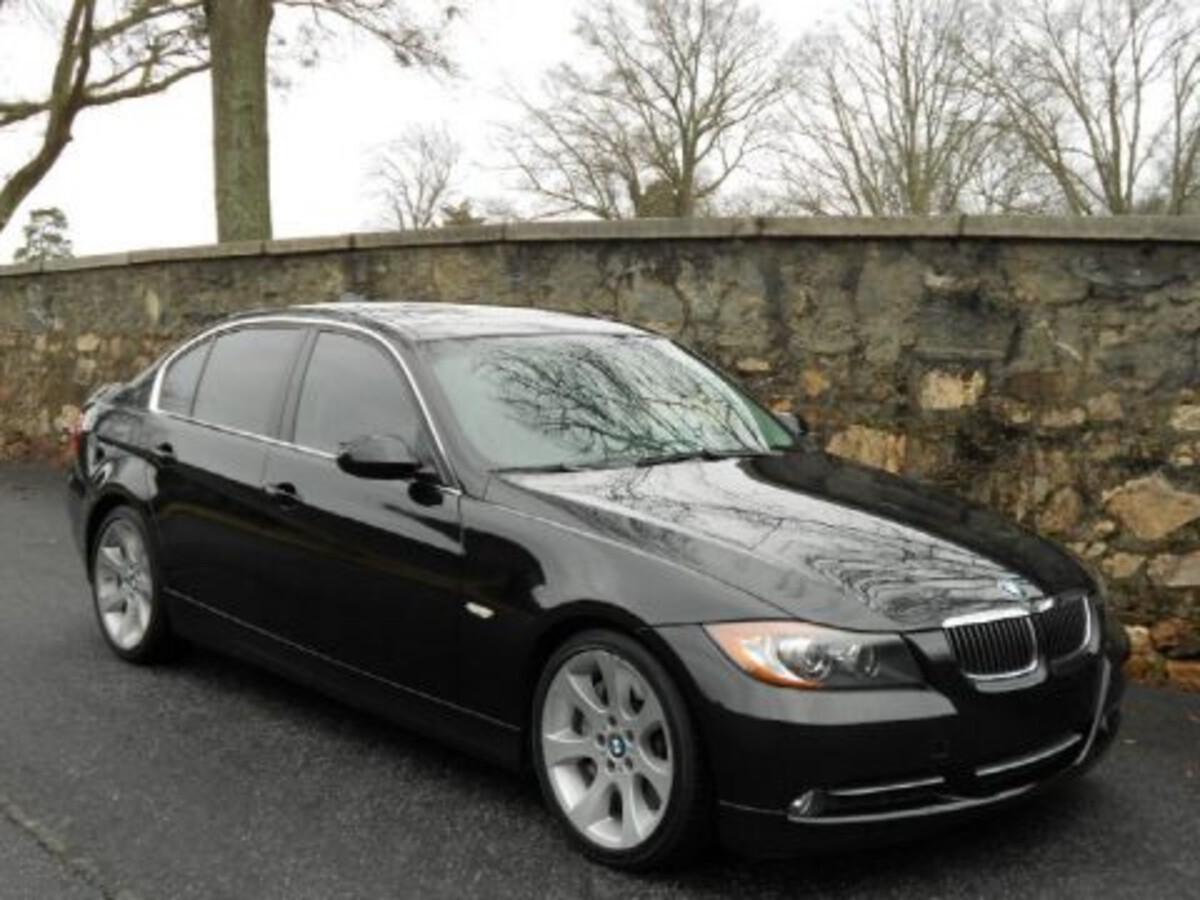
3. BMW N54 Twin-Turbo I6 (2007–2010)
BMW’s N54 engine was a technical masterpiece on paper. A twin-turbocharged inline-six with direct injection, it delivered strong acceleration and a smooth driving experience. Found in performance models like the 335i, 135i, and 535i, it helped usher in a new era of turbocharged luxury sedans.
But behind its awards and accolades was a complex system of high-strain components that often failed well before the vehicle reached 100,000 miles. For many owners, the excitement of driving a turbo BMW was soon replaced by the stress of repeated breakdowns.
The most widespread issue was the failure of the high-pressure fuel pump (HPFP). This critical component was responsible for maintaining fuel pressure in the direct injection system but was prone to failure at alarmingly low mileage, sometimes under 30,000 miles. When it failed, the car could stall, enter limp mode, or fail to start entirely. BMW issued multiple technical service bulletins and extended warranties, but many owners still had to replace the pump multiple times.
Turbocharger wastegate rattle was another frequent problem. The wastegate actuators in early N54 turbos would wear prematurely, causing annoying rattles during deceleration and a loss of boost. Repairing or replacing the turbochargers was expensive, and aftermarket fixes weren’t always reliable.
In addition, the direct injection system caused heavy carbon buildup on intake valves over time, leading to misfires, rough idling, and reduced performance. Walnut blasting—a cleaning procedure—became a common maintenance need as early as 50,000 miles.
Despite its power and smoothness, the N54 became known as a high-maintenance engine. For enthusiasts who enjoyed tuning and performance driving, the N54’s potential was unmatched. But for the average luxury sedan owner, the maintenance headaches and high repair costs often outweighed the benefits. As a result, the engine that once promised a revolution in BMW performance became a cautionary tale of overcomplication, unreliable components, and unmet expectations.
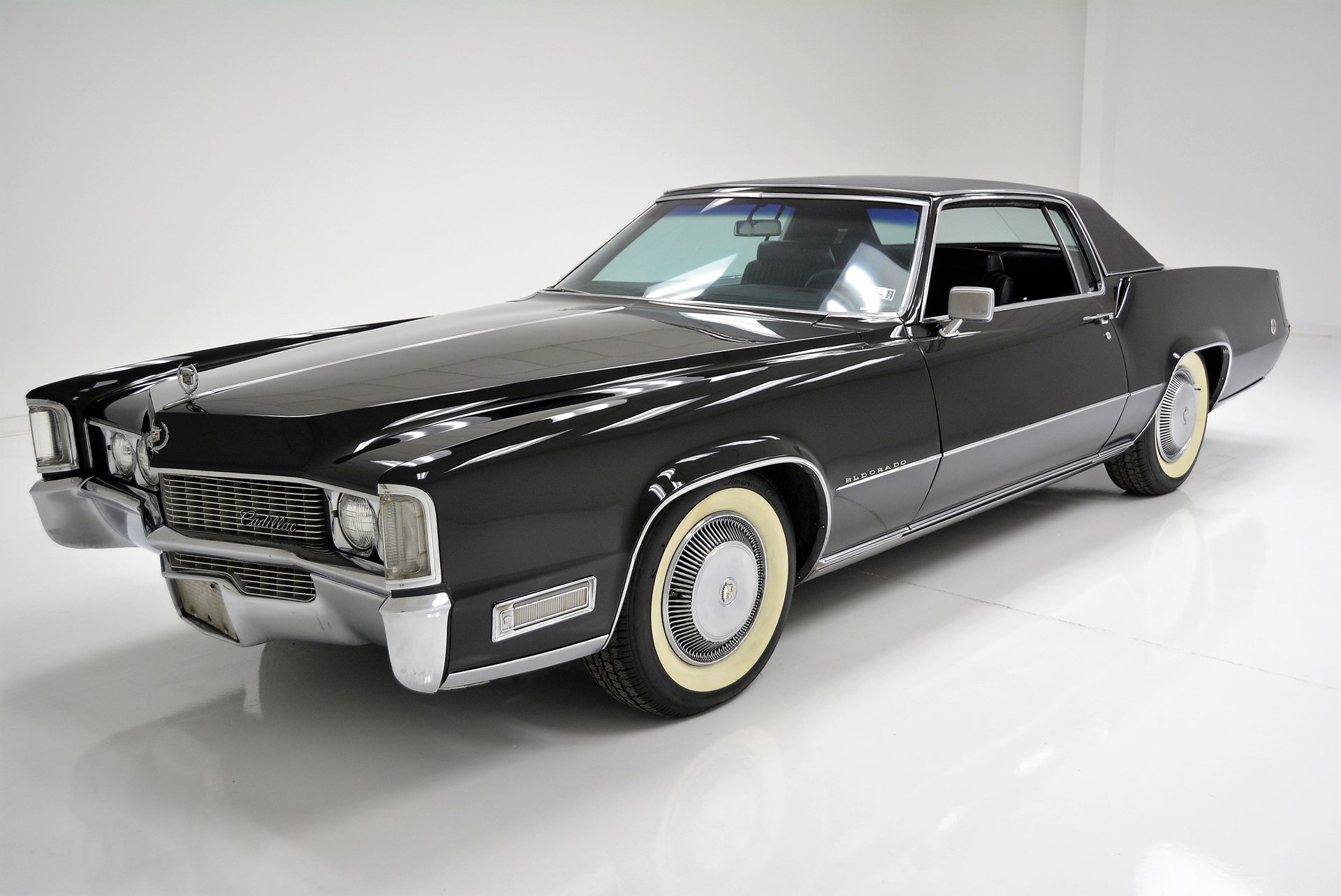
4. Cadillac Northstar V8 (4.6L)
The Cadillac Northstar engine was meant to be GM’s crowning achievement in luxury performance. Introduced in the early 1990s, it featured advanced technologies like dual overhead cams, variable valve timing, and aluminum construction. The goal was to compete with European luxury brands that dominated the V8 segment.
On paper, it worked. The Northstar delivered smooth power and refinement in models like the Cadillac Seville and DeVille. But in the real world, the engine developed a reputation for unreliability and high repair costs, especially for failures that occurred before the 100,000-mile mark.
The most critical and widespread issue was head gasket failure. Unlike traditional engines, the Northstar used torque-to-yield head bolts threaded directly into the aluminum engine block. Over time, thermal cycling and stress would cause these threads to pull out, preventing the head from sealing properly.
Once the head lifted, coolant would leak into the combustion chamber, causing overheating and internal damage. The problem was so common that entire online forums and businesses were created to deal specifically with Northstar failures.
Fixing a Northstar with a pulled head bolt wasn’t a minor job. The engine often had to be removed from the vehicle, the block drilled and fitted with special thread inserts, and new gaskets and bolts installed—all of which cost several thousand dollars.
Many mechanics refused to work on them due to the complexity and failure rate. Some cars were junked rather than repaired, despite having clean bodies and interiors, simply because the engine failure wasn’t economically viable to fix.
Beyond the head gasket issues, the Northstar also suffered from oil burning, leaking valve cover gaskets, and overheating under heavy load. The aluminum block, while lightweight, didn’t dissipate heat well in high-stress conditions. Despite attempts to improve reliability in later versions, the Northstar never fully shook its reputation. While it offered a silky driving experience when new, it became one of the most failure-prone V8s in GM’s history when judged on long-term durability.
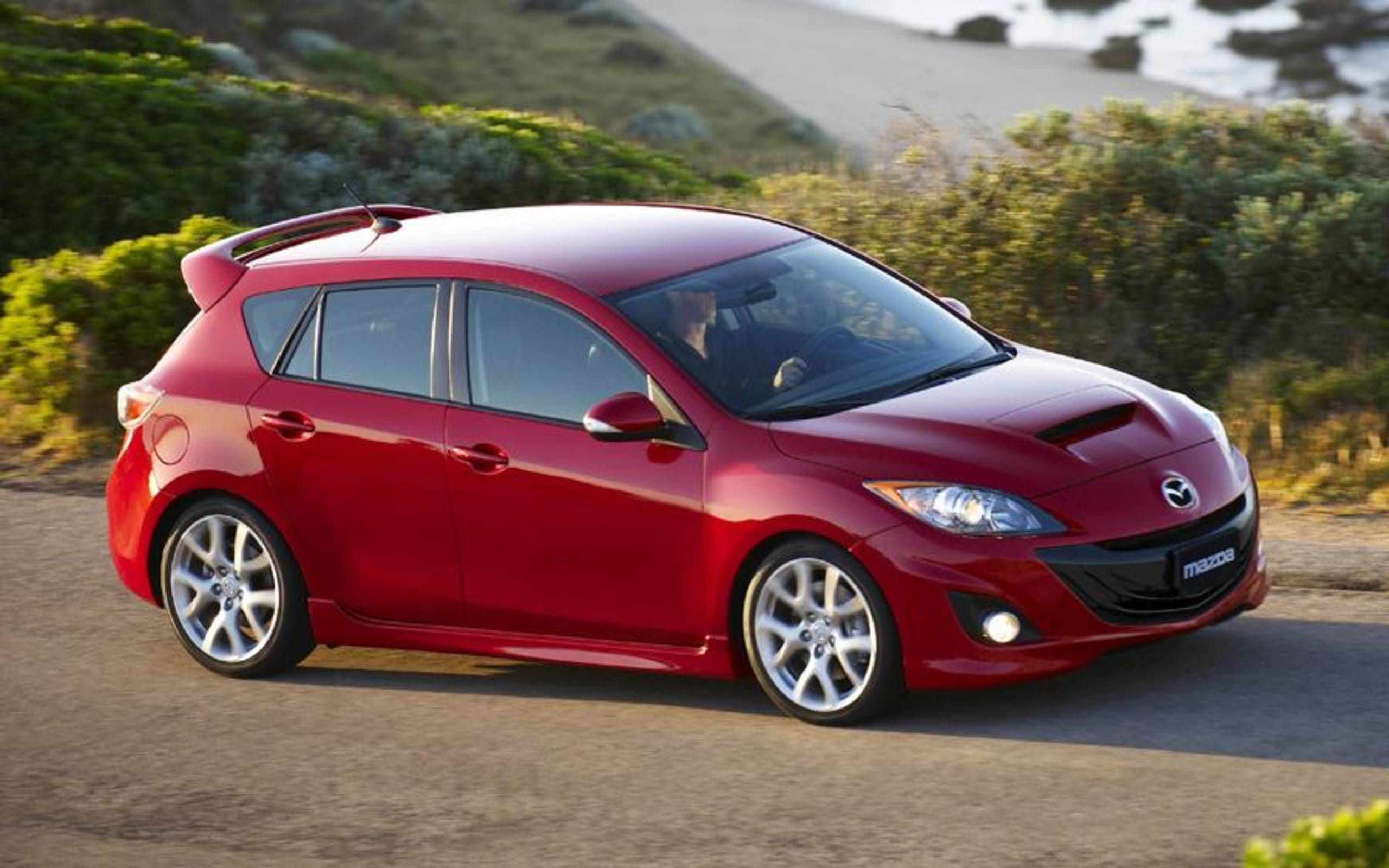
5. Mazda 2.3L DISI Turbo (Mazdaspeed 3/6)
The Mazda 2.3L DISI (Direct Injection Spark Ignition) turbo engine promised to deliver affordable performance in a sporty package. It powered enthusiast favorites like the Mazdaspeed 3, Mazdaspeed 6, and the CX-7 crossover.
With a healthy power output, quick throttle response, and the sound of a spooling turbo, it won over drivers who wanted more than what a basic economy car could offer. Unfortunately, its long-term reliability failed to live up to its initial promise, with many owners encountering serious engine problems before reaching 100,000 miles.
Turbocharger failure was a common complaint. The engine’s heat management was poor, especially in early models, which led to premature turbo wear. Shaft play, oil leaks, and total turbo failure weren’t unusual, particularly in CX-7 models that experienced more heat soak due to their layout. Combined with a weak oiling system, these issues meant the turbo often became a maintenance liability rather than a performance asset. Replacing a failed turbo wasn’t cheap and frequently occurred well under the 80,000-mile mark.
Another recurring issue was oil consumption. Drivers reported engines burning oil excessively, sometimes as much as a quart every 1,000 miles. This was often linked to poor piston ring sealing or scored cylinder walls, both of which could cause compression loss and misfires. The problem was exacerbated by the fact that many of these cars were sold to younger buyers who were less likely to monitor oil levels diligently, leading to engine failures from running low or dry on oil.
To make matters worse, the timing chain tensioner was known to fail unexpectedly. If the timing chain skipped even a tooth, it could result in piston-to-valve contact, effectively destroying the engine. In many cases, these engines didn’t make it past 90,000 miles without at least one major failure.
While the Mazdaspeed models were undeniably fun to drive, the 2.3L DISI turbo engine proved to be more fragile than most of its rivals. It remains a good example of how pushing performance in a budget platform without adequate engineering support can lead to poor long-term durability.
ALSO READ: 10 Cars Mechanics Secretly Drive Themselves: Reliable, Affordable, Easy to Maintain Daily Drivers
When evaluating the long-term viability of any vehicle, the engine is by far the most critical component to consider. A well-designed engine can serve faithfully for decades, logging hundreds of thousands of miles with only basic maintenance. Others, despite their power, performance, or innovation, may falter early, bringing with them hefty repair bills and bitter disappointment.
This comparison between five engines that consistently exceed 300,000 miles and five that often fail before reaching 100,000 serves as a stark reminder: engineering integrity and real-world durability are more important than flashy specs or marketing hype.
The engines on the long-lasting list share several important traits: mechanical simplicity, conservative power output relative to their size, generous oiling systems, and high-quality materials. Whether it’s Toyota’s 2UZ-FE, known for its rugged off-road applications, or Honda’s K-series, celebrated for both performance and efficiency, these engines demonstrate how thoughtful engineering and routine care can lead to incredible longevity.
Even engines like the Ford 300 Inline-6 and the Mercedes OM617 show that simplicity and reliability often go hand-in-hand. These motors have earned their reputations not just by design, but by proving themselves under real-world stress for decades.
On the other hand, the engines that fail early often do so for predictable and preventable reasons—poor thermal management, over-complexity, cost-cutting in critical areas, or an overemphasis on performance without sufficient durability.
The Chrysler 2.7L V6 and Cadillac Northstar V8, for example, suffered from fundamental design flaws that led to oil sludge or head gasket failures. BMW’s N54, though technically brilliant, introduced too many high-stress components without the reliability to back them up. Mazda’s 2.3L DISI turbo and Subaru’s EJ25 remind us that even reputable automakers can stumble when they overlook long-term durability in favor of short-term gains.
The takeaway for consumers, enthusiasts, and prospective buyers is clear: engine reputation matters. While new cars bring exciting technologies and impressive performance, the proven record of an engine’s reliability should weigh heavily in any buying decision. Vehicles with engines built to last are more than just economical—they provide peace of mind, fewer headaches, and often, a better overall ownership experience.
In the end, the difference between an engine that goes 300,000 miles and one that fails before 100,000 isn’t luck—it’s engineering. And for those who do their homework, the rewards of a long-lasting engine are well worth the effort.
