
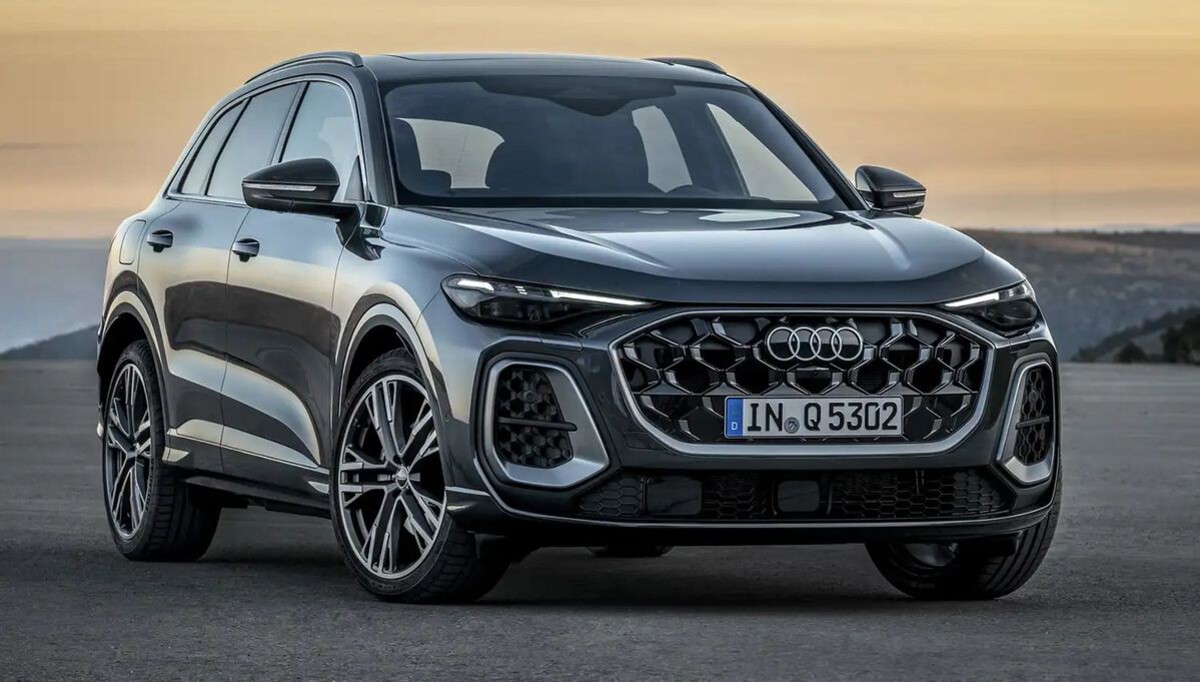
Buying a luxury car is often viewed primarily as a status symbol, a statement of wealth and success. However, there’s another side to the story, one that savvy consumers discover when they venture into the world of off-lease luxury vehicles.
Off-lease cars, especially luxury models, can offer exceptional value to buyers who understand the dynamics of depreciation, warranty coverage, and long-term reliability.
When a luxury car is leased, typically for three years, the lessee returns it in near-pristine condition, often with all scheduled maintenance completed and a full factory warranty still in place.
Dealers then offer these vehicles on the used car market at prices that can be 30 to 50 percent lower than their original retail cost. This steep depreciation is the primary reason off-lease luxury cars can be bargains in the eyes of an informed buyer.
The appeal of off-lease luxury cars lies not only in their reduced price but also in the fact that many are still relatively new, often with modern technology, advanced safety features, and refined engineering.
These vehicles typically have fewer miles and have been maintained meticulously during their lease period, as lessees usually want to avoid excess wear-and-tear fees.
For buyers seeking premium comfort, performance, and brand prestige without paying full retail price, off-lease cars represent a golden opportunity. However, beneath the glossy surface, there is a wide gulf in terms of long-term ownership costs and reliability among luxury brands and specific models.
While some off-lease luxury cars continue to deliver exceptional value well after the warranty expires, others begin to reveal costly mechanical and electrical issues that can erode the initial savings.
The complex engineering and cutting-edge electronics that make luxury vehicles so appealing at first also contribute to their higher maintenance and repair costs later on.
Many luxury cars feature sophisticated suspensions, turbocharged or supercharged engines, and intricate infotainment systems that require specialized knowledge and expensive parts when repairs are needed.
This complexity means that choosing the right off-lease luxury car requires not only a consideration of sticker price but also an informed evaluation of reliability history, parts availability, and anticipated service costs. Hence, while the off-lease market is a treasure trove for bargain hunters, it is also a minefield for the uninformed buyer.
In this article, we will guide you through five luxury vehicles that consistently deliver excellent value as off-lease purchases, backed by strong reliability and reasonable maintenance expenses even beyond the warranty period. These vehicles provide the best of both worlds: the prestige and comfort of a luxury brand, with manageable ownership costs.
Conversely, we’ll also reveal five luxury cars that, while initially tempting due to their low off-lease price tags, often turn into financial headaches for owners once the factory warranty runs out.
Understanding the hidden costs associated with these models can save prospective buyers from unexpected repair bills and frustration. By the end of this guide, you’ll have a clearer picture of which off-lease luxury cars are truly worth investing in and which ones are better left alone.
Also Read: 10 Cars That Are Still on the Road From the Early 2000s
5 Off-Lease Luxury Cars Worth Buying
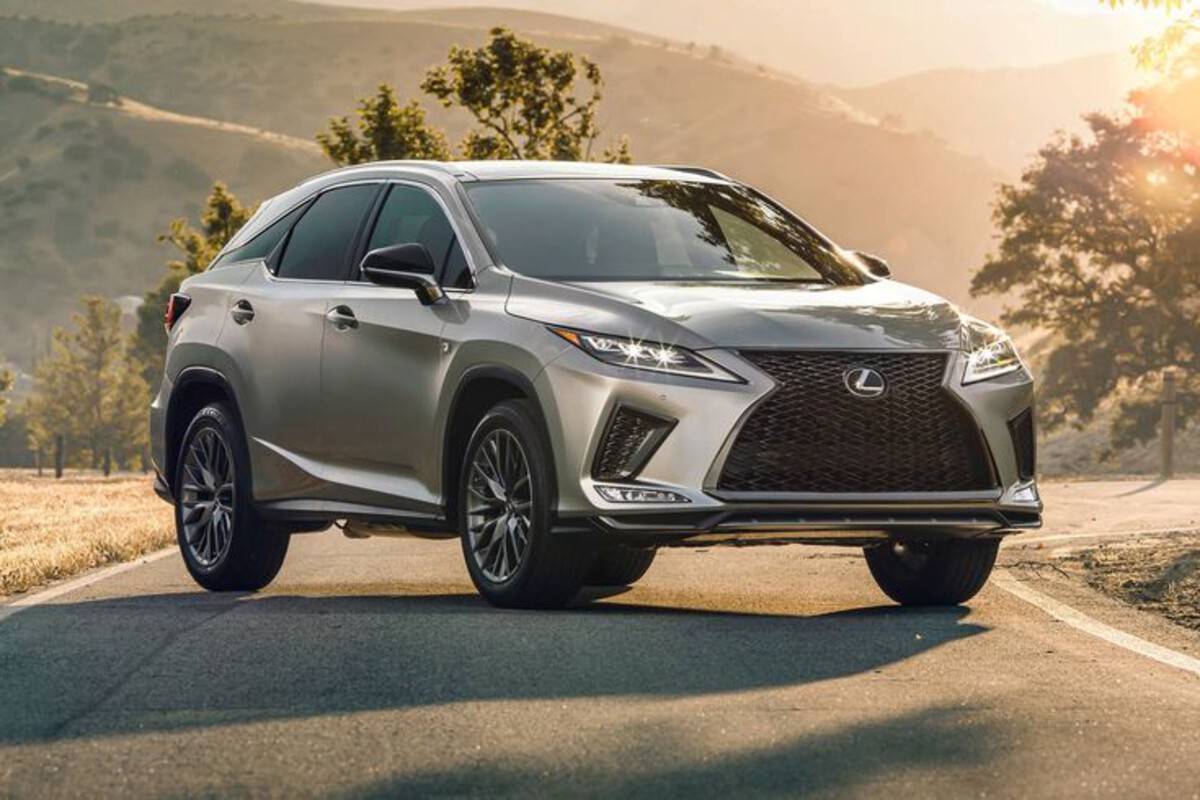
1. Lexus RX
The Lexus RX is often hailed as one of the most reliable luxury SUVs on the market, making it a prime candidate for anyone looking to buy an off-lease luxury vehicle. Lexus, as Toyota’s luxury division, benefits greatly from Toyota’s legendary reputation for durability and low maintenance costs, and the RX is a standout example.
Off-lease RX models, particularly from the fourth generation onward, have demonstrated remarkable longevity, often running smoothly well beyond 150,000 miles with minimal mechanical issues.
These vehicles are engineered with simplicity and robustness in mind, avoiding the overly complex electronic and mechanical systems that plague some European luxury SUVs.
The RX’s driving experience may not be as sporty or aggressive as some German rivals, but it offers a refined, comfortable ride with quiet cabin insulation and smooth handling. The hybrid variant adds a layer of fuel efficiency that makes this vehicle not only luxurious but also practical for everyday use.
Owners appreciate the RX’s spacious interior, which combines quality materials with smart ergonomics, and the infotainment system, while sometimes critiqued for usability, has improved markedly in recent years.
The vehicle’s suite of advanced safety features, including adaptive cruise control, blind-spot monitoring, and automatic emergency braking, often comes standard or is available at a reasonable price point, boosting its appeal as a used luxury SUV.
Maintenance costs for the RX remain relatively low compared to its European counterparts, partly because parts are more affordable and service is widely available. Dealers and independent mechanics familiar with Toyota’s design philosophies can perform repairs efficiently.
Common maintenance items such as brake pads, tires, and fluids come at a fraction of the cost you’d pay for similar parts on a BMW or Mercedes-Benz SUV.
This means that even after the warranty expires, owners generally face manageable repair bills. This combination of reliability, affordable upkeep, and strong resale value makes the Lexus RX a clear winner in the off-lease luxury SUV market.
Another factor to consider is the RX’s ownership experience—many off-lease RX models come with comprehensive service histories, as lessees typically adhere to strict maintenance schedules to avoid penalties. This transparency gives buyers peace of mind and reduces the chances of inheriting a poorly maintained vehicle.
Furthermore, the RX’s longevity means that it holds its value better than many competitors, which is important if you plan to sell or trade in the vehicle in the future. All these attributes position the Lexus RX as an outstanding option for buyers who want the luxury experience without the associated long-term financial risks.
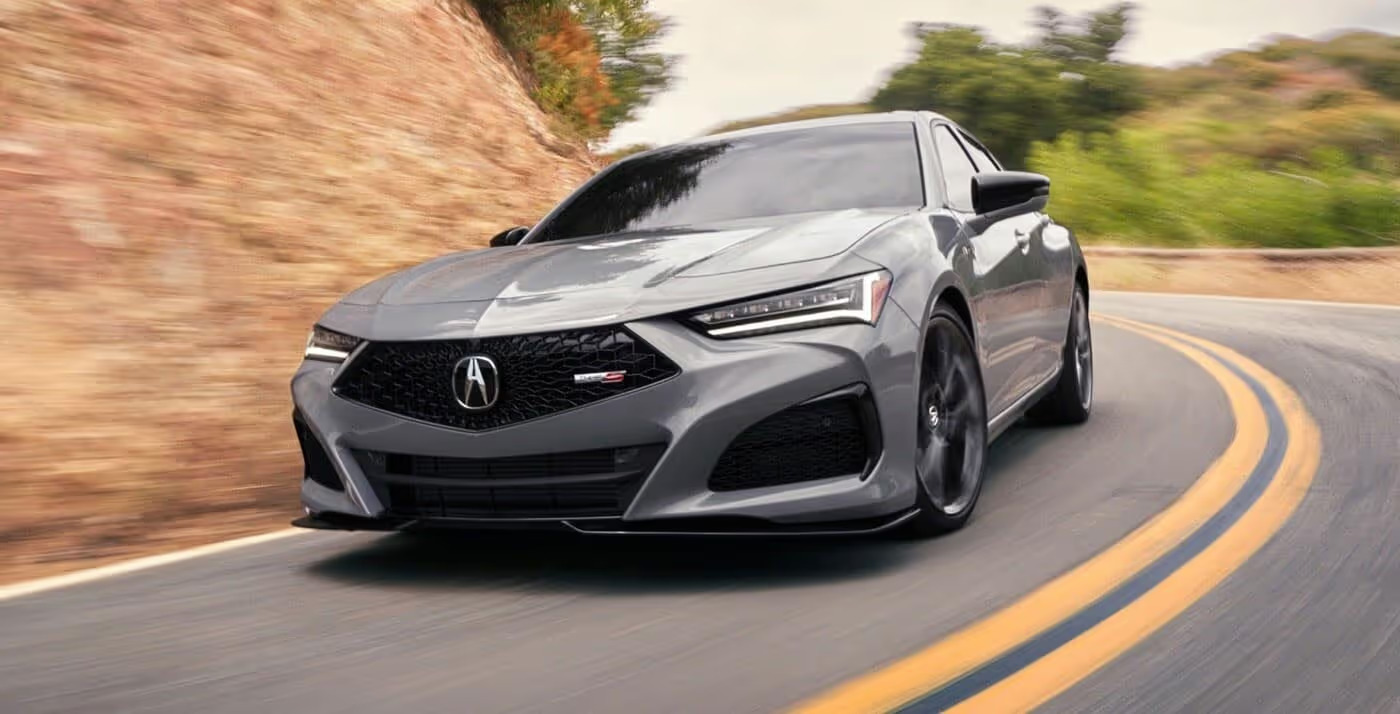
2. Acura TLX
The Acura TLX represents a compelling choice in the luxury sedan segment, especially for those eyeing off-lease vehicles. Acura, Honda’s luxury arm, has developed a reputation for producing vehicles that blend sporty dynamics, reliability, and value—a rare trifecta in the premium market.
The TLX, introduced to replace the TSX and TL models, has matured into a well-rounded luxury sedan with sharp handling, a refined engine lineup, and an attractive, tech-rich interior.
Off-lease TLX cars offer buyers the chance to experience this blend of luxury and performance at a significantly reduced price compared to brand-new models.
One of the major strengths of the TLX is its drivetrain options. The standard 2.4-liter four-cylinder engine provides respectable power and excellent fuel economy, while the more potent 3.5-liter V6 delivers spirited acceleration and smooth power delivery.
Acura’s Super Handling All-Wheel Drive (SH-AWD) system, available on V6 models, enhances handling precision and safety, allowing the TLX to compete with established German rivals on driving dynamics.
This performance edge, combined with a comfortable ride and well-insulated cabin, creates a luxury experience that appeals to drivers who want more engagement behind the wheel without sacrificing comfort.
In terms of interior features and technology, the TLX shines with its modern infotainment system, premium audio options, and an extensive array of safety features such as adaptive cruise control, lane departure warning, and collision mitigation braking.
Compared to European luxury sedans, the TLX’s technology suite is robust but typically less complex, which contributes to better reliability and lower repair costs over time.
Off-lease TLXs often come with a full-service history and factory warranty coverage, giving buyers confidence in the vehicle’s condition and minimizing early ownership expenses.
Perhaps most importantly, the Acura TLX has demonstrated excellent reliability in the used luxury sedan segment. Repair costs tend to be substantially lower than those for German luxury sedans, thanks to Honda’s engineering focus on simplicity and durability.
Even after warranty expiration, the TLX is unlikely to incur costly repairs that plague other luxury brands. This predictability, combined with its strong value retention and engaging driving experience, makes the TLX a smart off-lease purchase for buyers seeking dependable luxury without excessive upkeep.
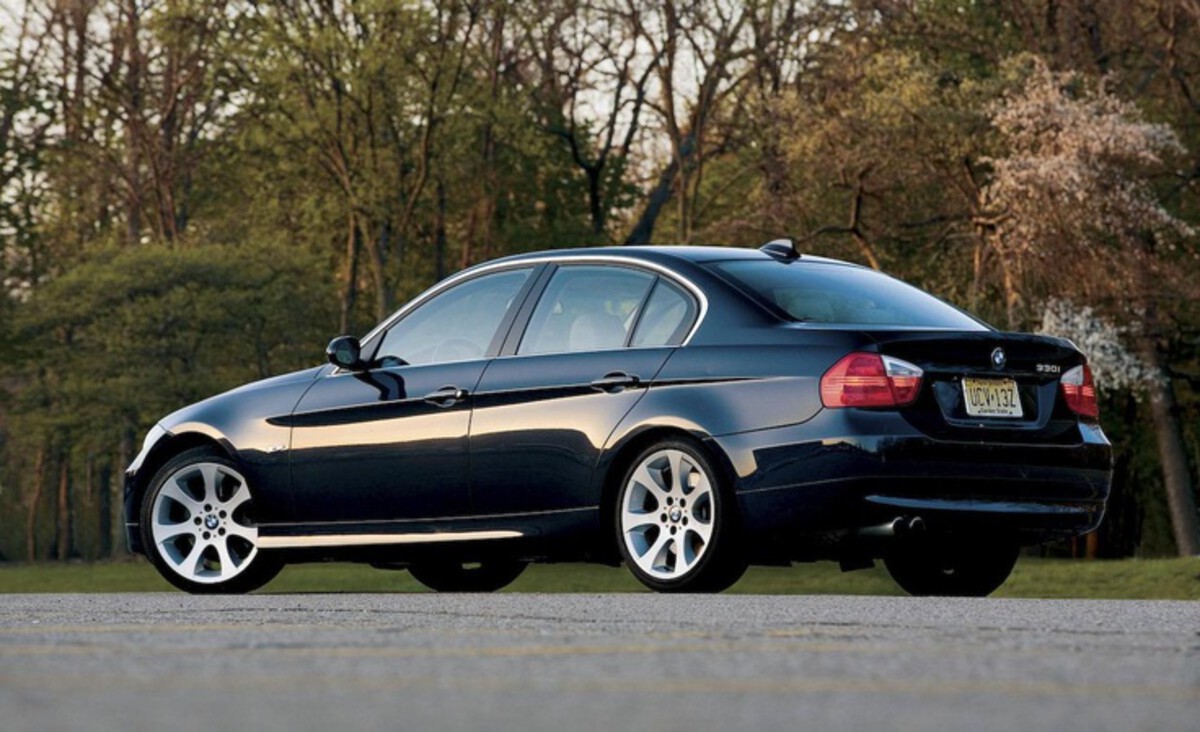
3. BMW 3 Series (G20 Generation)
The BMW 3 Series has long been the gold standard for luxury sport sedans, blending performance, technology, and prestige in one package. While earlier generations sometimes struggled with reliability and maintenance costs, the latest G20 generation—introduced in 2019—has made significant strides in durability and refinement.
Off-lease G20 3 Series models now present a compelling proposition for buyers wanting a true driving enthusiast’s luxury sedan that still offers reasonable ownership costs relative to its segment.
The G20 3 Series carries forward BMW’s hallmark sharp handling and dynamic engine options, including efficient turbocharged four- and six-cylinder engines that balance power with fuel economy.
The chassis improvements and updated suspension tuning deliver a refined yet sporty ride that appeals to drivers seeking an engaging experience.
Inside, the G20 features an elegant, driver-focused cockpit with high-quality materials and an intuitive infotainment system that includes BMW’s iDrive interface, digital instrument cluster, and advanced driver assistance technologies. These improvements help the G20 remain competitive with rivals like the Audi A4 and Mercedes-Benz C-Class.
In terms of reliability, the G20 has benefited from BMW’s efforts to address past issues. While BMWs still require diligent maintenance and premium parts, the latest 3 Series generation shows fewer major mechanical faults compared to earlier models.
Many off-lease vehicles are still under extended warranty programs or come with certified pre-owned coverage, which significantly mitigates early repair risks.
The depreciation on G20 models is already substantial, so buyers can acquire these luxury sedans at attractive prices without taking on the steep maintenance costs typical of older BMWs.
While the BMW 3 Series will never be as inexpensive to maintain as Japanese luxury cars, owners who adhere to scheduled maintenance and utilize independent specialists for routine servicing often find the ownership costs manageable.
The blend of prestige, driving dynamics, and improved reliability makes the G20 3 Series an excellent off-lease option for those who prioritize performance but want to avoid the financial pitfalls of older BMW models.
4. Audi Q5
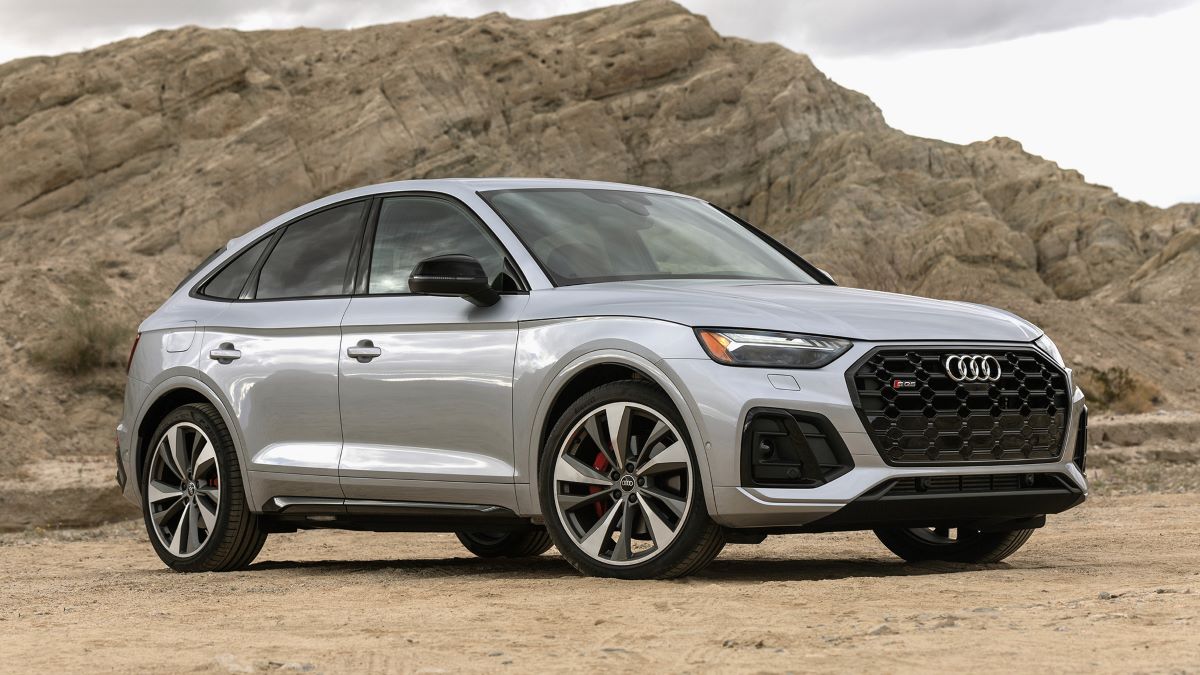
The Audi Q5 stands out in the compact luxury SUV segment for combining style, technology, and capable performance in a package that appeals to a wide range of buyers.
Off-lease Q5s, especially those from the second generation introduced around 2018, offer a modern and sophisticated option for buyers seeking premium features without the new car price tag.
Audi has made significant strides in improving the Q5’s reliability and ownership costs in recent years, making it a worthwhile consideration in the off-lease market.
At its core, the Q5 boasts Audi’s Quattro all-wheel-drive system, which provides confident handling in various driving conditions, including rain and snow. The vehicle delivers a balanced ride with composed steering and a comfortable suspension setup that smooths out rough roads.
Engine options include turbocharged four-cylinder units and a plug-in hybrid variant, catering to buyers prioritizing either performance or fuel efficiency. The cabin exudes typical Audi refinement with high-quality materials, a clean design aesthetic, and advanced technology such as the Virtual Cockpit digital instrument cluster.
One of the Q5’s key selling points for off-lease buyers is its relatively strong reliability record. Audi’s engineering improvements, particularly in newer models, have reduced the frequency of major mechanical and electrical issues. Off-lease Q5s are often still under warranty or come with certified pre-owned coverage, providing additional peace of mind.
Additionally, routine maintenance costs for the Q5 are reasonable when compared to larger or older luxury SUVs, partly due to greater parts availability and improved durability.
While the Q5’s parts and service costs are generally higher than Japanese luxury brands, the combination of driving enjoyment, all-weather capability, and modern features makes it an attractive value proposition.
For buyers who want a compact luxury SUV with premium styling and technology but without the excessive maintenance costs of some rivals, the Audi Q5 is a strong contender in the off-lease market.
5. Mercedes-Benz E-Class (W213 Generation)
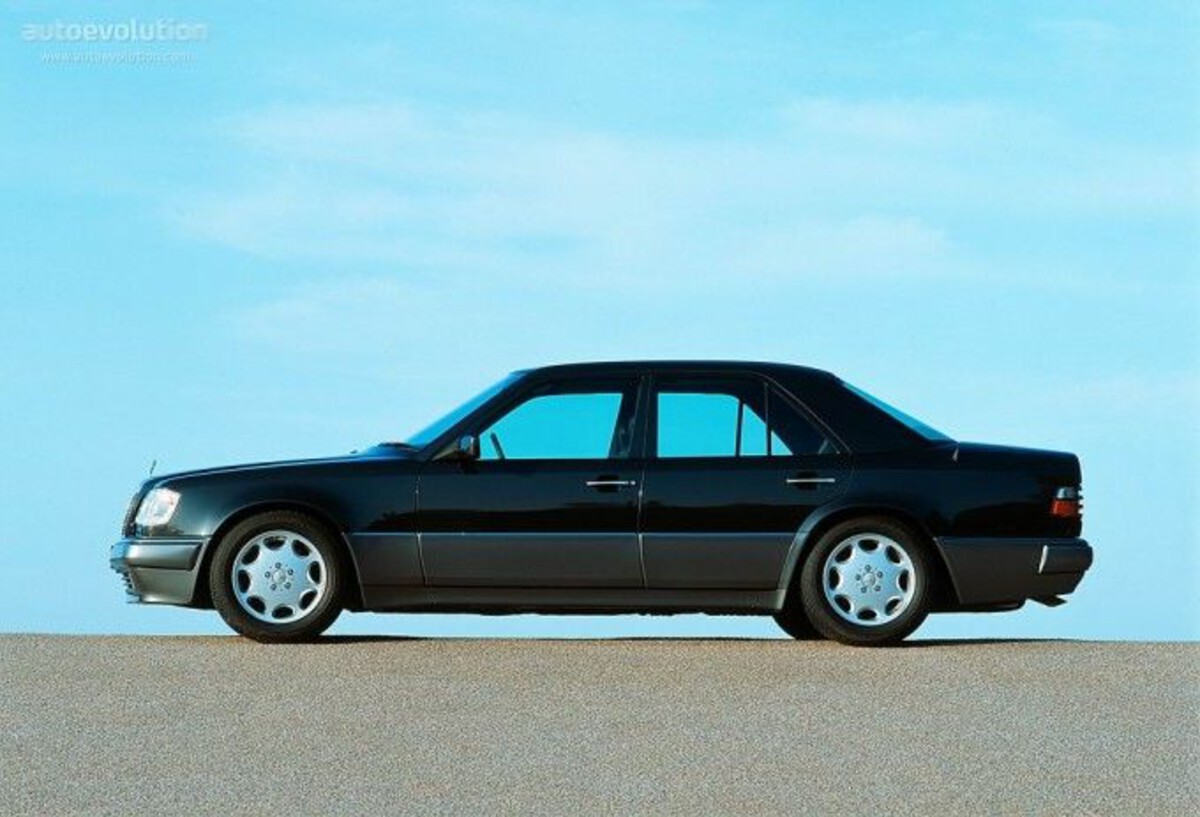
The Mercedes-Benz E-Class has long symbolized midsize luxury and technological innovation. The W213 generation, launched in 2016, represents a leap forward in design, safety, and performance, making off-lease examples highly desirable.
This generation features a combination of traditional Mercedes comfort and advanced tech, offering a smooth, quiet ride and a luxurious interior with high-quality materials that compete with the best in the segment.
The E-Class is known for its range of engine options, including efficient four-cylinder, smooth inline-six turbocharged engines with mild hybrid assist, and powerful V8s in AMG variants.
These engines are paired with sophisticated automatic transmissions and suspension systems that provide excellent ride comfort and precise handling.
The W213 also introduced cutting-edge safety features such as active lane keeping assist, evasive steering assist, and advanced driver monitoring systems, which were ahead of many competitors at the time of release.
Reliability in the W213 generation has improved compared to older Mercedes models, although the E-Class still requires attentive maintenance due to the complexity of its engineering. Many off-lease E-Class vehicles remain under the original factory warranty or certified pre-owned plans, which helps keep initial ownership costs manageable.
While repair and parts costs for Mercedes-Benz tend to be higher than Japanese brands, the E-Class’s strong build quality and careful engineering mean fewer catastrophic failures and relatively predictable maintenance patterns.
Owners who adhere to recommended service intervals and address minor issues early typically find the W213 E-Class to be a dependable luxury sedan that offers a blend of comfort, technology, and prestige. This combination makes the E-Class one of the top choices for off-lease buyers seeking a refined luxury experience with better-than-average reliability.
5 Off-Lease Luxury Cars That Cost a Fortune After Warranty
1. Jaguar XF
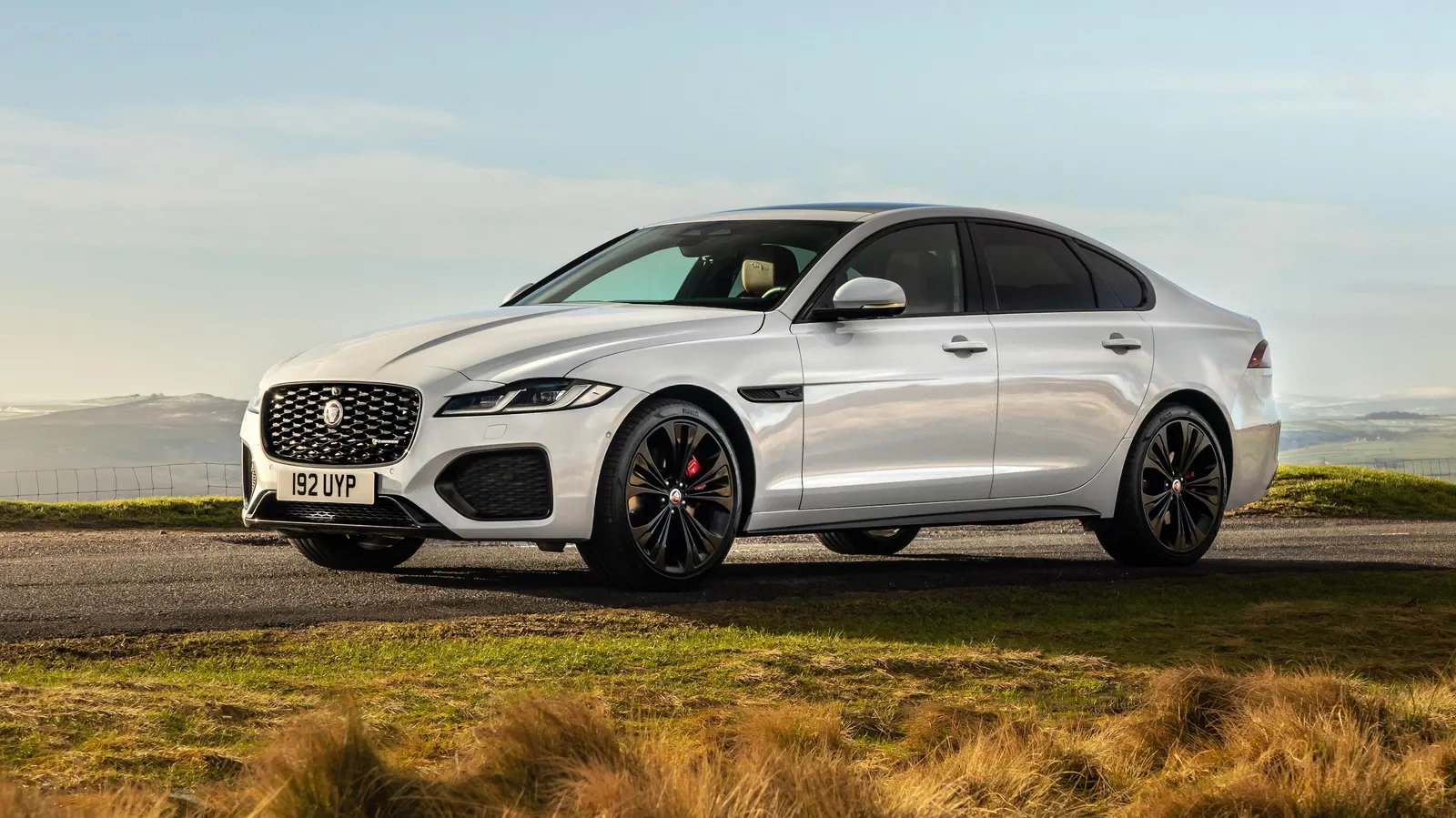
The Jaguar XF is often admired for its sleek styling and British luxury appeal, but it’s notorious for demanding costly repairs once the warranty expires. While the XF’s sharp handling and elegant interior initially attract buyers, the vehicle’s long-term reliability record leaves much to be desired.
Off-lease Jaguars, including the XF, depreciate rapidly, which tempts buyers with an attractive price point. However, this initial bargain often comes with hidden financial risks that emerge during ownership beyond the manufacturer’s warranty.
Jaguar’s engineering complexity, especially regarding its advanced electronics, air suspension systems, and turbocharged engines, can lead to a host of expensive issues.
Common problems reported by XF owners include air suspension failures, electrical glitches in the infotainment system and dashboard, and occasional engine misfires or cooling system troubles. These faults are typically pricey to diagnose and repair, largely because specialized parts and labor are required, often forcing owners to rely on dealership service departments.
The air suspension system, a hallmark of Jaguar’s promise of a smooth, luxurious ride, is particularly problematic. While it contributes to the XF’s plush driving experience, it is also expensive to maintain.
Components such as air springs, compressors, and valves are prone to failure, often after the warranty period ends, resulting in repair bills that can easily run into thousands of dollars. The cost of replacing multiple components simultaneously can be financially punishing for owners who were initially drawn by the car’s elegant ride.
Additionally, the XF’s electrical systems are complex and sometimes temperamental. Issues with the infotainment system, including unresponsive touchscreens, Bluetooth connectivity problems, and faulty control modules, are common complaints.
Repairing these systems is costly because Jaguar parts are not as widely available or as affordable as those from mainstream manufacturers.
Buyers should also be aware that overall ownership costs for Jaguars tend to be higher, not only because of repairs but also due to premium insurance rates and higher fuel consumption compared to some rivals. This combination means the XF often ends up costing far more in the long run than its off-lease price suggests.
2. Land Rover Range Rover Sport
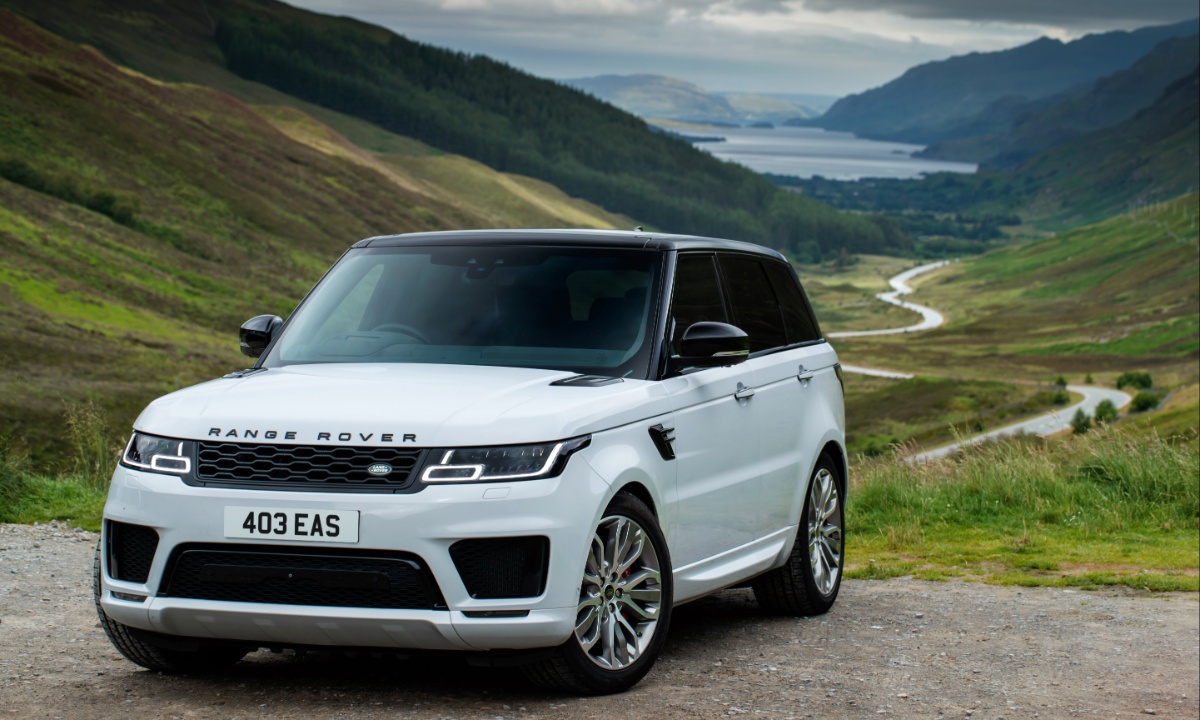
The Land Rover Range Rover Sport embodies luxury and off-road capability in a stunning package, but its reputation for reliability issues makes it one of the most expensive off-lease luxury SUVs to own long-term.
Initially, the Range Rover Sport’s powerful engines, cutting-edge technology, and unmistakable presence attract buyers looking for prestige and rugged capability.
However, once the factory warranty expires, owners frequently face a barrage of costly repairs and maintenance demands that quickly diminish its value proposition.
Land Rover’s use of advanced air suspension, sophisticated electronics, and turbocharged engines contributes to a vehicle that is both technologically impressive and mechanically complex. Unfortunately, this complexity translates into frequent failures and high repair bills.
Common problems include air suspension malfunctions, transmission faults, engine cooling system leaks, and recurring electrical issues. These repairs are costly because parts are expensive and specialized knowledge is required to service these vehicles properly, often necessitating dealership-level labor charges.
Air suspension components are a notorious weak point in the Range Rover Sport. While the suspension system provides superior ride comfort and off-road adaptability, it is prone to leaks, compressor failures, and sensor malfunctions.
Repairing or replacing these components can cost several thousand dollars. Additionally, the transmission system, often an 8-speed automatic, is prone to issues such as rough shifting and premature wear. Fixing these problems is labor-intensive and expensive.
Electrical gremlins in the infotainment, lighting, and onboard control systems are another frequent headache for owners. From malfunctioning touchscreens to intermittent warning lights and sensor failures, these problems often require electronic module replacements that carry a steep price tag.
Additionally, routine maintenance such as brake service, oil changes, and tire replacement costs are above average, further adding to ownership expenses. As a result, the Range Rover Sport, despite its allure, becomes a financial liability beyond the warranty, making it one of the more risky off-lease luxury vehicles to consider.
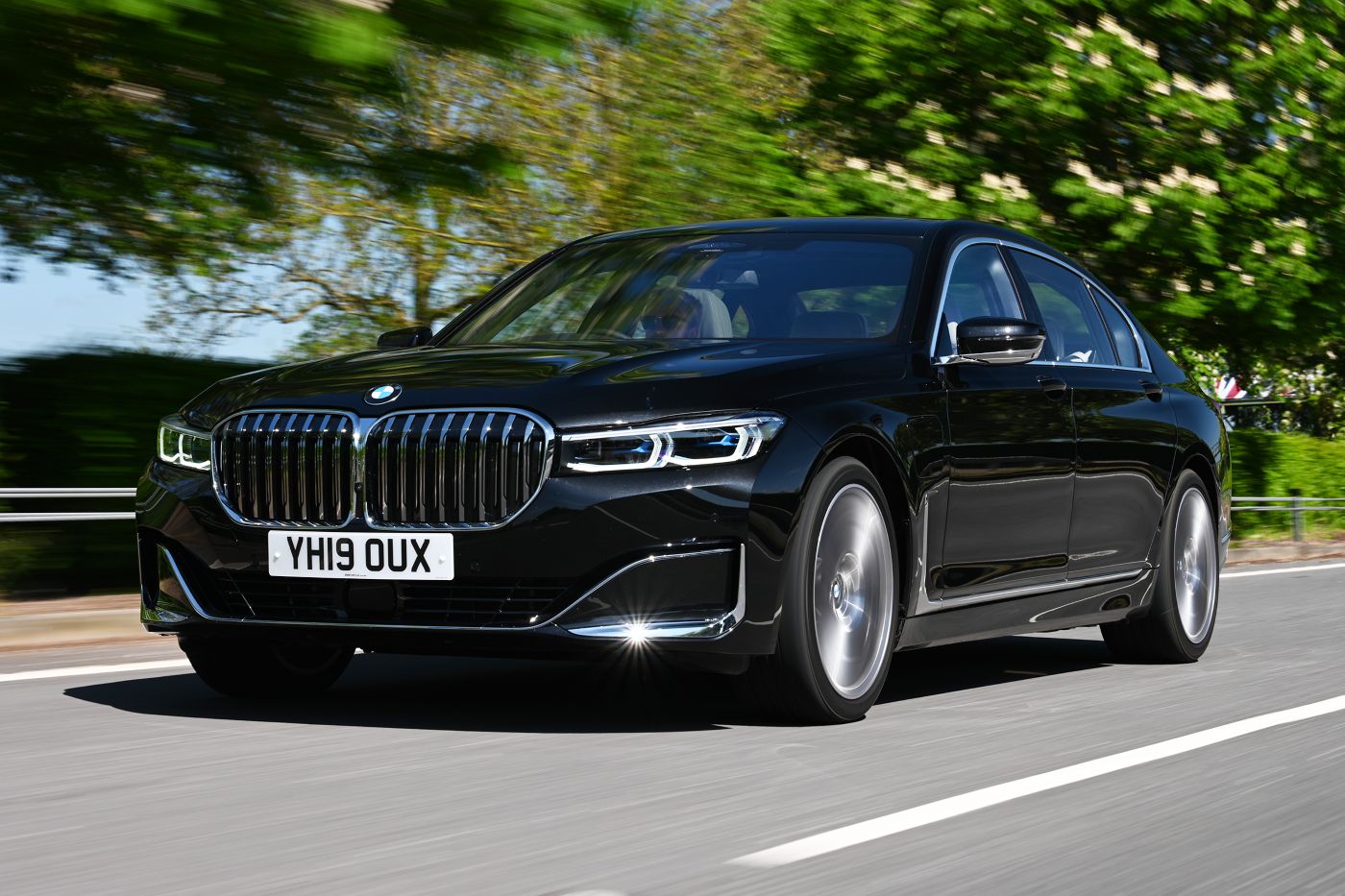
3. BMW 7 Series (F01/F02 Generation)
The BMW 7 Series is the pinnacle of the brand’s luxury sedan lineup, known for its opulent features, cutting-edge technology, and powerful engine choices.
While owning a 7 Series comes with significant prestige, it also comes with some of the highest maintenance and repair costs in the luxury segment, especially for models from the F01/F02 generation produced between 2008 and 2015.
Off-lease 7 Series vehicles may seem appealing because of their dramatic depreciation, but the high cost of repairs and maintenance after warranty expiry can quickly outweigh any savings.
The 7 Series boasts a wide array of advanced features, including air suspension, active steering, complex climate control systems, and optional massaging seats, all designed to elevate comfort and convenience. However, this level of sophistication means there are many components prone to wear and failure.
Common issues reported include air suspension breakdowns, fuel system failures, electrical faults in lighting and infotainment, and turbocharger problems on certain engine variants. These problems often require expensive parts replacements and extensive labor hours.
Air suspension failure is a recurring theme with the 7 Series, leading to costly repairs that can involve replacing air springs, compressors, and control modules. Given the large size of the vehicle, these repairs are more labor-intensive and costly than on smaller cars.
Additionally, the car’s intricate electronic systems frequently experience glitches, such as malfunctioning iDrive controllers, digital instrument clusters, and sensors. Repairing or replacing these components can quickly escalate costs.
The high-performance engine options—ranging from inline-six to V12 powerplants—add to the maintenance burden. Turbocharged engines require more frequent servicing of components like turbochargers, intercoolers, and related plumbing.
Owners must also contend with expensive parts like spark plugs, ignition coils, and fuel injectors. BMW’s recommended maintenance schedule is rigorous, and adhering to it is critical for reliability but costly.
Ultimately, while the 7 Series offers an unmatched luxury experience, the financial responsibility post-warranty is considerable, making it a less attractive off-lease option for budget-conscious buyers.
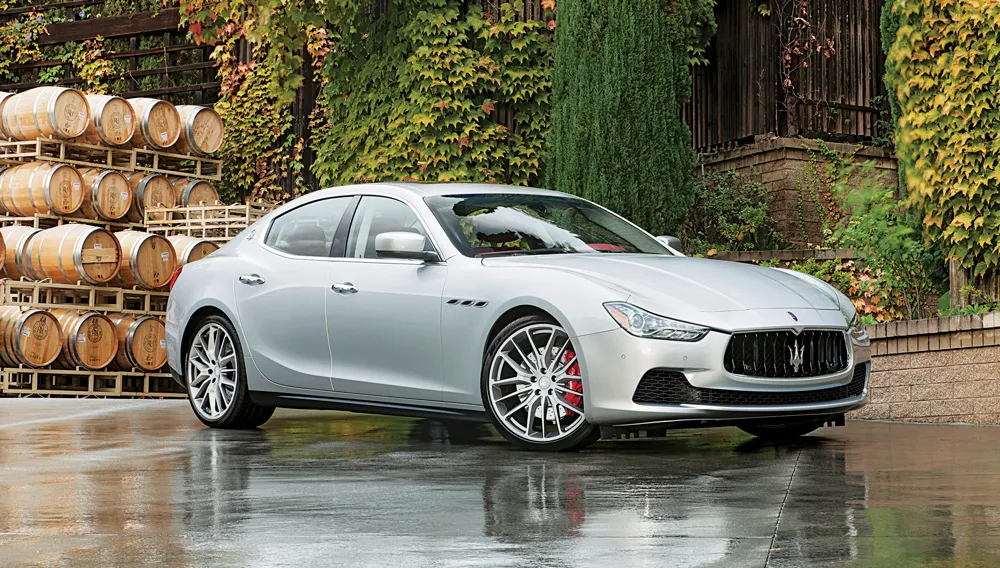
4. Maserati Ghibli
The Maserati Ghibli carries the allure of Italian design and performance, making it an eye-catching choice in the luxury sedan market.
However, it is widely regarded as one of the most expensive luxury cars to maintain once the warranty runs out. While off-lease Ghiblis are often significantly cheaper than new ones, buyers frequently underestimate the high costs of ownership associated with the brand’s niche status and complex engineering.
Maserati’s engines, transmissions, and electronic systems require specialized servicing that is not widely available outside of Maserati dealerships and specialty shops. Parts tend to be costly, and repairs often require technicians familiar with the brand’s unique design and performance requirements.
The Ghibli’s twin-turbocharged V6 engine delivers exciting performance, but this complexity means there is a higher risk of mechanical issues developing over time, including turbocharger wear, cooling system problems, and sensor malfunctions.
Owners have reported frequent issues with the Ghibli’s electrical systems, including faulty infotainment units, power window failures, and warning lights that are expensive to diagnose and correct.
The vehicle’s air suspension, which promises a smooth ride, is another weak point, often requiring costly repairs or replacements. Additionally, the brake system and transmission require regular maintenance, and parts replacements for these systems carry premium prices due to Maserati’s limited parts supply chain.
Routine maintenance costs, including oil changes, brake service, and tire replacements, are substantially higher than for more common luxury brands.
The Ghibli’s limited production and exotic status mean resale values can be volatile, and owners must be prepared for steep depreciation alongside high maintenance costs. For these reasons, the Maserati Ghibli is often considered a financial gamble for off-lease buyers seeking luxury without surprise expenses.
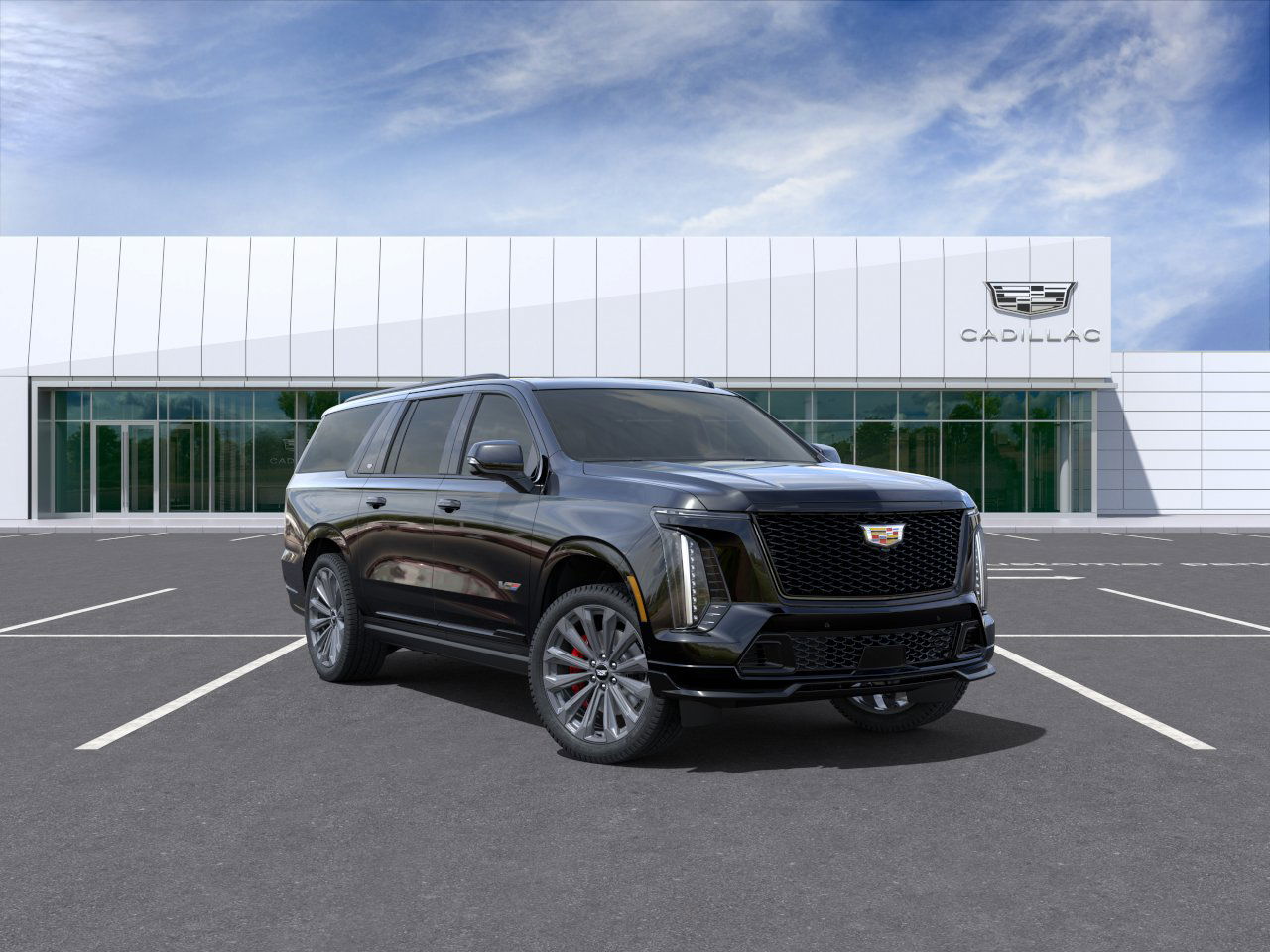
5. Cadillac Escalade (Fourth Generation)
The Cadillac Escalade is an iconic full-size luxury SUV that combines commanding presence, a spacious interior, and American luxury flair.
While it appeals to buyers with its bold styling and high-tech features, the fourth-generation Escalade, produced from 2015 to 2020, has a mixed reputation when it comes to reliability and long-term ownership costs.
Off-lease Escalades are often discounted heavily due to steep depreciation, tempting buyers to consider this SUV as a luxury bargain. However, many owners find themselves burdened by significant repair bills once the warranty expires.
The Escalade’s size and complexity contribute to its expensive maintenance. Its powerful V8 engines deliver impressive performance but come with high fuel consumption and costly servicing needs.
The SUV’s advanced electronic systems, including a large infotainment display, multiple cameras, and driver-assistance technologies, can be prone to glitches that require specialized diagnostic equipment to repair.
Suspension issues, including problems with air ride systems, are common in the Escalade, leading to costly replacements of compressors, air bags, and related components.
The vehicle’s transmission, an 8-speed automatic, sometimes exhibits shifting problems or failures that require expensive repairs or rebuilds. Furthermore, owners report issues with the braking system, including premature wear of brake pads and rotors, which adds to ongoing maintenance expenses.
Parts for the Escalade tend to be costly, and due to the SUV’s large size, repairs often involve significant labor hours, pushing up the total cost. Insurance premiums for the Escalade are also typically higher than for smaller luxury SUVs, further increasing ownership costs.
While the Escalade offers undeniable luxury and presence, its reputation for high post-warranty expenses makes it a risky off-lease purchase for those unprepared for the financial commitment.
Also Read: 5 Cars With Brakes That Last 100k Miles and 5 That Wear Prematurely
Navigating the world of off-lease luxury vehicles can feel like walking a tightrope between exceptional value and unforeseen financial pitfalls.
The promise of owning a prestigious luxury car at a fraction of its original price is undeniably enticing, yet the reality is that not all luxury vehicles are created equal when it comes to long-term ownership costs and reliability beyond their factory warranties.
This article has laid bare the stark contrast between those off-lease luxury models that maintain their appeal through strong reliability and manageable maintenance, and those that often devolve into costly burdens, eroding the initial savings and turning ownership into a headache.
The five luxury vehicles identified as worth buying, such as the Lexus RX, Acura TLX, BMW 3 Series (G20), Audi Q5, and Mercedes-Benz E-Class (W213), demonstrate a consistent pattern of combining durability, engineering excellence, and reasonable maintenance costs.
These cars benefit from manufacturers’ commitments to quality and reliability, often leveraging proven mechanical components, efficient production processes, and widespread service networks.
For example, the Lexus RX’s Toyota-derived engineering ensures longevity and affordable upkeep, while the Acura TLX blends sporty driving with Honda’s reputation for reliability. European models like the BMW 3 Series and Audi Q5 have evolved to offer better reliability and reduced ownership costs in their latest generations, balancing driving pleasure with practicality.
The Mercedes-Benz E-Class continues to provide top-tier luxury without excessively punitive repair bills when properly maintained. For off-lease buyers, these vehicles represent the “sweet spot” in the luxury market, offering the aspirational features and comfort expected from their badges, while remaining financially sensible over time.
Conversely, the models highlighted as costing a fortune after warranty—Jaguar XF, Land Rover Range Rover Sport, BMW 7 Series (F01/F02), Maserati Ghibli, and Cadillac Escalade (fourth generation)—paint a cautionary tale.
These cars often dazzle with cutting-edge technology, opulent interiors, and powerful engines, but their long-term ownership can be a minefield of expensive repairs, complicated electronics failures, and costly maintenance items.
For instance, Jaguar and Land Rover vehicles suffer from complex air suspension failures and electrical issues that require costly dealership-level interventions. The BMW 7 Series, with its sophisticated engineering and opulent amenities, demands a high maintenance budget and vigilance to avoid steep repair bills.
Maserati’s exotic status and limited parts availability drive up service costs, while the Cadillac Escalade’s sheer size and complexity inflate routine maintenance expenses. Off-lease buyers who overlook these factors can find themselves trapped by an initially affordable purchase that turns into an expensive financial drain.
Understanding these dynamics is critical for anyone considering an off-lease luxury car. Price alone is a misleading metric when it comes to value—what appears to be a bargain can quickly become a liability without insight into expected maintenance and reliability.
A thorough pre-purchase inspection, reviewing the vehicle’s service history, and researching common model-specific issues are essential steps.
Furthermore, potential buyers should consider the availability of extended warranties or certified pre-owned programs that can mitigate post-warranty risks. It’s also worth noting that vehicles from manufacturers with widespread dealer networks and parts availability generally offer smoother ownership experiences and lower repair costs.
Ultimately, buying an off-lease luxury car is about striking the right balance between aspiration and pragmatism. The vehicles worth investing in not only provide the joy and status of luxury motoring but also the peace of mind that comes with reliability and manageable expenses.
By contrast, the models prone to costly repairs demand a willingness to absorb higher ownership costs and potentially navigate a frustrating maintenance journey. Prospective buyers who educate themselves and make informed choices can enjoy the luxury lifestyle without the financial strain that often accompanies these vehicles in the used market.
In a marketplace flooded with options, the wisdom lies in discerning which off-lease luxury cars truly deliver lasting value and which ones require caution or avoidance.
The lists presented here serve as a roadmap to guide buyers toward smart decisions, helping them embrace luxury with confidence and avoid the pitfalls that can turn a dream car into a money pit.
With this knowledge in hand, you can confidently step into the off-lease luxury car market, armed to find a vehicle that blends prestige, performance, and financial sense in equal measure.
