
For many car owners, the decision to perform maintenance and repairs on their own versus relying on professional service can make a significant difference in both cost and satisfaction.
While automotive technology has advanced dramatically in recent decades—bringing with it improvements in safety, performance, and efficiency—it has also introduced a level of complexity that often discourages DIY (do-it-yourself) work.
Some vehicles are designed in ways that empower car enthusiasts to pop the hood and get their hands dirty with minimal frustration. Others, however, are practically off-limits to anyone lacking specialized tools, diagnostic software, or proprietary access.
There’s a clear divide between cars that invite user maintenance and those that are dealer-only propositions. In some cases, the difference comes down to engineering philosophy.
Some manufacturers prioritize ease of access and simplicity, favoring parts that are modular, systems that are user-serviceable, and engines that don’t require dropping the front axle to change a spark plug.
On the other hand, many modern vehicles—especially luxury or tech-heavy models—are built with tight packaging, sensitive electronic systems, and components that are difficult or even impossible to access without specialized equipment.
This isn’t necessarily a mark against them, but it does impact ownership experience, especially for those who prefer to avoid the dealership for everything from oil changes to minor repairs.
In this article, we explore five of the most DIY-friendly cars, praised for their accessibility, online support communities, and repair simplicity.
These are the vehicles beloved by weekend warriors and seasoned home mechanics alike. In contrast, we’ll also cover five cars that are generally considered better left in the hands of certified technicians—cars that will likely send even confident tinkerers running back to the dealership.
Whether you’re a seasoned DIYer looking for your next project or someone trying to avoid costly dealer visits, this guide will help you understand which cars are built for the home garage—and which aren’t.
Also Read: 5 High-Reliability Work Vans and 5 That Always Break Down on Site
5 DIY-Friendly Cars
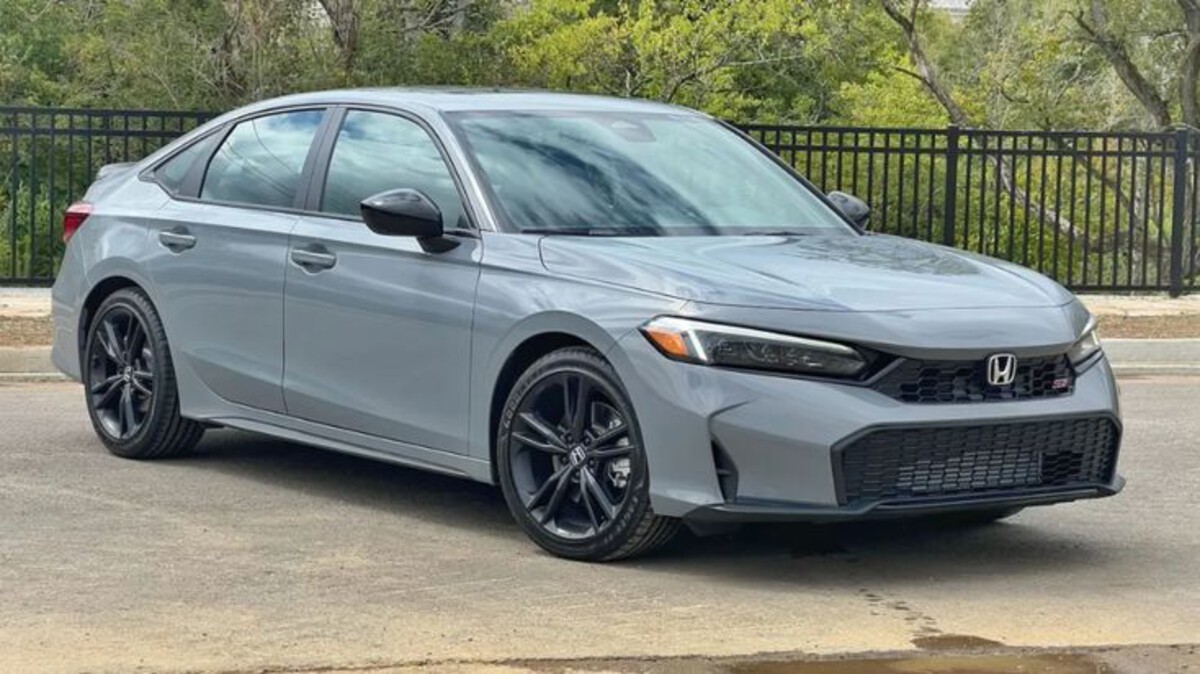
1. Honda Civic (Especially 1990s to Early 2000s Models)
The Honda Civic has earned a near-legendary status among DIY enthusiasts, and for good reason. Particularly models from the late 1990s and early 2000s offer a blend of simplicity, reliability, and widespread parts availability that few cars can match.
These vehicles were designed with straightforward layouts, meaning most components are easy to access without removing unrelated parts or specialized tools. Even for those new to car maintenance, working on an older Civic can feel more like a well-guided introduction than a daunting challenge.
One of the main reasons the Civic is so DIY-friendly is its sheer popularity. With millions sold across various generations, the Civic boasts a massive aftermarket ecosystem. From detailed repair manuals to step-by-step video tutorials, there’s no shortage of resources available for nearly any repair.
Online communities such as forums and Reddit threads offer helpful advice and walkthroughs, making even intermediate tasks like timing belt replacements or valve adjustments manageable for someone with basic tools and patience.
Additionally, the engine bays in older Civics are relatively uncluttered, leaving plenty of room to maneuver tools. This makes tasks like changing spark plugs, belts, and filters an easy affair compared to more compact modern cars. Suspension and brake jobs are similarly straightforward due to the car’s simple McPherson strut setup and predictable engineering.
The lack of complex electronics and software dependencies also means fewer diagnostic hurdles—no need for proprietary scanners or factory reset tools.
Moreover, these Civics are renowned for their resilience. Their engines, like the D16 or B18 series, can handle minor errors or overlooked maintenance better than more delicate modern turbocharged powerplants.
For anyone interested in learning car repair by doing, or those wanting a reliable daily that they can maintain affordably, the Honda Civic stands out as one of the best platforms to start with.

2. Toyota Corolla (Especially E100/E110 Generations)
The Toyota Corolla is often associated with dependability and low maintenance costs, but it’s also a darling of the DIY community thanks to its simple, logical design.
The 1990s E100 and early 2000s E110 generations, in particular, offer an ideal blend of mechanical simplicity and accessible engineering. These cars are built with the idea of longevity and global serviceability, which translates into an excellent experience for home mechanics.
Pop the hood on one of these Corollas and you’re met with an engine bay that doesn’t try to hide its components behind unnecessary shrouds or covers. Everything is visible, reachable, and replaceable with common hand tools.
Oil changes, alternator swaps, and even more involved jobs like replacing an axle or water pump are all within the capabilities of someone with a basic socket set and a jack. Many components are modular, meaning you can replace individual sensors or actuators without tearing apart entire systems.
What also makes the Corolla a great DIY car is its massive parts availability and affordability. Since the car was sold in huge numbers worldwide, parts are abundant and cheap—both OEM and aftermarket.
Furthermore, because the same basic engine and chassis design were used in multiple Toyota models of the era, you can often swap components or draw from a large pool of used parts without compatibility issues.
Beyond mechanical repairs, even minor bodywork and interior repairs are DIY-friendly on these cars. Door panels pop off with standard clips, dashboards are not overly complex, and electrical systems are relatively basic compared to modern cars filled with multiplexed wiring.
As a result, people new to car maintenance find the Corolla both forgiving and educational—perfect for building skills while keeping repair bills low.
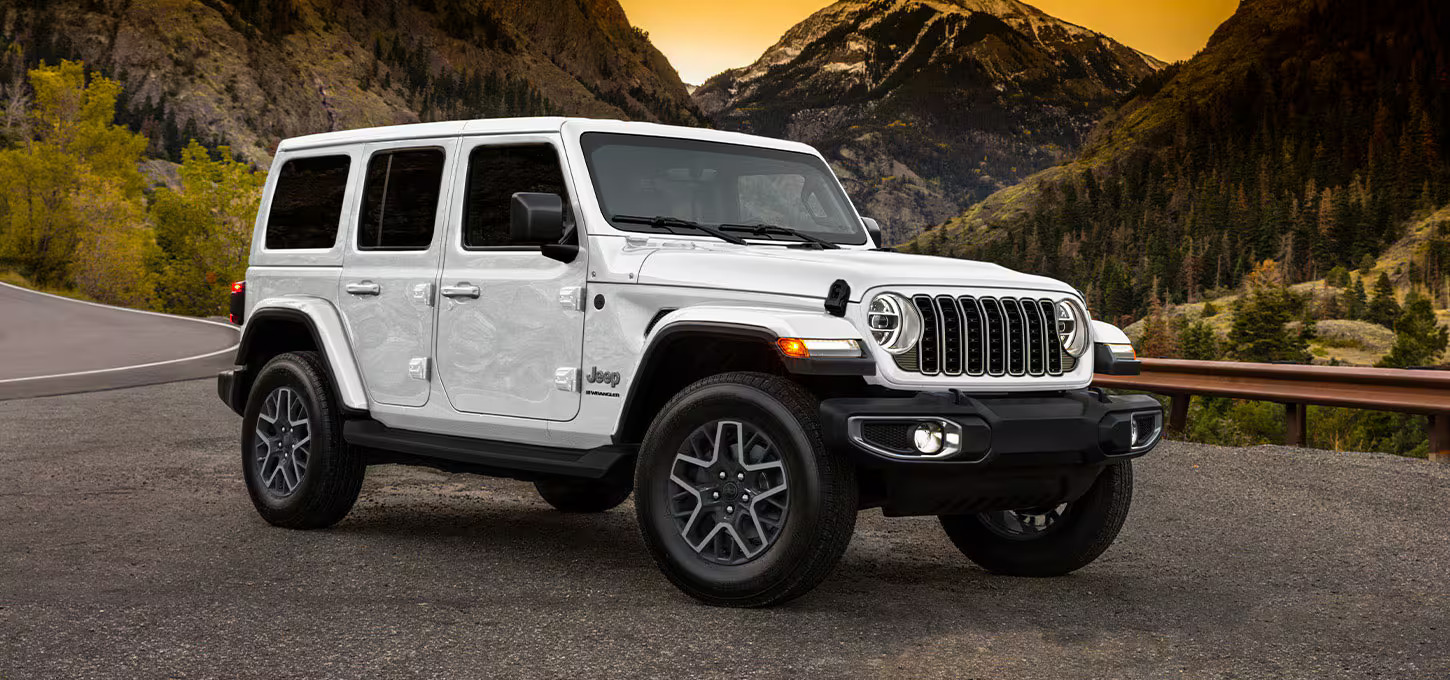
3. Jeep Wrangler (TJ and JK Generations)
The Jeep Wrangler, especially the TJ (1997–2006) and JK (2007–2018) generations, is widely regarded as one of the most DIY-friendly off-road vehicles ever made. Its modular construction, rugged components, and widespread enthusiast support make it a dream for anyone who enjoys working on their own car.
Wranglers aren’t just mechanically straightforward—they’re designed to be modified, maintained, and repaired in home garages, on trails, or even in parking lots.
One of the Wrangler’s standout features is its body-on-frame construction. This makes suspension and chassis work significantly easier, as you’re not dealing with the same tight tolerances or structural integrations found in modern unibody vehicles.
The solid axles, leaf or coil spring setups, and exposed undercarriage components mean even first-time mechanics can do lift kits, bushing replacements, or gear swaps with a reasonable learning curve.
Wranglers are also designed with customization in mind. Everything from bumpers and fenders to engine parts and lighting systems are bolt-on and widely supported by the aftermarket.
There’s an enormous community of Wrangler owners sharing DIY guides, troubleshooting steps, and modification walkthroughs online. Whether you’re replacing a fuel pump or upgrading to bigger tires, odds are someone has done it before and posted a video or tutorial.
Even drivetrain work on a Wrangler is relatively straightforward. The engines—whether the 4.0L inline-six in the TJ or the 3.6L Pentastar V6 in the JK—are robust and accessible.
Fluids, belts, and filters are easily reached, and the layout of the engine bay allows for a lot of hand room. Software is less of an obstacle too, as Wranglers have a more forgiving set of diagnostic tools, and many OBD-II scan tools work without issue.
All of this combines to make the Jeep Wrangler an excellent choice for off-roaders and wrenchers alike. It’s one of the rare vehicles that encourages DIY not just out of necessity, but as part of its entire ownership experience.

4. Mazda MX-5 Miata (NA and NB Generations)
The Mazda Miata (particularly the NA 1989–1997 and NB 1998–2005 models) holds a special place in the hearts of DIY car enthusiasts. Small, lightweight, and endlessly charming, the Miata is more than a fun roadster—it’s also a mechanical playground for aspiring home mechanics.
It’s built with simplicity, accessibility, and balance in mind, making most repair and maintenance jobs a rewarding experience.
One of the Miata’s most attractive traits is its incredibly open and simple engine bay. Powered by small, naturally aspirated inline-four engines, there’s ample room to reach components without needing to remove unrelated parts.
Tasks like timing belt changes, valve cover gasket replacements, or clutch jobs are all within reach for someone with a weekend and a decent toolkit. The engines themselves are straightforward and well-documented, and many Miatas are still on the road after decades of self-service.
The Miata’s minimalistic design philosophy extends to its chassis and suspension. You won’t find complex electronics or air suspensions here.
Instead, you get double wishbone suspension at all four corners—simple, robust, and tunable. Replacing bushings, shocks, or sway bars is a manageable DIY job that gives noticeable performance rewards. The compact size of the car also means many tasks require less brute strength and fewer tools than larger vehicles.
Another big plus is the strong and passionate Miata community. Owners’ forums, YouTube channels, and Miata-specific guides cover virtually every topic a home mechanic might need.
Whether it’s swapping the soft top, installing performance mods, or fixing electrical quirks, there’s a wealth of resources to help you every step of the way. And since the car shares many components with other Mazda models, parts are easy to find and often inexpensive.
In short, the NA and NB Miatas aren’t just great driver’s cars—they’re ideal for learning and enjoying car maintenance. Their approachable nature makes them perfect for anyone looking to enjoy the satisfaction of working on their own vehicle.

5. Ford Mustang (Especially 1994–2004 SN95 Models)
The Ford Mustang, especially the SN95 generation produced between 1994 and 2004, is a legendary muscle car that also scores high on the DIY-friendly scale.
These Mustangs strike a good balance between classic V8 power and relatively simple mechanical design, making them favorites among enthusiasts who enjoy wrenching on their own cars. With decades of aftermarket support and a large enthusiast community, this generation of Mustang is often recommended for first-time DIY mechanics who want a powerful yet manageable platform.
One reason the SN95 Mustang is so DIY-accessible is its straightforward engine layout. The 4.6L Modular V8 engine that replaced the classic small-block is easy to work on compared to many modern engines.
While it’s a bit more complex than older pushrod V8s, the SN95’s engine bay remains roomy, and routine maintenance tasks such as oil changes, spark plug replacements, and belt swaps are quite straightforward. The engine’s timing components are accessible enough for confident DIYers to tackle without needing dealer diagnostics.
In addition, the Mustang’s suspension and brake components are designed with simplicity and performance in mind. The SN95 features a double-wishbone front suspension and a solid rear axle, which are robust and accessible for repairs or upgrades.
Replacing shocks, springs, brake pads, or rotors can usually be done with basic tools and a good set of instructions. The lack of complex electronics or air suspension systems means fewer unexpected complications during repairs.
Aftermarket support for the SN95 Mustang is enormous. Whether you want performance upgrades, restoration parts, or replacement components, the market is flooded with options.
This makes repairs affordable and accessible, and it allows DIY mechanics to personalize their vehicles without the need for specialized dealer parts or tools. Community forums, build threads, and video tutorials provide detailed guidance for everything from carburetor rebuilds to complete engine swaps.
For anyone who wants a classic American muscle car that is both fun to drive and manageable to maintain, the SN95 Mustang offers a great combination of power, simplicity, and DIY friendliness. It’s a car that invites owners to roll up their sleeves and get involved in the maintenance process without feeling overwhelmed.
5 Cars That Require Dealer Service

1. Tesla Model 3
The Tesla Model 3 is a groundbreaking electric vehicle that symbolizes the future of automotive technology, but it is also notorious for being one of the least DIY-friendly cars on the market.
Tesla’s emphasis on proprietary technology, complex software integration, and sealed components means that most repairs and maintenance must be handled by authorized service centers or the company’s mobile technicians. For DIY enthusiasts, this represents a huge challenge.
The Tesla’s electric drivetrain, battery pack, and computer systems are all tightly integrated with proprietary software and require specialized diagnostic tools.
Unlike traditional gasoline engines where changing spark plugs or filters is routine, the Model 3 has almost none of these conventional components. Instead, key systems rely on firmware updates and software calibrations that cannot be performed without access to Tesla’s internal network.
Moreover, Tesla vehicles feature sealed battery packs and motors that require high-voltage safety procedures. Handling these components without proper training and equipment is dangerous and typically illegal.
Attempting repairs or modifications on the battery or electric motor can result in voided warranties or permanent damage, which further discourages DIY work.
Even routine maintenance tasks, such as tire rotations or brake fluid replacements, are often recommended to be done at Tesla service centers. This is partly due to the vehicle’s regenerative braking system and specialized brake components that require calibration.
Tesla’s use of over-the-air software updates means many “repairs” are simply remote diagnostics and resets performed by technicians, not something easily duplicated in a home garage.

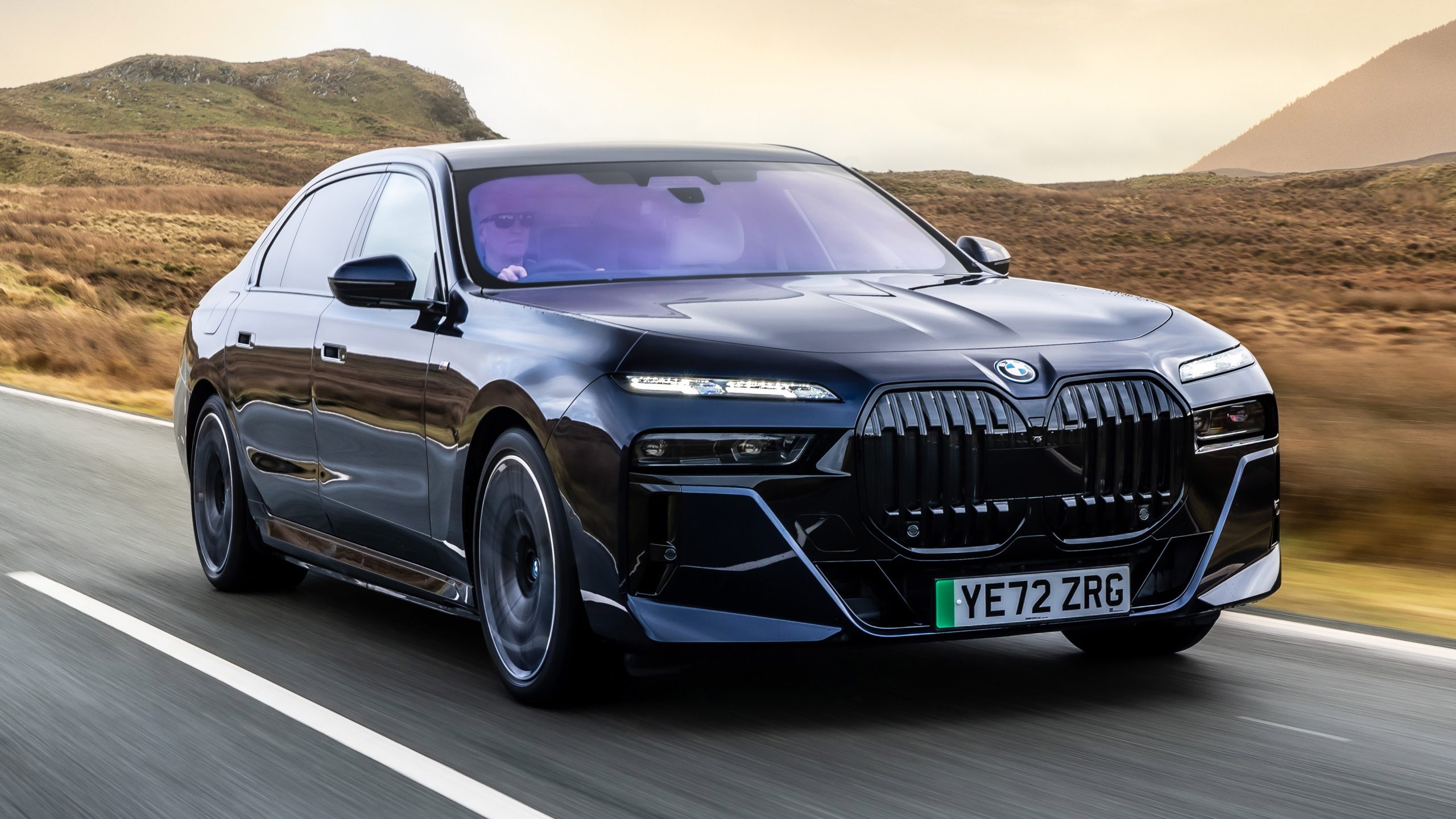
2. BMW 7 Series (Modern Generations)
The BMW 7 Series, especially models from the F01/F02 generation (2008–2015) onward, is an ultra-luxury sedan packed with cutting-edge technology and complex mechanical systems.
While it offers a high level of comfort and performance, it’s also one of the most dealer-dependent cars due to its intricate electronics, air suspensions, and proprietary diagnostics.
These vehicles are loaded with electronic control units (ECUs) that manage everything from the engine and transmission to active suspension, adaptive headlights, and advanced driver-assistance systems.
Diagnosing and repairing faults often requires BMW’s proprietary diagnostic software (such as ISTA/D or ISTA/P) and special tools that are not available to the average DIYer.
In addition, the 7 Series often features an electronically controlled air suspension system that requires precise calibration and the use of high-voltage air compressors.
Any work involving the suspension usually requires dealer-level diagnostic tools to ensure proper system function and safety. Removing or replacing suspension components without recalibration can lead to ride quality issues or even damage.
Routine maintenance on the 7 Series can be deceptively complex. Even tasks like oil changes or brake pad replacements require electronic resets and bleeding procedures controlled by the car’s onboard computers.
Without dealer-grade scan tools, many error codes will persist, potentially causing warning lights or degraded performance. Because of these factors, most owners rely on dealership service centers or highly specialized independent shops.

3. Audi A8 (Latest Generations)
The Audi A8 is a flagship luxury sedan loaded with advanced technology, innovative materials, and state-of-the-art electronic systems. While this makes it an impressive car to own, it also translates into a model that’s extremely difficult for DIYers to service. Many of its components are tightly integrated with complex electronics that require Audi’s proprietary diagnostic platforms.
Under the hood, the Audi A8 has highly compact packaging, with turbocharged engines and hybrid components fitted tightly into the chassis.
Many systems are controlled by networked ECUs, including adaptive air suspensions, dynamic all-wheel-drive systems, and multilink rear suspension assemblies. Repairing or replacing parts often involves complex recalibrations that are impossible without dealer scan tools.
Electrical systems in the A8 use multiplexed wiring harnesses that require precise diagnostic procedures to identify and fix faults. Attempting to DIY fixes without proper tools can trigger additional errors or disable crucial systems like airbags, stability control, or infotainment. Many body panels and interior components also require specialized tools and techniques for safe removal.
Even routine services are complicated by the vehicle’s advanced features. For example, brake servicing involves electronic park brake modules and sensor resets, while oil changes must be logged via the vehicle’s software.
Because of the high level of integration and complexity, most owners are better served by dealer maintenance or specialized luxury car repair shops.

4. Land Rover Range Rover (Newer Models)
Newer Range Rover models embody luxury and off-road capability but are among the toughest vehicles for DIY maintenance. Their sophisticated air suspension, complex electronics, and advanced drivetrain technologies require dealer-level equipment and expertise for most service and repairs.
The Range Rover’s air suspension system, used for adjusting ride height and improving off-road ability, is particularly problematic for DIYers.
It relies on high-pressure air compressors and electronic control units that must be diagnosed and recalibrated using specialized tools. Suspension repairs without proper reset procedures can cause warning lights and degrade system functionality.
Additionally, the Range Rover’s engines, especially the newer turbocharged V6 and V8 units, are tightly packaged with extensive use of electronic actuators and sensors.
Some repairs require removing major components or working in cramped engine bays, often necessitating dealer service. The vehicle’s onboard diagnostics and software updates are locked behind manufacturer systems inaccessible without dealership credentials.
Routine tasks such as brake service or oil changes may seem simple but often trigger electronic warnings or require software resets.
Even battery replacements in some models require dealer intervention to register the new battery with the vehicle’s control modules. As a result, while the Range Rover is an extraordinary vehicle, it is best cared for by professional technicians.
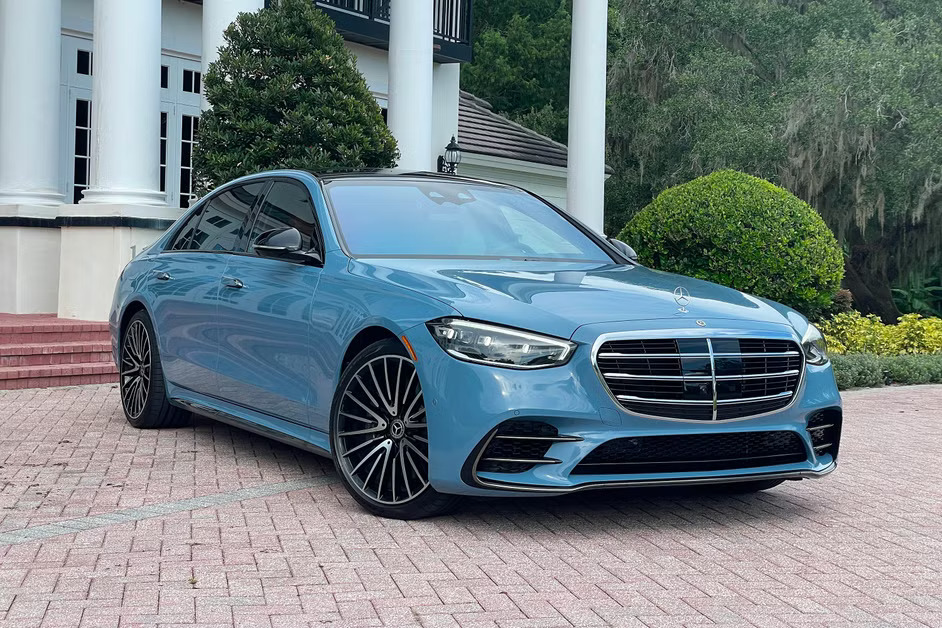
5. Mercedes-Benz S-Class (Modern Models)
The Mercedes-Benz S-Class is often considered the pinnacle of automotive luxury and technology, but this status comes with a price for DIYers. Modern S-Class models are packed with advanced electronics, safety systems, and comfort features that make routine maintenance and repairs a challenging undertaking without dealer support.
With dozens of control units managing everything from adaptive suspension, active cruise control, and night vision to complex air conditioning systems, the S-Class requires specialized diagnostic tools that are proprietary to Mercedes-Benz. Without these, identifying faults or resetting system parameters is nearly impossible for home mechanics.
The vehicle’s complex hydraulic and pneumatic systems—used for adaptive suspension, seat adjustments, and even the braking system—require special equipment for service and calibration. Repairs or replacements in these systems demand both technical skill and access to Mercedes-specific software platforms like Xentry or DAS.
Furthermore, the S-Class’s body and interior panels are constructed with intricate clips, sensors, and wiring harnesses that require specialized removal techniques to avoid damage.
Even simple tasks like changing a headlight bulb or battery may trigger error messages or necessitate system resets, forcing owners to visit the dealer for assistance.
Also Read: 5 AWD Cars With No Transfer Case Problems and 5 That Grind and Fail
Choosing between a DIY-friendly car and one that requires dealer service is an important consideration depending on your skills, budget, and willingness to engage with vehicle maintenance.
Cars like the Honda Civic, Toyota Corolla, Jeep Wrangler, Mazda Miata, and Ford Mustang provide accessible, rewarding experiences for DIY enthusiasts, combining simplicity, affordability, and strong community support.
Conversely, modern luxury and electric vehicles such as the Tesla Model 3, BMW 7 Series, Audi A8, Range Rover, and Mercedes-Benz S-Class showcase technological marvels that often necessitate professional diagnostics and repairs, making dealer service almost unavoidable.
Understanding these differences can help prospective owners make informed decisions that align with their lifestyle, priorities, and mechanical confidence. Whether you want to learn, save money, or simply enjoy wrenching on your own ride, there’s a perfect car out there suited to your approach.
