
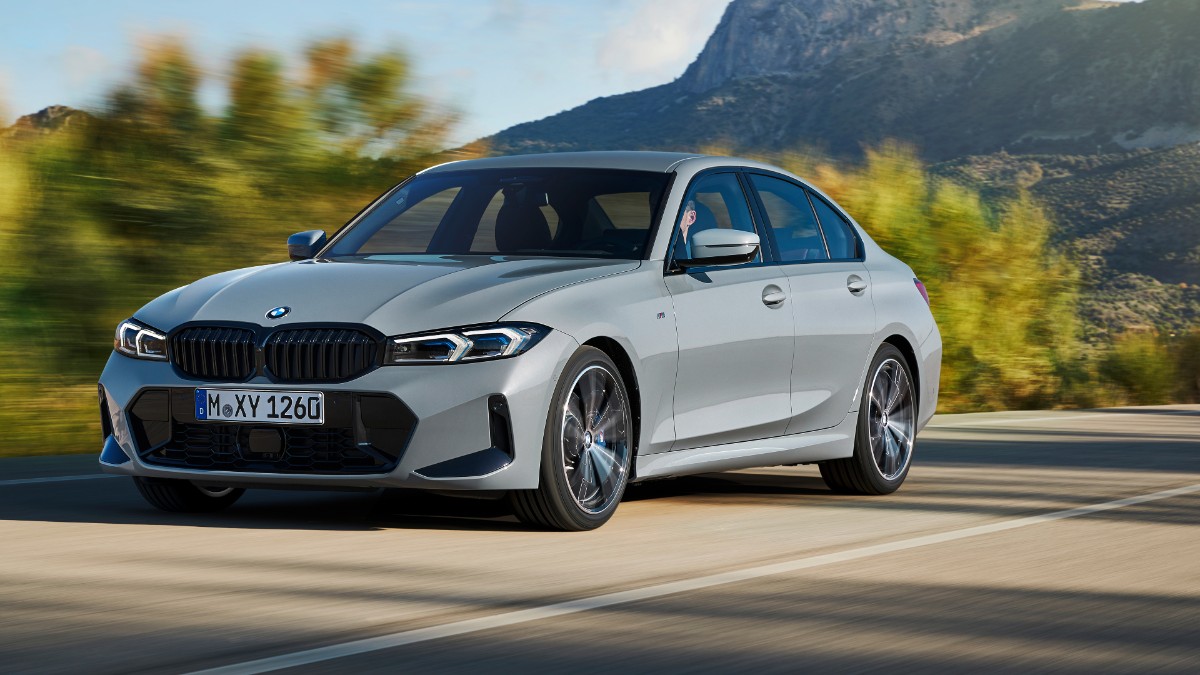
Engine overheating is one of the most dreaded mechanical issues a driver can face. It doesn’t just mean an inconvenient roadside stop — it can indicate a serious malfunction that threatens the longevity and performance of a vehicle’s heart: its engine.
Engines operate by burning fuel and air to create power, a process that generates significant heat. If that heat isn’t managed properly, components can warp, seals can blow, and the engine can seize entirely.
Because of this, every vehicle is equipped with a cooling system designed to dissipate excess heat and keep the engine running within a safe temperature range. Yet, not all cooling systems are created equal.
Some cars develop a reputation for outstanding cooling system reliability, showing resilience across climates, loads, and years of wear. Others, unfortunately, are known for their propensity to overheat, often due to design flaws, poor component quality, or insufficient maintenance tolerances.
Understanding the differences between these vehicles is critical for consumers, mechanics, and enthusiasts alike. It affects buying decisions, maintenance strategies, and even driving habits. A car that never overheats can inspire confidence in the driver, while a vehicle prone to cooling system failure may constantly demand attention and lead to unexpected repair bills.
The complexity of cooling systems is often underestimated. Beyond the visible radiator and coolant hoses, the system involves thermostats that regulate coolant flow, water pumps that circulate fluid, electric fans that boost airflow, and an array of sensors and electronic controls that monitor and adjust system behavior in real-time.
Automakers spend years testing and refining these systems, taking into account everything from ambient temperature and altitude to engine design and vehicle aerodynamics.
For instance, high-performance vehicles require more robust cooling solutions to handle the intense heat produced during spirited driving, while economy cars emphasize efficiency and cost-effectiveness.
By exploring specific car models known for their cooling reliability versus those infamous for overheating, we gain insight into what separates a durable cooling system from a problematic one. This article will analyze five cars celebrated for their resistance to overheating and five models that are prone to cooling failures.
We’ll look at the engineering choices, typical failure modes, maintenance needs, and real-world owner experiences behind these reputations. Whether you’re a prospective buyer, an owner worried about your car’s health, or simply curious about automotive engineering, this comparison will provide valuable knowledge to help you avoid overheating issues and keep your engine running smoothly and safely.
5 Cars That Never Overheat
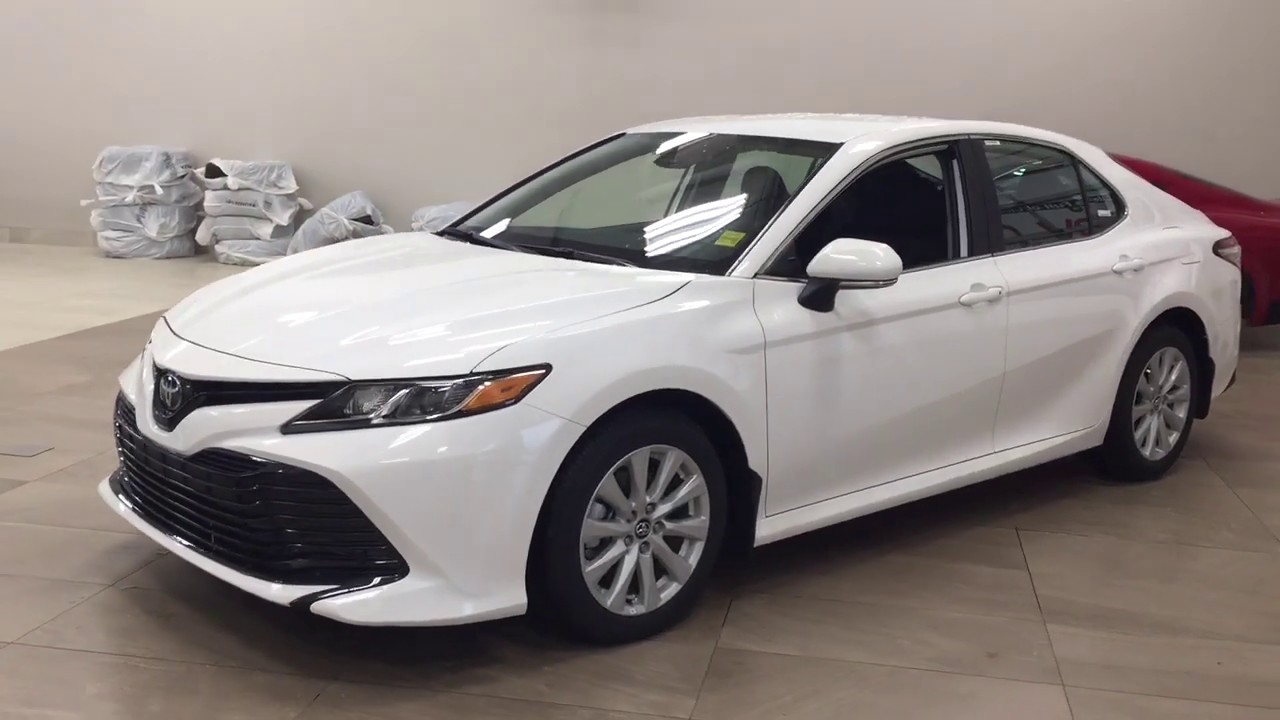
1. Toyota Camry (Especially 2010+ Models)
The Toyota Camry is often the benchmark for reliability in the midsize sedan segment, and a major contributor to this reputation is its highly dependable cooling system. The 2010 and later models feature a refined thermal management setup designed to handle diverse driving conditions without faltering. Toyota’s philosophy prioritizes longevity and consistent performance over pushing the limits of engine output, which plays a big role in reducing overheating risk.
The cooling system in these Camrys incorporates a well-sized aluminum radiator with dense fin structures, maximizing surface area for heat exchange. The water pump uses a robust, electrically driven design to maintain steady coolant flow, while the thermostat is engineered with precise opening and closing thresholds to ensure the engine warms up quickly but never runs too hot.
A key aspect is the redundancy built into the system: dual electric cooling fans provide layered cooling capacity, automatically activating at different temperature points or when the air conditioning is on, offering exceptional control over engine temperature.
Furthermore, Toyota uses high-quality materials that resist corrosion and degradation, such as specialized rubber hoses and durable seals, which prevent leaks and failures that can lead to overheating.
The engine control unit (ECU) is integrated with temperature sensors throughout the cooling system, enabling it to adaptively adjust fan speeds and optimize engine parameters, such as ignition timing and fuel delivery, to keep temperatures in check.
This proactive electronic control sets the Camry apart from older, more mechanical systems that rely solely on passive components. Owners’ experiences mirror these engineering strengths.
Many report that their Camrys remain cool even during long commutes in heavy traffic or in hot weather conditions exceeding 100°F (38°C). Maintenance is straightforward and forgiving; routine coolant flushes, which Toyota recommends every 60,000 miles, help sustain the system’s peak performance.
Overall, the Camry’s cooling system exemplifies how careful design, quality materials, and smart electronics combine to deliver one of the most dependable engines in the market, earning it a reputation for rarely overheating.
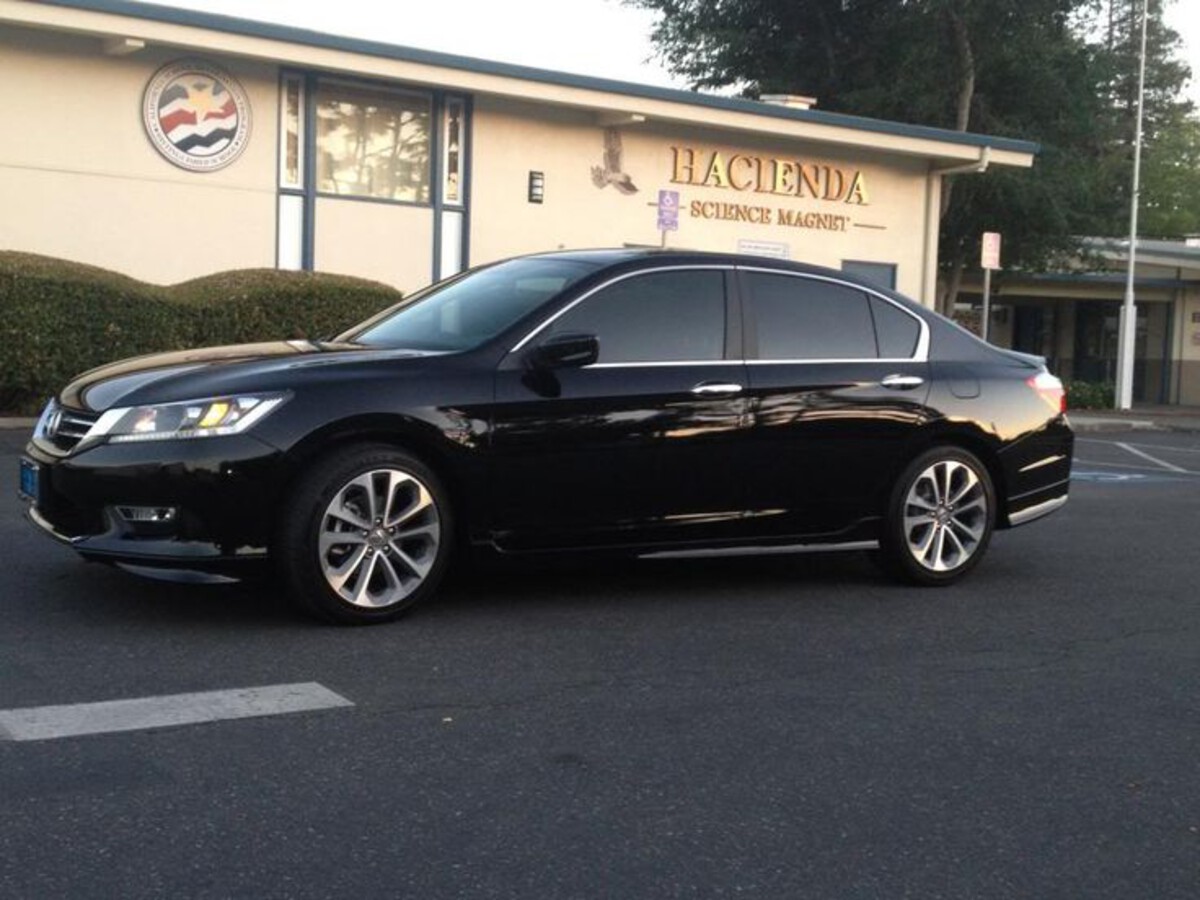
2. Honda Accord (2013 and Later)
Honda’s Accord, particularly models from 2013 onward, has been praised for a cooling system that strikes a perfect balance between performance and durability.
Honda’s engineering teams took lessons learned from previous generations and integrated advanced cooling technologies to handle the increased power outputs without compromising reliability. The result is a system that consistently maintains engine temperatures within optimal parameters, even under stress.
One of the standout features of the Accord’s cooling system is its use of a large, high-flow radiator combined with a multi-speed electric fan assembly.
Unlike traditional single-speed fans that cycle abruptly on or off, these variable-speed fans adjust smoothly, reducing noise and energy consumption while improving temperature control. The system also features a smart thermostat that reacts dynamically to coolant temperature, allowing the engine to reach operating temperature quickly but never exceeding safe limits.
The Accord’s water pump design benefits from improved durability, using sealed bearings and corrosion-resistant impellers to sustain long-term operation. Additionally, the vehicle’s engine block contains carefully engineered coolant passages that promote even heat distribution, preventing the formation of hot spots that could lead to premature wear or failure.
These design decisions contribute significantly to the Accord’s resilience under varied driving conditions — from urban stop-and-go to highway cruising.
In the real world, Accord owners frequently attest to the vehicle’s ability to handle demanding conditions such as towing light trailers, driving through mountain passes, or enduring summer heat waves without overheating.
The inclusion of multiple temperature sensors feeding information to the engine control module ensures that the car can adapt quickly, adjusting ignition timing, and fuel mixtures to reduce engine load and heat production if necessary.
Routine maintenance — including coolant replacement every 60,000 miles and inspection of hoses and belts — helps keep the system functioning at peak efficiency for many years. The 2013+ Accord stands as a testament to Honda’s commitment to reliability and smart engineering.
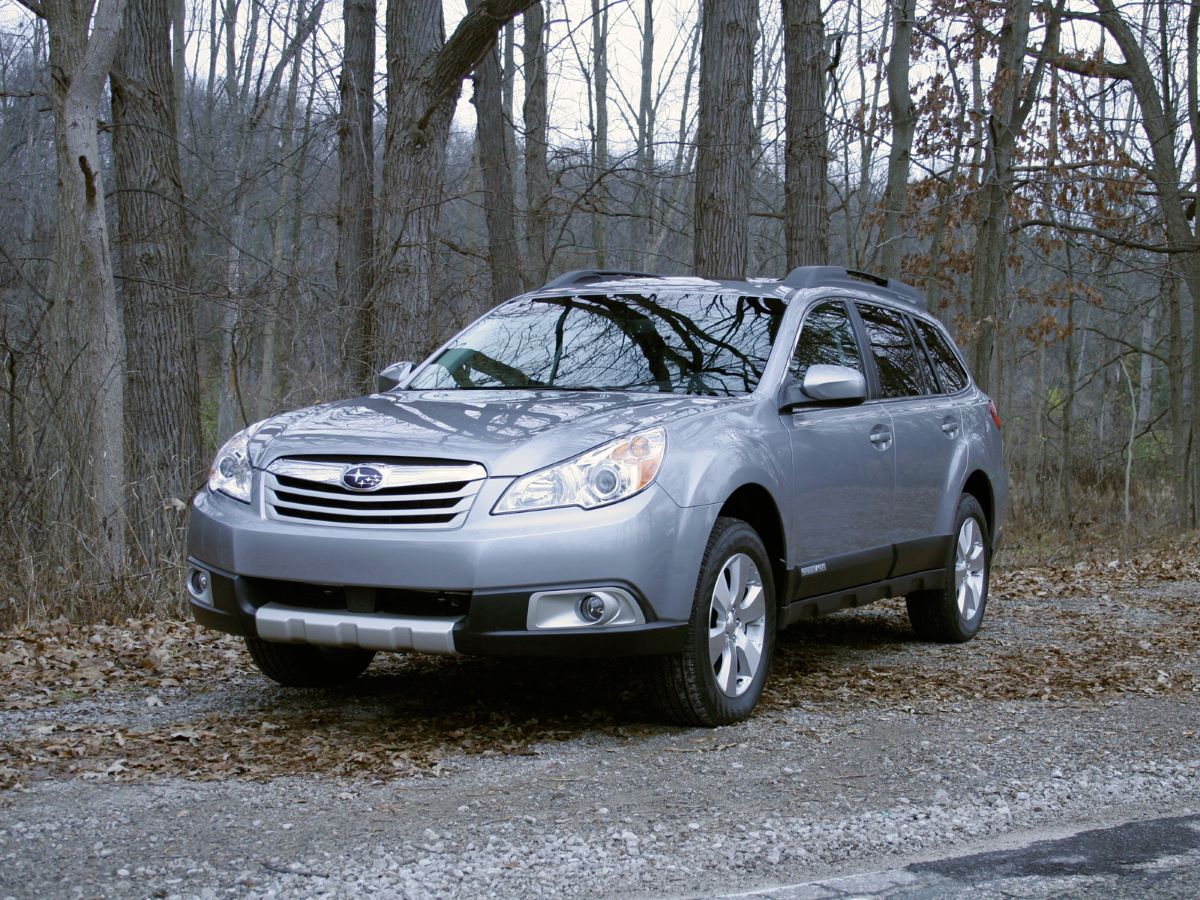
3. Subaru Outback (Post-2015 Models)
Subaru’s Outback has carved a niche for itself as a rugged, adventure-ready crossover SUV, and its post-2015 models demonstrate remarkable cooling system performance that supports this reputation. Subaru’s unique boxer engine layout plays a crucial role here.
By positioning the pistons horizontally opposite each other, heat generation is spread out more evenly across the engine block, which in turn alleviates stress on the cooling system. This layout, combined with advanced coolant routing, minimizes temperature gradients that can cause overheating.
The Outback’s cooling system design emphasizes zone-specific management, with dedicated coolant circuits for the engine, transmission, and — in turbocharged variants — the intercooler and turbo itself. This multi-zone approach prevents any single system from becoming overwhelmed, enhancing overall heat dissipation.
Variable-speed electric fans, controlled by a sophisticated engine management system, activate as needed and provide strong airflow through the radiator and condenser, even during low-speed or idling conditions.
Materials and component durability have also been prioritized. Subaru uses corrosion-resistant radiators and reinforced hoses designed to withstand the rigors of off-road environments and temperature extremes. The water pump is engineered with robust seals and bearings, supporting long service intervals.
Furthermore, Subaru’s reputation for comprehensive service schedules ensures that owners are alerted to perform timely coolant changes and inspections, preserving system integrity.
Practical owner feedback reinforces Subaru’s engineering efforts. Drivers report stable engine temperatures across diverse environments, from muddy trails to mountain highways to hot city streets.
Even when towing or carrying heavy gear, the Outback maintains thermal equilibrium, avoiding the dreaded overheating warnings that plague less capable vehicles. This reliable thermal management contributes to Subaru’s image as a dependable vehicle for active lifestyles, blending engineering precision with real-world durability.
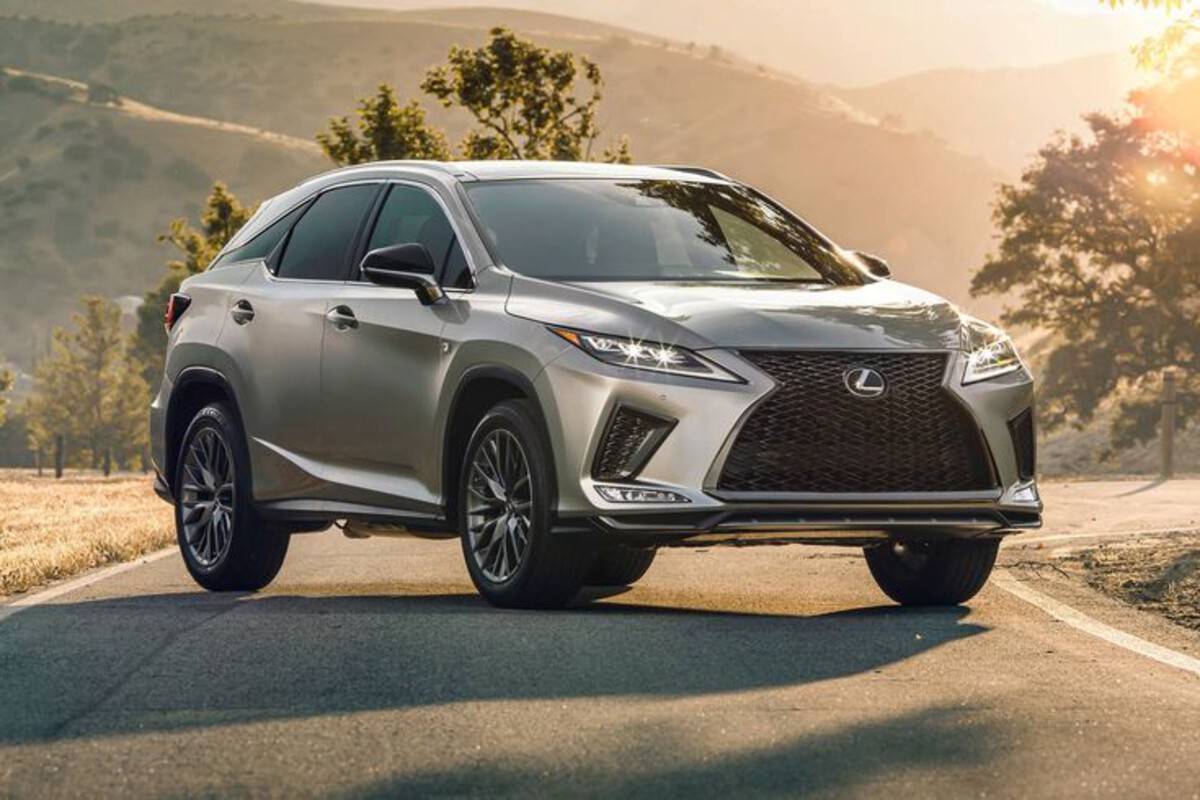
4. Lexus RX Series (2016 and Newer)
Lexus, as Toyota’s luxury division, elevates the reliability and sophistication of the Toyota platform with enhanced materials, manufacturing precision, and technological upgrades. The RX series, particularly models from 2016 onward, exemplifies this blend of luxury and engineering excellence, including a highly refined and effective cooling system. Lexus invests in multi-zone thermal management that not only protects the engine but also improves passenger comfort by managing HVAC loads efficiently.
The RX’s cooling system integrates multiple electric cooling fans, a high-capacity aluminum radiator, and advanced thermostatic controls. Each of these components is engineered to tighter tolerances than typical mainstream vehicles. For example, the radiator uses a denser fin pattern and more corrosion-resistant alloys, which enhance heat transfer and longevity. The water pump is electronically controlled to vary flow rate based on engine load and temperature, allowing for more precise coolant circulation than mechanical pumps.
Another key feature is Lexus’s use of multiple temperature sensors distributed across the engine, transmission, and coolant passages. This sensor network provides real-time data to the engine control unit, which adjusts coolant flow, fan speed, and even engine timing to avoid hotspots and maintain a steady temperature profile.
The system can quickly respond to sudden changes in driving conditions, such as rapid acceleration or towing, reducing the chance of overheating even under demanding circumstances.
Owners frequently highlight the RX’s ability to remain cool in extreme climates, from hot desert summers to cold northern winters. The quiet operation of the cooling fans and the overall smoothness of the thermal management system contribute to the RX’s luxury appeal. These vehicles are often driven in urban stop-and-go traffic, yet their cooling systems handle the thermal stress with ease, making the Lexus RX an ideal choice for those who want both reliability and premium comfort.
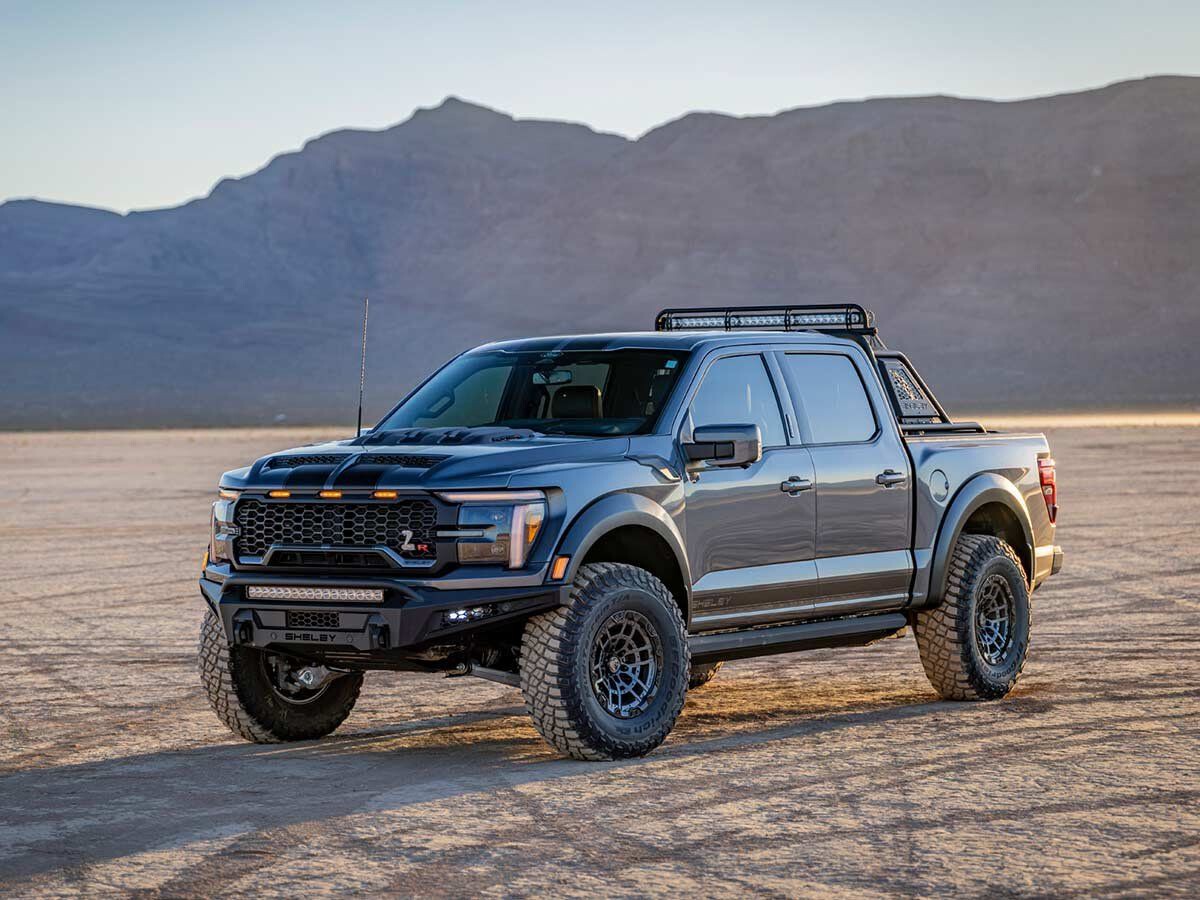
5. Ford F-150 (2015 and Later Models)
The Ford F-150, America’s perennial best-selling truck, has undergone significant cooling system improvements since its 2015 redesign. Recognizing that pickup trucks are often subjected to heavy-duty work, including towing, hauling, and long idling periods, Ford engineers revamped the cooling system to better meet these challenges and reduce overheating risks.
The new system reflects a combination of larger capacity components, smarter controls, and more durable materials.
The radiator size was substantially increased, improving coolant flow and heat dissipation capacity. Ford uses a high-efficiency aluminum radiator core combined with advanced fin designs that maximize heat transfer. The water pump received a major upgrade as well, employing a variable-speed electric motor instead of a traditional belt-driven unit. This allows the pump to deliver coolant precisely according to engine load and temperature demands, reducing parasitic losses and improving overall thermal control.
Multi-speed electric cooling fans provide variable airflow based on engine temperature, vehicle speed, and external ambient conditions. These fans engage quickly when needed, such as during towing or climbing steep grades, ensuring the engine remains within safe operating temperatures. The truck’s engine control module continuously monitors multiple temperature inputs, adjusting fan speed, coolant pump flow, and even fuel-air mixture to prevent overheating.
Truck owners often push their F-150s to extremes, yet many report confidence that the cooling system will manage the heat effectively. Whether running a heavy trailer in summer heat or idling at a worksite, the 2015+ F-150 maintains steady temperatures, avoiding the thermal stress that plagued earlier models.
Regular maintenance, especially timely coolant flushes and inspections, further extends system reliability. This robust cooling system is a crucial factor in why the F-150 remains a top choice for work and play alike.
5 Cars Prone to Cooling Failures
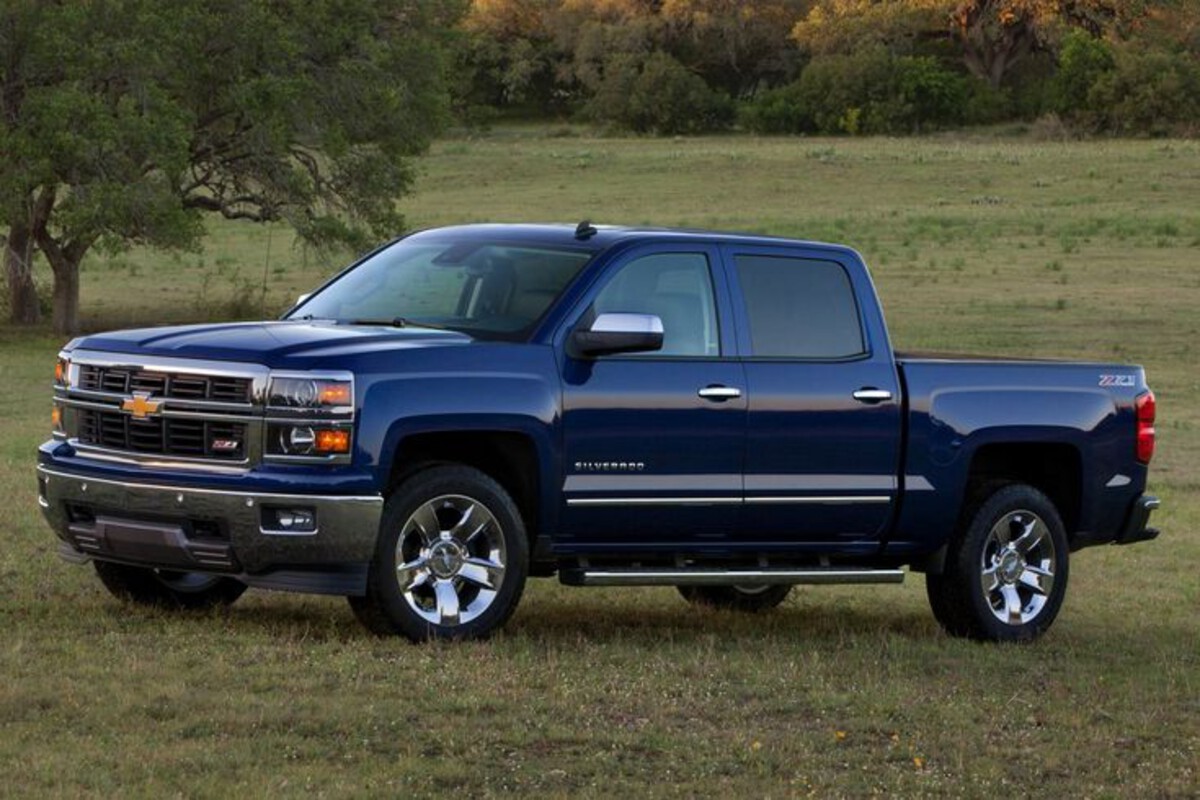
1. Chevrolet Silverado 1500 (2007–2013)
The Chevrolet Silverado 1500 models built between 2007 and 2013 have a well-documented history of cooling system problems that have frequently resulted in overheating. These issues stem from a combination of design shortcomings, material choices, and the high heat output of the truck’s powerful engines. Many owners have experienced radiator failures, water pump malfunctions, and thermostat issues that collectively reduce cooling efficiency.
One of the main problems is the radiator’s susceptibility to corrosion and cracking. The radiators used during these years often had aluminum cores with plastic tanks that were prone to degradation, especially in areas with harsh winters where road salt accelerates corrosion.
Leaks develop over time, allowing coolant to escape and reducing the system’s ability to dissipate heat. Additionally, the water pump designs in these trucks sometimes featured seals and bearings that wore prematurely, leading to coolant leaks and impaired flow.
The Silverado’s robust V8 engines generate significant thermal loads, particularly during towing or heavy hauling. Unfortunately, the cooling system’s capacity and reliability were often insufficient to handle these conditions, leading to frequent overheating episodes reported by owners. The thermostat, responsible for regulating coolant flow based on temperature, sometimes failed by sticking closed, preventing proper circulation and causing rapid temperature increases.
These repeated failures translate into costly repairs — radiator replacements, water pump and thermostat swaps, and sometimes engine damage due to prolonged overheating. While the Silverado remains popular for its performance and towing capabilities, owners of these model years should be prepared for potential cooling system maintenance challenges and remain vigilant for signs of overheating.
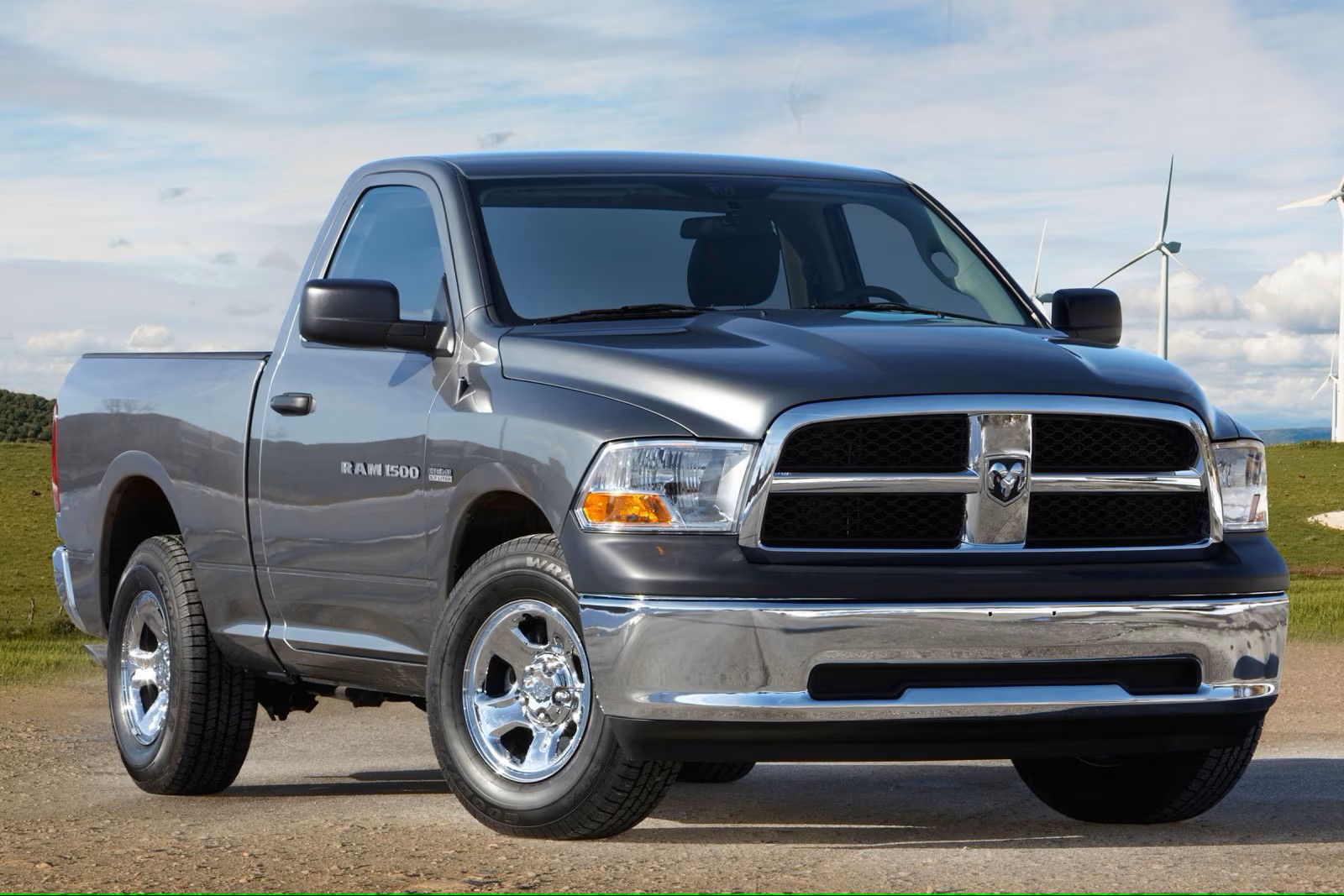
2. Dodge Ram 1500 (2009–2012)
The Dodge Ram 1500 from 2009 to 2012 shares a similar reputation for cooling system difficulties. The trucks in this range were often equipped with the powerful HEMI V8 engine, which produces substantial heat but was paired with cooling components that didn’t always match the thermal demands. This mismatch has led to many owners facing frequent overheating issues and premature cooling system part failures.
Water pumps and thermostats in these Rams have been frequent points of failure. When water pumps seize or leak, coolant circulation drops sharply, causing rapid temperature rises. Likewise, malfunctioning thermostats that remain closed or partially closed can cause overheating within minutes of operation. The cooling fans, sometimes controlled by faulty temperature sensors, have also been known to fail or not engage at the correct times.
The radiator design in these trucks has also been criticized for being under-engineered relative to the truck’s power output and thermal needs. Plastic end tanks on aluminum radiators are prone to cracking under thermal cycling, leading to leaks and coolant loss. Additionally, hoses and connectors sometimes degrade prematurely, allowing air into the system and reducing its effectiveness.
Owners often recount stories of unexpected overheating during everyday driving, especially in stop-and-go traffic or during towing. The cumulative cost of repeated repairs, including water pumps, thermostats, radiators, and sometimes head gasket replacements, has made these years of Ram 1500 less desirable for buyers focused on reliability. Diligent maintenance can mitigate some risks, but the underlying design challenges remain.
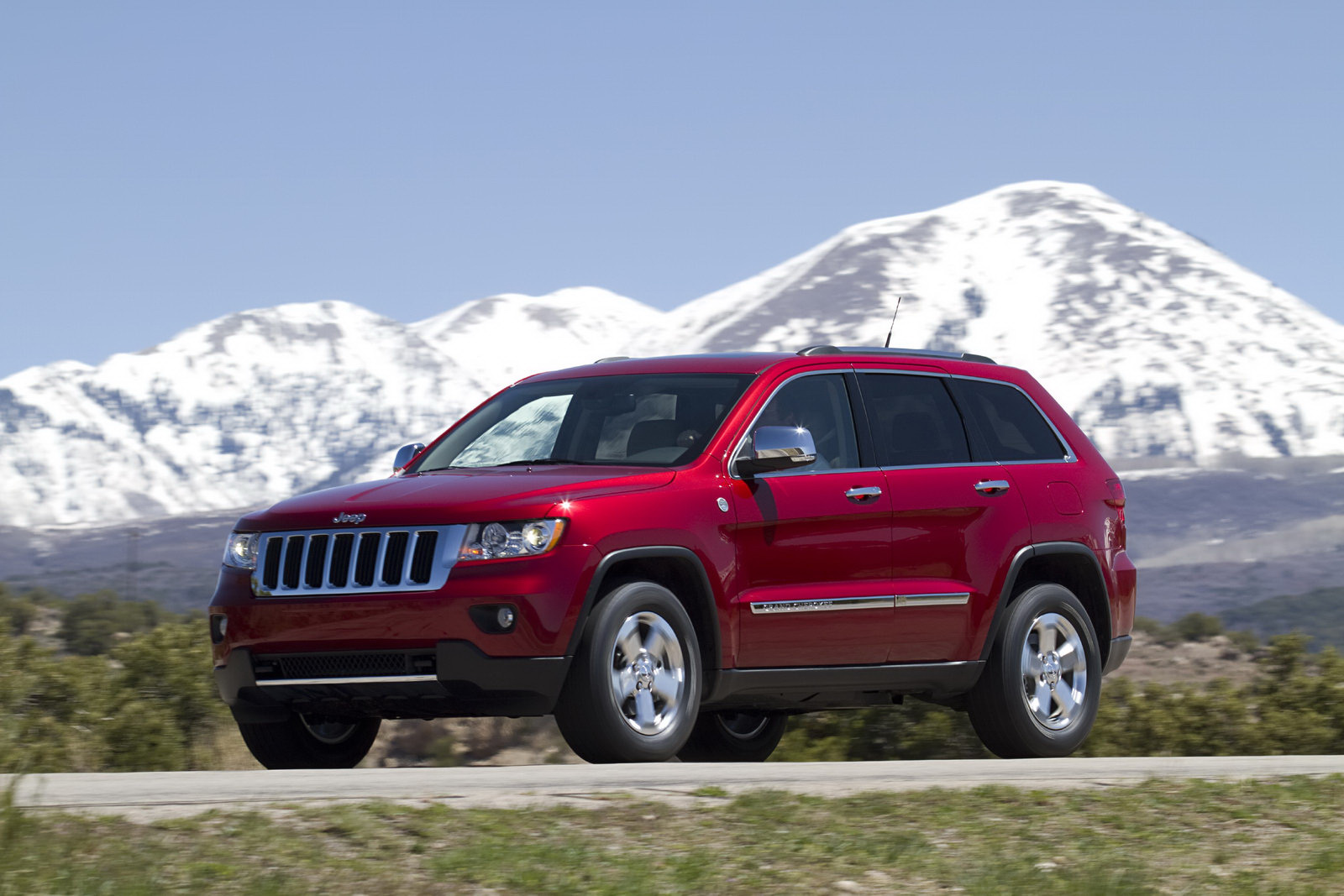
3. Jeep Grand Cherokee (2011–2013)
The Jeep Grand Cherokee models produced between 2011 and 2013 experienced numerous cooling system-related issues, leading to frequent overheating complaints and costly repairs. These SUVs were equipped with engines that produced substantial heat but suffered from cooling system components that often failed prematurely or were vulnerable to corrosion and wear.
Radiator leaks are a common problem, often caused by corrosion of aluminum cores or plastic tanks cracking under stress. The water pumps in these vehicles are also a frequent failure point, sometimes due to inferior bearings or seals that deteriorate with heat and time. Thermostats occasionally malfunction, sticking closed and blocking coolant flow through the radiator, which causes rapid overheating.
The Grand Cherokee is often driven in off-road conditions or in environments where the engine is put under high thermal stress, such as climbing hills or towing. Unfortunately, the cooling system on these model years was sometimes inadequate to manage these loads, leading to overheating and engine damage if not addressed quickly. Road salt and contaminants accelerate corrosion, worsening the radiator’s vulnerability in colder climates.
Owners frequently report multiple cooling system repairs within a few years of ownership, leading to a negative perception of reliability during this period. Proper and timely maintenance, including coolant flushes and component inspections, can help reduce failure risks, but cannot fully compensate for the system’s inherent weaknesses. For those considering a used Grand Cherokee from these years, a thorough cooling system inspection is crucial.
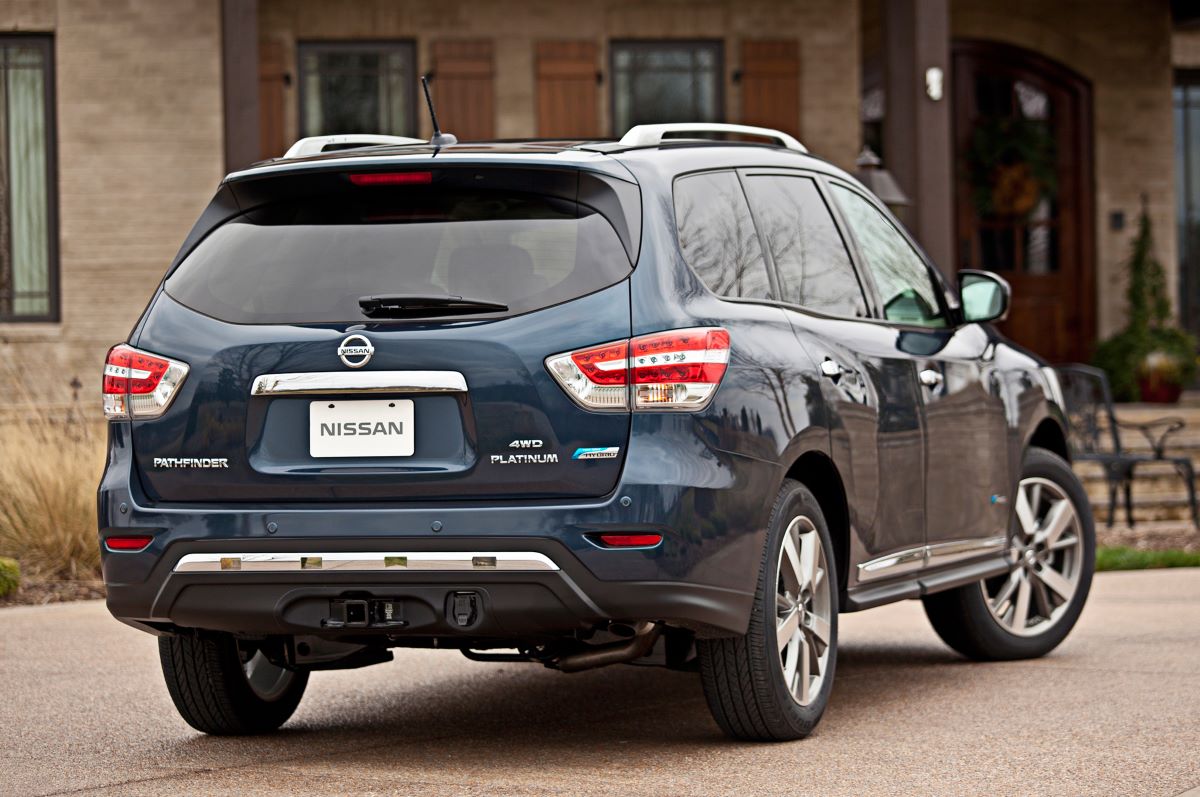
4. Nissan Pathfinder (2005–2012)
The Nissan Pathfinder, especially models from 2005 to 2012, is another SUV with a notable pattern of cooling system problems that often lead to overheating. The Pathfinder’s cooling system in these years utilized materials and designs that sometimes fell short in durability and thermal management, contributing to leaks, component failures, and insufficient heat dissipation.
Radiators in these vehicles often suffer from corrosion-related leaks, especially in regions with aggressive road salt use. The aluminum cores with plastic end tanks were prone to cracking, reducing coolant volume and pressure. Water pump failures are also common, with worn seals causing leaks or pump impellers failing to circulate coolant effectively.
The thermostat design has been criticized for occasional sticking, which blocks coolant flow and causes rapid overheating. Since the Pathfinder’s V6 engine produces a significant amount of heat, particularly under load or towing conditions, any restriction in coolant circulation can quickly lead to dangerous temperature rises.
Owners report overheating issues even in normal driving conditions, such as stop-and-go city traffic or moderate hill climbs, suggesting the system’s margin for error is quite narrow. Prolonged overheating has sometimes resulted in severe engine damage, including warped cylinder heads and blown head gaskets, leading to expensive repairs or engine replacements.
Although the Pathfinder is known for ruggedness and off-road capability, these cooling system vulnerabilities detract from its reliability. Prospective buyers should conduct thorough inspections and consider upgrading or replacing cooling components proactively to avoid overheating problems.
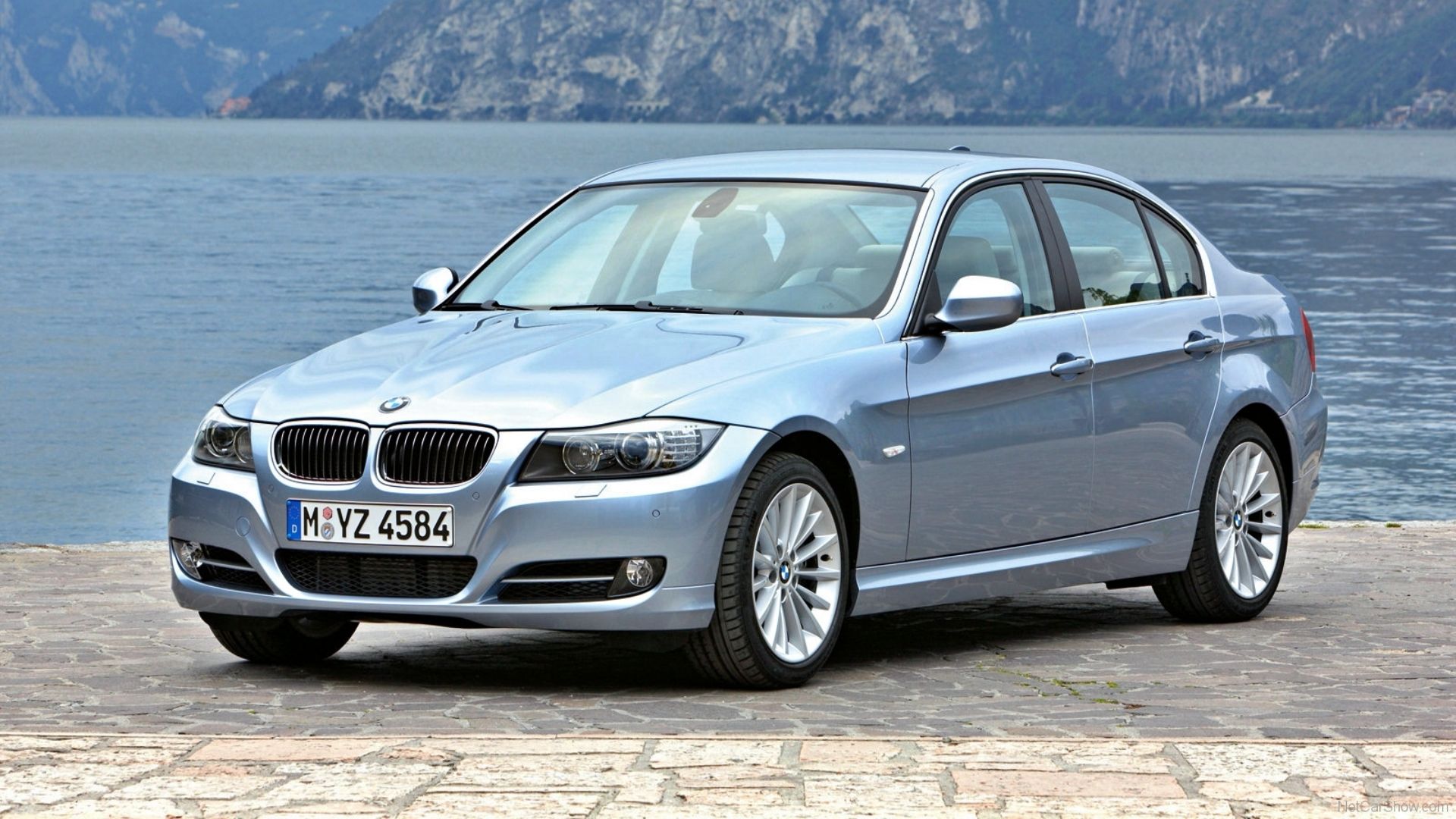
5. BMW 3 Series (E90 Generation, 2006–2011)
The BMW 3 Series E90 generation, covering model years 2006 to 2011, is celebrated for its driving dynamics and luxury, but has a notorious reputation for cooling system issues that often lead to overheating.
BMW’s high-performance inline-six engines in these cars generate considerable heat, which demands a robust and fault-tolerant cooling system — unfortunately, some components in the E90 fall short.
A major weakness is the plastic impeller used in the water pump, which can crack or break, leading to reduced coolant flow. When the water pump fails, the engine temperature can spike quickly, sometimes without warning.
Additionally, the plastic thermostat housings can crack or leak, causing coolant loss and overheating. The radiator and cooling fans have also been sources of problems, with fans sometimes failing to activate at the right temperatures.
Because BMW uses high-pressure cooling systems and tight temperature tolerances, any small leak or component failure can escalate into overheating issues. Furthermore, the coolant sensors, critical for fan control and temperature monitoring, sometimes malfunction, preventing the system from responding correctly to rising temperatures.
Owners of the E90 series often face unexpected cooling system repairs, which can be costly due to the complexity and premium nature of BMW parts. Preventive maintenance, including regular coolant changes and proactive replacement of the water pump and thermostat, is essential to prevent overheating. Despite these issues, many owners cherish the E90 for its driving experience, but they accept the cooling system as a maintenance challenge inherent to the model.
Also Read: Top 10 Most Reliable Used Cars You Can Buy for Under $10,000 in 2025
Choosing a vehicle with a reliable cooling system can save owners from headaches, expensive repairs, and the stress of roadside breakdowns. Cars like the Toyota Camry, Honda Accord, Subaru Outback, Lexus RX, and Ford F-150 demonstrate how thoughtful design, quality materials, and advanced controls result in thermal management systems that effectively prevent overheating under diverse conditions.
Conversely, vehicles like the Chevrolet Silverado (2007–2013), Dodge Ram 1500 (2009–2012), Jeep Grand Cherokee (2011–2013), Nissan Pathfinder (2005–2012), and BMW 3 Series E90 generation reveal how design compromises, material weaknesses, and insufficient cooling capacity can make overheating a persistent problem.
Understanding these differences empowers buyers to make informed choices, encourages owners to follow maintenance best practices, and highlights the importance of cooling system innovations in automotive engineering. After all, a well-cooled engine is the foundation of reliable and enjoyable driving.
