
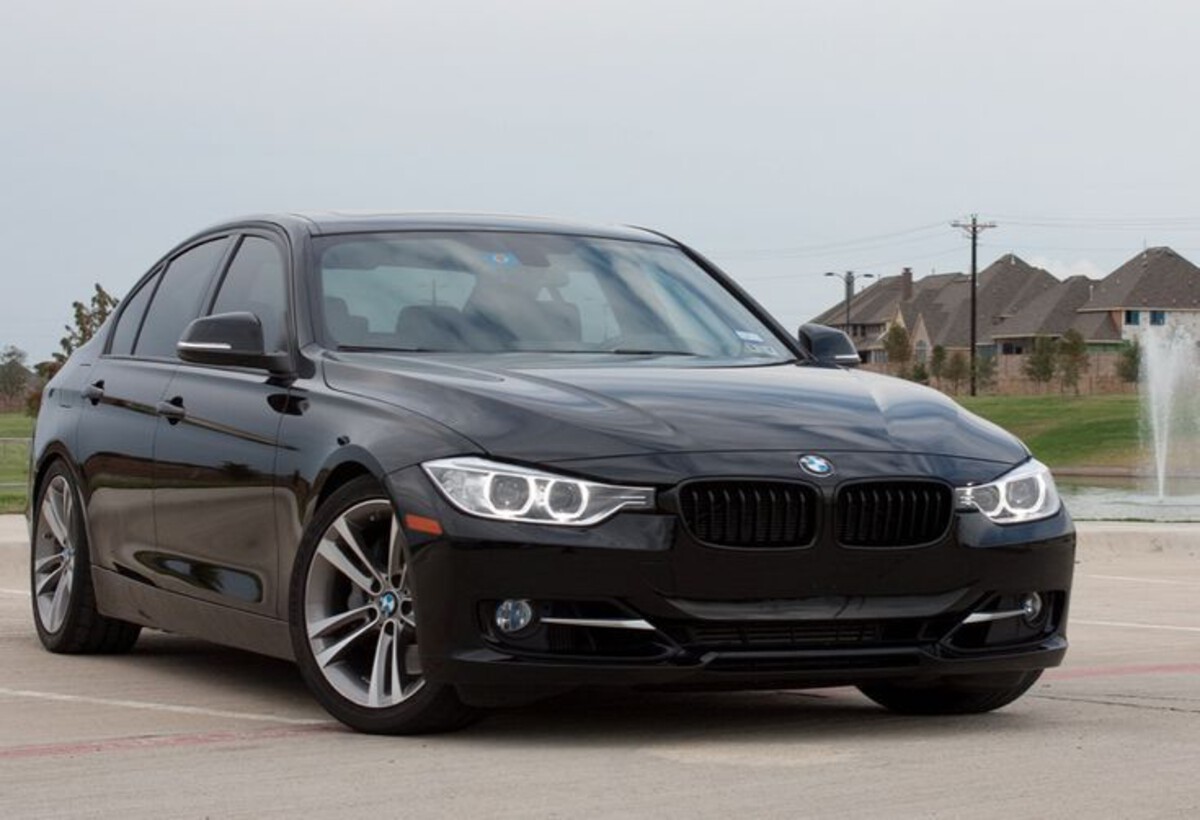
In the ever-evolving world of automobiles, the debate between manual and automatic transmissions remains a compelling topic among car enthusiasts, mechanics, and everyday drivers alike.
While automatic transmissions have become the standard in many modern vehicles due to their convenience and ease of use, manual transmissions still hold a special place in the hearts of drivers who appreciate the tactile engagement and mechanical simplicity of rowing through gears.
Beyond driving preference, however, lies a crucial factor that affects long-term ownership: reliability. A vehicle’s transmission system plays a vital role in performance, fuel economy, and overall maintenance costs, and its durability—or lack thereof—can make or break the reputation of a car.
Manual transmissions are often praised for their longevity and straightforward design. With fewer components, simpler mechanics, and less reliance on electronics, manual gearboxes are typically easier and cheaper to repair, making them a favorite among DIY enthusiasts and budget-conscious buyers.
Some manual models have earned legendary status for their bulletproof performance, racking up hundreds of thousands of miles with minimal issues.
Conversely, while automatic transmissions have advanced significantly over the years, they also come with a more complex setup. Modern automatics often include torque converters, clutches, planetary gear sets, and a maze of sensors and solenoids. When designed and built well, they can provide smooth and seamless driving.
But when corners are cut in engineering or production, the result can be costly repairs, frequent breakdowns, and unhappy owners. Some automatics have gained notoriety for persistent gearbox issues, leaving drivers with hefty repair bills and diminished resale value.
In this article, we will explore five manual cars that have proven to be paragons of reliability, vehicles that have stood the test of time with dependable gearboxes and loyal followings. In contrast, we’ll also dive into five automatic models that, despite initial appeal, have been plagued by persistent gearbox issues, often leaving owners frustrated and financially burdened.
Whether you’re considering a used vehicle or simply fascinated by the mechanical integrity of different transmissions, this comparison sheds light on one of the most critical components of automotive design and ownership experience.
Also Read: 5 SUVs That Keep the Kids Safe for Years and 5 That Constantly Break
Five Manual Cars Known for Reliability
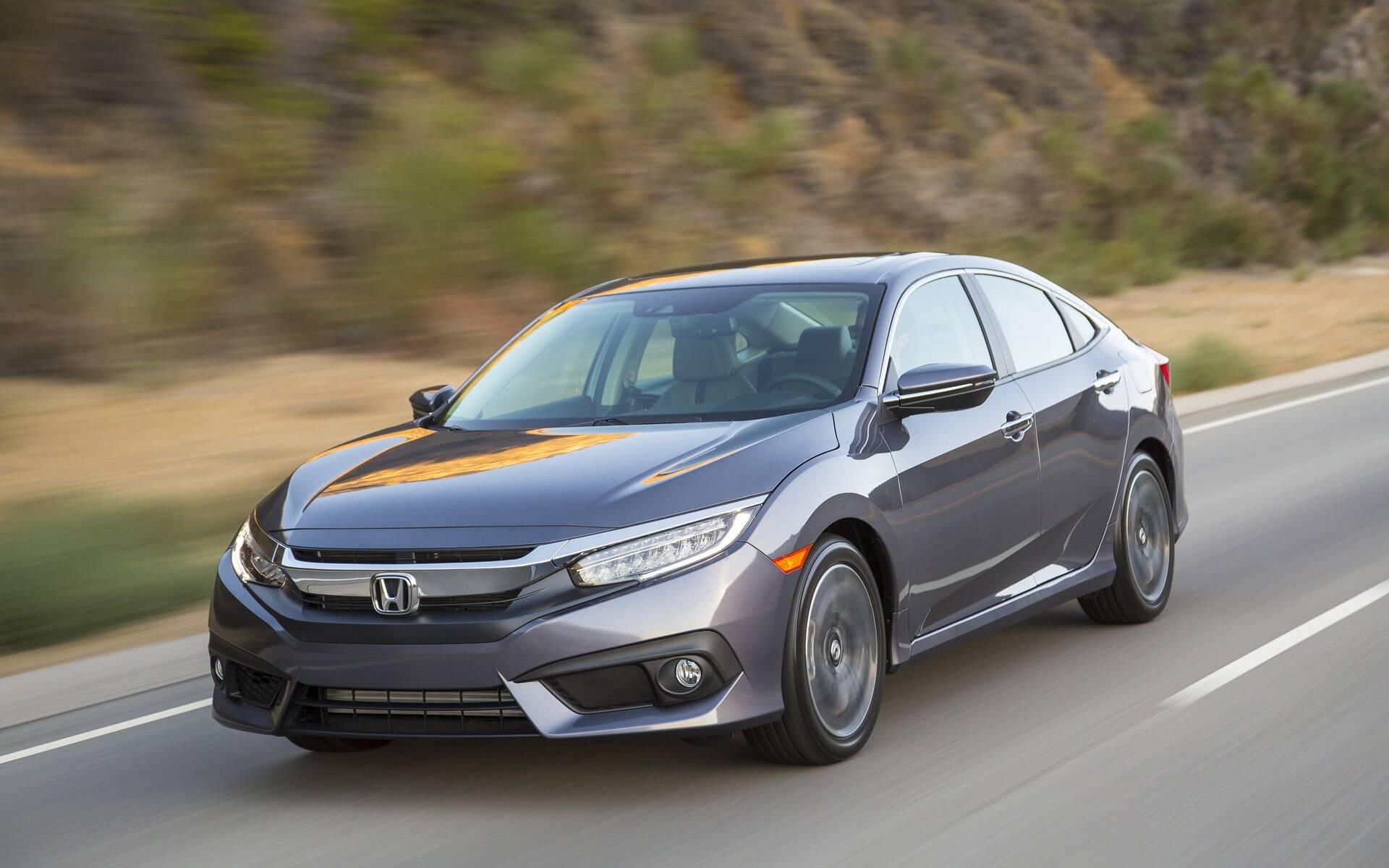
1. Honda Civic (2000s–2010s Manual Models)
The Honda Civic has long been a hallmark of reliability, and its manual versions from the 2000s and 2010s are especially revered for their resilience. These vehicles are often praised not only for their fuel efficiency and well-balanced handling but also for their straightforward, long-lasting 5- or 6-speed manual gearboxes.
The transmission in these Civics is simple yet effective, making it ideal for those who enjoy driving without worrying about long-term repairs.
Whether it’s the eighth-generation Civic Si or a standard LX with a manual, the gearbox engages with satisfying precision and rarely develops significant issues if maintained properly. Enthusiasts often point out that the clutch life can exceed 150,000 miles under normal use, and gear synchros show minimal wear over time.
One of the key advantages of the manual Civic is its ease of maintenance. Gearbox oil changes are simple, and clutch replacement is relatively inexpensive compared to automatic counterparts.
Many owners report hitting over 200,000 miles with no major transmission service—just fluid changes and occasional clutch replacements. Even in high-mileage examples, the gearbox often remains tight and responsive.
Mechanics frequently point to the Civic’s manual transmission as a textbook example of Honda engineering at its best: clean, efficient, and engineered for durability.
Even in more spirited models like the Civic Si, the manual gearbox holds up well under more aggressive driving conditions. For people looking for a budget-friendly, low-maintenance daily driver with a reliable manual transmission, the Honda Civic remains a top-tier option.
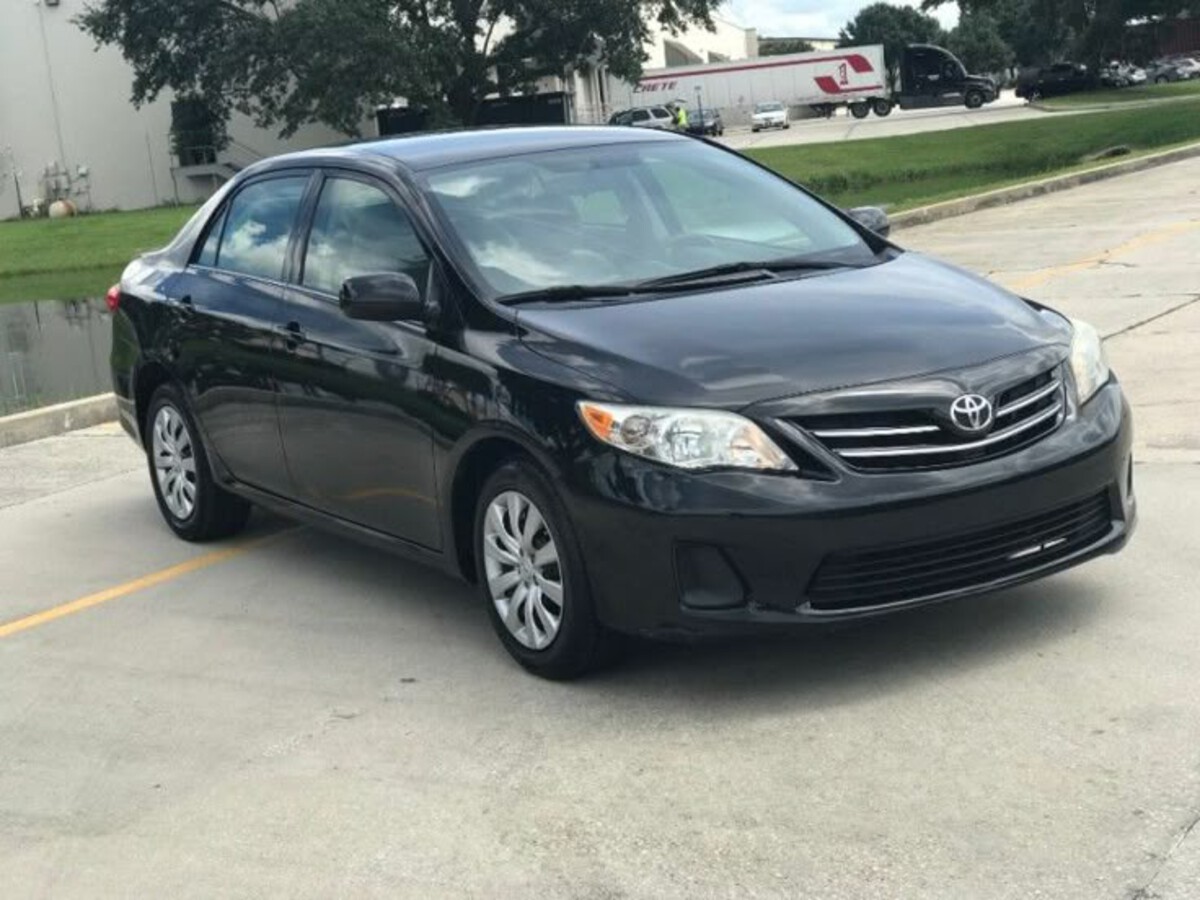
2. Toyota Corolla (1990s–2010s Manual Variants)
When it comes to long-lasting, low-maintenance vehicles, the Toyota Corolla is often at the top of the list. While most Corolla models were sold with automatics, those who opted for the manual version got a compact car with rock-solid mechanical reliability—and an exceptionally durable gearbox.
Toyota’s manual transmission in the Corolla is often described as “bulletproof.” It doesn’t have the same sporty feel as a Honda Civic’s, but it’s dependable, consistent, and forgiving for new drivers.
This gearbox was designed to last, with minimal wear even after high mileage. With proper clutch and fluid maintenance, owners regularly report surpassing 200,000 miles without a hitch.
The simplicity of Toyota’s manual transmission system is what makes it so reliable. It lacks complicated electronics, and the mechanical linkages are robust.
It’s also less prone to overheating or erratic behavior in traffic compared to automatics. For those driving in hilly or mountainous areas, the manual Corolla is often the preferred choice due to better control and fewer transmission overheating risks.
Another noteworthy point is cost-effectiveness. Replacing or repairing parts in the manual gearbox is far cheaper than addressing issues in an automatic, particularly CVTs. This, combined with Toyota’s legendary build quality, creates a car that’s ideal for budget-conscious drivers who want peace of mind for the long haul.

3. Mazda MX-5 Miata
Few cars embody the spirit of manual driving better than the Mazda MX-5 Miata. Known for its lightweight, balanced handling, and driver engagement, the Miata also boasts an exceptionally reliable manual transmission.
Whether you’re driving an early NA model from the ’90s or a more modern ND, the 5- or 6-speed manual gearbox is almost always flawless.
The manual transmission in the Miata is known for its crisp, short throws and buttery engagement. But beyond the driving feel, it is mechanically robust. Many Miatas have been tracked and pushed hard for decades, yet the gearbox rarely complains. It can take daily abuse, autocross weekends, and spirited canyon carving with remarkable durability.
The reliability comes down to Mazda’s careful engineering and minimalistic design. There are fewer components to break, and the parts used are well-built. Gear synchros hold up well, and clutch components, while consumable, are easy to replace and relatively inexpensive. Even under aggressive use, Miatas seldom develop transmission issues unless severely neglected.
Miata forums and owners’ groups are full of stories of gearboxes lasting 250,000 miles or more. That kind of longevity, paired with the car’s low weight and ease of repair, makes the Miata one of the most dependable manual sports cars on the market. It’s a car that rewards the driver and respects the owner’s wallet.
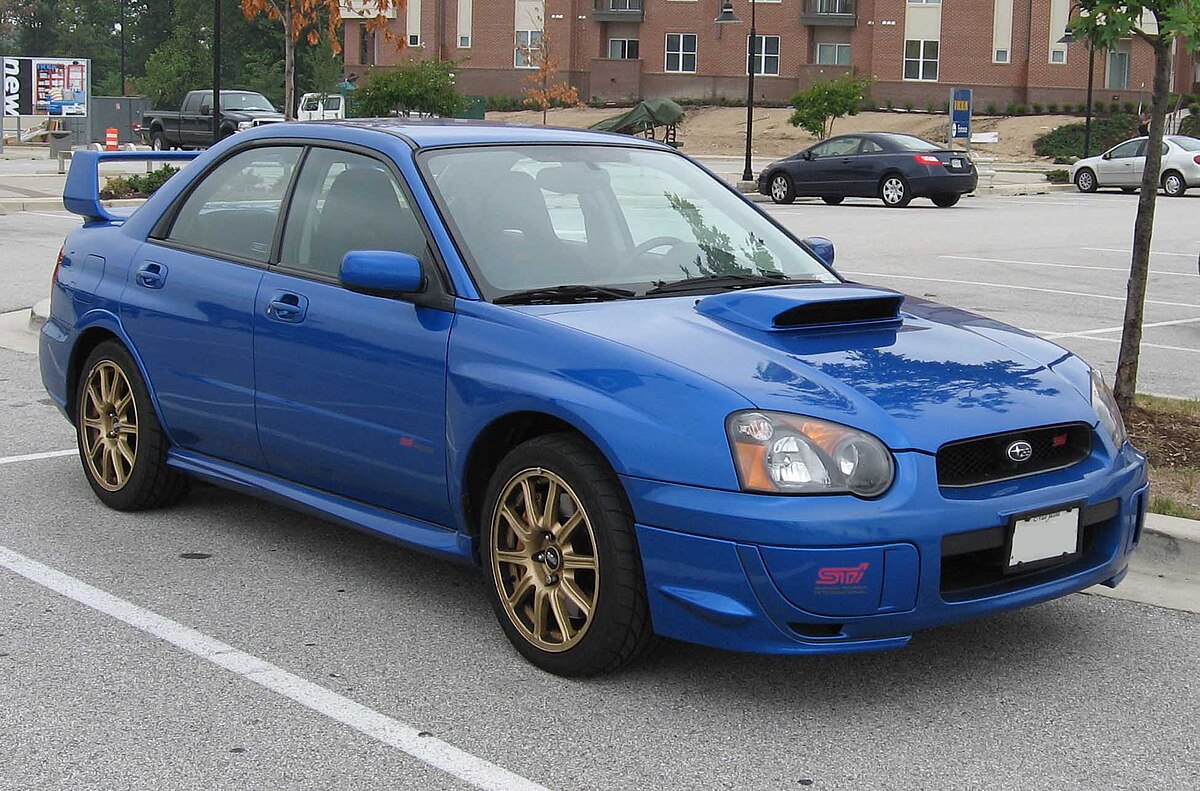
4. Subaru Impreza WRX (Early 2000s Manual Versions)
While Subaru has had its ups and downs in reliability, the early 2000s Impreza WRX models equipped with manual transmissions are widely respected for their stoutness, particularly when not abused.
The 5-speed manual transmission found in these models was capable of handling significant power and torque, especially in stock configurations.
In its early years, the WRX provided a unique combination of all-wheel drive, turbocharged performance, and manual engagement at a relatively accessible price point.
The gearbox in these cars, while not the most refined in feel, is strong when maintained properly. It’s simple in construction and more tolerant of modifications than many automatics in the same segment.
One of the main advantages of this transmission was its mechanical nature. It gave drivers full control over power delivery, particularly beneficial in adverse weather conditions or performance driving. Though hard launches and extreme tuning could reduce its lifespan, stock WRX manuals that were driven responsibly often exceeded 200,000 miles without major issues.
Another selling point is the community and aftermarket support. Parts are easy to find, and maintenance is straightforward.
Owners who stick to regular fluid changes and responsible driving habits rarely run into major gearbox problems. For those seeking a fun, manual AWD car with solid long-term reliability, the early WRX remains a strong contender.
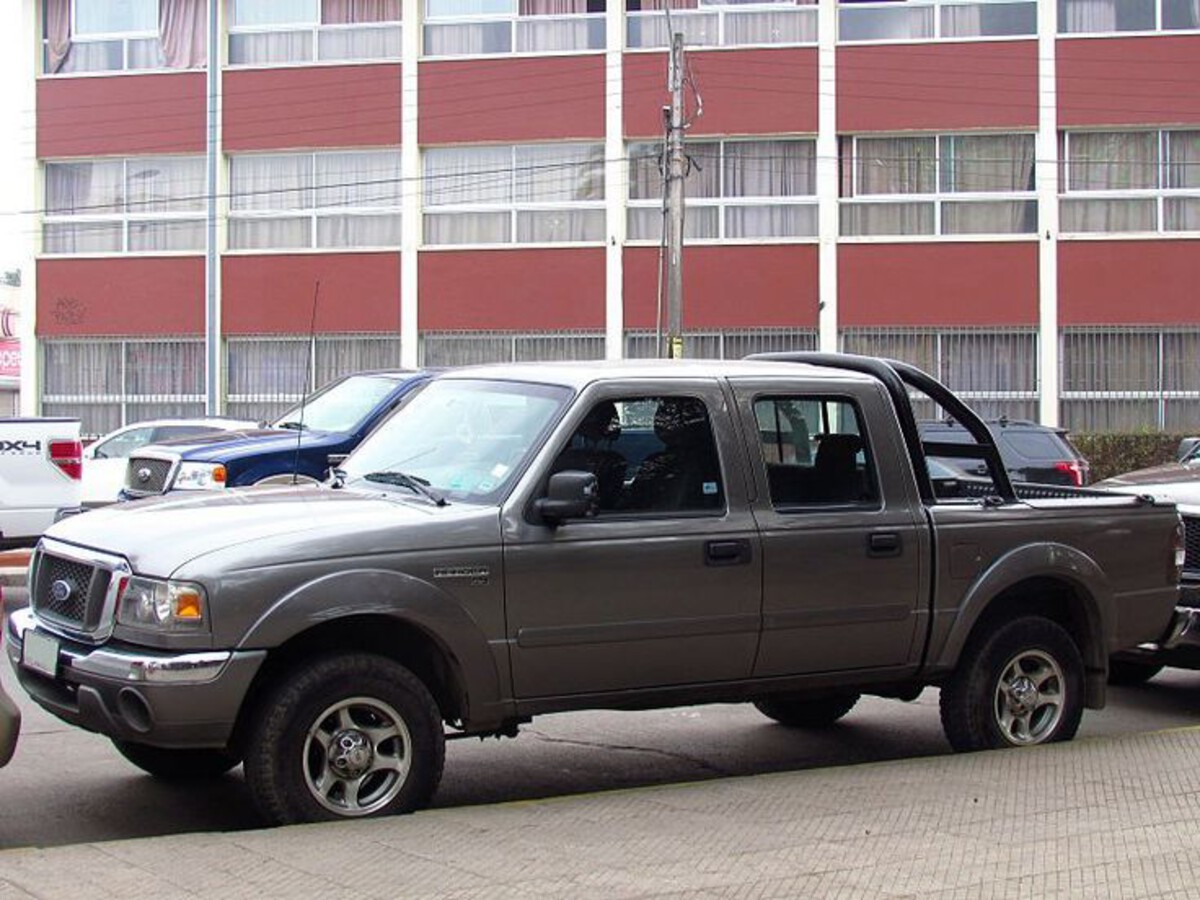
5. Ford Ranger (Manual Versions from the 1990s–2000s)
In the world of compact pickup trucks, the Ford Ranger with a manual transmission has built a reputation for toughness and simplicity. The 5-speed manual gearbox found in these trucks, particularly the Mazda-sourced M5OD, is often considered one of the most durable ever used in a small truck.
The Ranger manual transmission is known for surviving hard work and abuse. Whether it’s hauling, off-roading, or just commuting, the gearbox rarely fails unless it’s catastrophically neglected.
Owners report clocking well over 250,000 miles with little more than clutch replacements and occasional fluid servicing. The robust design and straightforward mechanics make it an ideal choice for those who prioritize durability.
One key benefit of the Ranger’s manual transmission is how easily it can be serviced or replaced. Parts are plentiful, and many backyard mechanics can perform repairs themselves. In comparison, the automatic versions of the Ranger have had more frequent issues related to shift solenoids and torque converter failures.
While not as refined or engaging as a sports car’s gearbox, the Ranger’s manual delivers where it matters: consistent, long-term reliability. For drivers who want a workhorse that won’t quit—and who don’t mind using a clutch—the manual Ranger is a proven choice.
Five Automatic Cars With Notorious Gearbox Issues
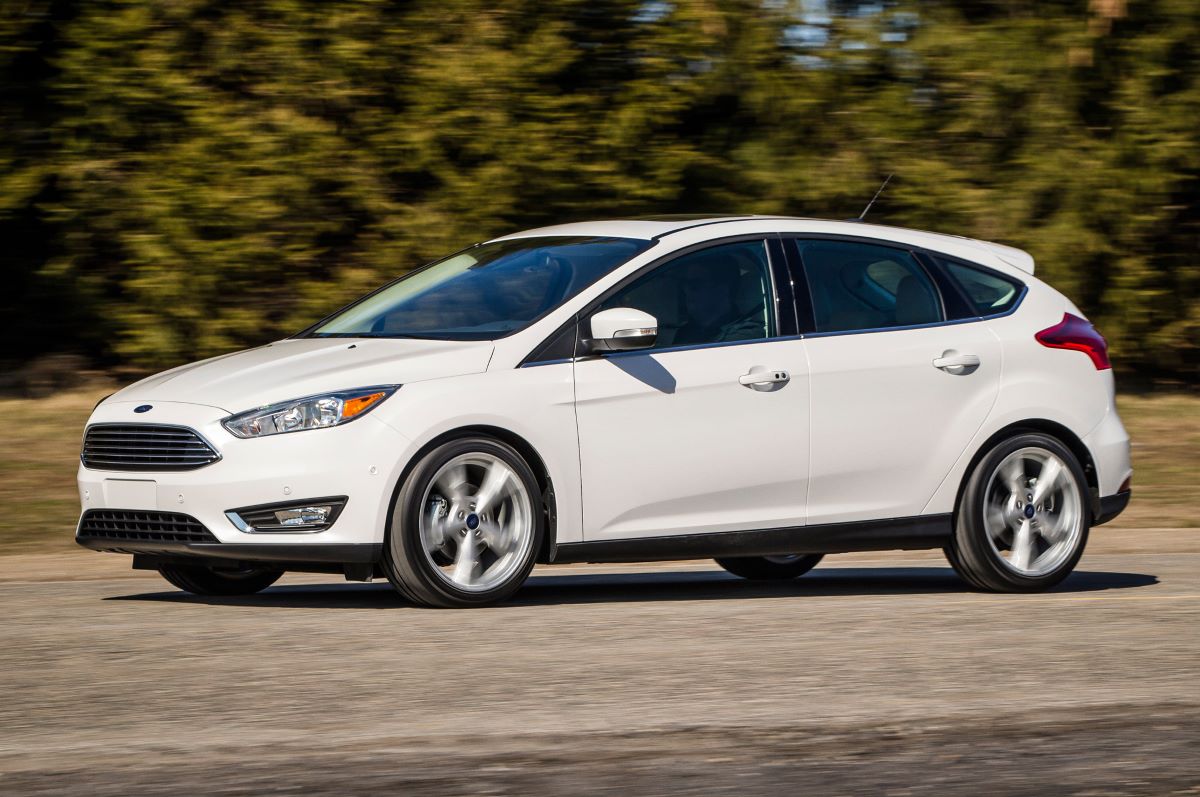
1. Ford Focus (2012–2016 Dual-Clutch Automatic Transmission)
Few modern vehicles have faced as much public backlash for transmission issues as the 2012–2016 Ford Focus equipped with the PowerShift dual-clutch automatic transmission.
On paper, this innovative gearbox was supposed to blend the fuel efficiency of a manual with the ease of an automatic. However, in real-world driving, the transmission became infamous for its jerky performance, frequent failures, and costly repairs.
The dual-clutch system in the Focus was essentially two manual transmissions controlled electronically. This setup is efficient in theory, but Ford’s execution left much to be desired.
Many drivers reported shuddering during acceleration, hesitation when shifting, and unpredictable stalling at low speeds. What made matters worse was the inconsistency—some vehicles worked fine for years, while others started failing within a few thousand miles. This inconsistency frustrated owners and made resale values plummet.
The problem boiled down to faulty clutch packs, poor software calibration, and defective control modules. Ford issued multiple software updates and technical service bulletins in an effort to fix the issues, but many cars continued to suffer from the same problems.
Extended warranties and class-action lawsuits followed, yet the reputation damage had already been done. Some owners endured repeated visits to the dealership, often without a permanent solution. It was not uncommon to hear stories of multiple transmission replacements within the first 100,000 miles.
Mechanics and automotive journalists often use the 2012–2016 Focus as a cautionary tale about the risks of overengineering and cost-cutting. While Ford attempted to modernize its compact car with cutting-edge technology, it ended up alienating many loyal customers.
The PowerShift transmission severely undercut the appeal of what was otherwise a practical and stylish car. Today, the affected Focus models are often avoided in the used car market due to the potential for costly and recurring transmission failures.
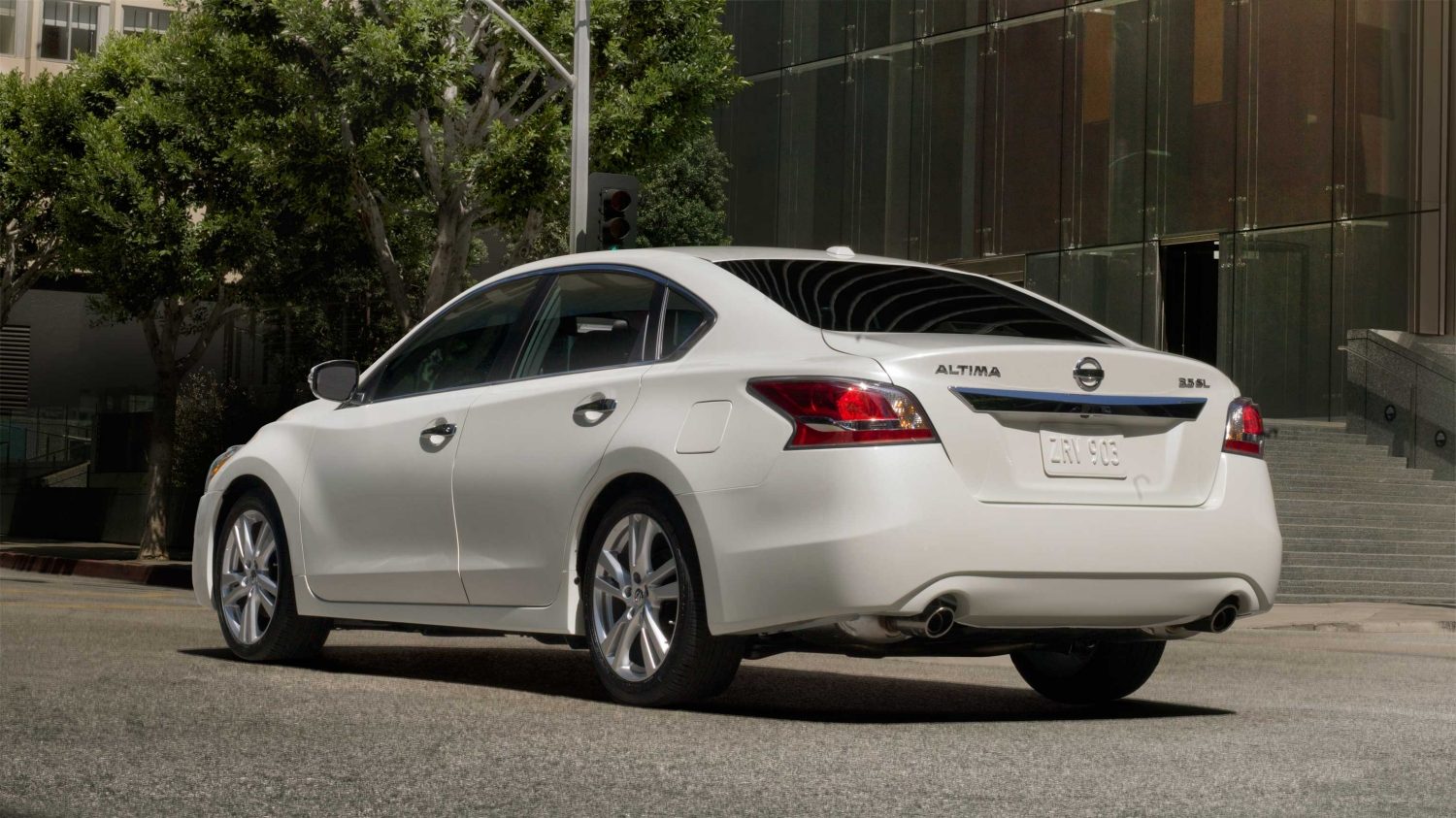
2. Nissan Altima (2013–2018 Models with CVT Transmission)
The Nissan Altima has long been a staple in the midsize sedan market, but models from 2013 to 2018 equipped with Continuously Variable Transmissions (CVTs) have developed a troubled reputation for gearbox failures. Nissan was among the early adopters of CVT technology in mainstream vehicles, aiming to improve fuel economy and reduce emissions. Unfortunately, reliability did not follow suit.
Many Altima owners began to report issues such as delayed acceleration, slipping sensations, and a droning engine noise caused by the CVT holding constant revs. In more severe cases, the transmission would overheat or fail outright, sometimes leaving drivers stranded.
Unlike conventional automatics, CVTs use a system of belts and pulleys instead of gears, which makes them more sensitive to fluid quality, heat, and software calibration. In Nissan’s case, the design and cooling system proved inadequate under real-world conditions, especially in hot climates or hilly terrain.
While Nissan attempted to address the issues with software updates and revised components, the problems persisted in many cases. The company extended the CVT warranty for some models, but owners still faced expensive repairs once the coverage expired.
In some instances, complete transmission replacements were needed before 100,000 miles—a major red flag in terms of long-term reliability. These problems significantly affected consumer confidence and led to multiple class-action lawsuits in North America.
CVTs are already controversial among driving enthusiasts due to their unnatural feel and lack of responsiveness, but the Altima’s problems went far beyond mere preference.
They reflected deeper engineering and durability concerns that hurt Nissan’s reputation across its lineup. While newer models have reportedly improved, the stigma from this generation remains, making used Altimas from 2013–2018 a risky choice for budget-minded buyers seeking trouble-free ownership.
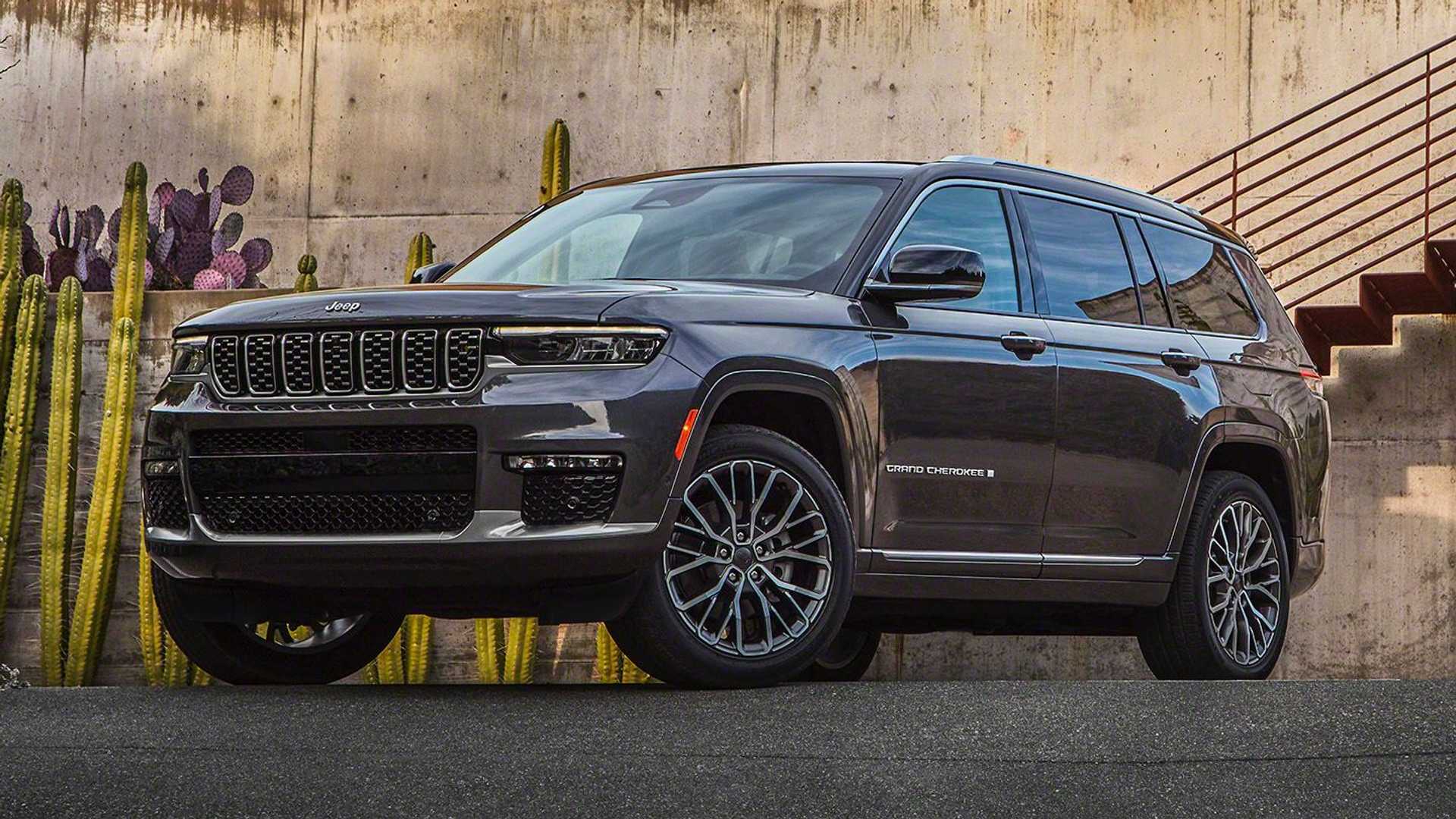
3. Jeep Cherokee (2014–2017 with 9-Speed Automatic Transmission)
When Jeep introduced the 2014 Cherokee with a brand-new 9-speed ZF automatic transmission, expectations were high. The advanced gearbox promised smooth performance and improved fuel efficiency.
But instead of praise, the Cherokee was met with a wave of criticism and customer complaints about harsh shifting, lurching between gears, and complete gearbox failures.
The core issue wasn’t necessarily the hardware itself—the ZF 9-speed is used in other vehicles with more success—but how Jeep integrated it. Poor software calibration, mismatched engine-transmission communication, and rushed implementation created a host of problems.
Drivers complained of unexpected downshifts, delayed engagement from a stop, and erratic gear hunting at highway speeds. In some cases, the transmission would shift into neutral while driving, causing safety concerns and warranting recalls.
Despite multiple software updates and technical service bulletins issued by Jeep, many owners continued to experience transmission problems long after their vehicles left the showroom floor. The reprogramming often provided only temporary relief, and several owners reported repeated trips to the dealership without a definitive fix. Additionally, transmission replacements were not uncommon, and even newer units sometimes exhibited the same behavior as the originals.
The 9-speed Cherokee became emblematic of Fiat Chrysler’s quality control struggles during that period. While the SUV itself offered solid off-road capability and a comfortable ride, the flawed transmission integration overshadowed its merits.
Mechanics often caution buyers to avoid these model years altogether, especially when considering a used purchase. In the competitive SUV market, where reliability can make or break a model’s success, the Cherokee’s transmission woes significantly damaged its long-term credibility.
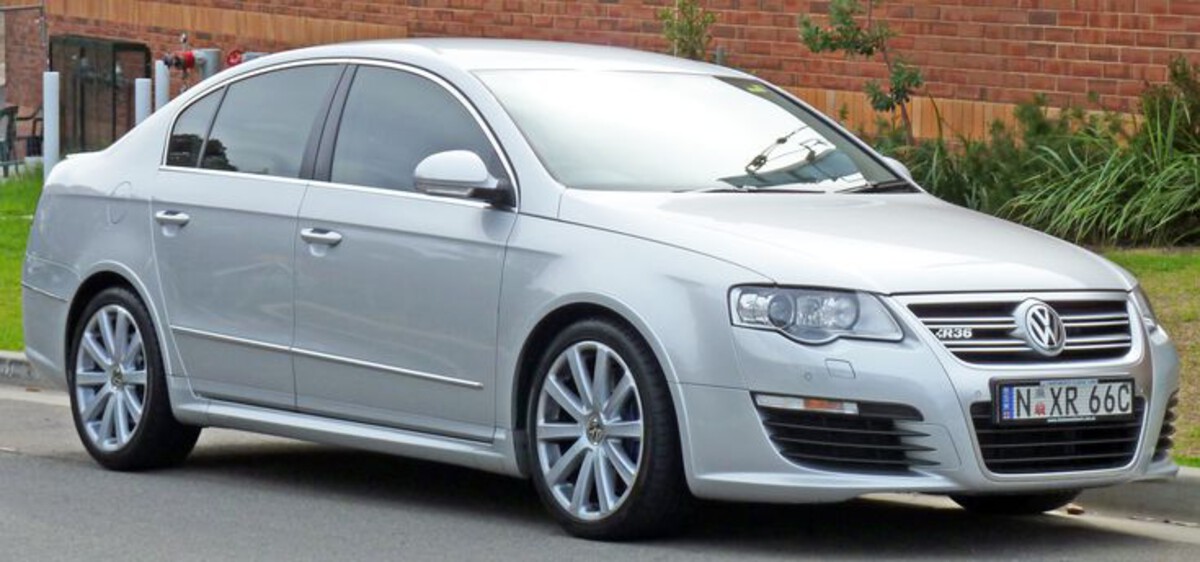
4. Volkswagen Passat (2010–2015 DSG Transmission in TDI Models)
Volkswagen’s Direct Shift Gearbox (DSG) transmission—especially in 2010–2015 Passat TDI models—was marketed as a high-tech, fuel-efficient alternative to traditional automatics.
While the DSG provided quick shifts and sporty performance, it also brought significant reliability concerns, particularly as the miles piled up. The complexity of the dual-clutch setup, combined with limited tolerance for fluid degradation and heat, led to an array of transmission issues.
One of the most common complaints was rough or jerky shifting, especially at low speeds or when coming to a stop. The DSG was notorious for hesitating before engaging from a standstill, creating a delay that frustrated many drivers.
In more serious cases, the mechatronic control unit—a key component that manages gear selection and clutch operation—would fail, requiring expensive repairs or full replacement. Volkswagen recommended strict service intervals, but even well-maintained units could develop problems prematurely.
These issues were compounded in the diesel-powered TDI variants, where the high torque loads placed additional stress on the DSG.
While the TDI engine itself was efficient and durable, the transmission often became the weak link. Owners who drove primarily in stop-and-go traffic were especially affected, as the DSG’s design was better suited to highway cruising and spirited driving than urban commuting.
Volkswagen attempted to address some of the issues with updated mechatronic units and revised software, but the dual-clutch design remained sensitive to wear and usage patterns. As these vehicles aged, more and more owners faced expensive out-of-pocket repairs once warranties expired.
While the Passat TDI may still attract buyers for its fuel efficiency and torque-rich performance, the DSG-equipped models from this era are often avoided by those prioritizing long-term reliability and lower maintenance costs.
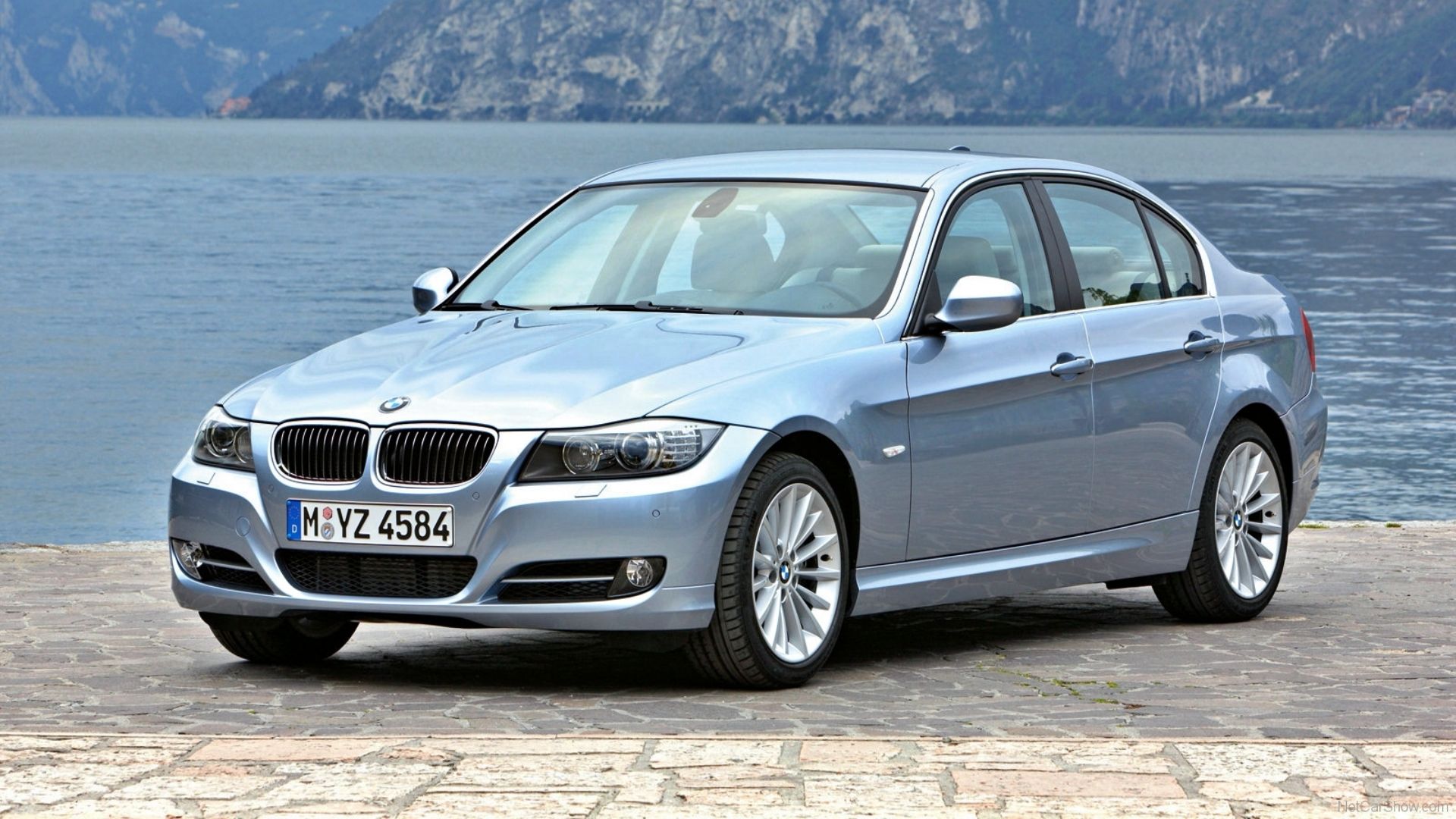
5. BMW 3 Series (2006–2012 E90 with GM 6-Speed Automatic)
The BMW E90 3 Series (2006–2012) is often praised for its driving dynamics and balanced chassis, but models equipped with the GM-sourced 6L45 6-speed automatic transmission have developed a reputation for problematic performance over time.
While BMW’s marketing touted precision German engineering, this particular gearbox brought more frustration than finesse for a significant number of owners.
One of the biggest issues with the 6L45 transmission was harsh or delayed shifting, especially during cold starts or after long drives. Over time, many drivers reported rough downshifts, hesitation during acceleration, or gear slipping.
In some cases, the transmission would fail to engage properly, entering a “limp mode” to prevent further damage. These problems often stemmed from degraded transmission fluid and worn valve bodies—components that are not easy or cheap to repair.
Part of the problem was BMW’s “lifetime fluid” claim, which discouraged regular transmission fluid changes. In reality, the fluid in these units would degrade well before the end of the car’s life, leading to internal wear and heat-related damage.
For owners who followed the manufacturer’s maintenance guidelines, the result was often an expensive transmission overhaul or complete failure by 100,000–120,000 miles. Independent mechanics frequently recommend fluid changes every 50,000 miles, but this advice came too late for many first owners.
While the 3 Series remains a compelling used car for driving enthusiasts, those equipped with this specific automatic transmission present a gamble. Enthusiasts often advise opting for the manual transmission versions instead, which tend to be more durable and engaging.
The automatic-equipped models, although smoother in day-to-day traffic when new, become ticking time bombs without proactive and often expensive maintenance. As a result, prospective buyers are warned to either budget for transmission work or avoid these specific trims altogether.
Also Read: 5 Sedans With the Best Biometric Entry and 5 With Only Key Fobs
The choice between a manual and an automatic transmission can significantly influence a vehicle’s longevity, maintenance costs, and overall driving satisfaction.
As shown in this comparison, manual transmissions—particularly from reliable brands like Honda, Toyota, Mazda, Subaru, and Ford—tend to offer greater durability and fewer long-term issues, especially when paired with solid engine platforms.
Their simplicity, mechanical integrity, and ease of repair make them an appealing choice for budget-conscious and mechanically inclined drivers alike.
On the flip side, automatic transmissions, especially those that push technological limits without proper refinement, can suffer from severe reliability problems.
Models like the Ford Focus with its PowerShift dual-clutch, Nissan Altima with its problematic CVT, Jeep Cherokee’s glitchy 9-speed, VW Passat’s temperamental DSG, and BMW’s fragile 6-speed auto highlight how complex gearboxes can become a liability when engineering and quality control fall short.
This doesn’t mean all automatics are bad or that all manuals are foolproof. But it does underscore the importance of researching a specific vehicle’s transmission reputation before purchasing, especially if long-term ownership is the goal.
Whether you’re in the market for a used car or simply enjoy learning about automotive engineering, knowing which transmissions to trust—and which to avoid—can save thousands of dollars and countless headaches down the road.
