
In the world of automotive ownership, few elements are as crucial—and potentially costly—as the drivetrain. Comprising the engine, transmission, driveshafts, axles, and differentials, the drivetrain is essentially the beating heart of your vehicle.
It’s what channels power from the combustion chamber (or electric motor) to the wheels, and if any part of that system fails, the vehicle can become undriveable.
While cosmetic issues or interior wear might be tolerable, drivetrain failures are usually expensive, time-consuming, and sometimes catastrophic. For long-term ownership and peace of mind, a car’s drivetrain durability often makes or breaks its reputation.
Car enthusiasts, mechanics, and seasoned buyers have long learned that some vehicles are built with almost mythical resilience—machines that can soldier on past 200,000 or even 400,000 miles with minimal attention.
These “indestructible” drivetrains often feature robust engineering, simple mechanical systems, and a conservative approach to technology.
On the flip side, there are vehicles with drivetrains so plagued by failure that they’ve become cautionary tales. These cars may drive beautifully when new, but require thousands in repairs long before reaching their expected lifespan.
It’s worth noting that many vehicles with problematic drivetrains aren’t poorly designed across the board. In fact, some are praised for their performance, luxury, or styling.
However, underneath the glossy finish lie problematic engines and transmissions that wear out prematurely, suffer from fundamental design flaws, or require frequent repairs just to remain operational. The result is a frustrating ownership experience that often ends in a full drivetrain rebuild—or selling the car at a loss.
This article will walk you through five cars known for indestructible drivetrains, and contrast them with five that have earned infamy for their mechanical unreliability. These selections are based on real-world longevity, engineering reputation, common failure patterns, and long-term owner feedback.
Each car will be examined in detail, highlighting what makes (or breaks) their drivetrain and offering insight into what owners can expect if they choose one of these vehicles.
Whether you’re planning a used car purchase or just interested in automotive engineering, this comprehensive guide will arm you with the knowledge to separate the forever-runners from the future rebuilders.
Also Read: 5 Cars That Don’t Burn Oil Even at High Mileage and 5 That Constantly Need Top-Ups
5 Cars With Indestructible Drivetrains

1. Toyota Land Cruiser (J80 & J100 Series)
The Toyota Land Cruiser has become something of a global legend, and it owes much of that status to the sheer indestructibility of its drivetrain. Specifically, the J80 and J100 series, produced throughout the 1990s and early 2000s, are widely regarded as nearly bulletproof.
The 1FZ-FE inline-6 engine found in the J80 and the 2UZ-FE V8 in the J100 are prime examples of overengineering.
These engines were not built for racing or high-strung performance; they were engineered for durability, longevity, and reliability in the harshest environments imaginable. Whether operating in the deserts of the Middle East or the rugged outback of Australia, these power plants rarely falter.
What makes these drivetrains exceptional isn’t just the engine block—it’s the entire package. The transmissions paired with these engines, such as the A343F 4-speed automatic and the H151F 5-speed manual, are just as rugged.
Built with generous tolerances, heavy-duty internals, and strong cooling systems, they can go hundreds of thousands of miles without needing internal work.
Transfer cases and locking differentials were engineered to withstand serious off-road punishment, and with basic maintenance like fluid changes, they tend to last the life of the vehicle. These Land Cruisers are renowned for being able to survive abuse that would cripple most other 4x4s.
Even more impressive is how these vehicles age. Owners frequently report odometer readings well past 300,000 miles on original engines and transmissions.
Many continue to drive reliably with minimal issues. It’s not uncommon for mechanics to see Land Cruisers come in for suspension or brake work but find the drivetrain in nearly pristine working condition.
Toyota’s philosophy during this era was to prioritize dependability over flash. As a result, these models were outfitted with relatively simple mechanical systems, high-quality materials, and low-stress designs that contribute to long-term reliability.
While the Land Cruiser may not win any drag races and certainly won’t earn praise for fuel economy, it more than makes up for that in confidence-inspiring durability.
For those in remote areas or anyone who values reliability above all else, few vehicles come close to matching the Land Cruiser’s legendary drivetrain longevity. Its reputation as one of the toughest vehicles on Earth isn’t marketing fluff—it’s earned through decades of real-world performance in the harshest conditions.
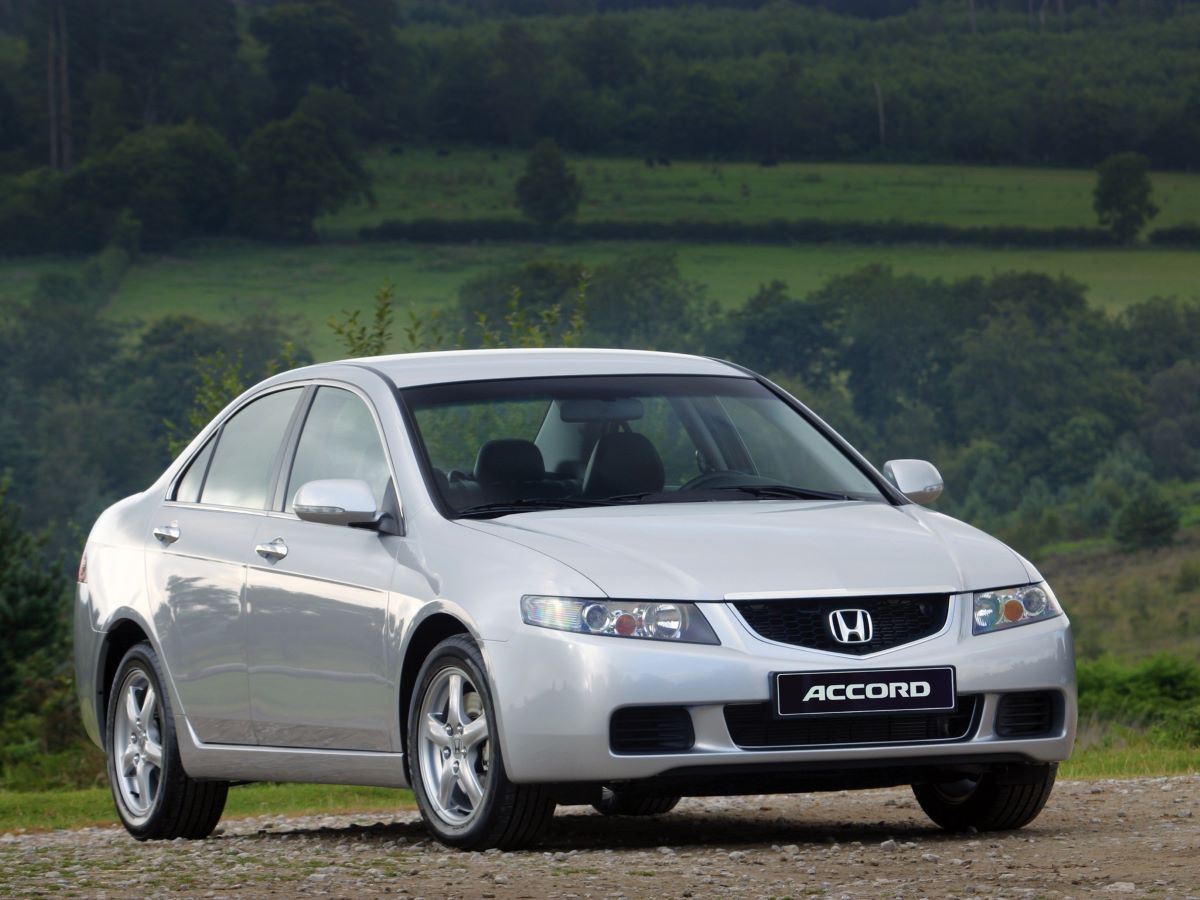
2. Honda Accord (2003–2007, 2.4L i-VTEC)
The seventh-generation Honda Accord, particularly those powered by the 2.4-liter K24 engine, represents the perfect marriage of everyday practicality and drivetrain reliability. Honda’s K-series engines are revered in automotive circles for their robust design, versatility, and incredible durability.
The 2.4L K24A4 engine found in the Accord offers a blend of smoothness, torque, and efficiency while being built to withstand hundreds of thousands of miles. With a forged steel crankshaft, chain-driven valvetrain, and aluminum construction, it’s a modern yet rugged powerplant.
What separates this drivetrain from its competitors is the consistency with which it holds up under real-world abuse. Many owners report surpassing 300,000 miles with nothing more than routine oil changes and the occasional spark plug replacement.
The engine has a wide margin for thermal stress, allowing it to run efficiently even in stop-and-go traffic or long-distance commuting. Even with regular hard use, it rarely develops internal engine issues. It’s not flashy or high-revving like some Honda performance motors, but its durability is almost unmatched for a mass-market four-cylinder engine.
The transmission options further enhance the Accord’s reputation for reliability. The 5-speed automatic used in these models, while not invulnerable, is significantly more reliable than earlier Honda automatics. When paired with the K24, the unit experiences far fewer failures than its V6 counterpart.
Meanwhile, the 5-speed manual is almost indestructible. Many Accord owners with manual transmissions report original clutches lasting over 150,000 miles and gearbox internals showing minimal wear even with spirited driving. This reliability has made the car a favorite among budget-conscious drivers and long-haul commuters.
Beyond the technical specs, the real-world ownership experience cements the K24-powered Accord’s legacy. Mechanics frequently recommend these vehicles to people looking for low-cost, low-risk transportation. Their ease of maintenance, abundant parts availability, and user-friendly design make them a DIY dream.
When all is said and done, the Accord’s drivetrain delivers something increasingly rare in modern vehicles: peace of mind. It’s a workhorse you can depend on, year after year, mile after mile, without needing a second mortgage for repairs.
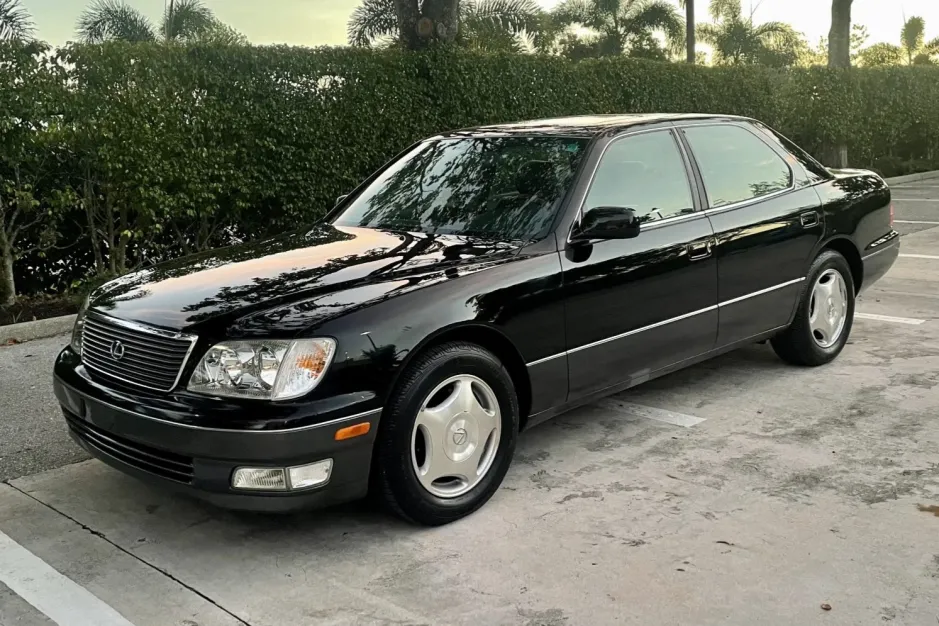
3. Lexus LS400 (1990–1994)
The original Lexus LS400 is a case study in automotive excellence. When Lexus entered the luxury market in 1989, its engineers were tasked with building a car that could match or exceed the quality of Mercedes-Benz, but with Japanese reliability.
The result was the LS400, powered by the legendary 1UZ-FE 4.0L V8—a motor that quickly became one of the most respected powerplants in automotive history. With a cast aluminum block, forged steel internals, and precision engineering, the 1UZ was designed not just for performance, but for absolute longevity.
This engine is often cited by mechanics as being capable of 500,000 miles or more with proper maintenance. Its extremely tight tolerances, low-stress design, and advanced-for-its-time construction result in an engine that runs smoothly and strongly well into old age.
It’s not uncommon to find LS400s with their original engine and transmission still performing flawlessly at 300,000+ miles. Lexus even subjected the engine to brutal testing, including long-duration high-speed runs and extreme climate trials, before signing off on its production.
The 4-speed A341E automatic transmission paired with the 1UZ is another highlight. Known for its smooth shifts and robust internal design, this gearbox rarely fails when maintained. Unlike some European luxury sedans of the era, the LS400 doesn’t rely on complex electronic systems to control every function, making diagnostics and repairs far simpler. Even if issues do arise, they’re typically minor and easy to address thanks to the straightforward mechanical layout and generous under-hood space.
Owning a Lexus LS400 is a unique experience. While the luxury amenities may feel a bit dated today, the car continues to offer quiet, confident performance decades after its debut. The engine hums almost silently, the transmission glides through gears, and the overall build quality still impresses.
It’s no wonder that these cars have a strong cult following and are often praised by experienced technicians. In an age where luxury often comes at the cost of complexity and fragility, the LS400 remains a masterclass in how to do both without compromise.
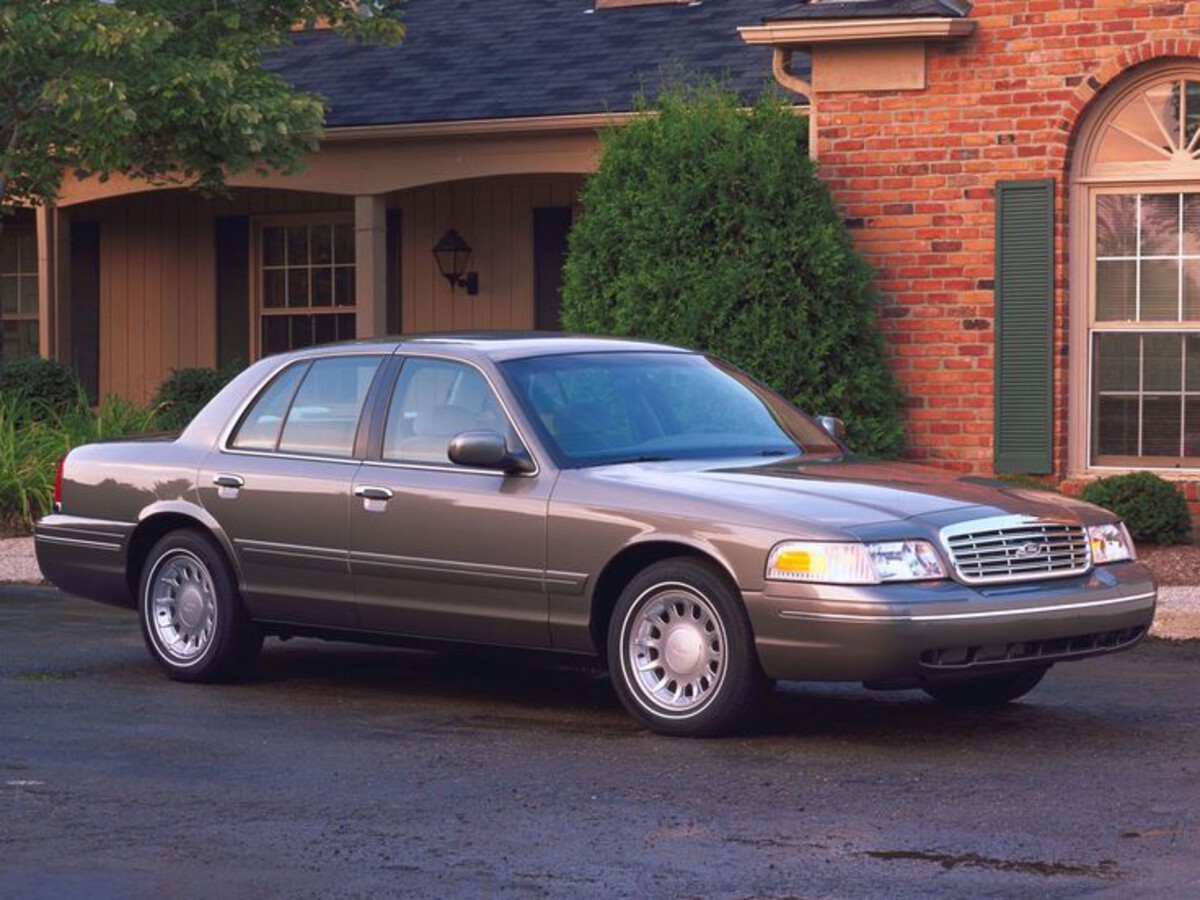
4. Ford Crown Victoria (1998–2011)
The Ford Crown Victoria, especially in its Police Interceptor and civilian variants from 1998 to 2011, is often referred to as the last of the “real American cars”—and much of that reputation comes from its drivetrain.
At the heart of this full-size sedan lies the 4.6L SOHC Modular V8 engine, which, while not a powerhouse in terms of raw numbers, is legendary for its reliability and longevity. Designed with simplicity and durability in mind, this engine has proven itself in millions of high-mileage applications, including taxi fleets and police departments.
The 4.6L V8’s construction is what makes it so tough. It features a cast-iron block with aluminum heads, robust timing chains (no belts to fail), and generous oil passages that ensure excellent lubrication.
Even under constant idling, high-speed pursuits, and hot-weather abuse, this engine rarely quits. It’s common to find retired police cruisers with well over 250,000 miles still running smoothly. The engine doesn’t demand synthetic oil or boutique parts—basic, timely maintenance is all it takes to keep it alive and kicking for decades.
Paired with this stalwart engine is the 4R70W or 4R75E automatic transmission, both of which are derivatives of the old AOD (Automatic Overdrive) family. These gearboxes are well-known for their simplicity, ease of servicing, and ability to handle repeated hard use.
While not impervious to neglect, they respond well to fluid changes and are inexpensive to rebuild when necessary. For a car designed to be abused daily by uniformed officers or road-weary cabbies, these transmissions were built with longevity as a top priority.
The drivetrain’s simplicity is part of what makes the Crown Vic so appealing to budget-minded enthusiasts and fleet managers alike. Rear-wheel drive, a body-on-frame design, and traditional mechanical components mean fewer electronics to fail and easier access for repairs.
As the industry moved toward unibody construction and CVTs, the Crown Vic remained a stubborn outlier—a vehicle engineered not for fashion or fuel economy, but for durability and serviceability. It may be old-school, but in the world of drivetrain reliability, the Crown Vic remains a gold standard.
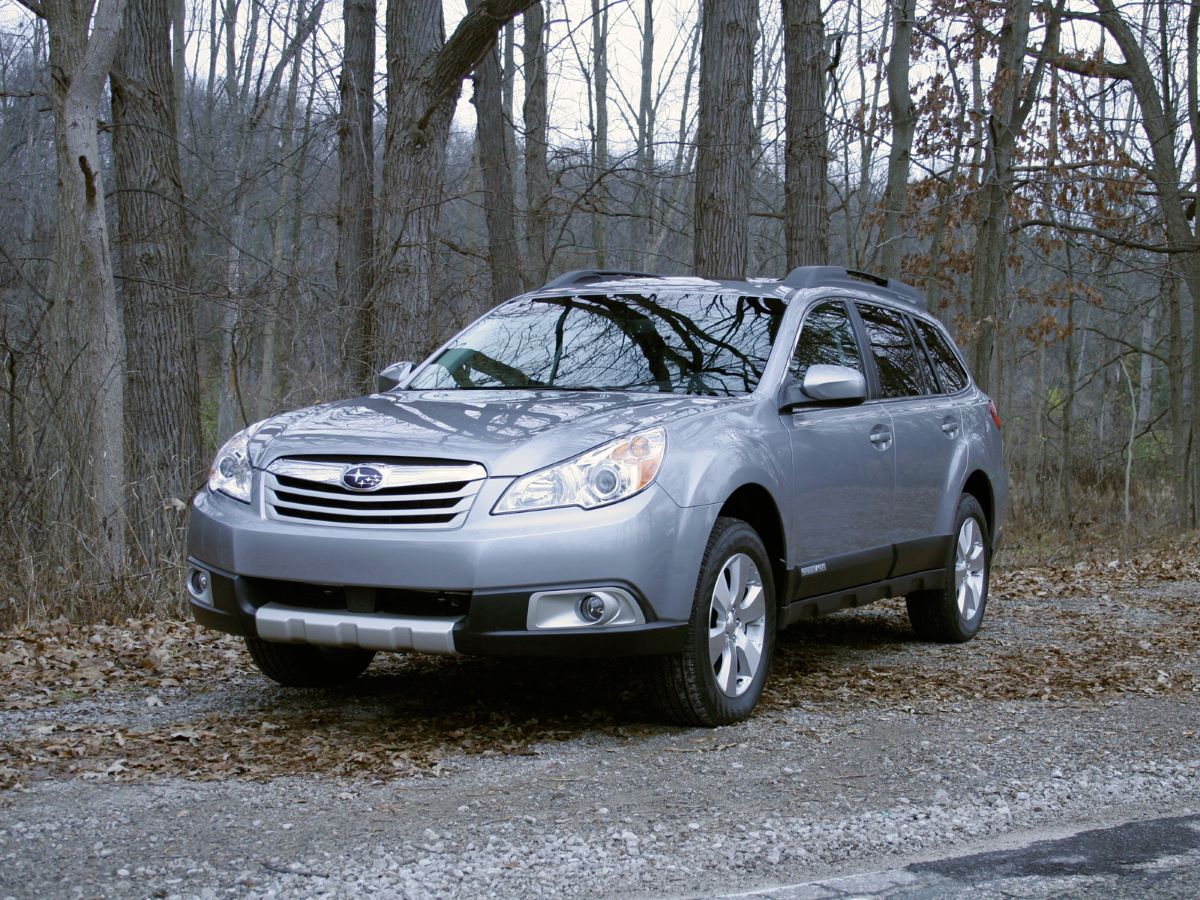
5. Subaru Outback (2005–2009, 2.5L Non-Turbo Manual)
Subaru has long enjoyed a reputation for making rugged, all-weather-capable vehicles, but its track record for drivetrain reliability has been mixed.
That said, there is one particular configuration from the mid-2000s that stands out as remarkably robust: the 2005–2009 Subaru Outback with the 2.5L naturally aspirated EJ253 engine paired with a 5-speed manual transmission.
Unlike the turbocharged variants or models fitted with automatic transmissions, this specific setup avoids many of the notorious pitfalls that have tarnished Subaru’s name among mechanics and owners alike.
The EJ253 engine is a refined version of the long-running EJ-series flat-four. While earlier versions were plagued by head gasket issues, by 2005 Subaru had implemented better gaskets and manufacturing processes, especially on manual-transmission cars.
The result is a powerplant that, while not particularly powerful, is extremely reliable when maintained properly. It uses a timing belt instead of a chain, but replacements are straightforward and inexpensive. The engine’s low compression ratio and simple fuel system mean it’s not particularly sensitive to fuel quality or altitude, making it a great choice for rural or mountainous areas.
What really enhances this drivetrain’s durability is the manual transmission. Subaru’s automatics in this era were known for overheating and internal failure, especially when paired with the company’s symmetrical AWD system. But in the manual Outbacks, the AWD system is mechanical, not electronically controlled, and integrates seamlessly with the 5-speed gearbox.
There are fewer sensors, solenoids, and control modules to worry about—just good old-fashioned gears and clutches. As a result, this setup is far more tolerant of abuse and typically lasts the life of the vehicle with only occasional clutch replacements.
Owners of these Outbacks often report well over 200,000 trouble-free miles. Routine maintenance is key, of course—timing belts, valve cover gaskets, and occasional spark plug changes. But major drivetrain issues are exceedingly rare in this specific configuration.
For drivers who value dependability in harsh climates, the 2.5L manual Outback offers a level of rugged simplicity that’s becoming harder to find.
It’s a great example of how choosing the right combination of drivetrain components within a model lineup can make all the difference between years of hassle-free driving and constant trips to the mechanic.
5 Cars That Need Major Drivetrain Rebuilds
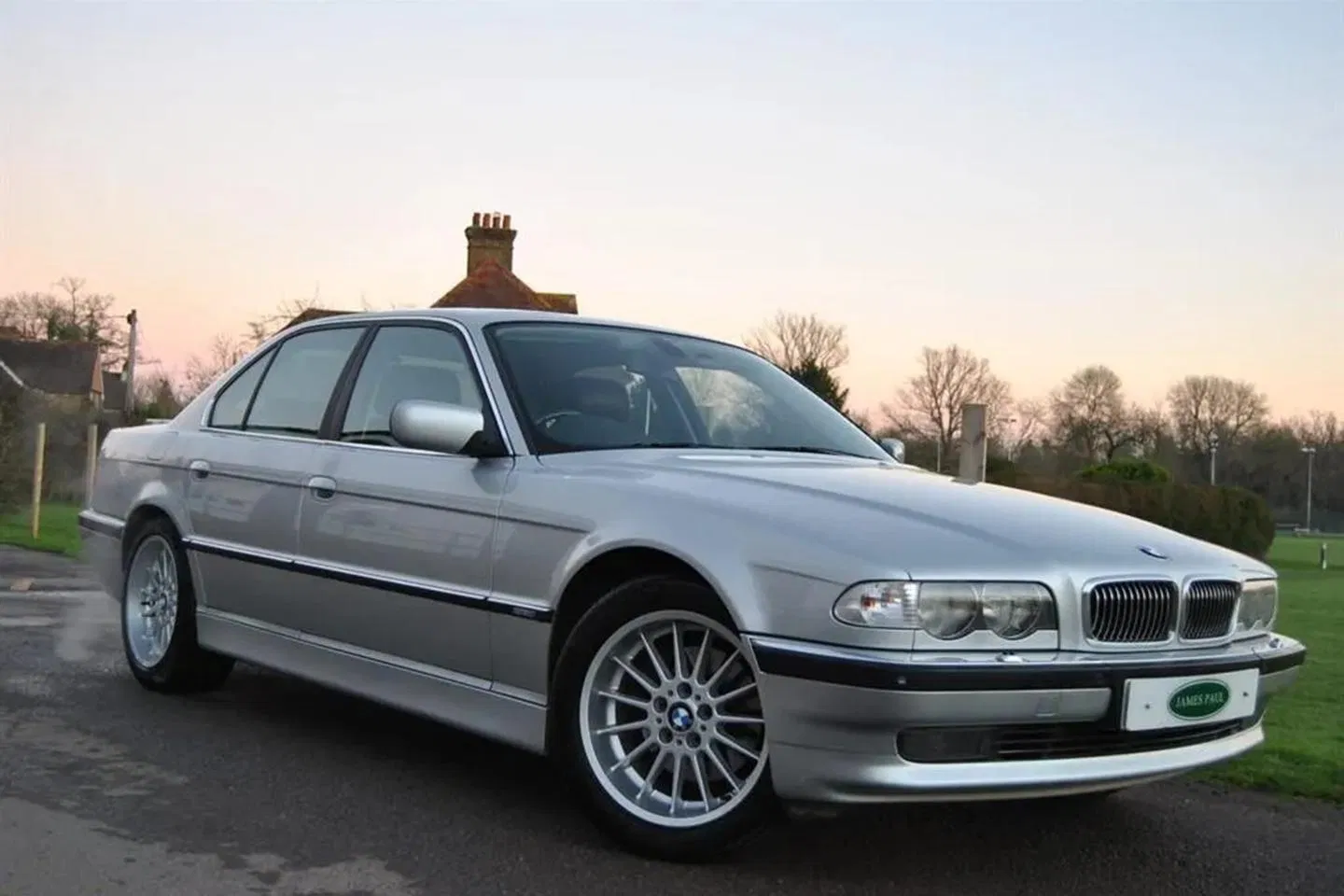
1. BMW 7 Series (2002–2008, E65/E66)
BMW’s E65/E66 generation 7 Series was intended to be a technological tour de force—a rolling showcase of German engineering brilliance and luxury innovation. Unfortunately, that ambition came at a cost, especially when it comes to drivetrain reliability.
The flagship luxury sedan was offered with engines like the N62 V8 and N73 V12, both of which promised refined power delivery and a sophisticated driving experience. However, under real-world conditions, these powertrains quickly developed a reputation for mechanical fragility and astronomical repair bills.
One of the most persistent issues with the N62 engine is valve stem seal failure. This problem causes oil to seep into the combustion chambers, leading to smoking, fouled spark plugs, and increased emissions. Repairing it properly often requires the removal of cylinder heads, and in some cases, even the engine itself, costing thousands of dollars in labor.
Timing chain guides made of brittle plastic often wear out prematurely, leading to noisy operation and eventual chain stretch. Add to that the complex variable valve timing system (VANOS), and the result is an engine that becomes increasingly unreliable with age and mileage.
The situation doesn’t improve when you shift focus to the transmission. Most of these 7 Series models came with ZF 6-speed automatics, which are sophisticated but require meticulous care.
BMW marketed these transmissions as “lifetime fill,” but in reality, fluid degradation leads to valve body wear, torque converter shudder, and abrupt shifting by the time the car hits 100,000 miles.
A full transmission rebuild is often the only solution, and few shops are equipped to handle the job affordably. Additionally, many 7 Series suffer from drivetrain vibrations and electronic control module failures that exacerbate the underlying mechanical issues.
To make matters worse, the E65/E66’s engine and transmission issues are deeply intertwined with its advanced but temperamental electronics. The car was one of the first to fully embrace iDrive, drive-by-wire throttle control, and dozens of ECUs—all of which can interfere with drivetrain operation or diagnostics. A relatively simple engine fault can trigger cascading issues due to communication breakdowns between modules.
For many owners, what begins as a minor oil leak or hesitation ends up spiraling into a multi-thousand-dollar repair saga. As beautiful and opulent as the E65 7 Series is, its drivetrain simply doesn’t hold up to BMW’s promise of the “Ultimate Driving Machine.”
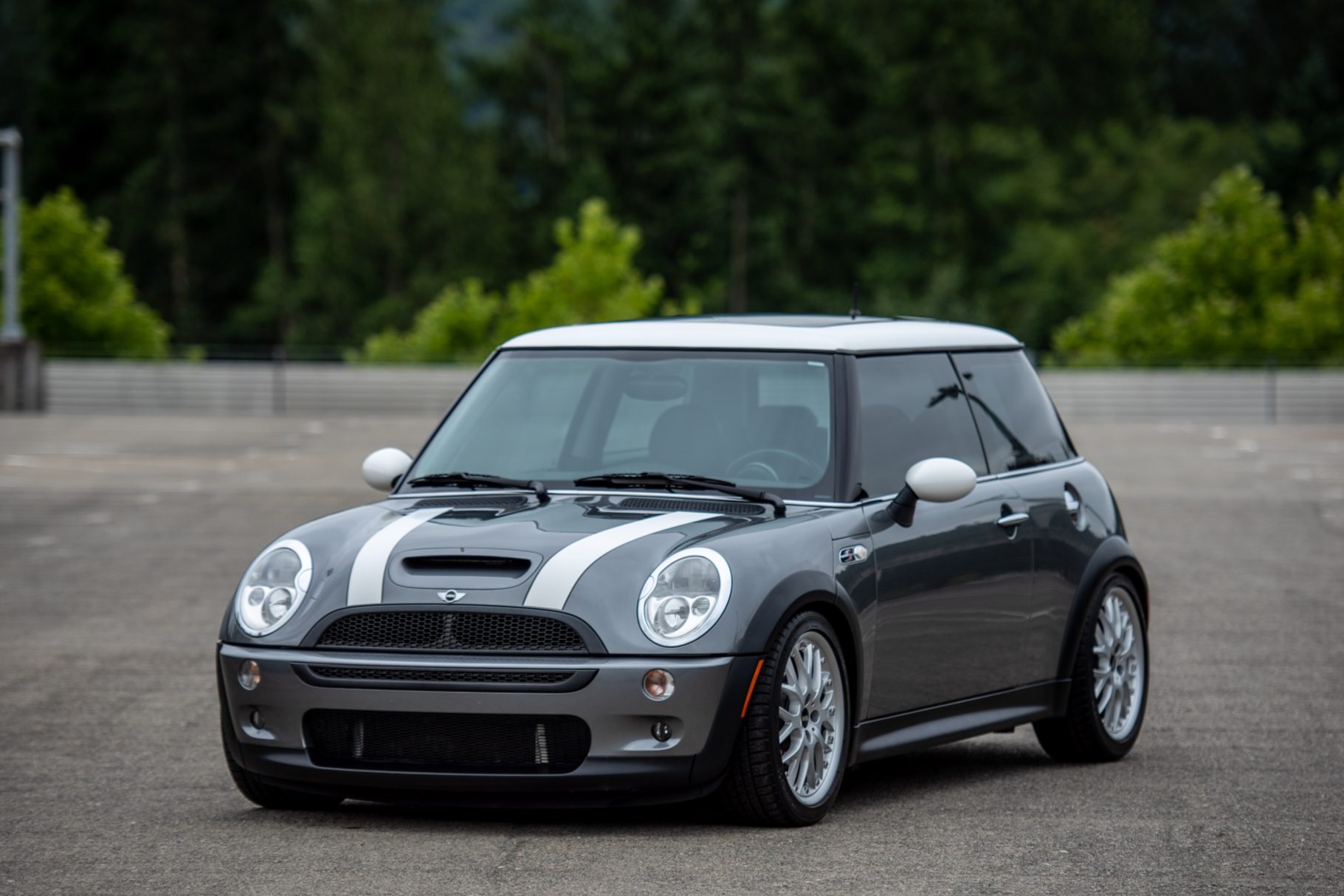
2. Mini Cooper S (2007–2013, R56 Turbo)
Few small cars capture the imagination quite like the Mini Cooper S. With its charismatic styling and go-kart-like handling, the R56-generation Cooper S (2007–2013) seemed like a dream car for urban drivers and enthusiasts alike.
Unfortunately, this dream frequently turns into a nightmare due to one of the most unreliable drivetrains in the compact car segment. The heart of the issue lies in the 1.6L turbocharged “Prince” engine—developed as a joint venture between BMW and Peugeot—which combines complex engineering with subpar reliability.
Timing chain tensioner issues are the most notorious problem, earning the engine a reputation for premature catastrophic failure. A faulty tensioner allows the chain to slacken, leading to a rattling noise known as the “death rattle.” If not addressed immediately, the timing chain can skip teeth, destroying valves and pistons in the process.
Even when caught in time, replacing the chain and guides can cost thousands due to labor-intensive procedures. The issue is so widespread that entire forums are dedicated to diagnosing chain rattle symptoms, and many owners are forced to address it multiple times throughout ownership.
Beyond the timing chain, the engine also suffers from severe carbon buildup due to its direct injection system. Over time, intake valves become coated in oil and carbon, causing performance loss, rough idling, and misfires.
Walnut blasting is the only reliable cleaning method, and it must be done every 50,000 miles or so—another recurring maintenance expense that many owners weren’t expecting. Add to this the chronic failure of turbochargers, water pumps, and thermostat housings, and it’s clear that the drivetrain isn’t built for long-term durability.
The transmission options don’t offer much relief either. The Aisin 6-speed automatic suffers from harsh shifting and solenoid failures, especially in high-mileage examples. Manual transmissions are slightly more reliable but are known to suffer from clutch issues and faulty dual-mass flywheels.
Regardless of transmission choice, drivetrain-related expenses often become unbearable by the time the car hits 100,000 miles. For many, the R56 Mini Cooper S is a cautionary tale: a fun car when new, but one that hides an unreliable and expensive-to-maintain powertrain beneath its charming surface.
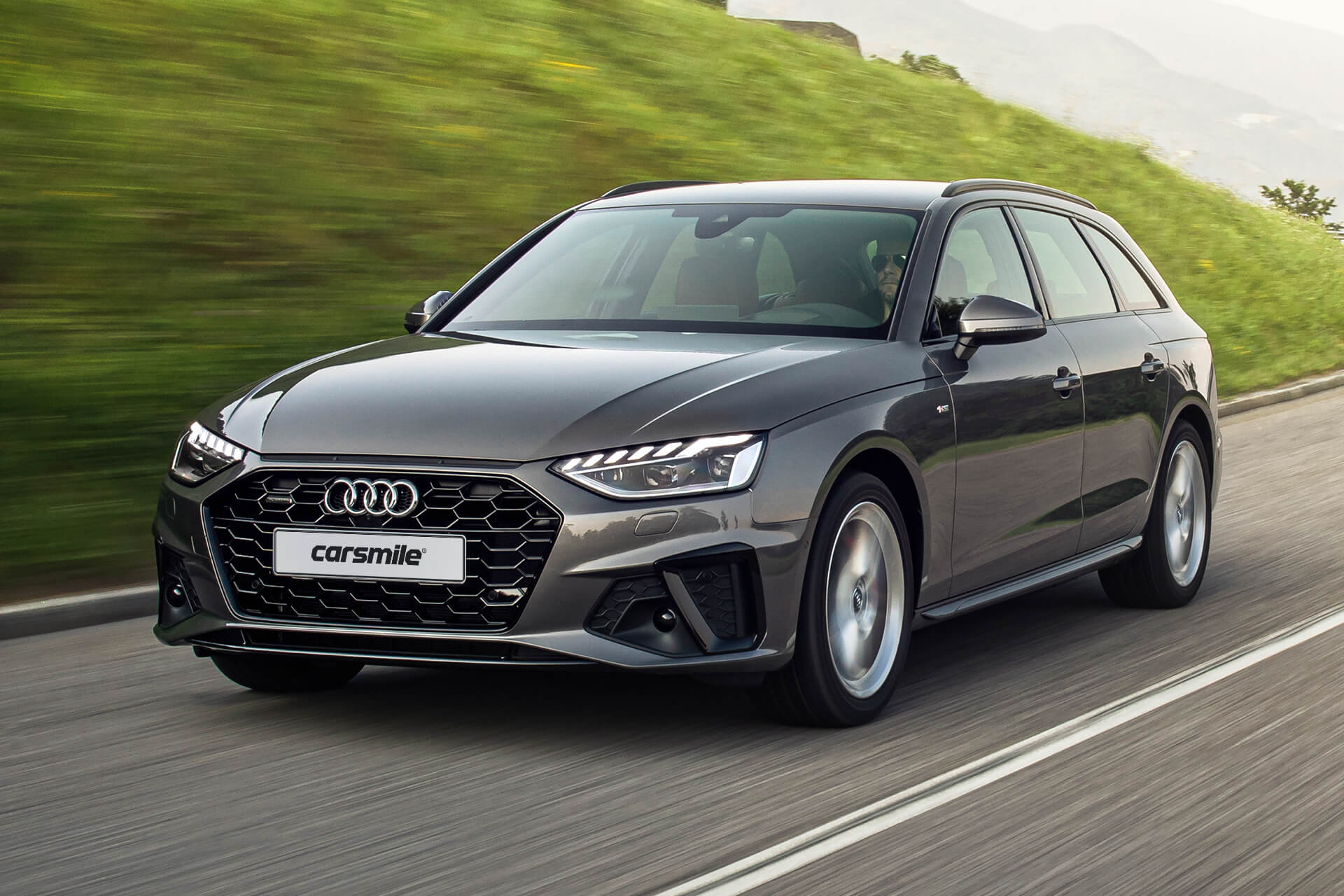
3. Audi A4 (2009–2015, B8 2.0T)
The B8-generation Audi A4 (2009–2015) stands out as one of the most stylish and refined compact luxury sedans of its time, but its elegant exterior and impressive interior mask a significant weak point: the drivetrain. Under the hood lies the second-generation EA888 2.0T engine, a turbocharged direct-injection inline-four that, while efficient and peppy, is plagued by several major reliability concerns.
It’s a powerplant that simply doesn’t live up to the expectations of long-term durability and often ends up costing owners a small fortune in repairs, particularly as the car enters its second decade.
One of the most widespread and well-documented issues is excessive oil consumption. Many B8 A4s burn through a quart of oil every 500 to 1,000 miles, a rate that is both costly and inconvenient. The root cause is a combination of poorly designed piston rings and a faulty PCV system, which allows oil to pass into the combustion chamber.
While Audi eventually issued service bulletins and even a partial recall for these problems, the long-term solution often involves an expensive rebuild of the engine’s bottom end or even full engine replacement—costs that can easily exceed $5,000 to $8,000 depending on the shop and extent of damage.
The problems don’t end there. Another Achilles heel of the EA888 engine is the timing chain tensioner, which is prone to early failure. When the tensioner fails, the timing chain can skip, resulting in bent valves, piston damage, or complete engine destruction.
Audi made running changes to improve the part, but early production models are still ticking time bombs. Even if replaced proactively, the labor involved is extensive and not something most independent shops can do cheaply. Combine this with persistent carbon buildup on intake valves from the direct injection system, and the engine becomes a maintenance-intensive liability.
Transmission issues further dampen the A4’s long-term reliability. Models equipped with the CVT (Multitronic) transmission are particularly troublesome. These gearboxes are known for slipping, shuddering, and failing outright—often before 100,000 miles.
The Quattro versions equipped with ZF automatic transmissions fare better, but they’re still expensive to repair and require regular fluid changes that many owners skip. The result is a luxury sedan that demands premium maintenance and repair costs without providing the long-lasting peace of mind that buyers expect from a brand like Audi. While the B8 A4 excels in design and driving dynamics, its drivetrain reliability is a glaring weak point that significantly undermines its overall value.
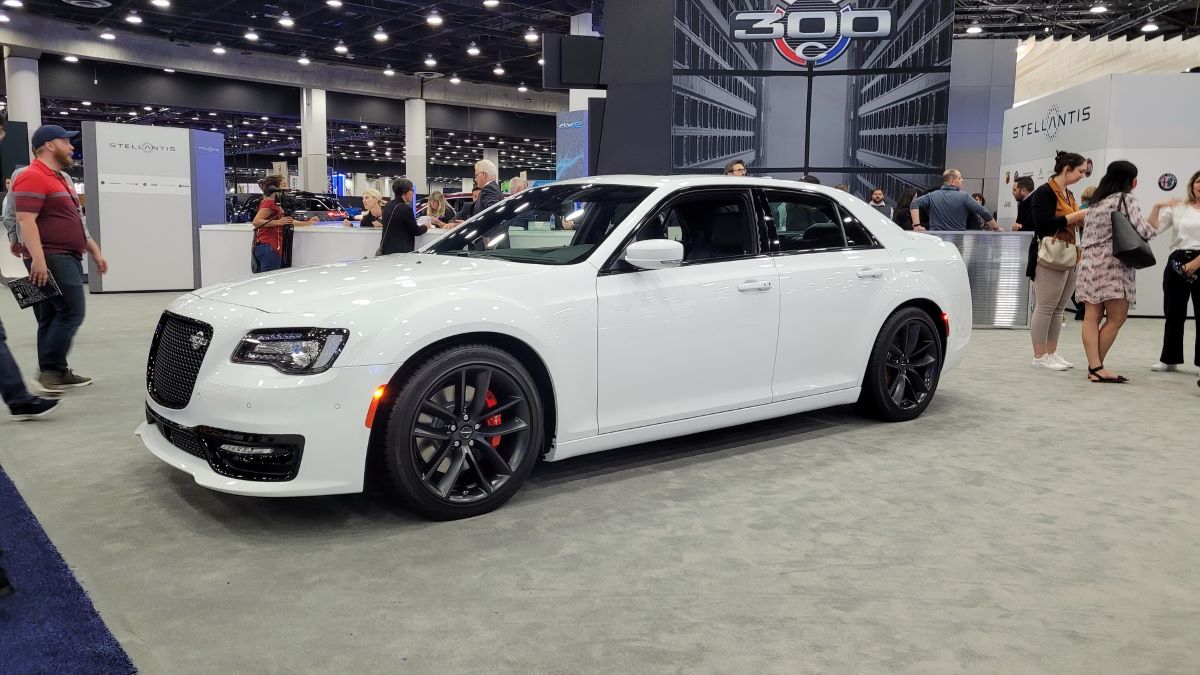
4. Chrysler 300C (2005–2010, 2.7L V6 Models)
The Chrysler 300C is a bold, muscular sedan that helped redefine American full-size cars in the mid-2000s. With aggressive styling, rear-wheel drive, and optional V8 power, it had the makings of a modern classic. However, not all 300Cs were created equal.
The base model equipped with the 2.7-liter V6 engine—borrowed from older Chrysler LH-platform vehicles—is infamous for its terrible reliability, particularly in the drivetrain. For budget-minded buyers tempted by the low entry price of these models, the hidden costs of ownership can be staggering.
The 2.7L V6 is perhaps best known for its sludge-related failures. This engine has a small oil capacity and an internal water pump design that is prone to failure. When the pump leaks—as it inevitably does—it can mix coolant with engine oil, leading to contamination, lubrication breakdown, and ultimately catastrophic engine failure.
Even if coolant doesn’t enter the oil, the small oil passages and weak crankcase ventilation system make the engine extremely vulnerable to sludge formation. A missed oil change or the use of low-grade oil can accelerate this process, sometimes leading to a seized engine before 80,000 miles.
Timing chain tensioners and guides are another critical weakness. The chains themselves are not inherently flawed, but the plastic guides and hydraulic tensioners degrade quickly, leading to chain rattle, poor performance, and the risk of skipped timing.
Replacing these components requires significant labor, often necessitating the removal of multiple engine accessories or even lifting the engine in some cases. Most mechanics view the repair cost as disproportionate to the value of the vehicle, particularly given the likelihood of future issues.
Transmission reliability is also a sore spot. While later models used the more robust NAG1 (5-speed Mercedes-based automatic), early 2.7L cars were often equipped with the 42RLE transmission, which is less refined and more failure-prone. It’s known for harsh shifts, solenoid pack failures, and poor responsiveness.
Combined with the fragile engine, the result is a drivetrain that often requires a complete overhaul before 120,000 miles. In a vehicle that was otherwise well-received for its design and comfort, the 2.7L variant is a textbook example of how a weak drivetrain can ruin a car’s reputation. Avoiding this engine is the best decision a used buyer can make when shopping for a 300C.
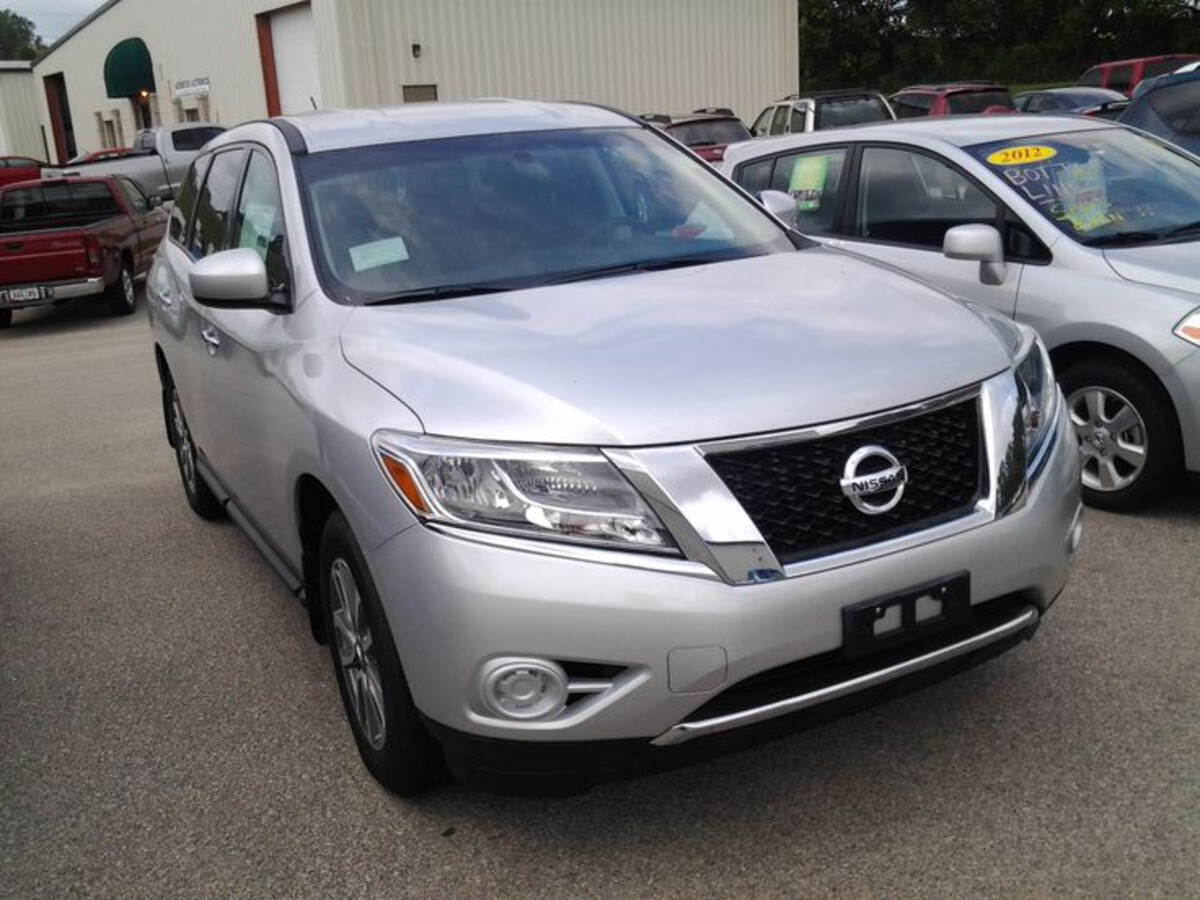
5. Nissan Pathfinder (2005–2010, VQ40DE + Transmission Cooler Failure)
At a glance, the mid-2000s Nissan Pathfinder appears to be the ideal midsize SUV: rugged, spacious, and powered by the strong VQ40DE 4.0L V6. It’s based on a truck platform shared with the Frontier and Xterra, which suggests a drivetrain capable of taking abuse.
However, this generation of the Pathfinder is marred by one of the most infamous drivetrain failures in recent memory—a defect so severe and so common that it has earned a nickname: the “strawberry milkshake of death.”
This problem originates from a design flaw in the radiator, which houses a transmission cooler. In many vehicles built during this era, the internal cooler lines can rupture and allow engine coolant to mix with automatic transmission fluid. When this happens, the pinkish mixture destroys the transmission from the inside out—eating away at clutches, bearings, and solenoids.
There is no effective way to flush out the contaminated fluid, meaning most victims require a complete transmission replacement along with a new radiator. The cost of this repair is typically $4,000–$6,000, and it often strikes without warning around 80,000–120,000 miles.
Nissan did acknowledge the issue, but not before many owners were left stranded with massive bills. A class-action lawsuit led to a limited warranty extension, but by the time it was issued, many vehicles were already out of coverage. Preventive solutions—like bypassing the factory radiator and installing an aftermarket cooler—exist, but they require mechanical know-how and aren’t guaranteed to prevent other related issues. The oversight in design casts a long shadow over what could have been a reliable SUV.
To make matters worse, the VQ40DE engine, while generally strong, is not without its own issues. Timing chain guide wear, leaking valve covers, and high oil consumption are common complaints. Combined with the transmission catastrophe and occasional problems with the electronic 4WD system, the drivetrain becomes a ticking time bomb for unsuspecting owners.
Even those who catch the radiator issue in time may face other expensive problems later on. In the case of the Pathfinder, Nissan’s attempt to create a rugged, versatile family SUV was fatally undermined by one of the most preventable drivetrain failures in recent automotive history.
Also Read: 5 Trucks With the Best Factory Docking Stations and 5 Bare Consoles
Drivetrain reliability can mean the difference between years of worry-free ownership and a financial disaster that turns your dream car into a nightmare. On one end of the spectrum are vehicles like the Toyota Land Cruiser, Honda Accord, Lexus LS400, Ford Crown Victoria, and manual Subaru Outback—machines that were overbuilt, conservatively engineered, and have stood the test of time.
These cars and SUVs are proof that when automakers focus on simplicity, quality, and long-term durability, the results speak for themselves in the form of hundreds of thousands of dependable miles.
On the opposite end are models that, while initially appealing, reveal deep flaws in their drivetrain design—flaws that lead to catastrophic failures and sky-high repair costs.
Cars like the BMW E65 7 Series, Mini Cooper S R56, Audi A4 B8, Chrysler 300C 2.7L, and Nissan Pathfinder from the mid-2000s are cautionary tales in overcomplication, under-engineering, or cost-cutting that betrayed consumer trust. In each case, the engine or transmission (or both) becomes a financial anchor, dragging down what could have been a rewarding ownership experience.
For buyers seeking long-term reliability, the lesson is clear: research the drivetrain, not just the badge or body style. The most beautiful car can still leave you stranded, and the most boring-looking sedan might quietly run for half a million miles. As new technologies emerge and drivetrains become even more complex, the value of a proven, dependable setup has never been higher.
