
When purchasing a vehicle, many buyers focus on upfront costs, fuel efficiency, styling, or even horsepower, but one of the most critical, yet frequently overlooked factors is how well a car retains its value over time.
Depreciation, the loss of a car’s market value as it ages, can drastically affect the total cost of ownership, sometimes more than routine maintenance or fuel expenses combined.
Especially in a world where gas cars are gradually being challenged by electric and hybrid alternatives, understanding which internal combustion engine vehicles hold their value versus those that depreciate rapidly is essential for making an informed investment.
Gas-powered cars continue to dominate the roads and remain practical for many, thanks to widespread fueling infrastructure, affordability, and sometimes sheer performance.
Yet not all gas cars are equal in how they depreciate. Some models boast legendary reputations for durability, reliability, and demand, helping them maintain resale prices years after purchase.
Others suffer from steep depreciation due to factors such as costly repairs, poor reliability, diminishing consumer interest, or brand stigma. The difference between a car that keeps its value and one that rapidly loses it can amount to thousands of dollars in lost equity.
Understanding depreciation requires more than just knowing the initial price tag. Factors like brand perception, vehicle reliability, maintenance costs, market demand, styling longevity, and even cultural cachet all influence how well a car retains its value.
For example, a rugged midsize truck with a loyal following may hold value better than a flashy luxury sedan with expensive upkeep. Similarly, some compact sedans have built decades-long reputations for reliability and fuel efficiency, keeping resale values surprisingly strong despite being commonplace.
In this article, we’ll explore five gas-powered cars renowned for their strong value retention — vehicles that savvy buyers trust to keep equity and reduce long-term ownership costs. We will then contrast them with five models known for their rapid depreciation, highlighting the pitfalls that cause their values to plummet.
Whether you’re a first-time buyer, a commuter, a car enthusiast, or a long-term investor, knowing which gas cars hold their value and which do not can help you make smarter, more economical choices.
By diving into real-world examples and examining the reasons behind depreciation trends, this guide aims to shed light on a complex topic that many buyers overlook until it’s too late.
The automotive market is constantly evolving, but core principles of value retention remain consistent. Let’s start by looking at those gas cars that continue to impress on the used market, followed by those you might want to avoid if resale value is a priority.
Also Read: 5 Trucks With the Best Factory Docking Stations and 5 Bare Consoles
Gas Cars That Hold Their Value
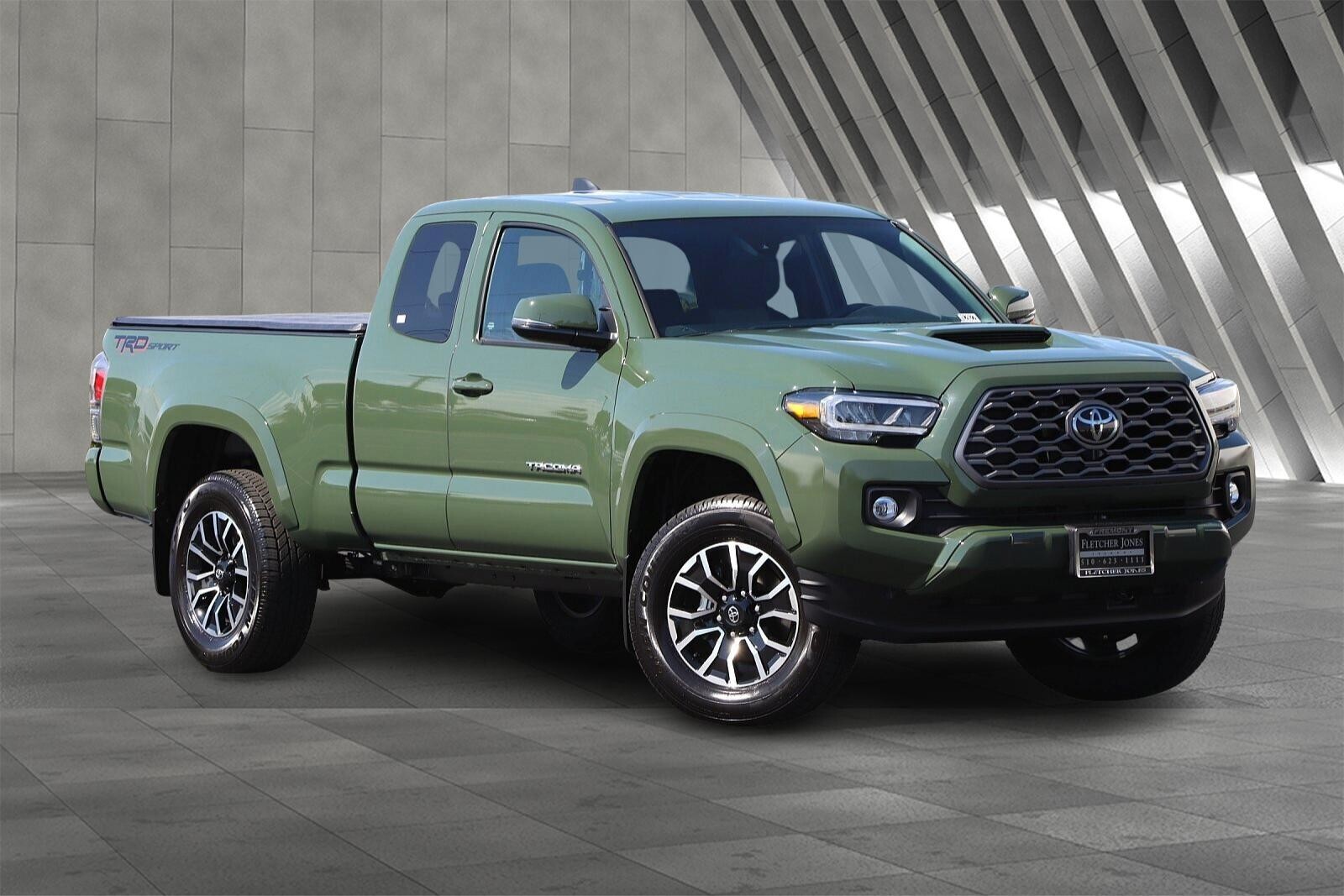
1. Toyota Tacoma
The Toyota Tacoma stands as one of the most formidable champions of value retention in the automotive world. This midsize pickup has cultivated a reputation for toughness, longevity, and sheer dependability that few vehicles in its class can match.
Tacomas are frequently seen logging high mileage with minimal mechanical issues, and their popularity transcends casual buyers to include tradespeople, adventurers, and off-road enthusiasts alike. The high demand in both new and used markets means Tacomas often sell for only marginally less than their new counterparts, even after several years of ownership.
A critical element behind the Tacoma’s value retention is Toyota’s legendary build quality. Toyota has consistently engineered this truck with durable components — from its frame to the powertrain — that resist wear and tear better than most competitors.
Unlike some pickups that degrade quickly under heavy use, Tacomas retain their structural integrity and mechanical reliability over hundreds of thousands of miles, making them a favorite for those needing a vehicle that won’t let them down in tough conditions.
The truck’s versatility also feeds its high resale value. Buyers appreciate that it straddles the line between workhorse and weekend warrior. With configurations ranging from basic work trucks to the upscale and rugged TRD Pro trims, the Tacoma appeals to a broad cross-section of the market.
This range means that whether you want a no-frills pickup or a high-performance off-roader, there’s a Tacoma trim that fits, and those trims tend to retain their value proportionally.
Moreover, the Tacoma benefits from strong cultural resonance — it’s a staple in regions where off-road capability and reliability are prized, such as the Western U.S. and outdoor recreation hotspots.
Enthusiast communities have grown around this model, creating a ripple effect where demand remains steady regardless of market fluctuations.
This community loyalty helps maintain resale prices, as prospective buyers are willing to pay premiums for a truck that’s proven its mettle over decades.
In summary, the Toyota Tacoma’s exceptional value retention stems from a combination of durability, brand trust, broad appeal, and enthusiastic consumer loyalty. For buyers who prioritize long-term value in a gas-powered vehicle, the Tacoma remains a smart and reliable choice.
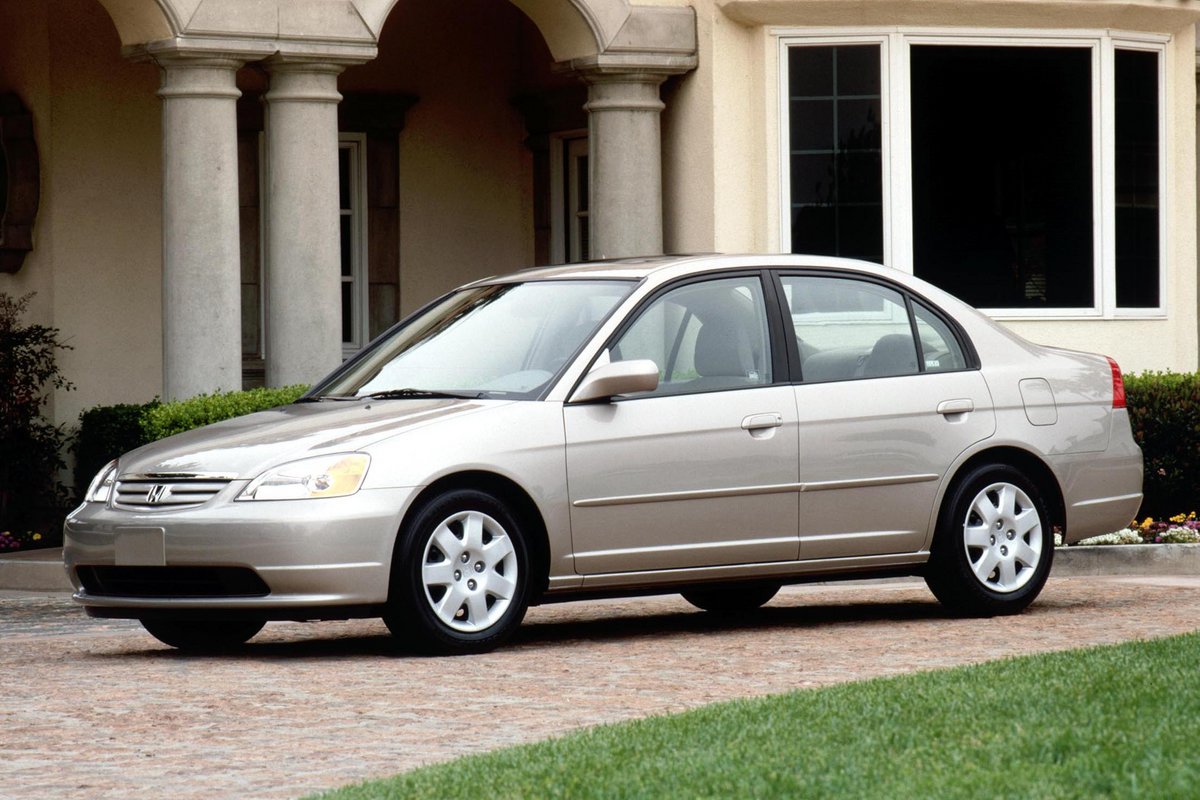
2. Honda Civic
Few cars in automotive history have earned the kind of near-universal praise and admiration as the Honda Civic. This compact sedan’s long-standing reputation for reliability, fuel efficiency, and affordability makes it one of the most sensible choices for drivers worldwide.
The Civic’s ability to hold its value over time is largely a reflection of these attributes, combined with Honda’s steadfast commitment to engineering excellence and customer satisfaction.
Honda Civics are known to reach mileages well above 200,000 with basic maintenance, a testament to the company’s emphasis on robust mechanical design and quality control.
This reliability reduces the perceived risk for used car buyers, who often prioritize dependability above all else in a vehicle. When potential buyers shop for a used compact car, the Civic’s reputation often places it at the top of the list, pushing resale prices higher.
Beyond mechanical dependability, the Civic offers a well-rounded driving experience that balances fuel economy, comfort, and practicality.
The availability of multiple trims, from the efficient base sedan to the sportier Si and hatchback models, means that a wide array of buyers find something that fits their needs. This diversity enhances market demand, as different versions cater to different consumer preferences, which in turn bolsters resale values.
Honda’s brand image also plays a critical role. The Civic embodies the company’s ethos of reliability, practicality, and value, making it a “safe bet” in the used market. Buyers recognize that Honda consistently supports their vehicles with strong parts availability and dealer networks, further alleviating concerns about upkeep and repairs.
The Civic also benefits from continuous innovation — newer generations bring improved safety features, technology, and styling updates that keep the car competitive and desirable.
This attention to evolution keeps older models attractive as used vehicles, since they age gracefully without becoming obsolete. Ultimately, the Honda Civic’s stellar resale performance reflects a harmonious blend of durability, brand trust, consumer demand, and an enjoyable driving experience.
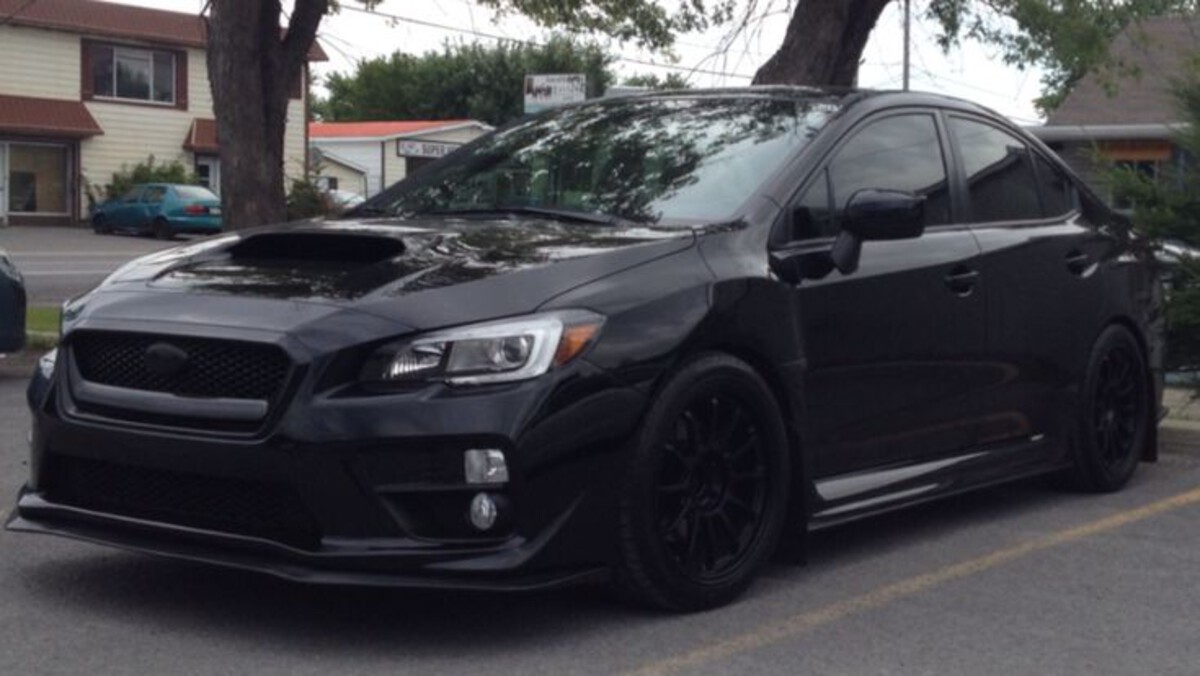
3. Subaru WRX
The Subaru WRX occupies a unique niche among gas-powered cars that retain their value well, blending thrilling performance with everyday usability and rugged all-weather capability.
Unlike many high-performance vehicles that appeal to niche markets, the WRX has cultivated a broad enthusiast base that values its turbocharged powerplant, rally-inspired design, and standard all-wheel-drive system.
The WRX’s all-wheel-drive system is a significant factor in its value retention, especially in climates where snowy or wet conditions prevail.
Unlike many sports sedans that rely on rear-wheel drive or front-wheel drive, the WRX offers confident handling and traction in adverse conditions, making it appealing to buyers in colder regions. This practicality widens its market beyond performance purists to include those who need a sporty yet reliable vehicle year-round.
The car’s performance heritage further elevates its status. With a turbocharged flat-four engine producing lively acceleration, the WRX delivers driving excitement that appeals to enthusiasts who want a fun car without the exorbitant price tag of exotic sports models.
This unique blend of performance and practicality means WRXs hold value better than many comparably priced sport sedans, which often depreciate faster due to more specialized appeal.
Reliability and durability, while not quite at the level of some economy cars, are solid for the WRX when maintained properly. Many WRX owners perform their own maintenance and modifications, fostering a community culture that values upkeep and longevity.
This level of care means that used WRXs tend to be in better condition relative to other performance vehicles on the market, which boosts buyer confidence and resale prices.
Styling also plays a role. The WRX’s aggressive yet functional design has aged well, maintaining its appeal even as newer models hit the market.
The rarity of manual transmissions in the WRX further enhances its desirability, as driving purists seek out stick-shift versions. These factors combine to make the Subaru WRX a stellar example of a sporty, gas-powered car that holds its value impressively.
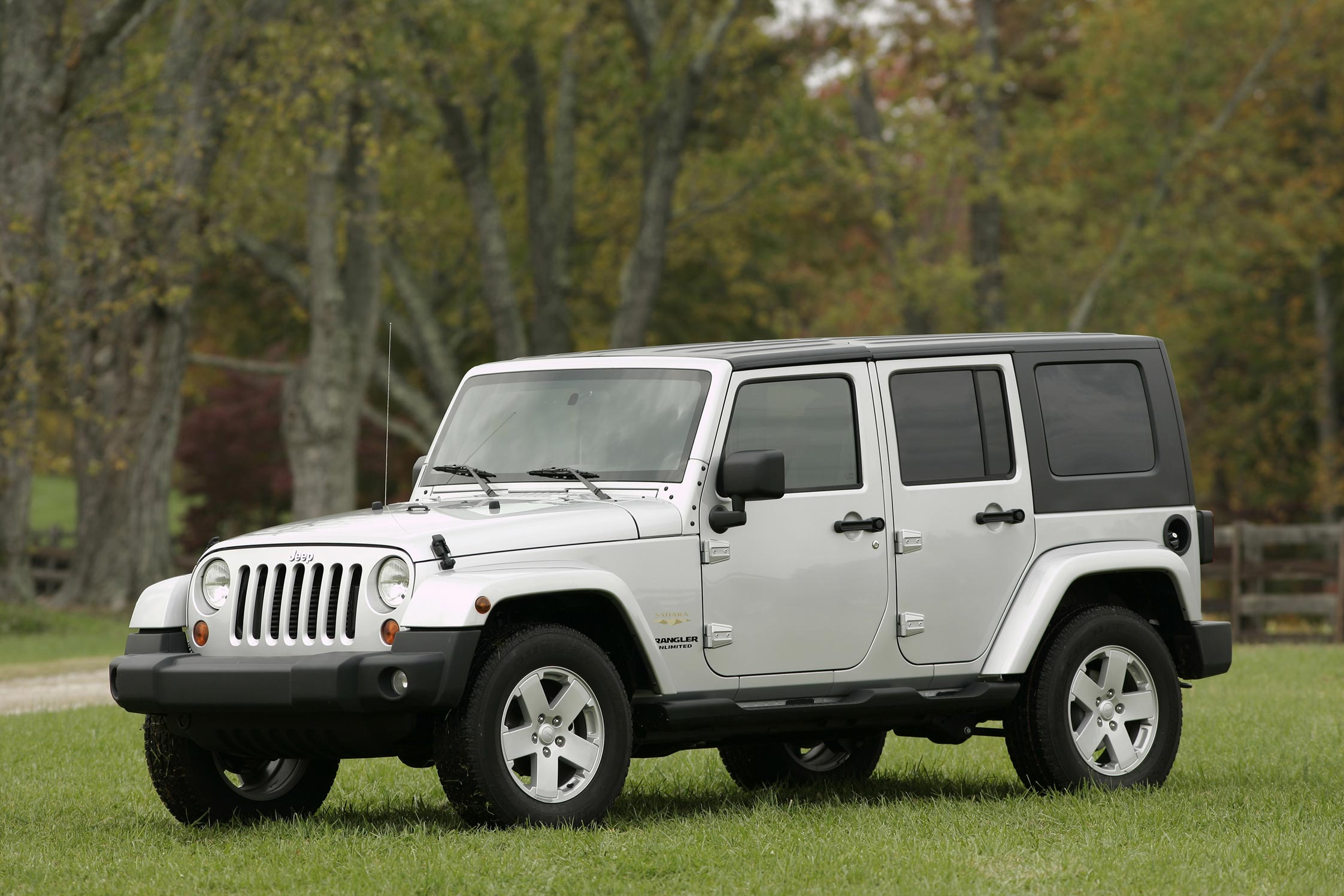
4. Jeep Wrangler
Few vehicles on the market are as synonymous with ruggedness, adventure, and enduring value as the Jeep Wrangler.
This off-road icon has transcended mere transportation to become a lifestyle statement. Its reputation for toughness, combined with distinctive styling and customization options, ensures that the Wrangler consistently outperforms competitors in resale value, often defying typical depreciation curves.
The Wrangler’s value retention is deeply tied to its specialized nature. It is designed from the ground up to handle off-road conditions that would incapacitate many SUVs or trucks.
This capability means that buyers seeking an adventure-ready vehicle often prioritize the Wrangler in the used market. Since few vehicles replicate its combination of removable doors, a convertible-like roof, solid axles, and reliable four-wheel drive, demand remains high.
Moreover, the Wrangler has a strong, passionate fan base. Jeep enthusiasts form clubs, attend events, and actively seek aftermarket parts and upgrades, fostering a community that celebrates the vehicle’s heritage. This cult-like following supports steady demand, helping to sustain resale values even in economic downturns.
Maintenance and repair costs are manageable compared to some luxury off-road vehicles, partly because the Wrangler’s design has remained largely consistent for decades.
This simplicity makes it easier and more affordable to maintain or repair, increasing its appeal for long-term ownership. The Jeep also benefits from a strong brand image that evokes freedom and rugged individualism, which helps maintain demand among buyers willing to pay a premium for these intangible qualities.
In conclusion, the Jeep Wrangler’s ability to hold value is a product of its unique design, cultural significance, practical durability, and the sheer loyalty of its owners. If you want a gas-powered vehicle that maintains value and offers unparalleled off-road capability, the Wrangler stands in a class of its own.
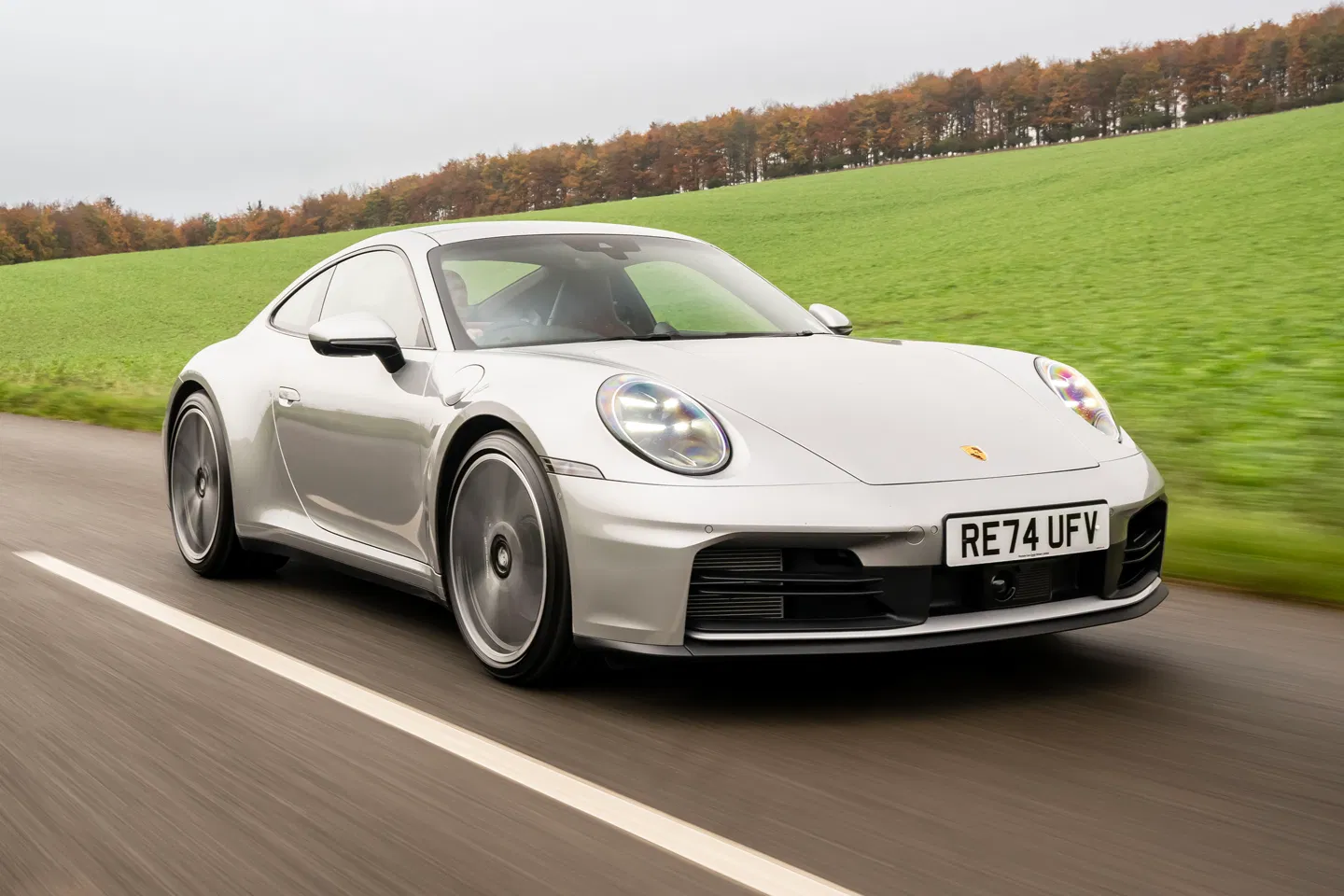
5. Porsche 911 (Naturally Aspirated Models)
The Porsche 911 is an extraordinary example of a sports car that defies typical depreciation trends, especially certain naturally aspirated models from recent generations.
While many luxury and performance cars shed a significant portion of their value within the first few years, select 911s have developed into prized collector vehicles that retain or even increase in value over time.
A major driver of this value retention is the 911’s iconic design and engineering heritage. The silhouette of the 911 has remained remarkably consistent for over half a century, creating timeless appeal that attracts enthusiasts and collectors alike.
The naturally aspirated engines from the 997 and early 991 generations are particularly prized for their pure driving experience, unmediated by turbo lag or electronic intervention, appealing to those who value mechanical simplicity and driver engagement.
Porsche’s reputation for engineering excellence and build quality also contributes to the car’s longevity. These vehicles are constructed to perform at high levels for extended periods, and many owners meticulously maintain their cars, contributing to an abundance of well-kept used examples.
The combination of performance, refinement, and reliability means that used 911s rarely become liabilities, which supports higher resale values.
Furthermore, the scarcity of manual transmission versions in recent years has made those models particularly sought-after, as enthusiasts clamor for the visceral connection only a stick shift can provide. This has created a niche market segment where prices have risen substantially, bucking the usual depreciation trends seen in other performance cars.
In sum, the Porsche 911’s blend of heritage, engineering prowess, timeless design, and enthusiast demand make it an extraordinary case study in value retention for gas-powered sports cars. It’s not merely a mode of transport but an investment that can appreciate when chosen wisely.
Gas Cars That Depreciate Fast
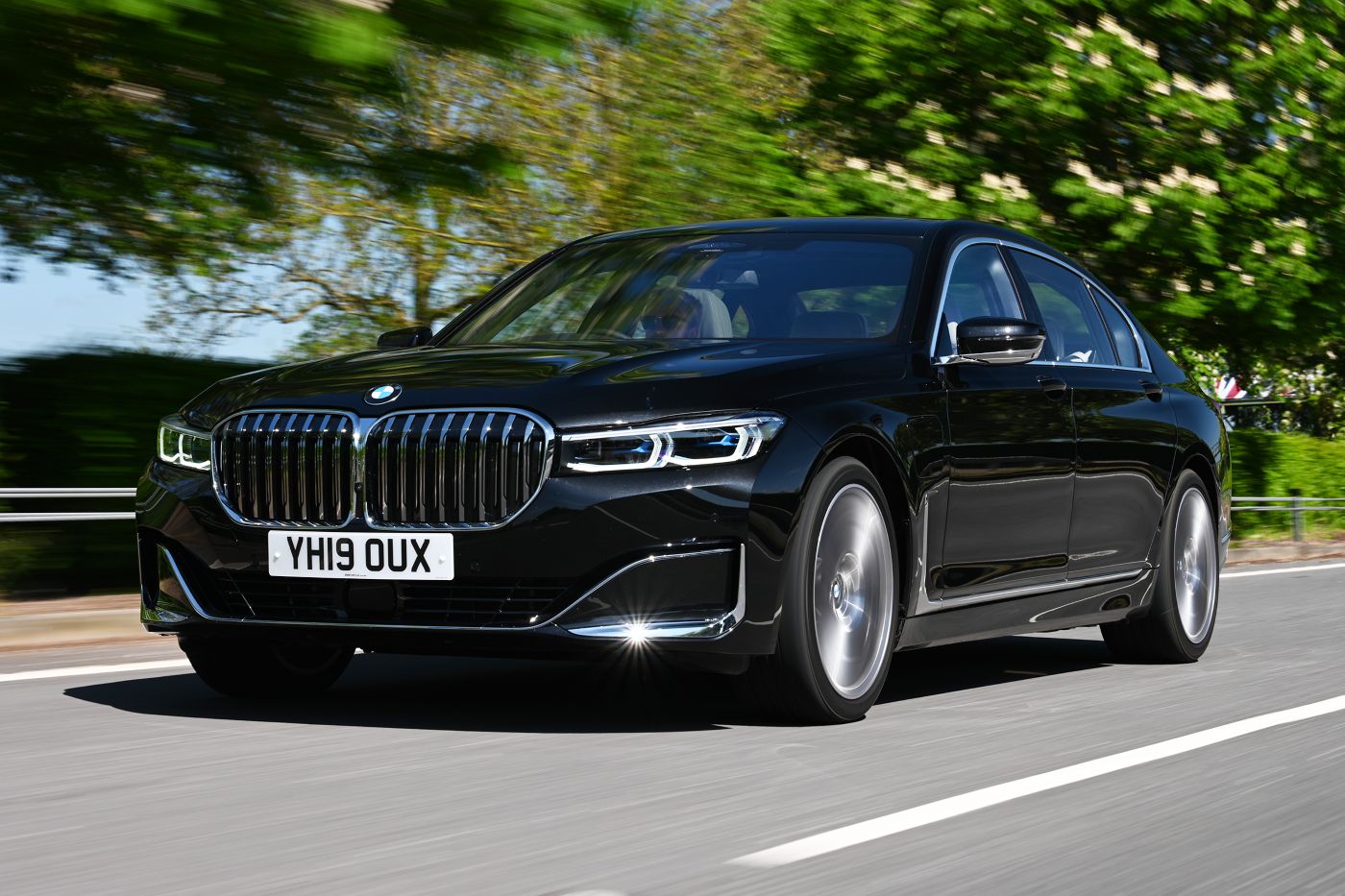
1. BMW 7 Series
The BMW 7 Series, as BMW’s flagship luxury sedan, embodies cutting-edge technology, opulent interiors, and a performance pedigree designed to rival the best in the world.
Yet, despite its many virtues, the 7 Series depreciates at a rate that shocks many luxury car buyers. A combination of high maintenance costs, rapidly outdated technology, and niche market appeal contributes heavily to its steep value decline over just a few years.
At the heart of the problem is the complexity of the 7 Series’ systems. Loaded with advanced electronics, adaptive suspension setups, and intricate drivetrain components, the 7 Series requires specialized service and expensive parts that increase the cost of ownership as the car ages.
Even routine repairs can become prohibitively expensive, deterring potential used buyers who are wary of unexpected bills. This often leads to fewer interested buyers in the used market, pushing prices downward.
Another significant factor accelerating depreciation is the leasing dynamic. A large portion of 7 Series buyers lease the car rather than purchase outright, driven by the steep initial price and the desire for the latest technology.
When these leases expire, the market floods with well-equipped, gently used 7 Series sedans all at once, saturating the supply and driving prices down significantly. The glut of supply depresses demand and accelerates depreciation even further.
Moreover, the luxury sedan segment is undergoing a seismic shift. Buyers are increasingly turning away from large sedans in favor of SUVs and crossovers that offer more space, versatility, and perceived value. The 7 Series, once a symbol of executive elegance, now struggles to find a broad market beyond a small niche of loyalists.
Its size, styling, and high operating costs make it less desirable, accelerating its fall in resale value. In essence, the 7 Series is a prime example of a gas-powered vehicle that commands a high price upfront but struggles to hold value due to shifting market preferences and high ownership costs.
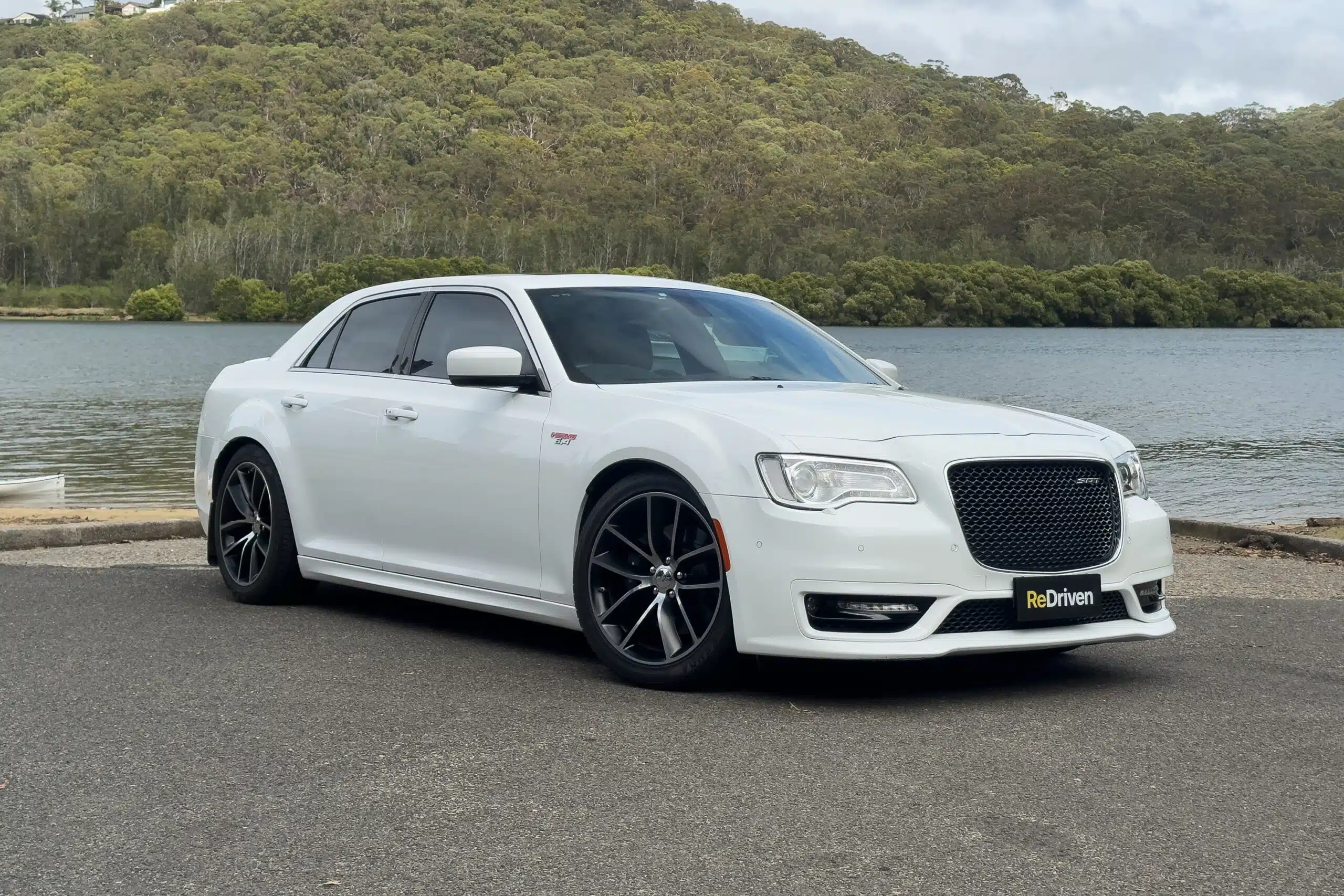
2. Chrysler 300
The Chrysler 300 has long been an emblem of American full-size sedan muscle, with its imposing presence, bold grille, and available V8 powertrain.
On paper, it offers an enticing combination of style, space, and performance at a relatively affordable price. However, in the resale market, the Chrysler 300 is notorious for rapid depreciation that often leaves owners with far less equity than expected.
One of the primary drivers behind this steep depreciation is the car’s outdated design and technology. While the 300 once stood out in its class, it has seen minimal updates compared to competitors from Toyota, Honda, and Hyundai, which offer more modern infotainment systems, safety technology, and fuel efficiency.
This aging technology makes the 300 less attractive to tech-savvy used car buyers, who increasingly demand connectivity and advanced driver-assist features.
Brand perception also plays a significant role in depreciation. Chrysler, unlike some Japanese or European luxury brands, struggles with inconsistent quality and reliability reputations.
Many buyers associate the Chrysler name with aging platforms and mechanical issues, making them hesitant to pay a premium for a used 300. This negative brand image discourages potential buyers and leads to lower resale prices.
Fuel economy and practicality further hamper the 300’s value retention. Equipped with large V6 and V8 engines, the 300 is thirsty compared to more efficient competitors, which becomes a liability as fuel prices fluctuate.
Moreover, in an era dominated by SUVs and crossovers, a large sedan with less cargo versatility and higher running costs is a harder sell. Combined, these factors make the Chrysler 300 a gas car that depreciates quickly, offering little protection for buyers concerned about long-term value.
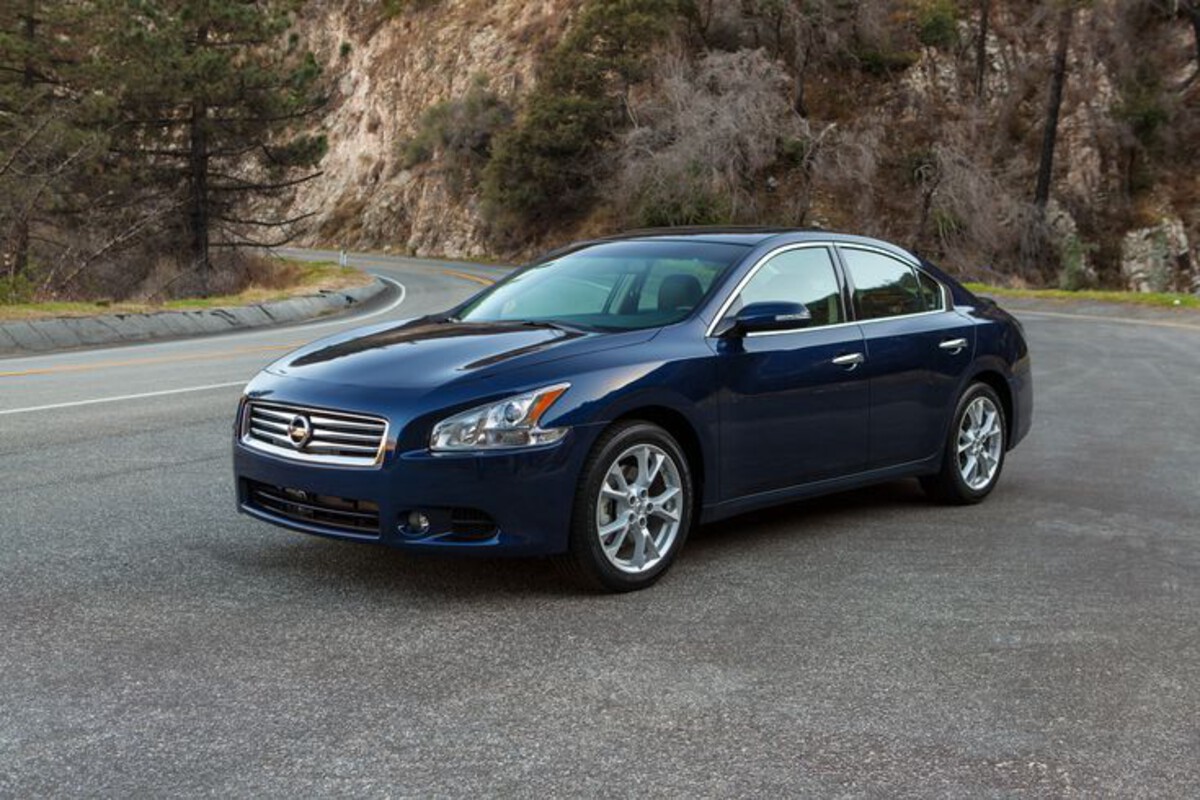
3. Nissan Maxima
The Nissan Maxima once held a special place in the midsize sedan market as a sporty “four-door sports car,” offering a spirited V6 engine, sharp styling, and a relatively affordable price point.
However, over recent years, the Maxima’s luster has dulled, and it has become synonymous with rapid depreciation. While it remains a competent car on many fronts, several factors have conspired to undermine its resale value significantly.
A major contributor to the Maxima’s steep depreciation is its reliance on a continuously variable transmission (CVT). Despite improvements in CVT technology, many consumers remain wary of these transmissions due to perceived reliability issues, noisy operation, and a less engaging driving experience compared to traditional automatics or manuals.
This stigma reduces demand for used Maximas, which tend to be equipped with CVTs, pushing prices down in the resale market.
The Maxima also occupies a challenging market position. It’s priced higher than most mainstream midsize sedans, yet it doesn’t quite reach the level of refinement or prestige associated with luxury competitors like the Acura TLX or Lexus ES.
This “in-between” status leaves the Maxima in a tough spot: too expensive to compete directly with economy cars, but not luxurious or prestigious enough to justify the higher price tag, resulting in weaker demand for used models.
In addition, Nissan as a brand has experienced some hits to its reliability and quality perception in recent years. Reports of inconsistent build quality and higher maintenance costs compared to competitors have eroded consumer confidence.
This overall brand perception, combined with the Maxima’s niche appeal and CVT concerns, culminates in a vehicle that loses value faster than many peers, making it a less appealing buy for those focused on resale retention.
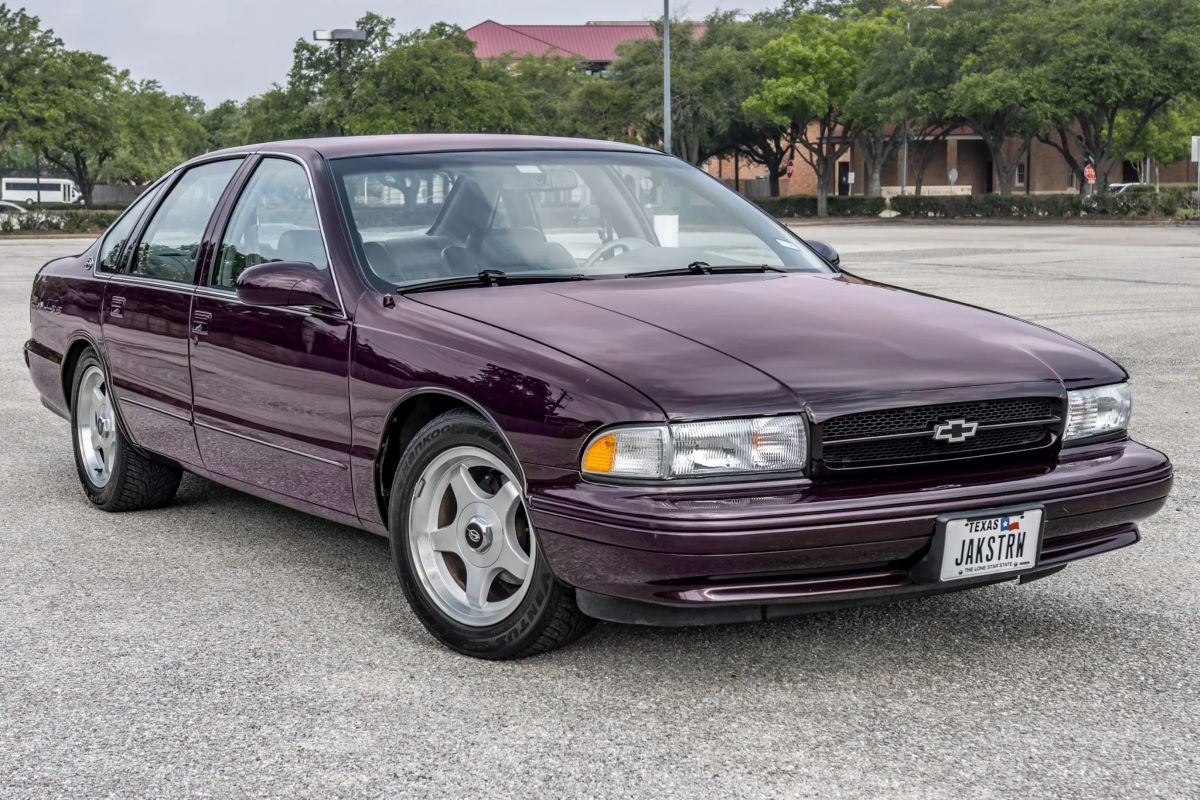
4. Chevrolet Impala
The Chevrolet Impala has been an American staple for decades, historically valued as a spacious, comfortable, and affordable full-size sedan. However, in the modern automotive market, the Impala has struggled to maintain relevance and value.
Despite being roomy and easy to drive, it suffers from one of the fastest depreciation rates in its segment, making it a less-than-ideal choice for buyers concerned about long-term equity.
A primary reason for the Impala’s rapid value loss is its outdated design and lack of innovation. The Impala’s styling has become bland and uninspired, especially when compared to more contemporary sedans that emphasize sleek lines, premium materials, and advanced technology.
This dated appearance diminishes buyer interest, particularly among younger buyers who prioritize modern aesthetics and connectivity.
Fuel efficiency and performance also work against the Impala. It tends to be heavier and less fuel-efficient than competitors, with V6 engines that feel underwhelming and do not justify their fuel consumption.
With the automotive market increasingly favoring hybrids, smaller engines, and SUVs, the Impala’s large size and modest performance make it a tough sell, especially as many families and commuters opt for crossovers that offer greater versatility.
Brand perception and market trends also hurt the Impala. Chevrolet’s focus has shifted towards trucks and SUVs, leaving sedans like the Impala with less marketing support and fewer updates.
When production ceased recently, the Impala became a less desirable option with limited future prospects, pushing resale values down. Collectively, these issues mean the Impala depreciates quickly, and buyers should be wary if they expect to hold value over time.
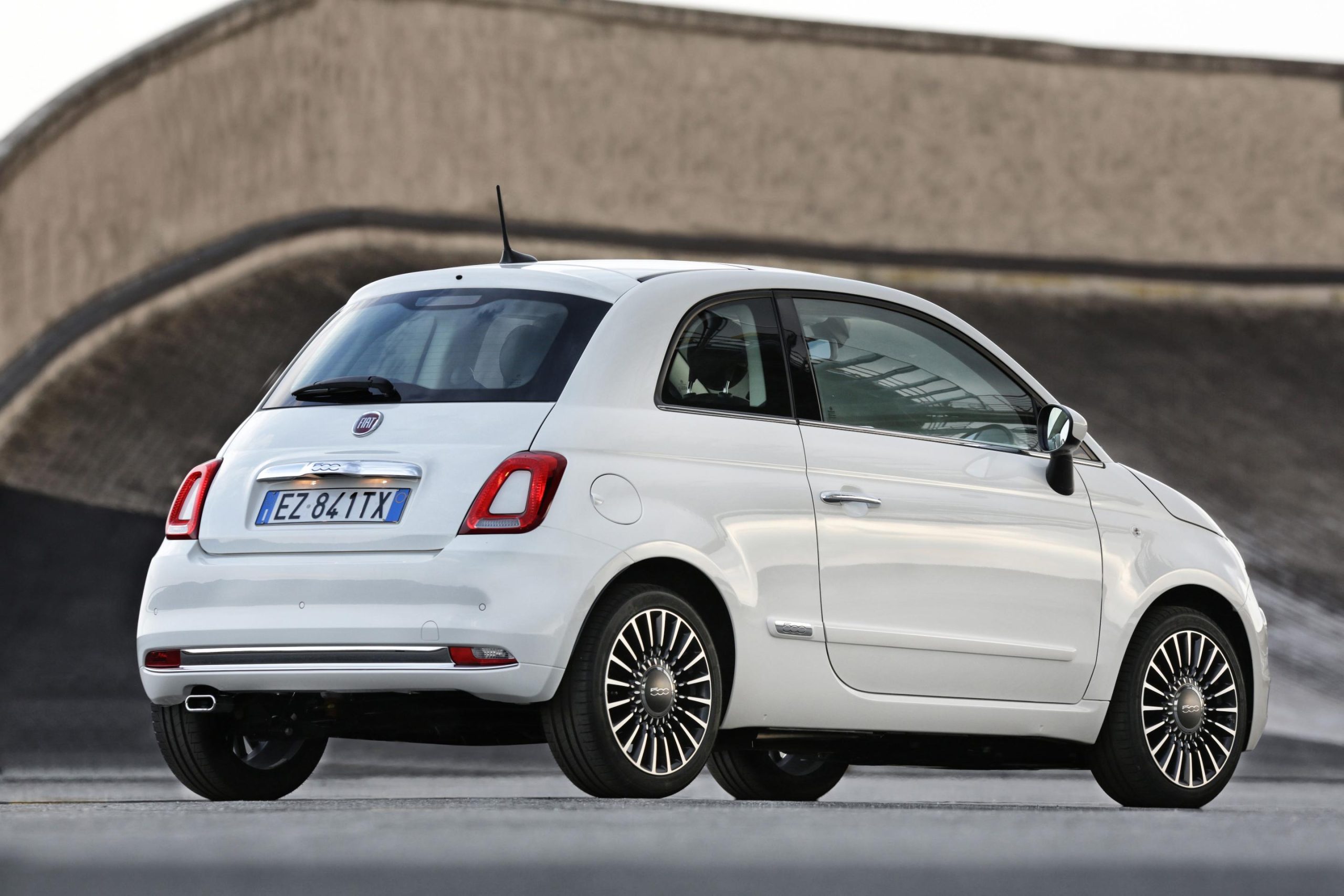
5. Fiat 500
The Fiat 500 burst onto the scene in the U.S. with its retro European charm, eye-catching design, and promise of city-friendly efficiency.
Despite initial excitement and a devoted niche following, the 500 quickly developed a reputation for poor reliability, limited practicality, and disappointing ownership experience — all of which contribute to its rapid depreciation in the used market.
One of the key challenges the Fiat 500 faces is its size. As a subcompact, it offers limited interior space, cramped rear seats, and minimal cargo room, which restricts its appeal to only urban dwellers or second-car buyers.
In markets dominated by larger vehicles with greater flexibility, the 500 struggles to justify its purchase price, especially for families or commuters needing more practicality.
Reliability has been another major hurdle. The Fiat 500 has faced numerous recalls, issues with build quality, and mechanical problems that undermine consumer confidence.
Buyers often shy away from used 500s, fearing costly repairs and unreliable performance. These concerns drive down resale prices, as many owners try to offload their vehicles at steep discounts.
Moreover, Fiat as a brand has not achieved the kind of loyalty or reputation seen in competitors like Toyota or Honda. The limited dealership network and inconsistent customer service experiences make potential buyers hesitant, further depressing resale values.
The Fiat 500 is often a cautionary tale: charming on paper but costly and frustrating in practice, resulting in a gas car that depreciates rapidly and is rarely recommended as a long-term value proposition.
Also Read: 5 Trucks With the Best Factory Docking Stations and 5 Bare Consoles
Understanding vehicle depreciation is a crucial part of making a smart automotive purchase, especially when it comes to gas-powered cars that still dominate much of the global market.
Whether you’re buying a car for daily commuting, weekend adventures, or as a long-term investment, the resale value will significantly impact your total cost of ownership.
Cars that hold their value well not only protect your financial investment but also make it easier to upgrade or sell down the line without suffering a steep loss. Conversely, vehicles that depreciate rapidly can become financial burdens, costing owners far more over time than their initial purchase price might suggest.
The five gas cars we explored that hold their value—such as the Toyota Tacoma, Honda Civic, Subaru WRX, Jeep Wrangler, and Porsche 911—each have distinct characteristics that contribute to their strong resale performance.
Their reputations for reliability, durability, enthusiast appeal, and brand loyalty create sustained demand in the used market, often allowing owners to recoup a substantial portion of their original investment.
These vehicles tend to blend practical attributes with emotional or cultural value, attracting buyers who appreciate the combination of everyday usability and unique appeal.
Whether it’s the ruggedness of the Tacoma and Wrangler or the timeless allure of the Porsche 911, these models show that long-term value often follows from a combination of engineering excellence, cultural cachet, and community passion.
On the other side of the spectrum, cars like the BMW 7 Series, Chrysler 300, Nissan Maxima, Chevrolet Impala, and Fiat 500 illustrate the challenges many gas vehicles face in retaining value.
High maintenance costs, dated technology, limited market appeal, and shifting consumer preferences toward SUVs and electrified vehicles all play significant roles in accelerating depreciation.
These models often suffer from inconsistent brand perception, uninspired design, or mechanical drawbacks that dissuade buyers in the used market. As a result, they lose value at a much faster rate, highlighting the importance of careful research and realistic expectations when buying a car that may not hold its worth over time.
Ultimately, the landscape for gas-powered vehicles is evolving, influenced by changing regulations, the rise of electric vehicles, and shifting buyer priorities.
However, the fundamental principles that govern depreciation remain clear: reliability, desirability, practicality, and brand strength are paramount. Buyers who prioritize these factors can navigate the complex used-car market more confidently, making purchases that stand the test of time both on the road and in the wallet.
Whether you lean toward the rugged utility of a Toyota Tacoma or the luxurious thrills of a Porsche 911, or prefer to avoid the steep losses typical of certain luxury sedans or niche compact cars, understanding depreciation empowers you to choose wisely.
By investing in cars that retain value, you not only enjoy a better driving experience but also secure smarter financial outcomes, turning what might seem like a simple purchase into a lasting asset.
