
Pickup trucks have evolved far beyond their original role as purely work-oriented vehicles. Today, they serve a wide array of drivers—from tradespeople needing tough, reliable haulers to families and outdoor enthusiasts seeking versatility, comfort, and capability.
This broad appeal has driven pickup trucks to dominate many vehicle sales charts worldwide, especially in markets like the United States, where trucks account for a significant portion of vehicle registrations.
As such, understanding how these trucks hold their value over time is critical for buyers, sellers, and even enthusiasts who want to make informed decisions about their vehicle investments.
Resale value is the cornerstone of long-term vehicle affordability. When you buy a pickup truck, you’re not just paying for its initial performance or features; you’re also investing in how well that truck will hold its worth over the years. A high resale value reduces depreciation costs, which can save you thousands when you eventually trade in or sell your vehicle.
On the other hand, a truck with steep depreciation can end up costing you much more than its sticker price through lost value, higher insurance premiums, and increased maintenance expenses as parts become scarcer or less supported.
Multiple factors contribute to resale value, especially in pickup trucks. Durability and mechanical reliability top the list—buyers want trucks that can withstand harsh conditions, heavy loads, and long miles without frequent breakdowns.
Brand reputation matters as well, because vehicles from manufacturers known for quality and longevity tend to be in greater demand on the used market.
Other important considerations include fuel economy (particularly as fuel prices fluctuate), advanced safety and technology features, aesthetic design, and even regional trends such as popularity in rural vs. urban markets.
In this comprehensive article, we will analyze five pickup trucks known for their strong resale values and explain what makes them retain their worth. We will also examine five trucks that have historically suffered from sharp depreciation, identifying common causes behind their loss in value.
Through this analysis, you’ll gain valuable insight into what to look for when purchasing a pickup truck, how to maximize your vehicle’s lifespan and resale potential, and what pitfalls to avoid to ensure your investment pays off over time.
Also Read: 5 Cars With Zero Factory Recalls and 5 With a Laundry List of Problems
5 Pickup Trucks With Strong Resale Values
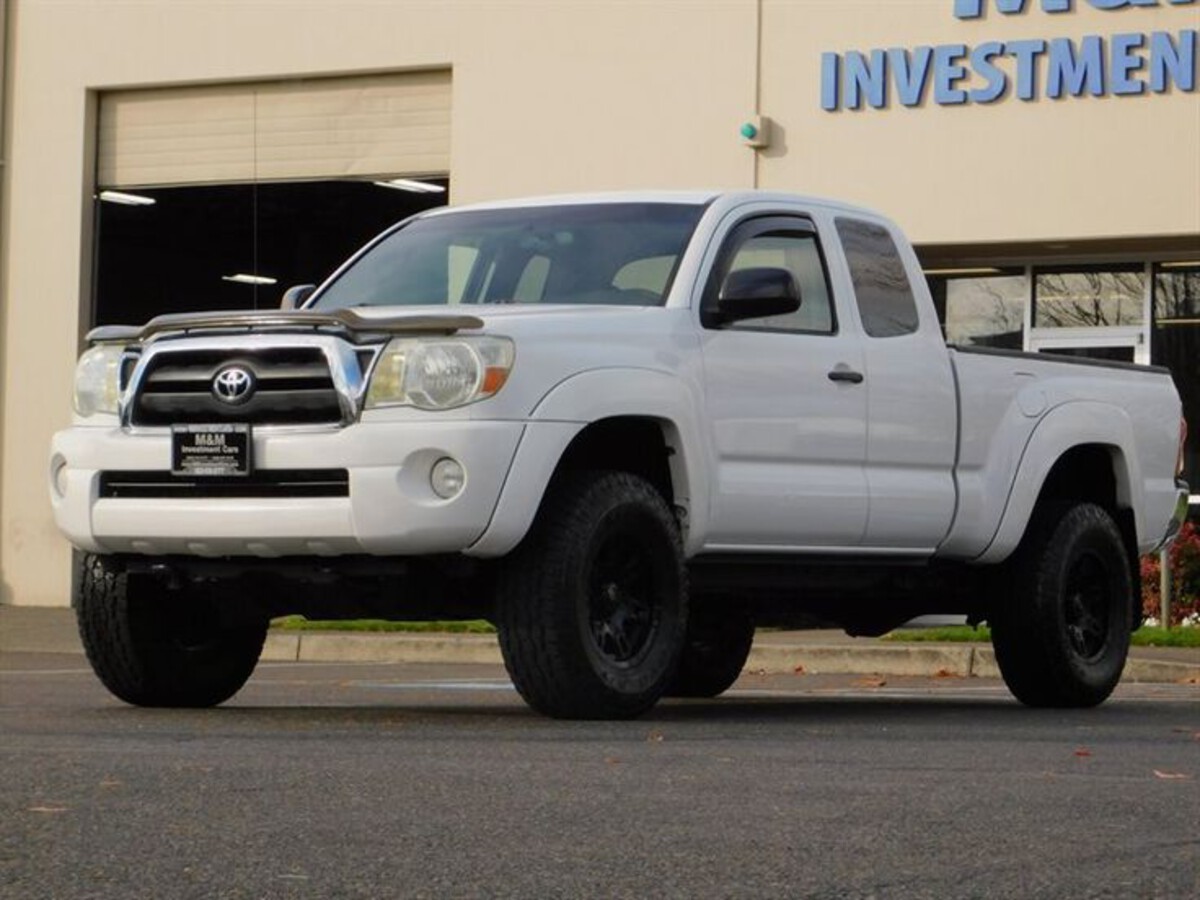
1. Toyota Tacoma
The Toyota Tacoma stands out as a perennial favorite in the midsize truck category, and its impressive resale value is no accident. For years, the Tacoma has been synonymous with reliability, ruggedness, and longevity—attributes that resonate deeply with both new and used truck buyers.
Owners frequently report Tacomas running smoothly beyond 200,000 or even 300,000 miles, an impressive feat for any pickup. This reputation alone creates a kind of virtuous cycle: prospective buyers are willing to pay a premium for used Tacomas because they trust the vehicle’s durability and reliability.
Underneath the Tacoma’s rugged exterior lies a powertrain and chassis that have been meticulously engineered and refined through multiple generations.
The most recent models offer efficient yet robust four-cylinder and V6 engines paired with transmissions designed for both smooth daily driving and serious off-road excursions.
The availability of specialized trims like the TRD Off-Road and TRD Pro only enhances the truck’s cachet among enthusiasts who value serious off-road capability combined with Toyota’s rock-solid dependability.
Toyota’s engineering philosophy emphasizes long-term quality over flashy features or rapid innovation, which means Tacomas often lag behind competitors in technology but excel in mechanical soundness. This results in fewer recalls and repair needs over time, which translates into lower ownership costs and less depreciation.
Furthermore, the Tacoma’s relatively compact size makes it more maneuverable and practical in congested urban or suburban settings, broadening its appeal beyond traditional truck buyers.
Finally, Toyota’s robust dealer network, extensive aftermarket parts availability, and strong brand loyalty among customers mean that Tacomas remain desirable in nearly every corner of the country.
Whether you’re a contractor needing a dependable workhorse or a weekend adventurer, the Tacoma offers a combination of features and reputation that supports its strong resale value consistently across markets.
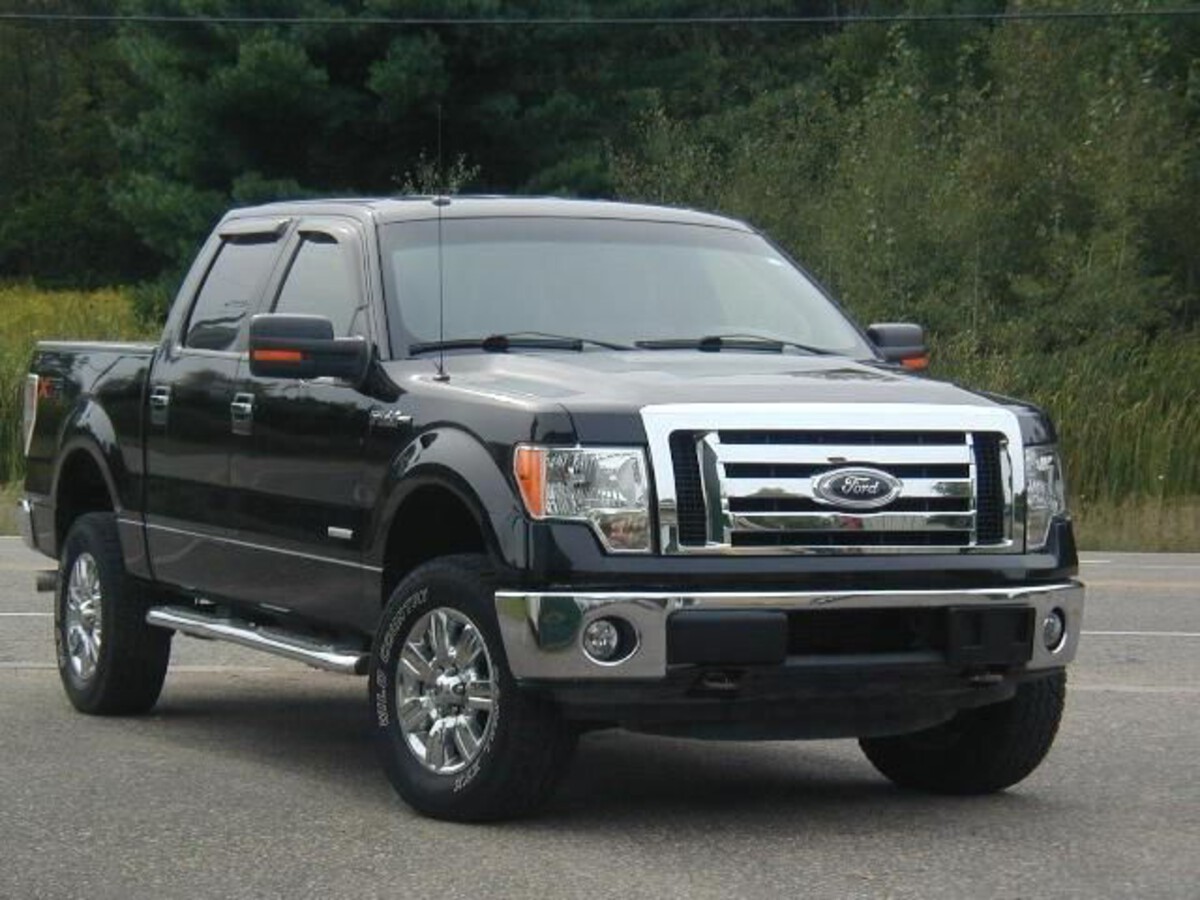
2. Ford F-150
The Ford F-150 is a cornerstone of the American pickup market and a true icon among full-size trucks. As the best-selling vehicle in the United States for over four decades, the F-150 has crafted a legacy built on innovation, versatility, and rugged performance. Its resale value benefits directly from this widespread popularity and the truck’s ability to evolve to meet the changing needs of consumers.
One of the F-150’s greatest strengths lies in its vast array of configurations and powertrain options. Buyers can choose from multiple cab sizes, bed lengths, and trims, ranging from basic work trucks to luxurious, fully loaded editions. Engine choices span from economical turbocharged V6 units designed for fuel efficiency to powerful V8s and even hybrid powertrains that balance performance with environmental considerations.
This flexibility ensures that the F-150 can serve virtually any purpose—whether it’s daily commuting, heavy towing, or off-road recreation, which keeps it in high demand in the resale market.
Ford’s ongoing investment in technology and safety is another critical factor supporting the F-150’s resale value. Features such as adaptive cruise control, blind-spot monitoring, Pro Trailer Backup Assist, and an advanced infotainment system keep the truck relevant and appealing, even as newer models enter the market.
This means that used F-150s remain competitive with newer rivals and hold their value better than trucks with outdated or limited technology.
Durability is a hallmark of the F-150’s design philosophy. The use of high-strength, military-grade aluminum alloy for the body panels, combined with a robust steel frame, reduces weight without sacrificing toughness. This approach improves fuel efficiency and handling while ensuring the truck can endure the demands of heavy workloads and tough environments.
The widespread availability of Ford service centers and a strong parts supply network also contribute to lower maintenance headaches and greater buyer confidence, further bolstering resale value.
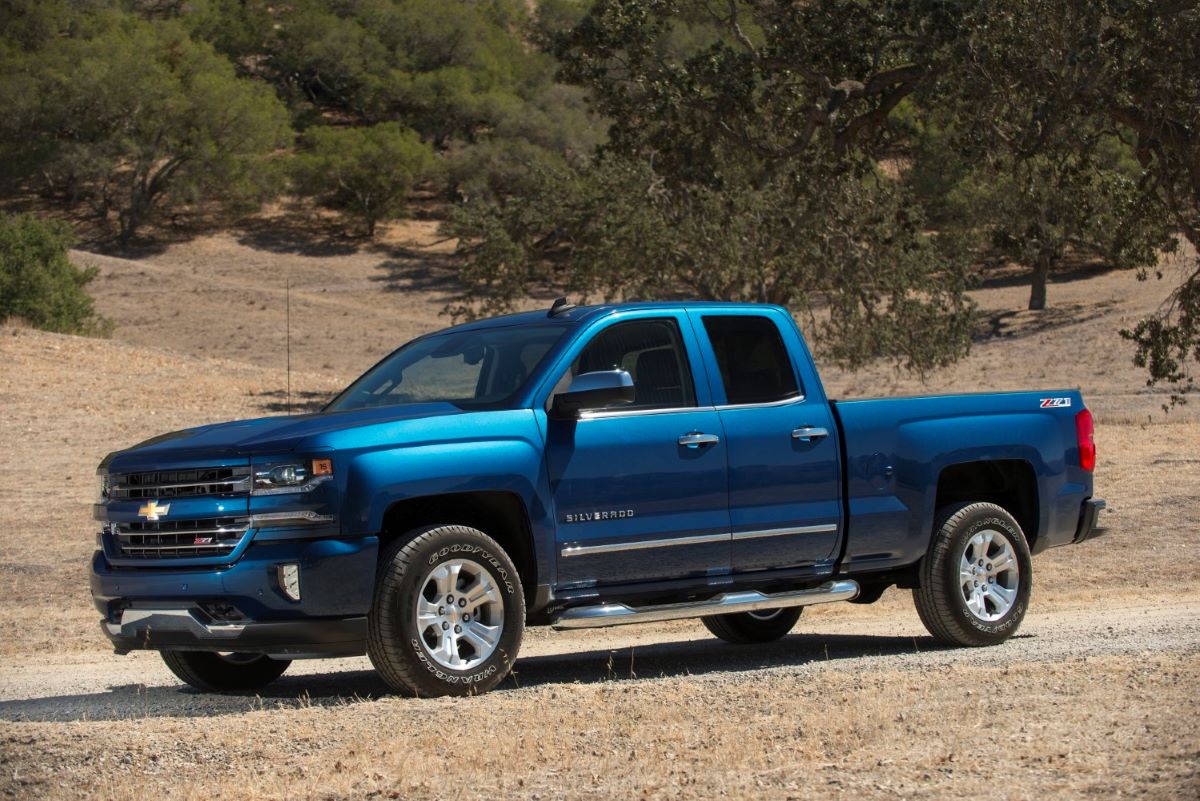
3. Chevrolet Silverado 1500
The Chevrolet Silverado 1500 is a staple of the full-size truck market, consistently delivering a blend of performance, comfort, and dependability that resonates with a broad customer base.
Its resale value remains strong due to a combination of proven engineering, brand loyalty, and continual product updates designed to keep the truck competitive in a crowded segment.
A major draw for the Silverado is its impressive range of powertrain options. From fuel-efficient V6 engines to powerful V8s and the potent diesel Duramax variants, the Silverado offers something for nearly every buyer’s needs.
These engines are well-regarded for their durability and ability to handle demanding towing and hauling tasks, which increases the truck’s appeal to commercial and personal users alike.
The availability of advanced towing aids, including trailer sway control and integrated brake controllers, makes the Silverado a go-to choice for those who rely on their trucks for serious work.
Chevrolet has also made strides in improving the Silverado’s interior over the years, addressing past criticisms about outdated cabin materials and layout.
Modern models boast spacious, comfortable cabins with intuitive infotainment systems, smartphone integration, and available luxury touches such as leather upholstery and heated seats. These enhancements make the Silverado more attractive to buyers who want a truck that works hard but also offers comfort and convenience.
Additionally, Chevrolet’s extensive dealer and service network enhances the resale value by making it easier for owners to maintain their trucks properly.
Regular maintenance and repairs are vital to preserving resale value, and when dealerships are accessible and parts plentiful, the vehicle’s lifespan and appeal are extended. The Silverado’s reputation for reliability, combined with its strong presence in the market, helps keep demand steady and resale values comparatively high.
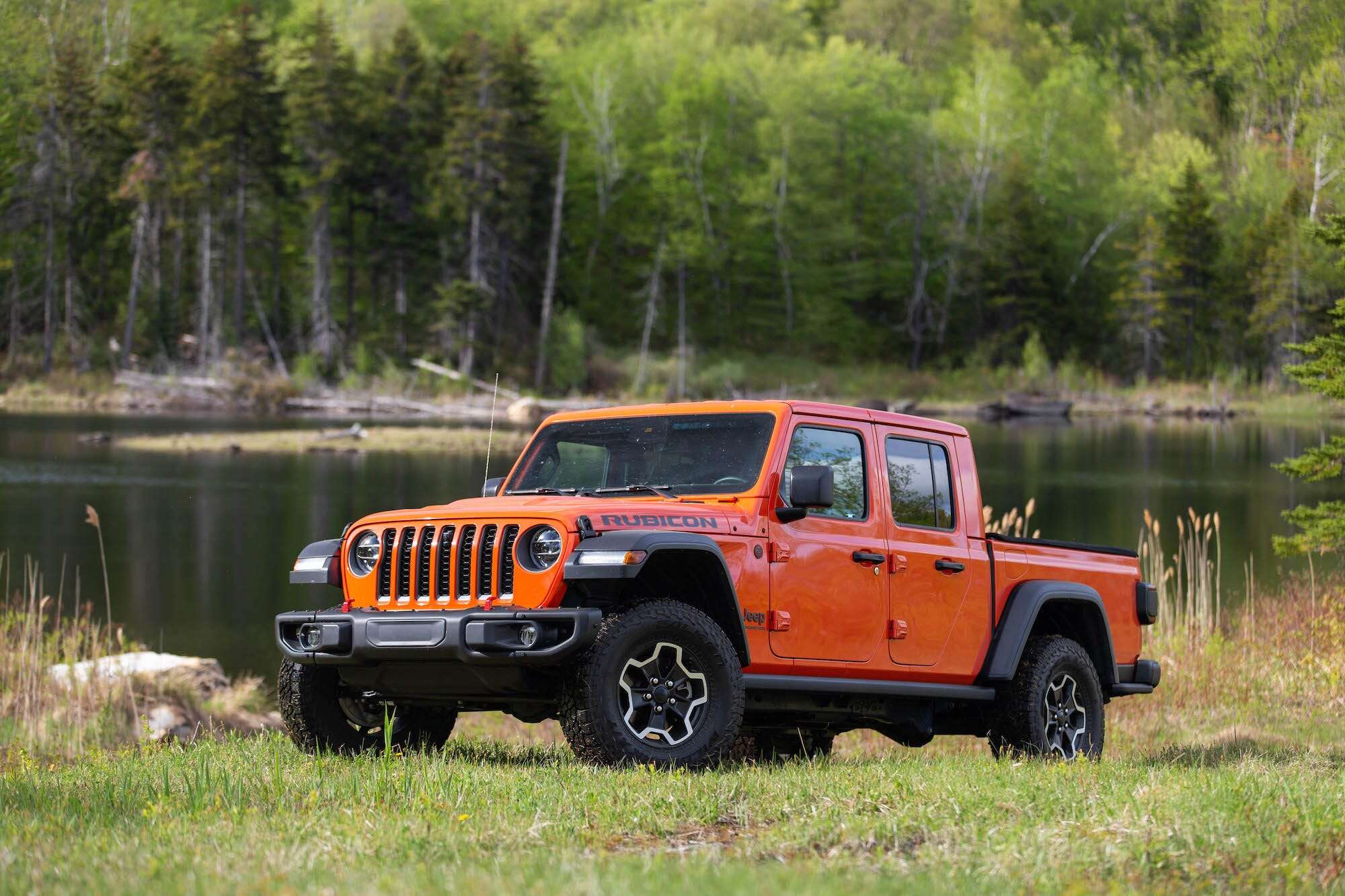
4. Jeep Gladiator
The Jeep Gladiator brings a unique flair to the pickup truck segment by merging Jeep’s iconic off-road heritage with the practicality of a pickup truck bed.
Although it entered the market relatively recently, the Gladiator quickly carved out a niche for itself, attracting buyers who seek adventure, capability, and distinctive styling. This niche appeal contributes significantly to the Gladiator’s strong resale value.
Unlike traditional pickups that often prioritize towing or payload above all else, the Gladiator emphasizes off-road performance and versatility. It shares many components with the Jeep Wrangler, such as solid axles, skid plates, and heavy-duty suspension systems.
This heritage means that the Gladiator is among the most capable off-road trucks available, attracting a passionate following among outdoor enthusiasts, campers, and off-roaders who prize trail-ready equipment.
The Gladiator’s modern interior, infotainment system, and available safety features also help keep it competitive in the resale market.
Unlike many rugged trucks that compromise on comfort, Jeep has made sure the Gladiator balances capability with everyday usability, making it suitable for both weekend adventures and daily commuting. Its unique styling—both classic Jeep cues and a distinct pickup profile—makes it stand out in a crowded field and keeps demand high.
Jeep’s brand reputation for durability and customization also boosts resale value. Owners often personalize their Gladiators with aftermarket parts, lifts, tires, and accessories, creating a strong community and aftermarket ecosystem.
This support means the Gladiator often maintains or even increases its value due to its desirability as both a functional truck and a lifestyle statement.
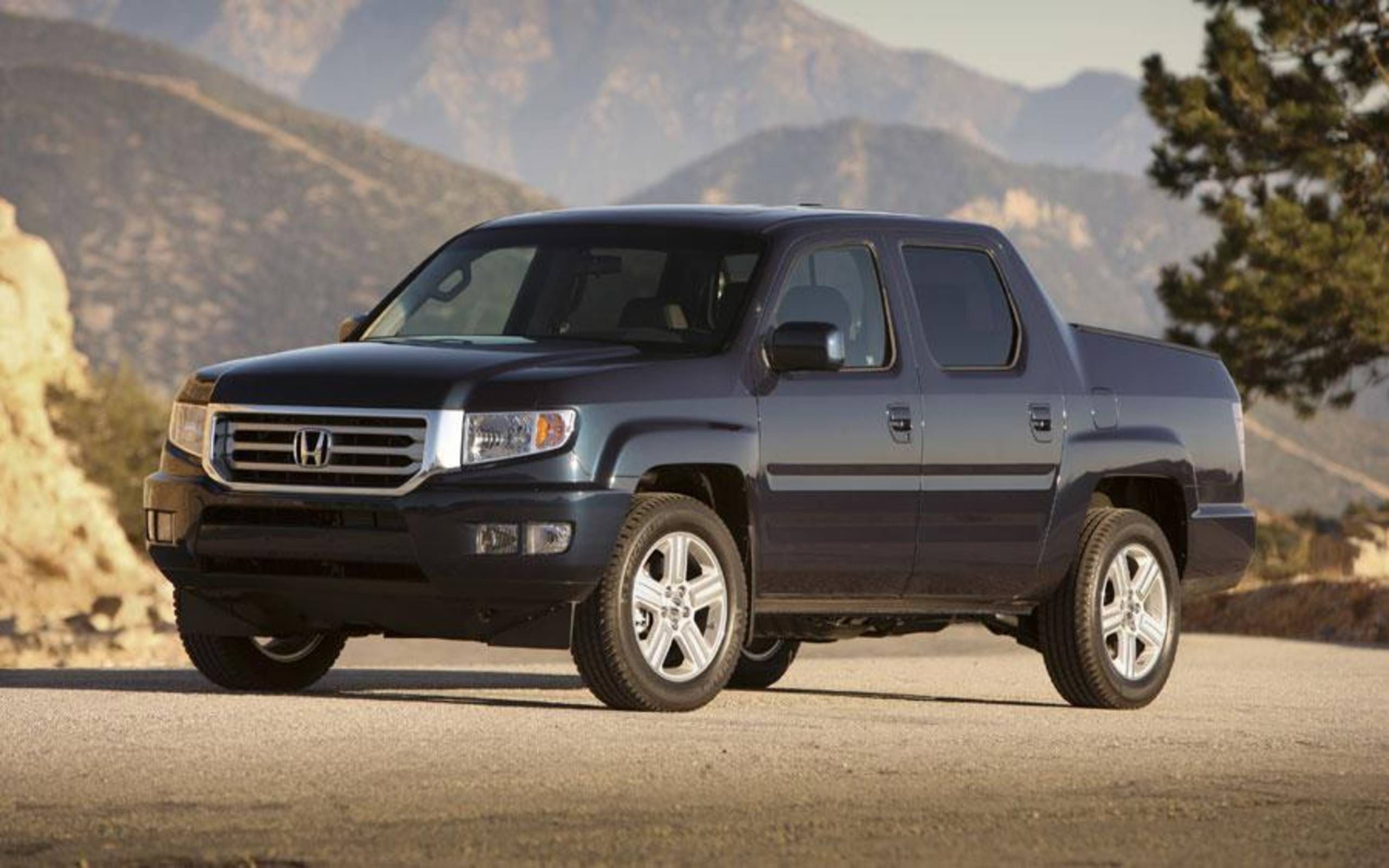
5. Honda Ridgeline
The Honda Ridgeline challenges traditional notions of what a pickup truck should be by blending the ride quality and refinement of an SUV with the utility of a truck bed.
This unconventional approach has earned it a devoted following and contributes to its strong resale value, particularly among buyers who prioritize comfort, safety, and reliability.
The Ridgeline’s unibody construction, shared with the Honda Pilot SUV, sets it apart from traditional body-on-frame trucks. This design offers a quieter, smoother ride, better handling, and increased crash safety, which appeals to drivers who want a truck that drives more like a car.
While it may not have the same towing or off-road prowess as some competitors, the Ridgeline excels in everyday usability and comfort, making it a favorite among families and urban drivers.
Honda’s legendary reliability and low maintenance costs are significant factors behind the Ridgeline’s resale performance. The truck’s proven V6 engine and efficient automatic transmission deliver dependable power without excessive fuel consumption or frequent mechanical issues.
Owners benefit from Honda’s reputation for durable parts and straightforward maintenance, which reduces ownership costs and preserves value.
Innovative features such as the dual-action tailgate and in-bed trunk provide practical solutions that traditional trucks don’t offer, increasing the Ridgeline’s appeal.
Buyers recognize these conveniences and the vehicle’s overall versatility, making it a smart choice for those looking for a reliable, well-rounded pickup that holds its value over time.
5 Pickup Trucks That Plummet in Worth
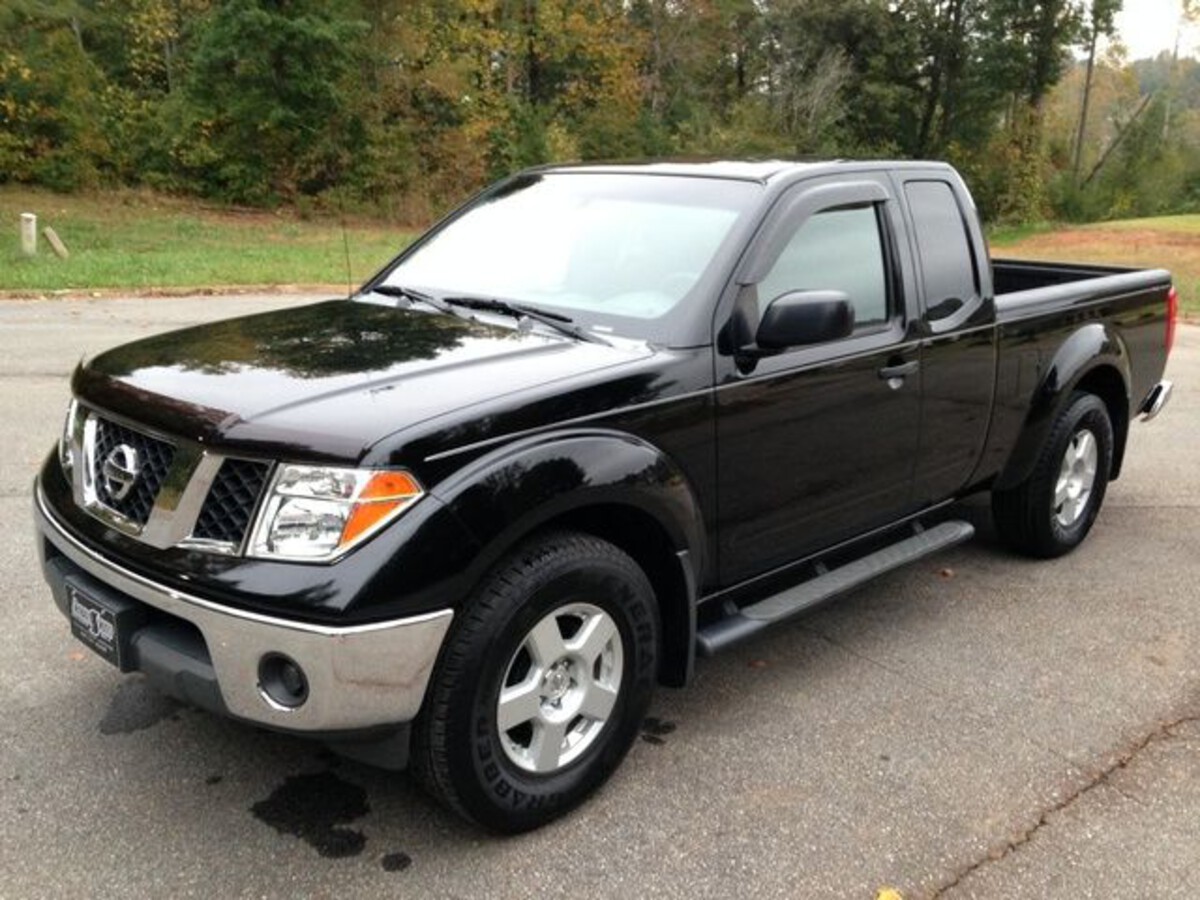
1. Nissan Frontier (Older Models)
The Nissan Frontier has struggled historically with depreciation, especially among older models, despite Nissan’s attempts to position it as a value-oriented midsize truck. Several factors have contributed to its weaker resale performance compared to competitors like the Toyota Tacoma and Honda Ridgeline.
Firstly, older Frontiers often lag behind in terms of interior quality and modern amenities. While functional, their cabins feel dated and less refined than rivals’, which discourages buyers looking for comfort and technology in a used truck.
Safety features also fall short on many models, as Nissan was slower to integrate advanced driver-assistance technologies, reducing appeal in a market increasingly valuing these attributes.
Mechanically, while the Frontier offers decent reliability, it has not matched the bulletproof reputation of some competitors.
Issues with the transmission, engine, and suspension have been reported in some model years, leading to increased maintenance costs and reduced buyer confidence. The combination of these factors accelerates depreciation as buyers are less willing to pay premium prices for a truck with perceived shortcomings.
Additionally, the Frontier’s aging platform and the long delay in redesigns have hurt its desirability. While competitors introduced updated designs, new technology, and improved fuel efficiency, the Frontier remained largely unchanged for extended periods, causing it to fall behind in resale value.
The used market reflects this, with Frontier prices often significantly lower than comparable trucks, making it a less attractive option for those concerned with long-term value.
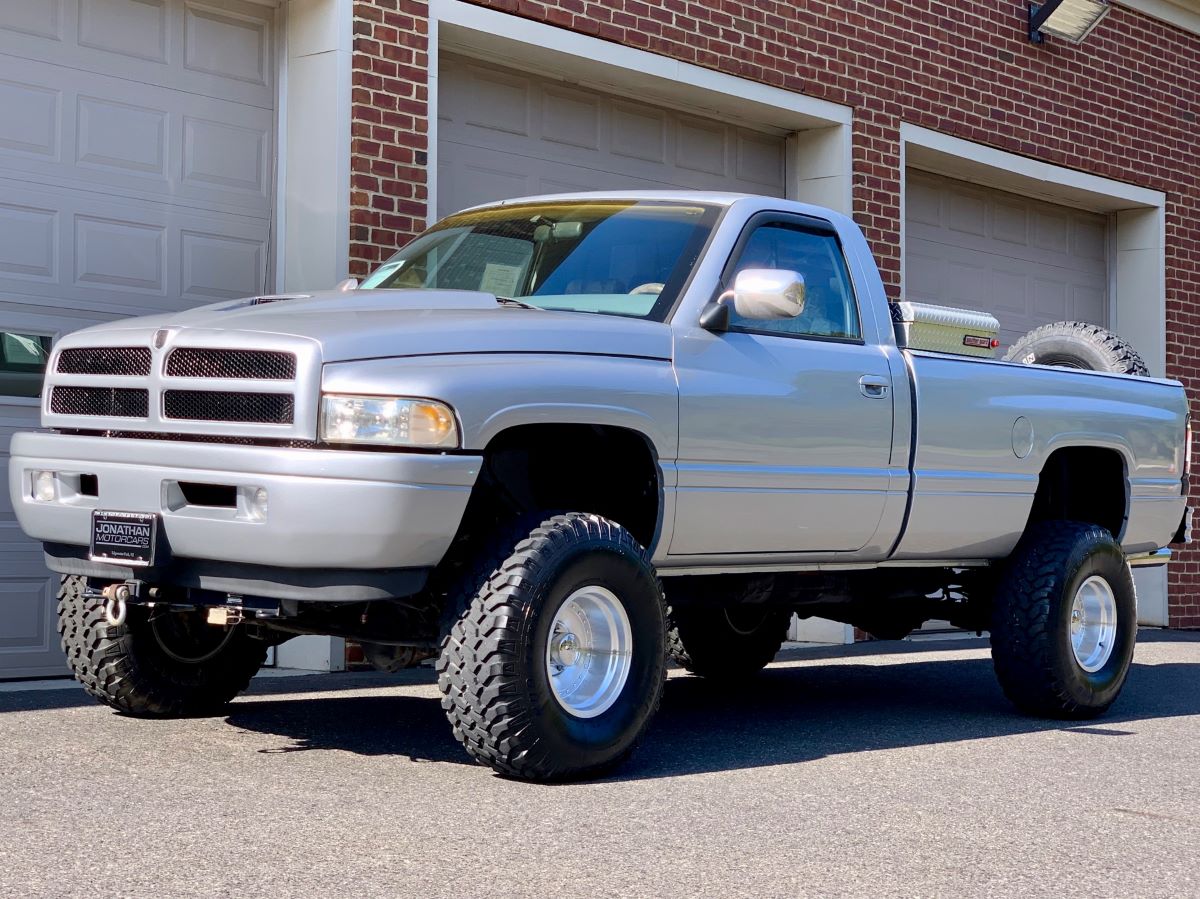
2. Ram 1500 (Certain Model Years)
The Ram 1500 is a strong contender in the full-size pickup market overall, but specific model years—particularly those from the early to mid-2010s—have been plagued by reliability issues that severely impact resale values.
Owners and industry experts have noted concerns such as transmission failures, electrical system malfunctions, and suspension problems in these years, which contribute to costly repairs and downtime.
These mechanical issues have had a tangible effect on buyer perceptions. Potential used truck buyers tend to shy away from Ram 1500s from problematic model years, leading to higher depreciation compared to more consistently reliable rivals like the Ford F-150 or Chevrolet Silverado.
Even though Ram has made significant improvements in newer models, the lingering reputation of these problematic years continues to depress resale values for trucks within this range.
Furthermore, maintenance and repair costs for the Ram 1500 can be higher than average, partly due to complex transmission designs and electronic components. This reality discourages some buyers who factor in long-term ownership costs when purchasing used vehicles, resulting in less demand and steeper depreciation.
The availability of service and parts also varies by region, and in areas where Ram dealerships or mechanics with specific expertise are scarce, resale values can be even lower. This geographic disparity further compounds the truck’s overall depreciation challenge.
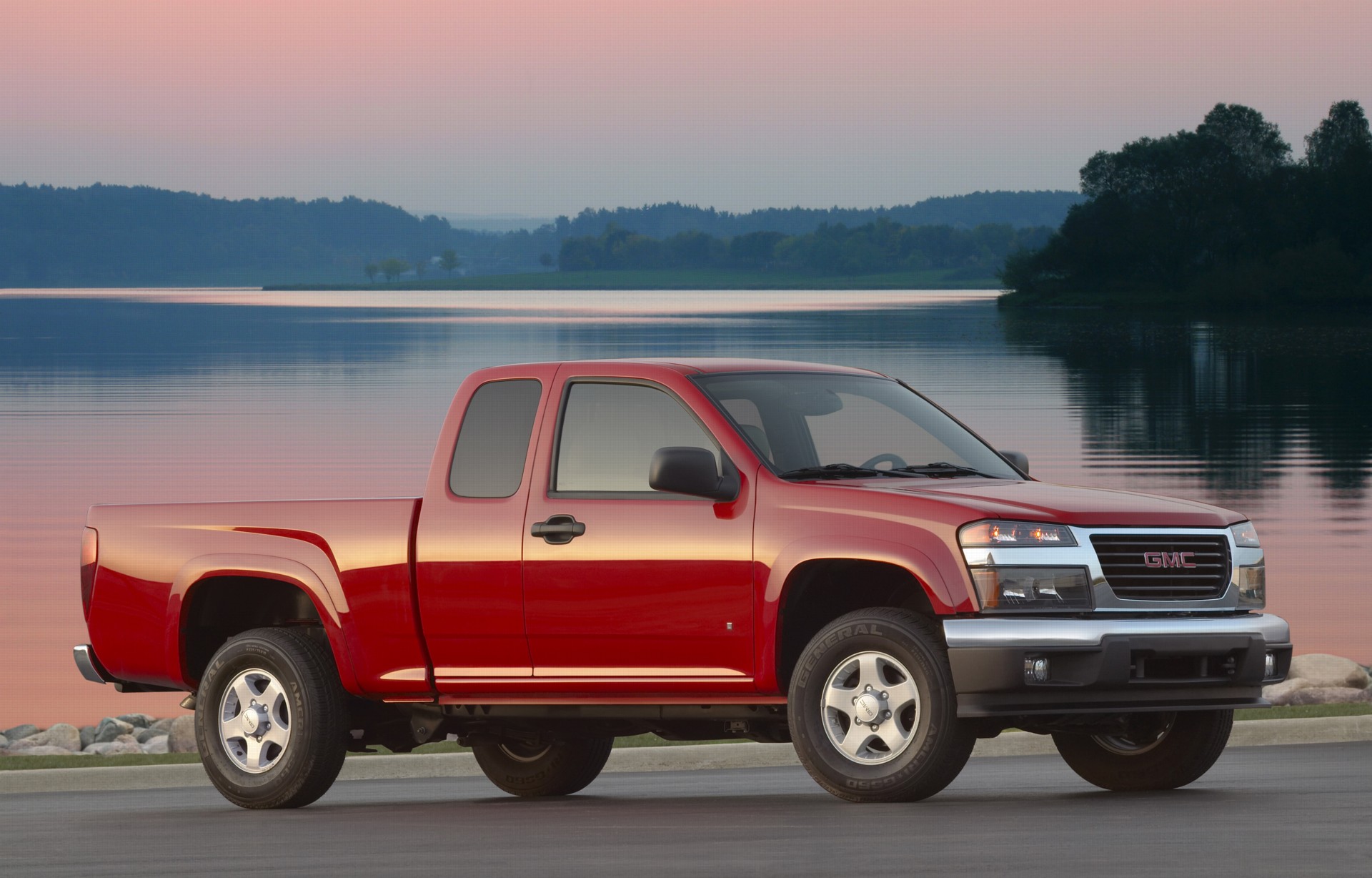
3. GMC Canyon (Older Models)
The GMC Canyon, though closely related to the Chevrolet Colorado, has historically struggled to maintain resale value, especially in older model years.
Several reasons contribute to this trend, starting with the brand’s positioning and marketing strategy. GMC markets the Canyon as a more upscale option compared to the Chevrolet counterpart, but this distinction has sometimes been too subtle to justify a significant price premium in the used market.
Older Canyon models suffer from dated interiors, less impressive fuel economy, and fewer advanced features compared to newer competitors.
This lack of modernization has caused many buyers to favor other midsize trucks that offer more contemporary styling, technology, and performance. As a result, the resale values of older Canyons tend to decline more rapidly.
Additionally, GMC’s dealer network is generally smaller than Chevrolet’s, which affects parts availability, service convenience, and overall consumer confidence. This can lead to longer repair times and increased maintenance costs, factors that negatively influence resale prices.
The midsize pickup segment is also highly competitive, with well-established rivals like the Toyota Tacoma, Honda Ridgeline, and Ford Ranger capturing much of the market share.
The Canyon’s inability to clearly differentiate itself has caused it to be less desirable, accelerating depreciation relative to trucks that command stronger buyer interest.
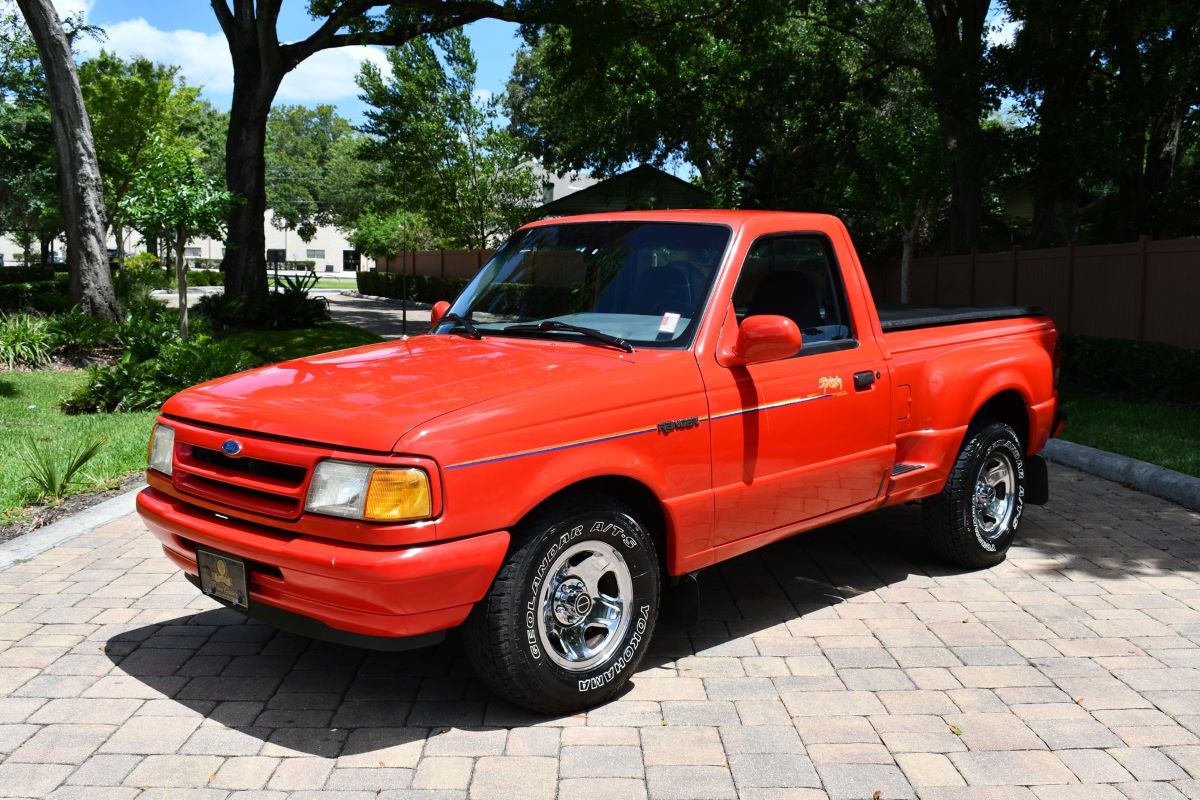
4. Ford Ranger (Early 2000s Models)
The early 2000s Ford Ranger was once a mainstay of the compact pickup segment, but these models have notoriously poor resale values today due to a variety of factors. Chief among them is the aging design, which by modern standards feels outdated in terms of powertrain efficiency, safety features, and cabin comfort.
At the time, the Ranger was valued for its compact size and maneuverability, but as consumer preferences shifted toward larger midsize and full-size trucks with more power and space, the Ranger’s appeal diminished.
Buyers looking for used trucks now often prioritize vehicles that offer greater towing capacity, advanced safety tech, and more refined interiors—areas where early 2000s Rangers fall short.
Reliability for these Rangers was generally average, but not outstanding, and they did not benefit from the same reputation for longevity as some competitors.
Furthermore, the discontinuation of the Ranger in the U.S. market for many years led to challenges with parts availability and dealer support, which in turn increased maintenance costs and deterred buyers in the used market.
As a result, the resale values of these older Rangers have plummeted, reflecting the truck’s diminished desirability and growing obsolescence. While the Ranger has made a successful comeback in recent years, those older models remain cautionary examples of rapid depreciation.

5. Isuzu i-Series
The Isuzu i-Series was a niche player in the pickup truck market during its brief run in the mid-2000s, essentially serving as a rebadged Chevrolet Colorado sold under the Isuzu brand.
Despite sharing many mechanical components with a well-regarded truck, the i-Series struggled to establish itself due to several key disadvantages that contributed to its sharp depreciation.
One major issue was brand perception. Isuzu, while known for commercial vehicles and diesel trucks, was not widely recognized by mainstream pickup buyers as a strong player in the consumer market.
This lack of brand awareness and loyalty made it difficult for the i-Series to attract buyers willing to pay competitive prices, especially in the used market where brand reputation weighs heavily.
Furthermore, the limited production and short market presence meant the i-Series had a smaller pool of parts suppliers, fewer dealerships, and limited aftermarket support compared to rivals. This scarcity raised concerns about maintenance costs and repair turnaround times, factors that dissuade many used truck buyers.
The i-Series also lacked the aggressive marketing and product updates that kept competitors fresh and desirable. Buyers looking at used pickups favored more established names like Toyota, Ford, and Chevrolet, pushing down demand and prices for the i-Series.
Consequently, it has become a classic example of how even mechanically sound trucks can suffer steep depreciation without the right branding, support, and market presence.
Also Read: 10 Cars Mechanics Secretly Drive Themselves: Reliable, Affordable, Easy to Maintain Daily Drivers
Selecting a pickup truck with strong resale value is about more than just buying a vehicle; it’s about making a strategic investment that balances your needs today with your financial well-being tomorrow.
Trucks like the Toyota Tacoma, Ford F-150, and Chevrolet Silverado 1500 have earned their reputations for retaining value through a consistent combination of reliability, versatility, and brand strength.
They appeal to a broad spectrum of buyers, from daily drivers to commercial operators, ensuring a healthy demand in the used vehicle market that protects their resale values.
Newer and more innovative trucks, such as the Jeep Gladiator and Honda Ridgeline, demonstrate that a well-executed blend of niche appeal, modern features, and unique design can also command strong resale value.
These trucks cater to specific lifestyles and preferences, creating loyal customer bases willing to pay a premium for what these vehicles uniquely offer.
Conversely, the depreciation struggles of older Nissan Frontiers, certain Ram 1500 model years, the GMC Canyon, early Ford Rangers, and the Isuzu i-Series highlight the importance of factors beyond just mechanical soundness.
Aging designs, lack of technological updates, brand perception, and dealer support heavily influence how well a truck maintains its value. These vehicles serve as warnings that buyers must look beyond initial cost and consider long-term ownership costs and market demand.
Ultimately, understanding which trucks hold their value—and why—empowers buyers to make better decisions tailored to their needs and budget.
Whether prioritizing rugged reliability, modern luxury, or off-road prowess, knowing the resale landscape helps you choose a pickup that remains a wise investment for years to come. With this knowledge, you can confidently navigate the complex world of pickup trucks and avoid costly depreciation pitfalls.
