
When purchasing a vehicle, the focus is often on aesthetics, performance, or brand prestige. However, one of the most critical factors that often goes unnoticed until much later is depreciation—the rate at which a vehicle loses its market value over time.
This financial phenomenon plays a pivotal role in the true cost of ownership, influencing everything from insurance premiums to trade-in or resale value.
Many buyers, especially first-timers or those attracted by the glitz of luxury models, overlook how depreciation impacts the total cost of owning a car.
The excitement of getting behind the wheel of a new luxury vehicle can mask the reality that these vehicles often lose a substantial percentage of their initial price within just a few years, sometimes leaving owners with a depreciated asset that holds little financial value.
In contrast, many affordable cars, often perceived as “budget-friendly” or less glamorous, quietly defy expectations by holding onto their value far longer. These cars are prized for their reliability, low cost of maintenance, and practical appeal that transcends fleeting trends.
Their resale value remains strong because demand remains steady across a wide spectrum of buyers who prioritize dependability and cost efficiency.
The economics behind these vehicles’ value retention lies in consistent performance, fewer mechanical issues, and the availability of affordable parts. This makes them attractive not only to individual owners but also to fleet buyers, rental companies, and used car dealers, all of whom keep the market robust.
This article will explore in depth five affordable cars that are well-known champions of value retention and compare them to five luxury vehicles infamous for their rapid depreciation.
By breaking down the elements that contribute to a car’s ability to hold value, including brand reputation, reliability, maintenance costs, market demand, and technological relevance, readers will gain a clearer understanding of the complex factors influencing depreciation.
We’ll discuss how brand loyalty, engineering philosophy, and consumer trends shape the secondary market, guiding buyers to make smarter financial decisions. Whether you’re budgeting for a dependable daily driver or debating the long-term implications of splurging on luxury, this exploration offers crucial insights.
The contrast between affordable vehicles and luxury models in terms of depreciation is stark and informative. While affordable cars often represent stable investments with a clear financial upside in the used market, luxury vehicles can rapidly diminish in worth despite their impressive features.
This analysis aims to demystify the depreciation curve and empower buyers to weigh passion against prudence, ultimately encouraging purchases that align with both lifestyle needs and financial wisdom.
Let’s start by examining the five affordable vehicles that have proven time and again that “value” is more than just a buzzword—it’s a measurable, tangible benefit.
Also Read: 5 SUVs That Stop Running When Hotwired and 5 That Are Too Easy to Steal
5 Affordable Cars That Retain Value
1. Toyota Tacoma
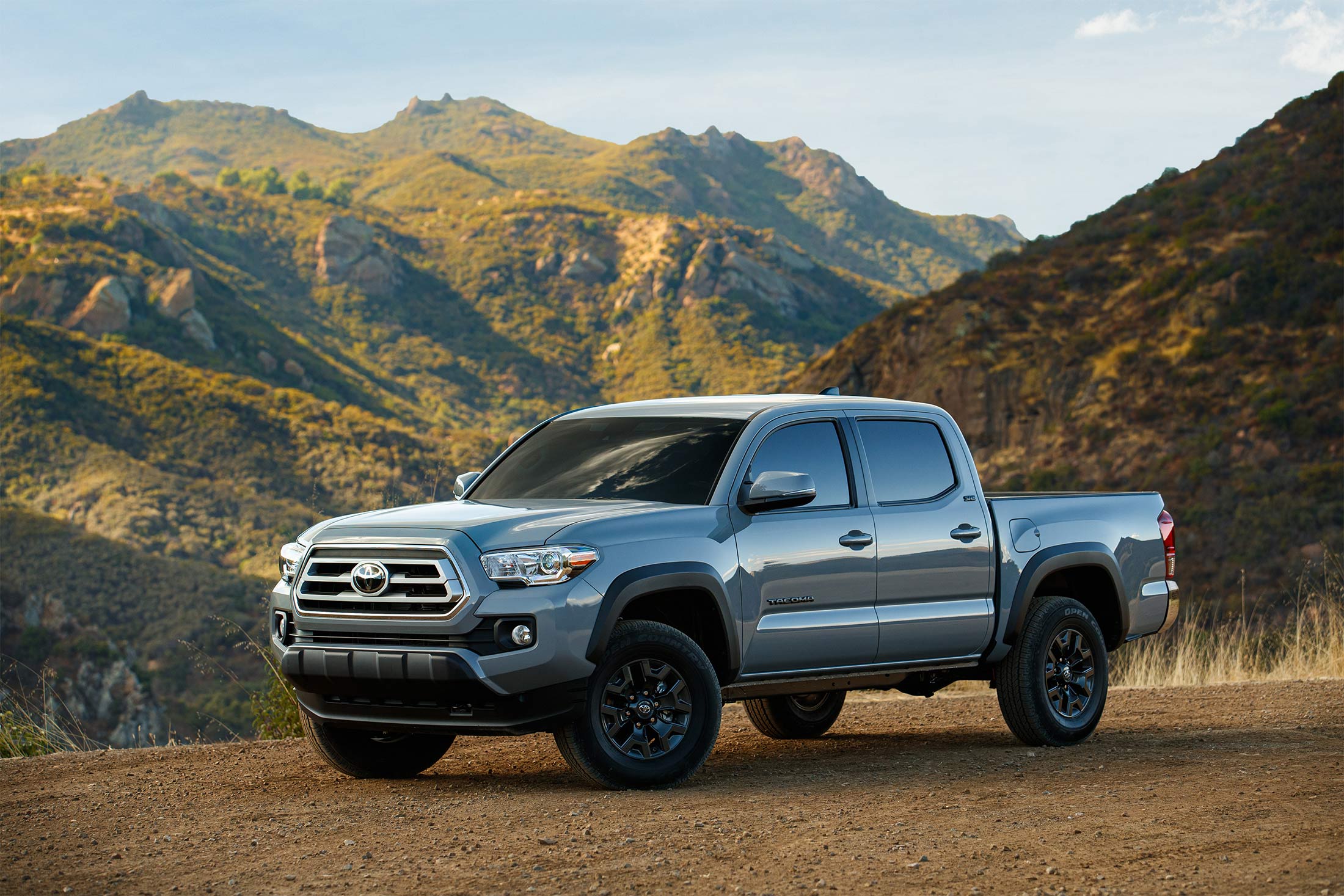
The Toyota Tacoma is a legend among midsize pickup trucks, famous for its extraordinary reliability and toughness that seem almost built to last forever. Its ability to maintain value over time is no accident but the result of decades of consistent engineering focused on durability and dependability rather than flashy gimmicks.
The Tacoma’s ruggedness means it remains a top choice for both work and play, easily transitioning between hauling gear for construction jobs and exploring off-road trails.
This broad utility ensures sustained demand in the used truck market, which in turn bolsters its resale value. Many owners proudly keep their Tacomas running well beyond the 200,000-mile mark, a testament to Toyota’s commitment to long-lasting powertrains and resilient components.
This model benefits immensely from Toyota’s global reputation for quality and its conservative design philosophy. Unlike some competitors that chase cutting-edge tech or extravagant styling each model year, the Tacoma sticks with proven mechanical layouts that minimize the risk of breakdowns or costly repairs.
This practical approach reduces the total cost of ownership, a major selling point for buyers looking for a truck that won’t become a money pit. Moreover, because Toyota limits Tacoma production to manage supply and demand carefully, used models don’t flood the market, which helps keep prices firm and resale values high.
Geographically, the Tacoma enjoys particular popularity in regions with active outdoor lifestyles such as the American West and Pacific Northwest. Its off-road capabilities—enhanced by features like skid plates, locking differentials, and advanced traction systems—make it an indispensable tool for adventurers.
The resulting localized demand acts as a cushion against steep depreciation that trucks in less desirable markets might face. Additionally, Toyota’s nationwide dealer network and robust availability of genuine parts ensure that repairs and maintenance remain accessible and affordable, further strengthening the Tacoma’s appeal.
In sum, the Toyota Tacoma embodies a perfect balance of functionality, longevity, and desirability that few vehicles in the midsize truck segment can match.
Its ability to retain value over time is a reflection of more than just market trends; it’s rooted in real-world dependability and a passionate fan base that values a vehicle built to endure. For anyone in the market for a truck that holds its value as steadfastly as it holds the road, the Tacoma is an exemplary choice.
2. Honda Civic
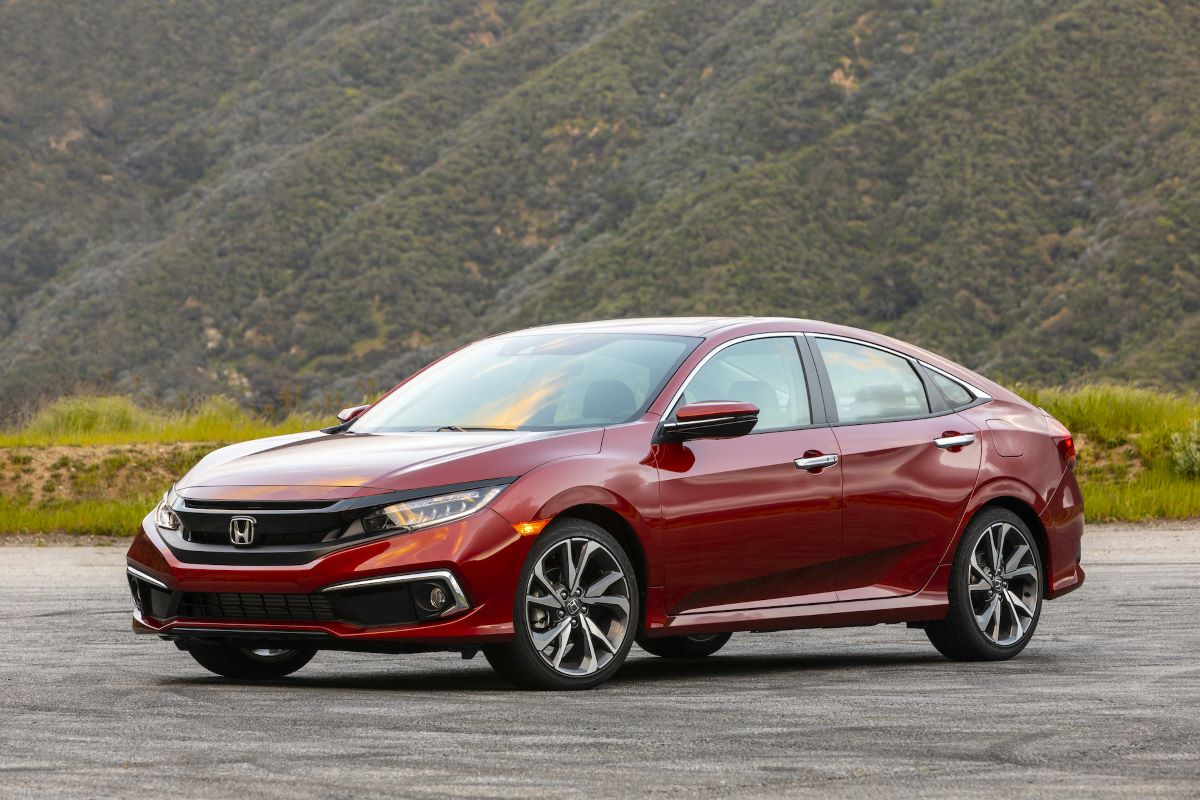
The Honda Civic stands as one of the most iconic compact cars in automotive history, consistently praised for its blend of fuel efficiency, reliability, and timeless design.
This vehicle’s enduring popularity in the used car market is a result of its reputation for mechanical robustness combined with broad appeal.
Unlike vehicles that depend heavily on luxury or niche markets, the Civic attracts a diverse demographic—ranging from college students and first-time drivers to retirees and small families—ensuring there is almost always a buyer waiting when the time comes to sell or trade in.
The Civic’s retention of value stems from Honda’s unwavering commitment to engineering vehicles that are both simple and durable. The engines and transmissions in Civics are known to be nearly bulletproof, requiring minimal repairs well into high mileage.
Furthermore, the availability of inexpensive parts and the relative ease of maintenance keep ownership costs low, factors that enhance its desirability on the secondary market. Buyers are confident that acquiring a used Civic means getting a car with a long life expectancy, which naturally keeps resale prices stable.
Another vital aspect of the Civic’s success is Honda’s careful evolution of the model over the years. The Civic’s design philosophy balances fresh styling and technological innovation with proven mechanical underpinnings.
Honda regularly upgrades safety features, infotainment systems, and fuel efficiency, which help keep the car competitive in a rapidly evolving market without sacrificing reliability.
This blend of innovation and durability means that even older models hold value because they offer a compelling combination of modern amenities and dependability.
Lastly, the Civic’s extensive dealer network and high brand loyalty play crucial roles in supporting resale value. Honda’s customer service reputation and the availability of certified pre-owned programs provide peace of mind to buyers.
This assurance that the car has been inspected and is backed by manufacturer support means that used Civics are highly sought after, often commanding higher prices than other compact cars of similar age and mileage.
3. Subaru Outback
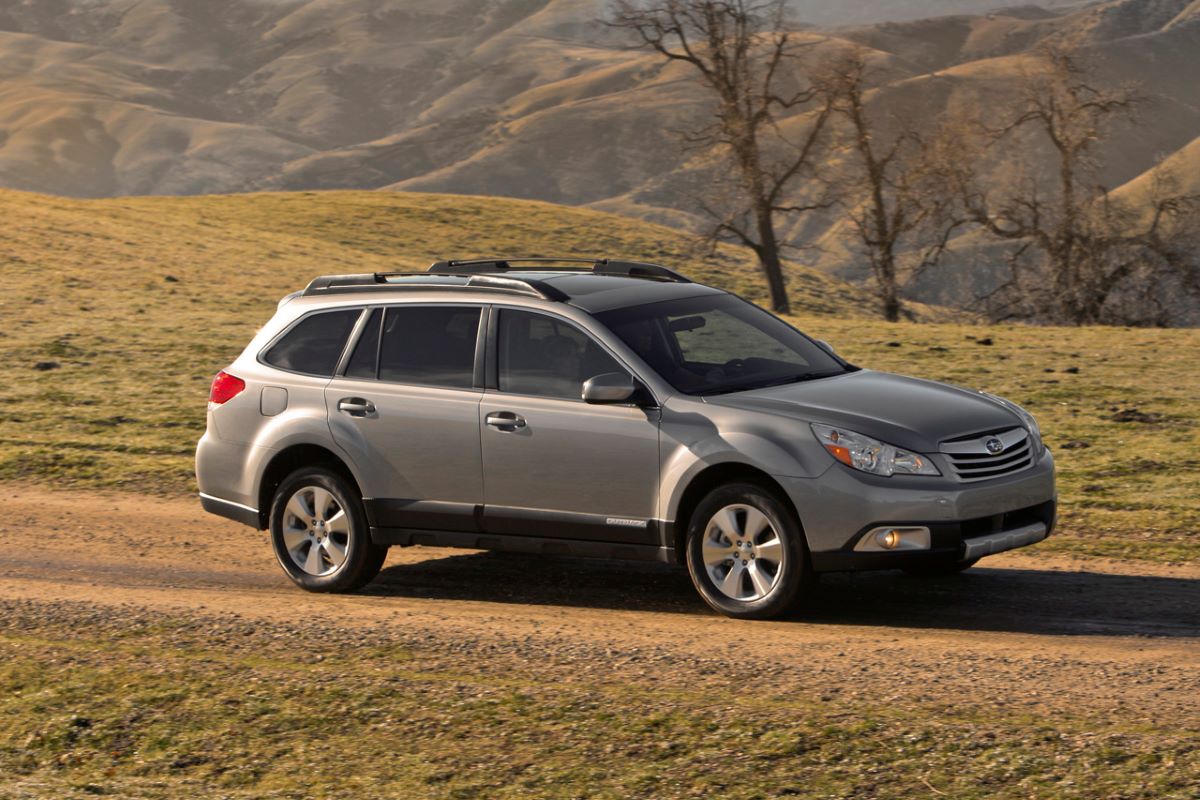
The Subaru Outback occupies a unique position in the automotive landscape, offering a crossover wagon that blends car-like driving dynamics with rugged utility and all-weather capability.
Its standard all-wheel-drive system makes it exceptionally appealing in regions with challenging weather conditions or unpaved roads, while its spacious interior and safety features attract families and outdoor enthusiasts alike.
This versatility plays a major role in its strong resale values, as it fills a niche that combines the best elements of cars and SUVs in one package.
Reliability is central to the Outback’s value retention. Subaru has honed its boxer engine and symmetrical all-wheel-drive system to deliver consistent performance with relatively low maintenance needs. While some early models had a reputation for head gasket issues, recent generations have largely overcome these concerns, reinforcing buyer confidence.
Subaru’s dedication to safety innovation, such as the EyeSight Driver Assist suite, also enhances the vehicle’s long-term appeal by keeping older models relevant and competitive in safety-conscious markets.
The Outback’s appeal is further amplified by changing consumer preferences. As more buyers seek vehicles that can accommodate both daily urban commuting and weekend adventures, the Outback’s rugged yet refined nature becomes a highly desirable trait.
Its spacious cargo area and comfortable seating make it a favorite for families, while its reputation for toughness attracts outdoor lovers, creating a broad secondary market.
Additionally, Subaru’s commitment to environmental responsibility through fuel-efficient engines and hybrid variants helps maintain the Outback’s relevance in an increasingly eco-conscious world.
The strong demand for used Outbacks, combined with their practical design and excellent safety record, contributes to a robust resale market, allowing owners to retain significant value over several years.
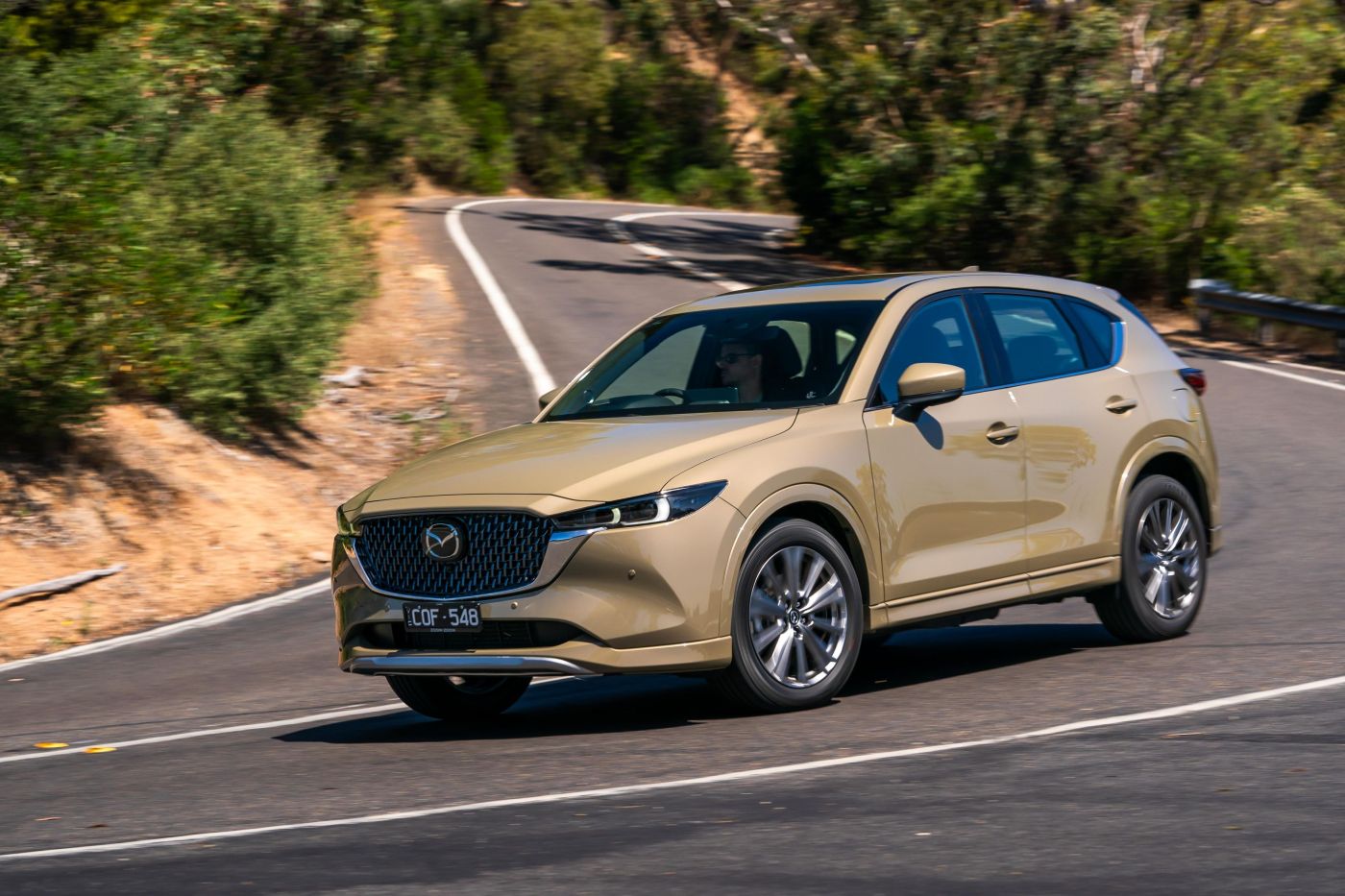
4. Mazda CX-5
The Mazda CX-5 represents a new generation of affordable crossovers that prioritize not only practicality but also driving enjoyment and aesthetic appeal.
Unlike many rivals in the compact SUV segment, the CX-5 delivers a driving experience more akin to a sporty sedan than a cumbersome utility vehicle, which has earned it accolades and a devoted following. This reputation for being fun to drive while maintaining everyday usability has positively impacted its value retention.
Mazda’s focus on craftsmanship is evident in the CX-5’s upscale interior, which features premium materials and thoughtful design elements that set it apart from other affordable crossovers.
This near-luxury feel, paired with intuitive controls and user-friendly infotainment systems, elevates the CX-5’s desirability among buyers who want more than just basic transportation. This positioning helps the CX-5 command higher resale values as it attracts buyers who appreciate style and substance.
The brand’s commitment to engineering quality vehicles with efficient Skyactiv engines means the CX-5 offers strong fuel economy without sacrificing performance.
Maintenance costs tend to be reasonable compared to luxury crossovers, making it an attractive choice for cost-conscious buyers. Reliable performance combined with modern styling ensures that the CX-5 remains competitive on the used market, helping owners recoup more of their investment over time.
Moreover, the CX-5 benefits greatly from the booming popularity of crossover SUVs in general. Buyers consistently prefer vehicles that offer a higher driving position, better visibility, and flexible cargo space, which ensures sustained demand.
Mazda’s reputation for reliability and driving dynamics, paired with the CX-5’s ability to meet these market trends, makes it a standout in its class when it comes to value retention.
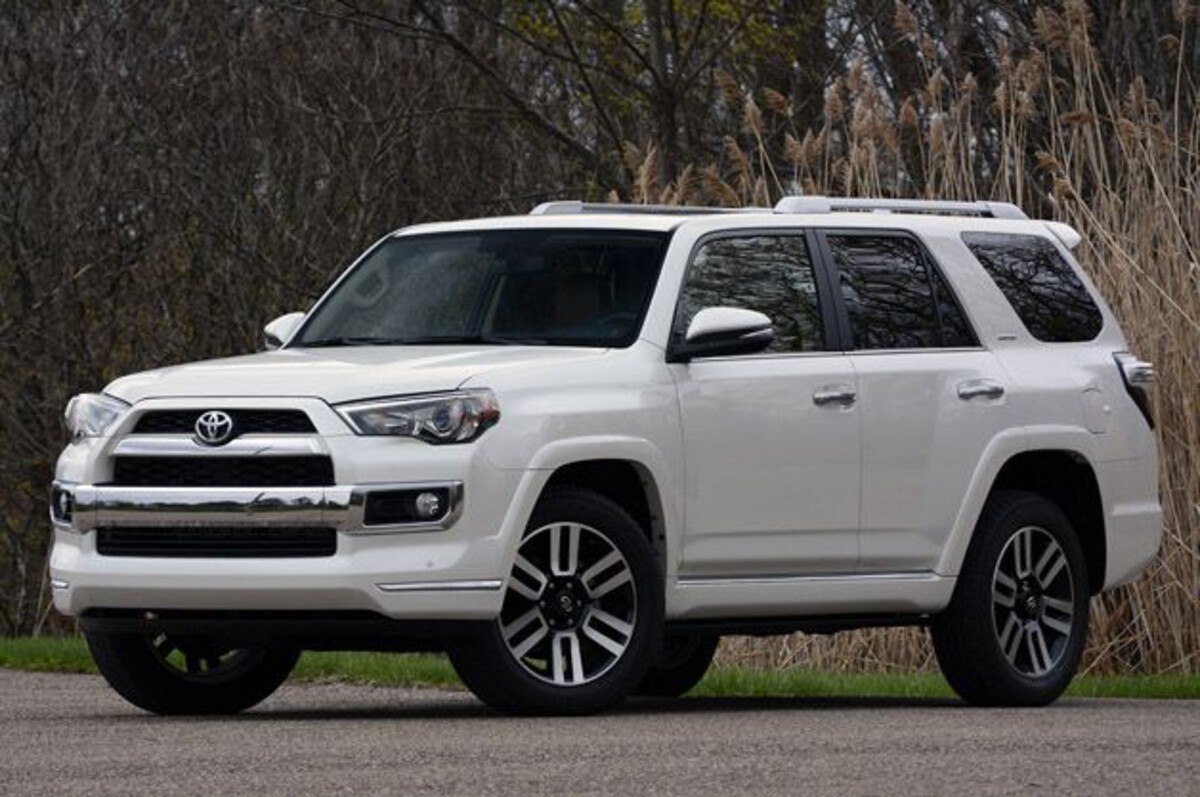
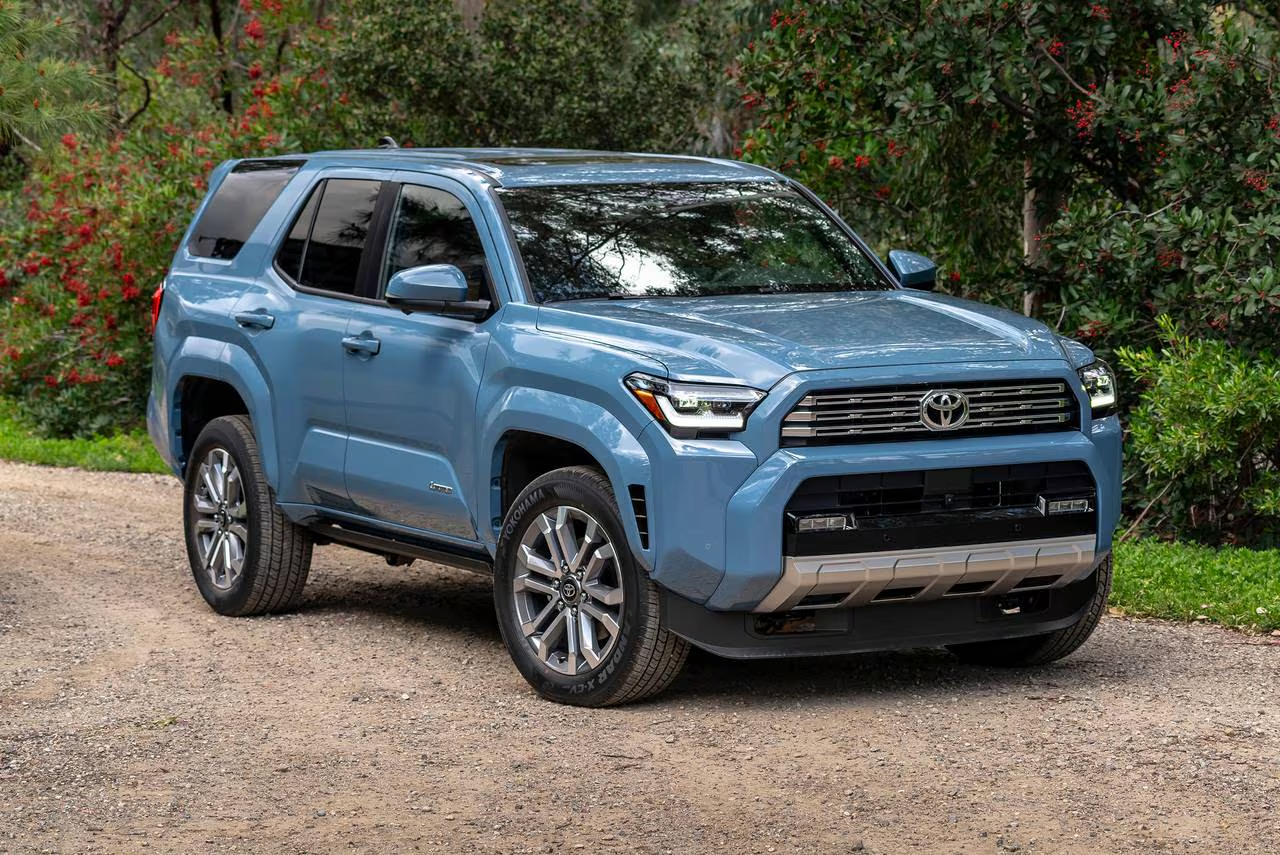
5. Toyota 4Runner
The Toyota 4Runner is a storied midsize SUV that combines rugged off-road capability with everyday usability, making it a favorite among buyers who need a vehicle that can handle both city streets and challenging terrains.
Its classic body-on-frame construction, a design increasingly rare in modern SUVs, gives it a durability edge that resonates with buyers seeking longevity and toughness. This fundamental build philosophy is key to its exceptional value retention.
One of the main drivers of the 4Runner’s strong resale value is its reputation for lasting well beyond typical vehicle lifespans. Many 4Runner owners report driving their vehicles well past the 200,000-mile mark with minimal major repairs.
This proven longevity, combined with Toyota’s global reputation for quality, inspires confidence among used car buyers. As a result, 4Runners often command resale prices significantly higher than other midsize SUVs of similar age.
The vehicle’s design has remained relatively unchanged over recent generations, which paradoxically works to its advantage. While other SUVs chase fleeting trends with aggressive restyling that can quickly age, the 4Runner’s consistent look and utilitarian appeal help it maintain timeless desirability. Buyers know what they’re getting—a proven, rugged SUV designed to withstand harsh conditions rather than just follow style fads.
Furthermore, the 4Runner’s off-road prowess is widely respected, featuring available four-wheel drive, locking differentials, and high ground clearance.
Enthusiasts and those who rely on their vehicles for outdoor activities are willing to pay a premium for these capabilities, further supporting resale prices. Coupled with Toyota’s extensive dealer and parts network, owning and maintaining a 4Runner remains relatively straightforward, reinforcing its position as a value-retaining SUV.
5 Luxury Models That Lose Value Fast
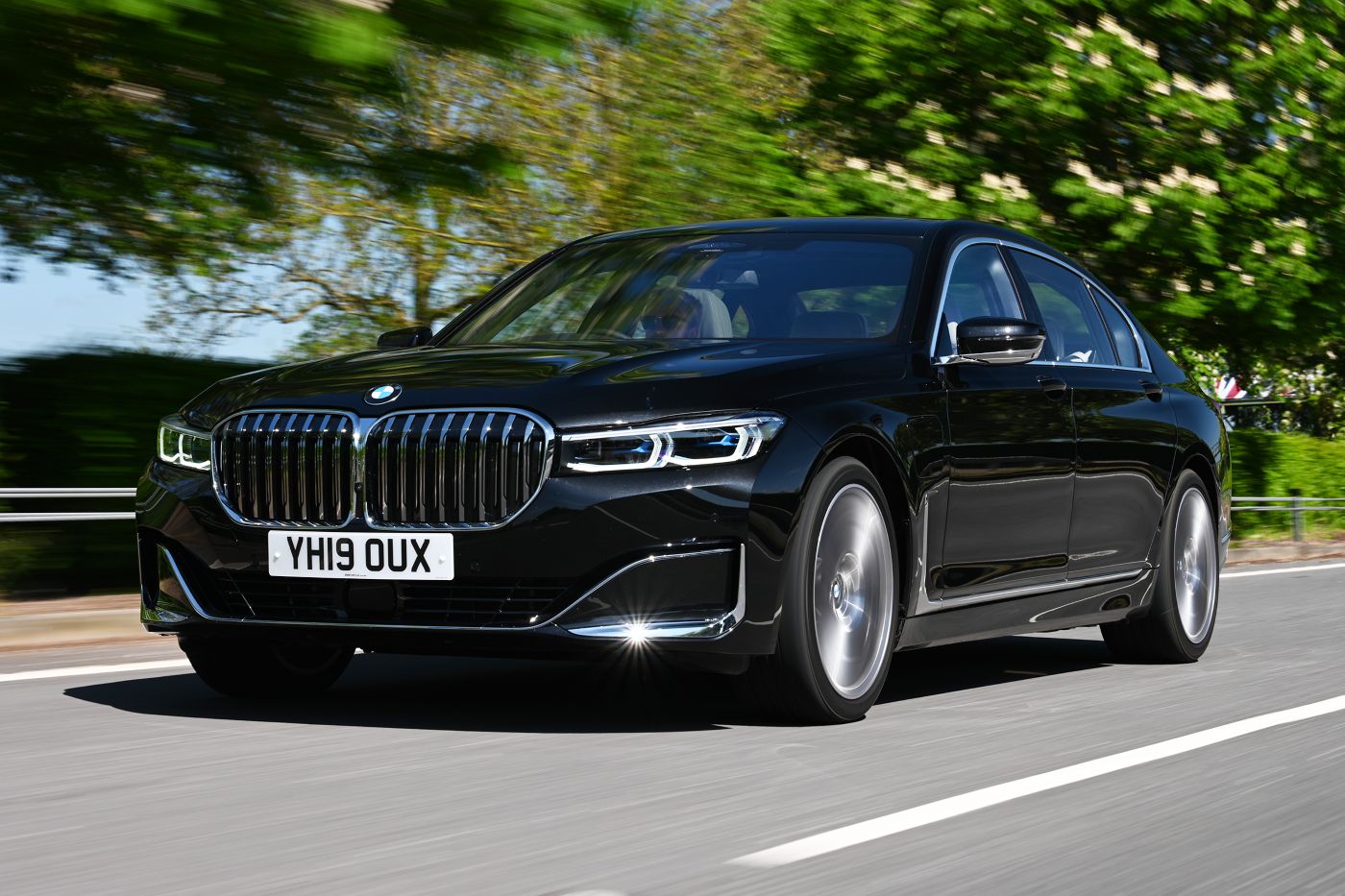
1. BMW 7 Series
The BMW 7 Series embodies luxury, innovation, and performance, standing as a technological flagship in BMW’s lineup. However, this very complexity and initial high cost contribute to its rapid depreciation. The 7 Series often loses a significant portion of its value within just a few years, making it one of the luxury sedans least likely to hold its price.
The root of the 7 Series’ depreciation lies partly in the sheer expense of ownership. With advanced technologies such as laser headlights, gesture controls, and sophisticated engine options, repairs and maintenance require specialized service and premium parts.
The steep costs of routine upkeep and potential repairs create a financial deterrent for used car buyers, who factor these costs into the price they’re willing to pay.
Additionally, the market for large luxury sedans has been shrinking steadily as consumer preferences shift toward SUVs and crossovers.
The 7 Series, as a full-size sedan, faces dwindling demand in the used car market, where the pool of interested buyers narrows considerably. This shrinking interest depresses resale values faster than comparable vehicles in more popular segments.
The rapid pace of innovation in the luxury segment means the 7 Series quickly becomes outdated. Newer models boast cutting-edge features that render even three-year-old models less desirable, especially when some technology can be prohibitively expensive to update or repair. This technological obsolescence accelerates depreciation further.
Finally, BMW’s brand image, while strong in performance circles, does not always translate to long-term reliability confidence in the used market. Although many 7 Series models are well-engineered, concerns about the cost and frequency of repairs dampen resale appeal, solidifying its reputation as a luxury car that loses value fast.
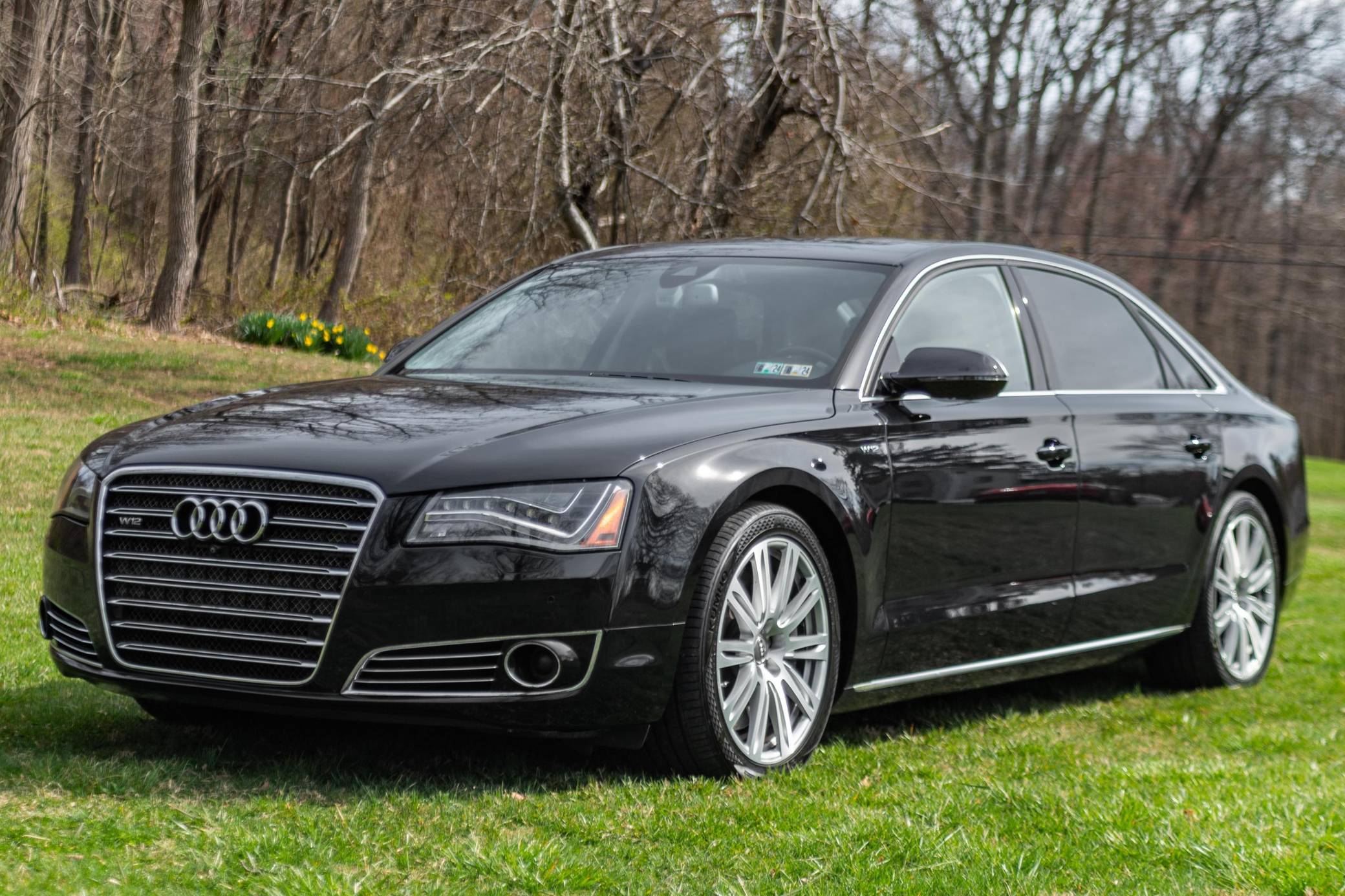
2. Audi A8
The Audi A8 is a masterclass in automotive engineering, combining sleek styling, sophisticated interiors, and advanced driver assistance features. Yet, despite these attributes, the A8 experiences sharp depreciation, especially in the first five years of ownership.
One of the key contributors to this steep depreciation is the vehicle’s complexity. The A8 features numerous advanced systems—adaptive air suspension, matrix LED headlights, and semi-autonomous driving technologies—that require costly maintenance and specialized care.
Once the factory warranty expires, repair costs can skyrocket, causing many potential buyers to shy away from the used market.
The A8’s initial high purchase price exacerbates depreciation as well. Vehicles with elevated MSRP values tend to lose more absolute value over time, and the A8 is no exception. Despite premium materials and technology, the resale value cannot keep pace with the initial investment.
Further complicating matters is the changing landscape of luxury vehicle demand. As buyers gravitate toward SUVs and crossovers, sedans like the A8 find their market shrinking. This shift leads to longer times on lot for used A8s and reduces their market value.
Lastly, Audi’s reputation for reliability is often seen as less robust than some competitors, which can influence buyers’ confidence. Although the A8 delivers an impressive driving experience, concerns about long-term upkeep and the availability of cheaper alternatives in the used market contribute to its rapid depreciation.
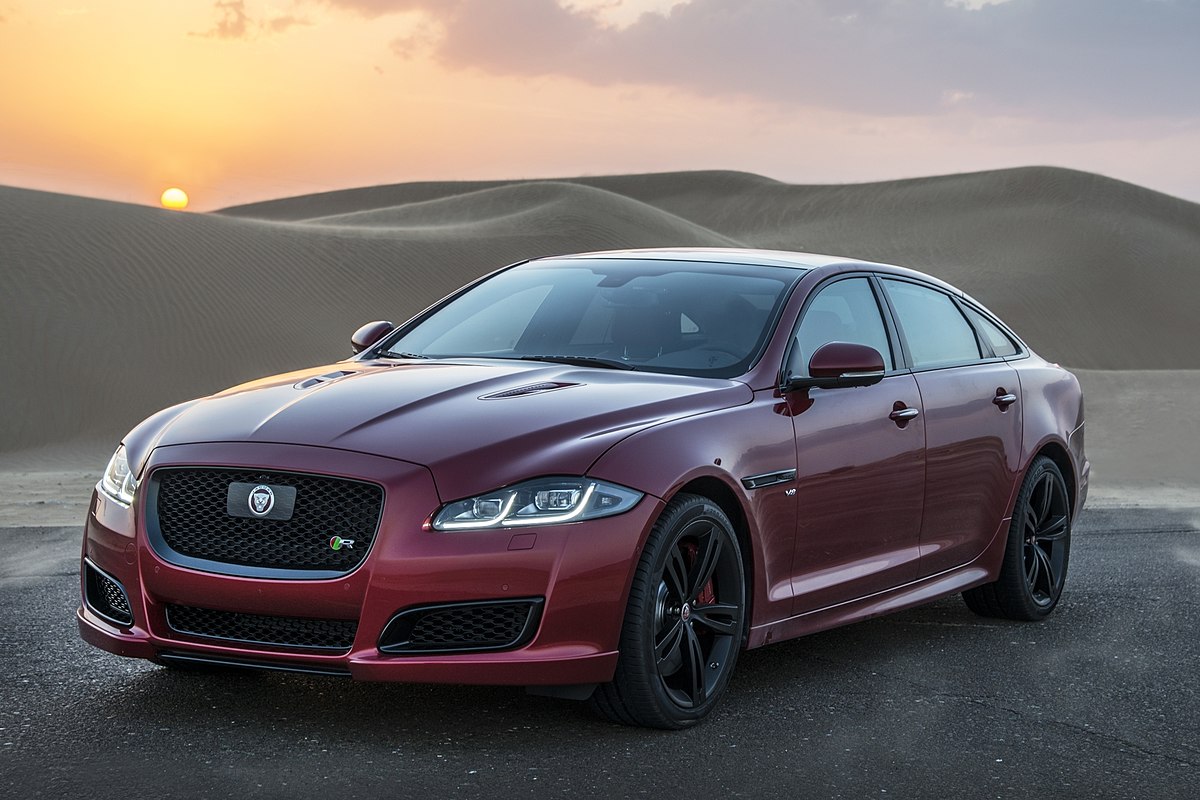
3. Jaguar XJ
The Jaguar XJ has historically been a symbol of British luxury and elegance, featuring beautifully crafted interiors and a refined driving experience. Despite its premium allure, the XJ faces some of the steepest depreciation rates among luxury sedans, driven largely by reliability concerns and high maintenance costs.
Jaguar’s inconsistent track record with reliability significantly impacts the XJ’s value retention. Older models, in particular, are notorious for requiring frequent and expensive repairs, ranging from electrical gremlins to complex engine issues. These problems dissuade many buyers from paying a premium in the used market, directly depressing resale prices.
The XJ’s styling, while once considered revolutionary, can age poorly due to slow model updates and shifting tastes in the luxury segment. New competitors with fresher designs and more up-to-date technology often outshine the Jaguar, making it harder for the XJ to maintain desirability over time.
Maintenance expenses for the XJ are also high. Genuine parts and specialized labor costs mean owners must be prepared for a significant financial commitment beyond the initial purchase price. This high total cost of ownership reduces the appeal to used car buyers looking for better value propositions.
Finally, Jaguar’s dealer and service network is not as extensive as some other luxury brands, which can affect convenience and cost. Combined, these factors result in the Jaguar XJ losing value more quickly than many rivals, despite its luxurious credentials.
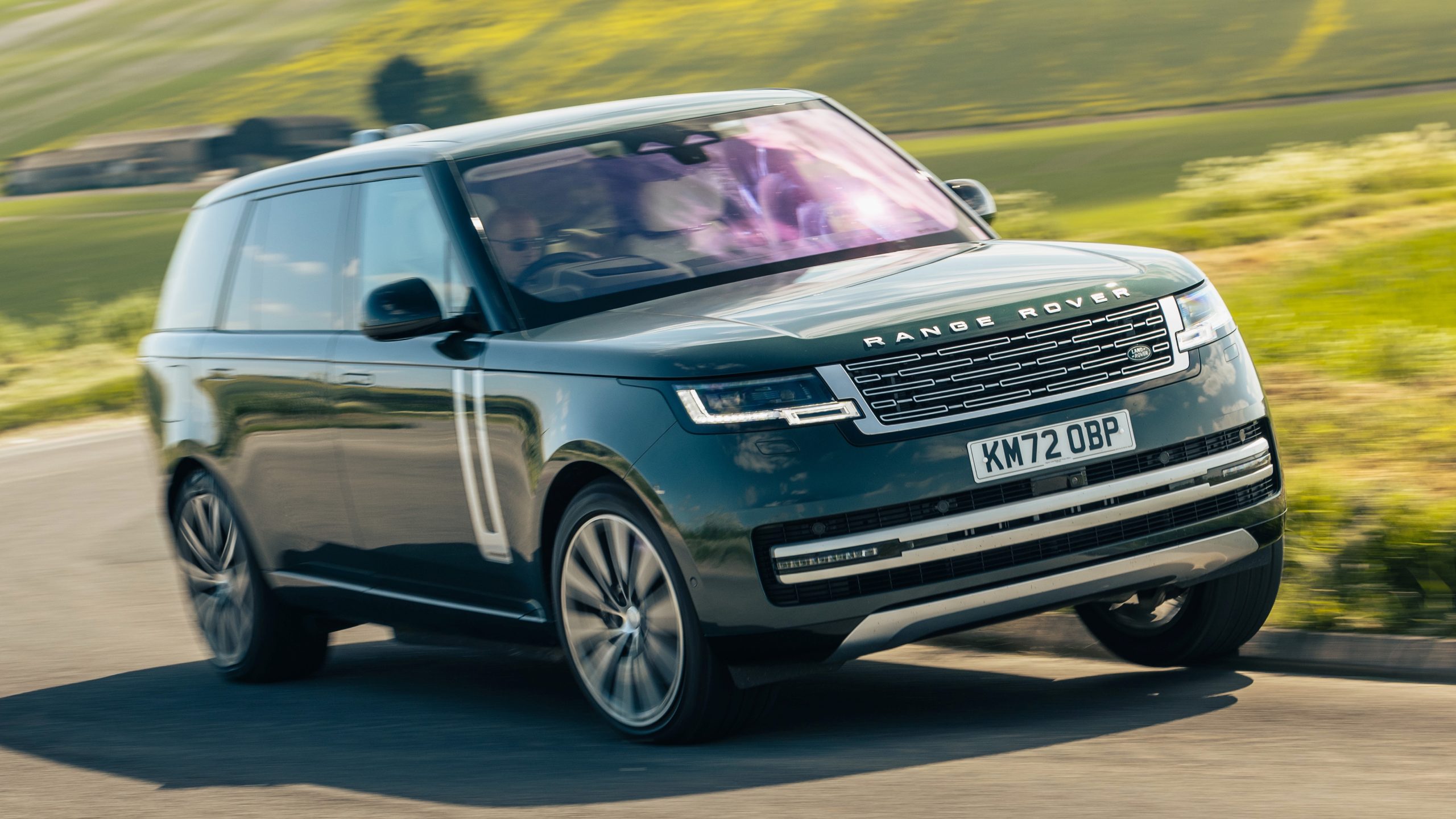
4. Land Rover Range Rover
The Land Rover Range Rover is synonymous with luxury SUVs, renowned for its blend of opulence, off-road capability, and British craftsmanship. However, it is equally infamous for its rapid depreciation, often losing a staggering amount of value in its first few years on the road.
This depreciation is driven by a combination of factors, starting with the vehicle’s high purchase price and ongoing maintenance costs. Range Rovers have a well-documented history of reliability issues, with frequent and expensive repairs relating to electrical systems, air suspension, and drivetrain components.
The complexity of these systems means many repairs require specialized service centers and premium parts, deterring used car buyers wary of unexpected expenses.
Another challenge is the vehicle’s technological obsolescence. The Range Rover’s advanced infotainment and driver assistance features, while state-of-the-art at launch, can become outdated quickly as newer models arrive with more refined systems. Buyers tend to prefer newer vehicles with the latest tech, further driving down the resale value of older models.
Market trends have also worked against the Range Rover’s value retention. Increasing competition from German luxury SUVs offering comparable or better reliability with lower ownership costs has shifted buyer preferences.
Additionally, high insurance premiums and fuel consumption costs contribute to the perception of the Range Rover as an expensive vehicle to own long-term.
Finally, Land Rover’s brand perception regarding reliability, despite improvements in recent years, still lags behind competitors. The combination of high upkeep costs, potential reliability issues, and changing market dynamics makes the Range Rover a luxury SUV that depreciates faster than most.
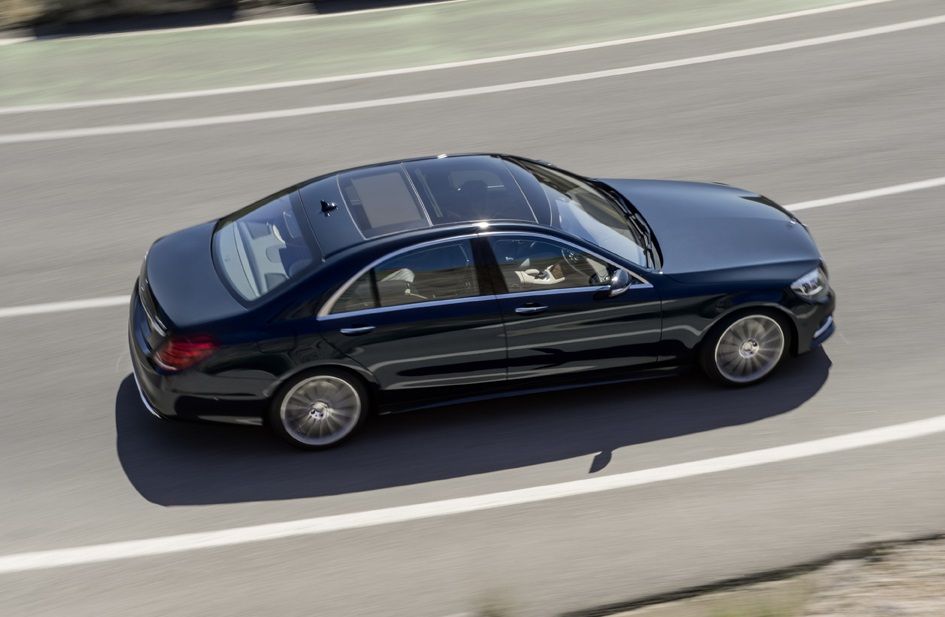
5. Mercedes-Benz S-Class
The Mercedes-Benz S-Class has long been regarded as the pinnacle of luxury sedans, pioneering innovations in safety, comfort, and performance. Despite this lofty status, the S-Class is one of the most rapidly depreciating luxury vehicles, a fact that surprises many first-time buyers attracted by its grandeur.
The extensive use of cutting-edge technology in the S-Class is a double-edged sword. While it offers some of the most advanced safety features, infotainment, and comfort amenities available, these systems can quickly become outdated. More importantly, their complexity leads to costly repairs and maintenance once the warranty expires, deterring used buyers concerned about long-term expenses.
The S-Class carries a high initial purchase price, which naturally results in a significant loss of value in the first few years. This steep depreciation is intensified by a shrinking market for full-size luxury sedans as consumer interest shifts toward luxury SUVs. Consequently, fewer buyers seek out used S-Class sedans, driving down resale prices further.
Another factor contributing to depreciation is the vehicle’s substantial size and fuel consumption. As fuel economy becomes an increasingly important consideration, large sedans like the S-Class face declining demand. This environmental and economic pressure accelerates the drop in value.
Finally, Mercedes-Benz’s extensive lineup of newer models with updated features means older S-Classes quickly feel dated, encouraging buyers to opt for newer vehicles rather than pay a premium for older models. This ongoing cycle keeps the S-Class among the luxury cars with the fastest depreciation rates.
Also Read: 5 Sedans With Top NHTSA Safety Ratings And 5 With Lowest
Understanding the complex dynamics of vehicle depreciation is essential for anyone looking to make a smart automotive investment, whether that investment is a practical daily driver or a statement of luxury and status.
As this article has demonstrated, the choices between affordable cars that retain value and luxury vehicles that depreciate rapidly are influenced by a variety of interwoven factors, including brand reputation, engineering durability, maintenance costs, consumer demand, and shifting market preferences.
Affordable vehicles like the Toyota Tacoma, Honda Civic, Subaru Outback, Mazda CX-5, and Toyota 4Runner stand out as champions of value retention because they embody the timeless qualities of reliability, practical engineering, and broad market appeal.
Their relatively low cost of ownership, ease of maintenance, and steady demand in both new and used markets combine to create a formula for sustained resale value.
These vehicles aren’t just modes of transportation—they are dependable assets that allow owners to minimize financial loss over time, making them especially attractive to budget-conscious buyers, families, and those who prioritize long-term financial health.
In contrast, luxury models such as the BMW 7 Series, Audi A8, Jaguar XJ, Land Rover Range Rover, and Mercedes-Benz S-Class showcase how initial allure and opulence often come at a steep cost in terms of depreciation. The high purchase prices, combined with complex technology and expensive upkeep, tend to drive down resale values quickly.
Additionally, evolving consumer preferences toward SUVs and crossovers over traditional sedans further exacerbate the depreciation challenge for many luxury sedans. These vehicles often require owners to absorb significant financial hits in just a few years, underscoring the importance of understanding not just the upfront cost but the total cost of ownership over the vehicle’s lifespan.
Ultimately, prospective buyers should consider their priorities and lifestyle needs carefully. For those who value financial prudence, reliability, and practicality, affordable cars with strong resale value present a compelling choice.
For enthusiasts drawn to luxury brands, understanding the rapid depreciation realities and potential maintenance burdens can help set realistic expectations and guide smarter purchasing decisions. Balancing passion with pragmatism ensures that vehicle ownership remains a rewarding experience both emotionally and financially.
Whether purchasing an affordable car renowned for its longevity or a luxury model that represents the height of automotive sophistication, being informed about depreciation trends empowers consumers to make choices that align with their long-term goals.
This knowledge not only helps protect against unexpected financial losses but also enhances satisfaction and confidence in one’s automotive investment. In the end, the true measure of a car’s value lies not only in the badge on its grille or its initial price tag but in how well it serves its owner over time—and how well it retains that value when the time comes to pass it on.
