
The sports car market is a fascinating blend of passion, engineering excellence, and market dynamics. For many enthusiasts, owning a sports car isn’t just about transportation—it’s a statement of style, performance, and personality. However, beyond the thrill of acceleration and the allure of sleek design, there’s a practical aspect that every buyer should consider: resale value.
When it comes to sports cars, not all vehicles retain their value equally. Some models hold their worth remarkably well, becoming sought-after collectibles or reliable investments, while others plummet in value almost as quickly as they hit the road.
Understanding which sports cars resell well versus those that depreciate hard is crucial not only for savvy buyers but also for owners who plan to upgrade or sell their car in the future.
Depreciation is a natural phenomenon for all vehicles. New cars lose value the moment they are driven off the lot. Sports cars, despite their exotic appeal and engineering prowess, are no exception.
Yet the rate at which they lose value can vary dramatically based on several factors, including brand reputation, rarity, performance pedigree, and the broader automotive market.
For instance, limited-edition models or cars from prestigious marques often enjoy slower depreciation and may even appreciate over time. On the other hand, mass-produced sports cars or those that quickly become outdated technologically can experience steep value drops.
Moreover, the emotional aspect of buying a sports car often clouds financial reasoning. Enthusiasts may prioritize aesthetics, driving experience, or horsepower without fully considering long-term ownership costs or resale potential.
However, savvy buyers know that some cars make better financial sense in the long run because their values remain relatively stable. These vehicles can help owners recoup a significant portion of their initial investment, making them both a joy to drive and a smart choice financially.
In this article, we will explore two contrasting groups of sports cars: five that resell well and five that tend to depreciate hard.
Each group will be examined with an eye on why they perform the way they do in the resale market, highlighting key factors such as brand influence, production numbers, market demand, and driving appeal.
Whether you’re an enthusiast looking to buy your next sports car or simply curious about the economics behind these iconic machines, this detailed guide will provide valuable insights into the often unpredictable world of sports car depreciation and resale.
Also Read: 5 Cars That Don’t Burn Oil Even at High Mileage and 5 That Constantly Need Top-Ups
5 Sports Cars That Resell Well
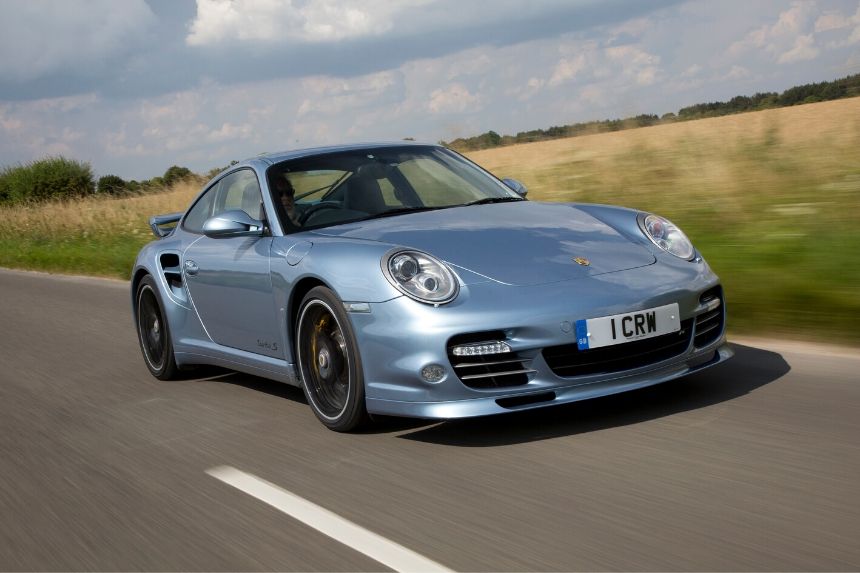
1. Porsche 911 (especially classic and recent models)
The Porsche 911 is arguably the gold standard for sports cars when it comes to retaining value. Its iconic design, long heritage, and consistent performance across generations have created a strong collector and enthusiast base.
The 911 is unique in the sports car world because it has maintained its fundamental shape and engineering philosophy since its debut in the 1960s.
This consistency contributes to its timeless appeal and helps preserve resale value. Classic models, especially from the air-cooled era, are highly prized and have appreciated considerably in recent years.
Even modern 911s hold their value well due to Porsche’s reputation for quality, engineering excellence, and the car’s versatile nature, being as comfortable on daily drives as it is on the track.
Another reason the 911 resells well is Porsche’s careful management of production numbers and model variations. Unlike some manufacturers that flood the market with countless variants, Porsche keeps the 911 lineup relatively focused, ensuring strong demand for each iteration.
Limited-edition models like the 911 GT3 and GT2 RS also contribute to the brand’s value retention, as enthusiasts and collectors covet these high-performance, track-focused versions. The blend of everyday usability, iconic styling, and strong performance cements the 911’s position as a sports car that will almost always hold its value better than most of its competitors.
Additionally, the 911 has a broad and active aftermarket and enthusiast community. This network supports maintenance, modification, and restoration, making it easier for owners to keep their cars in peak condition—an important factor when it comes to resale.
Potential buyers are willing to pay a premium for well-maintained examples with documented service histories. This support ecosystem further boosts confidence in the car’s long-term ownership, which naturally feeds into its strong resale values.
Finally, Porsche’s continual refinement of the 911—updating technology and performance while preserving the car’s core essence—helps maintain relevance in a rapidly evolving market.
Buyers know that purchasing a 911 today means owning a car that balances tradition with modern innovation, which contributes to stable demand and strong resale values over time.
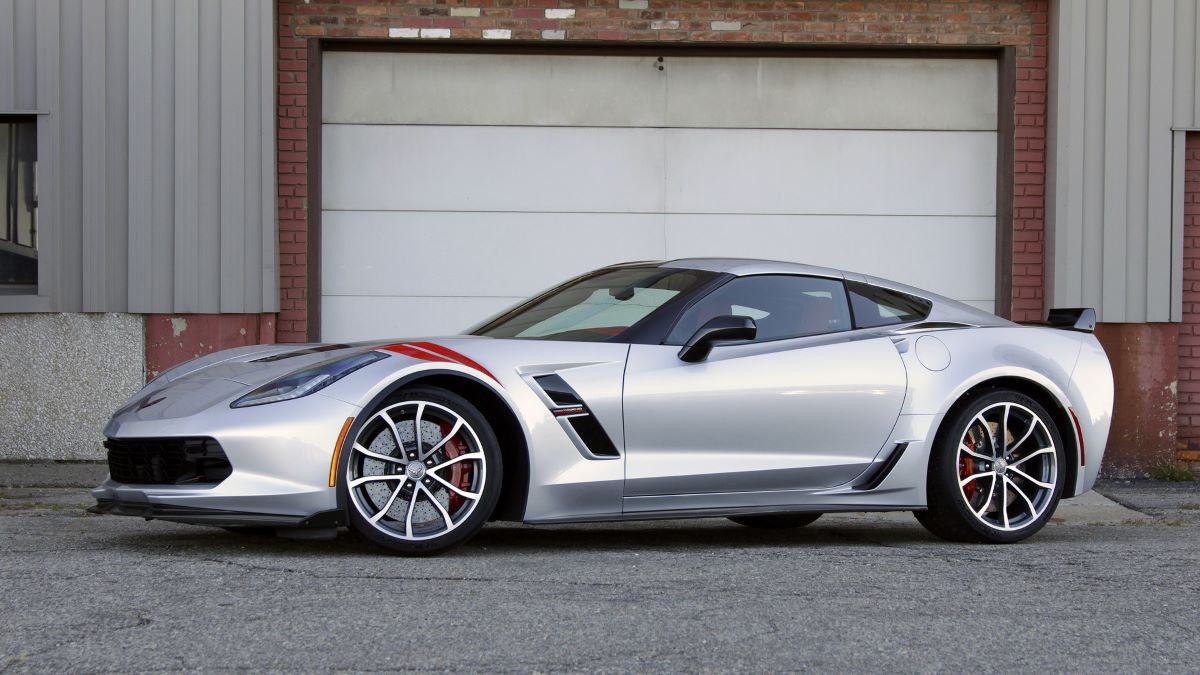
2. Chevrolet Corvette (especially the C7 and C8 generations)
The Chevrolet Corvette is an American sports car icon known for delivering extraordinary performance at a relatively affordable price. In recent years, the C7 and especially the C8 generations have gained considerable attention for their combination of cutting-edge technology, blistering speed, and refined styling.
The C7 Corvette, with its aggressive design and proven V8 powertrain, held its value well compared to previous generations, but it’s the mid-engine C8 that has truly elevated the Corvette’s resale status. The C8’s shift to a mid-engine layout brought it closer to the supercar territory, earning plaudits for performance and handling that rival cars costing significantly more.
The value retention of these recent Corvettes can be attributed to their blend of performance and accessibility. Unlike many exotic sports cars that are priced well beyond the reach of average enthusiasts, the Corvette offers supercar-level performance at a fraction of the cost, making it highly attractive in the used car market.
Limited production runs of special editions, like the Z06 or ZR1, and options such as performance packages further enhance desirability. Buyers know they are getting serious performance and advanced engineering, which keeps demand and prices relatively strong.
Moreover, the Corvette benefits from its cultural status as America’s sports car, carrying decades of history and enthusiast loyalty. This loyal fan base helps maintain interest in used models, even as new generations are released.
The recent C8 generation, in particular, has sparked a surge of excitement due to its radical design and engineering leap, translating into robust resale prices. Enthusiasts and collectors recognize that the C8 represents a significant milestone in Corvette history, a fact that keeps values stable or even appreciating.
Lastly, Chevrolet’s relative simplicity and widespread availability of parts mean that ownership costs are manageable, especially compared to European sports cars. This balance of performance, cost, and desirability positions the Corvette as a smart buy for enthusiasts seeking a sports car that can hold its value, making it one of the best sports cars for resale.
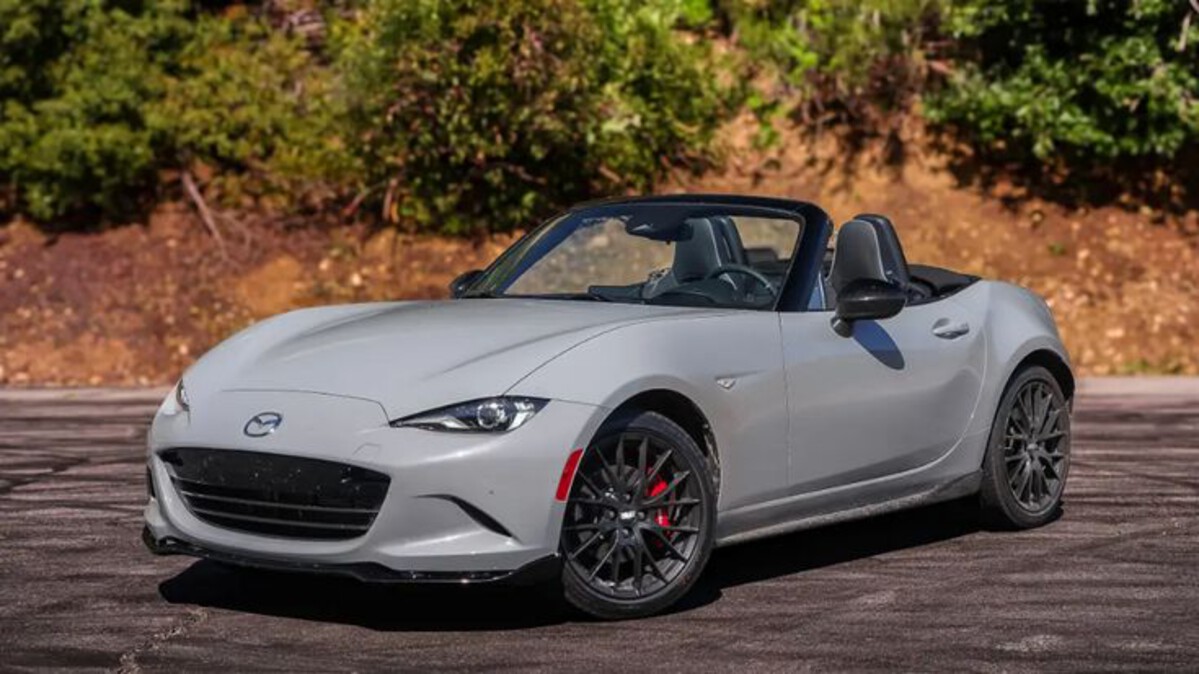
3. Mazda MX-5 Miata (ND generation and classic models)
The Mazda MX-5 Miata has long been a beloved sports car for driving enthusiasts, thanks to its lightweight design, balanced handling, and affordable price.
While it might not offer the outright speed or exotic appeal of some higher-end sports cars, the Miata’s charm lies in its pure driving experience, reliability, and approachable nature. These qualities have helped it maintain steady demand in the used car market, particularly for the recent ND generation and classic early models.
One of the reasons the Miata retains value well is its reputation for mechanical reliability and low maintenance costs. Unlike many high-performance sports cars that require costly upkeep, the Miata is economical to own, making it attractive to a broad range of buyers.
Additionally, its simple, timeless design has aged gracefully, avoiding the rapid depreciation often associated with overly trendy cars. Enthusiasts prize well-maintained Miatas for track days, autocross, and spirited road driving, which keeps the used market lively and prices stable.
The MX-5’s cult following and strong aftermarket support also play key roles in its resale value. Enthusiast communities around the globe organize events, share modifications, and preserve the legacy of the Miata, which helps sustain demand for quality examples.
Limited special editions or models with factory performance upgrades tend to hold their value particularly well, as collectors seek out these rarities.
Finally, the MX-5 Miata’s versatility as a fun yet practical sports car adds to its long-term appeal. It’s a car that appeals to both newcomers and seasoned drivers, and its value retention reflects this broad appeal.
Buyers know they are investing in a reliable, enjoyable, and iconic sports car, which makes the Miata a consistent performer on the resale market.
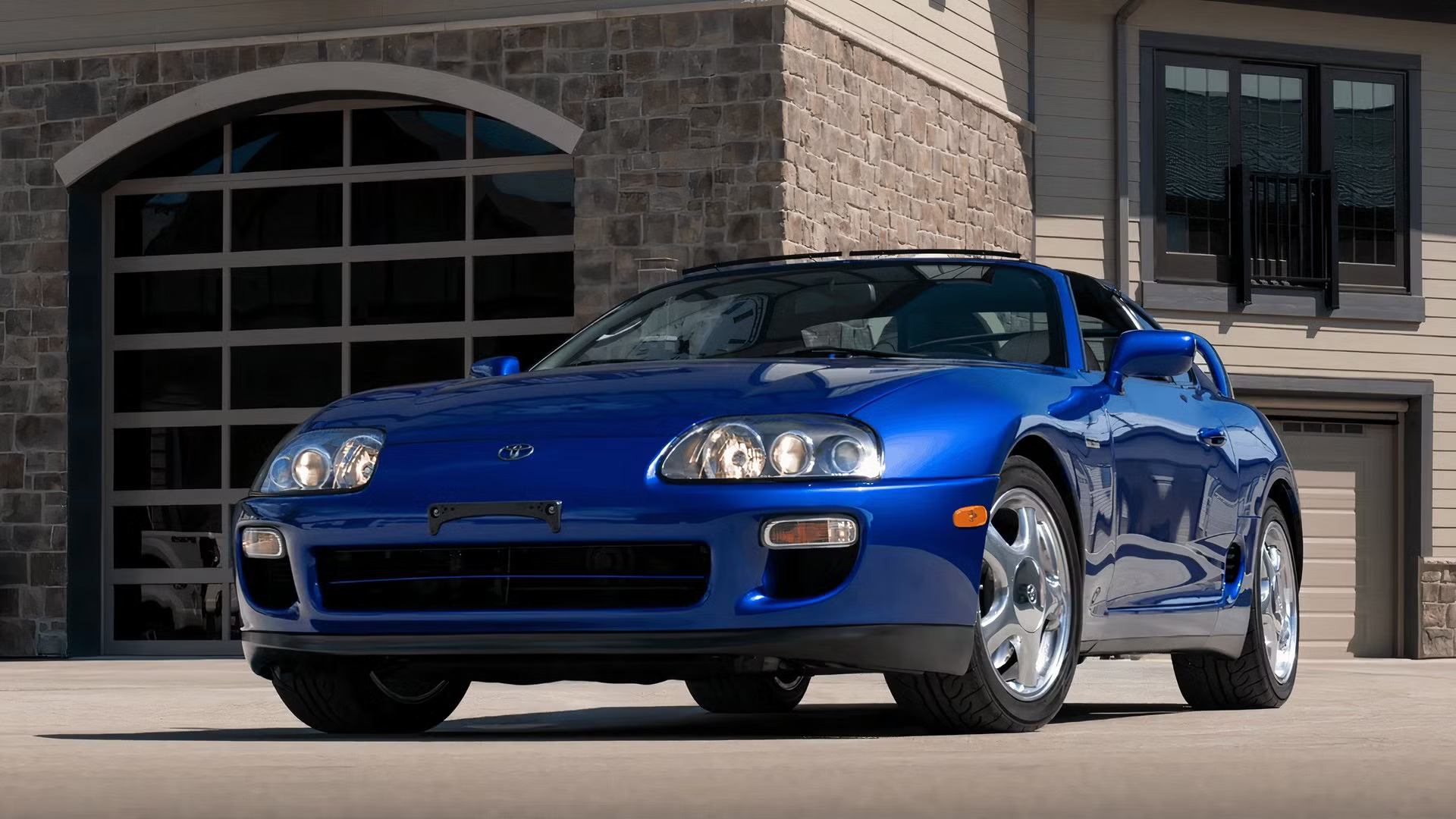
4. Toyota Supra (especially the A80 and A90 generations)
The Toyota Supra has enjoyed legendary status since the release of the A80 model in the 1990s, thanks largely to its powerful 2JZ engine and tuning potential. For years, the A80 Supra was one of the most sought-after Japanese sports cars on the market, appreciated by tuners, collectors, and enthusiasts alike.
This reputation has ensured that good-condition A80s have maintained or even increased in value over time. The introduction of the A90 Supra, developed in partnership with BMW, renewed excitement for the model, and although it initially experienced a mixed reception, it has begun to establish itself as a sports car that will hold value.
The A80’s strong resale value is closely tied to its tuning potential and cultural cachet, especially following appearances in popular media like the “Fast & Furious” franchise.
Its robust engine and drivetrain have made it a favorite for modification, helping preserve interest and demand. The scarcity of well-maintained, unmodified examples also contributes to increasing prices, as collectors seek to preserve this iconic model’s originality.
For the A90 Supra, Toyota’s blend of modern engineering and classic sports car appeal is paying dividends in the resale market.
While earlier concerns about its BMW-derived components tempered enthusiasm, the car’s performance, sharp handling, and modern technology have won over many buyers. Special editions and limited-run models such as the Launch Edition command higher resale prices, reflecting their desirability.
Finally, Toyota’s reputation for reliability and build quality gives the Supra an edge in long-term ownership costs. Buyers tend to trust the brand and the Supra’s proven mechanicals, helping the car maintain value as it ages.
The combination of legacy, performance, and brand strength positions the Supra among sports cars that resell well, with the A80 and A90 generations leading the way.
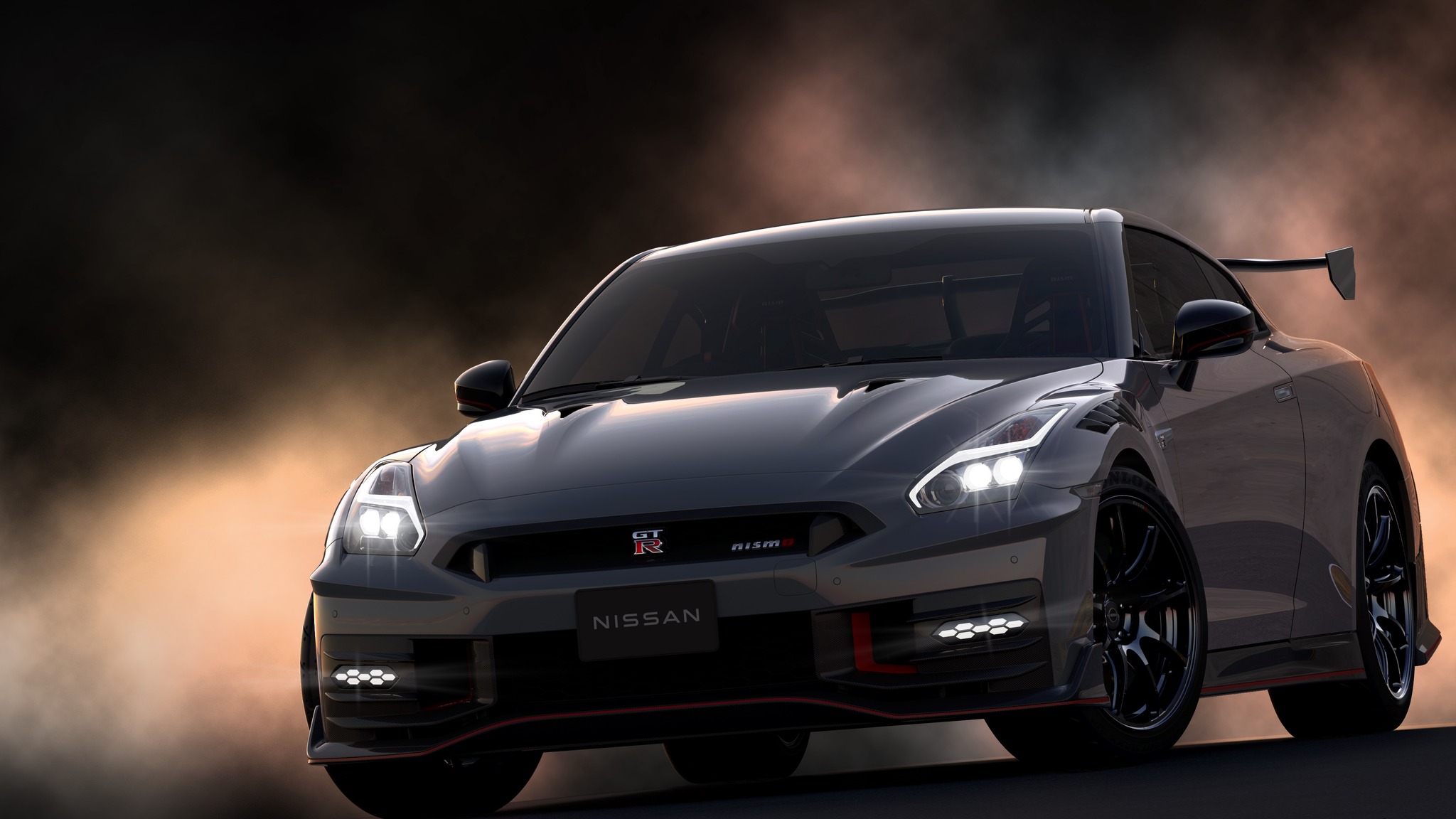
5. Nissan GT-R (R35 generation)
The Nissan GT-R R35, introduced in 2007, represents a modern technological marvel with its all-wheel-drive system, twin-turbocharged V6 engine, and advanced electronics.
Over the years, it has earned a cult following due to its remarkable performance capabilities and relative accessibility compared to ultra-exotic supercars. The GT-R’s resale value has been remarkably strong, particularly for well-maintained models with limited modifications, due to its status as a high-performance benchmark.
One of the GT-R’s strongest points is its consistent and progressive improvement throughout its production run. Nissan updated the R35 with several performance and cosmetic enhancements, making newer versions more desirable but not severely undercutting older models.
This steady evolution helped create a layered market where early examples remain sought after, especially those with low mileage or special edition trims like the Nismo version.
Additionally, the GT-R’s high-performance reputation and track-proven capabilities contribute to its desirability in the used market.
Buyers looking for supercar-level performance at a relatively reasonable price see the GT-R as an attainable dream car. Its advanced AWD system offers confidence in various driving conditions, making it appealing beyond just pure enthusiasts.
The GT-R also benefits from a passionate global fanbase and strong aftermarket support, which helps maintain the vehicle’s value. Owners can upgrade or maintain their cars with relative ease, and events centered around the GT-R community keep interest alive. Its unique blend of technology, heritage, and performance solidifies the GT-R’s position as a sports car that resells well over time.
5 Sports Cars That Depreciate Hard
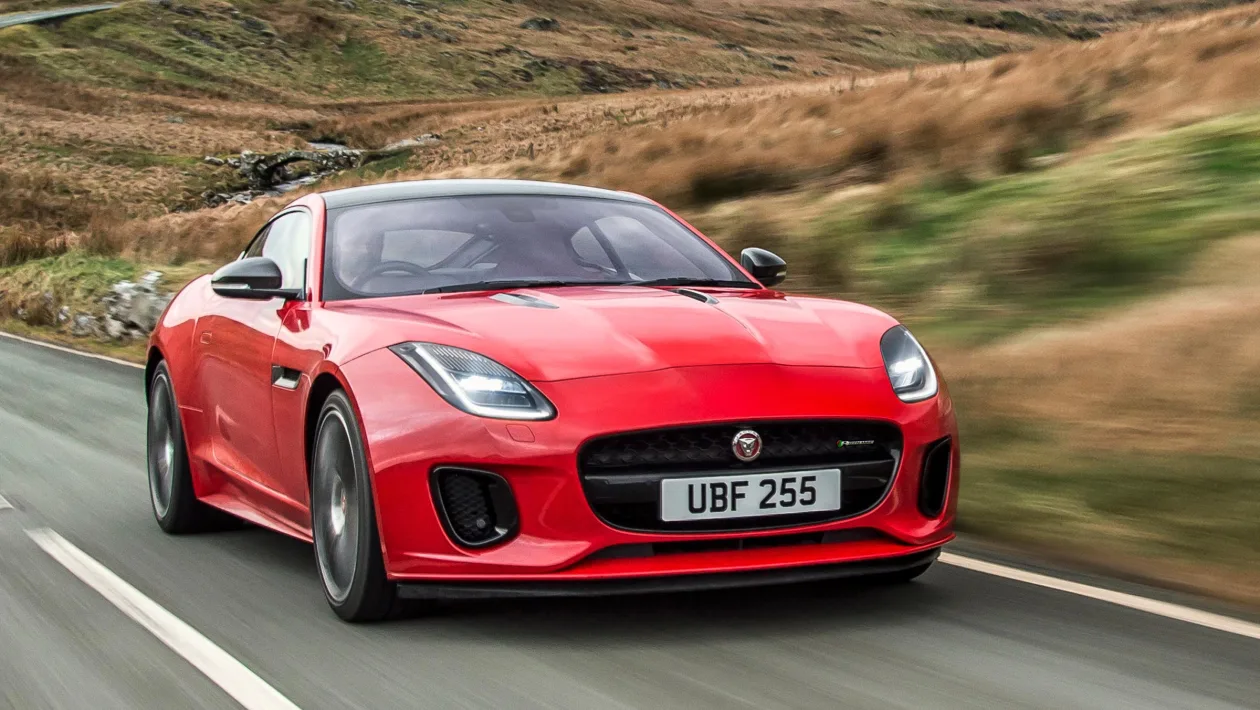
1. Jaguar F-Type (early models)
The Jaguar F-Type entered the market with a lot of excitement, combining British luxury with sporty styling and performance. However, early models of the F-Type have struggled with depreciation, often losing value faster than expected for a car of its pedigree.
Despite its stunning looks and engaging driving dynamics, the F-Type’s resale woes stem from a combination of factors including reliability concerns, high maintenance costs, and strong competition in the luxury sports car segment.
One of the primary reasons for the F-Type’s sharp depreciation is Jaguar’s historically spotty reputation for reliability. While the car delivers impressive performance and a thrilling exhaust note, buyers have often been wary of potential expensive repairs and upkeep.
These concerns affect used car demand, as buyers factor in the cost and hassle of ownership beyond just the sticker price.
Moreover, the luxury sports car segment is highly competitive, with many alternatives offering either better reliability, stronger resale values, or more advanced technology.
Cars like the Porsche 911 or Audi R8 can overshadow the F-Type in buyers’ minds, limiting demand for used Jaguars. This intense competition keeps prices depressed, particularly for older or higher-mileage models.
Finally, the F-Type’s relatively rapid redesigns and technology updates mean earlier models age quickly in terms of features and appeal. Buyers tend to prefer newer examples that incorporate the latest tech and styling updates, which pushes down the resale value of the earliest versions.
While the F-Type remains a beautiful and enjoyable sports car, its resale figures reflect the challenges Jaguar faces in the luxury sports car resale market.
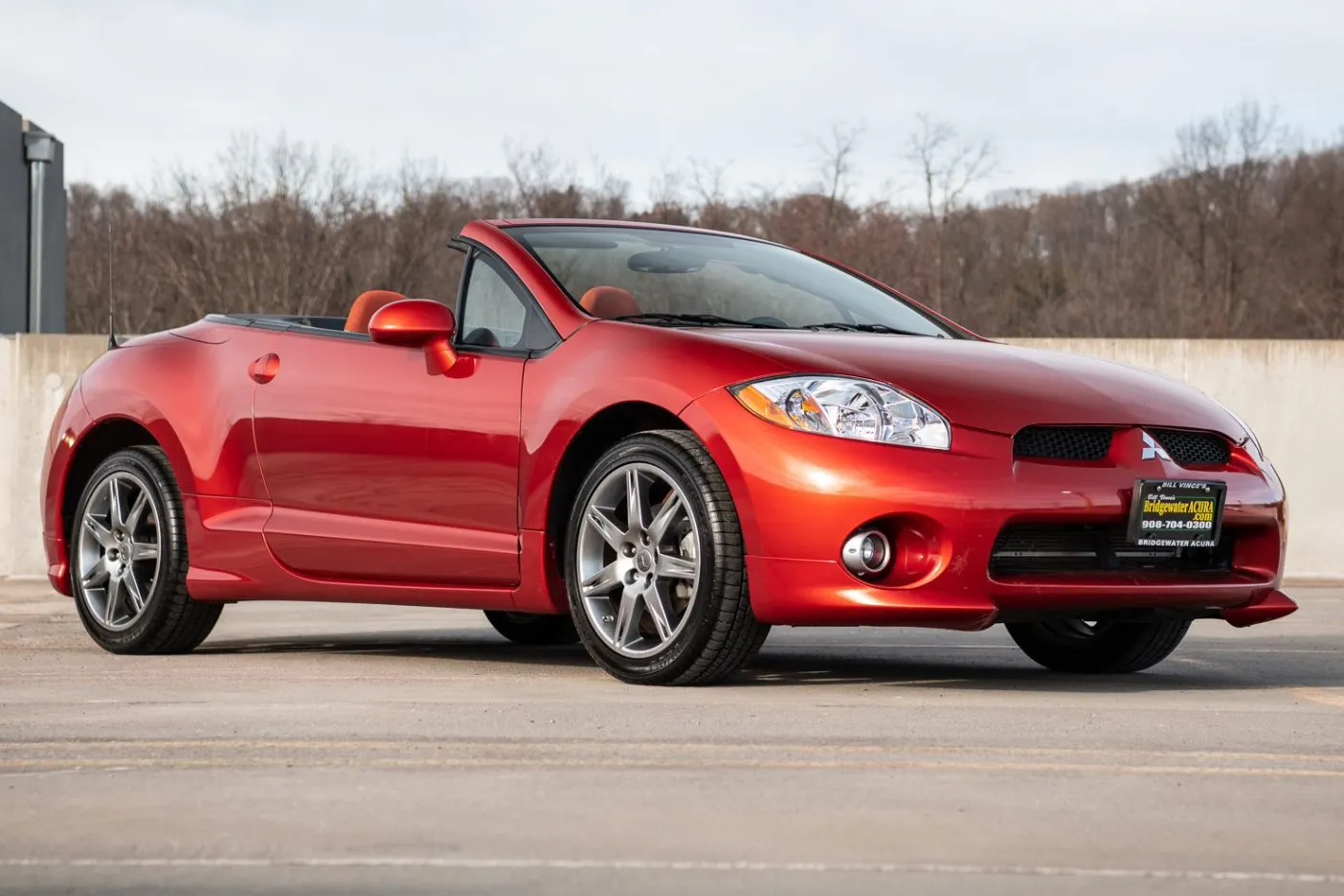
2. Mitsubishi Eclipse (fourth generation)
The Mitsubishi Eclipse, once a popular entry-level sports coupe in the late 1990s and early 2000s, has seen steep depreciation in its fourth generation (2006-2012).
Although it offered sporty styling and decent performance for the price, this generation of the Eclipse struggled to maintain value due to its shift away from pure sports car roots and a perception of underwhelming performance compared to rivals.
One of the core reasons the Eclipse depreciates hard is its compromised identity. The fourth generation was criticized for being more of a comfortable daily driver than a true sports car, which disappointed enthusiasts who had fond memories of earlier turbocharged, more aggressive versions.
This mismatch between expectations and reality reduced its appeal on the used market, where buyers tend to favor cars with a clear performance focus.
Additionally, the Eclipse was part of a broader decline in popularity for compact sports coupes during the late 2000s and early 2010s.
Rising fuel prices, changing consumer preferences toward crossovers, and the economic downturn contributed to lower demand for cars like the Eclipse, accelerating depreciation. This trend made it harder for owners to recoup their investment when reselling.
Maintenance and parts availability have also played a role in depressing the Eclipse’s resale value. While generally reliable, the car is now somewhat neglected in enthusiast circles, and its replacement model did not capture the imagination of buyers. This lack of enthusiast support means lower demand for well-kept examples, pushing prices further down.
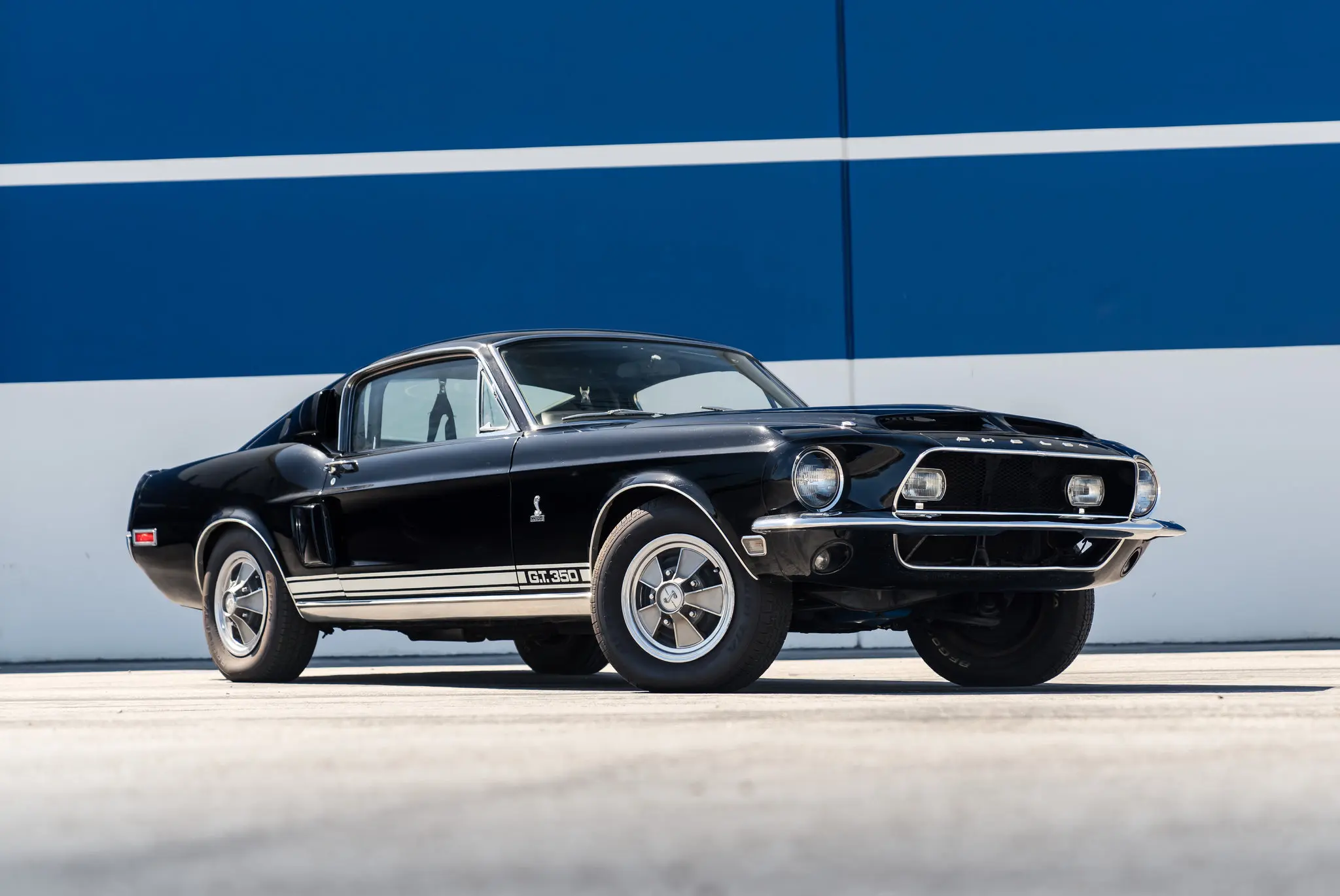
3. Ford Mustang (S197 generation, early 2000s)
The Ford Mustang is an American muscle car staple, but not all generations have aged equally well in the resale market. The S197 generation, which ran from 1999 to 2004, is known for depreciating harder compared to newer Mustangs or classic models.
While it offers solid V8 performance and retro styling, early S197 Mustangs face steep depreciation due to issues related to build quality, competition, and market saturation.
One major factor behind the S197’s depreciation is the large number of units produced. Mass production flooded the market with these Mustangs, which initially sold well but later saturated the used car market. This abundance of available vehicles depresses prices, as supply often exceeds demand for any given model year or trim level.
Moreover, the early 2000s Mustang models suffered from a perception of inconsistent build quality and outdated technology compared to newer cars.
Buyers seeking muscle cars often prefer more modern amenities and improved performance figures found in later models, which diminishes interest in older S197 examples.
The Mustang’s very identity as a muscle car also works against these early models to some degree. While nostalgia helps classic Mustangs retain value, the early 2000s generation hasn’t yet achieved the “classic” status that would drive up collector interest.
Additionally, the introduction of significantly more powerful and refined Mustang variants since then has overshadowed the earlier generation, pushing its resale value lower.
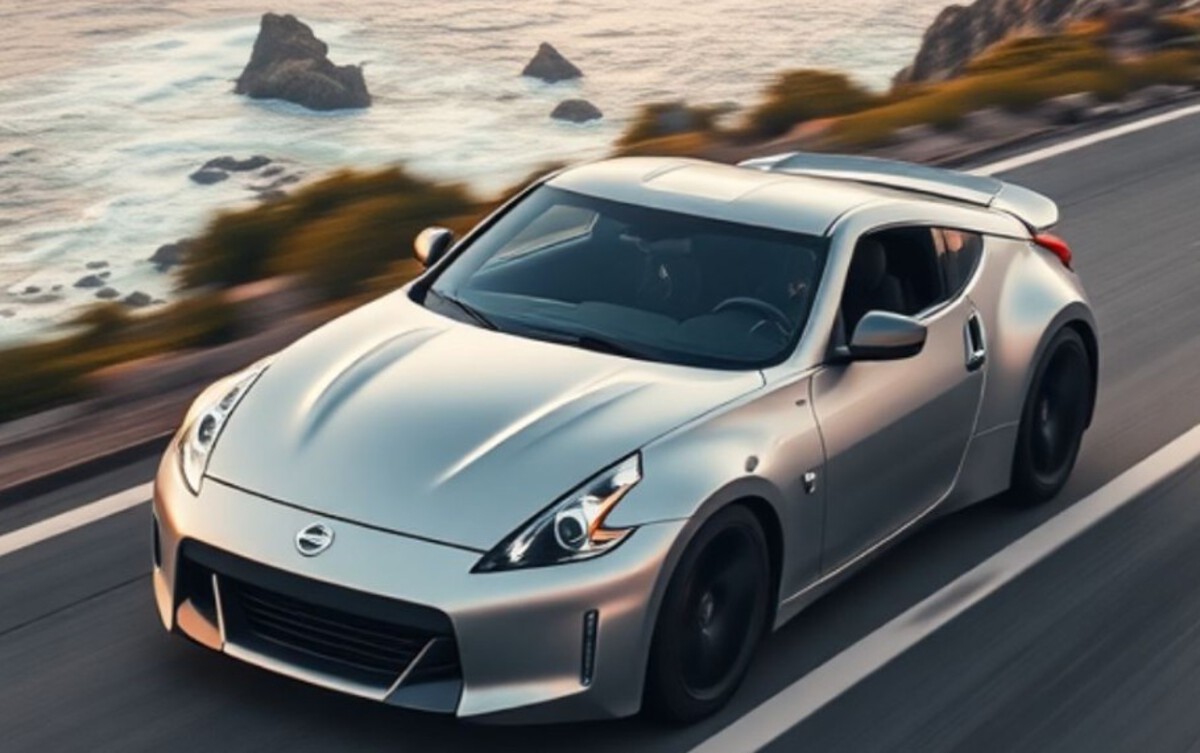
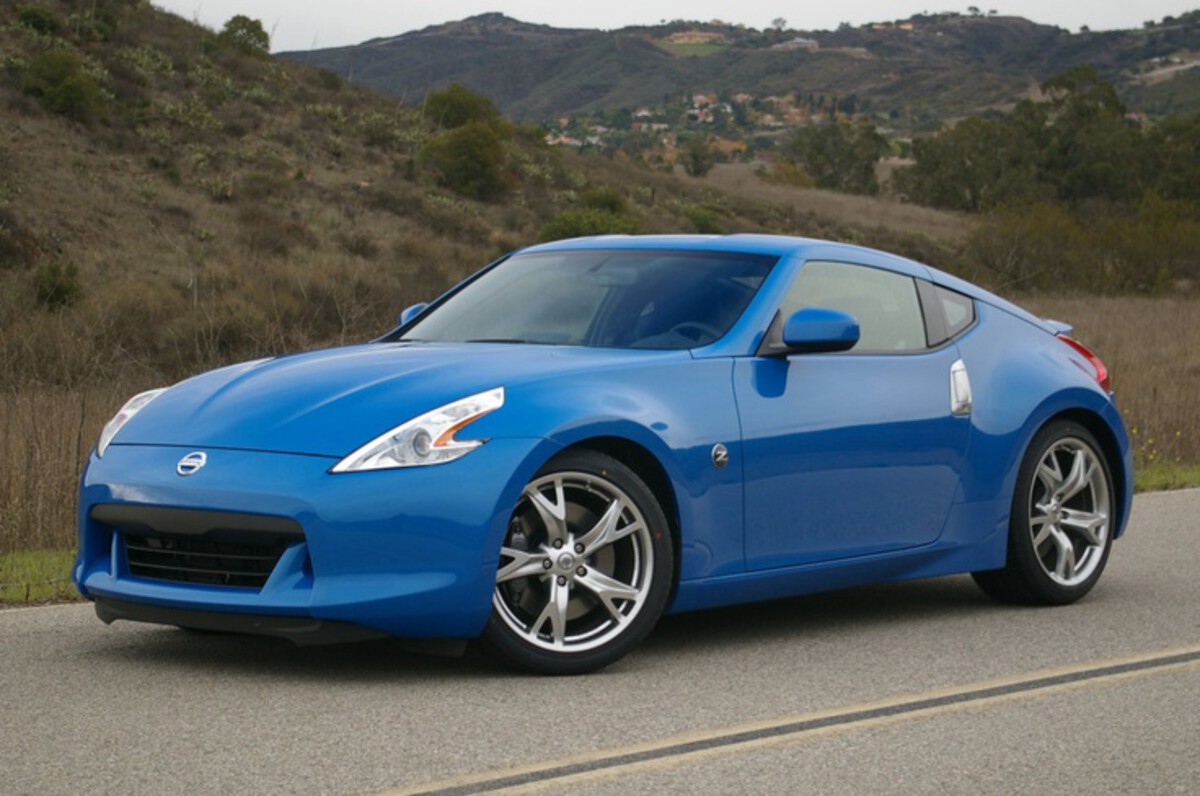
4. Nissan 370Z
The Nissan 370Z is a direct successor to the Z lineage and has enjoyed popularity for its affordable sports car formula, strong V6 engine, and sharp handling. However, despite its appeal to enthusiasts, the 370Z has suffered from steeper depreciation compared to some of its rivals, particularly in the last years of its production cycle.
One reason for the 370Z’s depreciation is its aging platform and design. Introduced in 2009, the car remained largely unchanged for over a decade, making it feel dated compared to newer sports cars loaded with modern technology and styling updates.
Buyers increasingly sought fresher options with more contemporary interiors, safety features, and infotainment systems, reducing demand for older 370Zs.
Additionally, the 370Z’s driving experience, while engaging, lacks the refinement and sophistication found in competitors like the Toyota Supra or Porsche Cayman. As buyers prioritize a balance of performance and comfort, the 370Z sometimes feels too raw or outdated, limiting its appeal in the used market.
Furthermore, Nissan’s marketing focus shifted away from the 370Z in later years, reducing the car’s visibility and brand momentum. Without ongoing investment in refreshes or special editions, the 370Z struggled to maintain buyer interest, contributing to faster depreciation. Although the car remains a capable sports coupe, its resale numbers reflect the challenges it faces in a crowded segment.
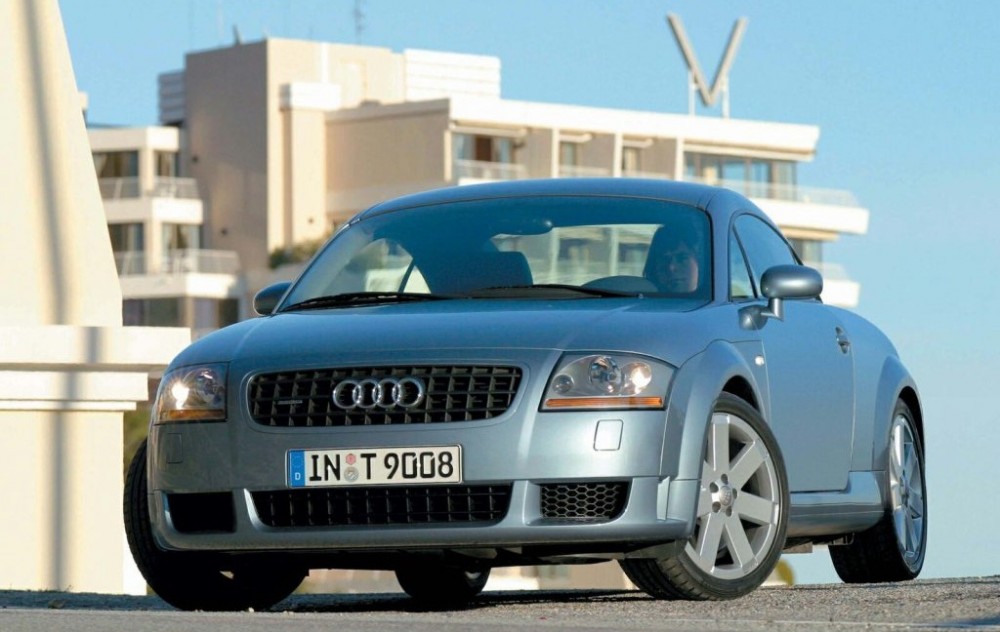
5. Audi TT (first and second generations)
The Audi TT burst onto the scene in the late 1990s with its distinctive styling and sporty appeal, quickly becoming a popular choice among buyers seeking a premium compact sports coupe.
However, the first and second-generation TT models have shown significant depreciation, often losing value faster than competitors with similar performance credentials.
Several factors explain the TT’s steep depreciation. First, while the car offers good handling and a premium badge, its performance has generally lagged behind more driver-focused sports cars.
The TT is often seen as more of a stylish cruiser than a hardcore sports car, which reduces its appeal among true enthusiasts who drive demand in the used market.
Additionally, the TT’s interior and technology features in early generations aged quickly. The rapid advancement of in-car tech made older models feel obsolete, causing prospective buyers to shy away from them in favor of newer, better-equipped vehicles. This technological gap accelerates depreciation.
Maintenance and repair costs for Audi models can also be relatively high compared to mainstream brands, which deters budget-conscious buyers.
Combined with the car’s somewhat niche positioning and limited enthusiast support, these factors depress resale values. While newer generations of the TT have improved in many respects, early models continue to struggle in the used sports car marketplace.
Also Read: 5 Used Cars That Are Great Investments and 5 That Are Just Trouble
The world of sports cars is as much about emotion and passion as it is about numbers and market trends. While the thrill of driving is undoubtedly the primary motivation for many enthusiasts, understanding the financial side—especially resale value and depreciation—is equally important for making informed decisions.
As we’ve explored, certain sports cars like the Porsche 911, Chevrolet Corvette, and Mazda MX-5 Miata combine exhilarating performance with strong brand heritage and market demand, allowing them to retain value exceptionally well over time.
These cars offer the rare blend of driving enjoyment and financial prudence, making them smart choices for buyers who want their investment to hold or even grow in value.
Conversely, vehicles such as the Jaguar F-Type (early models), Mitsubishi Eclipse (fourth generation), and Nissan 370Z showcase the challenges some sports cars face in the resale market. Factors such as brand reliability concerns, market saturation, outdated technology, or shifting consumer preferences can contribute to steep depreciation.
For potential buyers, awareness of these pitfalls can help avoid costly ownership experiences and guide them towards models with a better balance of excitement and long-term value.
Ultimately, the decision to purchase a sports car should balance heart and head. While depreciation is an inevitable aspect of car ownership, choosing a model with strong resale potential mitigates financial risk and preserves the joy of ownership.
Whether you lean toward the timeless allure of a Porsche 911 or the accessible thrill of a Mazda Miata, understanding how these cars perform in the resale market empowers you to make choices that satisfy both your driving passion and your wallet.
So next time you’re in the market for a sports car, remember that beneath the gleaming paint and roaring engines lies an equally important question: which car will keep its value—and which will not? Armed with knowledge, you can drive away confident that your investment is as sound as your next exhilarating ride.
