
In the vast, ever-evolving landscape of automobiles, one category stands out as a cornerstone of everyday life: commuter cars.
These vehicles are not flashy showpieces or high-performance machines reserved for weekend thrills; they are the indispensable workhorses that millions rely on day after day to ferry them to jobs, schools, appointments, and beyond.
The importance of a dependable commuter car cannot be overstated. For many people, especially those who endure long daily drives or grueling stop-and-go traffic, their car isn’t merely a means of transportation—it’s a lifeline.
A car that falters on the road can disrupt schedules, lead to stress, and cost money and time that many can ill afford to lose.
Conversely, a car that can “rack up miles” without drama provides not only reliable mobility but also peace of mind, financial savings, and a smoother, more comfortable daily routine.
The criteria that define a good commuter car go far beyond initial sticker price or aesthetic appeal. While affordability and style are considerations, they pale in comparison to long-term reliability, ease of maintenance, fuel efficiency, and the overall cost of ownership.
Commuters often rack up tens of thousands of miles annually; thus, a car’s ability to endure this consistent strain without major issues is paramount. Cars that boast simple, proven mechanical systems and high-quality manufacturing typically fare best in this arena.
They tend to resist the wear and tear that inevitably comes with daily use and are more likely to reach milestone mileages of 200,000, 300,000, or even more.
On the flip side, some vehicles, despite their appeal, have reputations for leaving owners stranded with frequent breakdowns, costly repairs, or frustrating electrical glitches. This kind of unreliability can turn the simple act of commuting into a stressful gamble.
In this article, we explore the duality of commuter cars: those that are champions of durability and mileage, and those that have been known to leave drivers stranded far too often.
By analyzing five models renowned for their endurance and five notorious for frequent issues, we’ll paint a comprehensive picture that can help guide prospective buyers and current owners alike.
We’ll delve into what makes the reliable cars tick, from their engineering philosophies to maintenance patterns, and contrast those against the common pain points faced by owners of less dependable vehicles.
Ultimately, this is not just about brands or popularity, it’s about real-world performance and which cars can truly be counted on when the daily grind demands consistency.
Whether you’re searching for your first commuter car, planning a replacement, or simply curious about automotive reliability, understanding these distinctions is invaluable. So buckle up and let’s dive into the dependable cars that rack up miles and the unreliable ones best avoided if you want to keep moving forward.
Also Read: 5 SUVs That Stop Running When Hotwired and 5 That Are Too Easy to Steal
5 Commuter Cars That Rack Up Miles
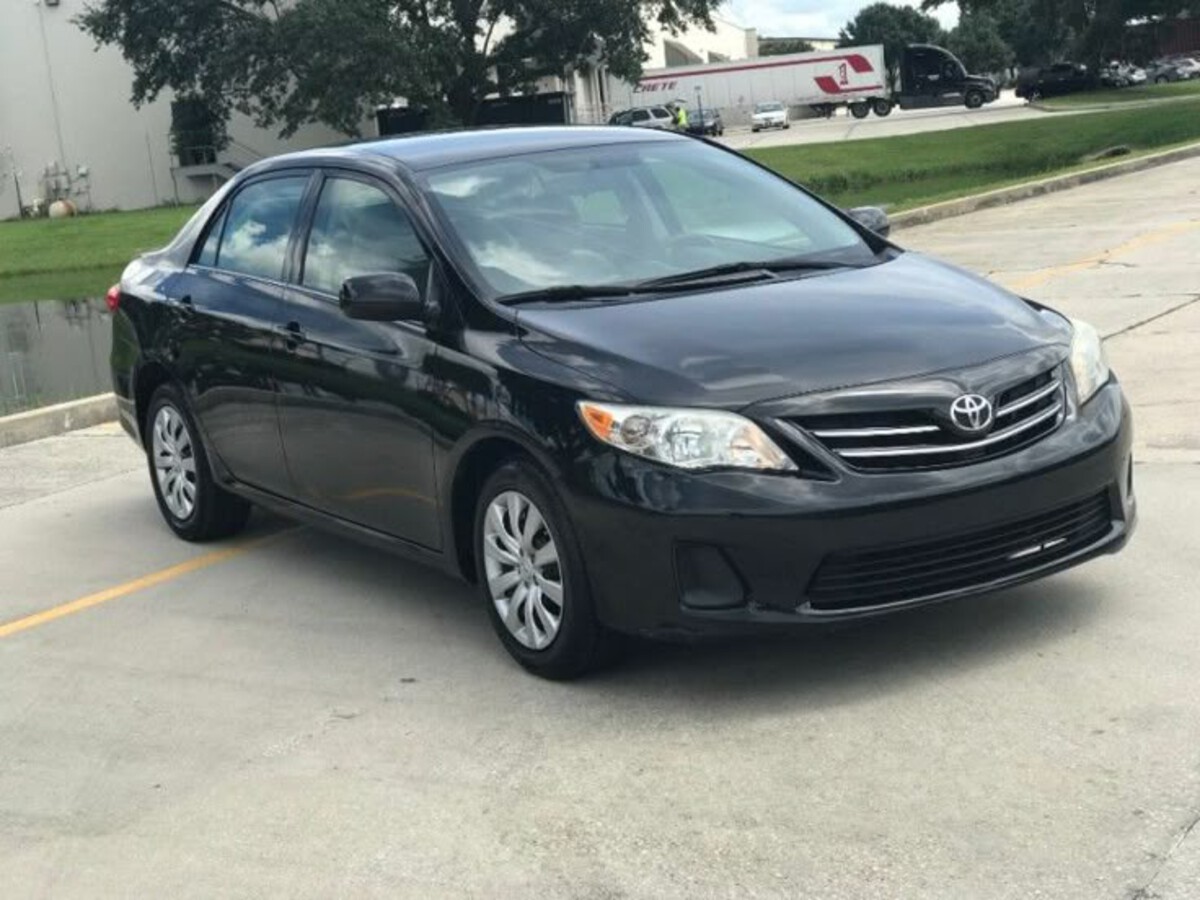
1. Toyota Corolla
The Toyota Corolla stands as a pillar of reliability in the automotive world, particularly in the commuter car segment. Its legacy spans several decades, and over time, it has cemented a reputation for being a vehicle that consistently performs well under the stresses of daily driving. What truly sets the Corolla apart is its no-nonsense approach to car design.
Toyota engineers prioritize simplicity, durability, and cost-effectiveness, creating a car that is easy to maintain and resistant to common mechanical failures. The Corolla’s engines are famously robust, often delivering decades of reliable service with routine care. Whether navigating crowded city streets or cruising long stretches of highway, the Corolla’s drivetrain is engineered to handle constant stop-and-go traffic without undue strain.
One of the standout features of the Corolla is its widespread availability of parts and experienced mechanics. Because the Corolla is one of the best-selling cars in history, parts are readily available worldwide, often at reasonable prices. This accessibility means repairs, when needed, are typically straightforward and less expensive than with more exotic or complex vehicles.
Additionally, Toyota’s emphasis on quality control ensures that the Corolla has fewer manufacturing defects or recalls than many competitors, translating into fewer headaches for the owner. For commuters, this reliability means less time in the shop and more time on the road, which is critical when every mile counts.
Beyond mechanical durability, the Corolla excels in fuel efficiency, a critical factor for daily drivers watching their fuel budgets. Early and recent generations of the Corolla consistently achieve combined fuel economy figures in the 30+ miles per gallon range, making it one of the most economical vehicles to operate in its class.
This efficiency is not only beneficial for the environment but also eases the financial burden of long commutes, particularly for drivers covering significant distances each day. Moreover, the Corolla’s comfortable seating, intuitive controls, and quiet cabin contribute to an overall pleasant driving experience, reducing fatigue and stress during long commutes.
Lastly, the Corolla benefits from Toyota’s unwavering commitment to continuous improvement. Each new generation sees incremental enhancements in safety features, drivetrain efficiency, and interior quality. This commitment ensures that drivers get a car that remains relevant and competitive even years after purchase.
The Corolla’s winning formula of reliability, economy, and practicality has made it the go-to commuter car for millions worldwide and a trusted partner for anyone looking to rack up miles without worry.
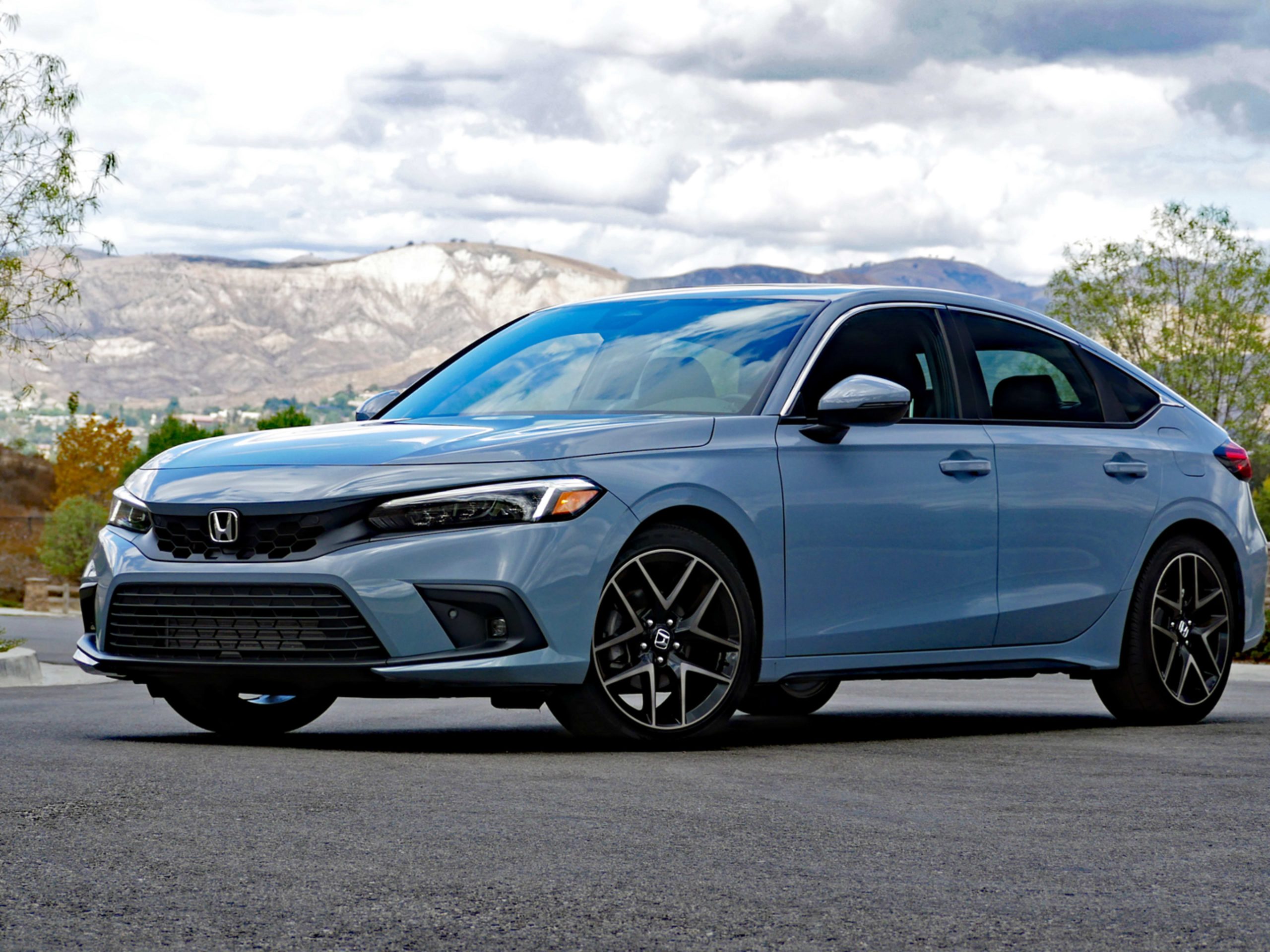
2. Honda Civic
The Honda Civic has long been hailed as a benchmark in the compact car segment, particularly prized by commuters for its balance of performance, efficiency, and enduring reliability. For many decades, the Civic has maintained a reputation for being a vehicle that can handle high mileage with minimal fuss.
One reason for this longevity is Honda’s dedication to engineering excellence and the use of durable materials that resist the wear and tear of everyday driving. The Civic’s engines are often described as “bulletproof,” with many examples reaching and surpassing 200,000 miles without major mechanical issues. These powertrains are engineered to be smooth, efficient, and responsive, which contributes to a more enjoyable and less stressful commute.
In addition to engine durability, the Civic’s chassis and suspension components are built to withstand constant use and various road conditions. From pothole-ridden city streets to open highways, the Civic offers a comfortable, composed ride that rarely requires extensive repairs.
This solid engineering foundation reduces the likelihood of unexpected breakdowns that can interrupt a busy commuter’s schedule. Moreover, Honda’s widespread dealer network and the availability of aftermarket parts make maintaining and repairing Civics easier and more affordable compared to less common models.
Fuel efficiency remains a strong suit for the Civic, which frequently achieves impressive gas mileage figures across various model years and trims. Many Civics average in the mid-30s miles per gallon, which translates to significant fuel cost savings over the life of the vehicle.
This efficiency, coupled with a relatively spacious interior and good ergonomics, means commuters do not have to sacrifice comfort for economy. The Civic’s thoughtful design also includes user-friendly technology and safety features, many of which have improved with each generation, adding value and enhancing driver confidence.
Honda’s commitment to reliability is also reflected in the Civic’s resale value. Due to its reputation for longevity and low maintenance costs, Civics hold their value well in the used car market. This financial advantage means owners can often recoup a significant portion of their investment when it’s time to upgrade.
Taken together, these factors make the Honda Civic a standout commuter car that blends durability, economy, and practicality, making it a wise choice for drivers who rack up miles daily and depend on their vehicles to keep pace with their busy lives.
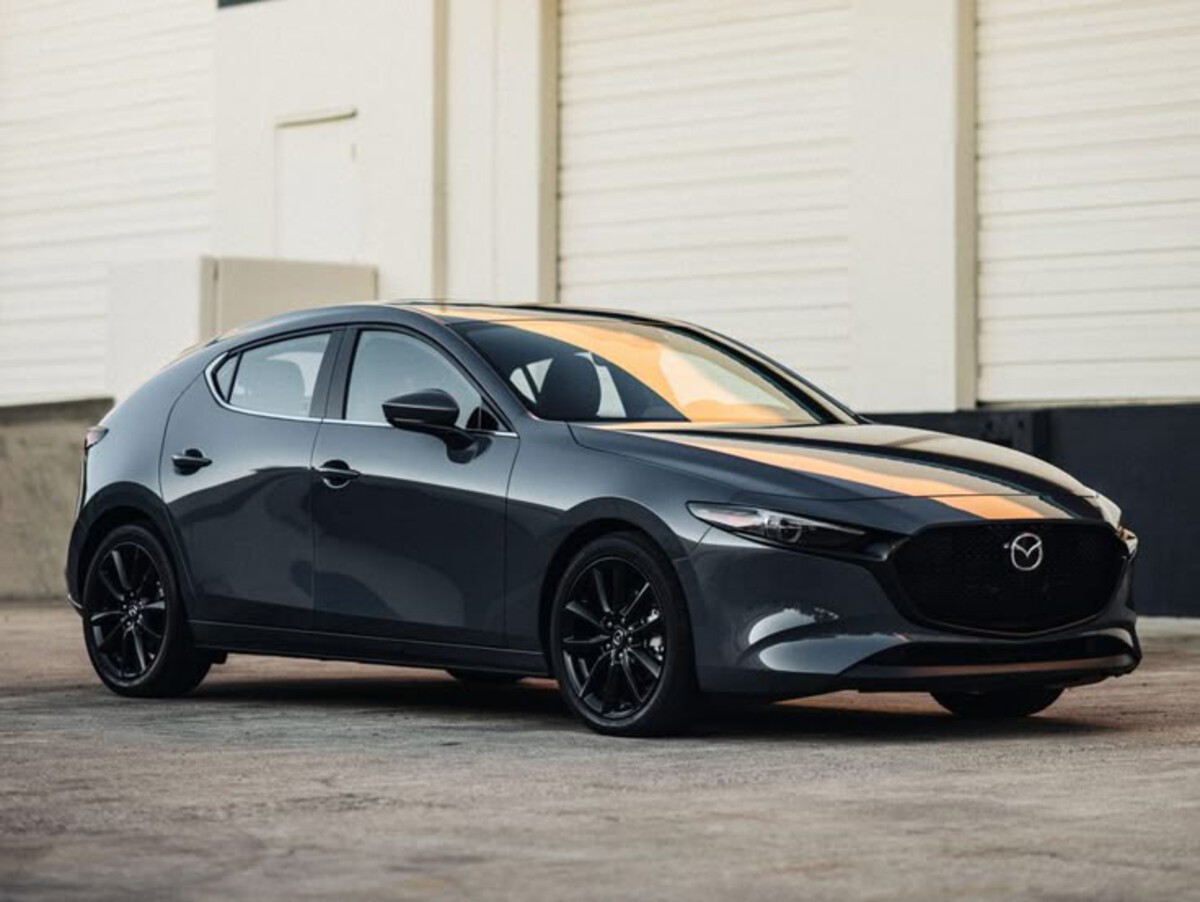
3. Mazda3
The Mazda3 stands out as a commuter car that not only delivers reliable transportation but also adds an element of driving pleasure often missing in the segment. Mazda has earned a reputation for engineering vehicles that combine sporty handling with everyday practicality, and the Mazda3 exemplifies this balance beautifully.
Unlike some commuter cars that prioritize efficiency at the expense of driver engagement, the Mazda3 offers precise steering, agile cornering, and a responsive powertrain that make daily drives more enjoyable, whether weaving through city traffic or cruising down the highway.
This driving dynamic, however, never comes at the cost of durability. The Mazda3’s powertrains, especially the Skyactiv engines introduced in recent years, are built for efficiency and longevity. These engines use innovative technologies to optimize combustion and reduce internal friction, translating into both better fuel economy and engine longevity.
Owners frequently praise the Mazda3’s ability to cover high mileage with minimal mechanical issues, provided it receives regular maintenance. The simplicity of its engine design, combined with high-quality manufacturing standards, means fewer parts that can fail prematurely.
Transmission units, whether manual or automatic, are similarly robust, capable of enduring the repetitive stresses of daily commuting. While it may not quite match the legendary bulletproof status of Toyota and Honda models, the Mazda3 reliably performs well beyond the 150,000-mile mark, and many owners report trouble-free driving far past 200,000 miles.
Another key advantage of the Mazda3 is its upscale interior design, which rivals cars in higher price brackets. Materials are thoughtfully chosen, the dashboard is ergonomically arranged, and the infotainment system is intuitive—features that make spending time in the car during long commutes less of a chore.
The cabin remains quiet and comfortable even at highway speeds, contributing to reduced driver fatigue and increased concentration. Safety features such as adaptive cruise control, lane-keeping assist, and blind-spot monitoring are also available on many newer models, helping drivers navigate heavy traffic more safely and confidently.
Fuel efficiency is competitive, typically ranging from 28 to 35 miles per gallon, depending on the engine and transmission combination. This balance of efficiency, reliability, and driving enjoyment makes the Mazda3 particularly attractive to commuters who want a dependable vehicle that doesn’t feel mundane or utilitarian.
It serves as a reminder that a commuter car can be both practical and engaging, providing longevity without sacrificing the pleasure of driving.
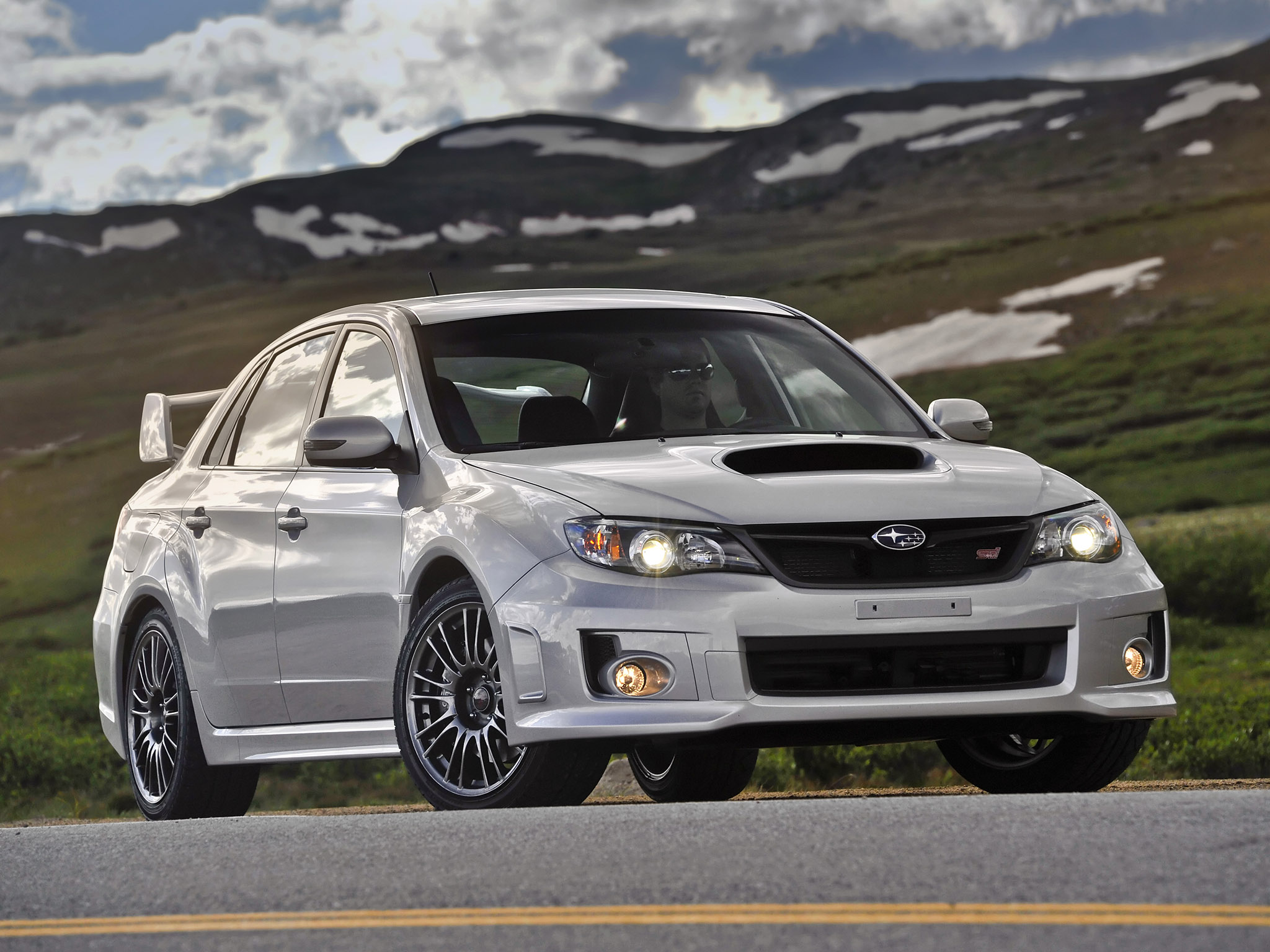
4. Subaru Impreza
For drivers living in regions with variable or challenging weather conditions, the Subaru Impreza offers a unique proposition among commuter cars: standard all-wheel drive (AWD) paired with proven reliability.
While many compact commuter vehicles are front-wheel drive only, the Impreza’s symmetrical AWD system gives it superior traction in rain, snow, and slippery conditions, providing peace of mind and added safety during year-round driving.
This capability is invaluable for commuters who face unpredictable weather or who need to navigate poorly maintained roads on their daily routes. Beyond its drivetrain, the Impreza boasts a reputation for solid build quality and durable mechanical components, which contribute to its ability to rack up miles consistently.
Subaru’s signature boxer engine is a noteworthy feature. Its horizontally opposed cylinders create a lower center of gravity, which improves stability and handling, especially helpful in adverse conditions. Moreover, the boxer engine layout helps distribute mechanical stress more evenly, potentially contributing to enhanced engine longevity.
While some early Impreza models faced issues related to head gaskets, Subaru has addressed many of these problems in more recent iterations through improved materials and manufacturing processes. Owners who keep up with recommended maintenance schedules often enjoy trouble-free driving well beyond 200,000 miles.
Fuel economy in the Impreza is respectable, though slightly lower than some front-wheel-drive competitors, typically averaging around 28 to 30 miles per gallon combined. This is a reasonable tradeoff for the added benefit of AWD, especially in climates where weather and road conditions can complicate commutes.
The interior has evolved to become more refined, offering comfortable seating, good visibility, and an array of modern safety technologies such as EyeSight driver-assist, which helps prevent collisions and reduce fatigue on long drives.
In addition to its mechanical resilience and AWD capability, the Subaru Impreza appeals to commuters who value versatility. It is available as both a sedan and a hatchback, offering varying levels of cargo space and practicality.
This flexibility, coupled with Subaru’s growing reputation for quality control and safety, positions the Impreza as a dependable, all-weather commuter vehicle. It’s a smart choice for those who want a car that can handle a broad range of conditions without compromising on reliability.

5. Hyundai Elantra
The Hyundai Elantra represents a compelling blend of affordability, modern features, and growing reliability that makes it a standout option for commuters in recent years.
Once considered a budget brand, Hyundai has transformed itself into a manufacturer known for producing well-engineered, feature-rich vehicles that can hold their own against more established competitors.
The Elantra is a shining example of this transformation, offering drivers a comfortable, economical, and dependable ride with an industry-leading warranty that underscores Hyundai’s confidence in its durability.
Mechanically, the Elantra is equipped with fuel-efficient, reliable powertrains that benefit from Hyundai’s advancements in engine technology. These engines combine direct injection, variable valve timing, and other refinements to maximize fuel economy while maintaining smooth and responsive performance.
Many owners have reported that their Elantras run reliably well past 150,000 miles with no major engine or transmission failures when proper maintenance is observed. The drivetrain components are generally straightforward and accessible, which helps keep repair costs down and reduces the likelihood of unexpected breakdowns.
One of the Elantra’s greatest selling points is its impressive fuel economy, which often exceeds 30 miles per gallon in combined driving conditions. This efficiency makes it particularly attractive for long-distance commuters who want to reduce fuel expenses without sacrificing comfort or performance.
The interior is well-appointed for its class, featuring user-friendly infotainment systems, quality materials, and comfortable seating arrangements that make daily commutes more pleasant.
Additionally, recent models come loaded with advanced safety features such as forward collision warning, lane departure alert, and automatic emergency braking, which enhance driver confidence on busy roads.
Hyundai’s comprehensive warranty coverage—often including a 10-year/100,000-mile powertrain warranty—is a significant reassurance for commuters who worry about reliability and repair costs.
This warranty gives many buyers peace of mind, knowing that unexpected repairs during the first years of ownership are largely covered.
When combined with the Elantra’s competitive pricing, solid fuel economy, and improved build quality, these factors position the car as a reliable, value-packed commuter choice that consistently racks up miles with minimal fuss.
5 Commuter Cars That Leave You Stranded
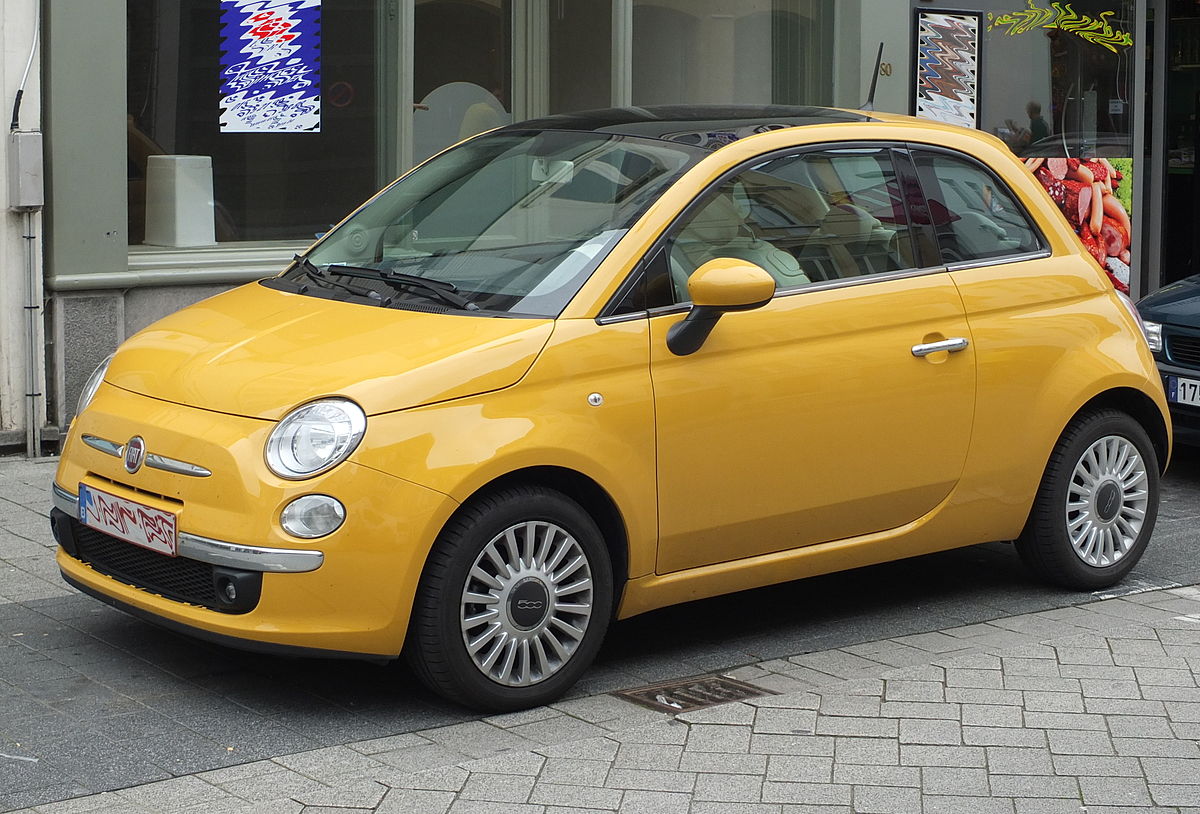
1. Fiat 500
The Fiat 500 is a small, stylish city car that has garnered attention for its retro charm and compact dimensions, but unfortunately, it has often been criticized for its lack of reliability and tendency to leave owners stranded.
While its design is eye-catching and the car is easy to maneuver in tight urban environments, these positives are overshadowed by persistent mechanical issues and electrical gremlins that have plagued various model years.
The engine, though small and fuel-efficient, can be prone to overheating and oil consumption problems, leading to frequent visits to the mechanic. For commuters who depend on a vehicle to get them to work every day, these recurring issues create a frustrating and costly experience.
Owners frequently report problems with the Fiat 500’s electrical system, including failing sensors, erratic dashboard warnings, and malfunctions with the infotainment system.
These electronic problems can sometimes immobilize the vehicle or cause it to enter “limp mode,” a safety feature that severely limits performance but effectively strands the driver until repairs are made.
Additionally, some early models suffered from transmission failures, particularly in automatic variants, which often required expensive replacements. Such critical issues can strike at inconvenient times, turning routine commutes into stressful ordeals and increasing the risk of breakdowns.
The Fiat 500’s compact size and limited cargo space also reduce its practicality as a commuter car, especially for drivers who need to carry equipment, groceries, or passengers regularly. Its suspension is tuned more for urban maneuverability than comfort, meaning rough roads or potholes are often felt harshly inside the cabin, contributing to a less pleasant daily driving experience.
Fuel efficiency is reasonable but not exceptional enough to offset the other shortcomings. Combined with higher-than-average maintenance costs and frequent visits to specialized Fiat service centers, the overall ownership experience can be more troublesome than satisfying.
While the Fiat brand has made strides in improving quality over recent years, the 500 remains a risky choice for commuters prioritizing dependability.
Its frequent mechanical and electrical issues, coupled with the challenges of finding affordable repairs outside of major cities, mean that many drivers have learned the hard way that this car is prone to leaving them stranded unexpectedly.
For those seeking a commuter vehicle with peace of mind and minimal headaches, the Fiat 500 is often better admired from afar rather than relied upon daily.
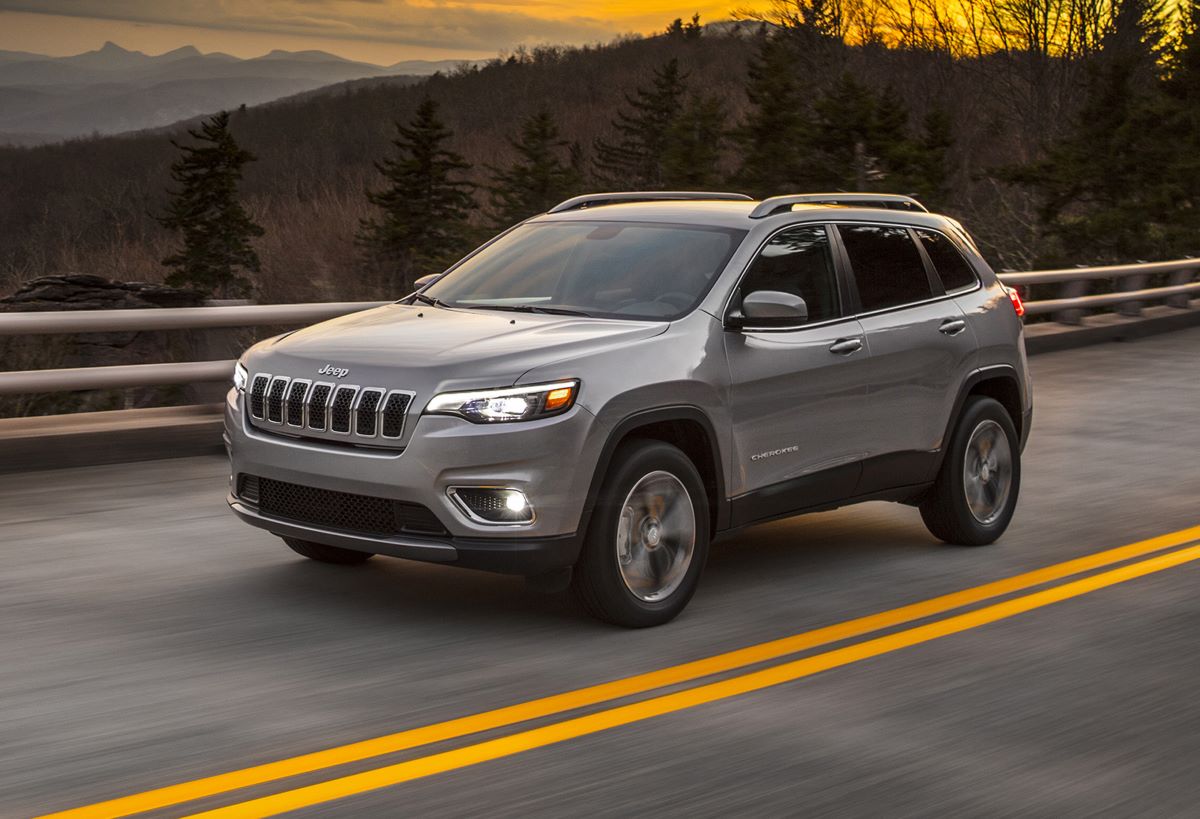
2. Jeep Cherokee (Certain Model Years)
The Jeep Cherokee, particularly some model years of the mid-2010s, has gained a reputation among commuters and owners for being less dependable than one might expect from a vehicle bearing the Jeep badge.
Known for off-road prowess and rugged styling, the Cherokee’s commuter credentials are tarnished by frequent mechanical failures, electronics glitches, and transmission problems that have caused countless owners to find themselves unexpectedly sidelined.
While the vehicle boasts appealing styling and a comfortable interior, these attributes do little to compensate for its reliability challenges when subjected to the daily grind of commuting.
One of the most commonly reported issues with the Jeep Cherokee involves its nine-speed automatic transmission. While the transmission was marketed as a cutting-edge advancement promising better fuel economy and smoother shifts, in practice it often suffers from rough shifting, hesitation, and, in worst cases, complete failure.
Repair or replacement costs for this transmission are notoriously high, making breakdowns particularly costly and inconvenient for those relying on their cars for daily transportation. Drivers caught with a failing transmission face the risk of sudden loss of power or the car refusing to shift properly, both of which can be dangerous and disruptive.
Electrical system problems also frequently plague the Cherokee, including issues with sensors, warning lights, and onboard computers. These malfunctions often trigger false alerts or cause the vehicle to enter “limp mode,” drastically reducing performance to protect the engine but effectively stranding the driver until repairs can be made.
Owners also report various interior electronics and infotainment system failures, which can impact safety features and connectivity options, detracting from the overall user experience during daily commutes.
Beyond these mechanical woes, the Cherokee’s fuel economy tends to be below average for its class, which means higher fuel expenses for commuters who face long daily drives. The ride quality can be firm and sometimes harsh on uneven roads, adding to driver fatigue during stop-and-go traffic.
Taken together, these factors contribute to a commuter vehicle that is often less reliable and more expensive to maintain than many competitors. While Jeep enthusiasts may appreciate the brand’s rugged image, those seeking a trouble-free daily driver would be wise to look elsewhere.
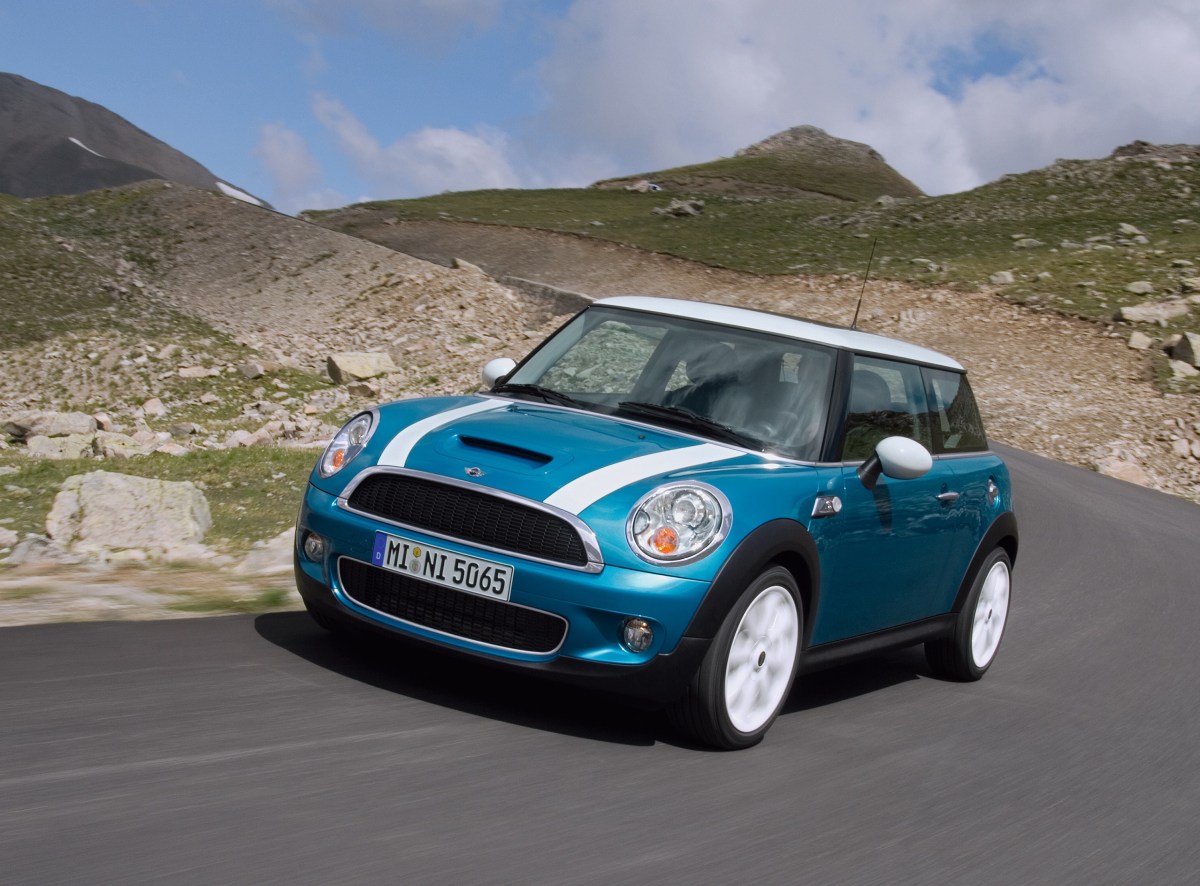
3. Mini Cooper
The Mini Cooper, with its iconic styling and sporty handling, is undoubtedly one of the most fun-to-drive cars in the commuter segment. However, behind the charm and agility lies a track record of reliability issues that have left many owners frustrated and stranded.
The Mini’s complex engineering and high-performance components often translate to frequent mechanical and electrical problems, especially in earlier model years or higher-performance trims.
While the Mini appeals to those who want a unique and engaging driving experience, its tendency for unexpected breakdowns makes it a risky proposition for the daily commuter.
One of the Mini Cooper’s most common issues lies with its turbocharged engines, which have been prone to timing chain failures, coolant leaks, and high oil consumption. These problems can cause significant engine damage if not caught early, leading to expensive repairs or even engine replacement.
Turbocharger failures and related sensor malfunctions can also lead to poor performance or sudden loss of power, which can be dangerous and leave drivers stranded. Transmission problems, particularly with automatic models, add to the list of mechanical concerns and contribute to higher-than-average maintenance costs.
The Mini’s electrical system is another frequent source of trouble. Owners often report issues with dashboard warning lights, faulty sensors, malfunctioning infotainment units, and problematic central locking systems. These electrical glitches not only cause inconvenience but sometimes prevent the car from starting or cause intermittent power loss while driving.
The compact size of the Mini Cooper also means less cabin space and cargo capacity, which may be less practical for daily commuting needs, particularly for those who require room for passengers or gear.
While newer Minis have improved in reliability due to updated engineering and quality control, the cost of ownership remains relatively high compared to more mainstream commuter cars.
Maintenance and repair costs tend to be elevated due to the specialized parts and labor required, and the frequency of repairs can lead to significant downtime.
For commuters who prioritize dependability over style or sportiness, the Mini Cooper’s reputation for unreliability can make it a frustrating choice that often leaves owners stranded at the worst possible times.
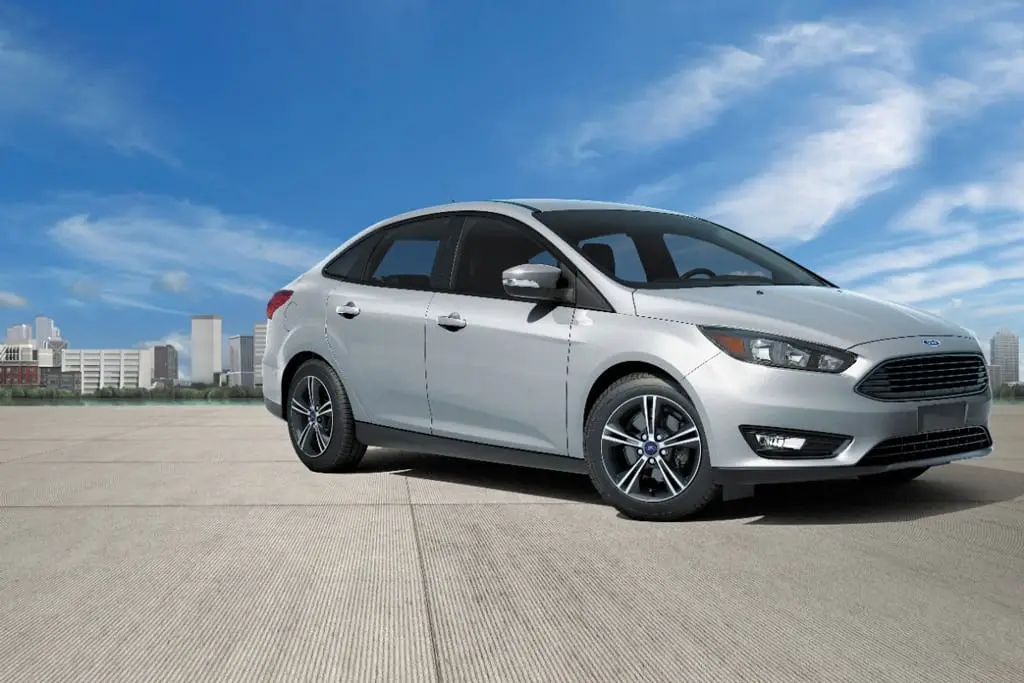
4. Ford Focus (Certain Model Years)
The Ford Focus has been a popular compact car choice for many commuters, but some model years, particularly those from the early 2010s, have developed a reputation for reliability issues that can make daily driving a gamble.
While the Focus offers sharp handling, a comfortable interior, and competitive fuel efficiency, these positives are undermined by problems with the powertrain, electrical systems, and transmission that have led to frequent breakdowns and costly repairs.
Commuters who rely on their vehicle for consistent performance may find the Ford Focus frustrating and unreliable, especially when these issues arise unexpectedly.
One of the most significant problems reported by Focus owners involves the dual-clutch automatic transmission (known as the Powershift), which was designed to provide smooth shifting and fuel efficiency. In reality, many drivers experience rough shifting, hesitation, slipping, and, in some cases, complete transmission failure.
These issues often require costly repairs or replacement and can leave owners stranded on the roadside. Additionally, some Focus models are prone to engine cooling system failures, which can cause overheating and severe engine damage if not addressed promptly.
Electrical system problems have also been reported, including faulty sensors, warning light malfunctions, and issues with the car’s computer modules.
These electronic glitches can trigger false alerts or cause the vehicle to enter “limp mode,” reducing engine power and limiting speed to prevent damage, but creating a stressful and potentially dangerous situation for commuters.
Interior electronics such as the infotainment system and climate controls have been criticized for unreliability and poor build quality, further detracting from the driving experience.
Fuel efficiency, while competitive on paper, is often offset by the costs and inconvenience of frequent repairs. The Focus’s ride quality is generally comfortable, but reliability concerns overshadow its merits.
Despite Ford’s efforts to improve quality in later models, many commuters remain wary of the Focus due to its checkered history during certain production years. For those prioritizing a hassle-free commuting experience, this car’s propensity for unexpected breakdowns and expensive fixes often means looking elsewhere is the wiser choice.
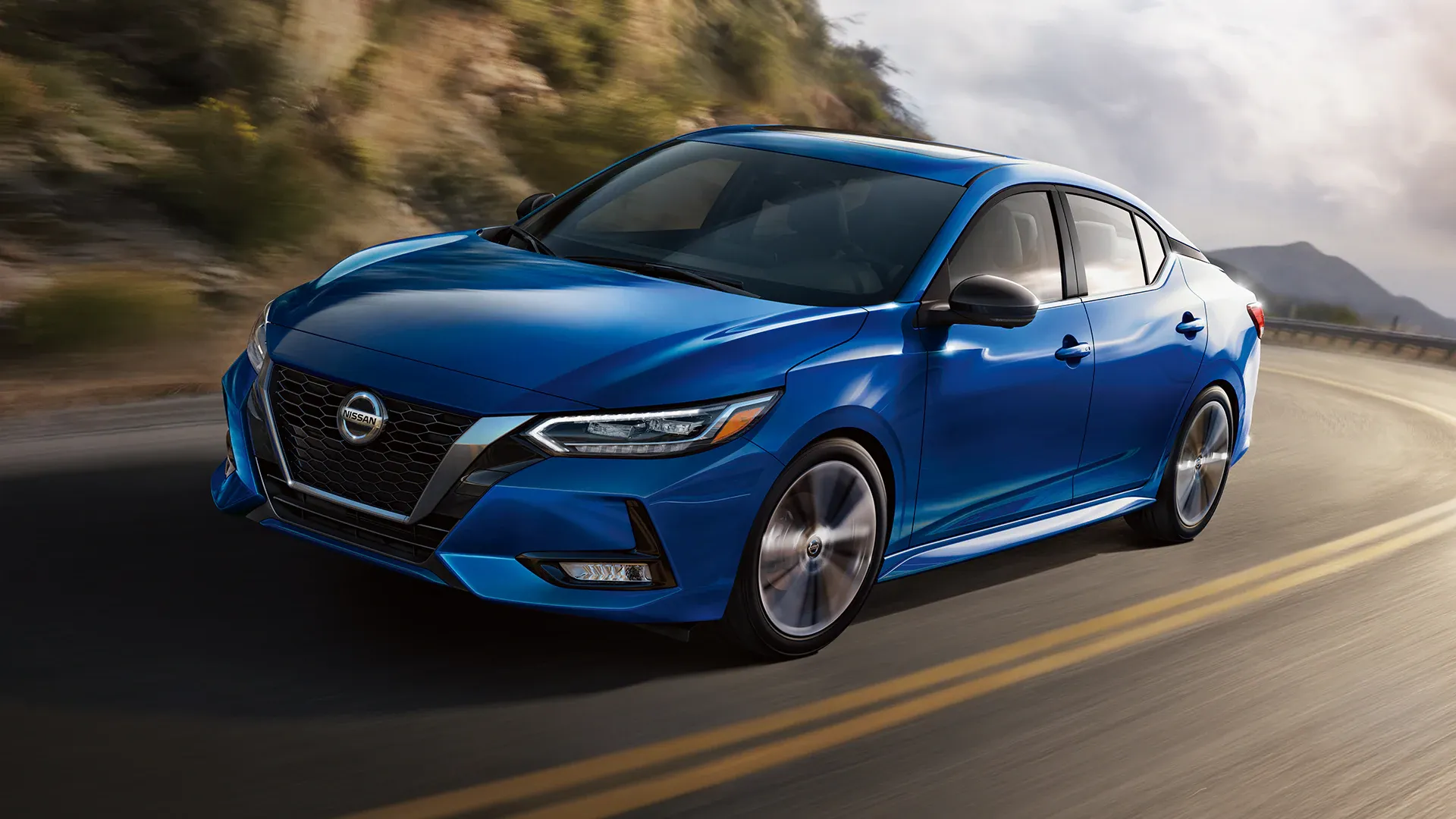
5. Nissan Sentra (Certain Model Years)
The Nissan Sentra, a staple in the compact car segment, has provided affordable and economical transportation for millions of drivers. However, certain model years, especially from the late 2000s through the early 2010s, have been notorious for issues that make the Sentra less reliable as a daily commuter car.
Owners of these models often report frequent mechanical problems, electrical malfunctions, and premature wear that can leave drivers stranded and facing expensive repairs.
While the Sentra offers decent fuel economy and a comfortable ride, these benefits are frequently overshadowed by its tendency toward breakdowns and maintenance headaches.
A common issue with the Sentra is related to the CVT (continuously variable transmission), which replaced traditional automatics in many models. While CVTs are praised for smooth acceleration and fuel efficiency, Nissan’s early CVTs in Sentras were plagued by premature wear, slipping, overheating, and sudden failures.
Repair or replacement of the CVT is often costly and time-consuming, causing significant inconvenience for daily commuters. Beyond transmission issues, some Sentras have suffered from problems with the fuel system, such as failing fuel pumps and injectors, which can cause engine hesitation or stalling.
Electrical problems also affect many Sentras, with complaints about malfunctioning instrument clusters, erratic dashboard lights, and issues with door locks and power windows.
These glitches can not only be annoying but sometimes compromise the car’s functionality or safety. Additionally, some models are prone to premature suspension wear, leading to clunking noises and reduced ride quality, which makes daily commutes less comfortable and increases maintenance costs.
While newer Sentras have seen improvements in reliability and build quality, the shadow of earlier problematic model years still affects the car’s reputation. For commuters who need a vehicle that consistently performs without unexpected breakdowns, some versions of the Sentra fall short.
These reliability concerns, combined with maintenance challenges, mean that prospective buyers should carefully research specific model years before considering the Sentra as a dependable commuter car.
Also Read: 5 Sedans With Top NHTSA Safety Ratings And 5 With Lowest
Selecting the right commuter car is one of the most important decisions any driver can make because it directly impacts not only daily convenience but also long-term financial well-being, safety, and stress levels.
The commuter car is more than just a mode of transport—it is a daily companion that must reliably carry you through traffic jams, unpredictable weather, early morning rush hours, and the occasional unexpected detour.
The right choice can transform your daily grind into a smooth, efficient, and even enjoyable experience. Conversely, the wrong choice can lead to repeated breakdowns, costly repairs, and endless frustration that wears down your patience and wallet.
This article has highlighted two distinct groups of commuter vehicles: those that consistently rack up miles and remain dependable partners through thick and thin, and those prone to frequent malfunctions and breakdowns, often leaving drivers stranded at the worst possible times.
Cars such as the Toyota Corolla and Honda Civic have earned their sterling reputations by combining meticulous engineering, high-quality components, and a focus on longevity.
Their track records of reliability and affordability have made them trusted choices worldwide, often setting the standard for what a dependable commuter car should be.
Similarly, the Mazda3, Subaru Impreza, and Hyundai Elantra have demonstrated that reliability does not mean sacrificing driving enjoyment, safety, or modern conveniences—these models balance performance and durability, proving that daily commuters can also appreciate a pleasant driving experience.
On the flip side, the pitfalls experienced by owners of certain models of the Fiat 500, Jeep Cherokee, Mini Cooper, Ford Focus, and Nissan Sentra serve as important lessons about the risks of choosing vehicles with known reliability issues.
These cars often suffer from persistent engine troubles, transmission failures, electrical gremlins, and costly repairs that disrupt daily schedules and add unexpected expenses.
The frustrating reality is that no amount of style, brand prestige, or initial affordability can compensate for the lost time, stress, and money spent dealing with breakdowns or unplanned maintenance. For many drivers, these vehicles become sources of anxiety rather than dependable tools that enable freedom and mobility.
Prospective buyers must go beyond surface-level appeal and marketing promises. Researching reliability ratings, owner reviews, and common issues for specific model years provides invaluable insight and can prevent costly mistakes.
Furthermore, understanding the importance of regular maintenance, prompt repairs, and choosing vehicles with strong warranties can significantly extend the life of any car and minimize the risk of being stranded. Even the most reliable vehicles require care and attention, and neglecting maintenance can turn a dependable car into a headache.
In today’s market, with increasing options for electric vehicles, hybrids, and advanced driver-assistance systems, the landscape of commuter cars continues to evolve.
However, the fundamentals remain unchanged: a truly reliable commuter car combines robust engineering, proven durability, affordability of upkeep, and safety features that inspire confidence. While trends and technologies shift, the underlying value of reliability and peace of mind remains the bedrock of good commuting choices.
Ultimately, a dependable commuter car is an investment in your time, comfort, and safety. It helps you navigate daily challenges with fewer disruptions, reduces financial strain from unexpected repairs, and supports a better quality of life by making each journey predictable and stress-free.
Whether your priority is fuel efficiency, all-weather capability, driving enjoyment, or simple, no-nonsense durability, the cars that consistently rack up miles prove that reliability and value can go hand in hand.
In summary, carefully weighing the pros and cons, thoroughly researching individual models, and prioritizing reliability will ensure that your next commuter car serves you well for years to come.
Avoiding the pitfalls of vehicles with known issues can save you frustration and money, allowing your daily commute to be a seamless part of your routine rather than a source of anxiety.
By choosing wisely and maintaining your vehicle properly, you can enjoy the freedom and convenience that a great commuter car promises—a true partner in the everyday journey of life.
