
When it comes to vehicle safety, the design and engineering of seat structures and occupant restraint systems are paramount in determining how well passengers are protected during accidents.
While many factors contribute to overall automotive safety, including airbags, crumple zones, and electronic stability control, the fundamental role played by seat structures and seatbelt or latch systems is often underappreciated by everyday drivers.
These components act as the last line of defense, physically restraining and supporting occupants to prevent severe injury or ejection during crashes. Over the years, safety standards and testing protocols have increasingly emphasized the durability and effectiveness of these elements, especially given that seat belts and child seat anchor systems (like LATCH) are critical for occupant survival in high-impact collisions.
Modern vehicles typically feature a variety of structural reinforcements within their seats, designed not only for comfort but also to absorb and distribute impact forces in a way that minimizes injury risk.
The seats must resist deformation, maintain their attachment to the vehicle frame, and work synergistically with the seat belts and airbags.
On the other hand, seat belt mechanisms and latch anchors must perform flawlessly under immense stress, locking tightly and holding occupants firmly in place without failure. However, despite advances in safety engineering, there are still models and manufacturers whose restraint systems have exhibited concerning weaknesses, whether due to design flaws, material degradation, manufacturing inconsistencies, or insufficient testing.
This article offers a comprehensive look at ten vehicles in total, divided into two categories: five vehicles known for having solid, well-engineered seat structures that enhance occupant safety, and five vehicles that have faced documented problems with seat belt or latch failures, negatively impacting crash protection.
By delving into the technical and practical aspects of each, we can better understand how the quality of seat-related components directly influences crash outcomes. These case studies illustrate the vital importance of holistic safety design, where the seat structure and restraint systems must complement one another perfectly to protect lives.
Furthermore, this comparison sheds light on how failures in even a single component can undermine the safety of an otherwise well-designed vehicle.
The vehicles with robust seat structures showcased in this analysis represent engineering excellence, where years of research and development have culminated in seats that are as much about safety as comfort or luxury. Their designs incorporate advanced materials, tested reinforcements, and innovative safety features like integrated whiplash protection systems and reinforced anchor points.
Conversely, the vehicles with belt or latch issues serve as cautionary examples, reminding us that rigorous quality control, continuous improvement, and adherence to evolving safety standards remain essential to prevent tragedies caused by seemingly small component failures.
Ultimately, this exploration helps consumers, safety advocates, and manufacturers alike appreciate the critical role seat structures and restraint systems play in automotive safety.
ALSO READ: 5 Vehicles That Don’t Need Exhaust Work and 5 That Constantly Throw Codes
5 Cars with Solid Seat Structures
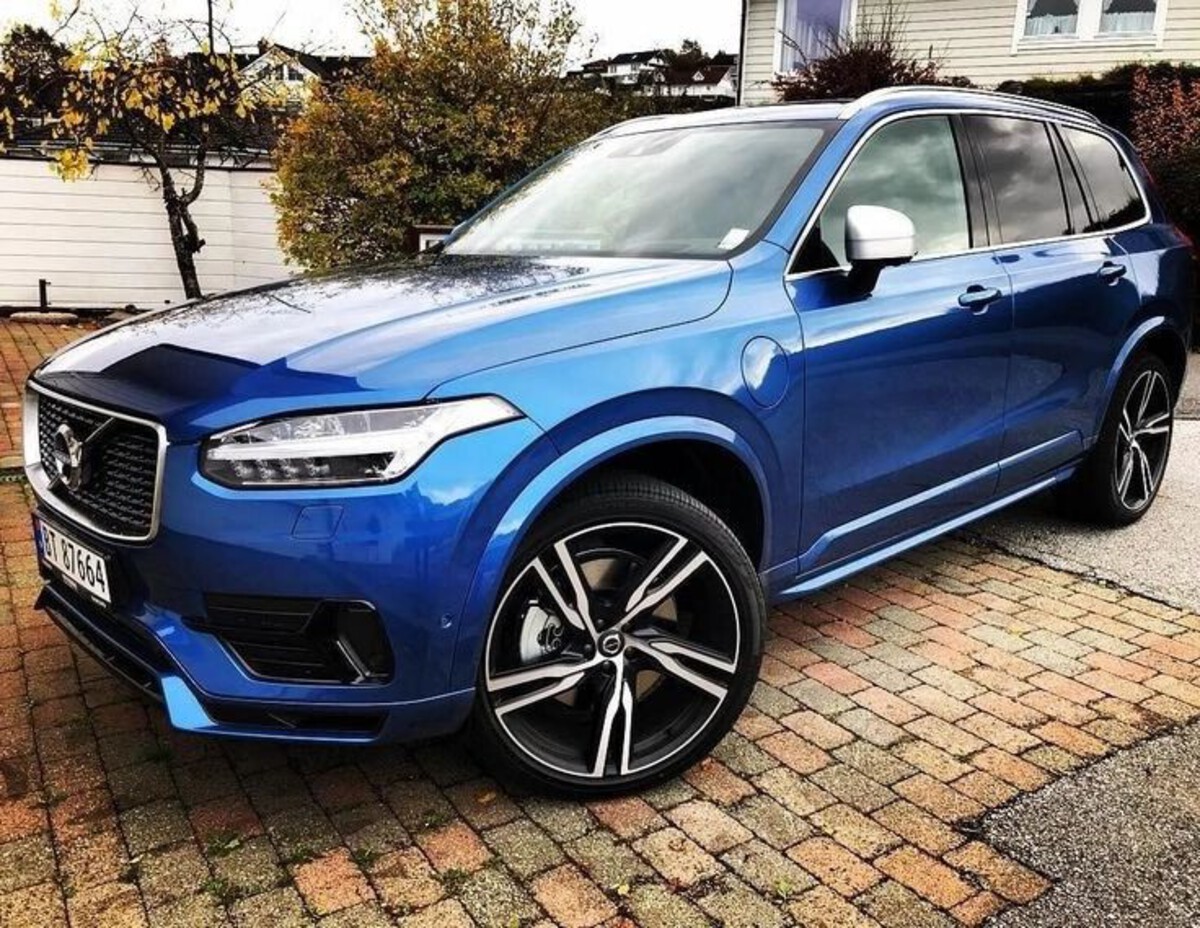
1. Volvo XC90
Volvo’s reputation as a pioneer in automotive safety is perhaps best embodied in the XC90, a luxury SUV that integrates some of the most advanced seat safety technologies in the industry. The seat structures in the XC90 are meticulously engineered to provide exceptional occupant support during all types of collisions, including frontal, side, and rollover impacts.
The core of this design philosophy centers on using high-strength steel reinforcements in the seat frames, combined with strategically placed energy-absorbing materials, which together create a protective shell around passengers. This configuration allows crash forces to be distributed over a wider area of the occupant’s body, thereby reducing concentrated stress points that often lead to serious injuries such as fractures or spinal damage.
One notable feature of the XC90’s seats is the integration of the WHIPS (Whiplash Protection System), a mechanism developed by Volvo to mitigate neck injuries during rear-end collisions. Unlike many systems that rely solely on the vehicle frame or airbags, the WHIPS system uses mechanical pivots within the seat structure itself.
These pivots allow the seatback to move in a controlled manner, absorbing impact energy and reducing whiplash forces on the neck. The solid frame ensures that this movement is smooth and well-controlled, preventing unwanted seat deformation or displacement that could otherwise exacerbate injuries.
Furthermore, Volvo’s seats are designed with seatbelt anchor points firmly affixed to the seat frame rather than the vehicle chassis. This design decision reduces relative motion between the seat and occupant, ensuring that the seatbelt fits snugly and functions correctly during a crash.
This cohesive movement helps maintain proper occupant posture, preventing the “submarining” effect where occupants slide under the belt, which is a common cause of abdominal injuries. The high manufacturing quality of Volvo seats means the frames and anchor points are welded and bolted with precision, tested to withstand forces far beyond those experienced in standard crash scenarios, which translates to improved safety margins.
Finally, the XC90’s seat structure also supports child safety. The ISOFIX/LATCH anchors are rigidly embedded into the seat frames, ensuring that child seats are securely held in place without undue flex or looseness.
This solid anchoring is critical because even slight movement of child seats during a collision can lead to catastrophic injury. Overall, the XC90 stands as a model of how solid seat structures combined with advanced engineering can significantly enhance occupant protection in real-world driving conditions.

2. Subaru Outback
The Subaru Outback has earned a loyal following not only for its versatility and off-road capability but also for its commitment to occupant safety, which is deeply rooted in the vehicle’s seat design.
The seats in the Outback incorporate a sophisticated combination of structural integrity and ergonomic comfort, using high-strength steel frameworks and advanced foam cushioning materials that are calibrated to absorb and dissipate crash energy. The result is a seat structure that remains remarkably stable under crash loads, maintaining occupant alignment and support even when subjected to severe impact forces.
Subaru’s engineering team paid special attention to the lateral stability of the seats, incorporating side bolsters that extend from the seatback and cushion to hold occupants firmly in place. This is especially beneficial during side collisions or sharp maneuvers, where occupants are vulnerable to excessive lateral movement.
These bolsters help keep the seatbelt in optimal position and prevent occupants from sliding sideways, thereby reducing the risk of injury.
Integral to the safety of the Outback’s seats is the way they interact with the vehicle’s restraint systems. The seat belts feature pretensioners that tighten immediately upon detecting a collision, pulling occupants snugly against the seatback and reducing slack.
Simultaneously, load limiters allow a controlled amount of webbing to release under extreme force to prevent chest injuries from excessive belt tension. Because the seat structure is firm and stable, it provides a solid anchor for these dynamic forces, ensuring that the belt operates as intended without unintended seat deformation or displacement.
Child safety anchors in the Outback also benefit from this robust seat design. The ISOFIX/LATCH points are welded directly into the steel frame of the seat, making them more resistant to deformation or detachment.
This design ensures that child seats remain firmly attached during collisions, greatly enhancing the safety of young passengers. The Outback’s consistent high ratings in occupant protection tests are a testament to the effectiveness of this seat and restraint system synergy, proving that solid seat structures are foundational to occupant safety.
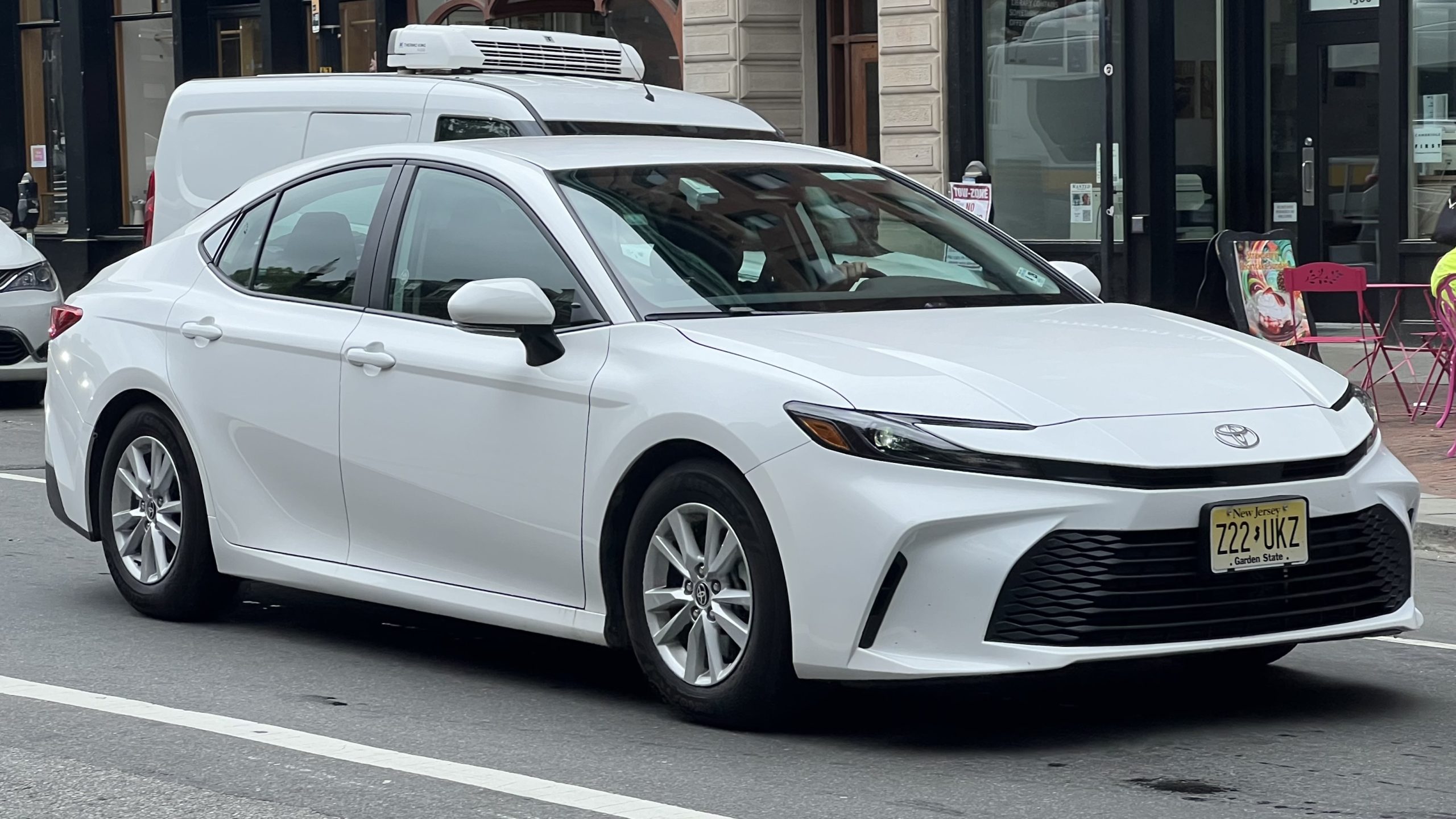
3. Toyota Camry
The Toyota Camry has long been synonymous with reliability, and its seat structure exemplifies Toyota’s broader commitment to safety and durability. The Camry seats are designed with a focus on strong steel frames that provide both rigidity and flexibility, allowing the seats to absorb impact energy while maintaining their shape and position during a crash. This balance is crucial because overly rigid seats can transfer too much force to occupants, while overly flexible seats risk collapsing or losing structural integrity.
Toyota employs dense, multi-layer foam padding in the seats that works in tandem with the steel frame to absorb crash forces, reducing the energy transmitted to the occupant’s body. This padding is carefully engineered to provide targeted support in areas like the lumbar region, which helps reduce the risk of spinal injuries during sudden deceleration or impact.
The seat mounting points in the Camry are heavily reinforced and welded to the vehicle’s chassis using high-strength bolts and joints. These anchor points are critical in ensuring the seat remains fixed in place during a collision, preventing dangerous seat movement that could cause occupants to slide or become unrestrained.
Additionally, the seatbelt anchor points are ergonomically positioned to align the belt correctly across the occupant’s shoulder and pelvis, which are the strongest points of the human body. This alignment is vital for maximizing the effectiveness of the seatbelt and minimizing injuries.
Child safety is also a priority for the Camry, with LATCH anchors embedded within the seat cushions and seatbacks to provide a solid and stable foundation for child seats. These anchor points undergo rigorous testing to ensure durability and resistance to deformation under crash forces.
Toyota’s holistic approach to seat and restraint system design has resulted in the Camry consistently earning top marks from safety agencies worldwide, underscoring the importance of well-constructed seat structures in protecting occupants.
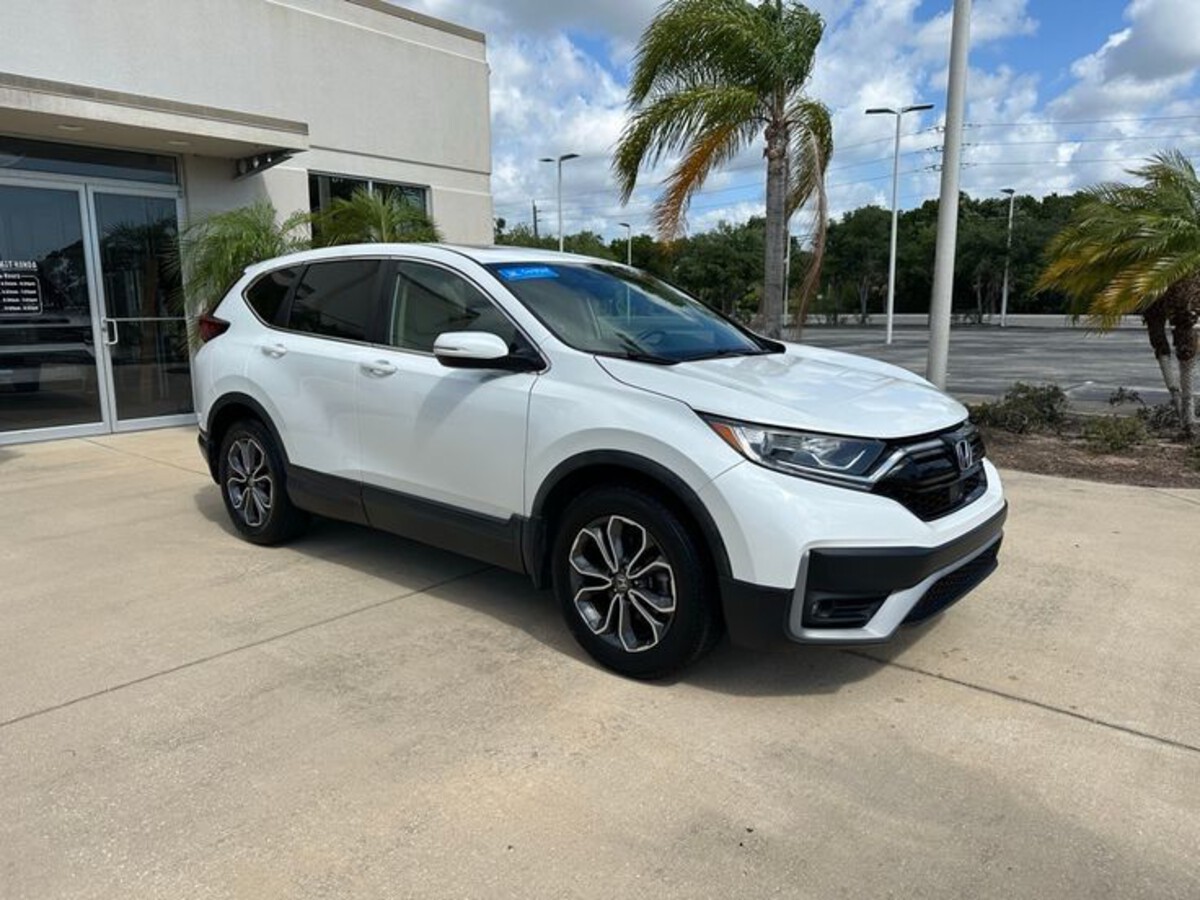
4. Honda CR-V
Honda’s CR-V is a leading compact SUV that blends practicality with a strong safety pedigree, much of which is attributable to its well-engineered seat structures.
Honda’s approach to seat design involves a careful integration of high-strength steel framing with energy-absorbing foams and advanced ergonomic design, resulting in seats that not only provide comfort but also exceptional crash protection. The seat frames are constructed to resist deformation and maintain occupant posture even under extreme impact loads, a critical factor in reducing injury risk.
The CR-V’s seats also integrate side airbags directly into the seatbacks, which requires the structure to accommodate these airbags without compromising strength or stability. This integration is achieved through a combination of reinforced seat frame sections and precise airbag module placement, ensuring that the airbags deploy correctly while the seat frame holds firm. This level of engineering complexity exemplifies Honda’s commitment to occupant protection.
Energy-absorbing materials surrounding the seat frame further enhance occupant safety by dampening forces during a collision, preventing them from concentrating on vulnerable areas like the chest or pelvis.
The CR-V also employs advanced seatbelt pretensioners and load limiters, which function best when anchored to a stable seat structure. The coordination between these systems ensures that occupants are restrained effectively without experiencing excessive force, reducing the likelihood of serious injuries.
Child seat safety is another strong suit of the CR-V, where LATCH anchors are robustly integrated into the seat structure itself. This design minimizes anchor movement during crashes and ensures child seats remain firmly attached, providing peace of mind for families. Thanks to these thoughtful design elements and solid seat engineering, the Honda CR-V regularly receives excellent safety ratings from both government and independent testing organizations.
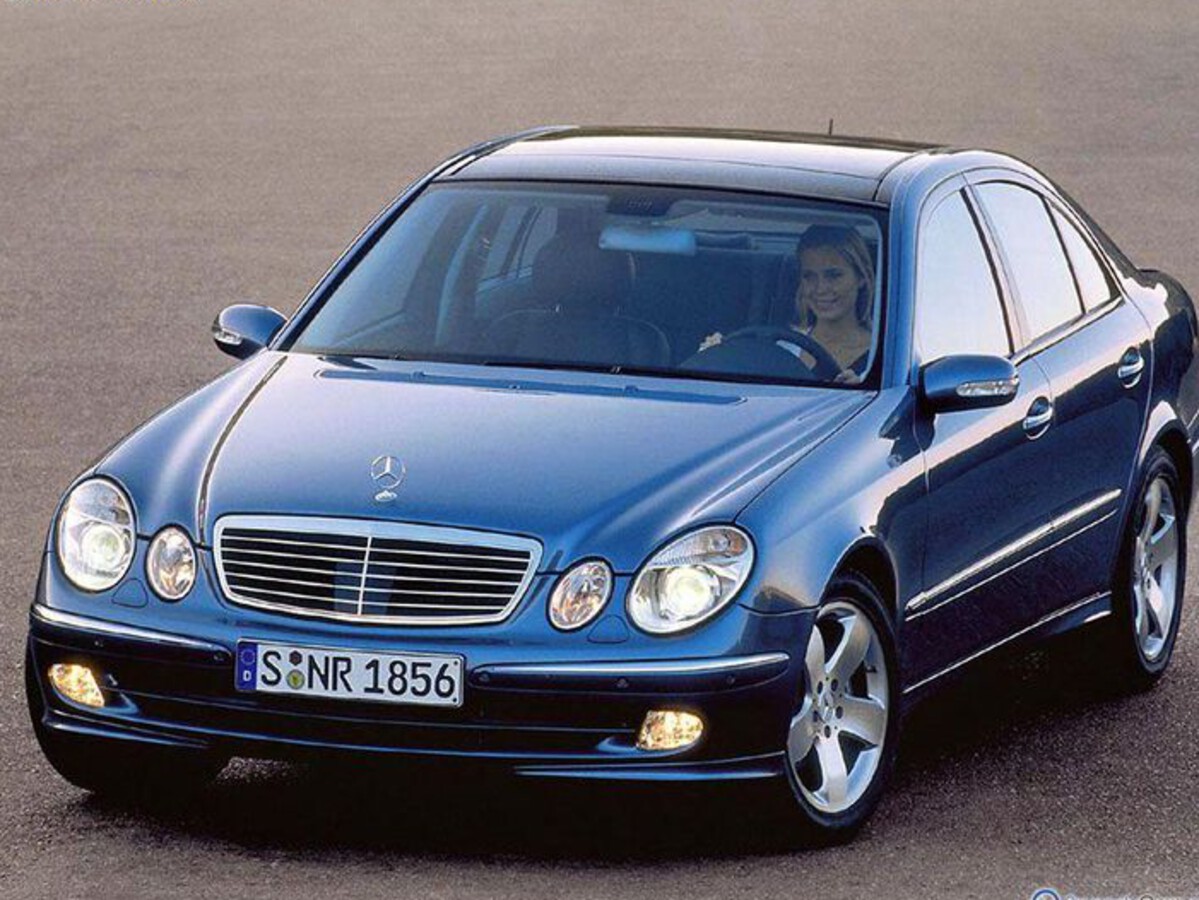
5. Mercedes-Benz E-Class
The Mercedes-Benz E-Class is widely regarded as a benchmark in luxury vehicle safety, and its seat structure exemplifies the fusion of comfort, advanced technology, and top-tier occupant protection. The seats in the E-Class utilize a combination of high-strength steel and aluminum alloy frames, striking an optimal balance between rigidity and lightweight design. This combination allows the seats to absorb and distribute crash forces efficiently, reducing the risk of injury while maintaining premium comfort.
One of the standout features of the E-Class seat design is the incorporation of adaptive safety systems such as active seatbelt pretensioners and occupant detection sensors embedded within the seat structure.
These systems allow the vehicle to tailor the deployment of airbags and the tension of seat belts dynamically based on occupant size, posture, and position, maximizing protection while minimizing injury risk. For these systems to function optimally, the seat structure must be extremely stable and precise, as any unintended movement could affect sensor accuracy or restraint effectiveness.
The E-Class also features sophisticated whiplash protection integrated directly into the seat design. This system uses a mechanically controlled seatback that moves in a controlled manner during rear-end collisions, absorbing energy and reducing neck strain. The seat’s reinforced frame supports this movement while ensuring the occupant remains securely restrained, showcasing Mercedes-Benz’s engineering mastery.
Furthermore, the seatbelt anchor points and LATCH systems are reinforced to withstand high crash loads without failure, ensuring that occupants and child passengers remain securely fastened. The manufacturing process includes meticulous welding and assembly standards, resulting in seat structures that consistently perform well beyond regulatory requirements. These design features contribute significantly to the E-Class’s reputation as one of the safest luxury sedans on the road today.
5 Cars with Belt or Latch Failures
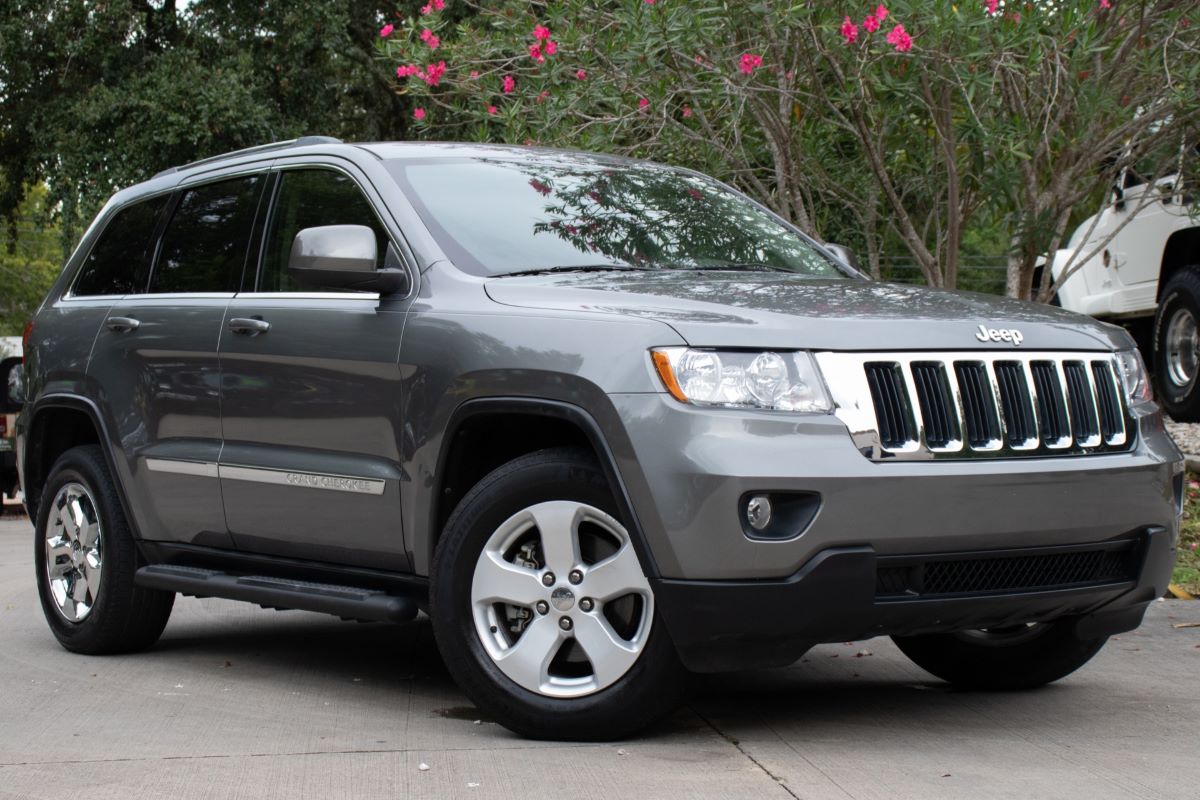
1. Jeep Grand Cherokee (Early 2010s Models)
The Jeep Grand Cherokee, particularly models produced in the early 2010s, became the focus of safety concerns primarily related to failures in the seat belt and latch systems, despite the vehicle’s otherwise strong structural attributes. Numerous reports from owners and safety authorities highlighted issues where seat belt pretensioners either failed to activate or malfunctioned during collisions, severely reducing the belts’ ability to restrain occupants.
This malfunction meant that in some cases, occupants were left unsecured or inadequately restrained during a crash, substantially increasing the risk of injury.
In addition to pretensioner failures, the seat belt webbing itself showed signs of premature wear or material degradation in some units, further compromising restraint integrity. This was compounded by latch failures, where the child seat anchor points — critical for safely securing child restraint systems — became loose or detached under the stress of crash forces. Such detachment poses an enormous risk to child passengers, as even minimal movement of the child seat during a collision can lead to severe injuries.
The seat structures in these Grand Cherokees were generally robust, but the reliability issues with the belts and latch anchors created a critical weak point in occupant safety. Investigations into these problems revealed manufacturing inconsistencies and potential design oversights, particularly regarding the quality and testing of the pretensioner mechanisms and anchor hardware.
In response, Jeep issued multiple recalls and repair campaigns to address these safety faults, replacing faulty components and enhancing quality control measures. However, the incidents underscored the vital reality that even vehicles with strong seat frames can become unsafe if the restraint systems themselves fail to function as intended, and they served as a reminder of the need for thorough end-to-end testing.
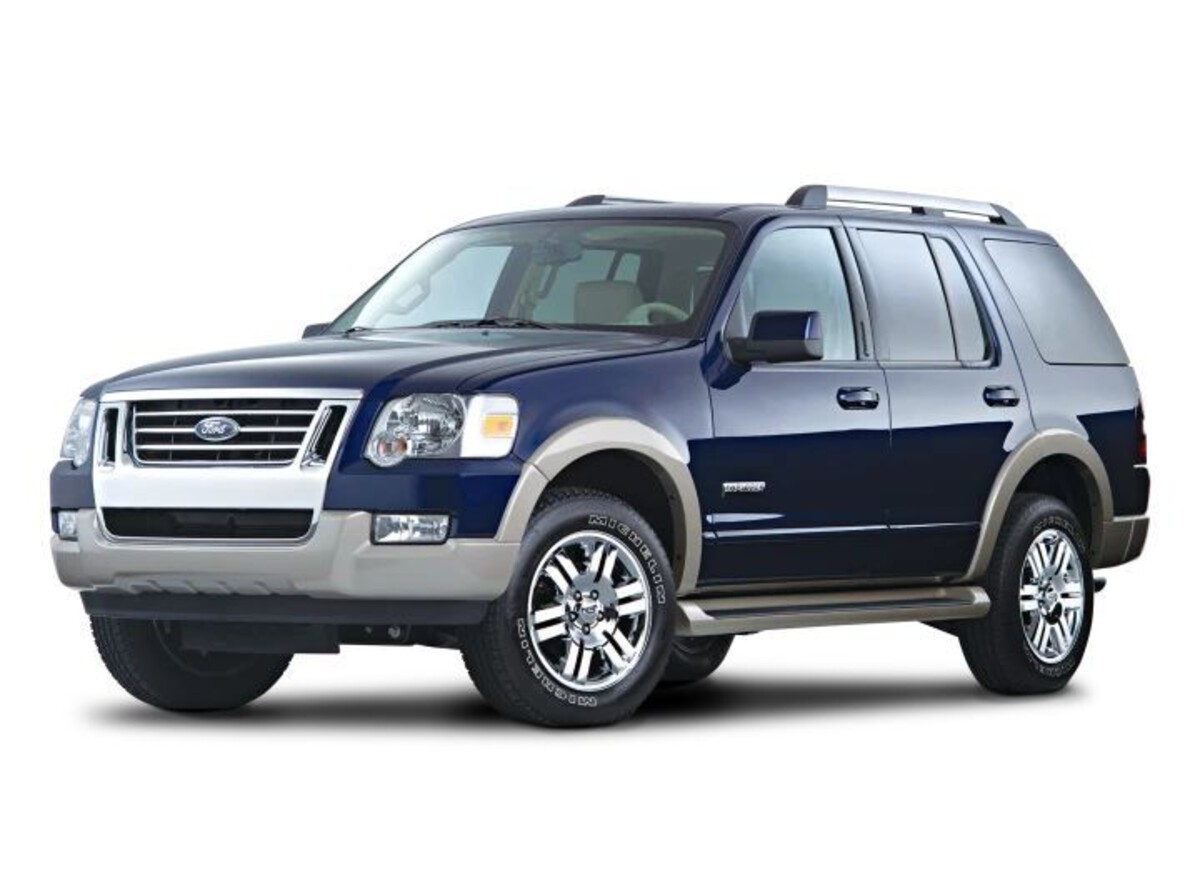
2. Ford Explorer (Mid-2000s Models)
The mid-2000s Ford Explorer was another vehicle that garnered significant negative attention due to seat belt and latch failures. Reports indicated that seat belts in some models failed to lock properly during impacts, allowing occupants to slide forward excessively. This malfunction diminished the seatbelt’s protective effect, resulting in a higher likelihood of injury from contact with the interior components or secondary collisions within the vehicle.
More troubling were the latch anchor failures, particularly in rear seats where child safety seats rely heavily on these anchors for secure installation. Many owners reported that latch anchors became loose, bent, or even detached entirely under crash forces or during routine use. This failure made it difficult or impossible to secure child seats correctly, endangering the safety of young passengers.
While the seat structures themselves adhered to safety standards and generally retained their form during crashes, the belt and latch malfunctions compromised overall occupant protection. This disconnect highlighted a systemic failure in integrating restraint system components, revealing weaknesses in design validation and manufacturing quality assurance.
Ford responded with multiple technical service bulletins and recalls aimed at repairing or replacing faulty belt retractors, pretensioners, and latch anchors. However, the reputation damage lingered among consumers and safety advocates, and the Explorer’s problems became a cautionary tale about the importance of reliable restraint systems working in harmony with structural seat integrity.
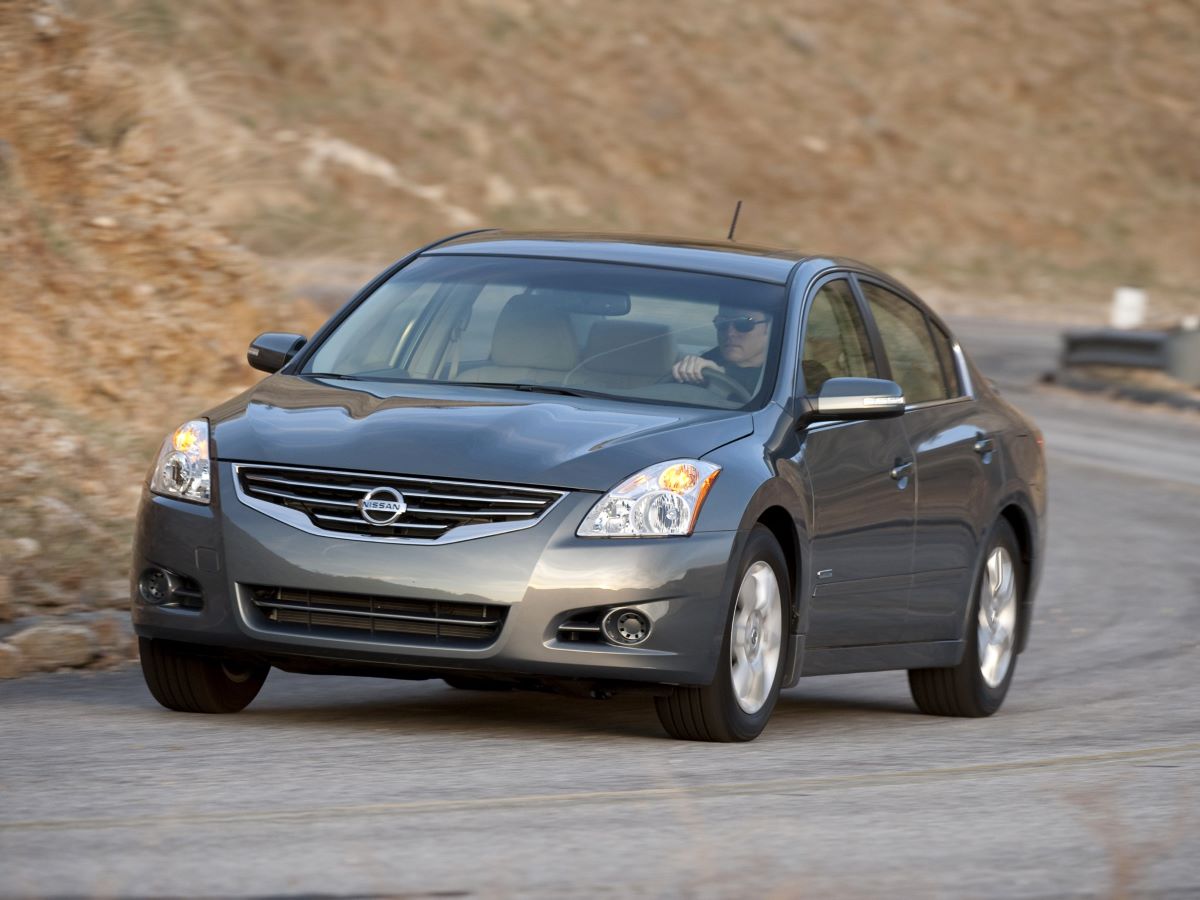
3. Nissan Altima (Late 2000s Models)
In the late 2000s, the Nissan Altima experienced widespread issues related to seat belt pretensioner failures and the durability of LATCH anchors, which adversely affected occupant and child safety. Some crash tests revealed that pretensioners in these models did not consistently activate as designed, failing to tighten the seat belts immediately upon impact. This failure significantly reduced the effectiveness of occupant restraint, allowing excessive forward movement that could result in head or chest injuries.
Additionally, the LATCH anchor points used for child seats in certain Altima trims were prone to loosening or weakening over time, particularly under the repetitive stress of everyday use. This degradation diminished the anchors’ ability to hold child seats securely in place during collisions, putting young passengers at increased risk. Consumer complaints and safety investigations identified these problems, leading to recalls and corrective service actions.
Though the seat frames in the Altima generally maintained structural integrity during impacts, the compromised restraint mechanisms highlighted gaps in Nissan’s safety assurance processes. These issues underscored the fact that occupant protection systems are only as strong as their weakest component, and even minor failures in pretensioners or latch anchors can have dire consequences.
Nissan implemented design improvements and enhanced quality controls following these incidents, but the problems affected the vehicle’s safety perception, especially among families prioritizing child passenger protection. These cases emphasize the critical nature of continuous safety validation and the need for rigorous component testing beyond initial vehicle certification.
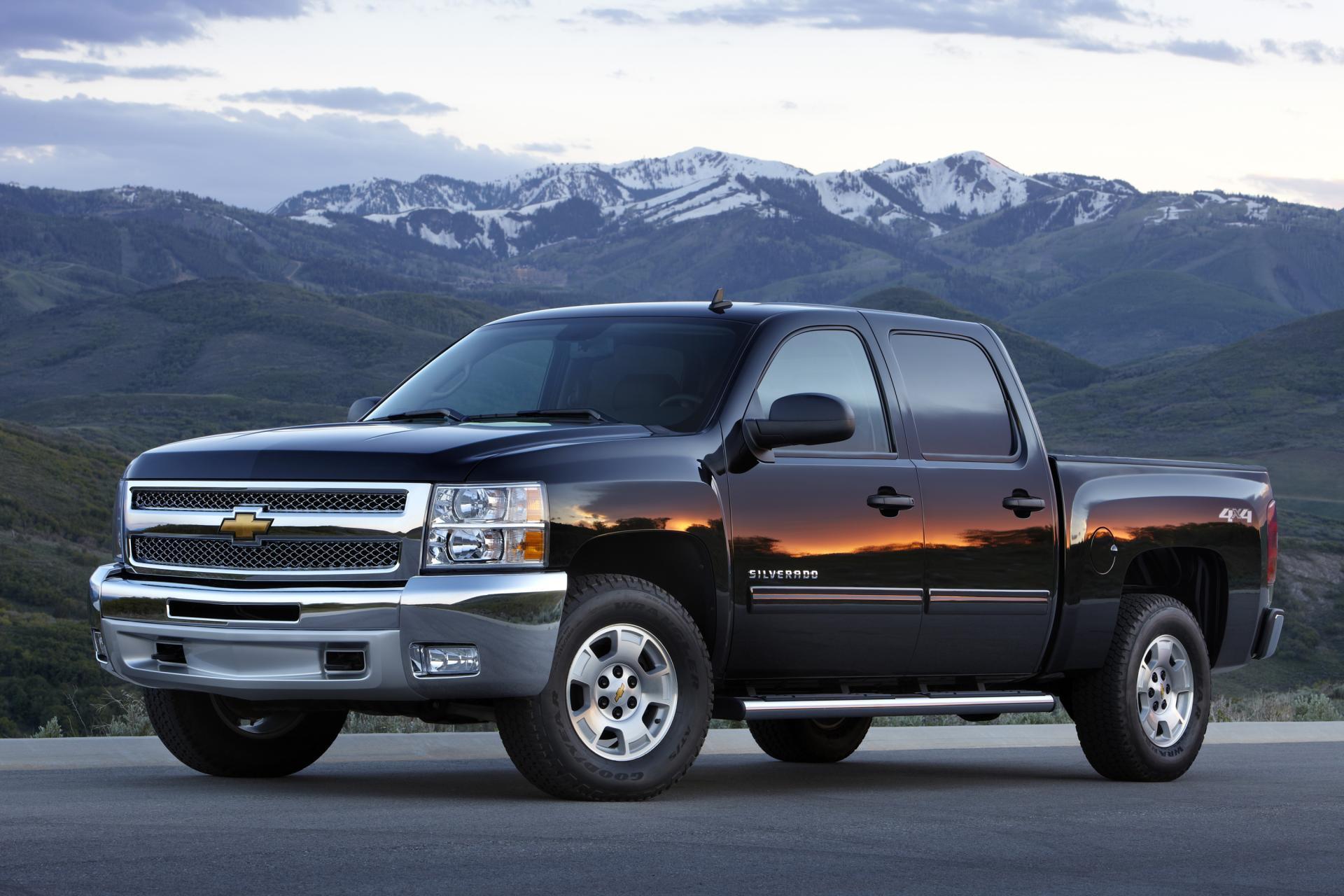
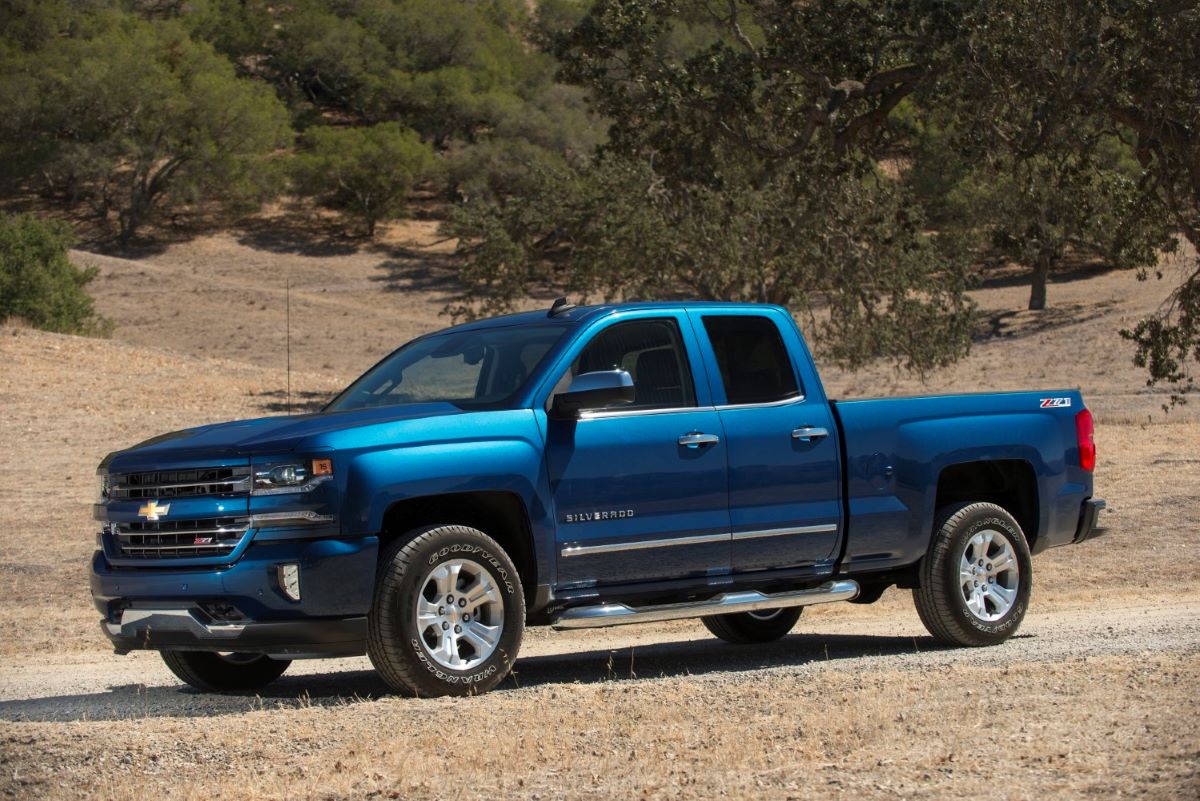
4. Chevrolet Silverado (Early 2010s Models)
The Chevrolet Silverado, a full-size pickup truck known for its durability and utility, faced challenges related to seat belt latch failures and pretensioner malfunctions in early 2010s models. Although the Silverado’s seat frames were generally robust to meet the demands of heavy-duty use, the restraint components sometimes failed to perform as expected under crash conditions, raising serious safety concerns.
Reports from owners and safety agencies detailed instances where seat belts did not lock properly or became jammed, impairing occupant restraint during accidents. Similarly, the LATCH anchors used for securing child seats occasionally became misaligned or detached, compromising the safety of younger passengers. Such failures significantly undermined the vehicle’s ability to protect occupants effectively, particularly in the rear seats.
These problems were partly attributed to material wear and manufacturing defects in seat belt retractors and latch hardware, highlighting weaknesses in the design and testing of these systems for the Silverado’s unique operational conditions. Given the truck’s often rugged usage, the restraint systems needed to meet higher durability standards, which in some cases were not fully achieved.
Chevrolet responded with recalls and component redesigns, emphasizing the importance of ensuring that restraint systems perform reliably regardless of vehicle size or usage patterns. The Silverado’s experience demonstrates the complexity of engineering occupant safety systems in larger vehicles and the critical nature of rigorous product lifecycle testing.
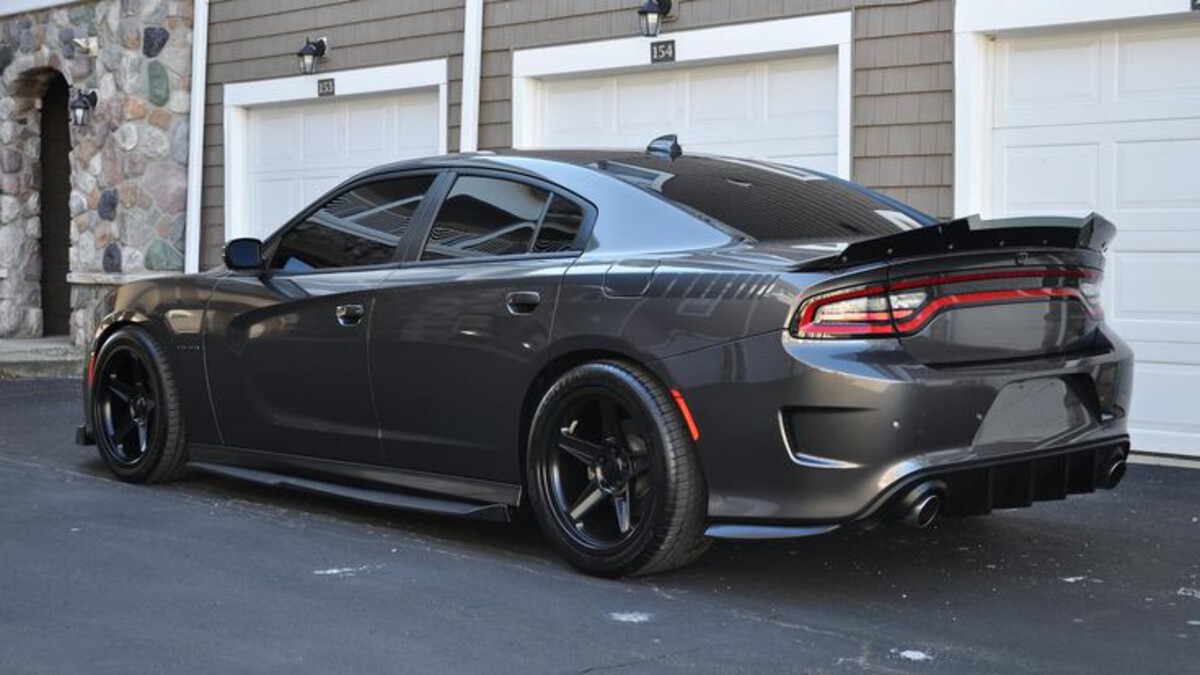
5. Dodge Charger (Early 2010s Models)
The early 2010s Dodge Charger was affected by a range of seat belt-related issues that compromised occupant safety. Among the most common problems were seat belt latch failures, where buckles became difficult to engage or disengage, and malfunctions in the seat belt retractors that prevented proper tensioning or caused the belts to jam. Such issues impaired the seat belt’s fundamental role in restraining occupants securely during sudden stops or collisions.
Additionally, the LATCH anchors in some Charger models failed to maintain a secure attachment for child safety seats, either due to hardware defects or poor integration with the seat structure. This issue led to increased risk for child passengers, prompting safety recalls and increased scrutiny from consumer safety organizations.
Though the Charger’s seats were constructed from solid frames that resisted deformation, the failures in restraint system components significantly reduced the overall safety of the vehicle. These malfunctions highlighted a disconnect between seat structural integrity and the performance of belt and latch mechanisms, underscoring that both must operate flawlessly to ensure effective occupant protection.
Dodge addressed these problems through recalls and improvements in quality control, but the Charger’s issues remain illustrative of the risks associated with incomplete restraint system reliability. The case serves as a reminder that comprehensive safety requires not only strong seat frames but also dependable belts and latches, working in unison.
ALSO READ: 5 Minivans That Can Handle Cross-Country Drives and 5 That Can’t Make It to School
The intricate relationship between seat structures and restraint systems in vehicles is a foundational pillar of automotive safety. The comprehensive analysis of five cars renowned for their solid seat structures alongside five models that have struggled with belt or latch failures vividly illustrates how these elements, when designed and manufactured correctly, can profoundly impact occupant survival and injury severity during crashes.
Solid seat structures are more than just rigid frames—they are engineered systems that work in concert with seat belts, airbags, and child safety anchors to create a holistic protective environment. On the other hand, failures in belt mechanisms or latch points, even in vehicles with strong seat frames, reveal glaring vulnerabilities that can negate the benefits of otherwise robust engineering efforts.
The vehicles with strong seat structures, such as the Volvo XC90, Subaru Outback, and Mercedes-Benz E-Class, exemplify the pinnacle of safety engineering. These cars do not merely comply with regulations—they set benchmarks through meticulous design and rigorous testing.
For instance, Volvo’s WHIPS system demonstrates how innovation can transform the seat into an active safety component, absorbing and redistributing forces that would otherwise be transmitted directly to the occupant’s body. Similarly, the Subaru Outback’s focus on lateral stability and secure anchoring highlights how detailed attention to occupant movement within the cabin can reduce injury risks beyond the basic crash protection paradigm.
The integration of seatbelt anchors directly into the seat frame, as seen in these vehicles, eliminates relative motion between the occupant and the restraint system, ensuring that safety devices function as intended in the chaotic dynamics of a collision.
These positive examples underscore that a well-constructed seat is not an isolated safety feature but part of a complex network of systems that must operate synchronously. Seat structures that are too flexible may collapse or deform, reducing the effectiveness of belts and airbags, while excessively rigid seats can transmit dangerous forces directly to occupants.
Finding the right balance requires careful material selection, advanced engineering, and thorough real-world crash testing. Beyond adult occupant safety, these vehicles also prioritize child passenger protection, ensuring that ISOFIX/LATCH anchors are solidly integrated and tested to prevent failures that could prove catastrophic for children in the event of a crash.
Conversely, the case studies of vehicles like the Jeep Grand Cherokee, Ford Explorer, and Nissan Altima reveal the consequences of belt and latch system failures. These issues often stem from design oversights, manufacturing inconsistencies, or inadequate testing of restraint components.
In many of these vehicles, while the seat structures themselves remain intact, the failure of seat belt pretensioners, latch anchors, or buckle mechanisms compromises occupant protection severely. The disconcerting reality is that the best seat frame cannot compensate for a seat belt that fails to lock or a child seat anchor that detaches under stress. Such failures lead to increased occupant movement during crashes, higher risks of ejection, and greater severity of injuries.
These failures also highlight the critical role of quality control and ongoing post-production monitoring. Recalls and service campaigns, while necessary and effective, underscore the fact that initial safety certification does not guarantee long-term reliability.
In some cases, material degradation, wear and tear, or design vulnerabilities only manifest after prolonged use or under specific conditions, pointing to the need for continuous safety assurance efforts throughout a vehicle’s lifecycle. For manufacturers, this means investing in durable materials, redundant safety features, and robust testing protocols that simulate not just standardized crashes but the messy realities of real-world collisions.
Moreover, the challenges faced by these vehicles serve as a cautionary tale for consumers and regulators alike. Buyers often rely on brand reputation or star ratings without fully appreciating the nuances of restraint system reliability or seat structure integrity.
This gap calls for improved transparency in safety reporting and consumer education, ensuring that drivers and families understand the critical importance of every safety component. Regulators, too, must consider evolving testing procedures that reflect the latest understanding of crash dynamics and occupant biomechanics, incorporating assessments of seat belt pretensioners, latch durability, and seat structure interaction under various crash scenarios.
In the broader context of automotive safety advancement, the lessons drawn from these examples fuel ongoing innovation. Manufacturers are exploring new materials like ultra-high-strength steel and carbon fiber composites to improve seat frame performance without adding excessive weight. Advances in sensor technology and active safety systems are increasingly allowing seats and restraint systems to adapt dynamically to occupant size, seating position, and crash type.
Child safety seats and their anchoring systems are undergoing continuous refinement to enhance ease of installation and crash performance. All these developments point toward a future where seat structures and restraint systems do not merely react to crashes but actively mitigate injury risks through intelligent design and technology integration.
In conclusion, the study of cars with exemplary seat structures contrasted against those with belt or latch failures reveals a fundamental truth: occupant safety depends on the seamless integration and flawless function of every component involved in restraint. Strong seat frames provide the essential foundation, but without reliable seat belts, pretensioners, and child seat anchors, that foundation is vulnerable to collapse.
As vehicle safety standards continue to evolve, a holistic approach that prioritizes the synergy of seat design and restraint reliability will be critical in pushing automotive safety to new heights. Both manufacturers and consumers must remain vigilant, informed, and proactive to ensure that vehicles on the road provide the highest levels of protection to all occupants, regardless of age or seating position. The ultimate goal is clear—a future where every seat in every car is a safe seat.
