

Driving, for most people, becomes routine—an everyday act performed with such repetition and familiarity that the risks fade into the background. We commute, run errands, take road trips, and shuttle our families without giving much thought to the fact that, at any given moment, we’re hurling several thousand pounds of metal and plastic at high speeds amidst countless unpredictable variables.
Yet the moment something unexpected happens—a car runs a red light, a child darts into the street, a deer leaps onto the highway, or another driver makes a sudden, irrational move—everything changes. In that critical instant, it’s not horsepower, fuel economy, or infotainment features that matter. It’s how well your car handles the chaos.
Emergency maneuvers—sharp swerves, sudden braking, fast lane changes, or rapid deceleration while turning—put a vehicle’s core dynamics to the test. They strip away comfort, cruising performance, and aesthetic appeal, revealing the bones of engineering beneath.
Can the car stay upright and balanced during a sudden swerve at speed? Can it recover without spinning out or flipping?
Is it built to handle abrupt weight shifts without losing grip or lifting a wheel? These are the life-or-death questions answered not in brochures or commercials, but in the critical seconds of real-world crises.
The unfortunate reality is that many drivers assume their vehicles are prepared for these moments, especially if they’re large, tall, or advertised as “safe.” But vehicle safety is multifaceted. Crash-test ratings measure survivability after an impact, but the ability to avoid a crash altogether is a different beast entirely.
This is the domain of vehicle dynamics: how a car responds to rapid steering input, sudden shifts in momentum, uneven terrain, or abrupt braking. Some vehicles excel, reacting with confidence and predictability, keeping the driver in control. Others, however, are structurally prone to losing balance, tipping, or even rolling over, turning an emergency maneuver into a disaster of its own.
In this article, we explore both sides of this divide. First, we’ll highlight five cars that have earned respect for their ability to remain stable and controlled during emergency handling. These vehicles have been rigorously tested—both by engineers and through real-world incidents—and have proven that agility, balance, and thoughtful design can be literal lifesavers.
Then, we’ll take a hard look at five vehicles that have shown a disturbing tendency to fail under emergency conditions. Whether due to high centers of gravity, outdated suspension systems, or flawed weight distribution, these vehicles have rolled, tipped, or lost control in situations where others stayed planted.
But this isn’t just a list of good and bad cars. It’s also a deeper look into what makes a vehicle safe in motion. We’ll examine the physics behind these behaviors, the trade-offs in SUV and truck design, and how modern technology is helping mitigate some—but not all of the risks.
We’ll also offer guidance for drivers on how to improve their own emergency maneuvering skills, regardless of the car they drive. Because in the end, your safety isn’t just about what happens after a crash—it’s about having the best chance to prevent one in the first place.
Also Read: 5 Cars With Brakes That Last 100k Miles and 5 That Wear Prematurely
Top 5 Cars That Handle Emergency Maneuvers Well
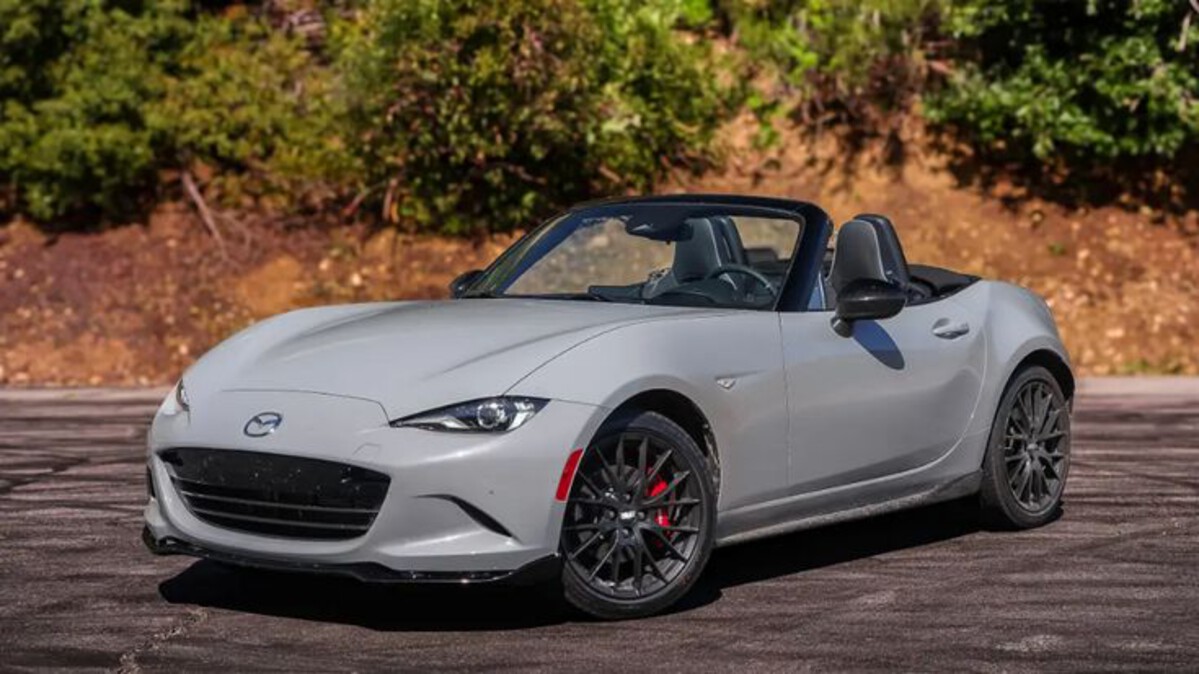
1. Mazda MX-5 Miata
The Mazda MX-5 Miata is one of the most agile and balanced cars ever made, consistently praised by automotive journalists for its handling characteristics. Its lightweight construction, rear-wheel drive layout, and nearly 50/50 weight distribution give it a unique edge in emergencies. With a low center of gravity and responsive steering, the Miata reacts to driver inputs almost telepathically, allowing for precise movements during high-pressure situations like sudden lane changes or evasive swerves.
The car’s compact size is also an asset. When performing a rapid swerve, a small, narrow vehicle like the Miata requires less lateral movement to avoid an obstacle. This minimizes the chance of losing control or needing extreme corrections. Unlike heavier vehicles, the Miata doesn’t have a lot of body mass shifting during maneuvers, which means it’s easier to keep planted and on course. Its suspension is tuned for performance and balance, allowing it to soak up sudden changes in direction with minimal drama.
In real-world emergency handling, the MX-5 also excels because of its feedback. The driver receives constant communication from the steering and chassis, making it easier to judge how much grip remains and how much more input the car can handle.
This confidence translates directly into better decision-making during split-second events. Whether it’s a deer darting across a rural road or a car cutting in without warning, the Miata gives its driver every advantage to escape unscathed.
Although it may not have the raw speed of a high-end performance car, the Miata’s mastery lies in balance and poise. In emergency maneuvers, this matters more than horsepower. The ability to transition from a sudden swerve to regaining control without sliding, tipping, or rolling puts the MX-5 at the top of any list regarding safety under dynamic pressure.
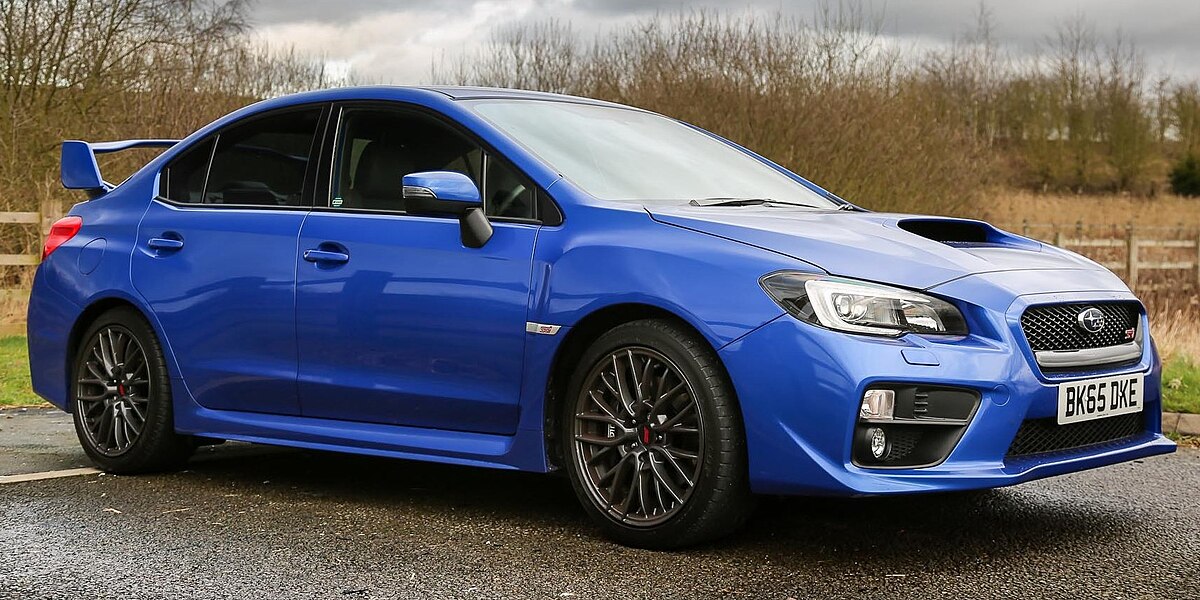
2. Subaru WRX
The Subaru WRX has long been a favorite among enthusiasts who value all-weather performance and razor-sharp handling. Its symmetrical all-wheel-drive system provides exceptional grip, which is especially valuable during emergencies where road conditions might be less than ideal, such as rain, snow, or uneven pavement. Combined with a low-mounted boxer engine and a stiff chassis, the WRX delivers confident handling when drivers need it most.
During abrupt swerves or lane changes, the WRX maintains stability thanks to its well-tuned suspension and intelligent torque distribution. The AWD system doesn’t just aid in acceleration—it actively helps keep the car planted when swerving around obstacles. Unlike vehicles that rely solely on front or rear-wheel traction, the WRX uses all four wheels to recover from rapid direction changes, minimizing oversteer or understeer in emergency scenarios.
Another key to the WRX’s emergency prowess is its brake performance and steering precision. The car responds immediately to inputs, making it easier for drivers to take corrective action if something goes wrong mid-maneuver. Whether it’s a high-speed freeway situation or an urban swerve to avoid a pedestrian, the WRX has been proven in tests to outperform many other sedans and compact crossovers in rapid-response agility.
Its reputation in rally racing further reinforces its credibility. Designed to handle rough terrain and unpredictable paths, the WRX has the kind of engineering that thrives under pressure. That same DNA benefits drivers in real-world emergencies. Though not as lightweight as the Miata, the WRX’s all-wheel-drive security and responsive steering make it one of the safest performance cars in sudden maneuver situations.
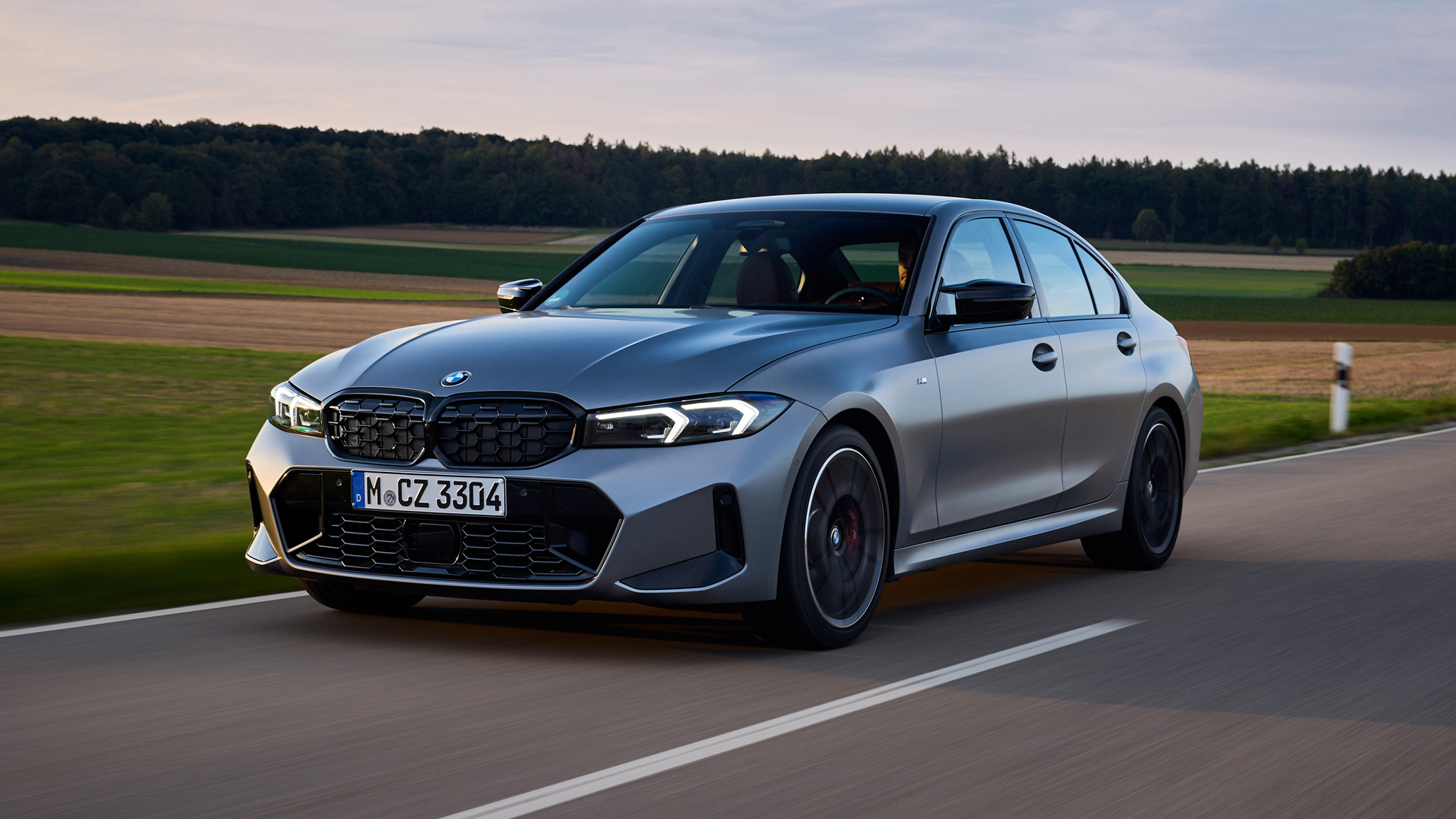
3. BMW 3 Series
The BMW 3 Series is a well-balanced luxury sports sedan that marries comfort with precision handling. Built with rear-wheel drive at its core and benefiting from decades of motorsport refinement, the 3 Series is designed to stay composed during high-speed changes in direction. Its adaptive suspension and dynamic stability control system further enhance its emergency handling capabilities, making it a standout performer in unexpected driving scenarios.
BMW engineers prioritize chassis balance, and it shows. The 3 Series doesn’t lean heavily during turns, and during emergency swerves, the body remains relatively flat—reducing the risk of rollover and allowing the tires to maintain full contact with the road. Steering input is quick and accurate, and the car responds with a confidence that lets the driver focus on the road rather than fighting with the vehicle’s behavior.
An additional factor that enhances the 3 Series’ ability to handle emergencies is its onboard technology. Features such as brake assist, dynamic traction control, and lane departure warnings all support the driver during a crisis. While these don’t substitute for physics, they complement a well-designed platform by intervening when necessary and preventing driver overreaction, which is a common cause of loss of control during emergency situations.
For those who demand both driving pleasure and real-world safety, the 3 Series represents an ideal middle ground. Its blend of comfort, responsiveness, and engineering precision ensures that when the unexpected happens, it won’t be your car’s shortcomings that put you at risk.
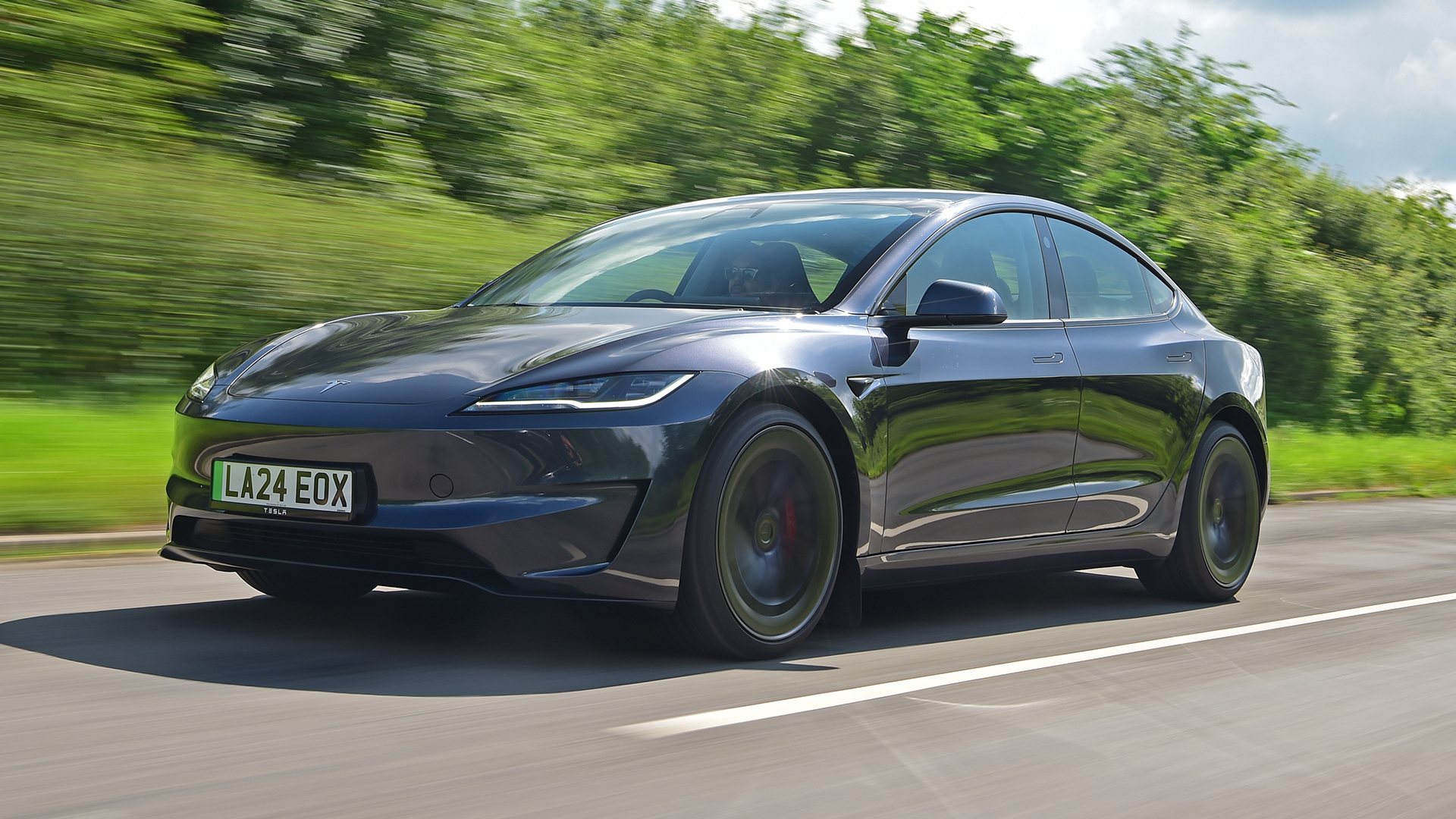
4. Tesla Model 3
Electric vehicles have a distinct advantage in handling due to their low center of gravity, thanks to heavy battery packs mounted beneath the floor. The Tesla Model 3 is a perfect example of how this design can drastically improve a vehicle’s stability during emergency maneuvers. In slalom tests and moose tests, the Model 3 consistently outperforms many traditional sedans and even some sports cars, showcasing its ability to stay flat and in control during sudden directional shifts.
The steering on the Model 3 is sharp and immediate, allowing drivers to make last-minute changes without overcorrecting. Its regenerative braking system also assists in keeping the car composed during emergency stops, reducing the likelihood of skidding. With dual-motor versions providing all-wheel drive, the Model 3 manages traction incredibly well, ensuring that both straight-line and lateral movements are stable even under duress.
Another critical advantage is the software. Tesla vehicles use real-time stability control adjustments that monitor individual wheel traction and adjust torque almost instantly. During a swerve or rapid lane change, this system can subtly apply braking or torque distribution to help the car remain on course, often faster than a human could react. The result is a car that not only stays grounded but actively corrects itself before instability sets in.
While some criticize Teslas for their minimalistic interiors or lack of physical buttons, there’s no denying their emergency handling capabilities. The Model 3’s composure during moose tests and evasive maneuvers makes it one of the safest and most responsive EVs on the market in real-world emergencies.
5. Porsche Cayman
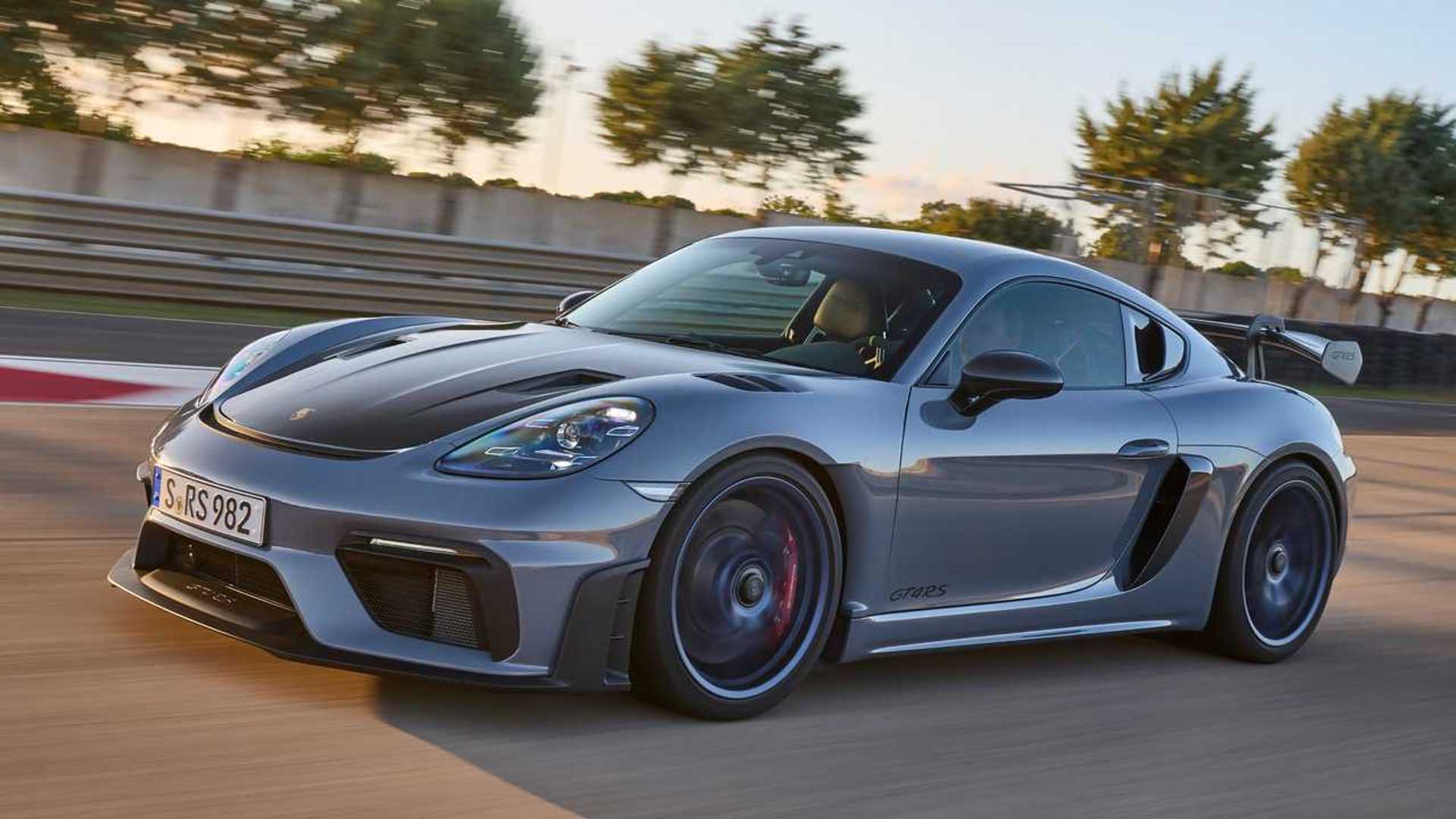
The Porsche Cayman is one of the most balanced and confidence-inspiring cars ever built for the road, and that balance becomes especially critical in emergencies. Its mid-engine layout is a major contributor to its stellar handling, giving it near-perfect weight distribution and allowing it to pivot quickly without instability. When faced with sudden maneuvers, the Cayman remains remarkably composed, offering both responsiveness and predictability—two traits that are essential when seconds count.
Unlike front-heavy or rear-biased vehicles, the mid-engine Cayman centers its mass between the axles, which translates into neutral handling during abrupt changes in direction. When swerving or executing rapid lane changes, the Cayman stays planted with minimal body roll, letting all four tires maintain contact with the road.
This balanced layout allows the car to recover quickly from lateral forces without fishtailing or understeering into danger. For a driver, this means the car reacts precisely as expected, even when it’s pushed beyond typical driving scenarios.
Another important factor is the Porsche Active Suspension Management (PASM) system, which adjusts damping forces on the fly to suit the road and driving behavior. During an emergency, the system can stiffen the suspension to counteract roll or dip, improving tire contact and control.
Combined with the Cayman’s precision steering and firm brakes, this gives drivers a feeling of control even in the most demanding moments. This level of communication between the driver and the car helps reduce panic and allows quicker decision-making during fast-moving hazards.
Though the Cayman is more expensive than most cars in its class, it’s a textbook example of how engineering and design converge to produce a vehicle that excels in crisis handling. For those who value not just speed, but stability, the Cayman is an elite performer.
In evasive testing environments, such as moose tests or obstacle avoidance drills, it regularly finishes among the top of the pack, showing minimal deviation, roll, or delay in response time. If you ever find yourself needing to swerve hard or brake and steer simultaneously, few cars will inspire as much confidence or deliver as clean a recovery as the Porsche Cayman.
Top 5 Cars Prone to Tipping or Rolling in Emergency Maneuvers
1. Suzuki Samurai
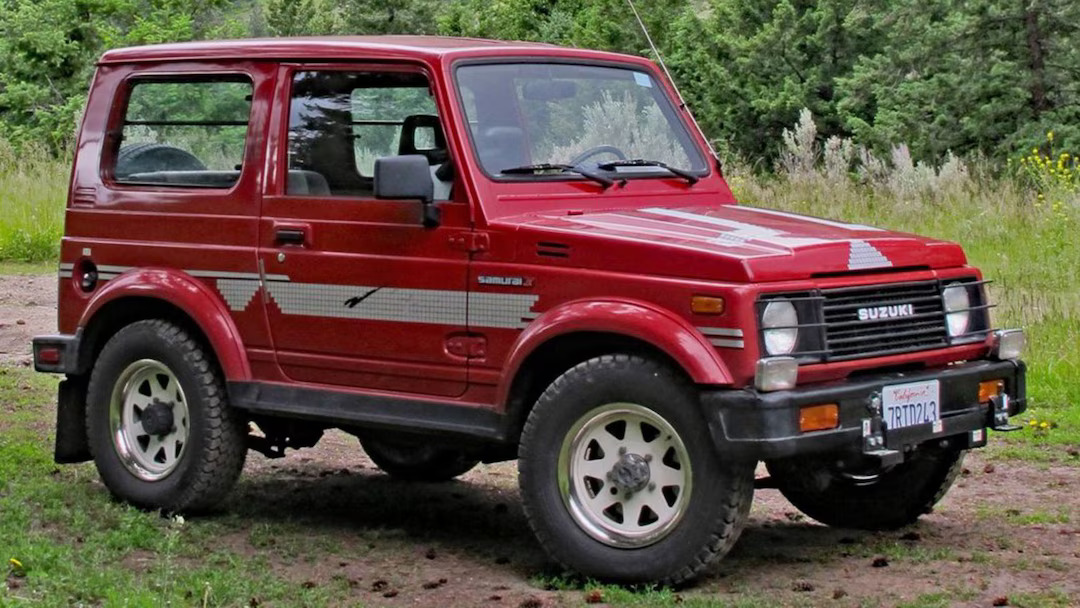
The Suzuki Samurai is a classic example of a vehicle with charming simplicity but significant stability flaws. Sold in the U.S. during the late 1980s and early 1990s, the Samurai earned a reputation for being a nimble off-roader. Unfortunately, it also became notorious for its tendency to tip or roll over during emergency maneuvers. Its short wheelbase and high center of gravity made it susceptible to sudden weight transfers during sharp turns or evasive actions, often resulting in loss of control or even rollover accidents.
Consumer Reports famously tested the Samurai in 1988 and labeled it as “not acceptable” due to its alarming tendency to roll during simulated avoidance maneuvers. Their testing showed that even modest swerves at moderate speeds could cause the vehicle’s inside wheels to lift dramatically off the ground. The situation worsened if the driver overcorrected or if road conditions were uneven, as the compact SUV didn’t have the structural stability or suspension damping to recover gracefully.
This wasn’t just a testing anomaly either. Numerous real-world accidents involving the Samurai’s rollover tendencies sparked lawsuits and eventually led to Suzuki halting U.S. sales of the vehicle in the mid-’90s.
While some enthusiasts argue that the vehicle is safe when driven conservatively, the fact remains that under panic conditions—such as avoiding a sudden obstacle on the highway—the Samurai reacts poorly and dangerously. No amount of off-road charm can make up for its critical shortcomings in emergency road handling.
Modern SUVs have largely corrected these issues through advanced stability control systems and better weight distribution, but the Samurai serves as a case study in what happens when compact size is paired with a high profile and underdeveloped suspension.
Even though it’s become something of a cult classic for off-road fans, its on-road safety in emergencies remains deeply compromised. For anyone who values safety during high-speed evasive actions, the Samurai is a cautionary tale about prioritizing terrain capability at the expense of road stability.
2. Ford Explorer (Early 2000s Models)
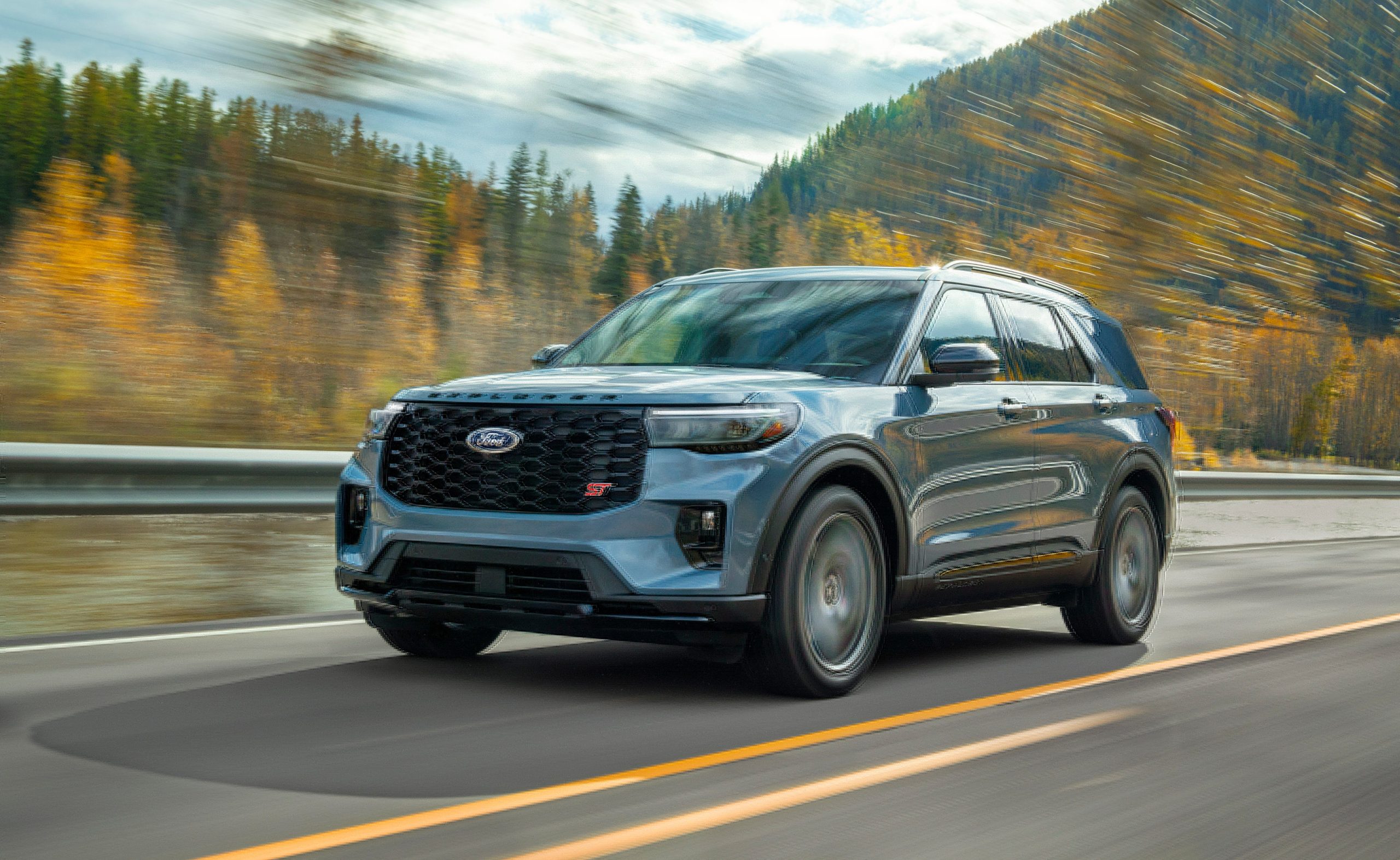
In the early 2000s, the Ford Explorer faced significant scrutiny for its role in a series of deadly rollover accidents, many of which were linked to tire failures combined with the SUV’s own handling vulnerabilities.
While the tire controversy (involving Firestone) dominated headlines, the bigger issue lay with the Explorer’s design: a high-riding body on a relatively narrow frame and a soft suspension setup that did little to prevent rollover during emergency maneuvers. This combination proved deadly when drivers had to swerve quickly or brake hard while turning.
The Explorer, like many early SUVs, was built on a truck platform. This gave it rugged durability and towing strength but also created dynamic instability.
During avoidance tests, especially at higher speeds, the Explorer had a tendency to lift on one side and transition into a rollover with alarming ease. Add to that the high center of gravity and relatively slow steering response, and you had a recipe for disaster. Many drivers found that once the Explorer started to lean, it was extremely difficult to correct without flipping the vehicle.
Adding to the danger was the Explorer’s popularity among families. Many owners expected the vehicle to behave like a car, unaware of the fundamental handling differences between a sedan and a body-on-frame SUV. When confronted with a real-life emergency—say, a sudden lane change to avoid another vehicle—many drivers applied instinctive corrections that the Explorer was ill-equipped to handle. Its slow suspension response and top-heavy structure often turned a near-miss into a full-blown accident.
Over time, Ford and other automakers improved their SUV designs, incorporating electronic stability control systems, better suspension geometry, and more car-like unibody frames.
But the early 2000s Explorer remains a prime example of a vehicle that was widely trusted yet deeply flawed in high-stress driving conditions. It underscores the importance of understanding that not all vehicles handle emergencies equally, and that size and power can sometimes mask dangerous design limitations.
3. Jeep Wrangler (2-Door, Short Wheelbase)
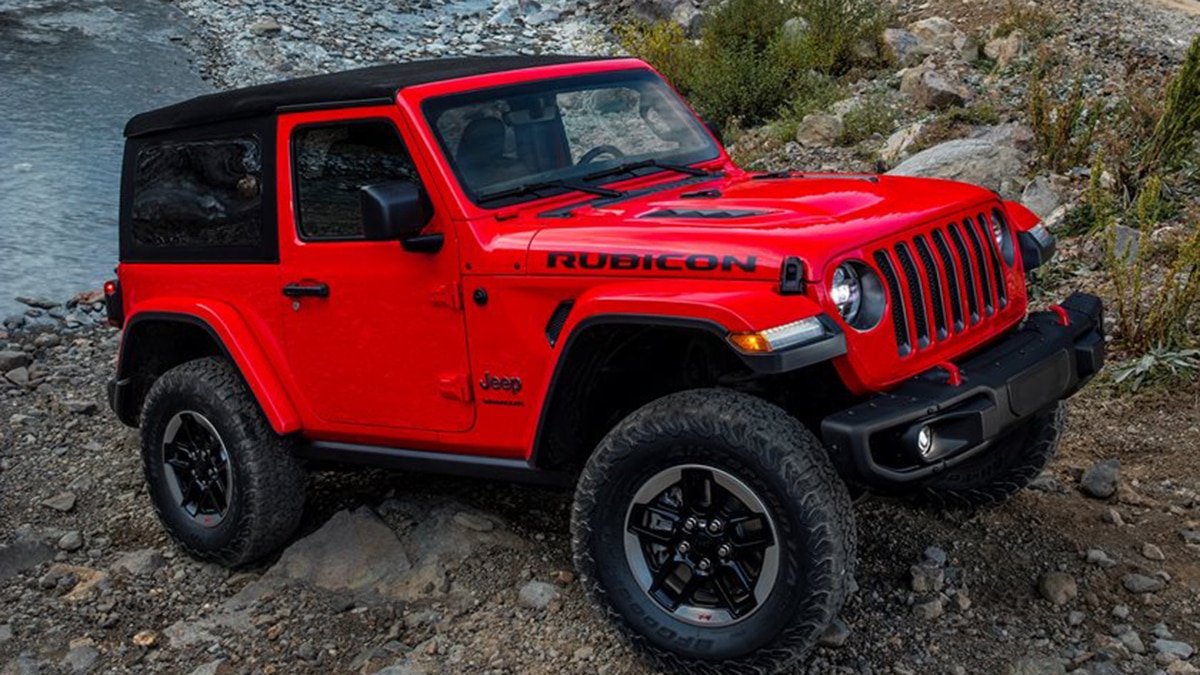
The Jeep Wrangler is an icon of off-road capability, loved for its rugged design, removable doors, and trail-ready drivetrain. However, its off-road prowess comes at a cost—on-road stability, particularly in emergency maneuvers. This is especially true for the 2-door version with a short wheelbase, which has been repeatedly shown to be prone to tipping and even rolling when subjected to abrupt changes in direction on pavement.
One of the key reasons for this instability lies in the Wrangler’s design priorities. With solid axles, a tall ride height, and a body-on-frame construction, the vehicle is tailored more for climbing rocks than carving corners.
These same features that allow for extreme articulation and durability off-road work against the Wrangler during evasive swerves on highways. In tests simulating emergency lane changes, the 2-door Wrangler often lifts significantly on one side or demonstrates uncontrollable oversteer, making recovery extremely difficult without risking a rollover.
Even though newer Wrangler models have incorporated electronic stability control systems, the physical geometry of the vehicle remains a concern. The high center of gravity relative to the narrow track width creates a situation where weight can shift dramatically with even moderate steering input.
On dry pavement, this might result in tire squeal and body roll, but on slick surfaces or during panic maneuvers, it can result in complete rollover. This is exacerbated when the vehicle is loaded with passengers or cargo, further raising its center of mass.
Jeep loyalists often argue that the Wrangler is not meant for aggressive road maneuvers, and that’s a fair point. However, emergencies don’t consider where you’re driving—they just happen. Whether you’re avoiding a crash on the freeway or trying to dodge a deer on a country road, the Wrangler’s road behavior in such moments is less than reassuring. It’s an SUV that excels in the wild but remains vulnerable in situations that demand rapid, precise reactions on asphalt.
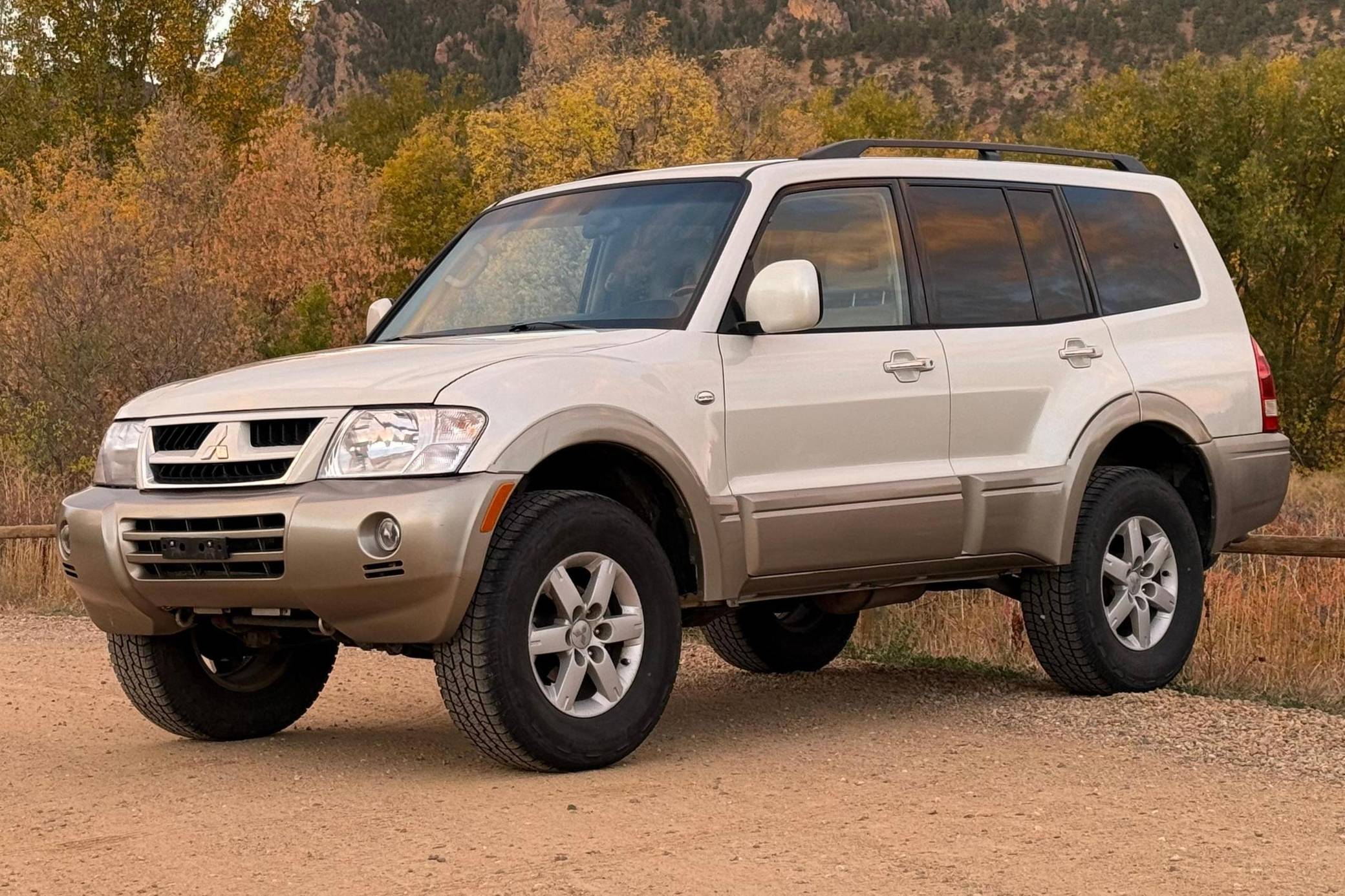
4. Mitsubishi Montero
The Mitsubishi Montero (also known as the Pajero in international markets) is another SUV that earned off-road accolades but came under fire for its on-road emergency handling, particularly in the early 2000s. This mid-size SUV featured a tall stance and soft suspension, which contributed to its comfort and trail versatility. But in dynamic emergency handling tests, including the infamous moose test, the Montero showed alarming behavior, with a strong tendency to tip and lose control during sharp, rapid swerves.
In controlled evaluations, the Montero sometimes failed the double lane-change maneuver at surprisingly low speeds. Testers reported that the vehicle would lift on its outer wheels, sometimes hopping or skipping across the pavement, and felt dangerously unstable when the steering input became too abrupt. Its long-travel suspension was a benefit off-road but became a liability in emergency road conditions, allowing too much lean before it could recover or stabilize.
Unlike smaller cars that can absorb directional changes with relative ease, the Montero’s mass and ride height became a detriment. When turning sharply to avoid a hazard, the vehicle’s body would shift excessively, sometimes to the point of unsettling the entire frame.
Even when the car didn’t tip completely, the sensation of near-roll was enough to cause panic and misjudgment by the driver, further worsening the situation. These concerns were not speculative—they were observed and documented across multiple test agencies and automotive media outlets.
To Mitsubishi’s credit, later generations of the Montero incorporated improvements in suspension damping and stability control, and the design was refined for better on-road manners. Still, the reputation lingers, and for good reason.
Like many vehicles from the early SUV boom, the Montero straddled a line between rugged adventure vehicle and family transport—but its performance in real-world emergencies often revealed just how thin that line could be. Its legacy serves as a reminder that a comfortable ride and tall seating position do not equate to safe high-speed handling.
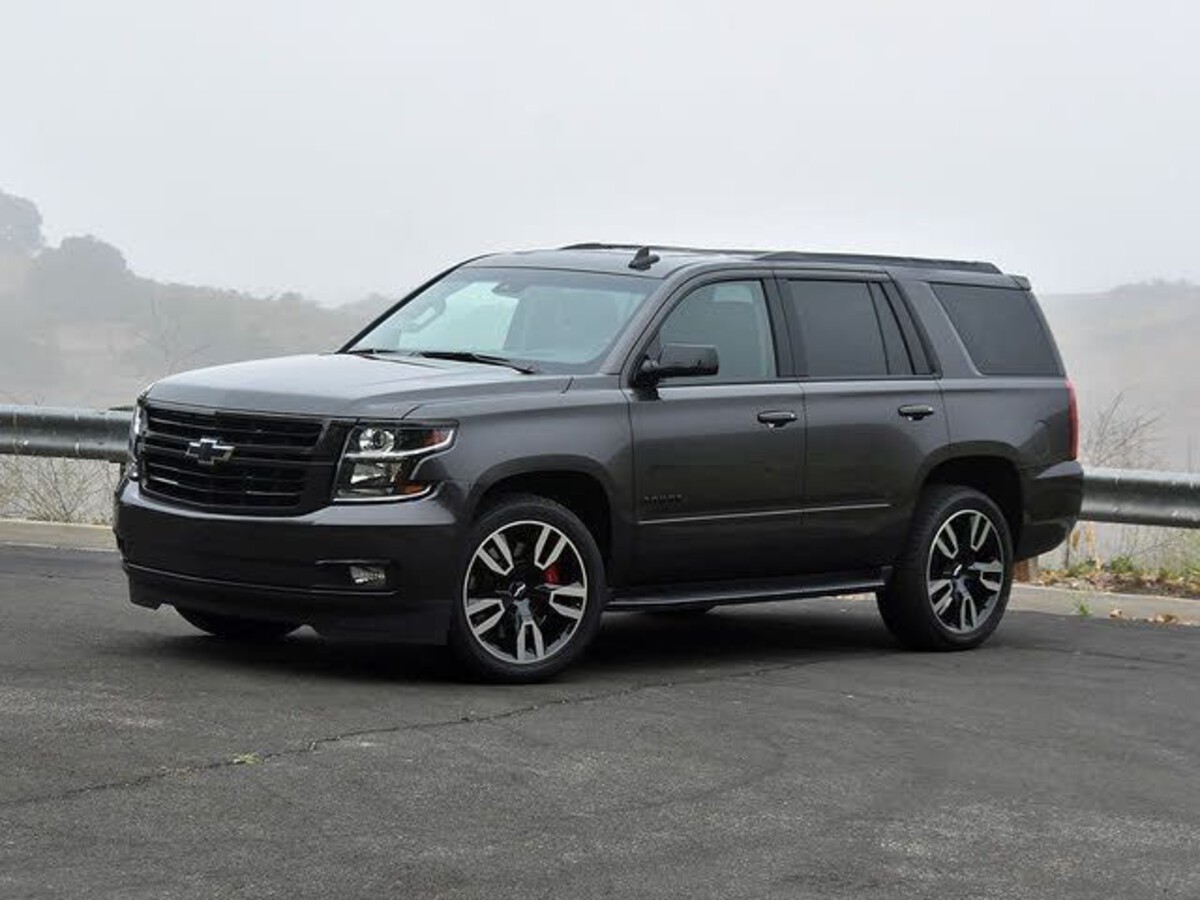
5. Chevrolet Tahoe (Older Models, Especially Pre-2007)
The Chevrolet Tahoe, especially in its earlier generations before the 2007 redesign, exemplifies the risks associated with combining large, heavy vehicle mass and a high center of gravity with relatively basic suspension geometry.
As one of America’s most popular full-size SUVs, the Tahoe was often marketed as a family-friendly vehicle with towing power and rugged durability. However, when put through emergency handling scenarios, earlier Tahoes showed a tendency to become unstable under rapid directional changes—particularly when loaded with passengers or cargo.
Part of the issue lies in the Tahoe’s truck-based platform, which it shared with full-size pickups like the Chevrolet Silverado. While this platform delivered excellent durability and hauling capacity, it lacked the nimble characteristics of car-based chassis systems.
During sudden swerves—such as those simulated in moose tests or double-lane avoidance scenarios—the Tahoe’s soft suspension allowed for excessive body lean, which increased the likelihood of tipping. Unlike cars or lower-profile SUVs, these older Tahoes could shift their center of gravity dangerously in an instant, particularly when momentum carried the vehicle into a sharp lateral transition.
Another contributing factor was the steering system. Older Tahoes typically used recirculating ball steering, which offers durability but lacks the quick responsiveness of rack-and-pinion systems used in more modern and smaller vehicles. In an emergency, where millisecond reactions matter, this slower steering input added an extra layer of challenge for drivers trying to avoid an obstacle.
A half-second delay in wheel response could translate to a completely missed opportunity to regain control, especially on highways where speeds are higher and reaction windows shorter.
The Tahoe also highlighted a broader issue with early full-size SUVs: they were often purchased with the assumption they were “safer” due to their size. However, the physics of tall, heavy vehicles are unforgiving in rapid maneuvers. Safety in crashes isn’t just about surviving an impact—it’s also about avoiding one altogether. In tests and real-world incidents, the Tahoe’s susceptibility to rollover in emergencies revealed a major flaw in that assumption.
To GM’s credit, later generations of the Tahoe (post-2007) introduced major overhauls including stability control systems, independent rear suspension in some models, and better weight distribution. But those improvements came after years of poor performance in high-stress handling tests, making the earlier Tahoe models a cautionary reminder of how vehicle size doesn’t guarantee safety in emergencies.
Also Read: 10 Cars That Are Still on the Road From the Early 2000s
Emergency maneuvers are the ultimate real-world test of a vehicle’s design, engineering integrity, and the driver’s confidence in their machine. It’s easy to judge a car based on its acceleration, features, or how smooth it feels in daily traffic—but none of that matters when the unexpected happens.
In those critical seconds, it comes down to how your vehicle reacts when you’re at the limits of control: swerving at highway speeds, correcting mid-turn, or braking hard while steering away from danger. This is where the separation becomes stark between vehicles that inspire trust and those that flirt with catastrophe.
From the analysis above, one truth emerges clearly: not all vehicles are created equal in emergency situations. Cars like the Mazda MX-5 Miata, Subaru WRX, BMW 3 Series, Tesla Model 3, and Porsche Cayman aren’t just fun to drive—they’re engineered with balance, predictability, and responsiveness.
These characteristics may seem like performance luxuries at first glance, but they prove to be essential assets when seconds separate you from disaster. Their low centers of gravity, fine-tuned suspensions, and real-time electronic support systems allow drivers to act decisively without battling the vehicle’s limitations.
In contrast, vehicles such as the Suzuki Samurai, early 2000s Ford Explorer, Jeep Wrangler (2-door), Mitsubishi Montero, and older Chevrolet Tahoe models demonstrate how design decisions—however well-intentioned—can compromise safety in high-stress scenarios.
These vehicles often prioritized ruggedness, utility, or off-road capability, unintentionally creating top-heavy, dynamically unstable machines that struggle with sudden weight transfers. When forced into rapid directional changes, many of them not only lose traction but actively destabilize, resulting in tipping or full rollovers. For drivers unaware of these weaknesses, the outcome can be both shocking and tragic.
But perhaps the most important takeaway isn’t just which cars handle well or poorly—it’s why they do. The physics of weight, momentum, and balance affect every vehicle on the road. A high center of gravity, narrow track width, long suspension travel, or sluggish steering ratio all create vulnerabilities.
In contrast, thoughtful engineering—often involving compromises in ride height, cabin space, or cost—can produce vehicles that are safe, controlled, and highly maneuverable under pressure. Manufacturers now increasingly understand this and incorporate technology like electronic stability control and improved suspension geometry into even mainstream vehicles. However, technology can only mitigate; it cannot defy the laws of physics.
Drivers, too, have a crucial role to play. Understanding the capabilities and limitations of your own vehicle is just as important as knowing the traffic laws. Simply owning an SUV doesn’t mean you’re safer—it might mean you need to be more cautious in how you drive it.
Emergency maneuver training, practicing panic braking, or even taking a defensive driving course can dramatically increase your ability to react effectively during real-world hazards. Knowing how your vehicle responds when you swerve sharply or brake hard can make all the difference, especially if you’re in a vehicle prone to instability.
Ultimately, safety in emergencies is not just about crash survival—it’s about crash avoidance. Cars that handle well give you that critical edge: a moment more to steer, a second more to brake, the extra grip to hold your lane or avoid a collision entirely. Meanwhile, unstable vehicles turn those same moments into chaos, requiring countersteering, braking corrections, or worse, leaving you with no good options at all.
In a world where traffic is denser, speeds are higher, and distractions are everywhere, the ability to survive an emergency often hinges on a car’s hidden traits—its composure, its feedback, and its balance. So, whether you’re buying your next car or simply taking a closer look at the one you drive now, ask yourself not just how it looks or how it feels, but how it might save your life when everything goes wrong in a blink.
